
Language
Solar for schools and hospitals fails for a different reason than solar for a factory. The generation side is rarely the problem - the roof is usually large, unobstructed and available. What goes wrong is the backup side: a system sized for the average day, installed in a building whose worst hour looks nothing like its average.
A hospital ward at 3 am and a classroom at 11 am place completely different demands on a battery. Treating them as the same project type is how institutions end up with storage that empties before the morning shift, or with panels that were sized for a term-time load and now sit idle through a two-month holiday.
This guide covers what actually drives solar for schools and hospitals projects: how to classify loads, how to size storage around the worst hour rather than the average day, and what a realistic budget range looks like for each building type.
It is worth saying what solar for schools and hospitals is not. It is not a smaller version of a factory system, and it is not simply a generator replacement. In most institutions the array covers the daytime base load, the battery covers a defined essential load, and the grid or a generator still handles the rest. Designs that try to make solar for schools and hospitals carry everything tend to stall at the funding stage, because the number looks unreasonable next to the institution's annual budget.
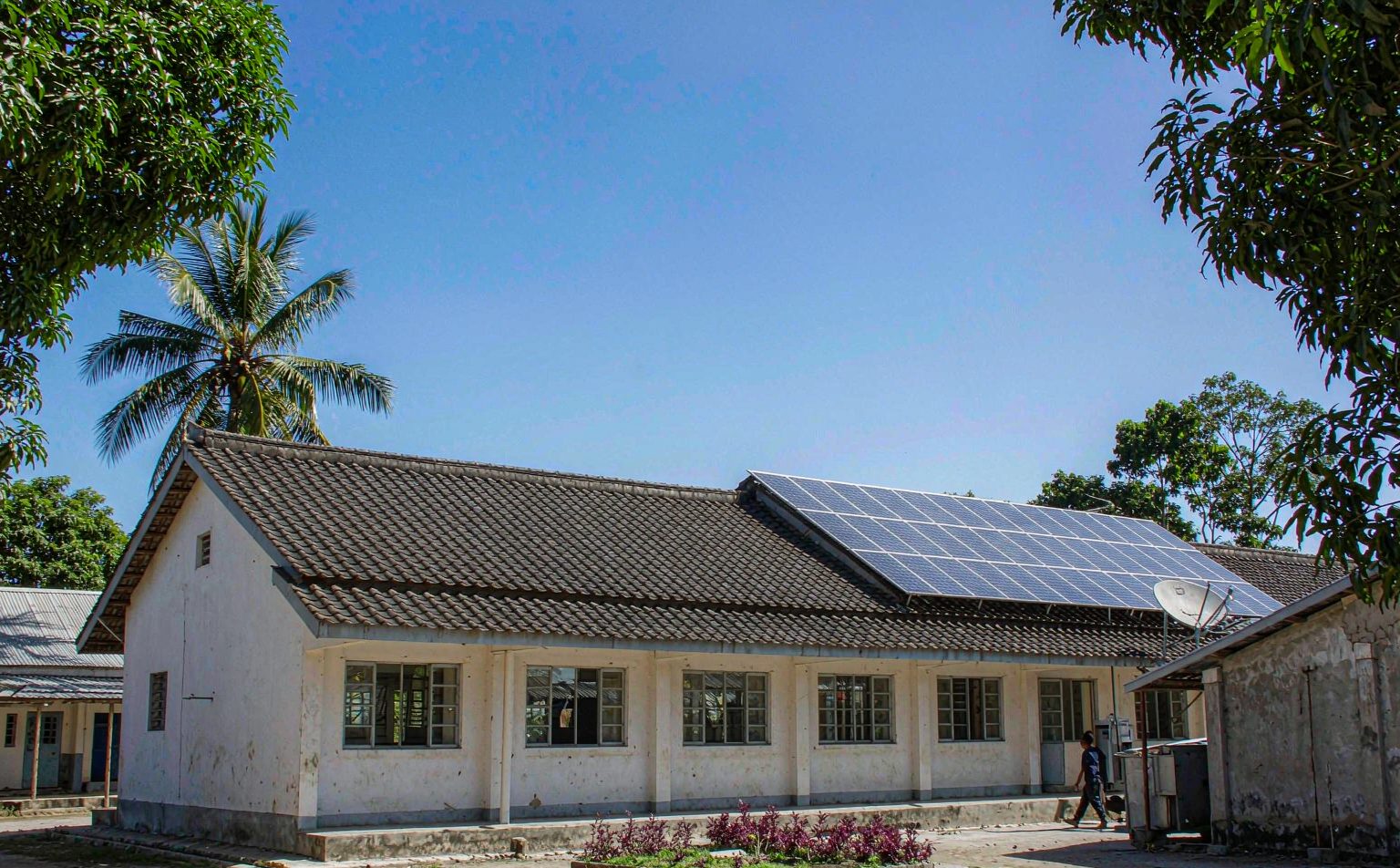
A commercial solar project is usually justified by a tariff. Solar for schools and hospitals is usually justified by continuity first and cost second, even when the client says the opposite.
That changes the design brief in three ways. Critical loads have to be separated from ordinary ones, because no institution can back up an entire campus on a battery budget. Outage frequency matters as much as outage duration - a site with six short cuts a day has a different problem than one with a single four-hour cut. And the maintenance regime has to survive a building with no full-time electrical staff, which rules out anything that needs weekly attention.
Institutions also procure differently. There is usually a board, a committee or a funding partner, and the decision has to be documented. A specification written in plain language, with assumptions stated, moves through that process far faster than a datasheet-heavy proposal.
The split also changes who signs off. A commercial project is approved by whoever owns the building. Solar for schools and hospitals often has a board, a parent committee or an external funder in the chain, and each asks a different question. The head teacher asks whether classrooms will be cooler; the finance officer asks for the payback; the funder asks for documentation. A specification that answers all three is worth more than a technically superior design that answers none.
It helps to know where these budgets usually break down. Roughly, the array accounts for one part, the inverter and switchgear another, and storage the largest single share in any design that covers a real outage. When a solar for schools and hospitals quotation arrives, asking the supplier to split it along those three lines tells you quickly whether the storage assumption behind the solar for schools and hospitals number is realistic or aspirational.
Before any equipment is discussed, walk the building and put every circuit into one of three groups. This single exercise determines most of the cost.
The battery is sized against the first group, and the inverter against the first group plus its surge. Institutions that skip this step typically over-buy by a large margin, because the quotation silently assumes everything is essential.
One practical shortcut for the classification exercise: walk the building at night with a torch and note which circuits are still live. That list is usually close to the essential class, and it is far faster than reading distribution boards. Then check it against the daytime peak, because solar for schools and hospitals projects are sized for both the night essentials and the day peak, and the larger of the two governs.
Two final checks belong in the classification step. Confirm who can authorise switching a circuit off during an outage, because some serve safety systems. And confirm whether any load is shared between buildings, which is common in solar for schools and hospitals settings where one plant room serves several blocks. Missing a shared load understates the solar for schools and hospitals requirement by more than most people expect.
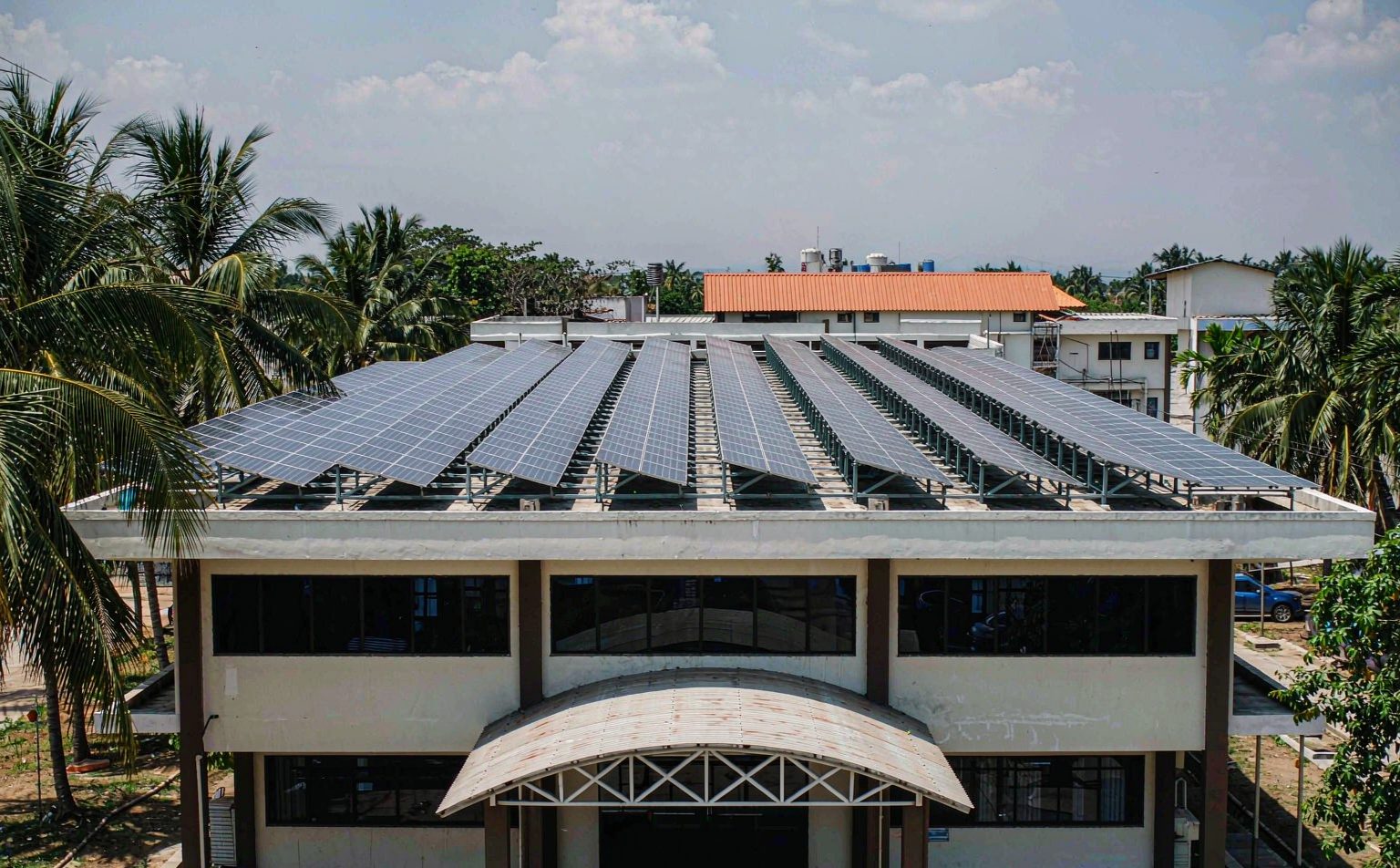
The load shape for the two building types is almost inverted, and that is the single most useful thing to understand before sizing storage.
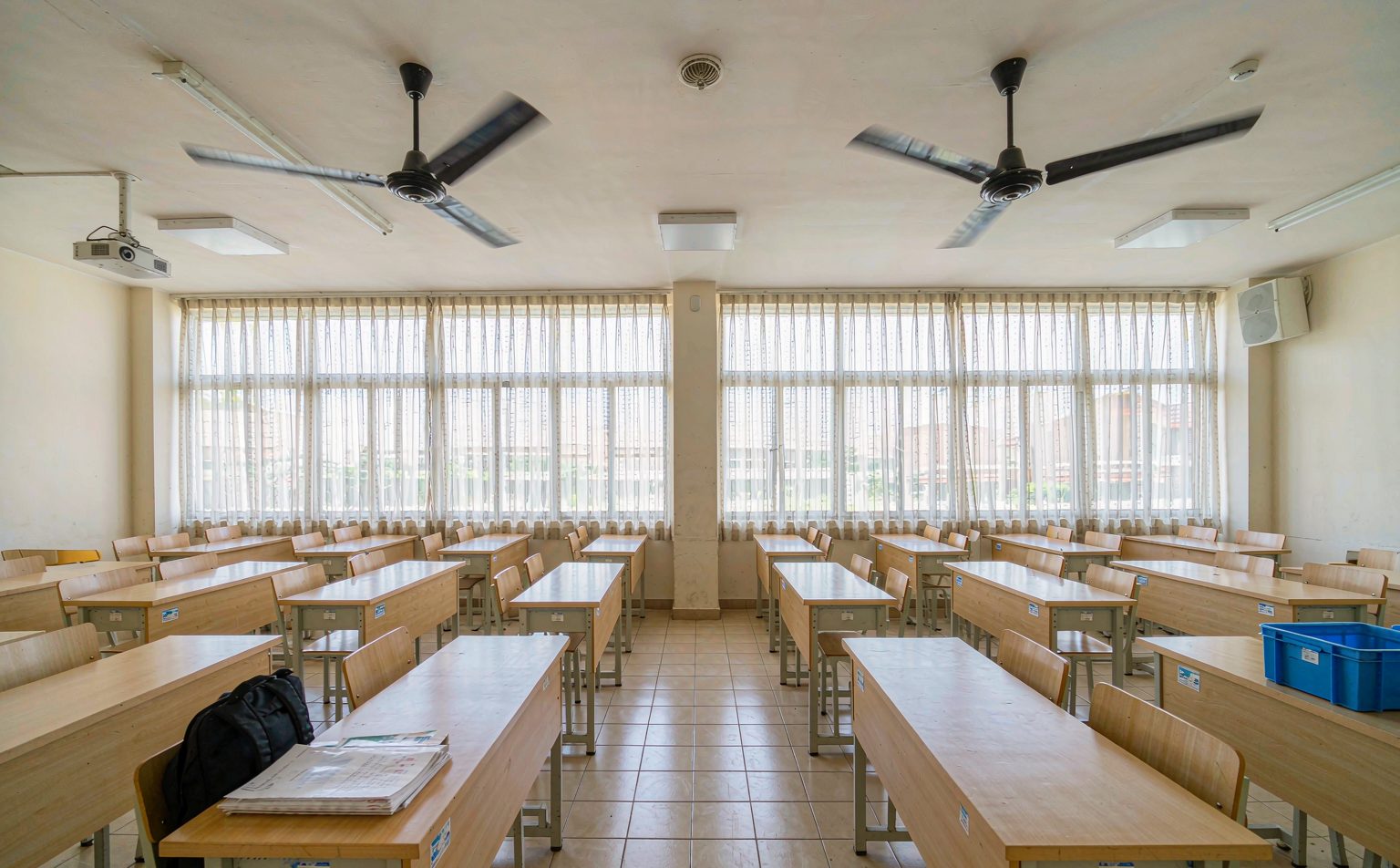
A school's demand peaks between roughly 8 am and 3 pm, when the array is producing. Fans, lighting, projectors and computer rooms align well with generation, so a school can often run with a modest battery and still cut most of its daytime consumption. The battery's job is to cover early mornings, evening study and the first hours of an outage.
A hospital has no such alignment. Lighting, refrigeration, medical equipment and monitoring continue through the night, and a delivery or an emergency can add a load spike at any hour. Solar for schools and hospitals is therefore two different engineering problems that happen to share the same equipment list, and quoting them from one template is a common source of disappointment.
There is an obvious implication for procurement. A day school can often justify a smaller battery than the client expects, and that saving is better redirected into a larger array, which produces useful energy all year. At a hospital the reverse holds. Assuming both building types need the same storage ratio is the quickest way to get one of them wrong.
Seasonality deserves one more thought. Where a solar for schools and hospitals project sits in a region with a pronounced dry or rainy season, generation and demand do not move together. Air conditioning load rises with temperature while output falls with cloud. Solar for schools and hospitals designs in those conditions should be checked against the worst month rather than the annual average.
The useful question is not how much energy the hospital consumes in a day - it is how much the essential circuits consume during the longest expected outage. In many of the regions we ship to, that is four to eight hours, and occasionally a full night.
Multiply the essential load in kW by the outage hours to get the usable battery energy you need, then add a margin for degradation over the warranty period and for the fact that the pack will not cycle at a constant rate. Only then convert to nameplate capacity using depth of discharge - LFP packs are typically run to 80-90% DoD.
Also check the power side. A battery sized for energy can still be unable to deliver the peak, which is the mismatch covered in our guide to hybrid inverter sizing. Operating theatres, imaging equipment and sterilisers are the loads that expose it.
Redundancy is the next question a hospital will raise. If the battery empties, the generator must start, and the transfer has to happen without dropping the theatre or the cold chain. Solar for schools and hospitals designs that include storage should always state how that transition works, how long the generator takes to accept load, and what happens if both sources are unavailable.
One number worth writing into the specification is the reserve the battery must still hold after the longest expected outage. Clinical loads cannot be dropped to protect a battery, so solar for schools and hospitals systems are designed with a margin rather than run to the floor. That margin is a cost, and it is also why solar for schools and hospitals storage figures look larger than a simple energy calculation suggests.
Schools have a second variable that commercial buildings do not: the academic calendar. A system sized on a term-time Tuesday will spend holidays generating into a near-empty building.
There are three ways to handle this, and the right one depends on whether the site can export. Where net metering or export is available, the holiday surplus becomes revenue or a credit. Where it is not, the design should either accept curtailment - which is not a failure, it simply means the array was sized for the term - or use the holidays for deferred loads such as water pumping, maintenance work or running the computer lab.
Boarding schools sit between the two cases. Their evening and night load continues year-round, so the battery is doing genuine work, and the case for storage is stronger than in a day school.
Expansion is easier to allow for than to retrofit. If a school expects to add a science block or a computer lab within a few years, sizing the inverter and switchgear for that future load now costs very little. Solar for schools and hospitals projects that leave spare ways and correctly sized cable rarely regret it; projects that fill every way on day one often do.
One way to keep a school project affordable is to phase the storage. A solar for schools and hospitals design can start with enough battery for evening study and short outages, then extend the bank later as budget allows. Because the inverter and switchgear were sized for the full build, adding solar for schools and hospitals storage in a second phase costs far less than starting over.
Cost depends far more on the storage hours than on the array. The PV side scales predictably with capacity; the battery side scales with both energy and power, which is why two projects with the same kW figure can differ substantially in price.
As an orientation from our own published project data: commercial storage across our markets generally lands in the range of 180 to 300 US dollars per kWh of installed capacity, and commercial solar-plus-storage projects typically pay back in four to seven years on commercial tariffs plus avoided diesel. Our 250 kW hotel project in Ghana cut roughly 60% off the electricity bill - a comparable load profile to a mid-sized boarding school with a kitchen and laundry.
Institutions should also price the diesel they will no longer burn. In most of our markets that is the line that makes the payback work, and it is the line most often left out of the initial business case.
Institutions should also ask who owns the asset and who maintains it. Solar for schools and hospitals systems are long-lived, and the operating cost over ten years is not zero. Budget for module cleaning, periodic inspection and eventual battery replacement, then compare that against the avoided bill. A payback figure that ignores maintenance is optimistic, and committees tend to discover this the hard way.
Comparisons with other institutions are useful but easy to misuse. A solar for schools and hospitals system on a campus with a large kitchen, laundry and boarding houses carries a very different load from a day school with none of them. Copying a solar for schools and hospitals capacity figure from a neighbouring site without checking the load list behind it is a common route to a system that does not match the building.
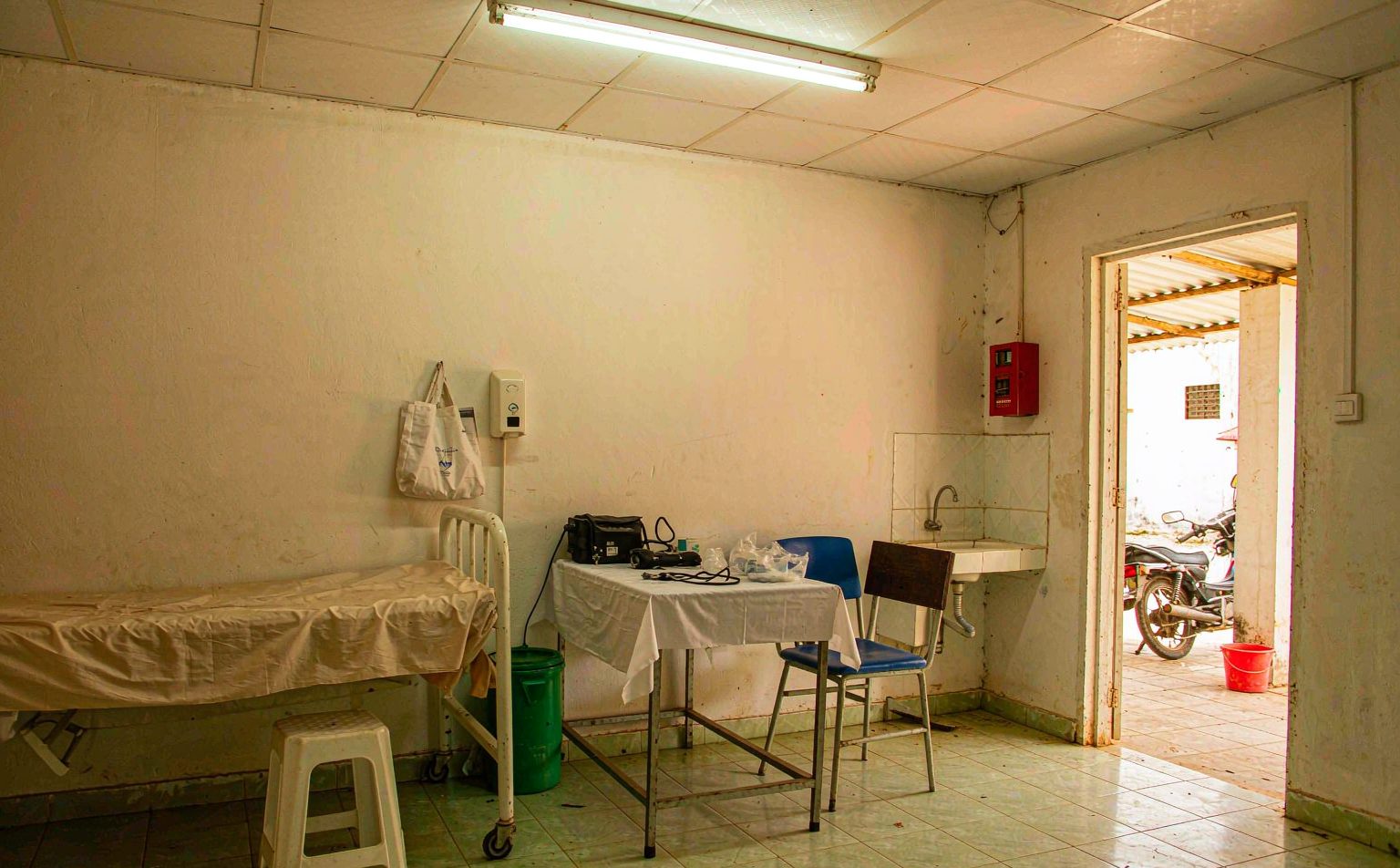
A sixth item belongs on the list because it moves the cost more than any technical choice: nobody agreed what "backup" means. Twenty minutes, four hours, or overnight? Solar for schools and hospitals budgets differ by a large multiple across those three answers, and the conversation should settle it before a supplier is asked to price anything.
Procurement timing is the last practical trap. Solar for schools and hospitals purchases often have to fit a budget year, and equipment lead times do not always cooperate. Starting a solar for schools and hospitals tender early enough that delivery lands inside the funding window avoids the awkward choice between paying for storage that arrives late and losing the allocation entirely.
The pattern repeats across very different sites. A 100 kW system for a remote school in Zimbabwe was driven by daytime classroom load with a battery to carry evening study and outages. A 100 kW installation at a Nigerian hotel faced a 24-hour load not unlike a hospital, with the evening peak setting the battery. A bank in Liberia needed a small essential load carried with high reliability rather than a large one carried cheaply.
What all three have in common is that the equipment list was short and the load list was long. The work went into deciding what stays on, not into choosing panels.
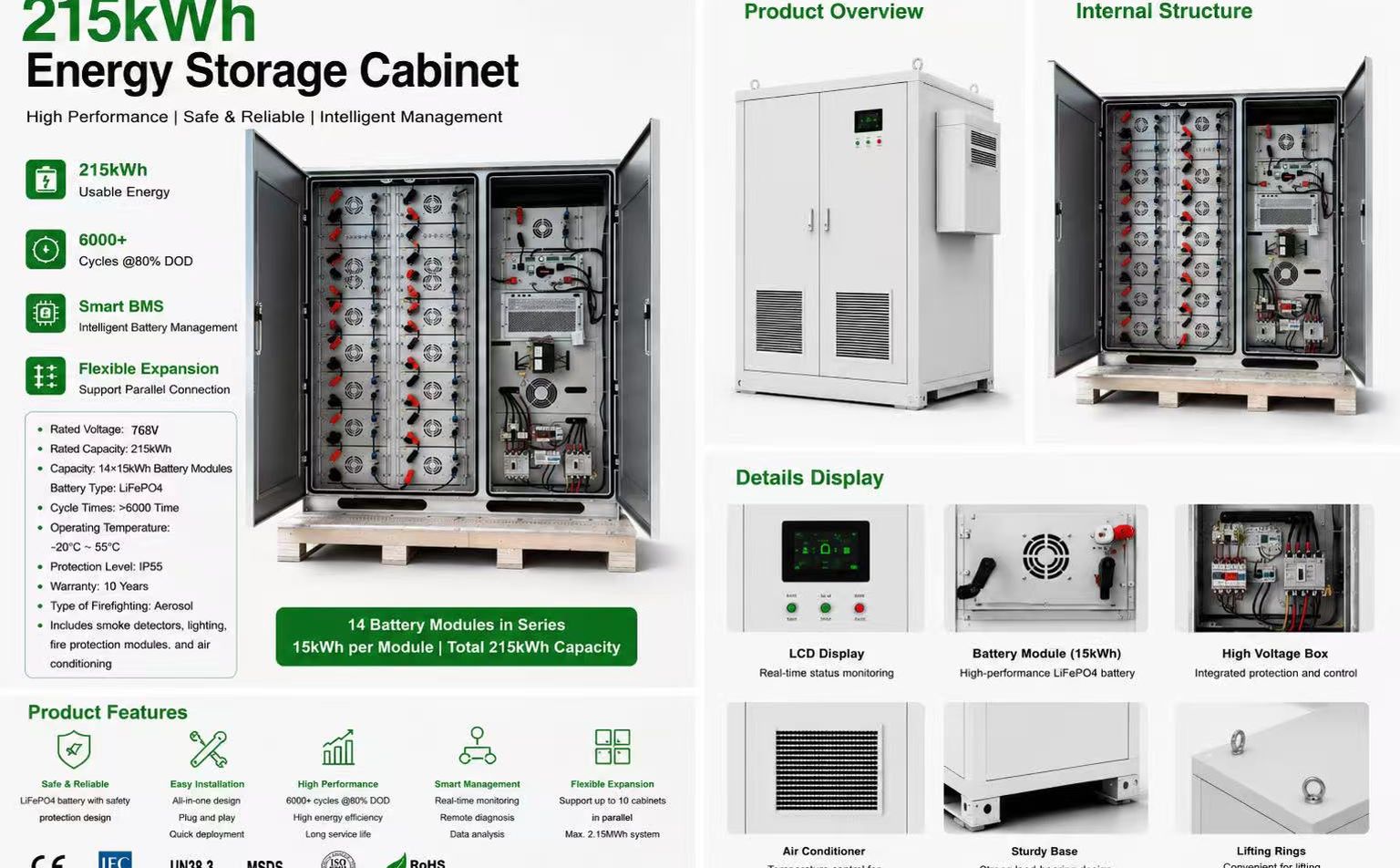
Larger institutional sites follow the same logic at scale. Our 200 kW rice mill project in Abuja and the 100 kW / 215 kWh microgrid commissioned in Sudan in seven days both prioritised a defined essential load over whole-site coverage.
If you want a single test for whether a proposal is serious, look for the essential load table. Solar for schools and hospitals designs that show it can be reviewed, questioned and improved. Ones that jump straight to a kW figure cannot, and there is no way to tell whether that figure is right or simply familiar.
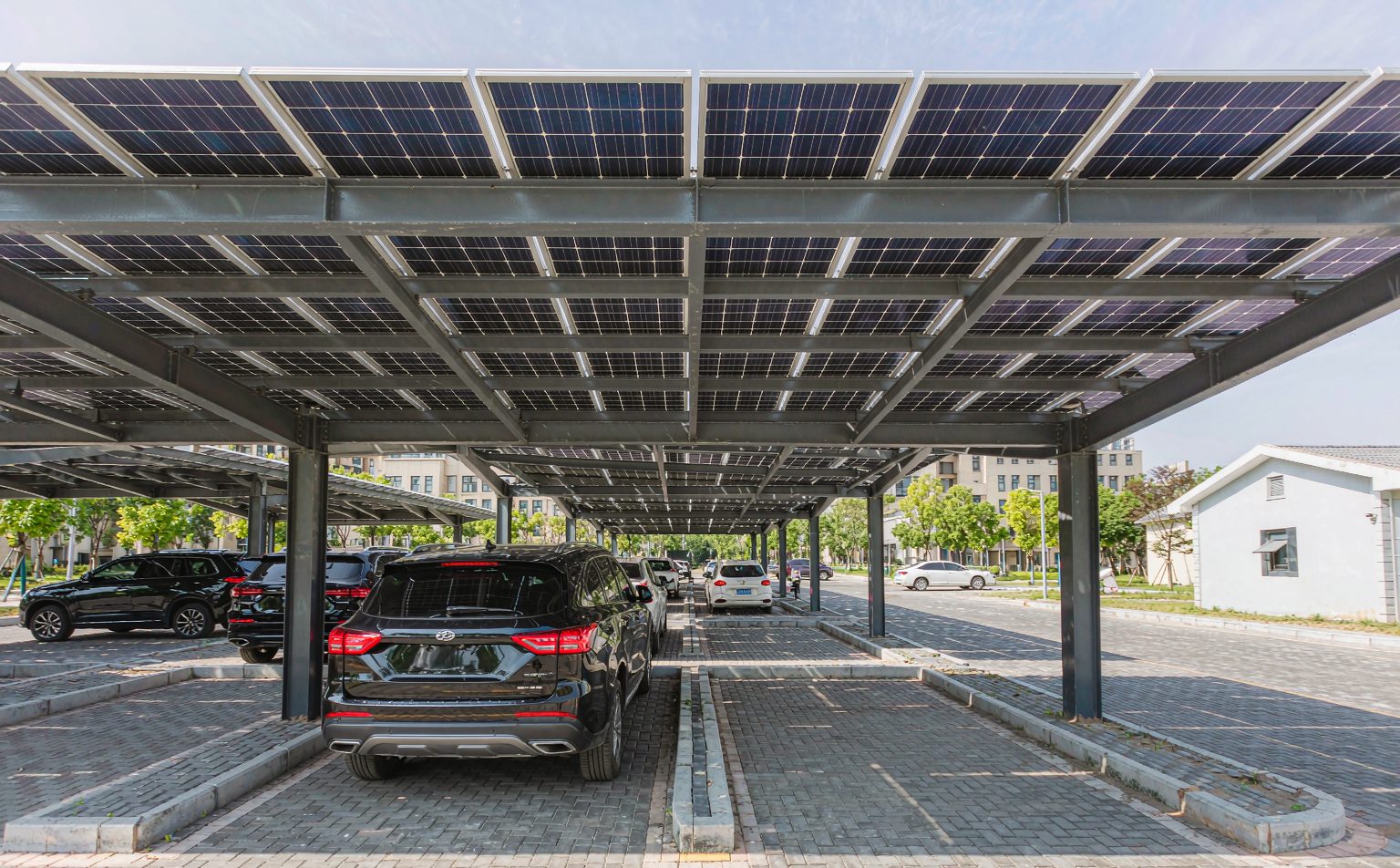
Two principles help here. Write the requirement, not the brand - institutions that specify a make and model narrow their supplier pool for no benefit. And insist the assumptions appear next to the conclusions, so the committee can review the reasoning rather than approve a figure on faith.
Finally, require a commissioning record and a one-page operating instruction at handover. The people running a school or a clinic are not electricians, and solar for schools and hospitals installations that arrive with a plain-language guide get looked after. Ones that arrive with a folder of datasheets do not.
Ask for the design basis document as a deliverable, not just the equipment list. A solar for schools and hospitals design basis should state the essential load, the outage duration, the depth of discharge and the derating assumed for local temperature. Those four lines are what make a solar for schools and hospitals proposal reviewable by a committee that does not include an engineer.
Can we start with solar only and add batteries later? Yes, and it is often the right sequence when the budget is fixed. Design the inverter and switchgear for storage from the start so the battery can be added without replacing the hub.
How much of the campus can realistically run on backup? Typically the essential class only - lighting, refrigeration, medical or IT equipment and pumps. Whole-site backup for an institution is a different order of cost and rarely what the client actually needs.
What if the grid is already fairly reliable? Then the case rests on tariff savings, and the battery may be sized for peak or demand management rather than outage cover. That is a different calculation, and it should be priced differently too.
Do we need the same design for every building on campus? No. Solar for schools and hospitals projects are usually phased, with the highest-value building first, and the design should let later buildings be added without replacing the switchgear.
Do we need a dedicated electrical technician? No, provided the system is specified for unattended operation with remote monitoring. Practical maintenance is typically inspection, cleaning and firmware, not hands-on intervention.
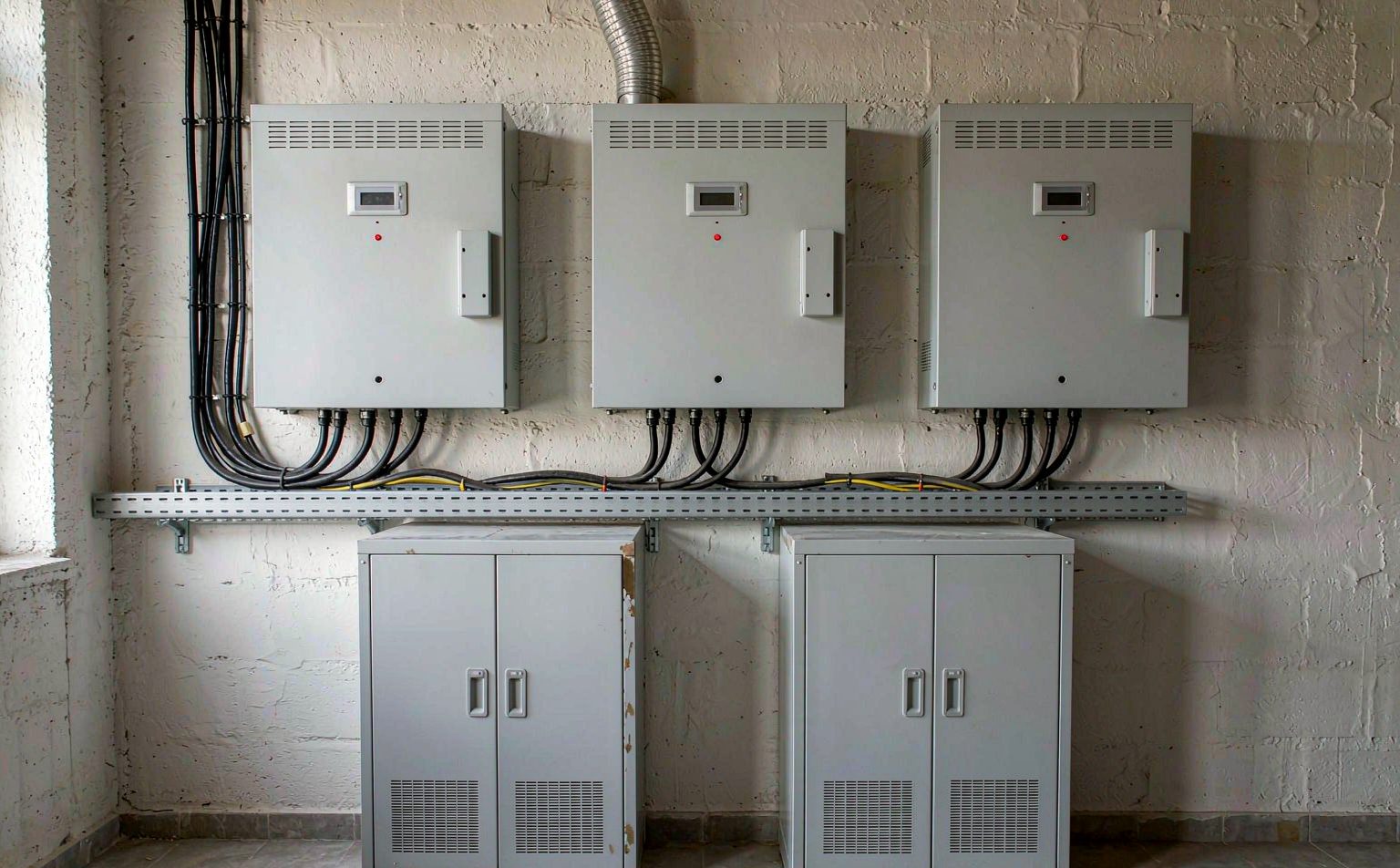
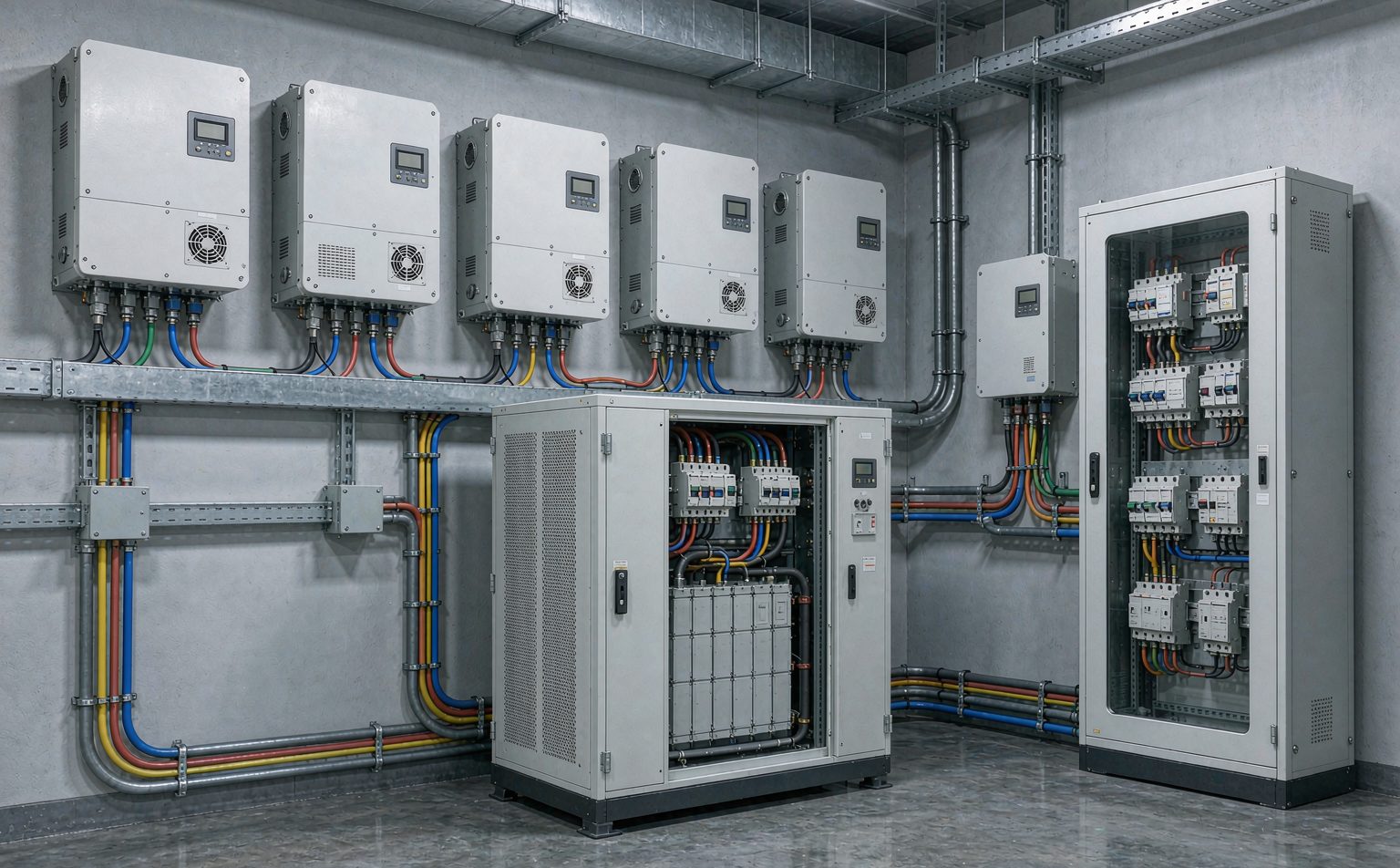
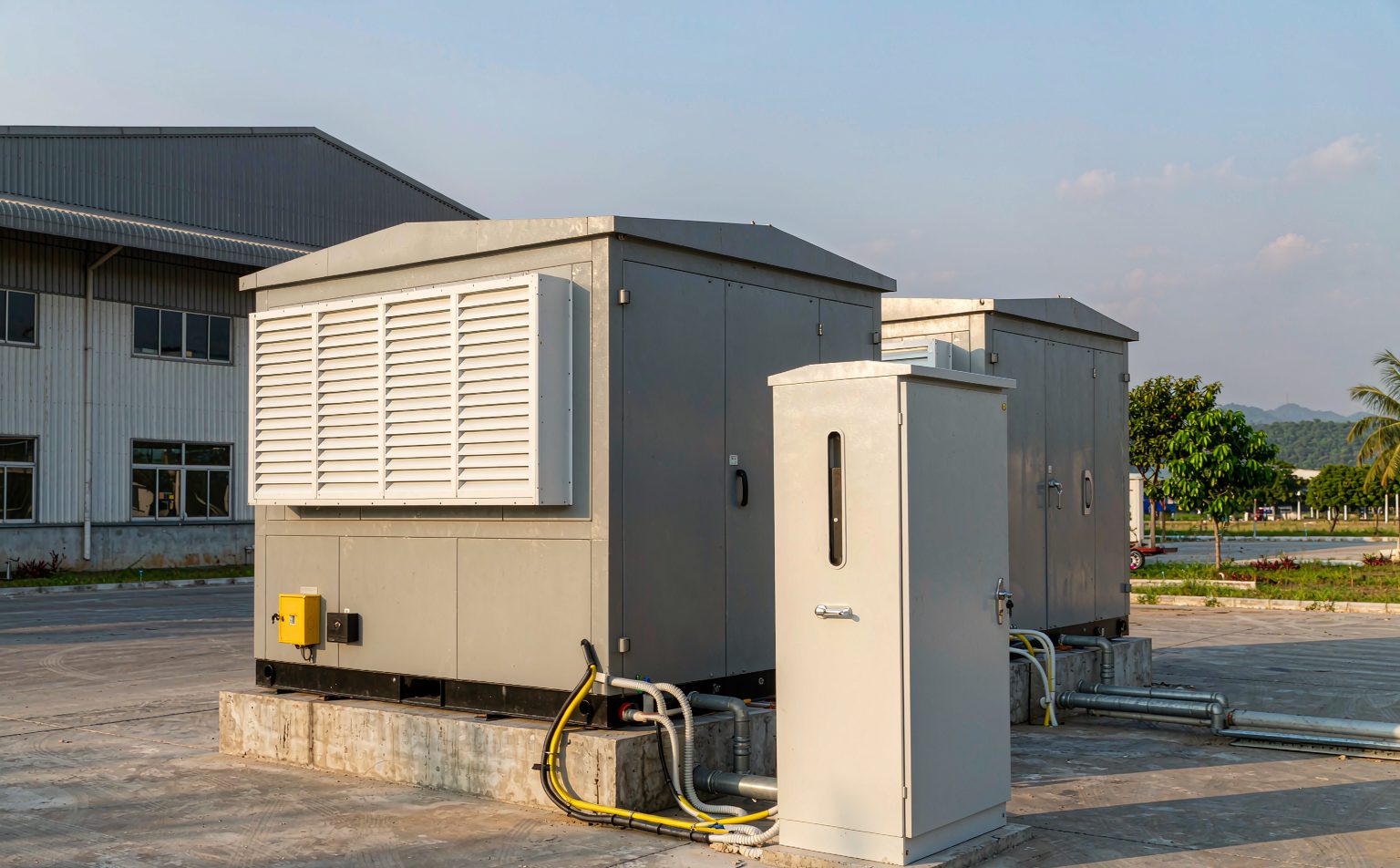
Where should the equipment room be? Away from patient areas, ventilated, and above any likely flood level. Inverter output derates in hot, unventilated rooms, and battery life shortens in the same conditions.
How long will the batteries last? LFP packs are generally expected to retain a majority of their capacity over a multi-year warranty, provided the depth of discharge and operating temperature stay within the manufacturer's limits. The cycle count printed on the datasheet assumes both.
Is there guidance on electrifying health facilities? Yes - the World Health Organization publishes on health facility electrification and its materials on health systems are a useful reference for committees building a case. Education-sector funders often frame the same argument through the UNICEF education programmes and the World Bank's energy access work.
Should we specify brands in the tender? State the requirement, not the make. Solar for schools and hospitals tenders that name one brand narrow the supplier pool and rarely get a better price. Requiring evidence - certification, warranty terms, a reference site - achieves the same assurance more cheaply.
How do we compare two quotations fairly? Put both on the same three inputs. Most solar for schools and hospitals quotes that look far apart are actually answering different questions, and once the essential load and the outage duration are fixed, solar for schools and hospitals pricing converges quickly.
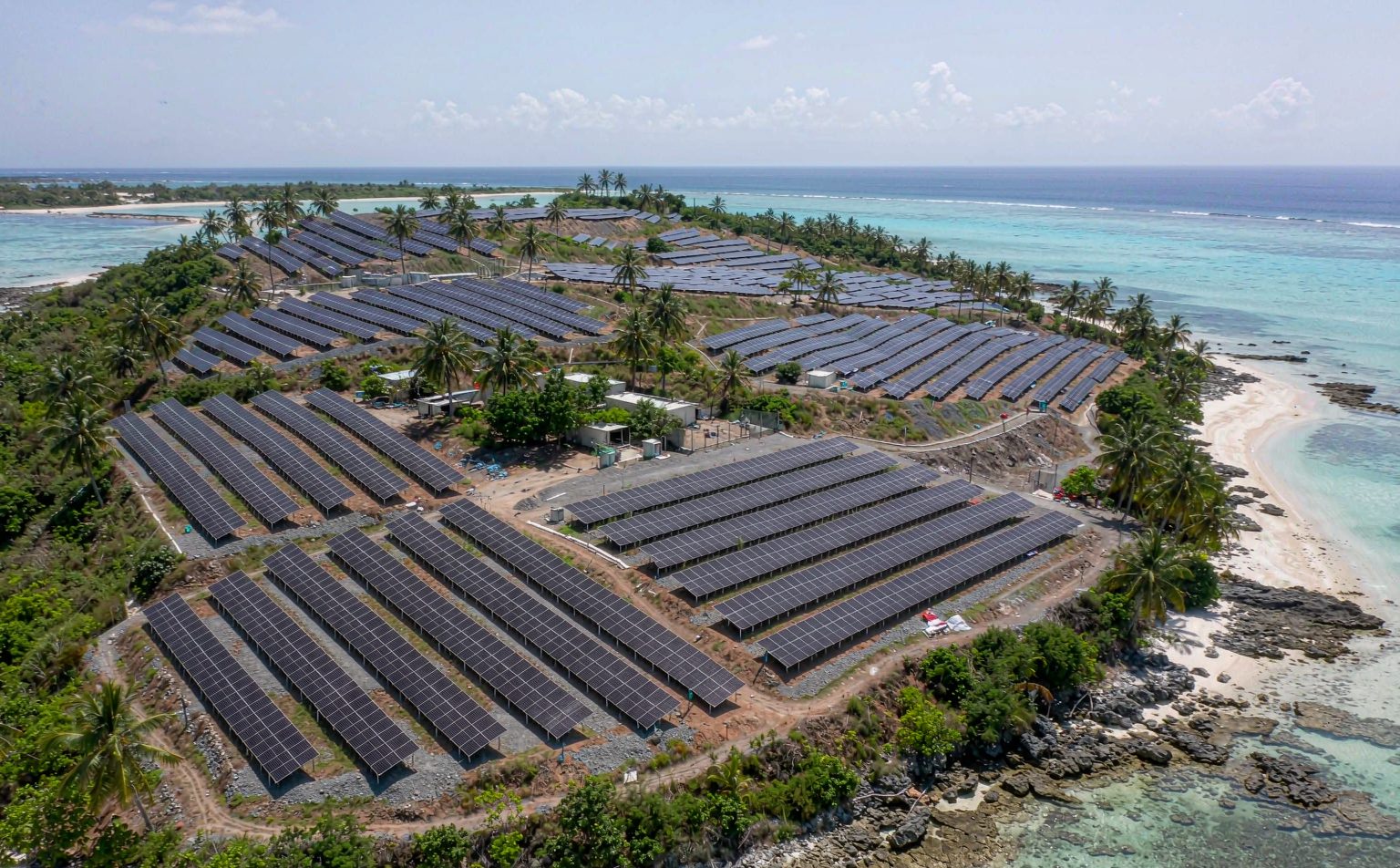
For the storage side of these projects, see commercial BESS design and payback and the wider solar and BESS cost guide. Island and remote sites are covered in off-grid solar for the Philippines and a 400 kW battery storage project, while Caribbean island costs cover the hurricane-resilience angle.
On cost and procurement, start with solar costs in Nigeria, solar panel prices in Kenya and Ghana, then diesel versus solar for the avoided-fuel case. Choosing a reliable supplier and what a site survey should cover are worth reading before tender.
All of the cost articles above assume you already know what you are backing up. If that is still open, the load classification method on this page is the right starting point, and it applies to solar for schools and hospitals of any size.
And keep the load list alive. Buildings change, circuits get added, a new cold room appears in a kitchen. A solar for schools and hospitals system is designed around a snapshot, so the snapshot should be reviewed every few years rather than treated as permanent. It is the cheapest form of solar for schools and hospitals maintenance there is.
Send us the building type, the essential load list and the outage duration you need to cover. We will return a system outline with the array size, inverter rating, battery energy and an indicative budget range, written so that it can go straight into a committee pack.
If you are earlier in the process, the BESS pricing and import guide and Philippines import guide explain the delivery and duty side, and our certification overview covers the documentation an institutional tender usually asks for.
If the funding case is the hard part rather than the engineering, the 150 kW farm project in Curacao shows how a system was packaged for a client under budget pressure, and our field case study on a 100 kW hotel installation documents what a 24-hour load looks like in service.
 English English
  Arabic
 Spanish
 French
 Dutch
Dutch
 Portuguese