
Language
Few regions make the Caribbean solar case as cleanly as the numbers do. Island grids across the Caribbean burn imported diesel and heavy fuel oil, and the retail result is some of the most expensive electricity in the world — Curacao's commercial tariff stood at 0.72 guilders, about US$0.40 per kWh, on the August 2026 Aqualectra schedule. Every kilowatt-hour a Caribbean solar array produces displaces energy that costs three to five times the solar levelized cost.
This guide covers what Caribbean solar plus battery storage costs in 2026, how hurricane exposure changes the engineering, what import treatment looks like on the islands, and where the payback lands for hotels, farms, supermarkets and cold stores. Figures are indicative September 2026 ranges drawn from our active projects in the region — confirm utility tariffs and duty treatment per island before modelling.
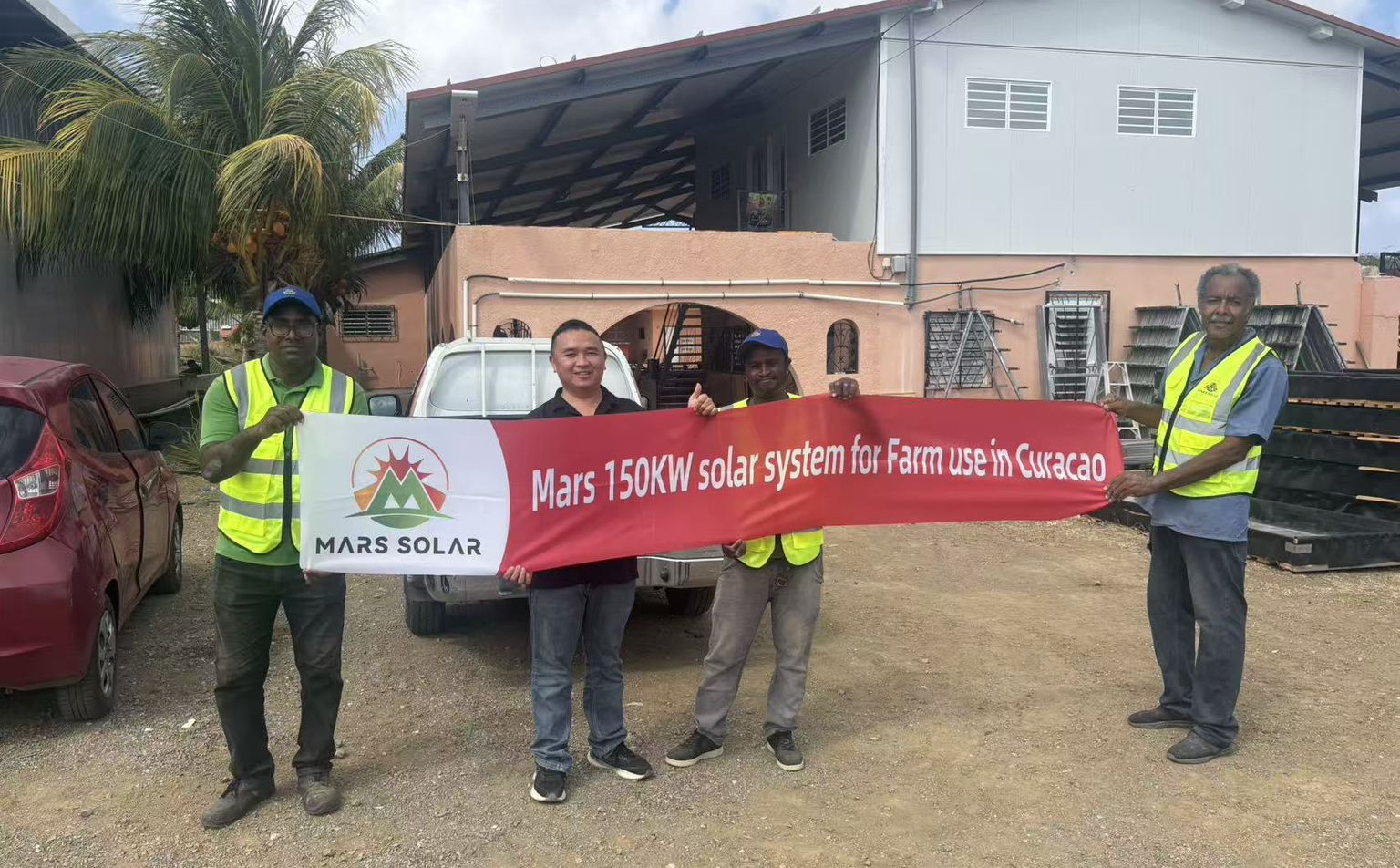
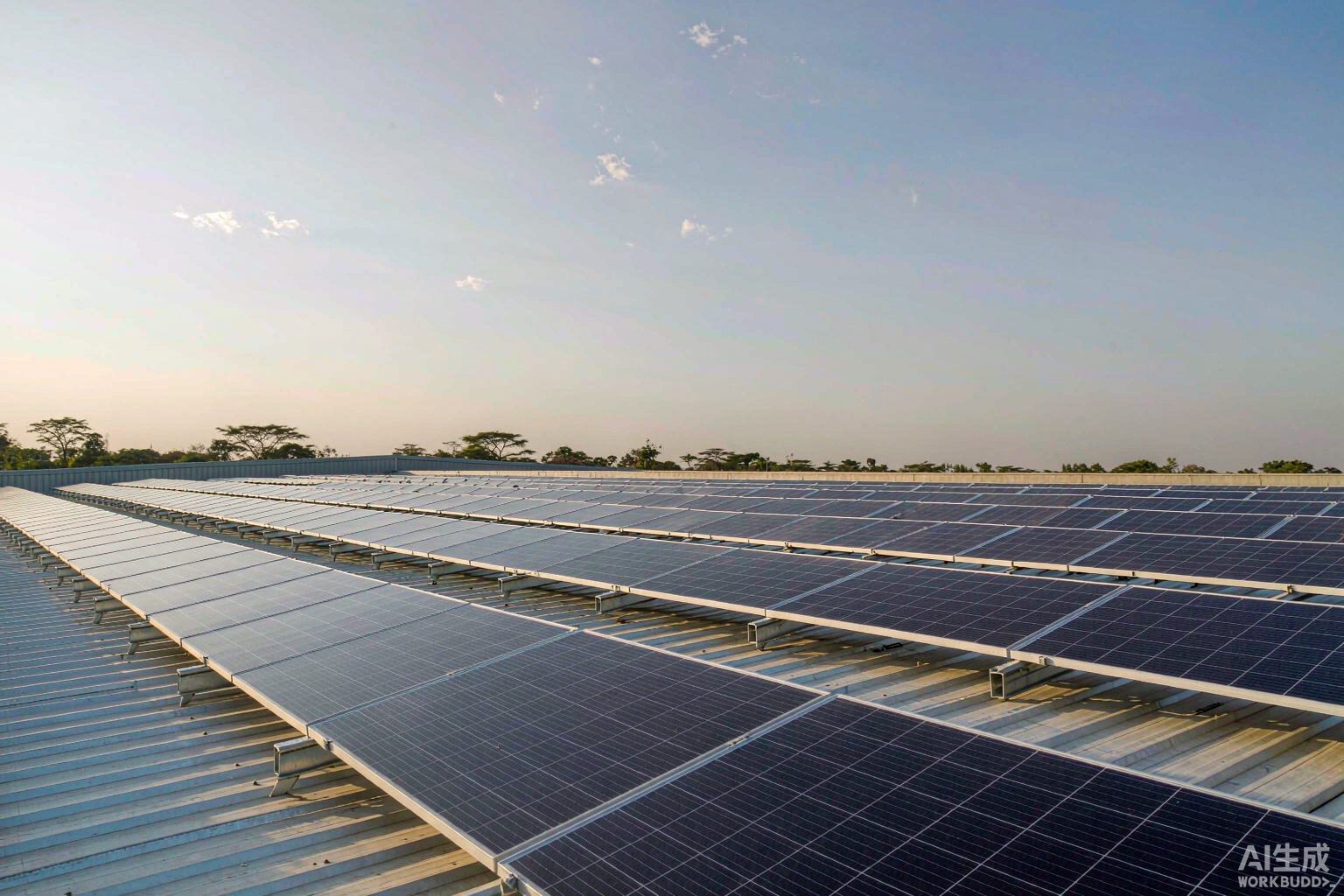
Our work in the region is real and current: a 150kW Caribbean solar system commissioned on a Curacao farm in April 2026, a follow-up engineering inspection in September 2026, and the 250kW Curacao supermarket project documented earlier. A sister installation is catalogued as the 250kW Curacao supermarket case on our partner site.
Caribbean utilities are diesel engines with wires attached. Curacao's tariff mechanism makes the structure visible: the August 2026 commercial rate combined a base of 0.4226 guilders with a fuel component of 0.2962 guilders per kWh — more than 40 percent of the bill is fuel pass-through, repriced monthly. When global oil moved in April 2026, island diesel pump prices jumped from 1.63 to 2.22 guilders per litre in one adjustment.
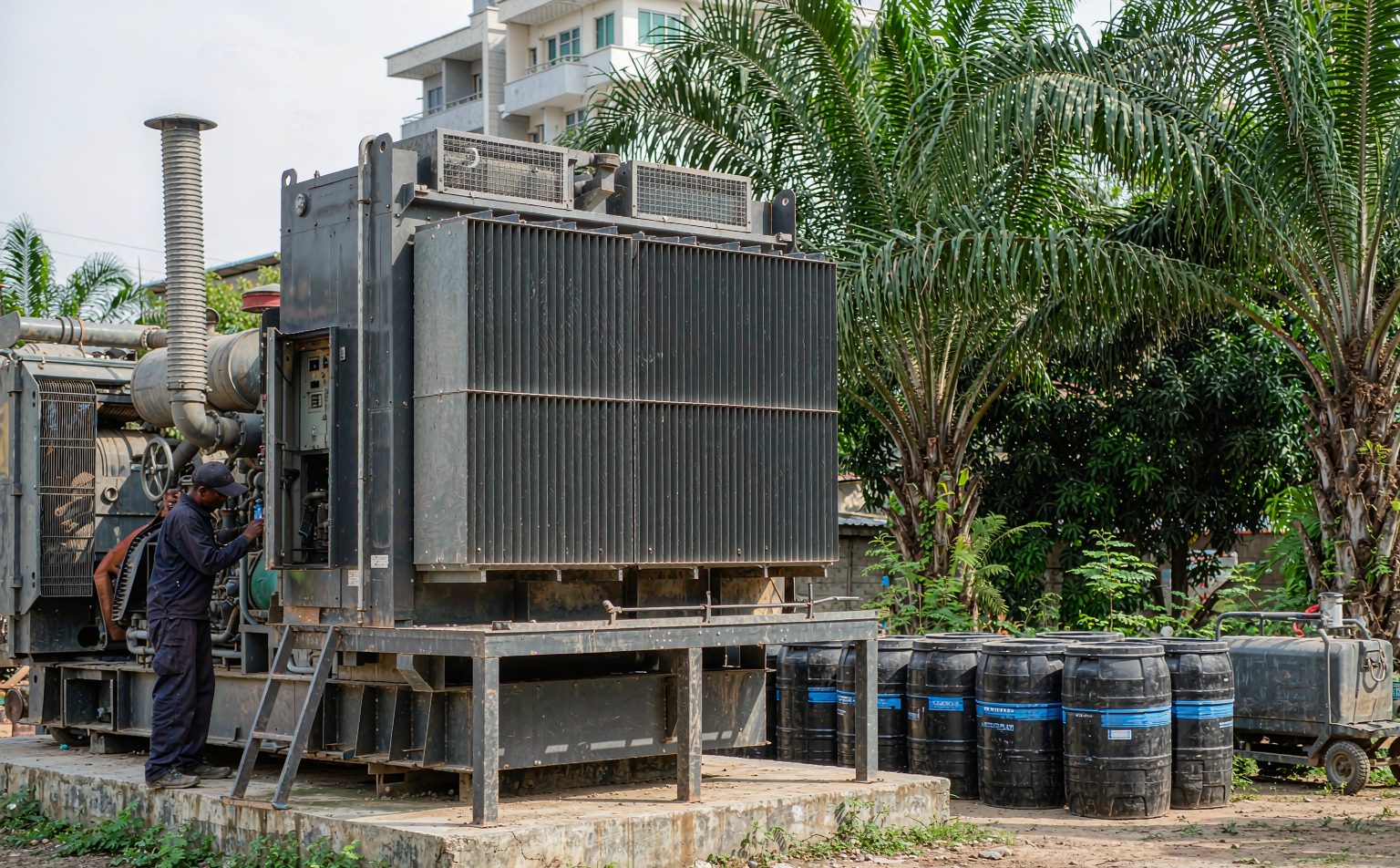
Behind the meter the same physics applies with worse economics: a hotel or farm running its own generator pays fuel plus maintenance plus depreciation, which lands between US$0.35 and US$0.55 per kWh depending on loading. That is the number a Caribbean solar and storage system actually competes against — not the grid tariff alone.
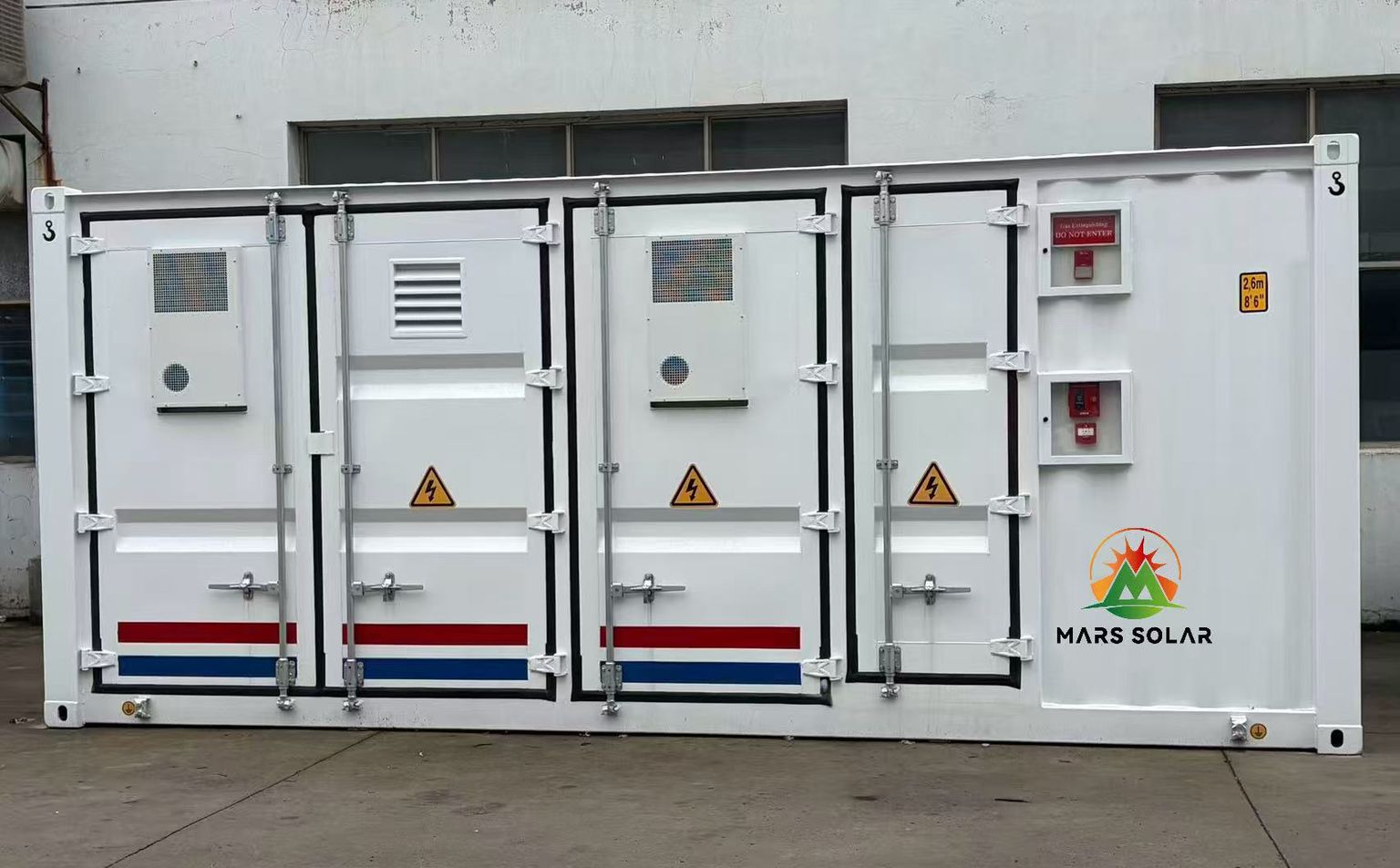
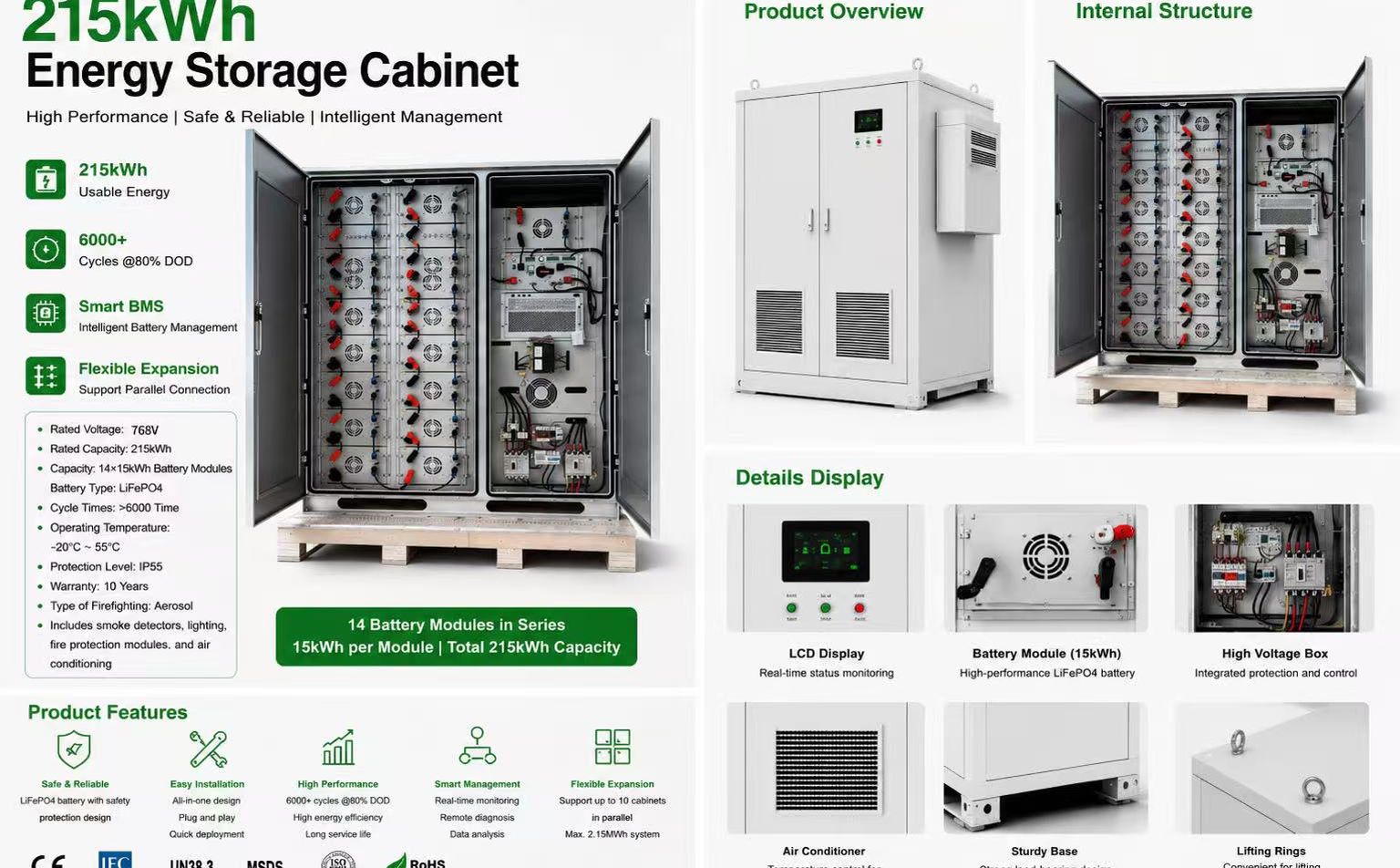
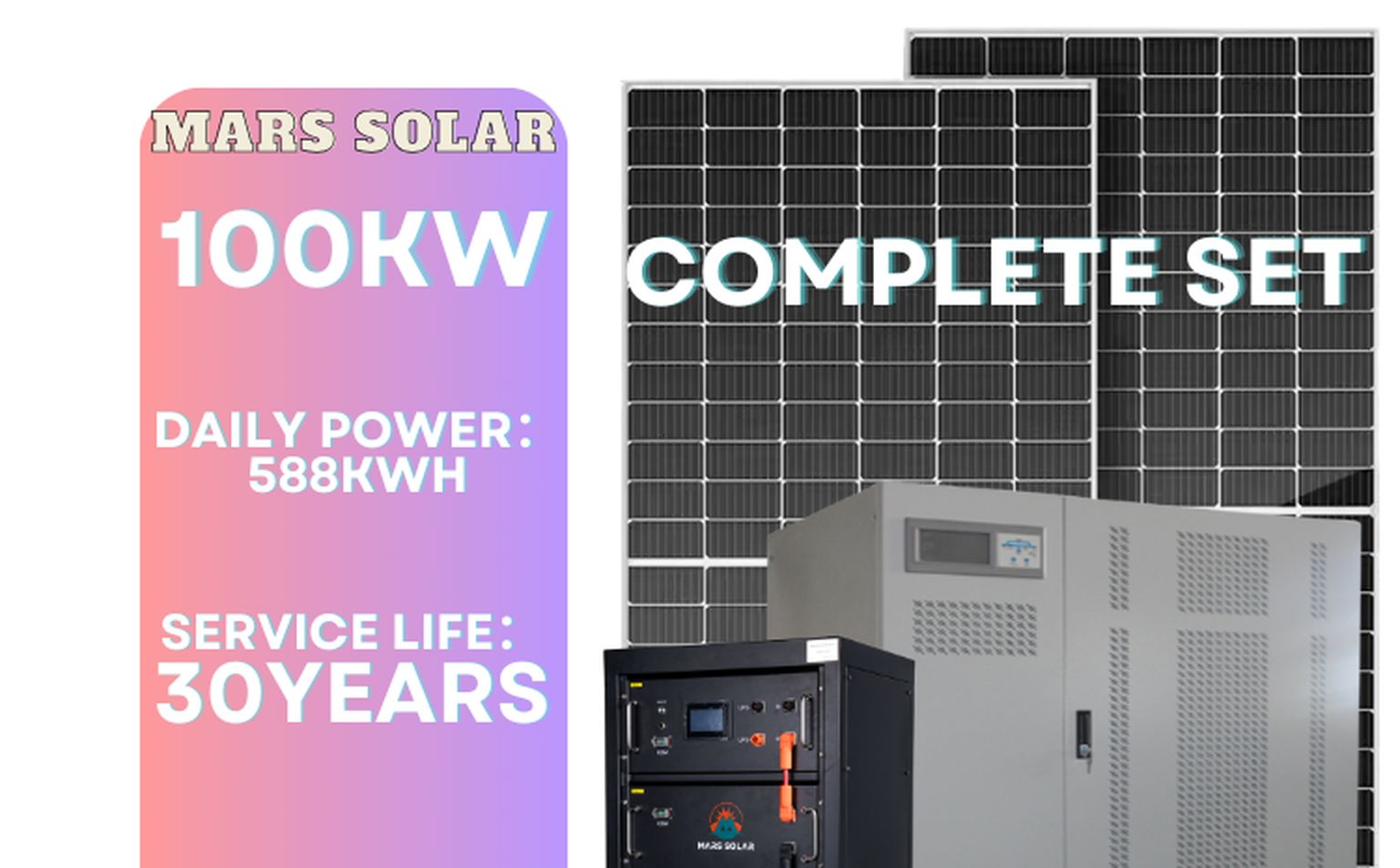
Factory-direct, the hardware has never been cheaper. A complete 100kW Caribbean solar set with mounting lands in the $58,000 to $75,000 range FOB China; adding 215kWh of LFP storage brings the system to roughly $150,000 to $185,000. Island logistics add 8 to 15 percent: ocean freight to the main ports, port handling, and the inter-island leg where applicable.
Import duty varies by island and by tariff line. Curacao's tariff schedule, for example, carries 10.5 percent ad valorem on many capital-equipment headings — renewable-energy classification should be confirmed per consignment with a local broker, because several islands offer duty concessions for solar equipment that must be claimed, not assumed. Even fully duty-loaded, the hardware side of a Caribbean solar project is typically under 60 percent of the turnkey cost local EPCs quote.
On a mainland grid, batteries are an optimization. On an island they are the product. Grid codes on small systems limit instantaneous PV penetration, clouds move fast over tropical islands, and the evening peak lands exactly when the array stops. A Caribbean solar design without storage exports cheap midday energy and buys back expensive evening energy.
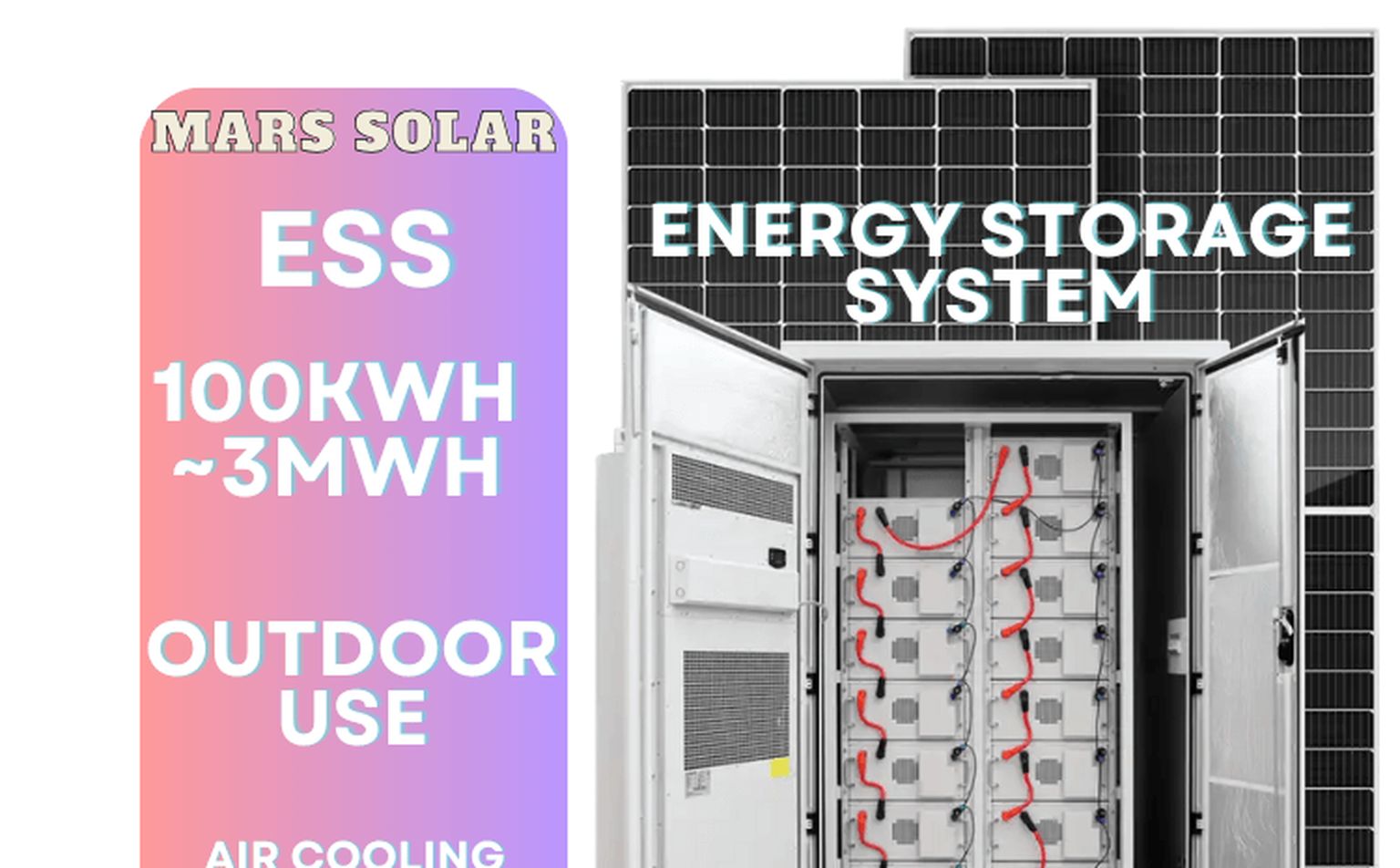
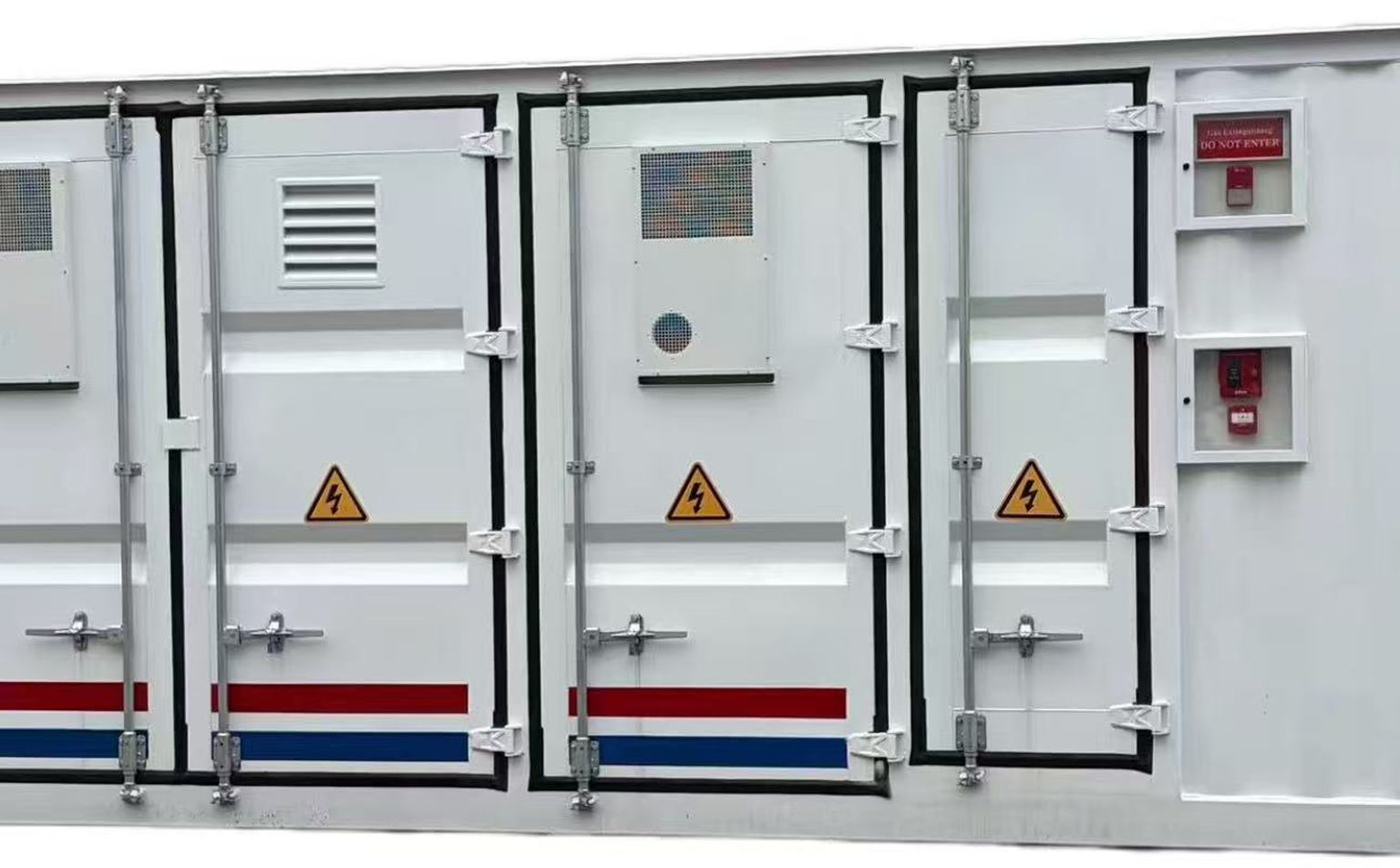
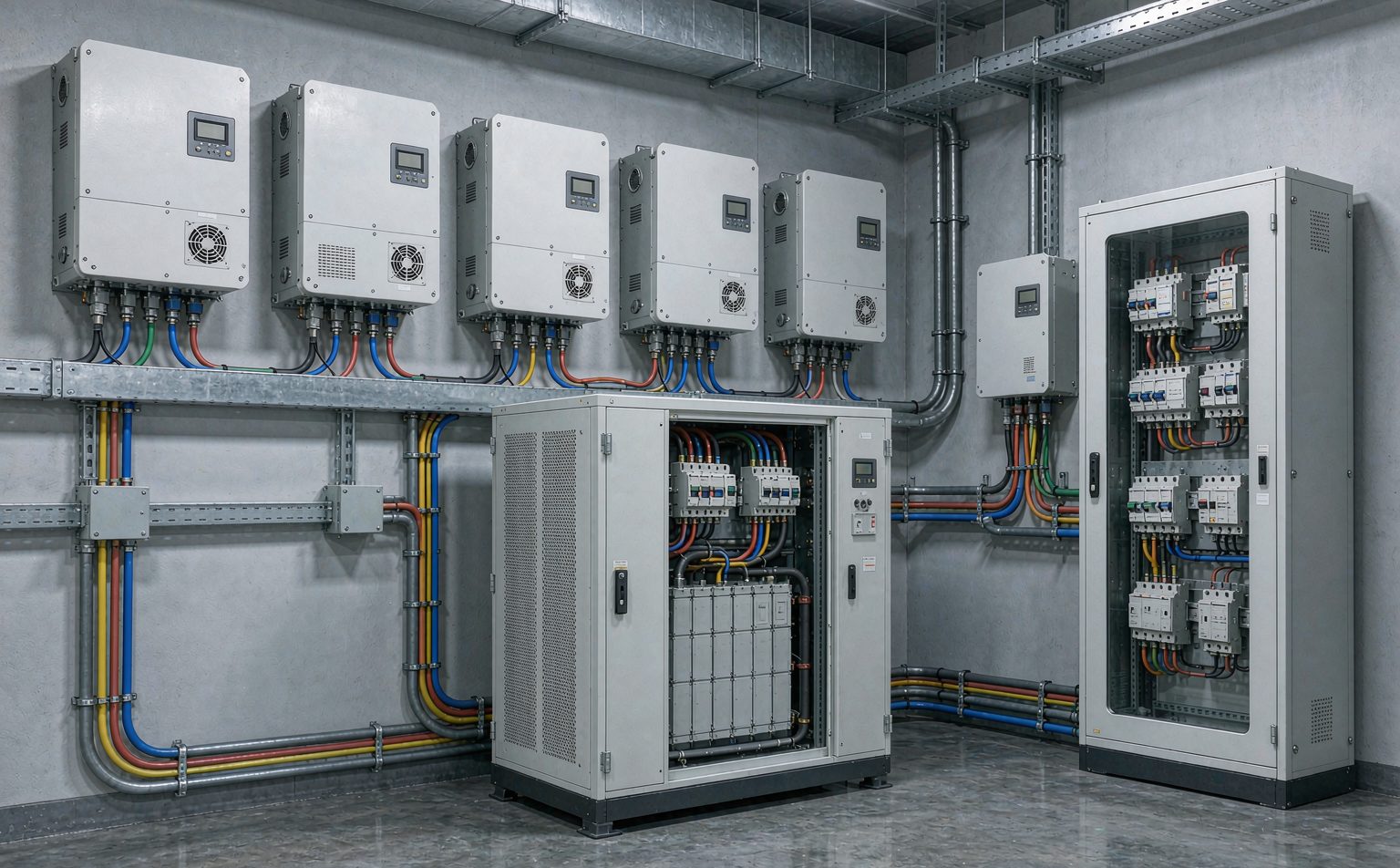
The standard architecture we ship is PV plus LFP cabinet storage — 215kWh for commercial sites up to containerized 500kWh-2MWh units for resorts and industrial estates — with hybrid inverters that island the building during grid failures. On islands where the grid fails weekly, the battery earns twice: once on energy arbitrage, once on avoided diesel.
Hurricane exposure is the Caribbean solar variable that generic suppliers get wrong. June to November defines the engineering year, and the design response is specific: wind-rated racking certified for the island's design wind speed, through-bolted connections into checked structure rather than self-tappers into sheet, module clamps on every panel edge, and a documented storm protocol — some sites de-rate or stow ahead of landfall.
Battery containers and cabinets sit at grade with anchored plinths above flood lines. None of this is exotic; all of it is skipped in bottom-price quotations. A Caribbean solar array is a 25-year asset in a hurricane corridor — the mounting system is where that lifespan is won or lost.
Every Caribbean solar site is a coastal site. Salt mist corrodes standard fasteners and contacts within years, humidity attacks electronics, and the maintenance base on a small island is thin. The specifications that survive: hot-dip galvanized or stainless hardware, sealed battery enclosures with filtered ventilation, conformal-coated inverter boards, and a cleaning schedule sized to the salt and dust load.
Remote monitoring matters more on islands than anywhere else — a fault detected on the app this week is a site visit scheduled this month, not a failed quarter discovered in a bill.
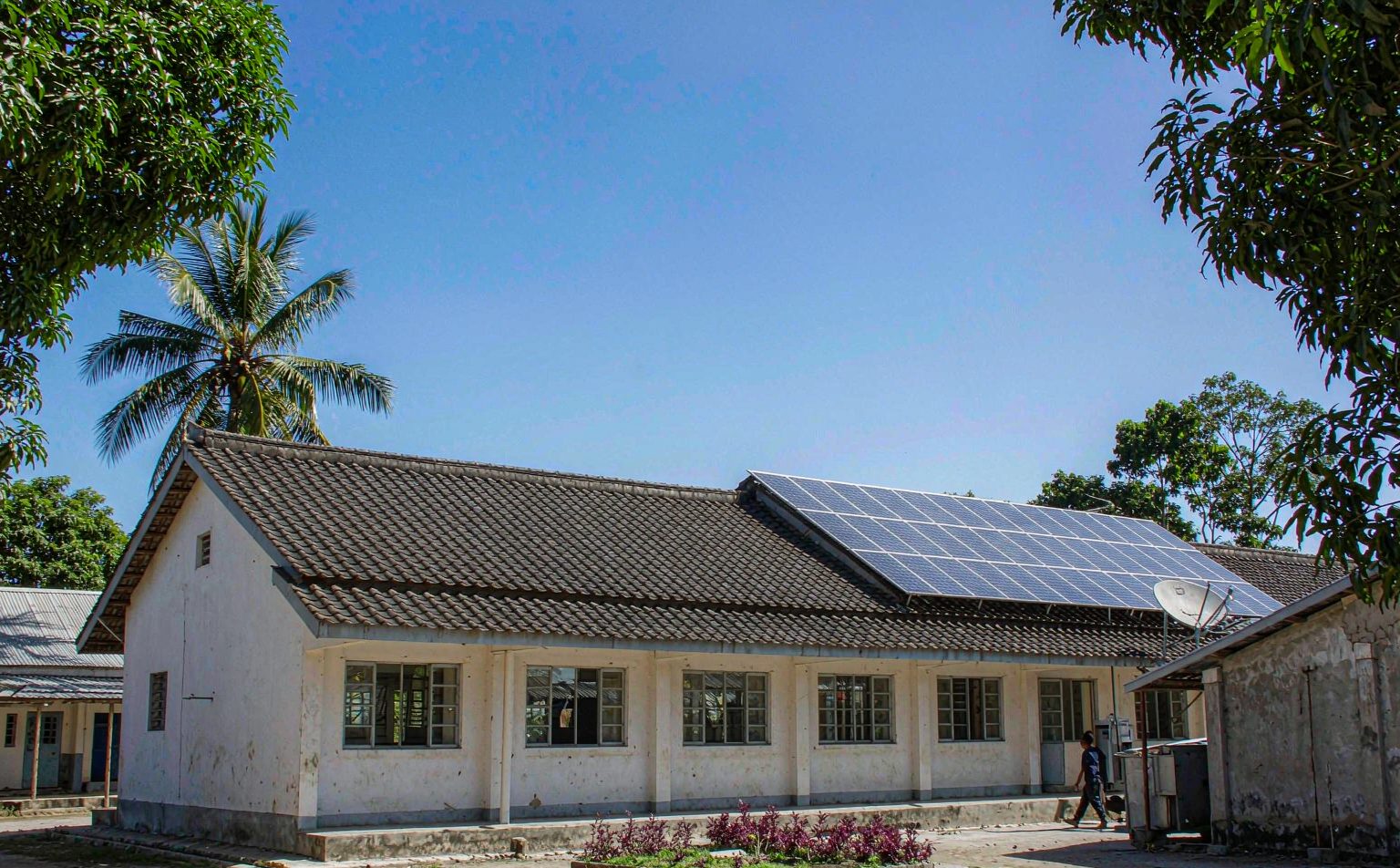
Four load profiles lead the payback table. Hotels and resorts: 24-hour loads, expensive evening peaks, diesel backup — the classic sub-three-year payback. Cold storage and food processing: compressors that never stop, like the cold-chain sites we build in the Philippines. Farms and greenhouses: daytime irrigation and ventilation loads that match solar output directly — the profile of our 150kW Curacao farm installation. And supermarkets: refrigeration plus lighting with seven-day operation, as documented in our Curacao supermarket case.
What they share is a diesel or near-$0.40 grid alternative. Against US$0.40 per kWh, a Caribbean solar and storage system producing at a levelized $0.08 to $0.12 pays back in two to three years and then prints savings for two decades.
The farm system we commissioned in April 2026 makes the maths concrete. A 150kW array produces roughly 240,000 kWh per year at Curacao's irradiance — about 20,000 kWh per month. Displacing commercial-grid energy at US$0.40 per kWh values that energy at roughly $8,000 per month; the farm's high daytime self-consumption (irrigation, cooling, processing) means nearly all of it is used on site.
Against a factory-direct investment in the $120,000 to $150,000 range plus island logistics, the simple payback lands under 24 months. The September 2026 follow-up inspection confirmed the array is performing at model — the survey photos from that trip accompany this article.
Island logistics reward planning. The main Caribbean ports receive direct Asia services or transshipment via Panama or the US; smaller islands add an inter-island leg on regional feeders with their own schedules and documentation. Batteries ship as Class 9 dangerous goods with UN38.3 documentation, which some feeders restrict — confirm the routing before production finishes, not after.
Mars Solar packs Caribbean solar shipments for the last mile: seaworthy crating, container load plans that survive two handlings, and a document pack (invoice, packing list, certificate of origin, test reports, battery papers) that island customs can process without queries. Our container loading guide shows the standard.
Small island grids protect their stability aggressively: export limits, anti-islanding requirements, and in some territories caps on system size relative to service capacity. Several utilities require pre-approval of the inverter list and a witnessed commissioning test. None of this blocks a project, but all of it belongs in the timeline — interconnection approval typically runs four to twelve weeks.
The practical route is a hybrid design that self-consumes nearly everything and exports little or nothing: easier approval, better economics, and full function during the outages that island grids experience regularly.
The region's pricing inefficiency is extreme: the same Tier-1 hardware retails at two to three times factory cost once importer, distributor and installer margins stack up. Buyers with a load profile and a roof can short-circuit the stack by buying the engineered system factory-direct and contracting local labour for installation under our remote engineering supervision — the model used on both our Curacao projects.
Start with the load data, not the catalogue: twelve months of bills, the generator logs if any, and the roof. Our on-site solar survey covers the Caribbean — the September 2026 Curacao inspection was exactly such a trip.
Three currents are moving the Caribbean solar market in 2026. Fuel volatility keeps reminding islands what imported energy costs — April's 36 percent diesel jump concentrated minds across the region. Utility-scale renewables are expanding with Dutch and development-bank funding, which normalizes solar in the grid mix. And storage prices keep falling, pushing the battery from luxury to default on every commercial quotation we issue.
For hotels, farms and cold chains the conclusion is arithmetic: at US$0.35 to 0.40 per kWh, the alternative to Caribbean solar is the most expensive electricity in the hemisphere. The only real question is engineering quality in a hurricane corridor.
How much does a Caribbean solar system cost in 2026? Factory-direct, a complete 100kW set runs $58,000 to $75,000 FOB China, and a 100kW system with 215kWh of LFP storage lands at roughly $150,000 to $185,000. Island freight, duty and installation add to that — but the total typically remains well under half of local EPC quotations for identical Tier-1 hardware.
What does electricity actually cost on Caribbean islands? Among the highest rates in the world. Curacao's commercial tariff was about 0.72 guilders (US$0.40) per kWh on the August 2026 schedule, with over 40 percent of it fuel pass-through repriced monthly. Behind-the-meter diesel generation costs US$0.35 to 0.55 per kWh — the real benchmark Caribbean solar competes against.
How do you build a solar array that survives hurricanes? Wind-certified racking matched to the island's design wind speed, through-bolted connections into verified structure, clamps on every module edge, anchored battery plinths above flood lines, and a written storm protocol. The mounting system is where a 25-year Caribbean solar asset is won or lost — and where cheap quotations cut first.
Is battery storage necessary on an island? Effectively yes. Small grids limit PV export, clouds are fast and frequent, the evening peak is expensive, and outages are routine. A Caribbean solar design without storage sells midday energy cheaply and buys evening energy at US$0.40. Storage converts the same array into round-the-clock diesel displacement.
What import duty applies to solar equipment in the Caribbean? It varies by island and tariff line — Curacao's schedule carries 10.5 percent ad valorem on many capital-equipment headings, while several islands offer renewable-energy concessions that must be actively claimed. Confirm classification and concessions with a local broker per consignment before pricing.
Has Mars Solar actually built projects in the Caribbean? Yes. A 150kW farm system commissioned on Curacao in April 2026 with a follow-up inspection in September 2026, and a 250kW supermarket solar-plus-storage project documented on this site. Both used factory-direct supply with remote engineering supervision and local installation labour.
 English English
  Arabic
 Spanish
 French
 Dutch
Dutch
 Portuguese