
Language
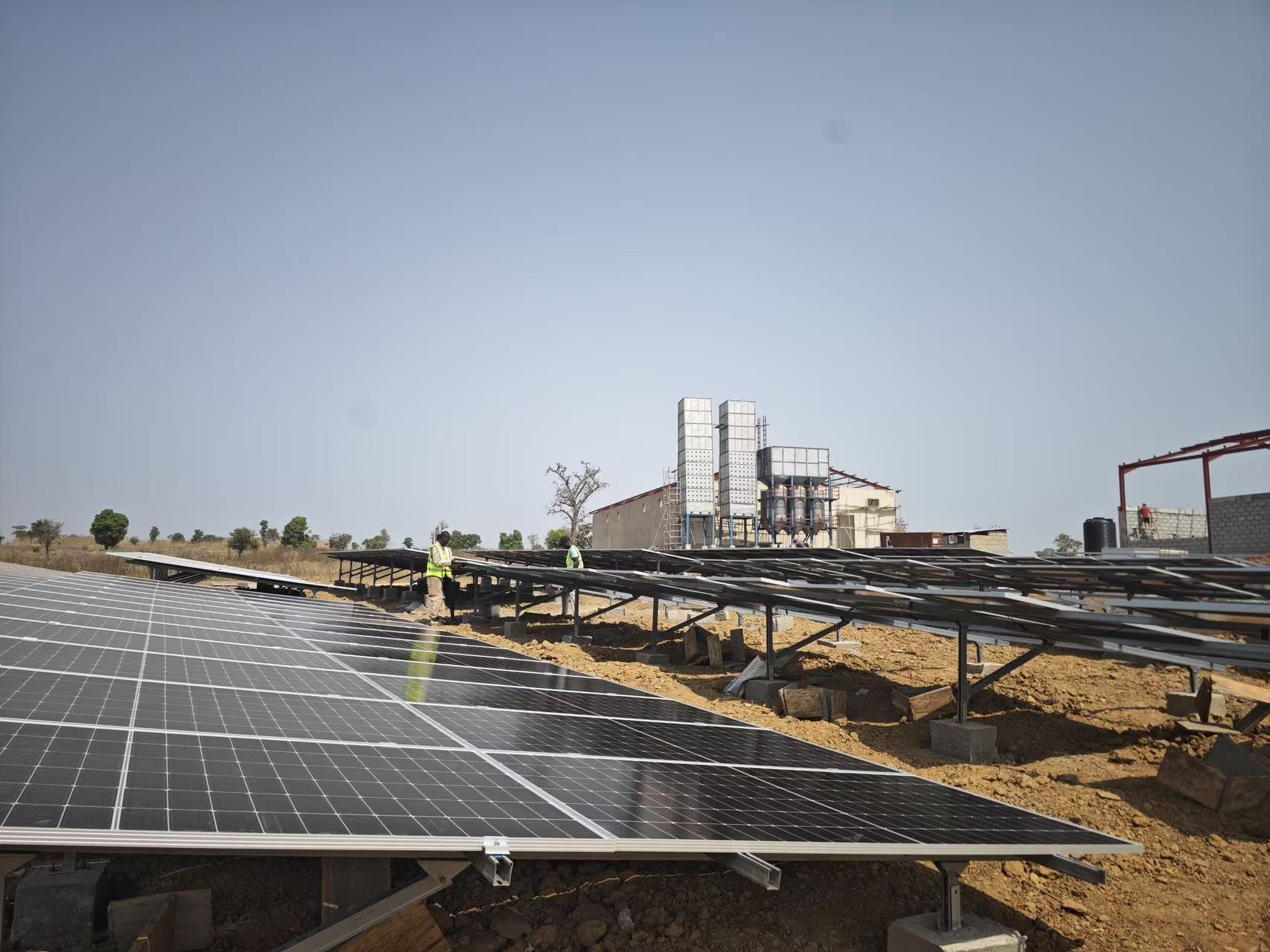
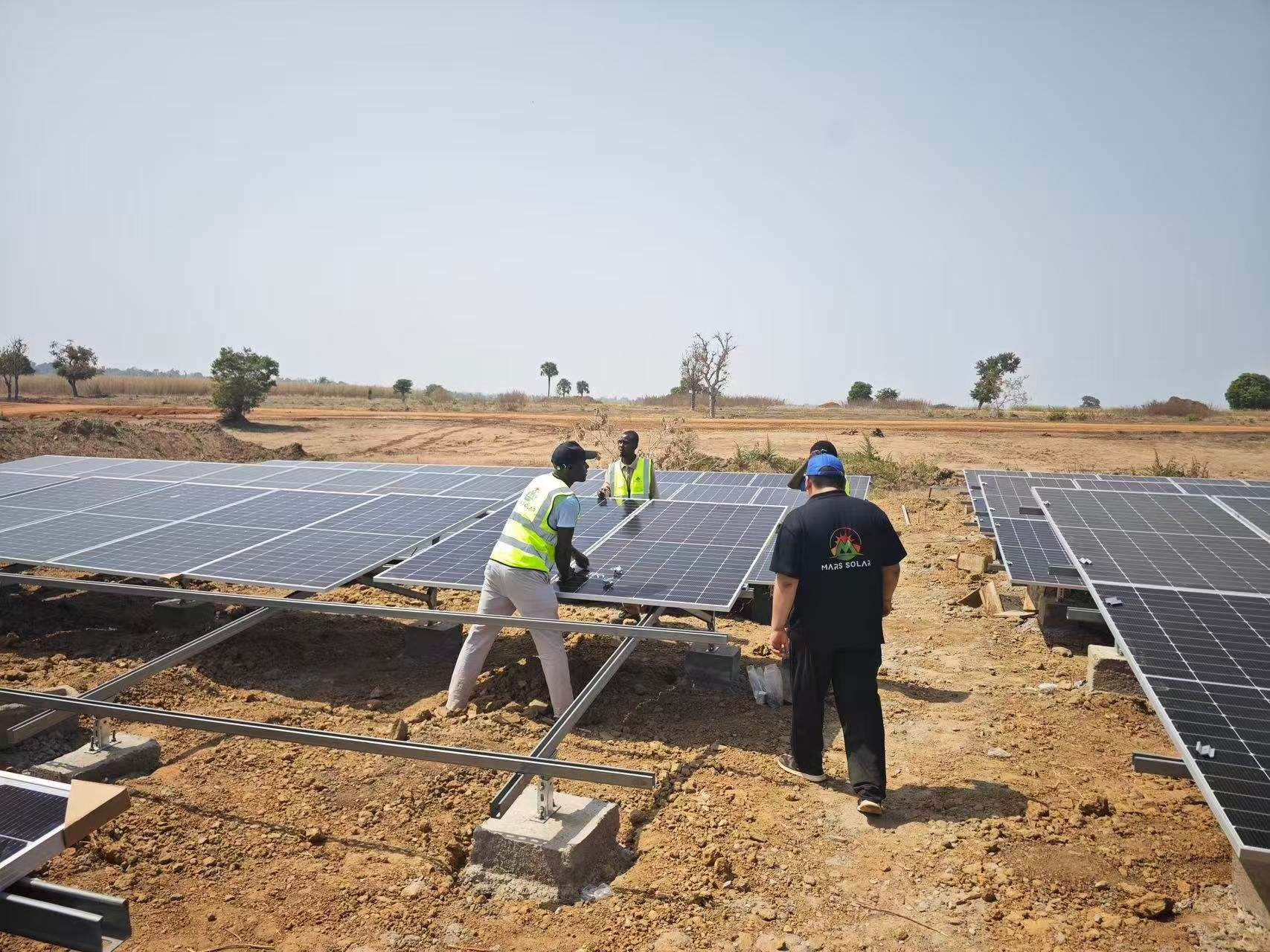
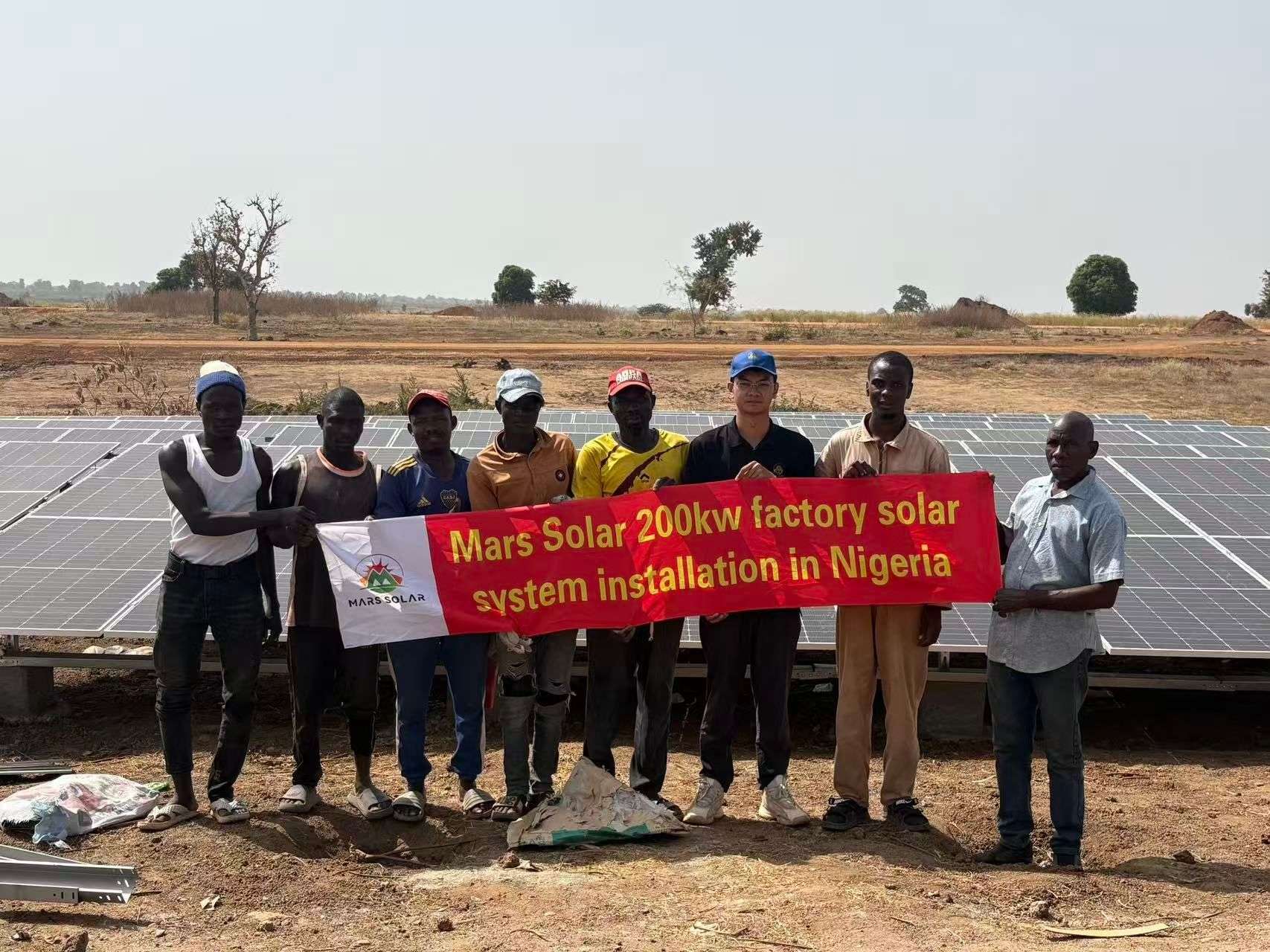
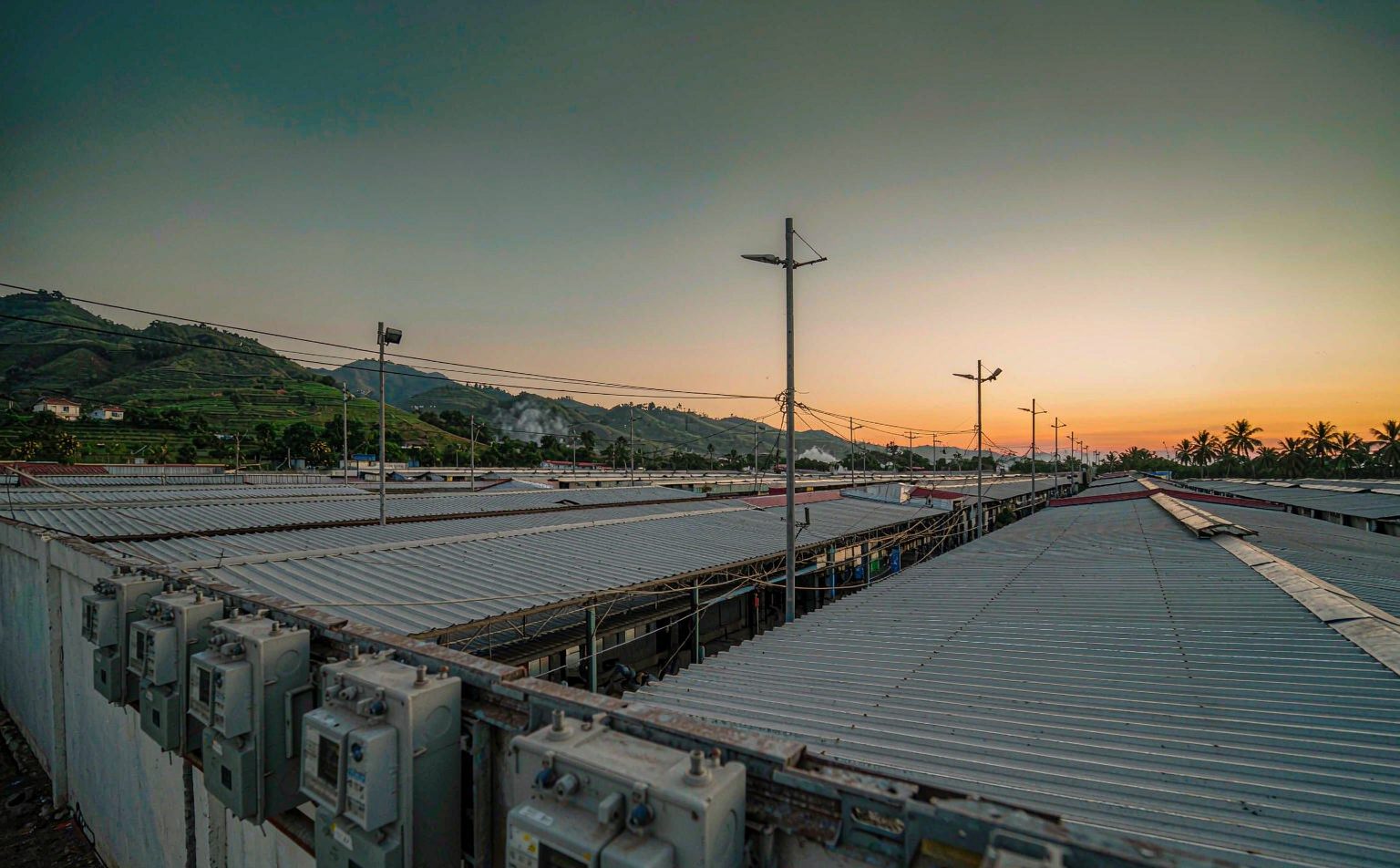
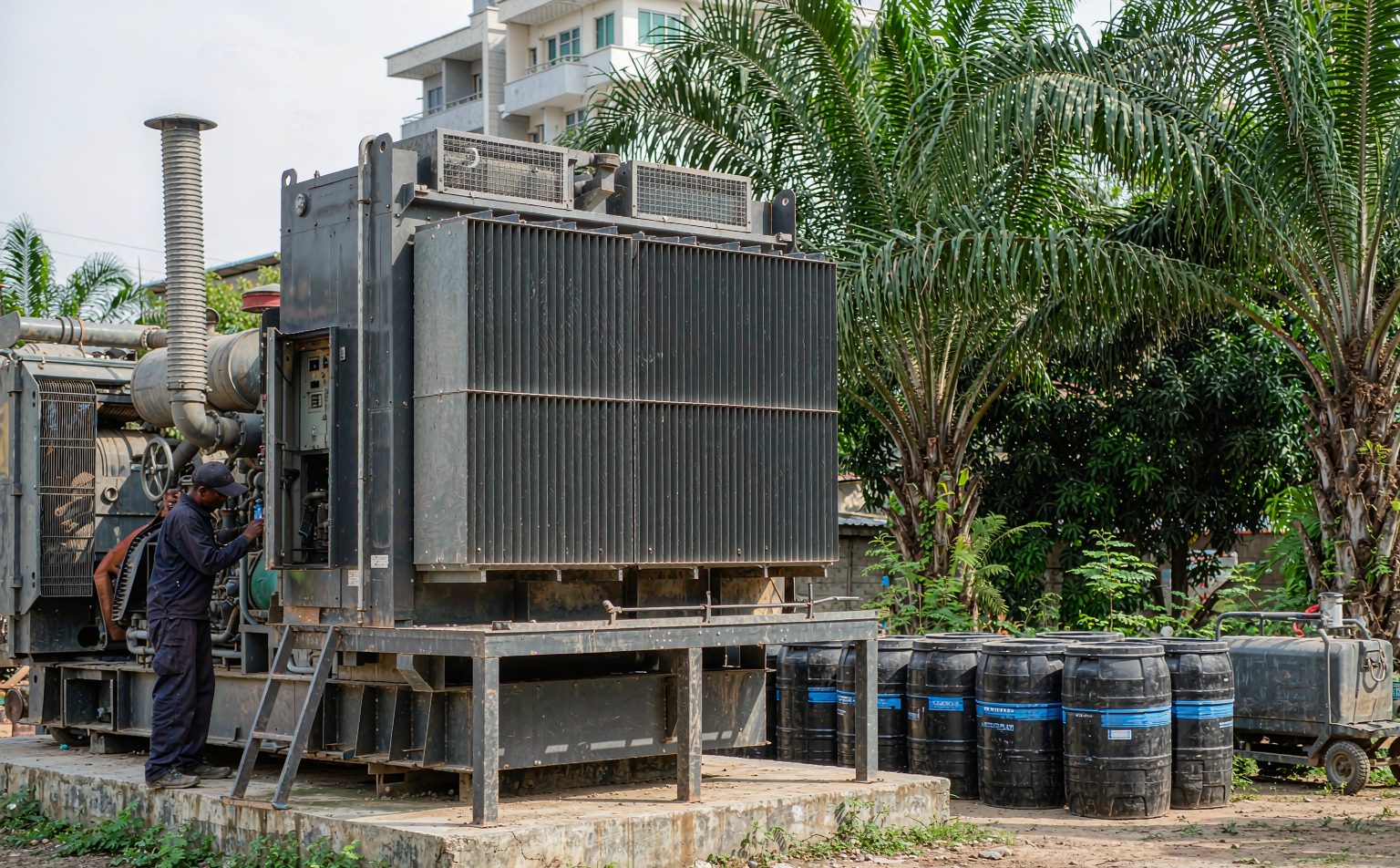
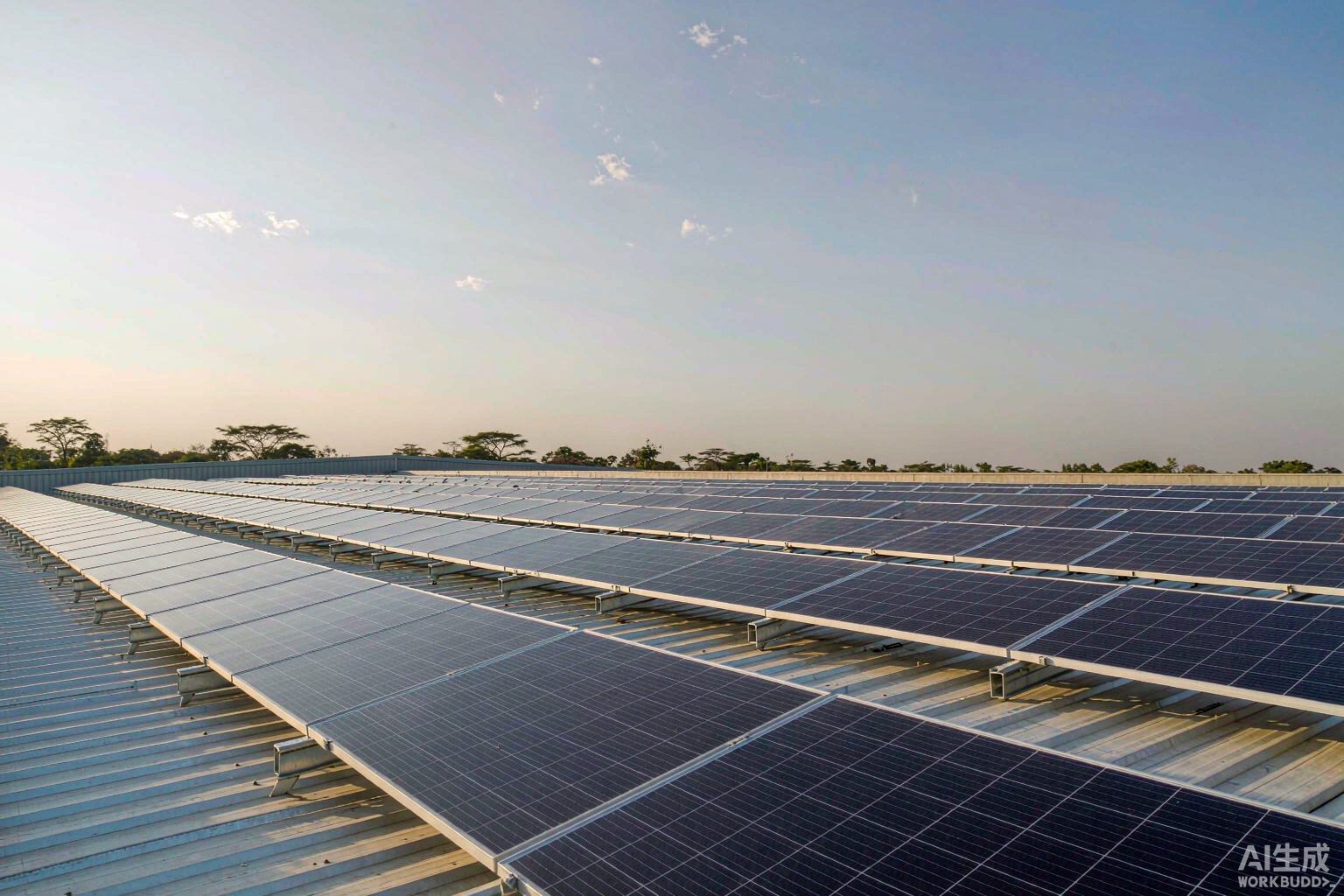
A rice milling factory located in a remote area of Abuja, Nigeria, had long been affected by unstable public grid power. Due to frequent power outages, the factory could operate for less than two hours per day, severely limiting overall production capacity. At the same time, local electricity prices increased by more than 30% within the year, causing energy costs to rise continuously and making traditional grid power and diesel generator solutions unsustainable in the long term.
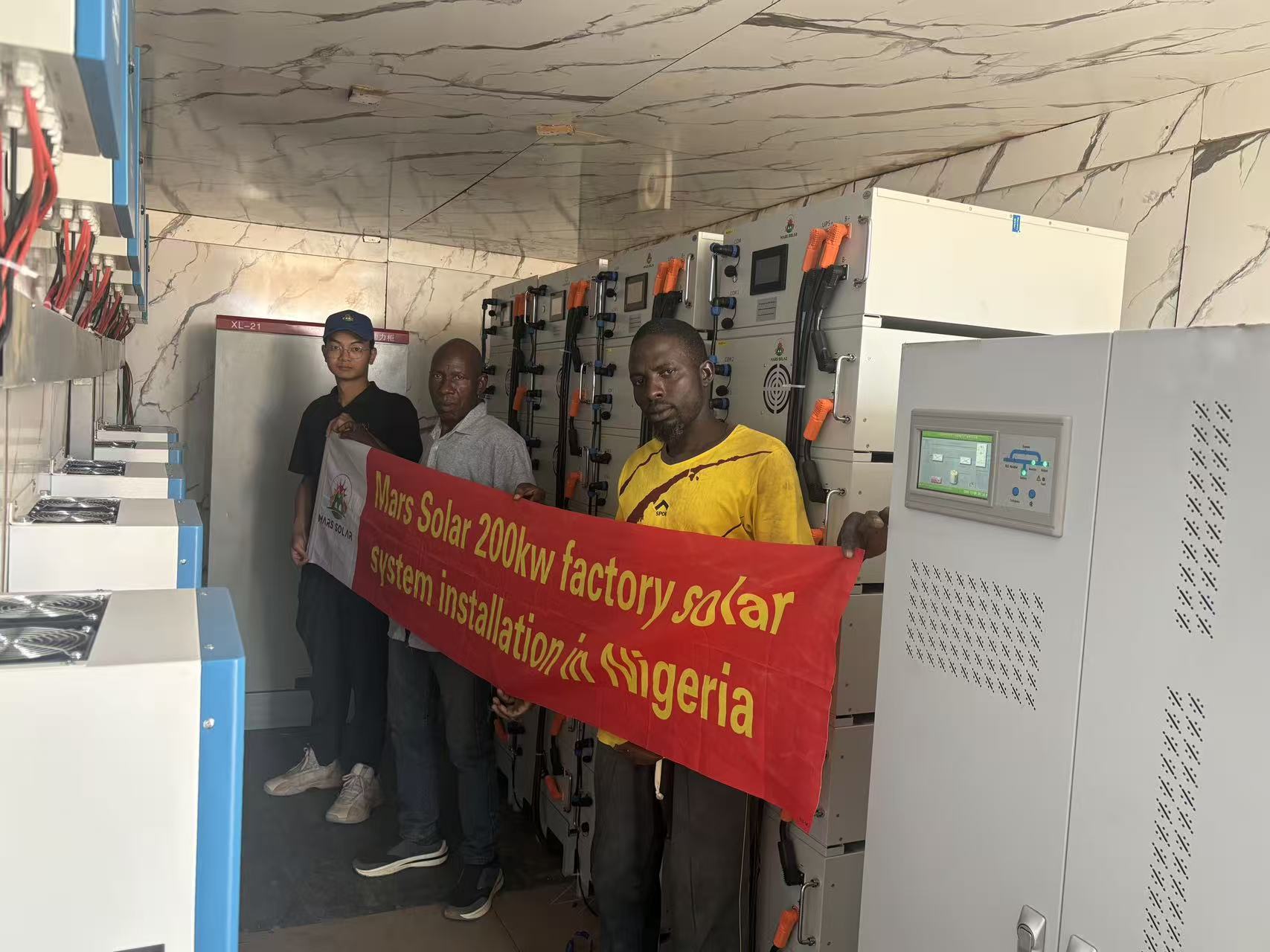
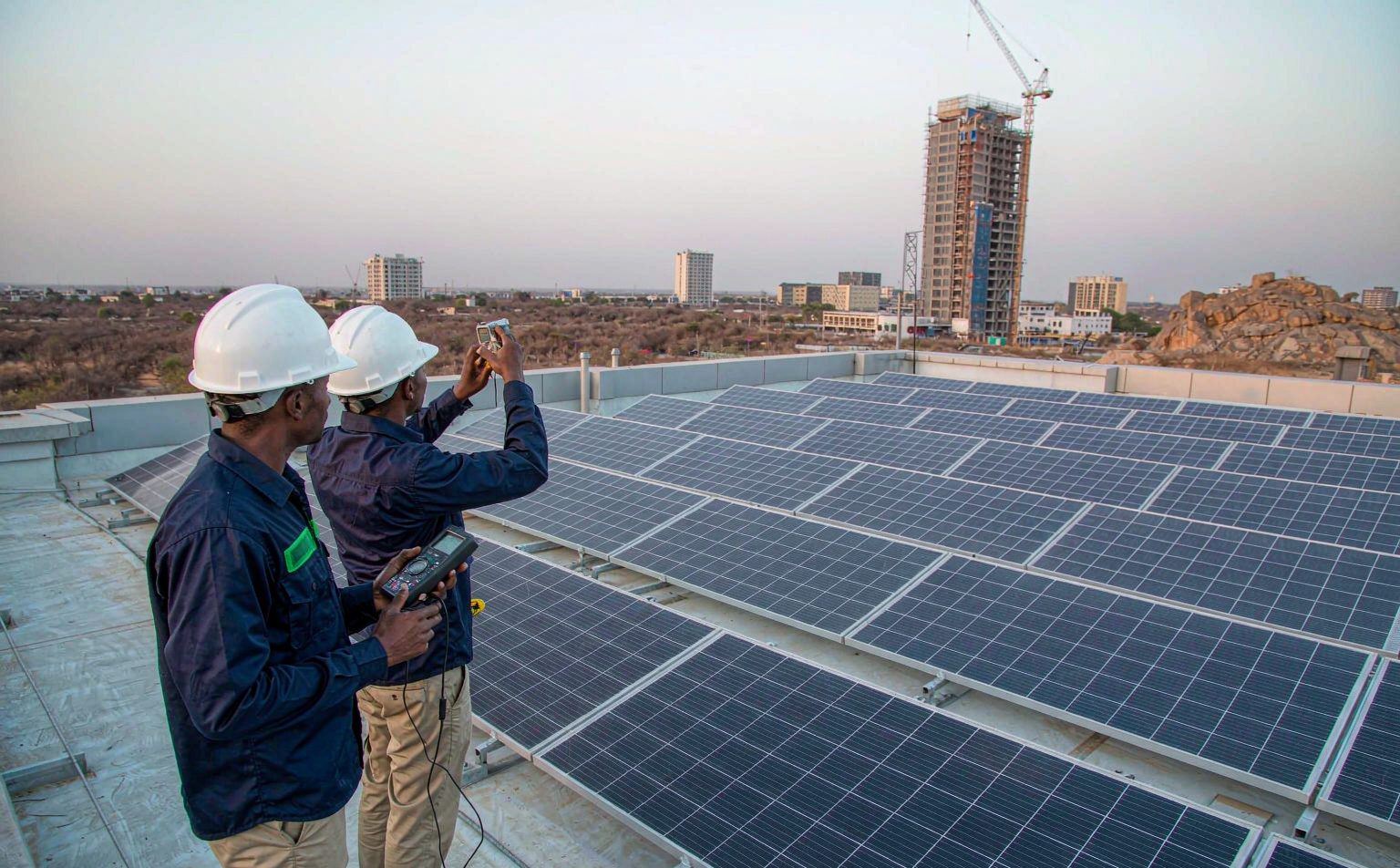
MARS SOLAR designed and delivered a customized 200kW solar power and energy storage integrated system for the customer:
A solar system for rice mill operation combines two demanding loads: heavy motor-driven milling equipment with large start surges, and continuous lighting, drying and storage. Both have to be designed for, and they pull the specification in different directions.
That combination is what makes a solar system for rice mill project worth studying: the load is unforgiving, the cost of failure is high, and the economics have to work on measured results rather than on a vendor's estimate.
Every solar system for rice mill project starts with 7 to 14 days of logged consumption. Base load is separated from peak load, generation is sized on daytime consumption, and storage is sized on the overnight block. Motor-driven equipment adds a surge requirement that catches out quotations based on average draw alone.
Where a site must never lose supply, we size for autonomy rather than for bill savings — a different calculation that usually means a larger bank and a bidirectional inverter with automatic transfer.
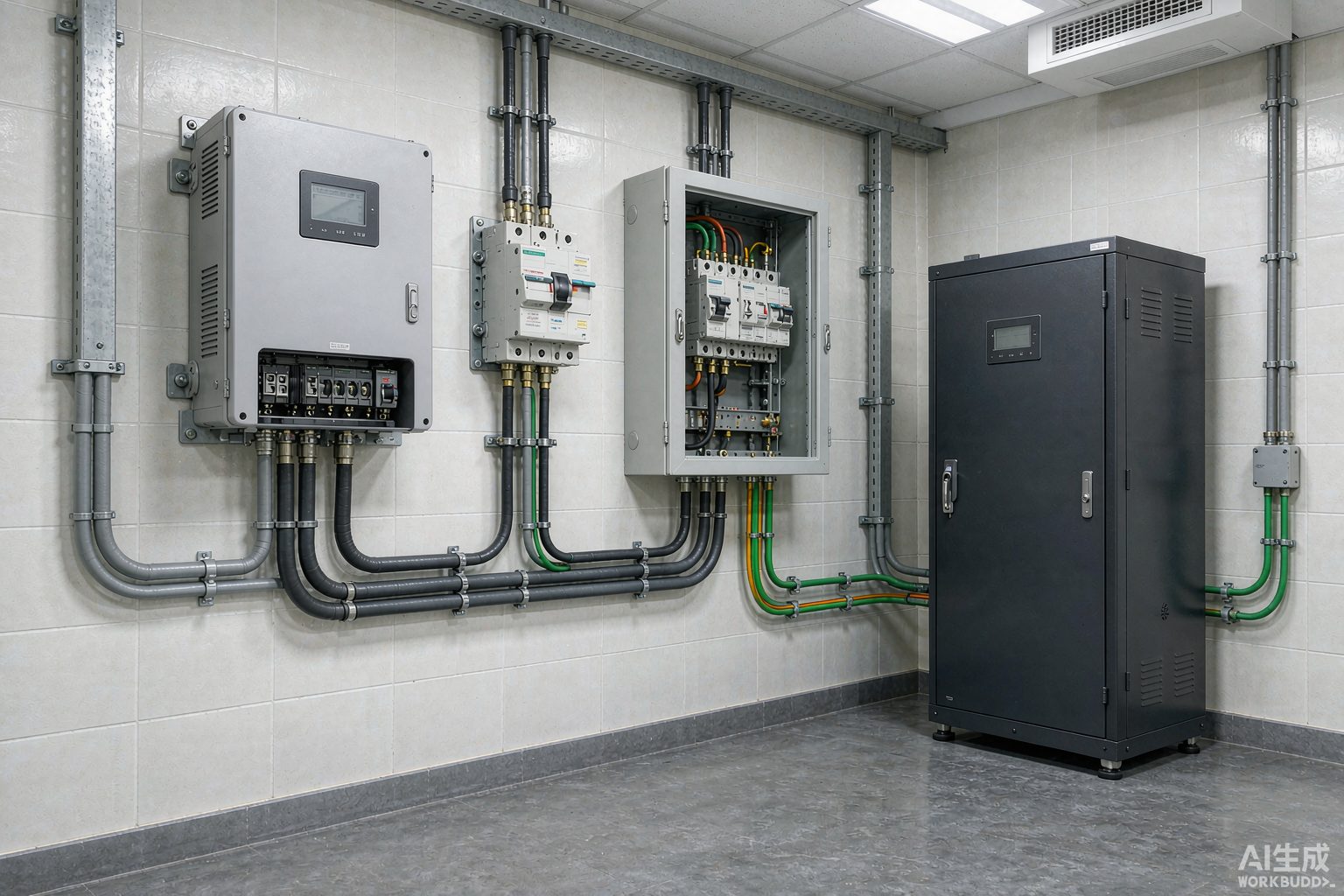
Mars Solar builds and exports solar system for rice mill packages factory-direct: PV modules, mounting, hybrid or bidirectional inverters, LiFePO4 storage, protection, cabling and remote monitoring, all tested together before shipment and certified to CE, RoHS, TUV and ISO.
See comparable hardware on our rack mounted energy storage battery page, and the World Bank energy programme for how reliable supply affects output in these markets.
Budgeting a solar system for rice mill duty starts with the load log, not the roof area. Milling motors draw three to six times their running current on start-up, so the inverter is sized for the surge and the battery is sized for the overlap when two motors start together. Once that is fixed, the rest of the solar system for rice mill layout follows: array on the warehouse roof or a ground-mount beside it, storage close to the mill floor to keep DC runs short, and a generator that stays connected but stops carrying the base load. In Abuja the payback came less from the tariff than from the diesel that stopped being bought at all.
 English English
  Arabic
 Spanish
 French
 Dutch
Dutch
 Portuguese