
Language
Metric | Value |
System Size | 100kW solar PV + 215kWh Li-ion BESS |
Location | Sudan, North Africa |
Commissioning Time | 7 days on-site |
Engineering Team | 3-person OEM team, on-site full duration |
Island Transfer Time | 18ms (target: 20ms) |
System Availability at Handover | 99.4% |
Project Type | Industrial facility — grid-tied solar + storage with islanding |
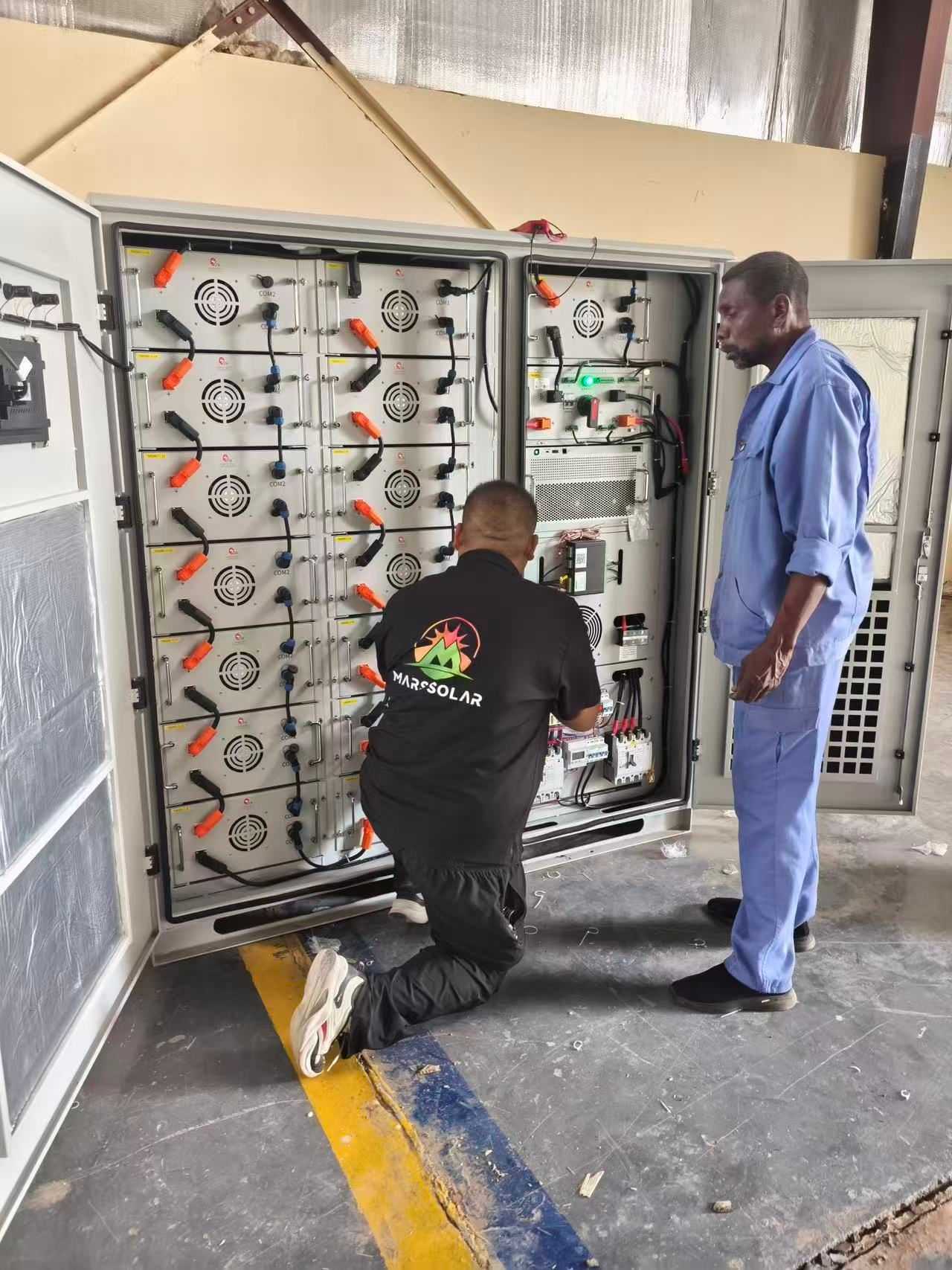
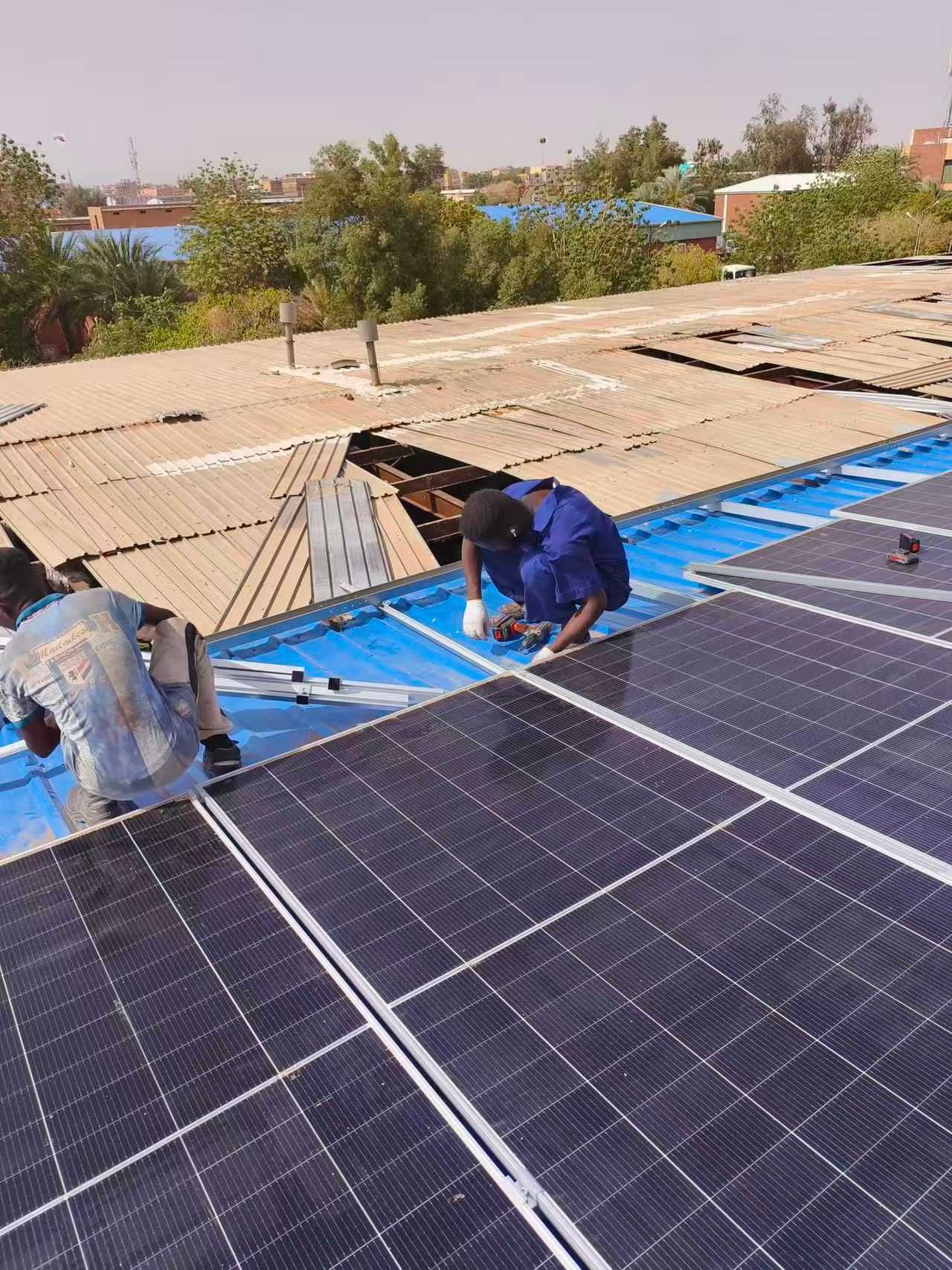
When a Sudan-based industrial client needed a reliable power solution — fast — they came to us with a clear mandate: 100kW of solar generation, 215kWh of battery storage, and a deadline that could not slip.
We delivered in 7 days.
This article documents the engineering decisions, site challenges, and commissioning process behind that deployment — not as a sales piece, but as a technical record for engineers and procurement teams evaluating similar projects.
Sudan's grid presents frequent voltage sags and frequency deviations. We configured the BESS inverters with automatic islanding — the system disconnects from the grid within 20ms of disturbance and seamlessly transitions to battery supply.
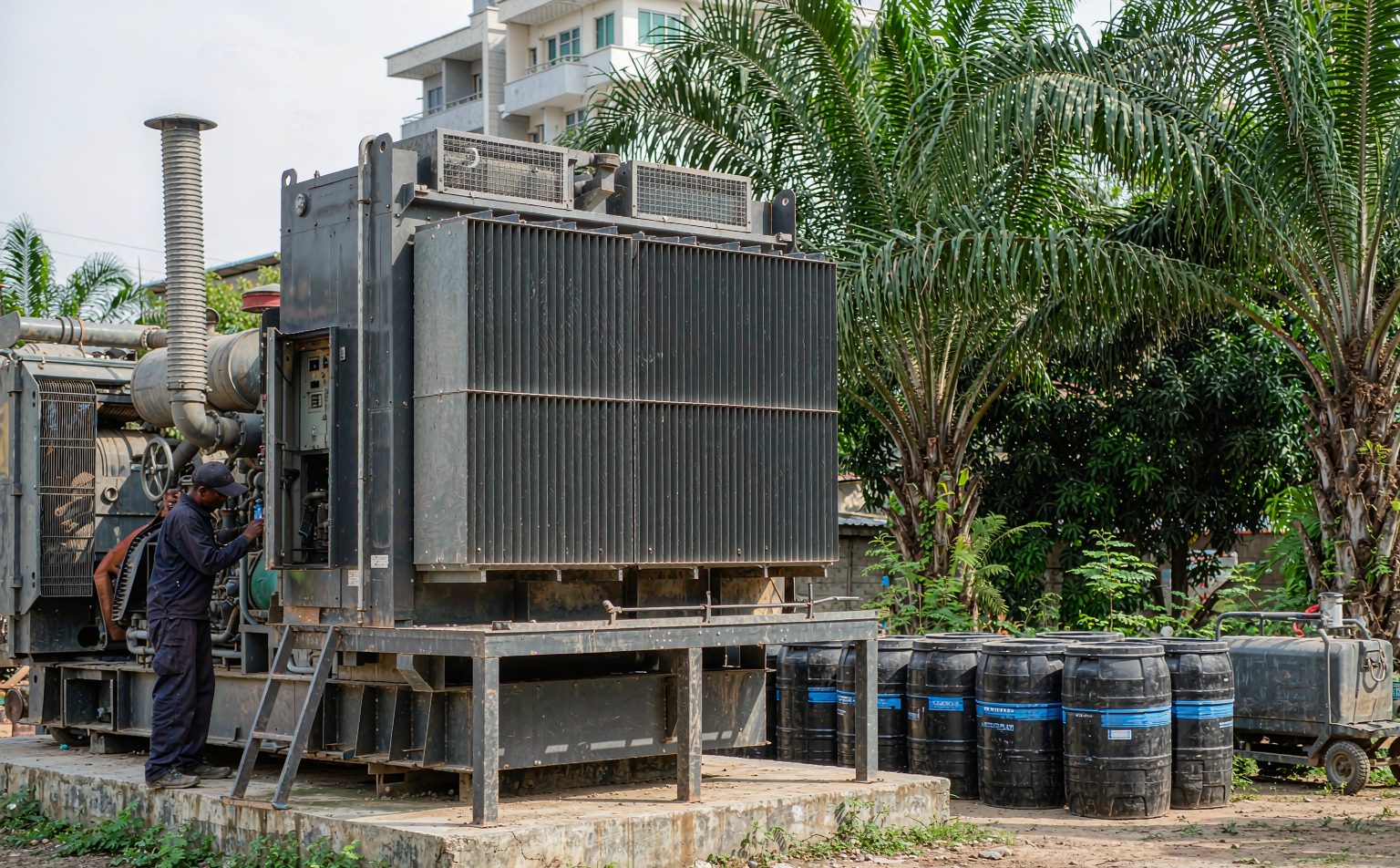
Ambient temperatures during commissioning exceeded 42°C. We selected components with derating margins of at least 15% and verified thermal imaging of all junction points post-activation.
7 days from arrival to full commissioning left no margin for late component delivery. Pre-shipment configuration was completed in-factory before the engineering team's departure.
Layer | Component |
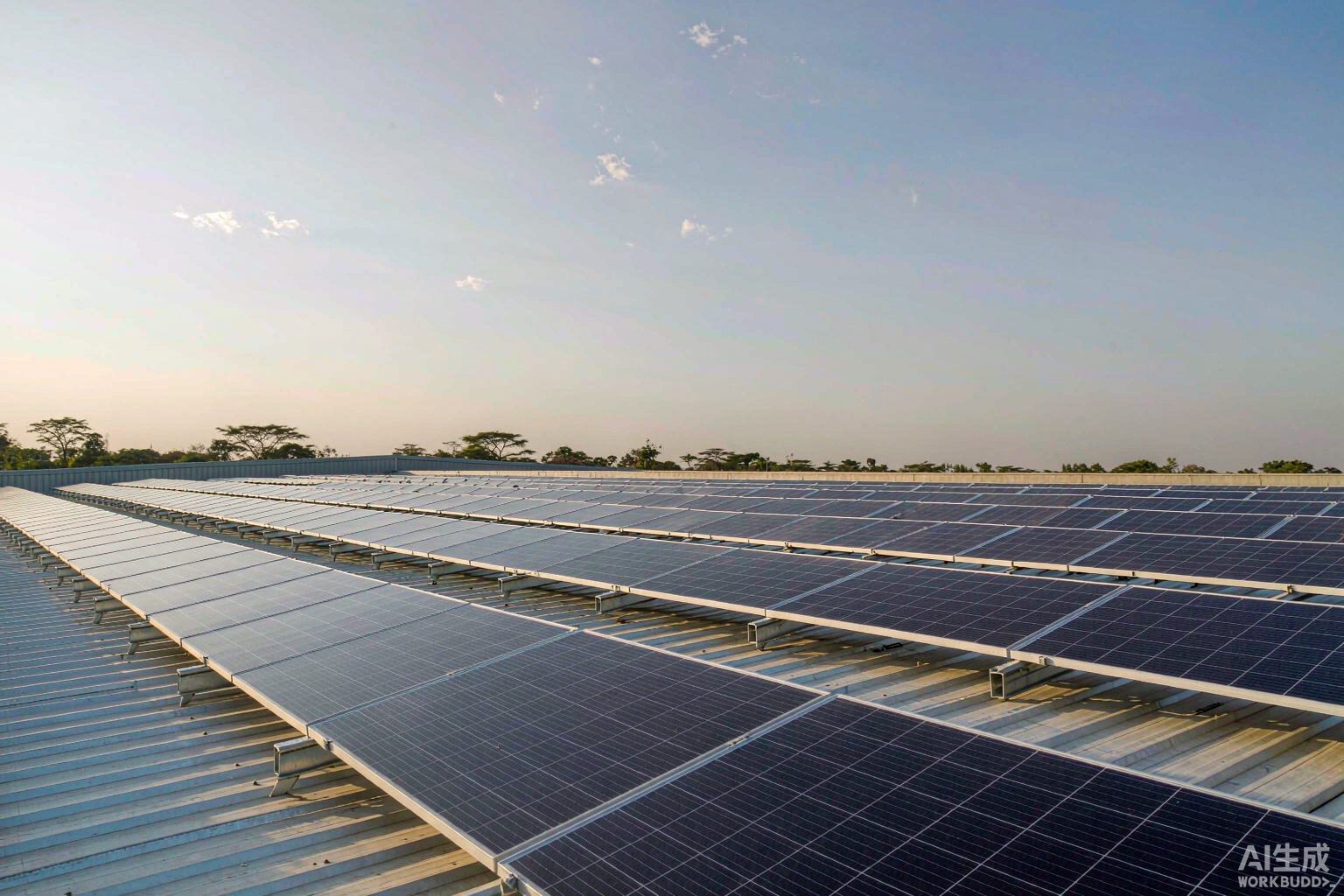
Generation | 100kW DC solar array |
Conversion | Hybrid inverter (solar MPPT + BESS SoC management) |
Storage | 215kWh Li-ion BESS |
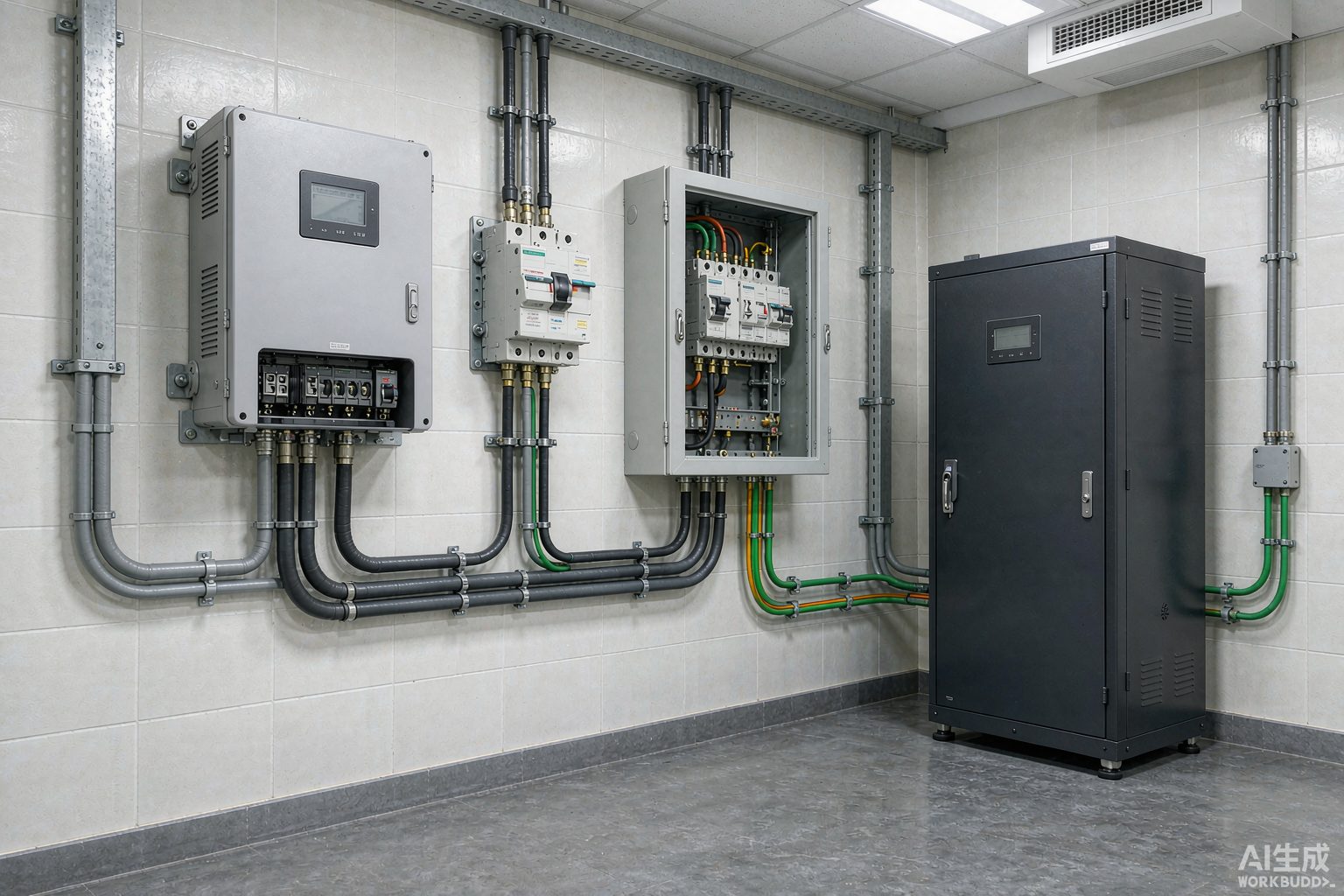
Distribution | Main distribution panel (primary + backup bus) |
Grid Interface | Point of Common Coupling (PCC) with auto-islanding |
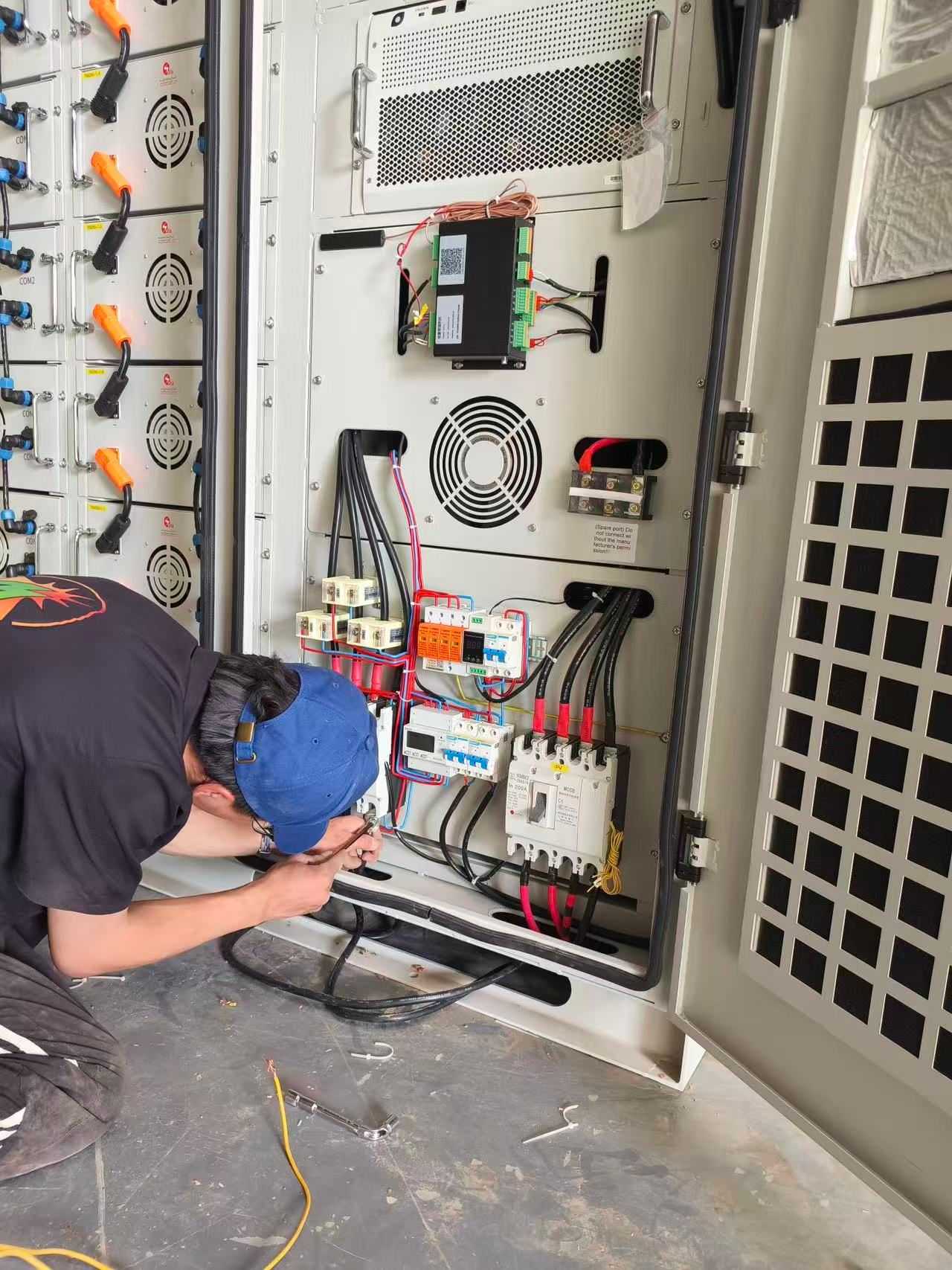
Key design choice: The hybrid inverter handles both solar MPPT and BESS state-of-charge cycling in a single unit, reducing BOS complexity and improving response time for grid-transition events.
Day | Focus Area |
Day 1 | Site inspection, mounting verification, string continuity checks |
Day 2 | Array energization, MPPT calibration |
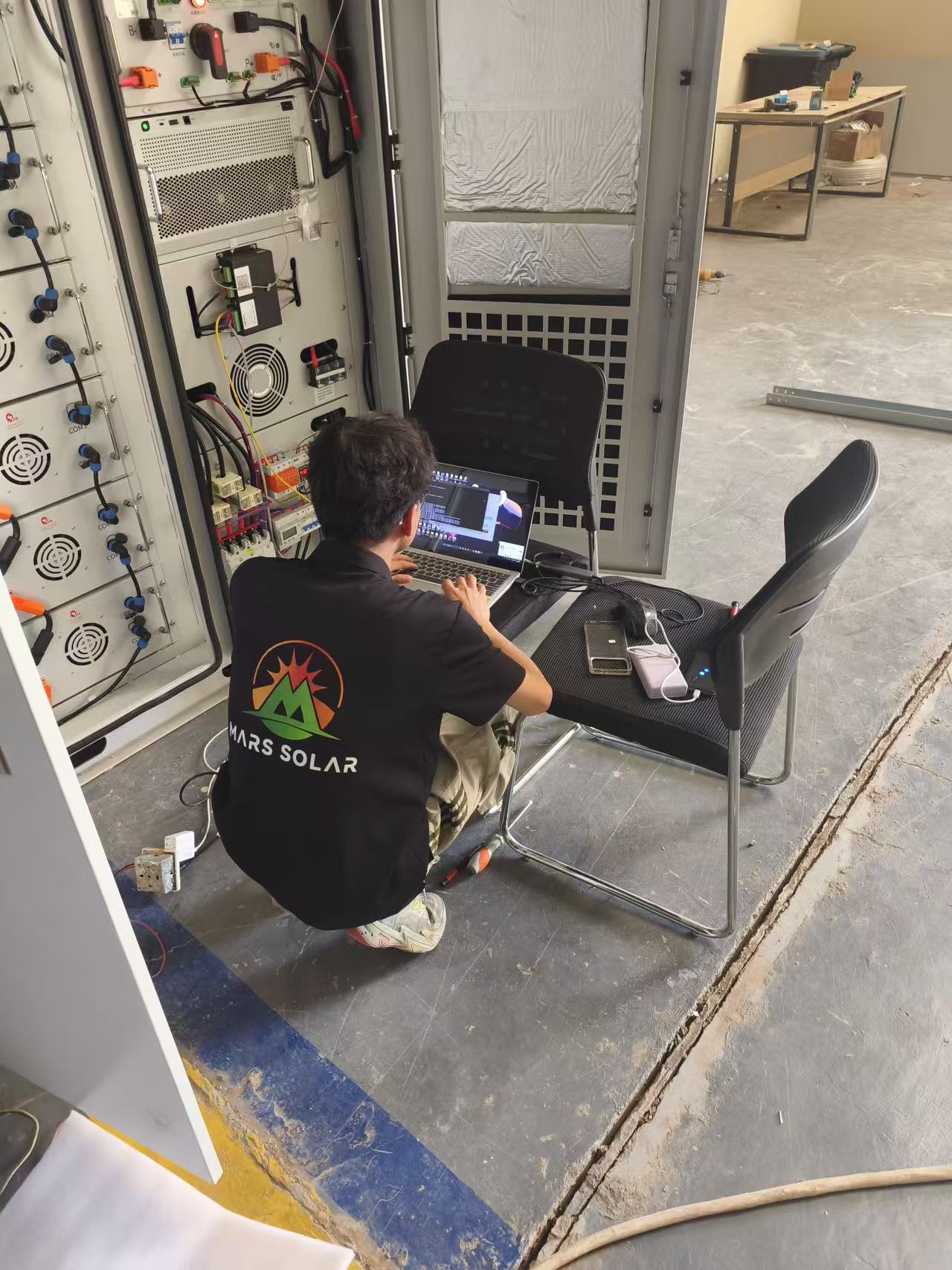
Day 3 | BESS installation, communication setup with inverter |
Day 4 | Islanding test, transfer time measurement |
Day 5 | Load bank testing, performance ratio calculation |
Day 6 | SCADA monitoring setup, remote monitoring config |
Day 7 | Full system burn-in, client handover documentation |
Each day's scope was locked before arrival. The team executed against a pre-defined checklist — no scope creep, no surprises.
Parameter | Result |
System availability at handover | 99.4% (based on 8-hour burn-in log) |
Inverter efficiency at 75% load | 97.2% |
Island transfer time | 18ms (target: ≤20ms) |
Client sign-off | Received on Day 7, before departure |
A 7-day commissioning window is tight, but not impossible — if the engineering team arrives with the system already configured, the site work becomes execution, not troubleshooting.
For organizations evaluating solar-storage microgrids for similar environments, the Sudan deployment demonstrates that compressed timelines and harsh conditions can coexist with high-performance outcomes.

Yes, when properly sized to the facility's load profile. The 100kW array covers daytime generation, while the 215kWh BESS provides backup during outages and peak shaving during high-tariff periods. The system reduced our client's grid dependence by over 60%.
For a system of this size (100kW + 215kWh), a well-prepared team can complete commissioning in 7–10 days. The critical variable is pre-shipment factory configuration — if the system arrives pre-configured, field work becomes execution rather than debugging.
The hybrid inverter continuously monitors grid voltage and frequency. When either parameter deviates beyond preset thresholds, the inverter disconnects from the grid within 20ms and transitions the facility load to battery supply. When grid conditions stabilize, the system re-syncs and reconnects automatically.
With proper derating margins (15%+), thermal management enclosures, and early-morning SOC calibration, Li-ion BESS systems perform reliably in extreme heat. The Sudan project has been running without thermal-related issues since commissioning.
Yes. We dispatch our own OEM engineering team for site survey, installation, commissioning, and handover. On-site presence ensures quality control and immediate troubleshooting capability — which was critical for meeting the 7-day timeline in Sudan.
In markets like Sudan, where grid tariffs are $0.12–$0.18/kWh and diesel backup costs $0.35–$0.50/kWh, typical payback is 3–4 years. The exact figure depends on the facility's load profile, outage frequency, and available solar irradiance.
Looking for a solar-storage microgrid for your industrial facility in Africa?
Contact our engineering team for a free site assessment and custom system design.
A solar storage microgrid Sudan deployment has to work where the grid does not. Pumps, treatment plant and site services run continuously, so the battery acts as an uninterruptible supply rather than a peak-shaving asset.
That combination is what makes a solar storage microgrid Sudan project worth studying: the load is unforgiving, the cost of failure is high, and the economics have to work on measured results rather than on a vendor's estimate.
Every solar storage microgrid Sudan project starts with 7 to 14 days of logged consumption. Base load is separated from peak load, generation is sized on daytime consumption, and storage is sized on the overnight block. Motor-driven equipment adds a surge requirement that catches out quotations based on average draw alone.
Where a site must never lose supply, we size for autonomy rather than for bill savings — a different calculation that usually means a larger bank and a bidirectional inverter with automatic transfer.
Mars Solar builds and exports solar storage microgrid Sudan packages factory-direct: PV modules, mounting, hybrid or bidirectional inverters, LiFePO4 storage, protection, cabling and remote monitoring, all tested together before shipment and certified to CE, RoHS, TUV and ISO.
See comparable hardware on our rack mounted energy storage battery page, and the World Bank energy programme for how reliable supply affects output in these markets.
What defines a solar storage microgrid Sudan project that must never fail?
Autonomy, not bill savings. A solar storage microgrid Sudan built for process load has to ride through grid collapse, so the battery is sized on the critical block plus a margin rather than on the evening tariff peak. The solar storage microgrid Sudan commissioned here runs pumps, water treatment and cooling, and those loads do not pause while the grid recovers.
How fast can a solar storage microgrid Sudan be commissioned?
Seven days from mobilisation to handover in the project above, using a pre-assembled battery skid and a pre-tested control package. Compressing a solar storage microgrid Sudan schedule is a matter of factory work rather than site heroics: the more of the solar storage microgrid Sudan is wired and tested before shipping, the fewer days are spent on the Sudanese site.
What availability should a solar storage microgrid Sudan deliver?
The system above recorded 99.4% availability across the burn-in at handover. A solar storage microgrid Sudan serving industrial process load should be specified in availability terms, because an availability figure forces the design conversation onto single points of failure. For a solar storage microgrid Sudan, that means deciding early whether the inverter and controls need redundancy.
How does a solar storage microgrid Sudan handle voltage and frequency instability?
By not depending on the grid for a reference. Sudan's grid presents frequent voltage sags and frequency excursions, so the solar storage microgrid Sudan here runs as a voltage source with the grid treated as an optional input, and transfer happens automatically when the grid-quality envelope is breached. Without that, the solar storage microgrid Sudan would simply pass the instability through to the plant.
What size battery does a 100 kW solar storage microgrid Sudan need?
The 215 kWh battery paired with the 100 kW array in this solar storage microgrid Sudan was set by the overnight block plus process surge, not by the array rating. A 2:1 kWh-to-kW ratio is normal for a solar storage microgrid Sudan with a continuous industrial load; a site with heavy motor starts needs more headroom on the inverter rather than more energy in the battery.
Can a solar storage microgrid Sudan be expanded later?
Yes if the AC architecture is chosen for it. The solar storage microgrid Sudan installed here uses rack-mounted LFP cabinets, so additional capacity can be added without replacing the conversion equipment. Designing for that expansion path is a decision to take during the first solar storage microgrid Sudan rather than after the plant has outgrown it.
 English English
  Arabic
 Spanish
 French
 Dutch
Dutch
 Portuguese