Language
Metric | Value |
System Size | 250KW solar PV + 500KWh lithium battery storage |
Location | Ghana, West Africa |
Electricity Cost Reduction | 60% |
Installation | On-site by dispatched engineers |
Battery Chemistry | Lithium iron phosphate (LiFePO4) |
Project Type | Commercial hotel — full hybrid solar + storage |
Hotels in Ghana face a dual energy crisis:
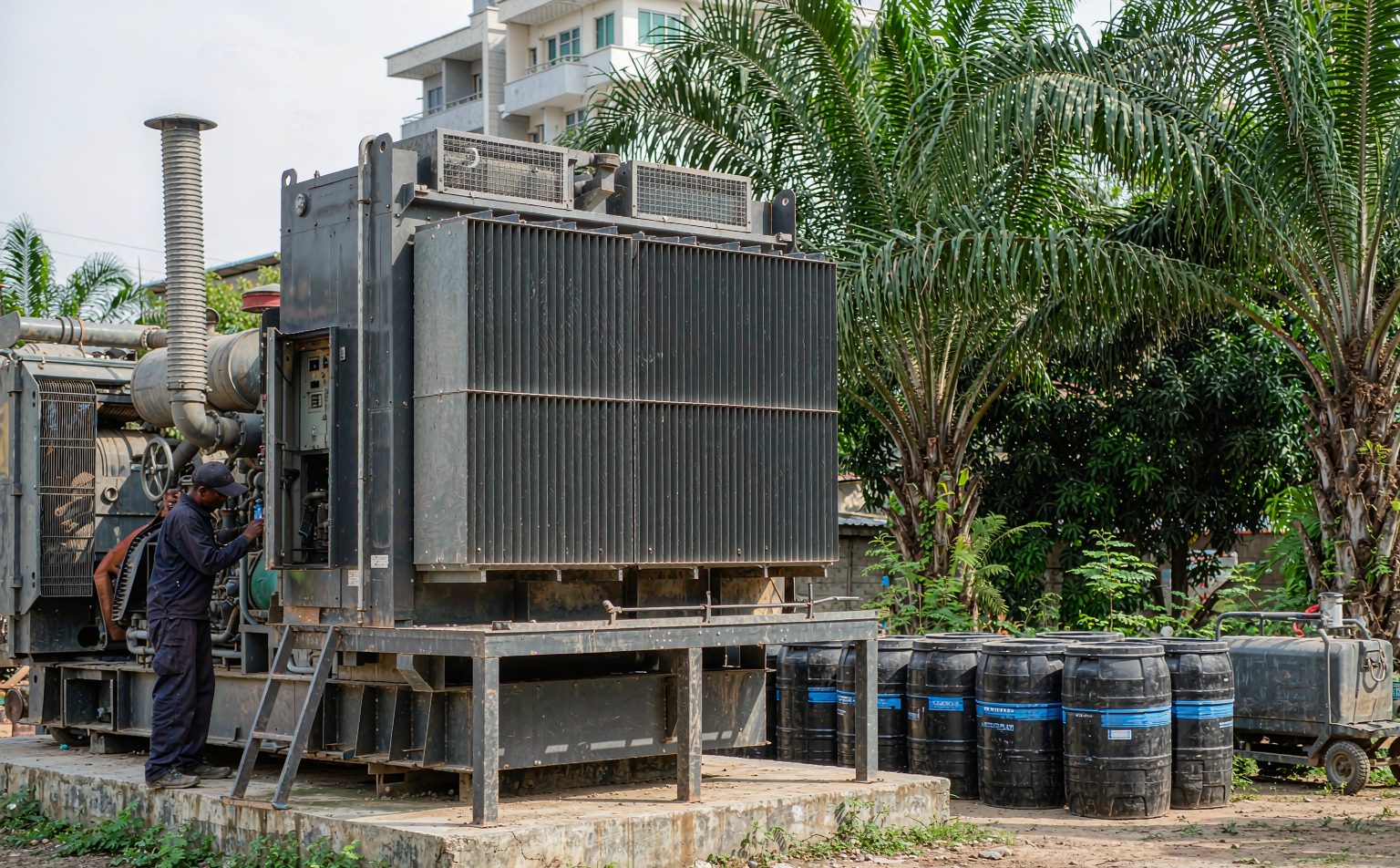
For a mid-to-large hotel running 24/7 air conditioning, kitchen equipment, lighting, and guest amenities, the monthly electricity bill can easily exceed $15,000–$25,000. Diesel backup adds another 30–50% during outage hours.
This hotel was spending heavily on grid power and diesel, with no end in sight. They needed a solution that would:
We designed and installed a hybrid solar + battery storage system tailored to the hotel's load profile:
Component | Specification |
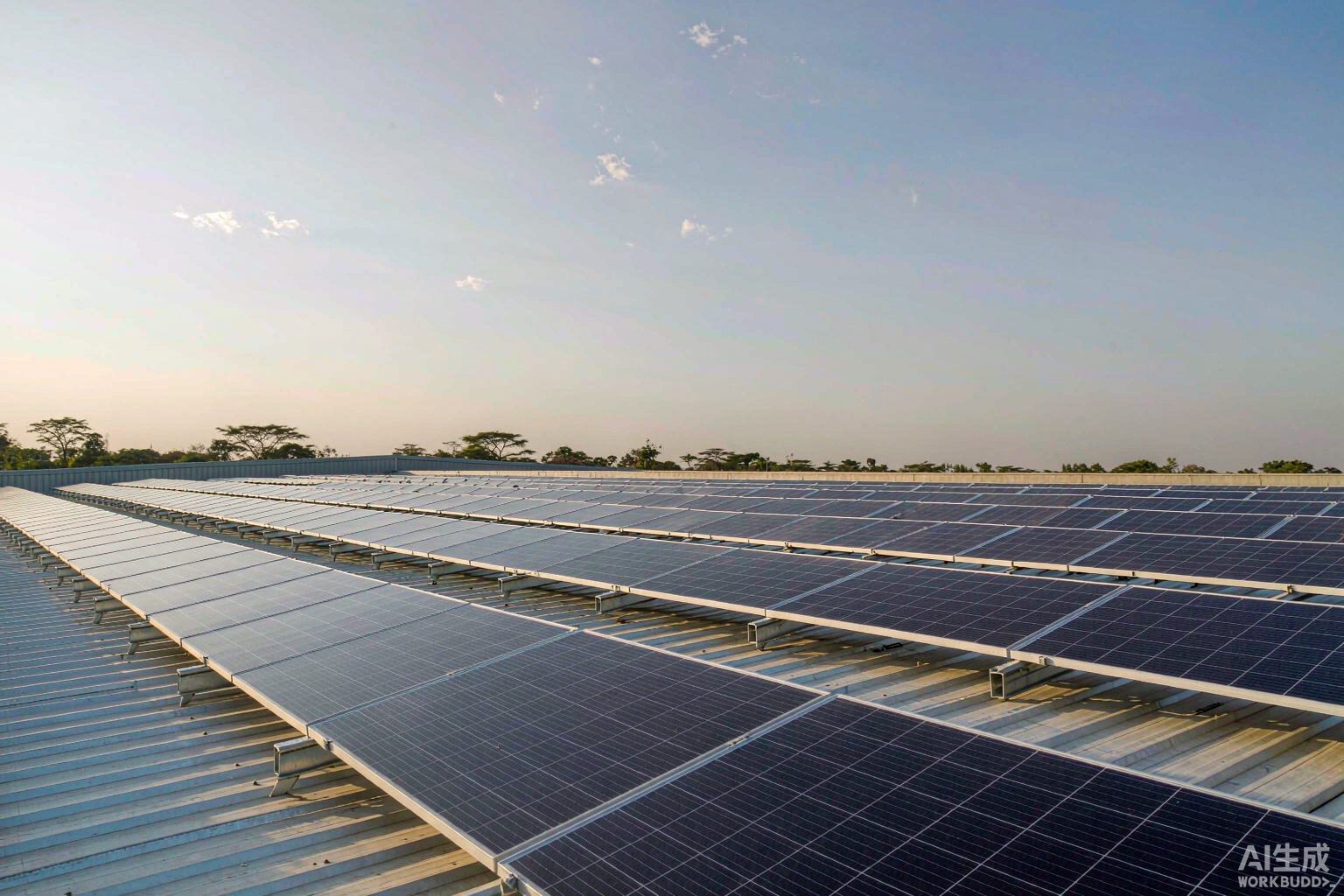
Solar PV Array | 250KW peak capacity |
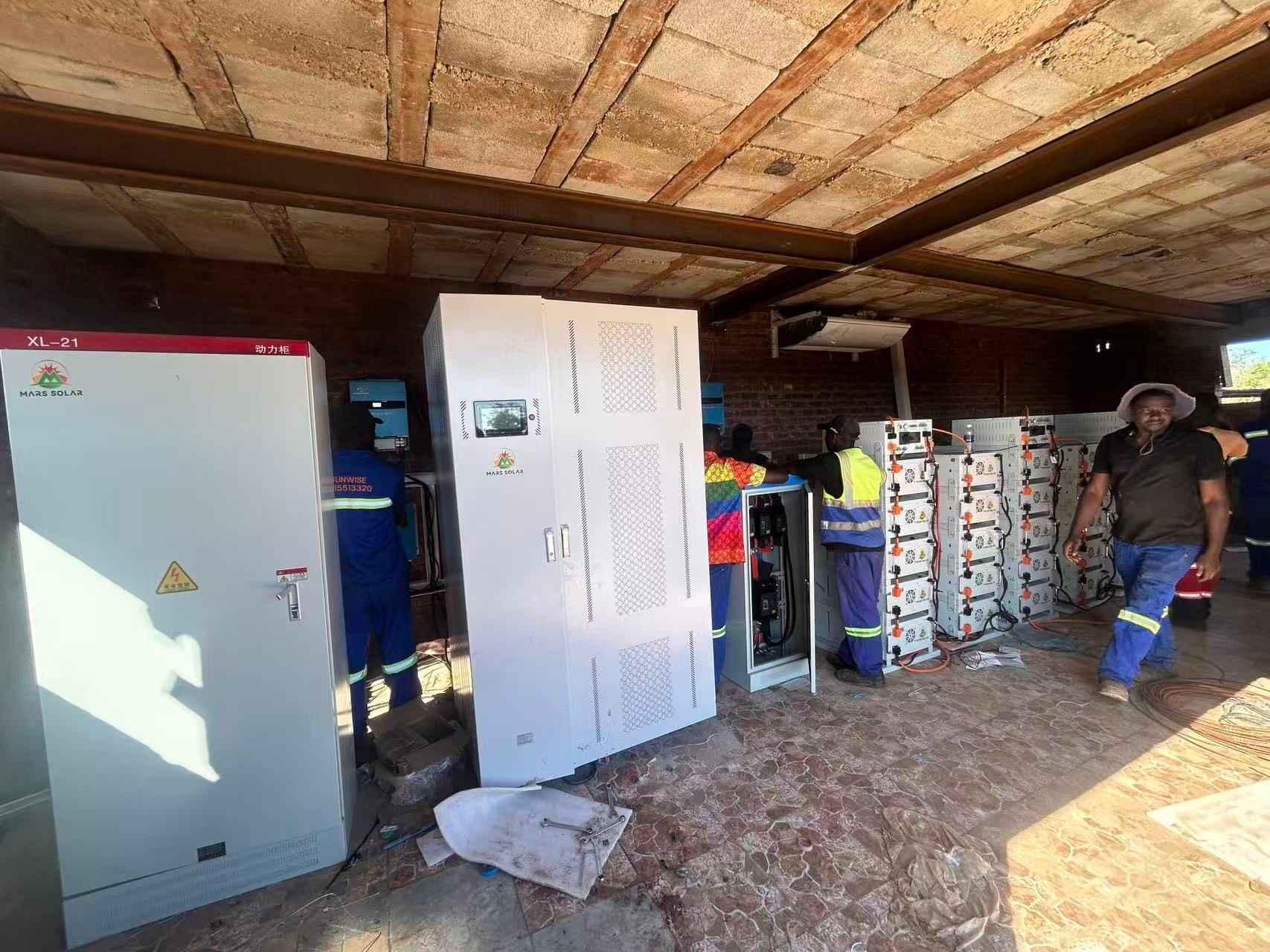
Battery Energy Storage | 500KWh LiFePO4 |
System Type | Hybrid (grid-tied with battery backup) |
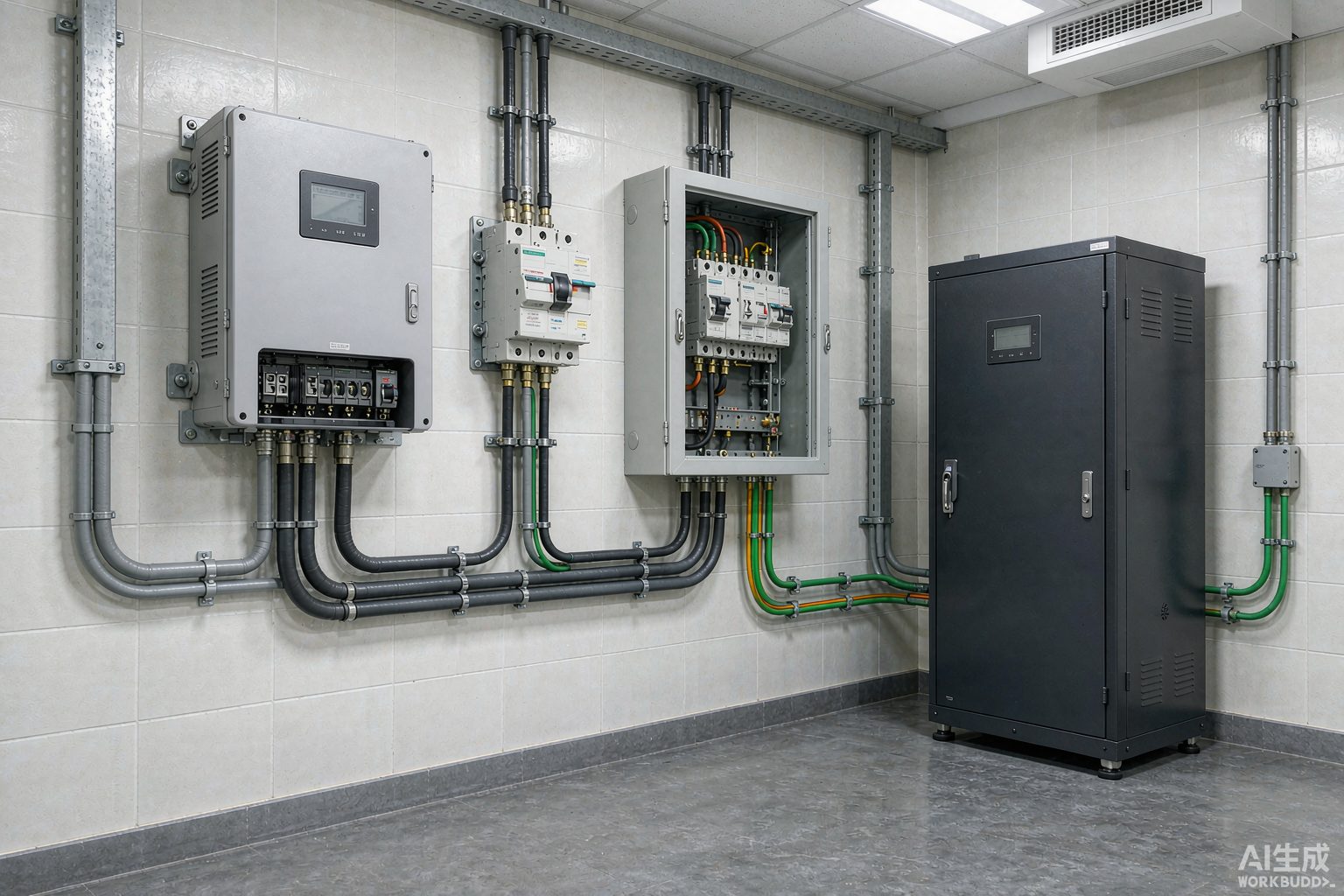
Inverter | Hybrid inverter with grid-sync capability |
Operating Mode | Solar priority → Battery → Grid (automatic switchover) |
Backup Function | Seamless transition during grid outages |
The 2:1 battery-to-solar ratio was deliberate:
This ratio ensures maximum self-consumption of solar energy rather than exporting to the grid at low feed-in tariffs.
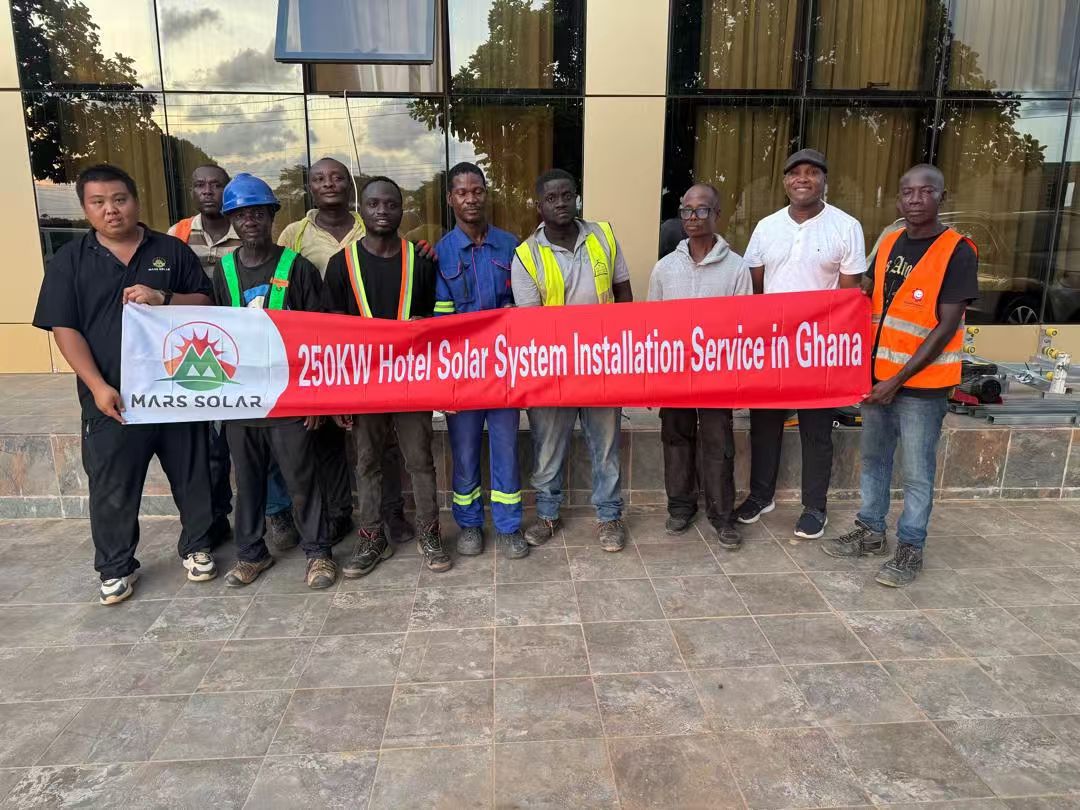
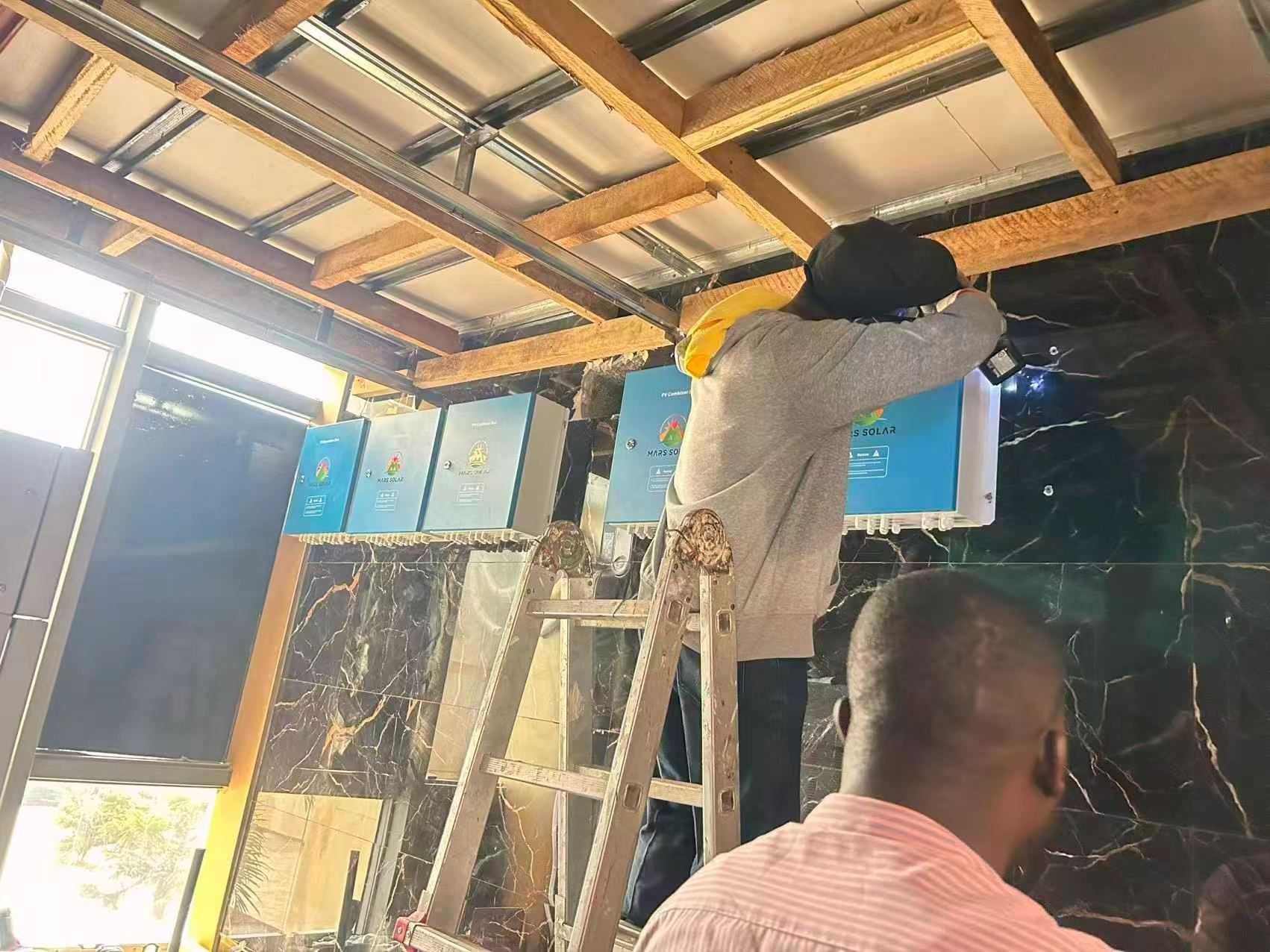
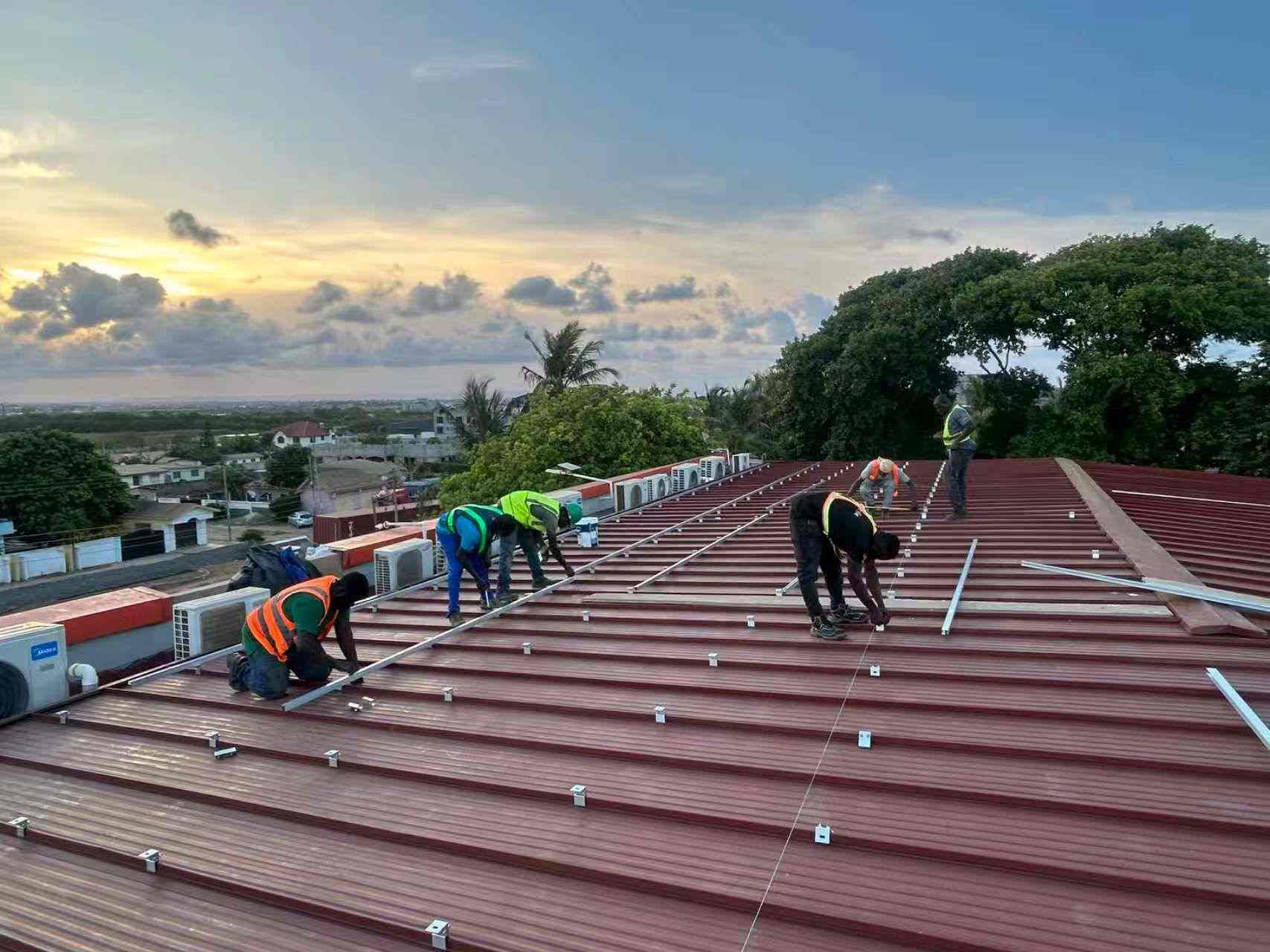
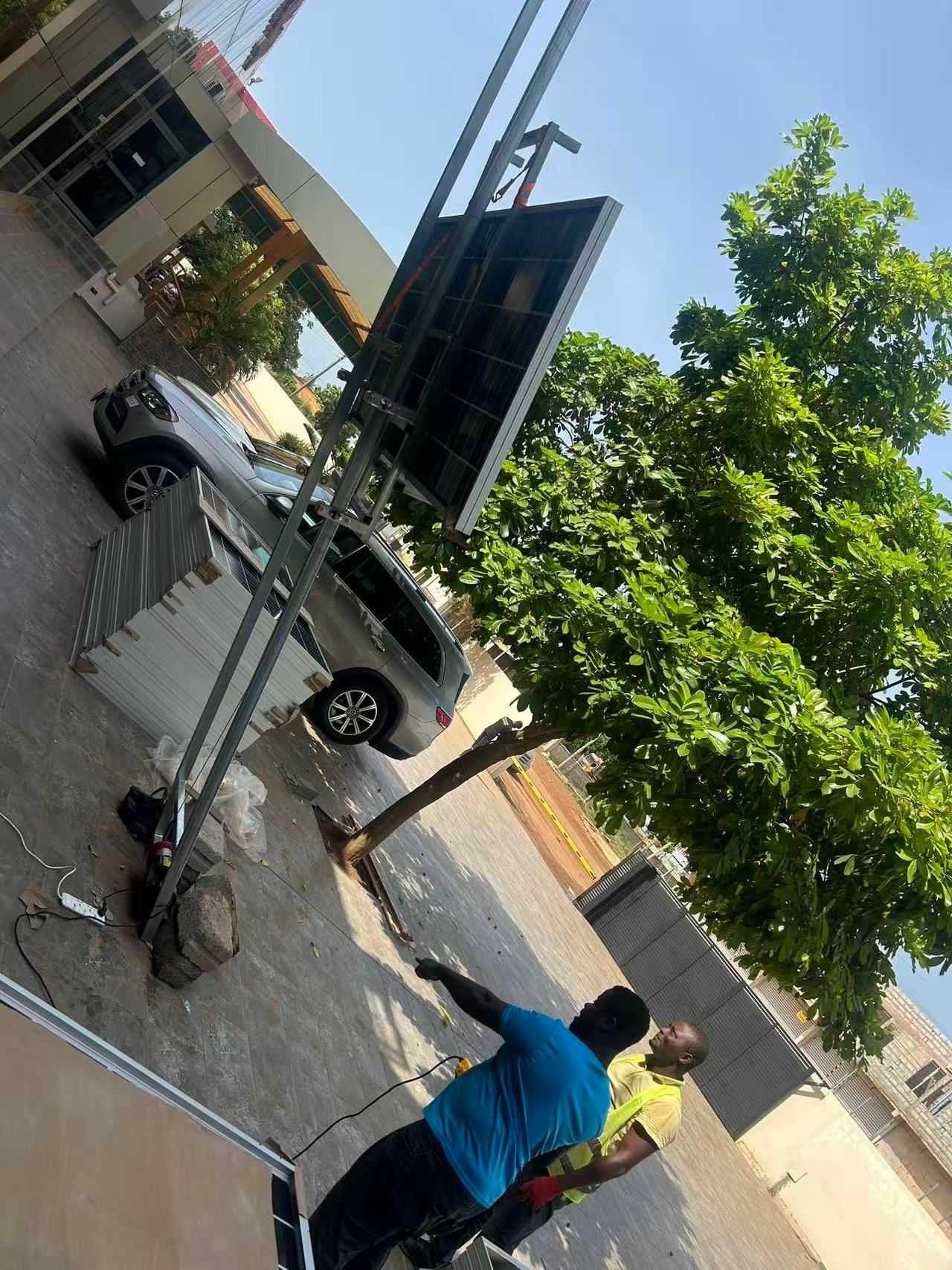
Unlike remote-supply arrangements, we dispatched our engineering team to Ghana for the full installation cycle:
On-site presence ensured zero compromise on installation quality and immediate troubleshooting capability.
Metric | Before Solar | After Solar | Change |
Monthly Electricity Bill | ~$12,500 | ~$7,500 | -60% |
Diesel Generator Runtime | 8–12 hrs/day | Near zero | -95% |
Grid Dependence | 100% | ~35% | -65% |
Solar Self-Consumption Rate | N/A | >85% | New |
CO₂ Reduction | — | ~180 tons/year | New |
Ghana is not unique. Hotels across West Africa — Nigeria, Senegal, Côte d'Ivoire, Cameroon — face the same combination of expensive grid power and unreliable supply. Solar + storage is no longer experimental; it's the economic baseline.
Condition | Threshold |
Grid tariff | >$0.12/kWh |
Outage frequency | >3 days/month |
Diesel backup cost | >$0.25/kWh |
Roof/ground space for panels | Available |
Payback expectation | <5 years |
If a hotel meets 3 or more of these conditions, a hybrid solar + storage system will almost certainly deliver positive ROI within 3–5 years.
Total installed cost for a 250KW solar + 500KWh LiFePO4 system in West Africa typically ranges from $150,000–$200,000 depending on site conditions, equipment brand, and logistics. With 60% electricity savings, payback is usually 3–4 years.
Yes, with proper sizing. A 500KWh battery can provide 2–4 hours of full-load backup, which covers most grid outages. For extended outages (>6 hours), a smaller backup generator can be kept as emergency reserve, but runtime drops by 90%+.
LiFePO4 batteries are rated for 6,000+ cycles at 25°C. In Ghana's average ambient temperature of 28–32°C, expect 5,000–5,500 cycles, which translates to 10–13 years of daily cycling — well within the system's payback period.
Yes. We dispatch engineers to the project site for survey, installation, commissioning, and handover. On-site installation ensures quality control and immediate support.
A hybrid system connects to the grid and uses solar + battery as the primary source, with grid as backup. An off-grid system has no grid connection at all. For most Ghanaian hotels, hybrid is optimal — it retains grid access for rare high-demand periods while maximizing solar self-consumption.
Approximately 1,500–2,000 m² of usable area is needed for a 250KW array. This can be rooftop, ground-mount, or a combination. Carport mounting is also popular for hotels as it provides shaded parking.
Looking to reduce your hotel's electricity costs in Ghana or West Africa? Contact us for a free site assessment and custom system design.
https://sunenergyfactory.com/contact-us/
A solar system for hotels in Ghana is one of the fastest-paying commercial solar investments in West Africa. Ghanaian commercial tariffs are high, diesel backup is expensive, and hotels run their heaviest loads — air conditioning, laundry, kitchens and water heating — during daylight hours. That alignment is what produces a 60 percent cost cut.
A solar system for hotels in Ghana also protects revenue directly: guests do not accept a power cut at 2am, and storage converts an outage into something nobody notices.
We size a solar system for hotels in Ghana from room count, air-conditioning load and occupancy. A 60 to 120 room hotel typically lands between 150kW and 300kW of PV with storage covering the evening and overnight block. Laundry and water heating are the two loads most often underestimated at the quotation stage.
Inverter capacity follows the simultaneous start of compressors and pumps, not the average draw. See the general approach on our solar power system for hotel page.
Mars Solar dispatches engineers for the full installation cycle rather than shipping a kit and leaving the hotel to find a contractor. For a solar system for hotels in Ghana that means site survey, structural check, mounting, electrical work, commissioning and handover with staff training.
Equipment carries CE, RoHS, TUV and ISO certification with a 10-year battery warranty. The World Bank energy programme documents how reliable supply supports the tourism sector across the region.
For a factory-direct quotation sized to your site, see our solar system Ghana page: configurations, indicative 2026 landed cost to Tema, and the clearance documents we prepare before the vessel sails.
How is a solar system for hotels in Ghana sized against room count?
From occupancy and air-conditioning load, not from rooms alone. We size a solar system for hotels in Ghana on the logged night block plus the daytime chiller load, then check the result against the guest-room count as a sanity test. A 60-room hotel and a 120-room hotel can need the same solar system for hotels in Ghana if one runs split units and the other runs a central chiller.
Does a solar system for hotels in Ghana need battery storage or is solar enough?
Storage is what makes the economics work. A solar system for hotels in Ghana without a battery delivers its output during the hours the hotel is least occupied, and exports the rest at a low feed-in rate. Adding the 500 kWh bank to this solar system for hotels in Ghana moved generation into the evening peak and took the self-consumption rate above 85%.
What does a solar system for hotels in Ghana cost and how fast does it pay back?
A commercial solar system for hotels in Ghana at the 250 kW scale in this project landed between USD 150,000 and USD 200,000 installed, depending on brand and logistics. Against Ghanaian commercial tariffs of USD 0.15-0.25 per kWh and diesel at USD 0.30-0.45, the solar system for hotels in Ghana paid back inside four years.
Can a solar system for hotels in Ghana run through dumsor without a generator?
Yes, within the designed autonomy. The solar system for hotels in Ghana installed here holds the full hotel load for two to three hours and the essential load — lifts, lighting, kitchen cold storage, front desk — far longer. Generator runtime fell by about 95%, and the remaining use is a deliberate reserve rather than the default response to an outage.
How much roof area does a solar system for hotels in Ghana need?
Roughly 1,500-2,000 m2 of usable area for 250 kW. A solar system for hotels in Ghana can also use ground mount or carport structures, and carports are popular because they shade guest parking while carrying the array. Shading surveys matter more than total area: a solar system for hotels in Ghana loses more to a water tank shadow than to a small roof.
Is a solar system for hotels in Ghana worth it outside Accra?
The economics improve away from the capital. Hotels in Kumasi, Takoradi and the Volta region see the same tariffs and the same dumsor pattern, while land and installation labour cost less. Any hotel where grid power exceeds USD 0.12 per kWh and outages run past three days a month is a candidate for a solar system for hotels in Ghana on financial grounds alone.
 English English
  Arabic
 Spanish
 French
 Dutch
Dutch
 Portuguese