
Language
A commercial BESS Philippines project is a battery energy storage system sized for a business rather than a household — typically 100 kWh to 2 MWh of LFP capacity with a 50 kW to 1 MW power conversion system, installed behind the meter to cut demand charges, shift cheap daytime solar into the evening peak, and keep production running through brownouts. For commercial BESS Philippines buyers it is the fastest-moving segment of the Philippine energy market in 2026.
This guide is written for the people who actually have to deliver a commercial BESS Philippines project: EPC contractors, facility managers and importers who have to size it, permit it, land it and keep it running. It covers reading the bill before sizing, the four ways a commercial BESS Philippines installation earns money, indicative 2026 pricing, realistic payback by site type, site and safety requirements, and what commissioning and O&M really involve.
Send us your last three electricity bills and the site single-line diagram. We will return a sizing note, an equipment list and an indicative factory-direct price within 24 hours.
Get a commercial BESS quote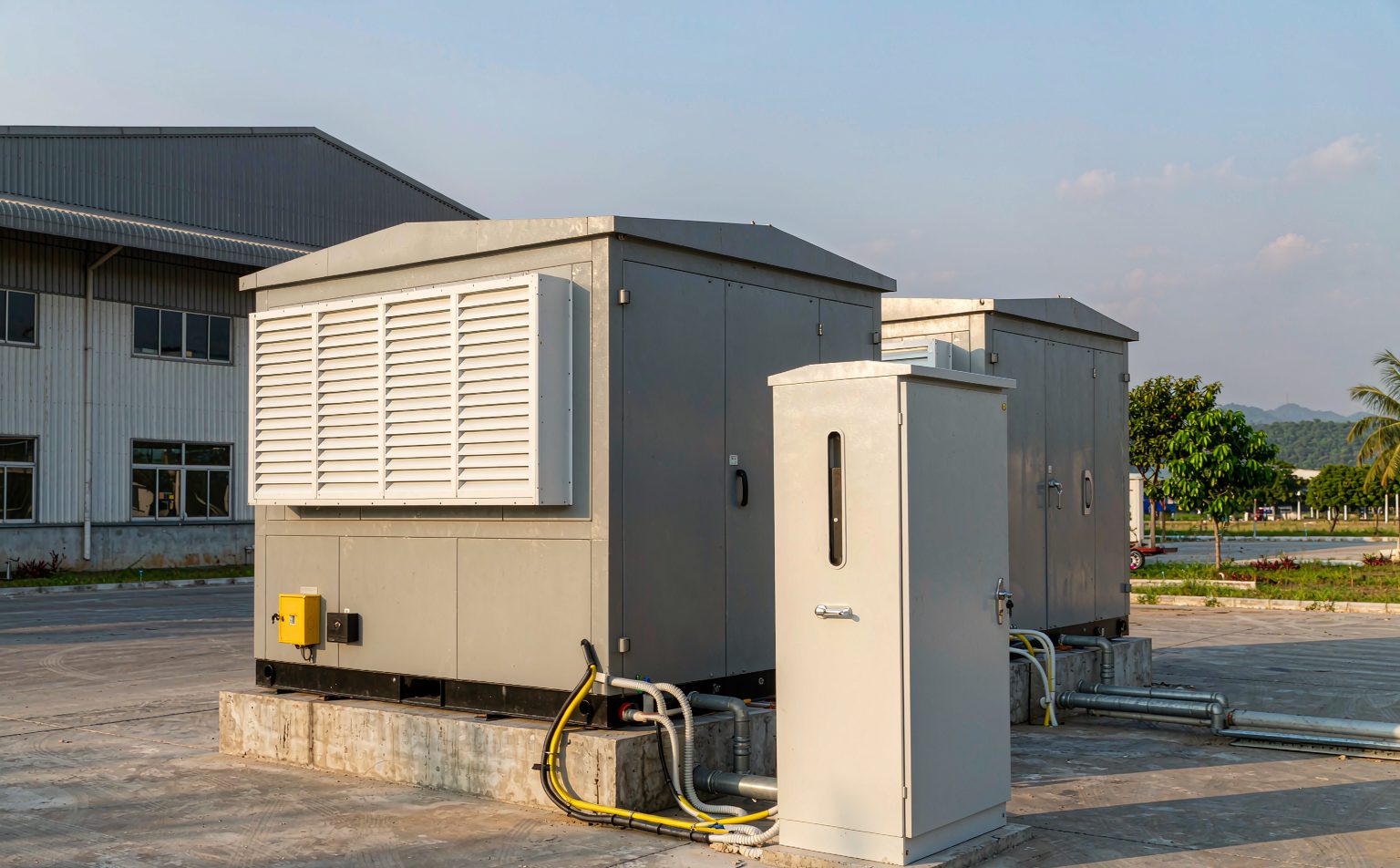
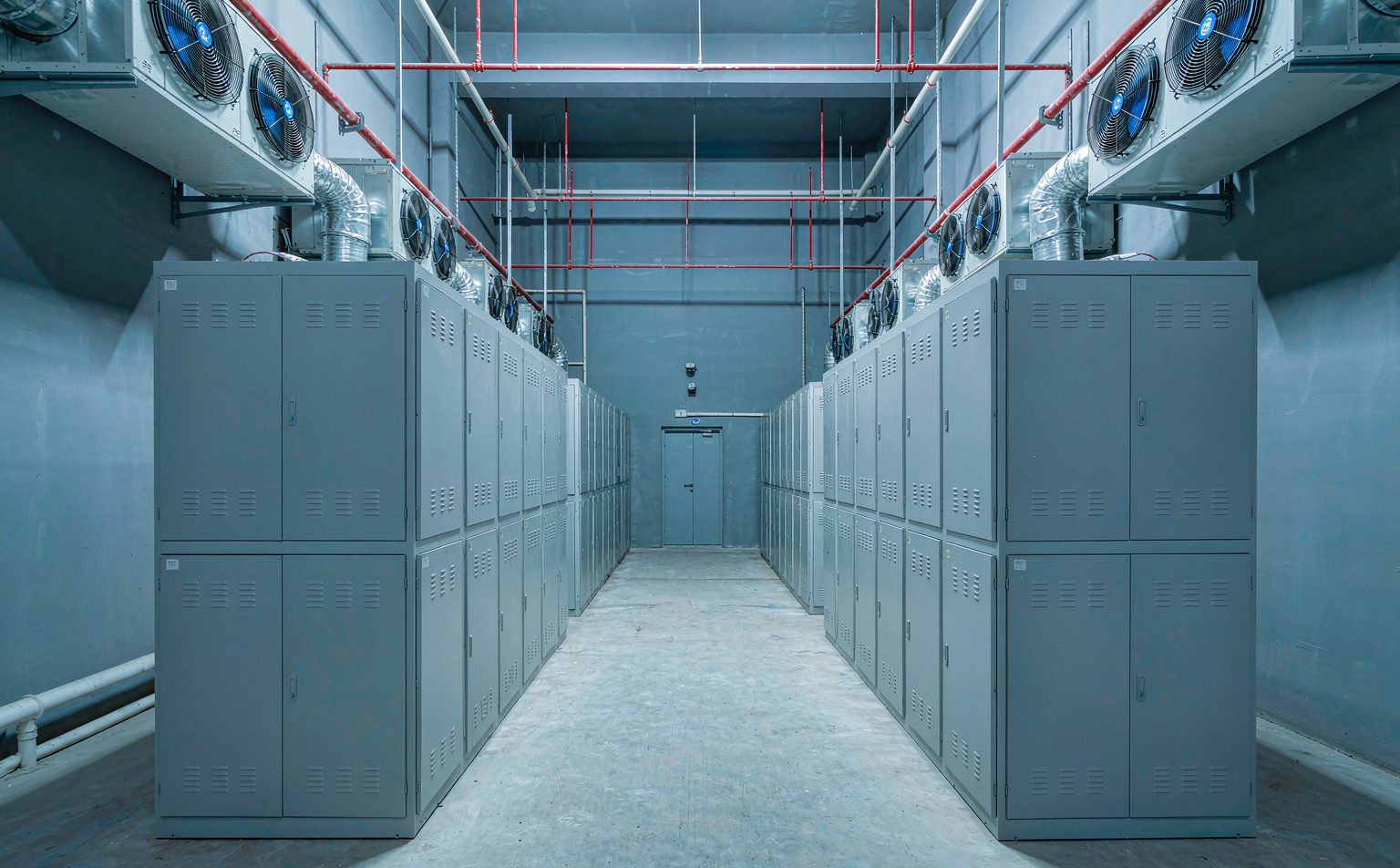
On a commercial BESS Philippines project, scale decides the architecture. Below roughly 100 kWh the equipment is a wall-mounted or cabinet hybrid system that an electrical contractor can install in a day. Above roughly 500 kWh a commercial BESS Philippines project becomes a containerised plant with its own civil pad, thermal management, fire suppression and a commissioning plan — and it needs engineering, not just installation.
| Scale | Typical configuration | Who it suits | Engineering effort |
|---|---|---|---|
| 20–60 kWh | Cabinet hybrid, single phase or 3-phase | Large homes, clinics, small retail | Contractor install |
| 60–200 kWh | Cabinet or small container, 30–100 kW PCS | Restaurants, cold rooms, resorts, offices | Light engineering |
| 200 kWh–1 MWh | Container, 100–500 kW PCS | Factories, malls, hotels, cold storage | Full project engineering |
| 1–2 MWh+ | Multiple containers, MV connection possible | Industrial parks, data centres, utilities | Consultant and utility coordination |
The common thread across commercial BESS Philippines projects is the billing structure. A commercial BESS Philippines project makes sense where the customer pays a demand component — a charge based on the highest 15- or 30-minute interval in the month — or where the tariff has a wide gap between peak and off-peak energy rates. Where neither applies, the case rests on outage avoidance and diesel displacement instead.
Peak demand reduction. In a commercial BESS Philippines project the highest interval in the month sets a charge that repeats for the whole billing period. Discharging the battery through that interval cuts the charge directly, and on many industrial accounts it is the single largest line item in the business case.
Load shifting. Commercial loads in the Philippines often peak between 18:00 and 22:00, well after solar production has fallen away. Storing surplus midday generation and discharging it after sunset avoids buying that energy at the full commercial tariff.
Outage protection. A grid-forming configuration keeps production lines, cold storage or IT loads alive through brownouts and typhoon-related interruptions, replacing diesel runtime hours that cost several times the grid tariff once fuel logistics are counted.
Solar self-consumption. Where the site already has PV, storage converts an exported kWh — usually compensated at a rate well below the retail tariff — into a kWh consumed on site. That single change often improves the return on an existing array more than adding more panels would.
| Revenue stream | What it depends on | Typical share of the savings case |
|---|---|---|
| Demand reduction | A demand charge on the bill | Often the largest single line |
| Load shifting | A peak and off-peak tariff gap | Second largest, grows with evening load |
| Outage protection | Frequency and duration of interruptions | Value depends on the cost of downtime |
| Solar self-consumption | An existing or planned PV array | Adds to the above rather than replacing it |
Model all four before sizing a commercial BESS Philippines system. A storage block sized only for load shifting is typically 30–40% smaller than one sized for shifting plus a demand target, and the demand target is usually where the fastest payback sits.
Most badly sized commercial BESS Philippines projects start with a rule of thumb instead of a bill. Philippine commercial customers sit under different regimes depending on size: a distribution utility schedule with separate energy and demand components for smaller users, retail electricity supply for larger ones, and time-of-use schedules where the peak window is defined. Each regime changes which savings stream is worth chasing.
Before sizing a commercial BESS Philippines project, get hold of four things:
The interval data. Fifteen-minute or hourly consumption for at least twelve months, exported from the utility portal or the customer's own meter. This is the single most useful input and the one most often missing.
The demand charge definition. Which interval length sets it, whether it resets monthly, and whether the utility applies a ratchet that carries the peak forward. A ratchet changes the optimum battery size materially.
The tariff schedule in force. Energy and demand rates are revised periodically. Confirm the current figures with the distribution utility rather than using numbers from an older quotation. Meralco's typical household rate climbed roughly 14% across eight months of 2026 and peaked near ₱14.83 per kWh, and commercial and industrial accounts sit in the ₱10 to ₱15 per kWh range, so the direction of travel favours storage.
The outage log. How often, for how long, and what it costs the site. That number justifies the grid-forming capability that a pure peak-shaving battery does not need.
Upload or message us your bill and interval data. We will identify the peak interval, estimate the shavable demand and tell you what size battery the numbers actually support.
Send my bill for reviewSizing a commercial BESS Philippines installation runs in four steps, and the fourth one is the one that gets skipped.
1. Find the peak interval and what caused it. Identify the highest demand interval in the year and the equipment behind it — a chiller start, a shift change, a welding bay. That interval sets the shaving target, and if it is a single freak event, it may be cheaper to manage the load than to buy a battery for it.
2. Find the evening block. Add up consumption between sunset and the end of the peak tariff window. That energy total defines the minimum usable battery capacity, before efficiency losses.
3. Apply depth of discharge and efficiency. LFP systems are normally cycled to 80–90% depth of discharge with round-trip efficiency around 88–92%, so divide the usable need by both. Then check the capacity guarantee at end of warranty — a bank that has lost 30% of its capacity by year ten will not deliver the same savings in year ten.
4. Check the power rating against simultaneous charge and discharge plus site load. A 900 kW demand peak cannot be shaved with a 250 kW inverter, and the PCS must be able to charge from solar while it discharges to the load if the control strategy calls for it.
| Site | Peak demand | Evening block | Battery and PCS that usually fits |
|---|---|---|---|
| Shopping mall | 600–900 kW | 2,500–3,500 kWh | 1.2–1.6 MWh with 400–600 kW PCS |
| Manufacturing plant | 700–1,200 kW | 2,000–3,000 kWh | 1.0–1.5 MWh with 500–700 kW PCS |
| Cold storage | 300–500 kW | 1,800–2,600 kWh | 0.9–1.3 MWh with 250–400 kW PCS |
| Hotel, 150 rooms | 250–400 kW | 1,200–1,800 kWh | 0.6–0.9 MWh with 200–300 kW PCS |
A worked reference from the storage sizing literature we use with clients: a plant with a 900 kW peak, 2,800 kWh consumed in the evening peak window, and a 15-minute peak charge that repeats monthly is typically covered by a 1.2–1.5 MWh block with a 500–700 kW PCS, paired with 700–900 kWp of rooftop solar.
Indicative factory-direct pricing for a commercial BESS Philippines project in 2026, quoted CIF Manila, sits at the levels below. Storage dominates the total, and the storage-to-solar ratio decides how far the number moves.
| Component | Indicative 2026 price | Notes |
|---|---|---|
| LFP battery block, rack-mounted | US$180–260 / kWh | Includes BMS; excludes PCS |
| Containerised BESS, 500 kWh–2 MWh | US$210–300 / kWh | Includes thermal management and fire suppression |
| Hybrid inverter / PCS | US$90–150 / kW | Bidirectional and grid-forming capable |
| Solar array, modules and mounting | US$280–420 / kWp | Rooftop or ground mount |
| Complete solar plus storage, turnkey ex-works | US$700–1,100 / kWp | Depends on storage-to-solar ratio |
| Installed reference, commercial rooftop | ₱4.5M–₱6.5M per 100 kW | PV only, from our 2026 Philippines price guide |
Two costs sit outside that table and regularly surprise buyers pricing their first commercial BESS Philippines system. The first is the electrical works behind the meter: switchgear, protection, cabling, metering and the utility interface are typically 10–20% of project value and are almost always local content. The second is civil and site works — a container needs a level reinforced pad, drainage, clearance for maintenance access, and often a fire-rated boundary. Neither is optional, and a quotation that omits them is not comparable.
On the import side, modules, inverters, charge controllers, PV cable and battery storage are all covered by the BPS mandatory certification regulation that passed on 30 June 2026, with a transition window closing in July 2027. Equipment consigned under RA 9513 and the CREATE MORE Act enters at 0% duty and 0% VAT for DOE-registered renewable energy developers. Our Philippines solar import guide covers the certification file in detail.
Payback on a commercial BESS Philippines project ranges widely, and the spread is almost entirely explained by three variables: the size of the demand charge, the width of the peak-to-off-peak tariff gap, and whether diesel generation is currently part of the site's cost base. Documented commercial BESS Philippines projects with high demand charges and evening peaks typically model four to seven years, and go faster where diesel is being displaced.
| Scenario | What drives the savings | Typical modelled payback |
|---|---|---|
| Mall or retail, strong demand charge | Demand reduction plus shifting | 4–6 years |
| Factory with evening shift | Shifting plus demand plus outage ride-through | 4–7 years |
| Cold storage with diesel backup | Diesel displacement plus outage protection | 3–6 years |
| Hotel or resort | Shifting plus outage protection plus guest comfort | 5–8 years |
| Site already on diesel only | Fuel displacement is the whole case | Often under 4 years |
Treat those commercial BESS Philippines ranges as planning guidance, not as a quotation. The number that matters is the one you calculate from your own twelve months of interval data and your current tariff schedule, and it should be recalculated whenever the utility revises rates. Build the model so the inputs are visible, because the savings case will be reviewed internally before it is approved.
Two things shift the answer more than buyers expect. A demand ratchet — where a high month is carried forward — makes the battery more valuable, not less, because one well-controlled interval protects several months of billing. And a site that already owns an underperforming solar array often gets a better return from adding storage than from adding more panels.
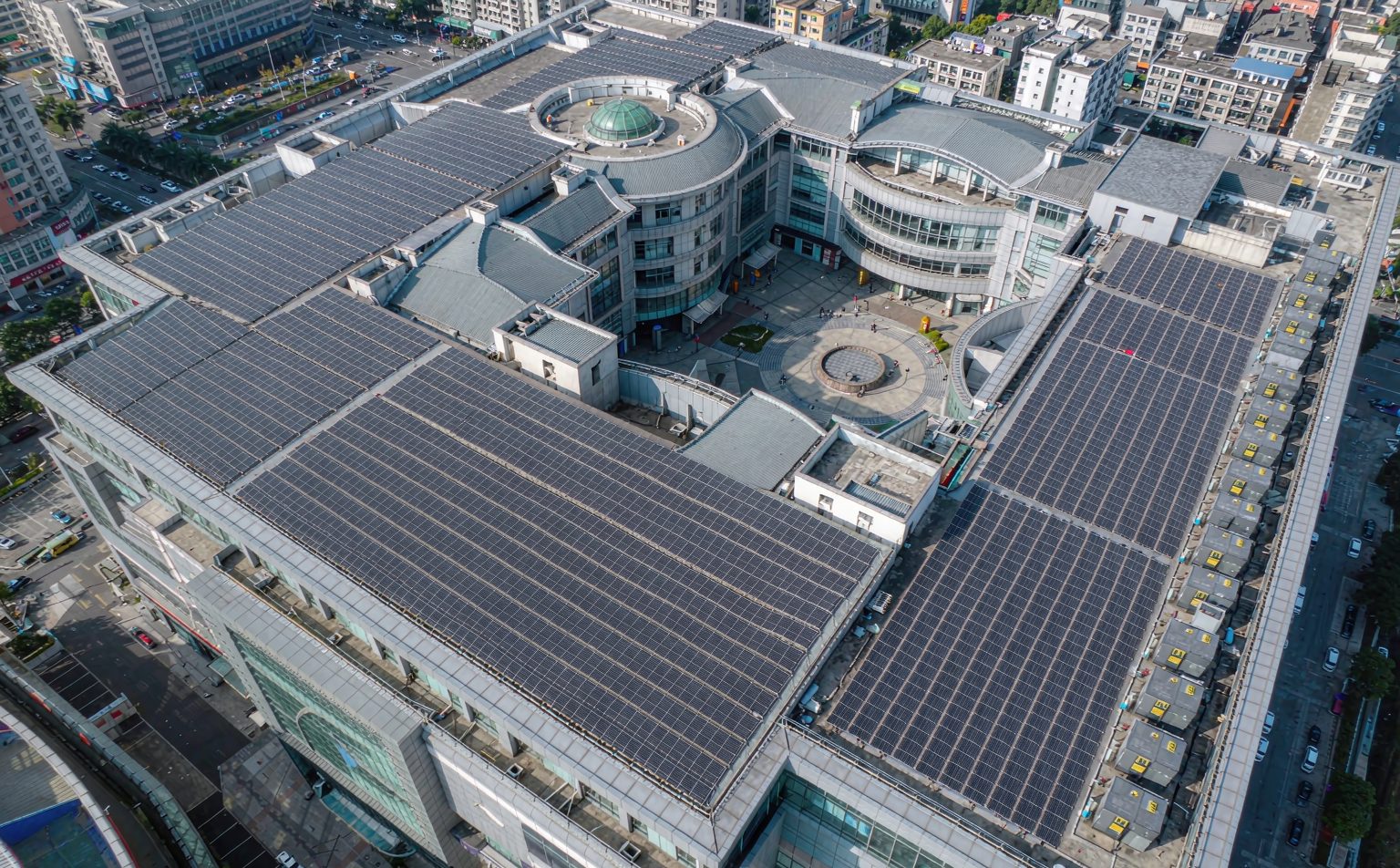
A commercial BESS Philippines installation is a code-governed piece of plant, and the requirements differ depending on whether the equipment sits indoors or in a container. Agree the layout before the equipment is ordered, because retrofitting clearance afterwards is expensive.
Fire and separation. LFP is a materially safer chemistry than older lithium chemistries, but a commercial BESS Philippines installation still needs the separation distances, fire-rated construction and detection that the applicable code and the local fire bureau require. Container systems normally carry integrated aerosol or gas suppression; indoor rooms need detection, ventilation and a suppression design of their own.
Thermal management. A tropical plant room has to hold the battery in its comfortable temperature band through the hottest month, and the guarantee is usually written against an ambient temperature. If the room cannot hold that band, the warranty is the first casualty.
Electrical protection and the utility interface. DC isolators, arc-fault and ground-fault protection, AC protection coordinated with the site switchboard, and — where the system can export or operate in parallel with the grid — the interconnection requirements of the distribution utility. Confirm them early; utility review is frequently the pacing item on the schedule.
Permits. Local government electrical permits, a Certificate of Final Electrical Inspection and sign-off by a licensed electrical engineer apply to storage installations exactly as they do to a PV array. The BPS certification file for imported equipment is a separate track and needs to be complete before shipment, not after arrival.
On a commercial BESS Philippines project the savings come from the control strategy, not from the battery. A commercial BESS Philippines installation that charges and discharges at the wrong times will degrade the cells and miss the demand target at the same time.
Commission against the tariff, not against a template. The energy management system has to be configured with the site's actual demand charge definition, the peak window, and the reserve the site wants for outage protection. Test it through a full monthly billing cycle and compare the interval data before and after.
Log everything. Interval-level data on state of charge, charge and discharge power, cell temperatures and fault events. Without it, you cannot prove the savings to the customer, and you cannot diagnose a capacity complaint later.
Plan the maintenance contract before handover. A commercial BESS Philippines system needs periodic inspection of terminations and thermal behaviour, firmware updates, verification of the fire detection and, over time, module-level replacement. Agree who does that and how fast they can reach the site.
Hold spares locally. At minimum a spare PCS module, a battery module, surge protection devices and communication modules. A storage system down for want of a part is not saving money; it is adding a diesel bill.
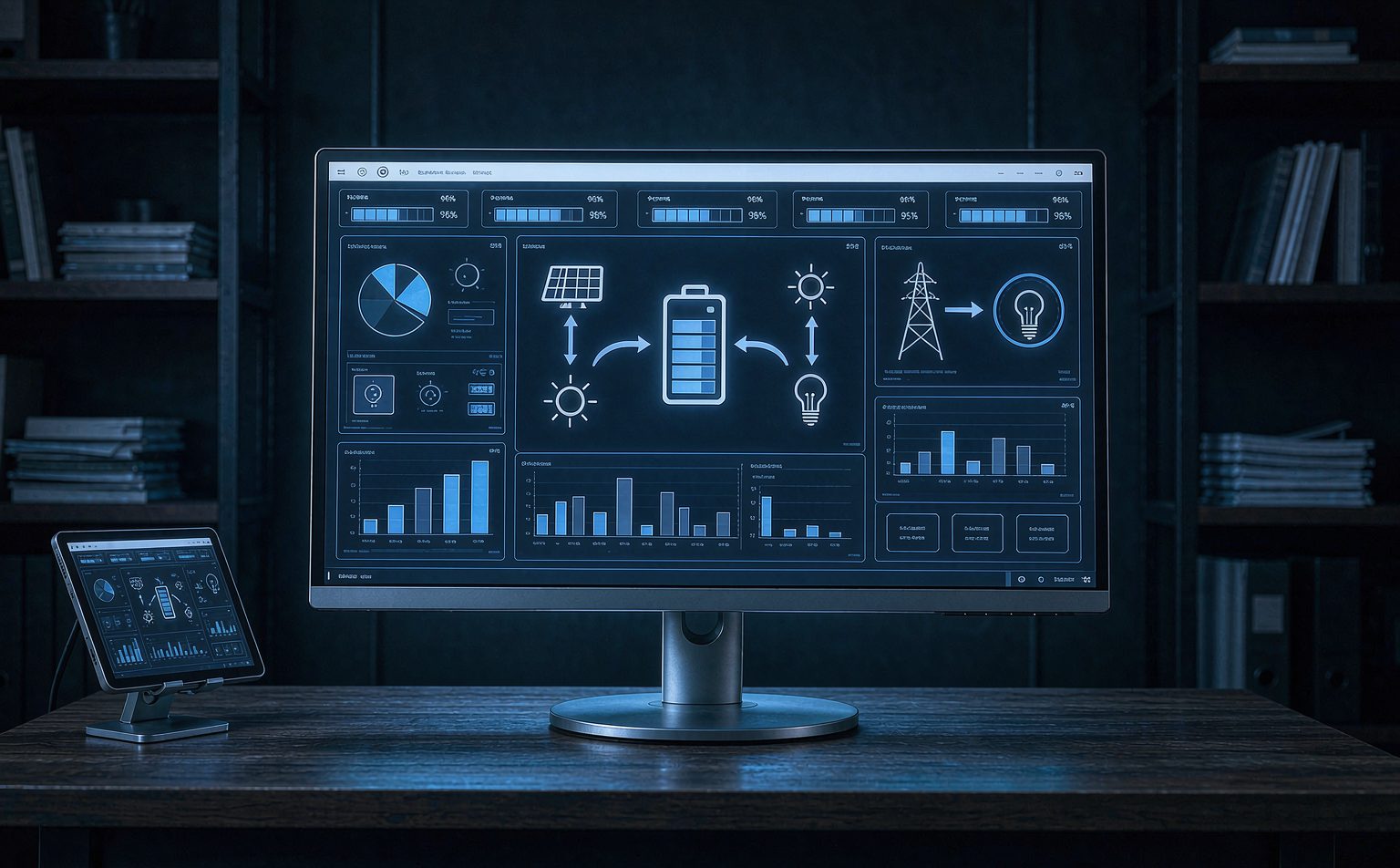
A cold storage facility running a 350 kW peak, 2,200 kWh in the evening window, and a diesel set for outage cover is the profile that returns storage fastest in the Philippines, because it attacks all four savings streams at once.
Sizing: 2,200 kWh evening block, cycled once daily at 85% depth of discharge with 90% round-trip efficiency, gives roughly 2.9 MWh of nameplate LFP — but if a demand target of 150 kW is set instead of straight shifting, the block can drop to around 1.1–1.5 MWh with a 350 kW PCS and still hit both objectives. That is the 30–40% sizing difference between a shifting-only design and a shifting-plus-demand design.
Two reference projects show the pattern. The 300 kW solar system for a cold storage plant in Isabela pairs rooftop generation with storage on a facility where a temperature excursion is the real risk. The 400 kW solar and battery storage project is closer to the commercial scale this section describes, and the 100 kW cold storage system covers the smaller end.
If your site already runs a diesel set for outages, storage usually pays back faster than you expect. Send the genset rating, the run hours and the fuel bill and we will model it.
Ask for a payback model1. Sizing from an average bill instead of interval data. The demand charge is set by one interval. Without the interval data you are guessing at the most valuable number in the model.
2. Forgetting the ratchet. Where a peak is carried forward for several months, the value of controlling it rises sharply, and a battery sized without the ratchet in view will be undersized.
3. Buying nameplate kWh instead of usable kWh. Depth of discharge, ambient temperature and end-of-warranty capacity all reduce the energy that actually reaches the load. Compare quotations on usable energy at the design temperature.
4. Ignoring the site works in the budget. Pad, drainage, clearance, fire separation, protection and cabling regularly add 10–20% to a commercial BESS Philippines budget and can add more on a constrained urban site.
5. Treating the EMS as an afterthought. On a commercial BESS Philippines project the control strategy is what produces the savings. Commission it against the real tariff and verify with a full billing cycle of data.
6. Ordering before the utility review. Interconnection requirements can change the protection scheme and the inverter specification. Confirm them before the purchase order, not after the container lands.
How much does a commercial BESS cost in the Philippines? For a commercial BESS Philippines project, indicative 2026 factory-direct pricing runs US$180–300 per kWh of LFP storage and US$700–1,100 per kWp for a complete solar plus storage system, depending on the storage-to-solar ratio and site conditions. Ask for the price broken down by block — battery, PCS, array, mounting, suppression, freight — so quotations can be compared line by line.
How long is the payback? Commercial BESS Philippines sites with high demand charges and evening peaks typically model four to seven years, faster where diesel generation is currently in the cost base. The number depends entirely on your tariff schedule and interval data, so it has to be modelled from your own bills rather than taken from a benchmark.
Can a commercial BESS Philippines installation run the site during a brownout? Yes, if the inverter is grid-forming and the battery is sized for the critical load rather than only for peak shaving. Decide which loads must survive — production lines, cold rooms, IT, lifts — because that decision sets both the power rating and the price.
Do I need solar to make storage work? No. A commercial BESS Philippines system can be justified on demand reduction and shifting alone, and adding PV later still improves the return. But a site with an existing array usually gets its best marginal return by adding storage, because it converts exported kWh into kWh consumed on site.
Send us twelve months of interval data, your current tariff schedule and the site layout. We will come back with the peak interval, a shavable demand estimate, a cabinet or container recommendation and an indicative factory-direct price within 24 hours. We supply modules, mounting, PCS and LFP storage as one matched package for commercial BESS Philippines projects, so the sizing and the equipment come from the same place.
Chat on WhatsAppSizing and cost context: Philippines solar BESS cost, sizing and peak shaving, solar panel price Philippines 2026, and solar power for factories in the Philippines.
Import and supply: Philippines solar import and BPS certification guide, launching a Philippine solar import business, and our Philippines solar system supply page.
Reference projects: 300 kW solar for an Isabela cold storage plant, 400 kW solar and battery storage, 250 kW storage for a supermarket, and the 6 MW 20 MWh industrial storage project.
Product specification: 100 kW 215 kWh BESS cabinet. For grid and tariff context, see the Meralco distribution utility site and the Philippine Department of Energy renewable energy portal.
 English English
  Arabic
 Spanish
 French
 Dutch
Dutch
 Portuguese