
Curaçao 150kW Solar Plant Farm: How a Caribbean Greenhouse Achieved 24/7 Climate Control & Irrigation Off-Grid
TL;DR — this 150kW solar system for farm project shows what a greenhouse needs when the grid cannot hold temperature control.
Metric | Value |
System Size | 150kW solar PV + 300kWh LiFePO₄ BESS |
Location | Curaçao, Dutch Caribbean |
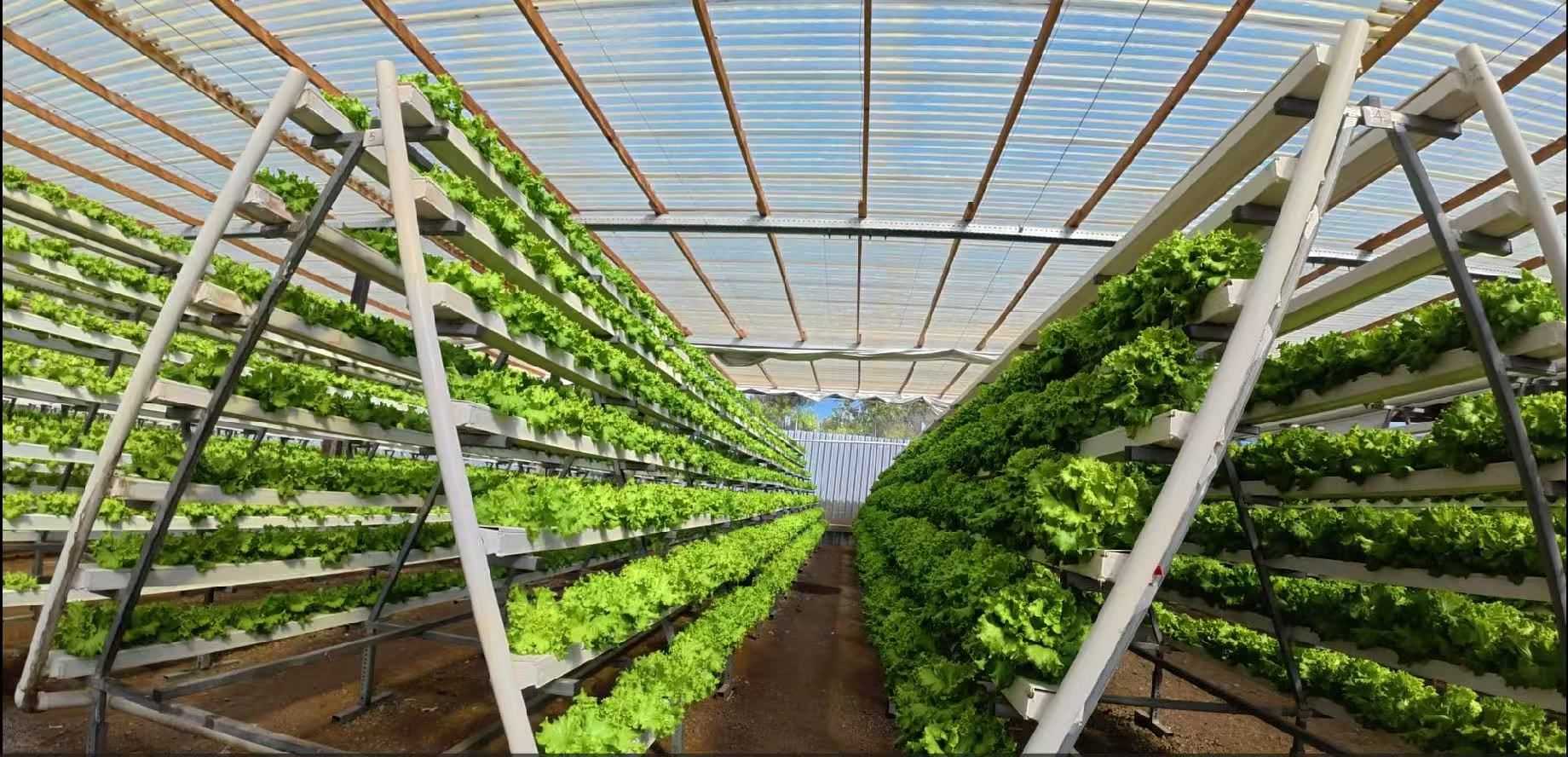
Application | Constant-temp greenhouse + solar water pump irrigation |
Core Problem | Unstable grid → temperature swings + irrigation downtime → crop loss |
Design Goal | 100% off-grid / self-consumption — zero utility reliance |
Temp Stability | ±1.5°C (before: ±4–6°C) |
Cost Reduction | 85–95% electricity cost savings |
Yield Improvement | +25–40% |
Project Type | Agricultural solar — grid-tied PV + storage with islanding + solar pump |
1. The Paradox of a Sun-Drenched Island That Couldn't Farm
Curaçao — a Dutch Caribbean island with 3,000+ sunlight hours per year and year-round temperatures of 26–28°C. By any geographic measure, it should be ideal for vegetable cultivation.
But for years, local plant farms couldn't achieve stable, scalable production. The problem wasn't sunlight, soil, or water. It was electricity.
Curaçao generates over 90% of its power from imported fossil fuels. The grid, operated by Aqualectra, suffers from aging infrastructure and volatile fuel costs. Power prices hit $0.30–0.45/kWh — 2–3× the US average. Voltage dips and blackouts are routine, especially during hurricane season.
For a modern plant farm that demands 24/7 climate-controlled greenhouses and reliable irrigation pumping, grid instability isn't an inconvenience — it's a crop killer. Every power fluctuation translates directly to temperature swings inside the greenhouse, and temperature swings mean lost yield, inconsistent quality, and wasted inputs.
Industry benchmarks:
• Greenhouse temperature deviation beyond ±3°C → 15–25% yield loss in leafy greens
• Irrigation interruption >24 hours → irreversible crop damage
• Caribbean electricity costs are among the highest in the Western Hemisphere
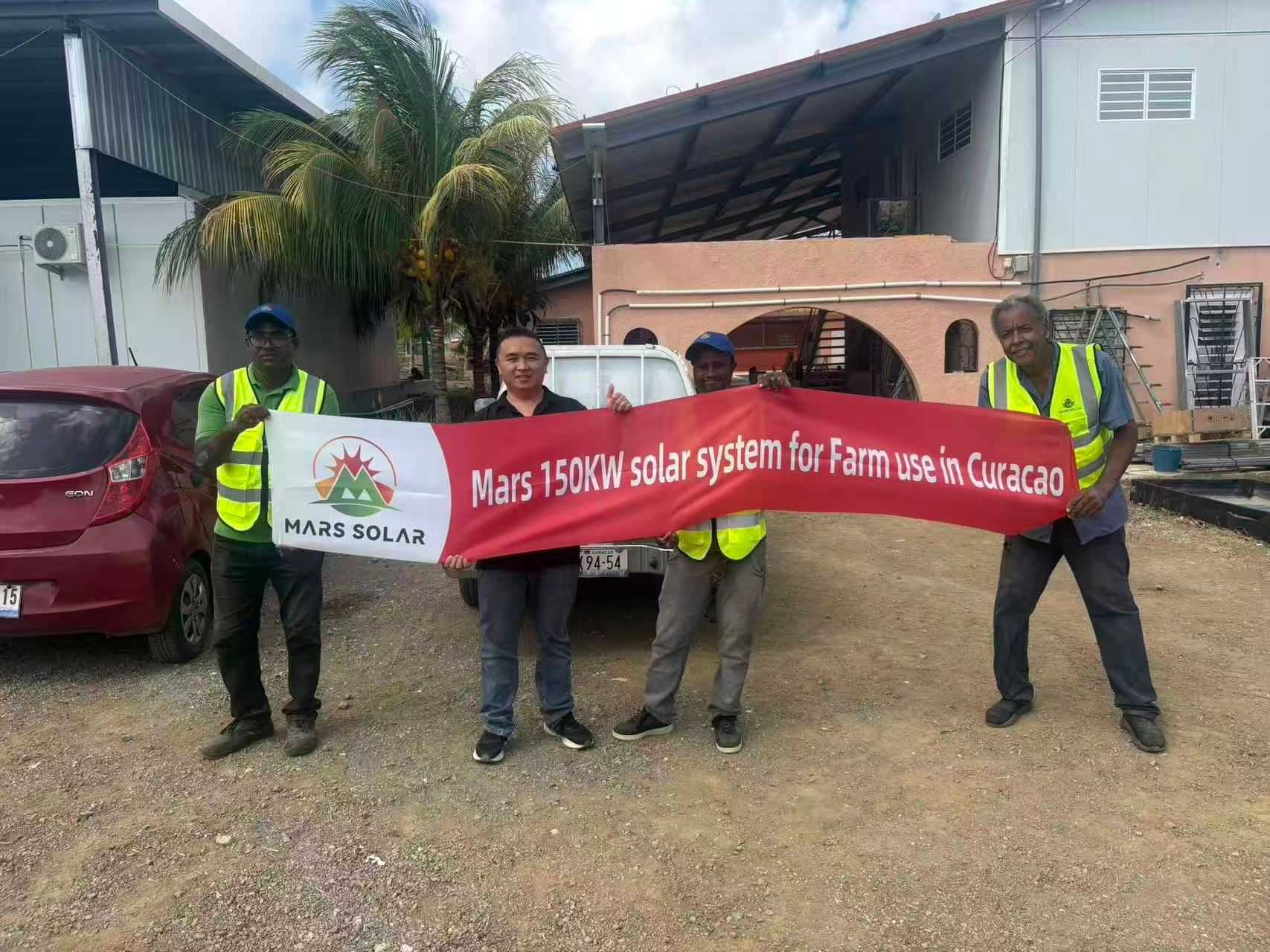
2. Project Snapshot
Item | Specification |
Location | Curaçao, Dutch Caribbean |
System Size | 150 kW+300kWh |
Application | Constant-temperature greenhouse + solar water pump irrigation |
Core Problem | Unstable grid → temp control failure + irrigation downtime → poor yield |
Design Goal | 100% off-grid / self-consumption, zero utility reliance |
System Type | Grid-tied with automatic islanding + battery backup |
3. The Problem: How Grid Instability Kills a Greenhouse
A modern plant farm is a power-hungry ecosystem:
- Climate control subsystem: Fans, wet curtains, shading, circulation — needs 24/7 power to maintain 22–28°C band
- Irrigation subsystem: Submersible or surface pumps drawing from wells/storage, feeding drip irrigation on schedule
- Monitoring & control: Temp/humidity/CO₂ sensors, IoT gateway — low wattage but mission-critical
- Supplemental lighting: LED grow lights during overcast days
On the Curaçao grid, a single 4-hour blackout followed by a temperature shock can trigger leaf wilt, root stress, and downgrade an entire harvest batch.
The farm owner's brief was clear: decouple the greenhouse from the grid's failures.
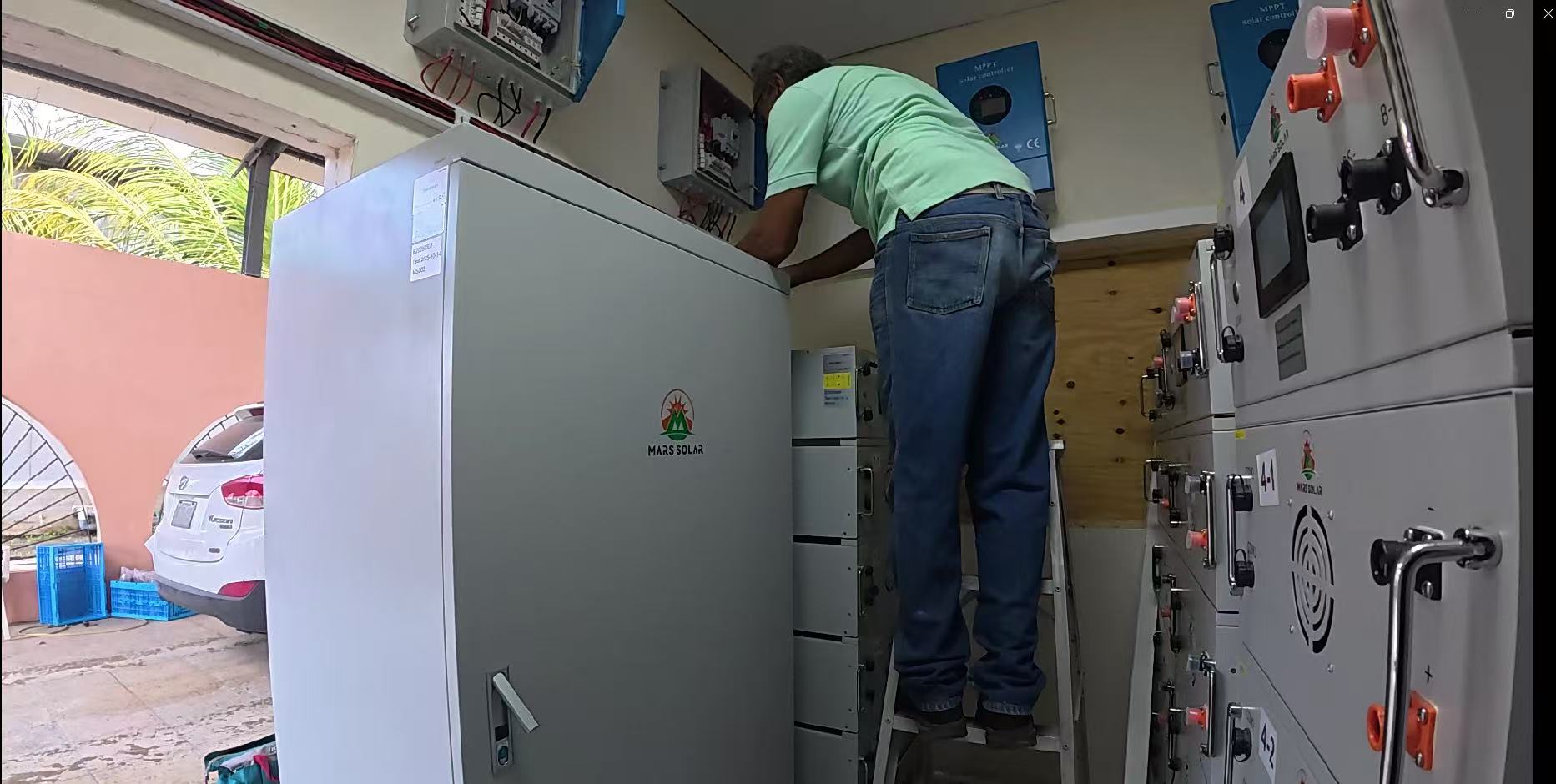
4. The Solution: A 3-in-1 150kW+300kWh Solar Architecture
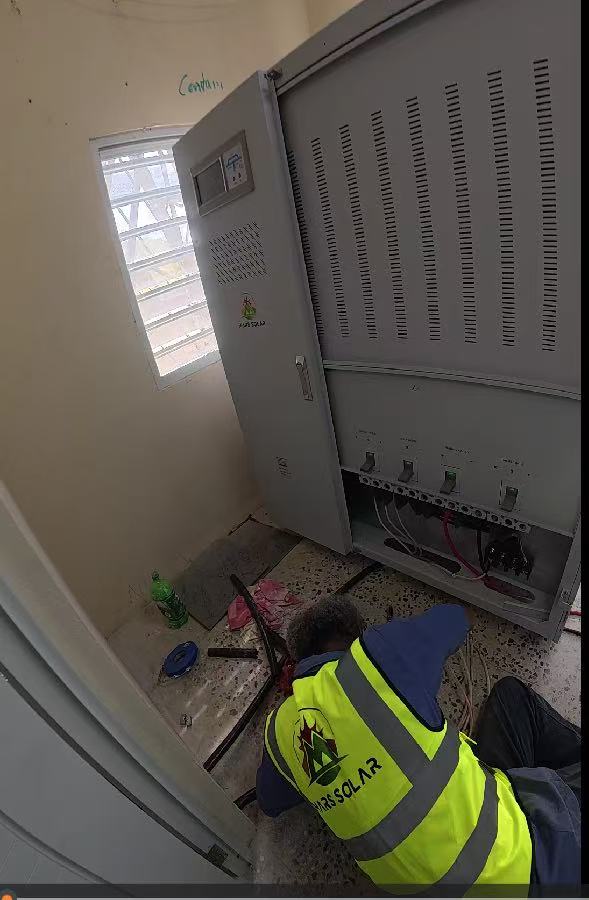
The engineering team designed a 150kW+300kWh photovoltaic system around three parallel missions:
4.1 Greenhouse Power Supply
- Panels: Monocrystalline silicon, 590W × 255 units, roof + ground mount
- Storage: LiFePO₄ battery bank, sized for overnight baseload × 12 hours (300 kWh)
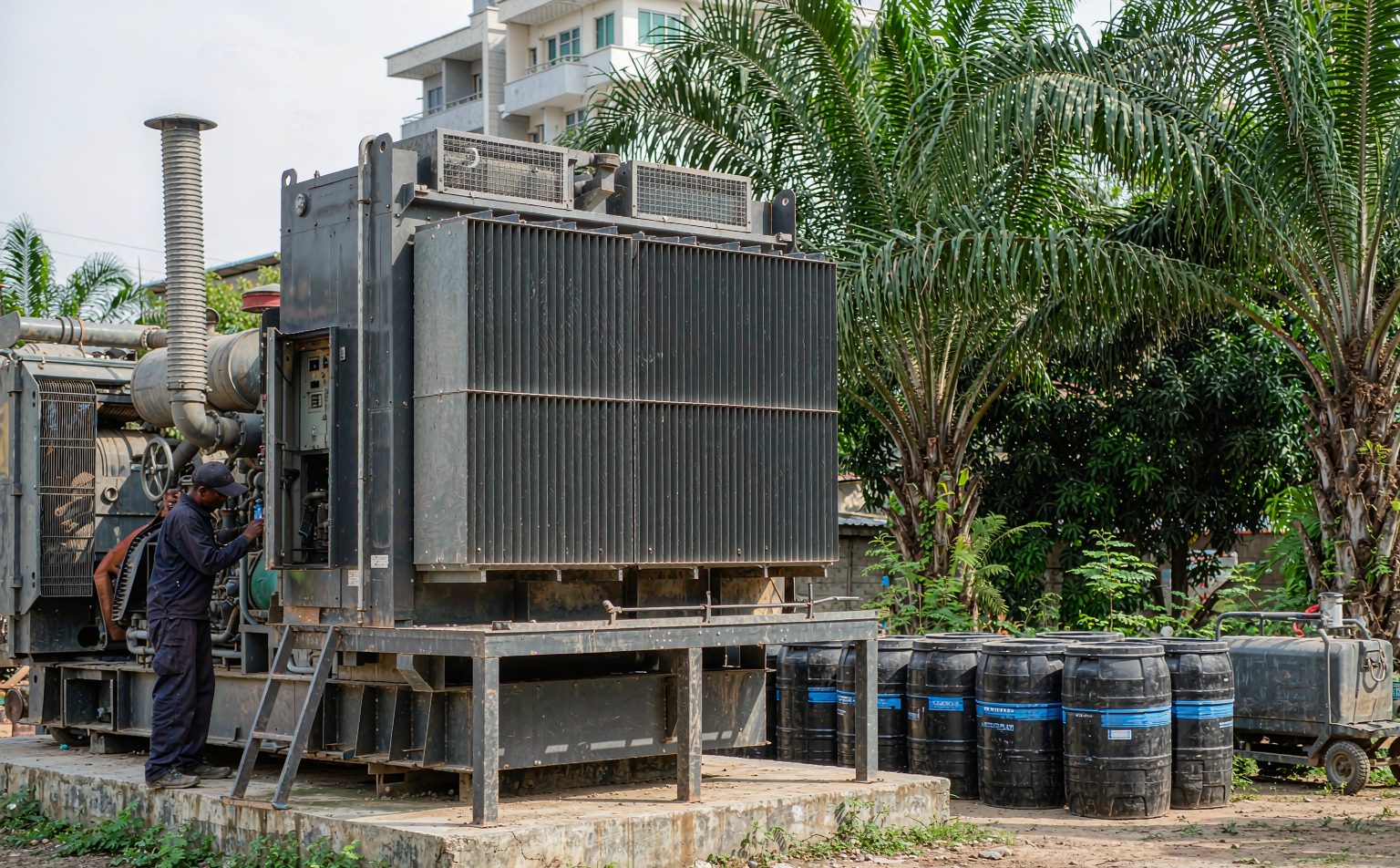
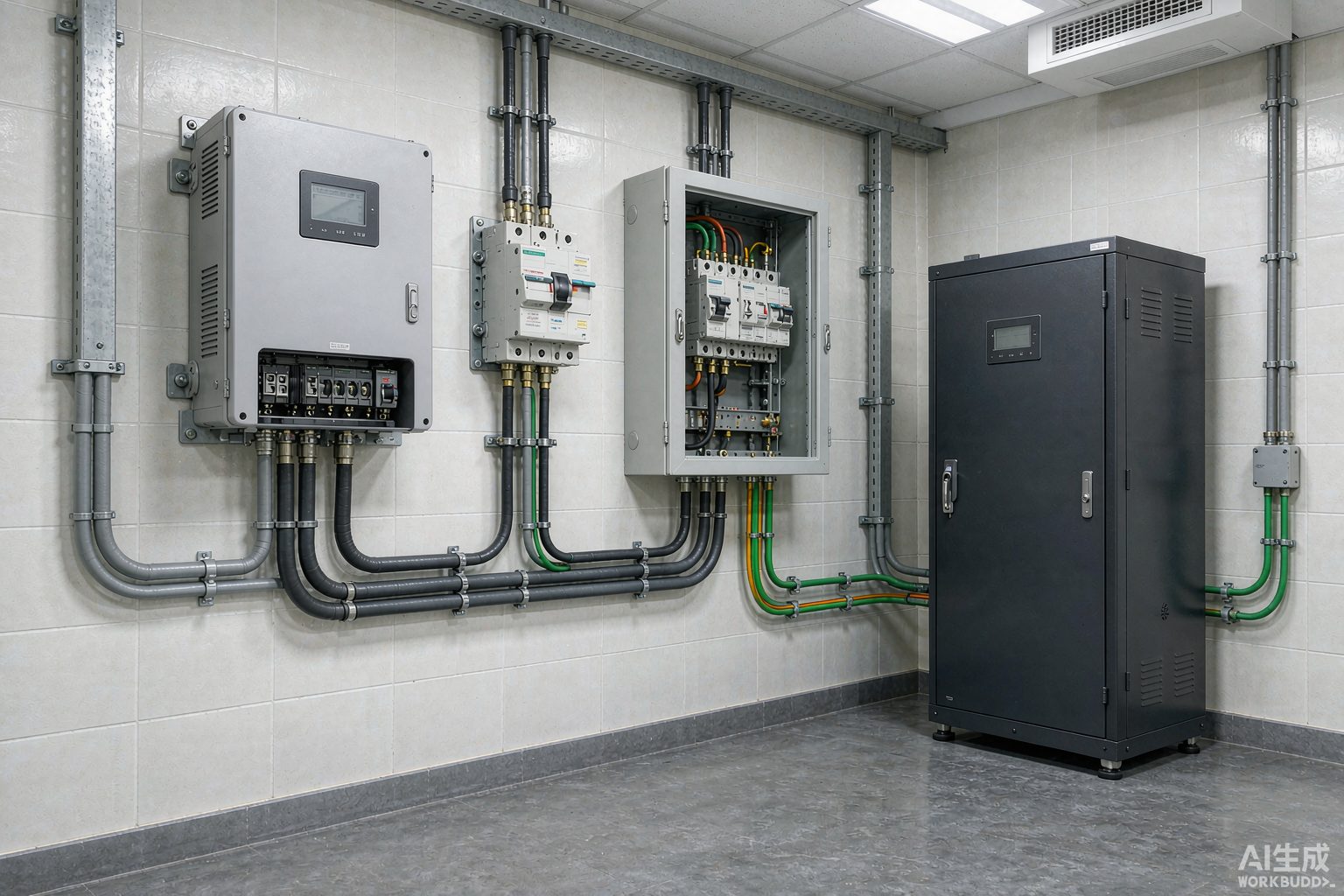
- Switchgear: Automatic transfer switch with grid-tie + islanding, seamless off-grid transition
- Climate assurance: Battery buffer maintains 26°C setpoint within ±1.5°C even under consecutive overcast days
4.2 Solar Water Pump & Irrigation
- Hybrid topology: PV-direct drive + battery buffer
- Daytime: solar panels drive the pump directly, filling elevated storage tank; surplus charges battery
- Nighttime / overcast: battery-powered pump draw from storage, zero irrigation interruption
- Elevated tank doubles as “gravity battery” — near-zero round-trip loss
4.3 Smart Control & Remote Monitoring
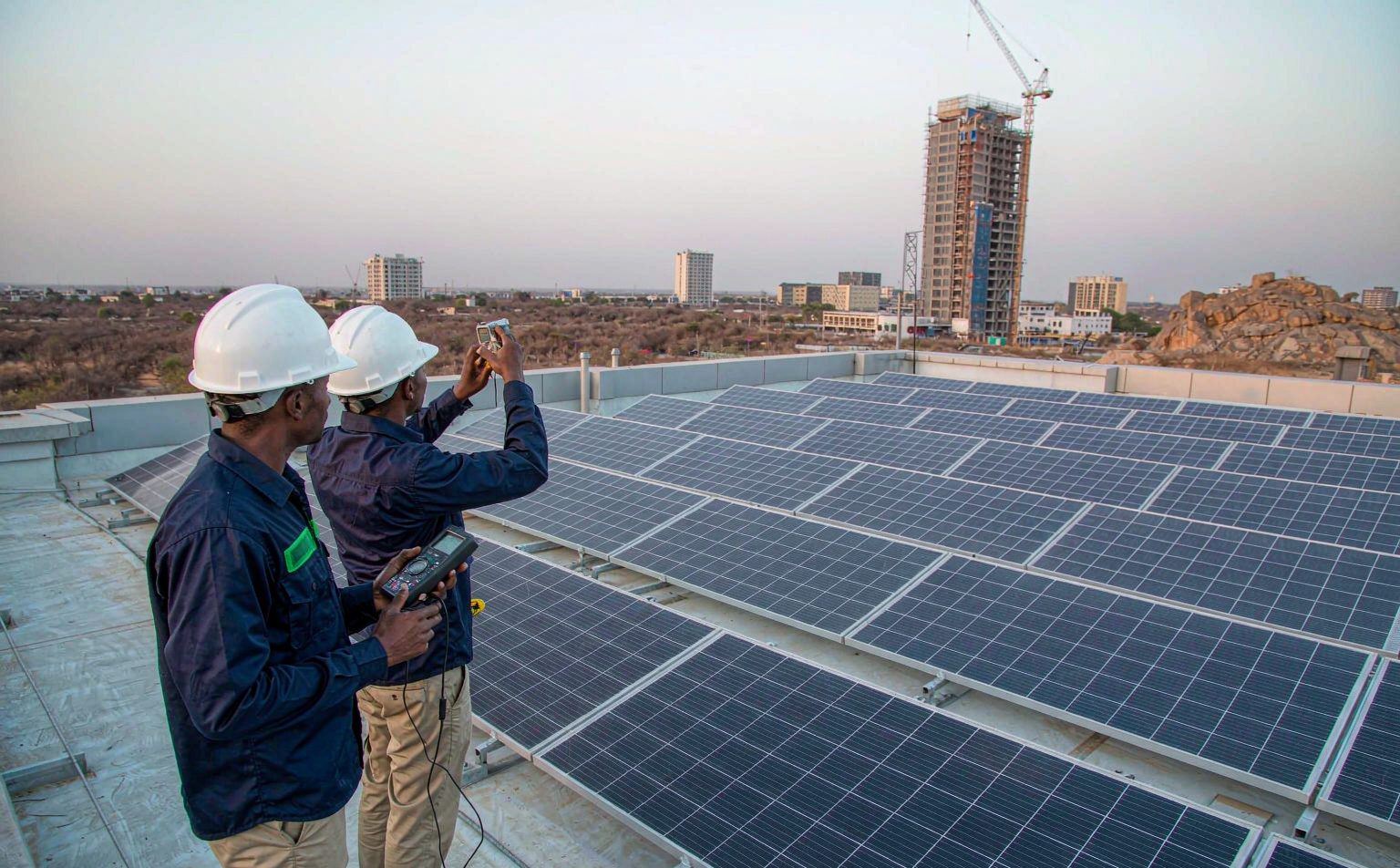
IoT-enabled energy management system (EMS) with smartphone dashboard:
- PV generation (kW) and daily cumulative yield (kWh)
- Battery state of charge (SOC %)
- Greenhouse temperature & humidity (live + history)
- Pump runtime and cumulative volume pumped
5. System Bill of Materials
Component | Specification |
Solar Panels | Monocrystalline 590W × 255 units |
Total Capacity | 150 kW+300kWh |
Inverters | String inverters × 3 units (50 kW each) |
Battery Storage | LiFePO₄, 300 kWh total |
Pump System | AC solar water pump with VFD |
Water Storage | Elevated tank, ~50–80 m³ capacity |
Control | Automatic transfer switch + EMS |
Est. Daily Yield | ~550–650 kWh (seasonal variation) |
Self-Consumption | >95% |
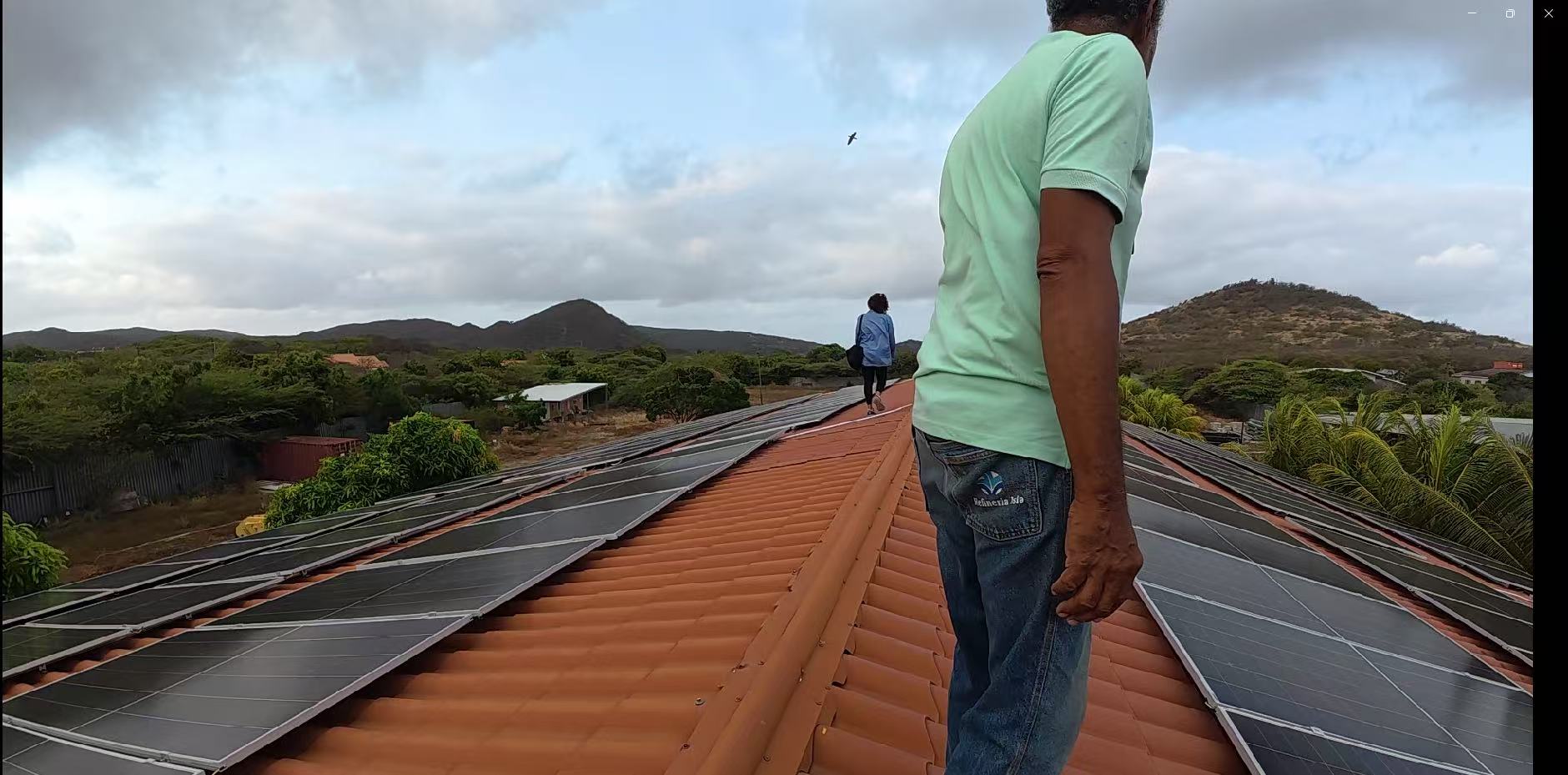
6. Results: Measurable Impact
Metric | Before | After |
Greenhouse temp stability | ±4–6°C | ±1.5°C (3× better) |
Irrigation reliability | Stops on blackout | 100% always-on |
Electricity cost | $0.35+/kWh | ~$0.02–0.05/kWh |
Cost reduction | — | 85–95% |
Operational days/year | ~300 | 365 (+22%) |
Yield per sq. meter | Baseline | +25–40% |
Carbon emissions | Grid dependent | Zero-carbon |
Owner's Verbatim
“Every rainy season, we were on edge. A single blackout could fry the fans, the AC, or the circulation pumps — and sometimes ruin an entire week's crop. Now the solar system just runs. The greenhouse stays at 26°C, the pump cycles on schedule every day. We finally spend our time growing, not fixing.”
— Curaçao Plant Farm Owner
7. FAQ
Q1: Is 150kW sufficient for a tropical greenhouse with irrigation?
A: Yes. Curaçao receives 3,000+ sunlight hours annually. A 150kW system generates ~550–650 kWh/day — more than enough for a medium-scale plant farm (1–2 acres) with full climate control and irrigation. The design includes 15–20% headroom for extreme weather.
Q2: How does the solar water pump work at night?
A: 3-tier hybrid: (1) PV-direct pumping during daylight to fill an elevated tank, (2) battery buffer powers the pump at night/overcast, (3) the elevated tank acts as low-cost gravity storage.
Q3: What temperature precision can the greenhouse maintain?
A: Field measurements show ±1.5°C around the 26°C setpoint with the solar + battery system, compared to ±4–6°C on the unreliable grid.
Q4: What is the payback period?
A: At grid rates of ~$0.35/kWh, a 150kW system saves ~$70,000/year. Combined with 25–40% yield increase, typical payback is 3–5 years. Panel lifespan is 25+ years.
Q5: Can this be replicated on other Caribbean islands?
A: Absolutely. Islands across the Caribbean share the same core problems: imported fuel dependency, high costs, unreliable grids. This architecture is a directly replicable template.
Q6: What does a 150kW solar system for farm cost, and how is it split?
A: Budget in two blocks. The 150kW solar system for farm in Curaçao was engineered as one package — 150 kW of PV plus a 300 kWh LiFePO₄ bank — because a greenhouse load runs continuously rather than only in daylight. For a 150kW solar system for farm with overnight cooling, storage normally accounts for a large share of the equipment value, so a quotation that prices only the PV side is not comparable with one that covers the whole job.
Q7: How much roof or land does a 150kW solar system for farm need?
A: Roughly 700–900 m² of usable surface. The 150kW solar system for farm in this project used 255 monocrystalline modules of 590 W each, spread across roof and ground mount, so the two mounting types together absorbed constraints that neither could carry alone. On agricultural sites a 150kW solar system for farm can also be mounted on the irrigation reservoir or over a shade structure, which returns land to production.
Q8: Can a 150kW solar system for farm run irrigation and climate control together?
A: Yes, if both are in the design load. Irrigation pumps are motor loads and draw a surge at start-up, while fans and wet curtains run as a continuous block. The 150kW solar system for farm here was sized so the pump, the climate equipment and the pack house never compete for the same inverter capacity. A 150kW solar system for farm sized on average consumption alone will trip when the pump and the chiller start together.
Q9: How does a 150kW solar system for farm survive hurricane season?
A: By designing for the wind zone rather than the average day. The 150kW solar system for farm in Curaçao was specified with 15–20% headroom on generation, so consecutive overcast days after a storm do not drain the bank below the climate setpoint. Mounting and ballast are chosen for the local wind load, and the battery room is kept above flood level. A 150kW solar system for farm that ignores those two details loses its array first.
Q10: How is the battery sized on a 150kW solar system for farm?
A: On the overnight block, not on the array rating. The 150kW solar system for farm here holds a 300 kWh LiFePO₄ bank — roughly twelve hours of site baseload — because the greenhouse cannot drift outside its 22–28°C band when the sun is down. Sizing a 150kW solar system for farm from the PV rating instead of the night load is the single most common design error on agricultural projects.
Q11: Does a 150kW solar system for farm still need a diesel generator?
A: Not as a daily power source. The 150kW solar system for farm in this project runs the greenhouse and the irrigation pump with no utility input, and the farm reported self-consumption above 95%. Some operators still keep a small diesel generator as an insurance policy for extended storm periods, which is a reasonable decision for a 150kW solar system for farm where a single lost harvest costs more than a standby unit.
Q12: How long does a 150kW solar system for farm take to install?
A: Six to ten weeks from contract, including site survey, civil works, mounting, battery room preparation and commissioning. A 150kW solar system for farm is normally energised zone by zone, so the greenhouse keeps operating while the array goes up. Factory pre-assembly of the battery skid and the control panel is what compresses the site programme — the more of a 150kW solar system for farm that is wired and tested before shipping, the fewer days the farm loses.
Q13: What certification should a 150kW solar system for farm carry?
A: Modules to IEC 61215 and IEC 61730, inverters to IEC 62109, lithium cells to IEC 62619 with a UN 38.3 transport report, and CE or equivalent marking for the destination. A 150kW solar system for farm assembled from uncertified components is difficult to insure and almost impossible to resell as part of the land asset. Ask for the certificate numbers with the quotation, then confirm the holder — factory acceptance test reports should name the same entity.
Q14: How is a 150kW solar system for farm monitored once it is running?
A: Remotely, at string level. The 150kW solar system for farm here reports generation, state of charge, inverter temperature and pump run-hours to a portal the owner can open from a phone. That matters on a farm because the first symptom of a blocked array or a failing pump is a trend, not an alarm. A 150kW solar system for farm without remote monitoring turns every small fault into a site visit.
Q15: Can a 150kW solar system for farm be expanded later?
A: Yes if the AC architecture allows it. The 150kW solar system for farm in this project uses rack-mounted LFP cabinets and a bidirectional inverter, so additional storage can be added without replacing the conversion equipment. Decide the expansion path during the first 150kW solar system for farm, not after the pack house has outgrown it, because retrofitting a 150kW solar system for farm around a fully loaded inverter is expensive.
Q16: Which crops suit a 150kW solar system for farm best?
A: Protected crops with a narrow temperature band. Leafy greens, herbs and propagation nurseries lose 15–25% of yield once greenhouse temperature deviates beyond ±3°C, which is exactly what an unstable grid produces. That is why the 150kW solar system for farm studied here targeted ±1.5°C. A 150kW solar system for farm delivers the most value where the crop is sensitive and the grid is not reliable.
Q17: How does a 150kW solar system for farm handle the rainy season?
A: On stored energy plus headroom. The 150kW solar system for farm in Curaçao was specified with 15–20% generation headroom precisely so that consecutive overcast days do not pull the battery below the climate setpoint, and the elevated irrigation tank acts as extra buffer for the pump. A 150kW solar system for farm sized on the annual average rather than on the worst week will always be short in the wet months.
Q18: What is the biggest mistake buyers make with a 150kW solar system for farm?
A: Sizing on the array rather than on the load. A 150kW solar system for farm is sold by kWp but paid back by kWh delivered when the crop needs them, which on a protected farm means at night. Buyers who compare a 150kW solar system for farm on module price alone usually end up with an under-sized battery and a generator that runs more hours than the model predicted.
8. Why This Matters for Global Buyers
This case study demonstrates proven, bankable performance in one of the world's most challenging grid environments. If it works reliably on a hurricane-prone Caribbean island with $0.45/kWh grid power, it will perform anywhere.
Key takeaways for international buyers:
- Temperature-sensitive crops (leafy greens, herbs, microgreens, medicinal plants) benefit most — ROI from both energy savings AND yield improvement
- Island and remote locations see the fastest payback due to high baseline electricity costs
- LFP battery + solar pump + elevated tank architecture is battle-tested and modular — scalable from 50kW to 5MW
- Full remote monitoring means one technician can oversee multiple sites from a central office
9. Conclusion: From Grid-Dependent to Sun-Powered
What makes this 150kW plant farm project remarkable isn't bleeding-edge technology. It's the elegant simplicity of solving two critical bottlenecks with one integrated system — greenhouse power supply and irrigation water delivery — on a remote island where the utility grid could not deliver either reliably.
For global buyers evaluating solar solutions for agriculture, this case study delivers a clear signal: the business case works today.
- Solar module costs have fallen ~85% over the past decade
- LFP battery prices continue their structural decline
- Cloud-based remote monitoring makes multi-site management practical
- Combined savings (energy + yield lift) drive 3–5 year payback
Where the grid fails, solar delivers. Period.
This case study is based on a completed project delivery. For project inquiries, OEM partnership, or distributor opportunities, contact our team.
Looking for a solar-storage microgrid for your farm?
Contact our engineering team for a free site assessment and custom system design.
Why This Project Matters
A 150kW solar system for farm load is different from any building: irrigation pumps run on a schedule, greenhouses must hold temperature continuously, and a power cut during a growing cycle can destroy a crop worth more than the system itself.
That combination is what makes a 150kW solar system for farm project worth studying: the load is unforgiving, the cost of failure is high, and the economics have to work on measured results rather than on a vendor's estimate.
Sizing and Engineering Decisions
Every 150kW solar system for farm project starts with 7 to 14 days of logged consumption. Base load is separated from peak load, generation is sized on daytime consumption, and storage is sized on the overnight block. Motor-driven equipment adds a surge requirement that catches out quotations based on average draw alone.
Where a site must never lose supply, we size for autonomy rather than for bill savings — a different calculation that usually means a larger bank and a bidirectional inverter with automatic transfer.
Supplying This Kind of Project
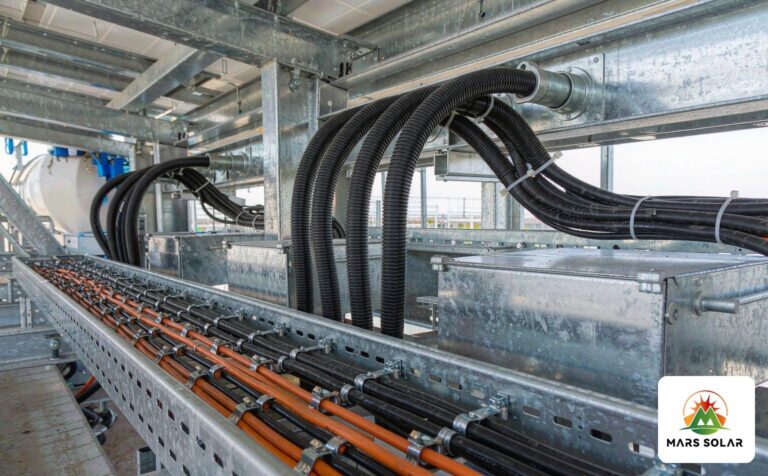
Mars Solar builds and exports 150kW solar system for farm packages factory-direct: PV modules, mounting, hybrid or bidirectional inverters, LiFePO4 storage, protection, cabling and remote monitoring, all tested together before shipment and certified to CE, RoHS, TUV and ISO.
See comparable hardware on our rack mounted energy storage battery page, and the FAO energy programme for how reliable supply affects output in these markets.
Irrigation pumps are the load that kills most farm systems first, because starting current and dry-run cycles punish contactors long before they punish panels. The seven wiring rules that keep a pump circuit alive are covered in CNCJ's guide to relay control for water pumps.

 English
  Arabic
  Spanish
  French
  Dutch
Dutch  Portuguese