Launch Your Philippine Solar Import Business in 2026 – Full B2B Market Guide for Importers, Distributors & EPCs
A Philippine solar import business starts from one fact: the Philippines has the 8th highest electricity prices in the world.
For solar importers and EPC contractors, that's not a problem—it's a massive opportunity.
- Residential electricity: ₱11-14/kWh ($0.20-0.26/kWh)
- Commercial electricity: ₱15-18/kWh ($0.28-0.33/kWh)
- Annual price increase: 5-8% per year
Meanwhile, solar power costs just ₱3-4/kWh over 25 years.
The math is simple: Filipino families and businesses can save 60-70% on electricity bills with solar. That's why demand is exploding.
2026 Market Snapshot:
- Cumulative installed capacity: 2.5 GW (end of 2025)
- 2026 projected additions: 800 MW - 1 GW
- Annual growth rate: 30-40%
- Grid-connected systems: 85% (net metering enabled)
Philippine Solar Import Business — what B2B buyers get in 2026:
- ✅ Strong customer demand – High electricity prices drive purchases
- ✅ Government support – Net metering policy, renewable energy targets
- ✅ Lower competition than Europe/US – More room for new entrants
- ✅ English-speaking market – Easy business communication
- ✅ Strategic location – Gateway to Southeast Asia
This guide covers everything you need to successfully import and distribute solar systems in the Philippines.
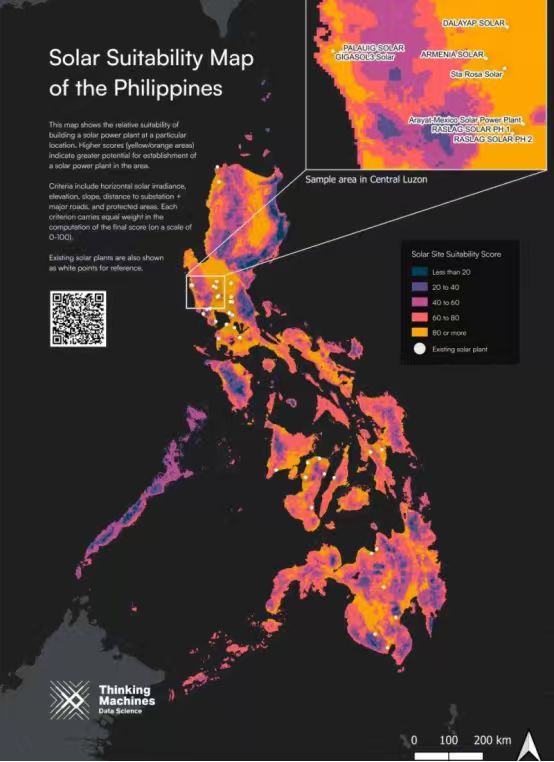
1. Market Structure: Who Buys Solar in the Philippines?
Customer Segment 1: Residential Homeowners
Market size: 60% of installations (by volume)
Typical system sizes:
- 3-5 kW – Most common for average homes
- 5-30 kW – Larger homes, high electricity consumption
- 30-80 kW – Luxury homes, pools, multiple AC units
Decision drivers:
- High Meralco/VECO/DLPC bills (₱10,000+/month)
- Desire for energy independence
- Neighbors installing solar (social proof)
What they care about:
- Total installed price – Not just equipment cost
- Payback period – 4-6 years is acceptable
- Warranty – 10+ years on panels, 5+ years on inverter
- Net metering support – Installer handles paperwork
- After-sales service – Someone to call if issues arise
Customer Segment 2: Commercial & Industrial (C&I) Businesses
Market size: 30% of installations (by capacity)
Typical system sizes:
- 50-100 kW – Small factories, malls, hotels
- 100-500 kW – Medium factories, office buildings
- 500 kW - 2 MW – Large factories, industrial parks
- 2-10 MW – Very large industrial users, solar farms
What they care about:
- ROI calculation – Detailed financial analysis
- System performance guarantee – Annual production guarantees
- Operations & maintenance (O&M) – Long-term service contracts
- Grid interconnection – Help with net metering application
- Financing options – Lease-to-own, power purchase agreements
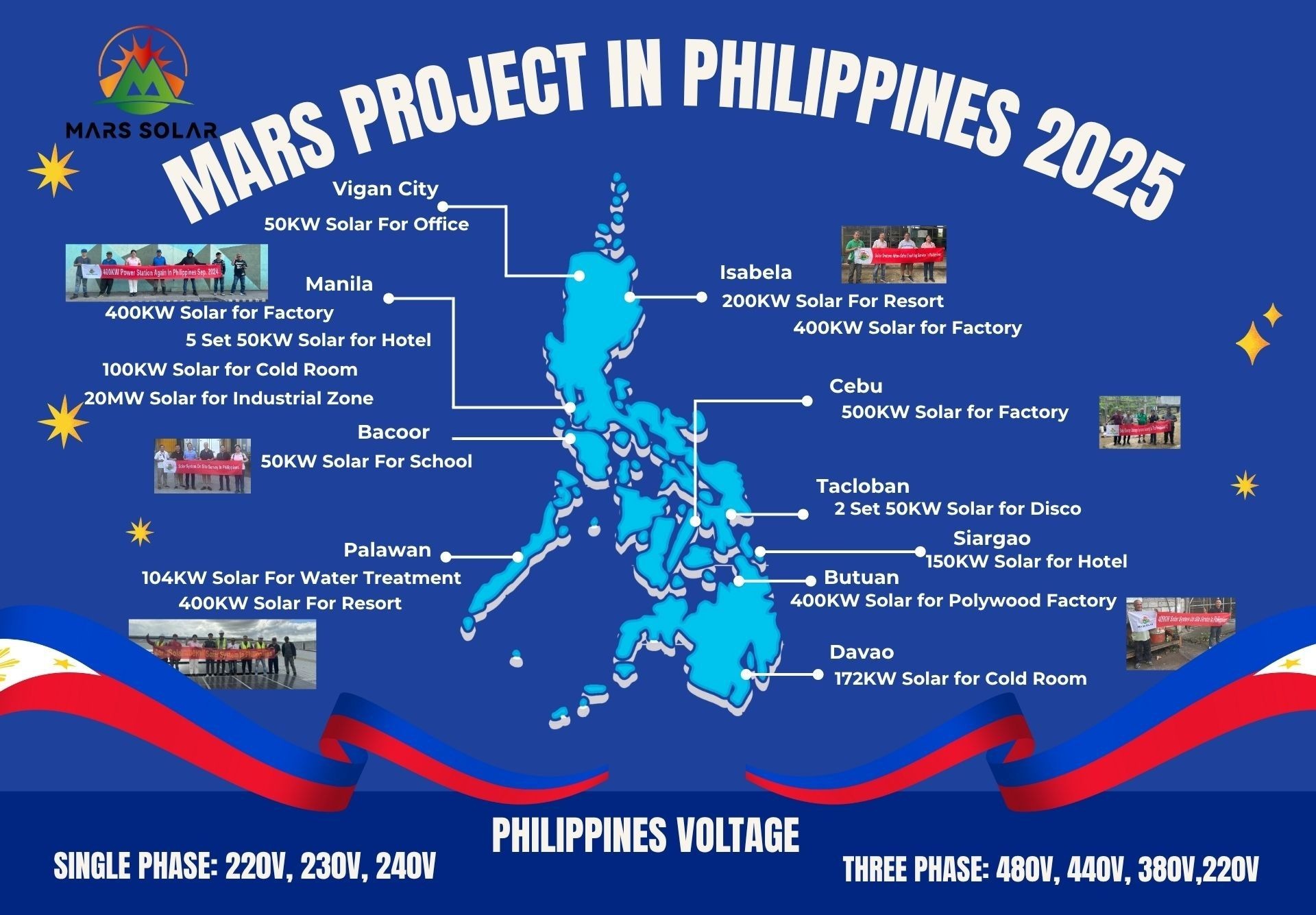
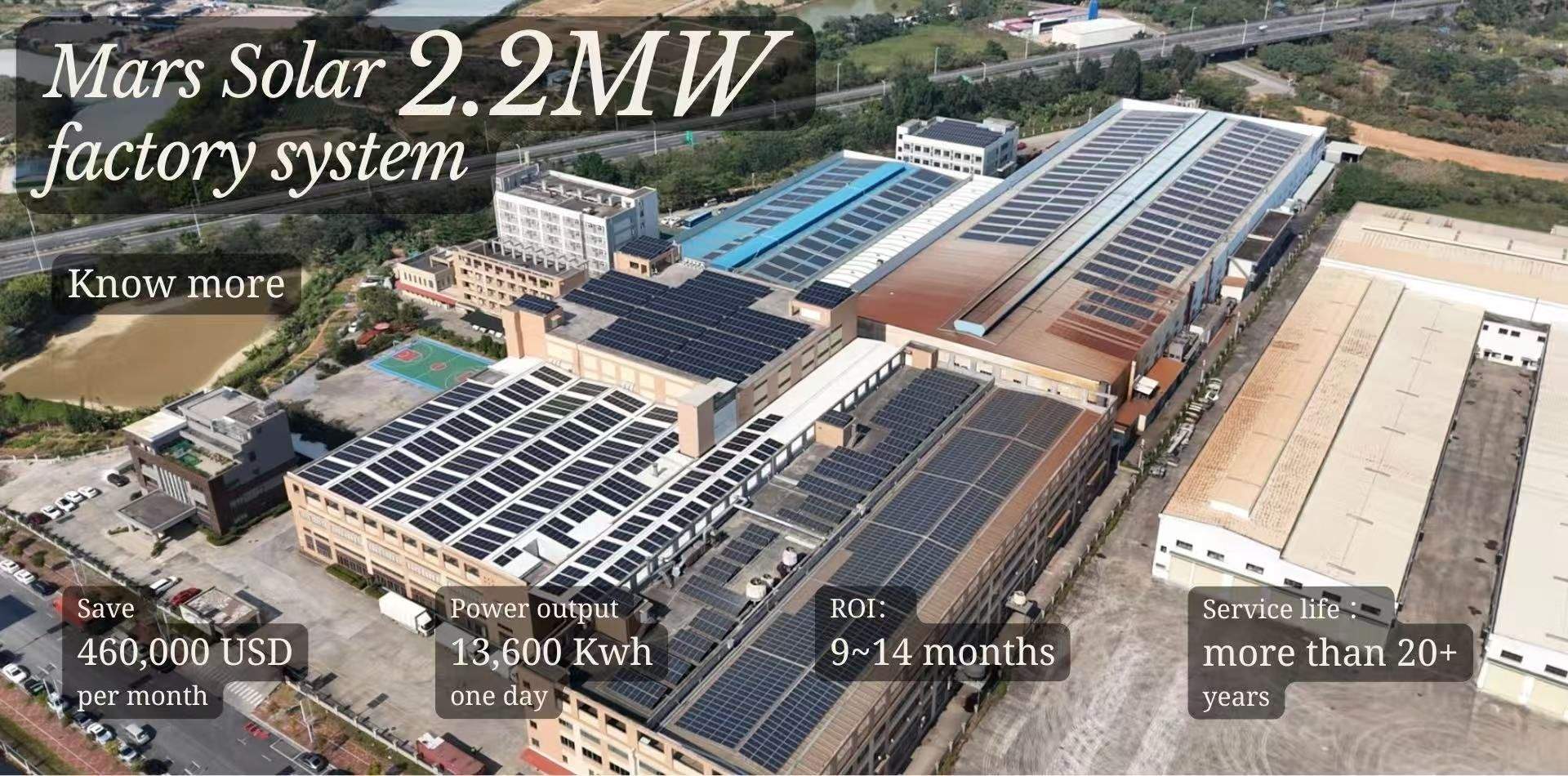
Real Philippines Project: 400kW Solar + Battery Energy Storage System for Factory in the Philippines
Customer Segment 3: Off-Grid & Island Systems
Market size: 10% of installations
Typical system sizes:
- 1-10 kW – Island homes, resorts, small businesses
- 10-50 kW – Island communities, larger resorts
- 50-200 kW – Island mini-grids, mining operations
What they care about:
- Reliability – Must work 24/7 without grid
- Battery autonomy – 1-3 days backup power
- Generator integration – Automatic switchover to backup generator
- Remote monitoring – System alerts via SMS/app
Recommended Solutions:
- Solar System for Hotel/Resort – Perfect for island resorts
- Off-Grid Solar Power Systems – For remote areas
- Energy Storage Systems – Battery backup solutions
2. Distribution Channels: How Solar Products Reach Customers
Channel 1: Importer → Wholesaler → Installer → End Customer
Most common distribution model
Your role as importer/distributor:
- Import solar panels, inverters, batteries, mounting systems
- Sell to local solar installers (your B2B customers)
- Provide technical support, training, marketing materials
Typical margins:
- Importer to wholesaler: 15-25%
- Wholesaler to installer: 20-30%
- Installer to end customer: 30-50%
Channel 2: Importer → EPC Contractor → End Customer (Commercial Projects)
Direct sales to EPC contractors for larger projects
Your role:
- Provide complete system packages (design support, equipment, documentation)
- May assist with project proposals & bidding
- Technical consultation during installation
Featured Large-Scale Solutions from Mars Solar:
- 100kW Solar System – For commercial buildings
- 300kW Solar System – For medium factories
- 400kW Solar System – For industrial facilities
- 500kW Solar System – For large industrial
- 1MW (1000kW) Solar System – Utility-scale projects
Real Philippines Case Study: 400kW Solar + Battery System for Factory in the Philippines

3. What Products Sell Best in the Philippines?
Product Category 1: Solar Panels (PV Modules)
Most popular sizes:
- 450W-550W – Residential rooftops (most common)
- 550W-600W – Commercial rooftops, ground-mount
- 600W-700W+ – Utility-scale projects
Panel types:
- Mono PERC – Most popular (good efficiency, reasonable price)
- N-type TOPCon – Growing demand (higher efficiency, better performance in heat)
- HJT (Heterojunction) – Premium market
What Filipino buyers want:
- ✅ IEC 61215, IEC 61730 certified
- ✅ TÜV, SGS, or Intertek test reports
- ✅ 12-year product warranty, 25-year performance warranty
- ✅ Good performance in high temperatures (Philippines is hot & humid)
- ✅ PID-resistant (Potential Induced Degradation)
- ✅ Salt mist corrosion resistant (for coastal areas)
Product Category 2: On Grid Inverters
For net metering systems (most common)
Popular sizes:
- 3-5 kW – Small homes
- 5-10 kW – Average homes, small businesses
- 10-30 kW – Large homes, small commercial
- 30-100 kW – Commercial buildings
- 100 kW+ – Industrial, solar farms
Popular brands in Philippines:
- Huawei – Smart features, good app, popular for residential
- Sungrow – Reliable, good value, popular for commercial
- Growatt – Low cost, good for price-sensitive market
- Fronius – High quality, expensive, premium residential
- SolarEdge – Optimizers + inverter, good for shaded roofs
- Mars Solar – Good value, growing popularity
Product Category 3: Hybrid Inverters & Battery Systems
For backup power during blackouts
Why hybrid systems are growing:
- Some areas experience frequent blackouts
- Net metering doesn't provide backup power
- Businesses need uninterrupted power
- Premium customers want energy independence
Mars Solar Energy Storage Solutions:
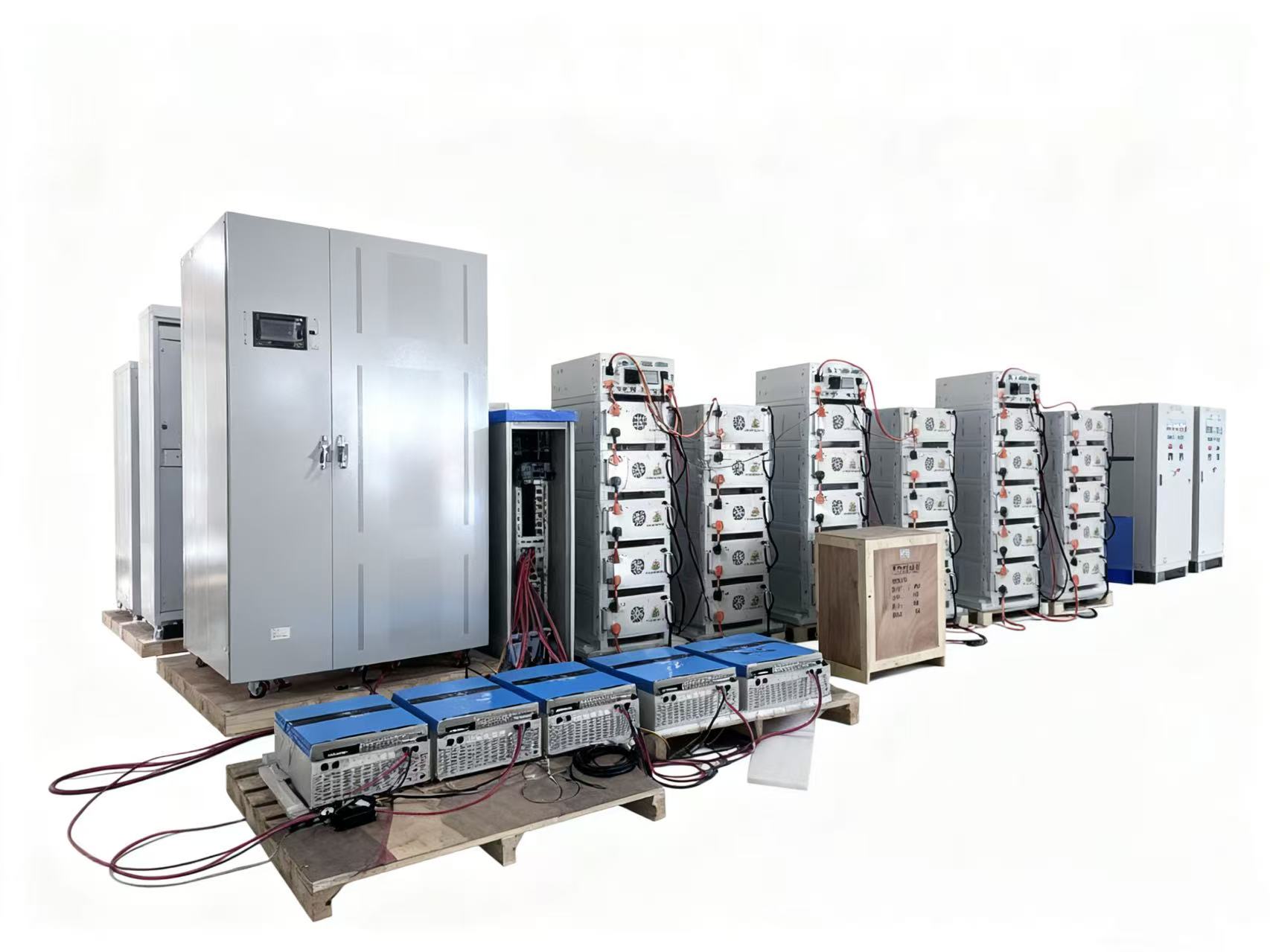
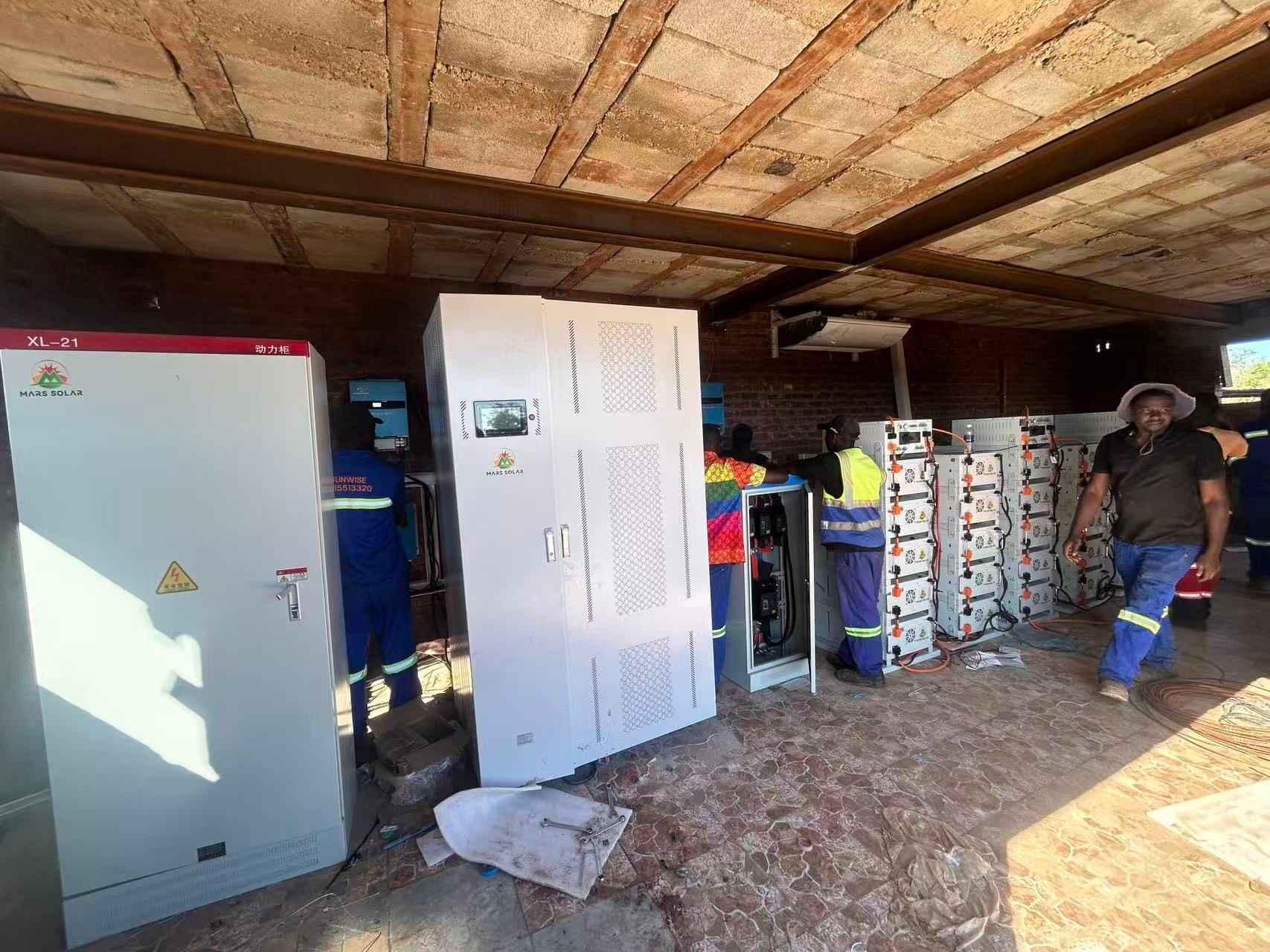
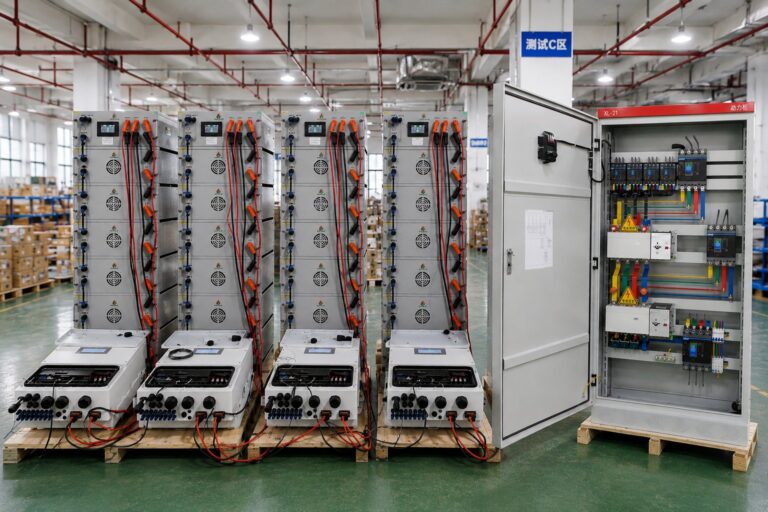
- Rack-mounted Energy Storage Battery (45-500kWh) – LiFePO4 technology (2000+ cycles, 10-year lifespan). Modular design for easy expansion. Perfect for commercial and industrial applications.
- 15kWh Battery – Residential/small commercial
- 30kWh Battery – Medium commercial
- 15kW + 50kWh Solar System with Battery – Complete hybrid system - Ideal for homes, small businesses, resorts
Battery types:
- LiFePO4 (Lithium Iron Phosphate) – Preferred (longer lifespan, safer, 2000+ cycles)
- Lead-acid (AGM/Gel) – Budget option (shorter lifespan, 500-800 cycles)
Price: $150-$200/kWh (LiFePO4), $100-$130/kWh (lead-acid)
Product Category 4: Off-Grid Systems
For islands, remote areas, no-grid locations
Recommended Off-Grid Solutions from Mars Solar:
- Solar System for House – 1-10 kW systems
- Solar System for Farm – Agricultural applications
- Solar System for Hotel/Resort – Tourism industry
- Solar System for Factory – Industrial applications
Typical system packages:
System Size | Components | FOB Price | Applications |
|---|---|---|---|
6.2-15 kW | 6.2-15 kW panels, 15-30 kWh battery, 6.2-15 kW off-grid inverter | $1,500-$6,000 | Small island homes, cabins |
15-100 kW | 15-100 kW panels, 30-261 kWh battery, 15-100 kW off-grid inverter | $5,000-$70,000 | Large homes, small resorts |
100-500 kW | 100-500 kW panels, 261kWh or 1MWh battery, 100-1000 kW 3-phase inverter | $55,000-$270,000 | Resorts, communities, factories |
4. Import Requirements & Certifications
Mandatory Certifications for Philippines
1. BPS Certification (Bureau of Philippine Standards)
What requires BPS certification:
- Solar panels (PV modules)
- Inverters
- Some electrical accessories
Process:
- Submit application to BPS
- Provide test reports (IEC standards from accredited labs)
- BPS reviews documentation (2-4 weeks)
- Product listing on BPS website
- PS (Philippine Standard) mark can be affixed
Cost: $500-$1,500 per product
Tip: Work with suppliers who already have BPS certification. Mars Solar can provide documentation and support for Philippine market entry.
2. ERC Registration (Energy Regulatory Commission)
Required for:
- Net metering applications
- Grid-connected systems
3. Local Electrical Code Compliance
Products must comply with:
- Philippine Electrical Code (PEC)
- Voltage: 230V single-phase, 380V three-phase
- Frequency: 60Hz
- Grid codes from local distribution utilities (Meralco, VECO, DLPC)
International Certifications (Expected by Buyers)
Product | Required Certifications |
|---|---|
Solar Panels | IEC 61215, IEC 61730, IEC 62716 (PID), IEC 61701 (salt mist) |
Inverters (Grid-Tied) | IEC 62109-1, IEC 62109-2, IEC 61683 (efficiency), grid compliance |
Hybrid/Off-Grid Inverters | IEC 62109-1, IEC 62109-2 |
LiFePO4 Batteries | IEC 62619, UN38.3 (transport), IEC 62620 |
Mounting Systems | AS/NZS 1170 (wind load), corrosion resistance |
Import Duties & Taxes
- Solar panels: 0% import duty (exempt to promote renewable energy)
- Inverters: 0-5% import duty (varies by type)
- Batteries: 5-15% import duty
- Mounting systems: 5-10% import duty
- VAT: 12% (Value Added Tax on all imports)
5. Net Metering: The Key Driver for Solar Demand
What is Net Metering?
Net metering allows solar system owners to sell excess electricity back to the grid. This is critical for making solar financially viable.
How it works:
- Daytime: Solar produces more than home uses → excess goes to grid
- Nighttime: Home uses grid electricity
- Monthly billing: Customer pays for net electricity consumed (grid usage - solar export)
Sell-back rates (2026):
Distribution Utility | Location | Export Rate |
|---|---|---|
Meralco | Metro Manila, Luzon | ₱5.50-6.50/kWh |
VECO | Cebu | ₱5.00-6.00/kWh |
DLPC | Davao | ₱5.50-7.00/kWh |
Other DUs | Provincial areas | Varies (₱4.50-7.00/kWh) |
Why net metering matters for you:
- Systems with net metering sell faster (better economics for customers)
- Installers need help with net metering applications
- Grid-tied inverters must be certified for local grid codes
Net Metering Application Process
- System design – Must be installed by ERC-accredited installer
- Submit application to Distribution Utility (DU) – Forms, electrical diagrams, equipment specs
- DU reviews (15-30 days)
- Installation & inspection
- Meter replacement – DU installs bidirectional meter
- Net metering contract signed – Customer can now sell to grid
What Mars Solar provides:
- Equipment specifications & datasheets for DU submission
- Single-line diagrams (SLDs)
- Inverter grid compliance certificates
- Technical documentation for net metering applications
6. Key Success Factors for Importers & Distributors
1. Stock What Installers Need
Fast-moving products:
- Tier 1 solar panels (LONGi, Jinko, Trina)
- Popular inverter brands (Huawei, Sungrow, Growatt)
- Standard mounting systems
- Cables, connectors, combiner boxes
Mars Solar offers complete system packages with all components included.
2. Provide Technical Support
Installers value suppliers who can help with:
- System sizing & design
- Product selection
- Troubleshooting
- Documentation for net metering applications
Mars Solar provides:
- 30+ engineers for technical support
- System design assistance
- Installation guidance
- Training for installers
3. Build Relationships with Installers
Top installers in the Philippines: Solaric, Solaren, Solar Philippines, Buskowitz Energy, Greengine
How to work with them:
- Provide reliable products
- Offer competitive pricing
- Provide fast delivery
- Offer technical support
- Flexible payment terms for trusted partners
4. Understand Local Conditions
The Philippines has unique challenges:
- Typhoons: June-December is typhoon season. Products must be durable.
- High temperatures: Products must perform in 30-40°C ambient heat.
- Humidity & salt air: Coastal areas require corrosion-resistant products.
- Grid instability: Some areas have voltage fluctuations.
Mars Solar products are designed for tropical climates:
- Salt mist-resistant panels (IEC 61701)
- High-temperature-tolerant inverters
- Corrosion-resistant mounting systems
- Tested for 72 hours before shipment
Frequently Asked Questions — Philippine Solar Import Business
What does a Philippine solar import business actually sell in 2026?
Whichever line the local installer network is short of this week. A Philippine solar import business in 2026 moves modules, on-grid inverters and hybrid battery systems into a market adding 800 MW to 1 GW a year. Margins in a Philippine solar import business come from stocking the fast-moving lines, not from beating everyone on unit price.
How large is the demand behind a Philippine solar import business?
Cumulative installed capacity reached 2.5 GW by the end of 2025 and additions are growing 30 to 40% a year. That is the demand curve a Philippine solar import business supplies, driven by commercial electricity at ₱15–18/kWh against solar at roughly ₱3–4/kWh over 25 years. Those two numbers are the whole case for a Philippine solar import business.
Which certifications can stop a Philippine solar import business at port?
BPS certification is the first gate. A Philippine solar import business must clear BPS for panels and inverters, with documentation reviewed over two to four weeks at $500 to $1,500 per product, then ERC registration for anything grid-connected. A Philippine solar import business that treats certification as an afterthought loses weeks at port.
Does a Philippine solar import business depend on net metering?
It is the demand driver, not a side issue. Net metering lets a system owner export excess generation back to the grid, which is what makes rooftop economics work on the Meralco, VECO and DLPC networks. Any Philippine solar import business selling into the commercial segment should expect customers to ask how net metering changes their payback.
What margins does a Philippine solar import business actually run on?
Volume and availability, not unit mark-up. A Philippine solar import business that competes only on landed price ends up financing its customers' price war, while importers holding stock of whatever installers need this week keep their margin. Those are the two structural choices inside any Philippine solar import business.
Which grid conditions should a Philippine solar import business design for?
230 V single-phase and 380 V three-phase at 60 Hz, to the Philippine Electrical Code. A Philippine solar import business also has to carry grid-compliant inverter certificates and the product documentation net metering applications require. Specifying to those parameters is what keeps a Philippine solar import business out of warranty disputes.
How do duty and tax change a Philippine solar import business?
Component by component. Import duty varies by line item, with mounting systems commonly landing in the 5 to 10% band, and VAT at 12% applies on the duty-inclusive value. A Philippine solar import business has to model that stack before it quotes. Correct classification is what separates a working Philippine solar import business from a busy one.
Where does a Philippine solar import business lose the most money?
Time at port and stock that does not move. A container held for documentation erodes margin faster than any price negotiation, and a Philippine solar import business that stocks slow-moving lines ties up working capital for a season. Budget both lead times, because they define the cash cycle of a Philippine solar import business.
Ready to Enter the Philippines Solar Market?
Mars Solar is a trusted solar manufacturer with 17+ years of experience exporting to the Philippines and Southeast Asia.
Our strengths:
- ✅ Complete system solutions – Solar panels, inverters, batteries, mounting systems
- ✅ Proven track record in the Philippines – 400kW factory project
- ✅ IEC, TÜV, and SGS certified products
- ✅ Technical support – 30+ engineers for system design and after-sales service
- ✅ BPS certification support for Philippine market
- ✅ Net metering documentation assistance
- ✅ Flexible MOQ for trial orders
- ✅ 5-year warranty on solar panels, 3-year warranty on inverters & batteries
Featured Products for Philippine Markets:
- 10kW Solar System – Residential
- 15kW + 50kWh Solar System with Battery – Hybrid for backup power
- 100kW Solar System – Commercial
- 400kW Solar System – Industrial
- Rack-mounted Energy Storage Battery (45-500kWh) – Commercial & industrial energy storage
Contact Mars Solar today:
- Website: sunenergyfactory.com
- Contact Form: Click Here
- WhatsApp: +86-15302966051
- Email: info@marssolargroup.com
Explore Our Products:
- On & Off Grid Solar Systems
- On Grid Solar Power Systems
- Hybrid Solar Systems
- Energy Storage Systems
- Large-capacity Batteries
- Solar Water Pump Systems
- View All Products
About Mars Solar
Mars Solar (Foshan Mars Solar Technology Co., Ltd.) has been manufacturing and engineering solar systems since 2008. With 17+ years of experience, 30+ engineers, and 3,000+ successful projects in 130+ countries, we help distributors and EPC contractors succeed in the Philippines and beyond.
Why Choose Mars Solar:
- Customized service – Pre-sale survey, design solar panel layout, complete set of customized products
- Full set design – We design the whole solar system
- Testing service – We test the whole system for 72 hours before shipment
- After-sales service – We provide installation service and annual inspection service
Get in Touch | About Us | See Our Cases | Watch Videos | FAQ
Last Updated: June 2026
Keywords: Philippines solar panel import, solar distributor Philippines, net metering Philippines, solar market Philippines 2026, B2B solar panels, EPC contractor solar systems Philippines, Mars Solar
Philippine Solar Import Business: Getting Started in 2026
Running a Philippine solar import business means buying container loads of panels, inverters and batteries from a manufacturer and selling them to installers, developers and end users. Margins come from volume and from stocking what installers need this week, not from competing on unit price alone.
A Philippine solar import business also has to clear certification before goods land: BPS certification for panels and inverters, plus local permits for grid connection. Budget the lead time for both, because a container held at port erodes the margin fast.
What a Philippine Solar Import Business Should Stock
The fastest-moving lines in a Philippine solar import business are high-efficiency panels, hybrid inverters and LiFePO4 batteries — in that order. Backup power sells year-round because outages are frequent, which is why storage-backed hybrid systems move faster than grid-tie-only kits.
We supply all three from one factory, which removes the compatibility risk of mixing vendors. See the hardware on our rack mounted energy storage battery page and the 100kW hybrid system.
Freight, Packing and Damage Rates
Import economics for a Philippine solar import business hinge on damage rates. Panels that arrive cracked are a total loss, and the difference between good and bad container loading is worth several percent of the shipment value.
Our cargo container loading guide covers packing and stacking in detail, and the U.S. Department of Energy's Solar Energy Technologies Office documents the equipment standards behind modern modules.
Most first orders from new Philippine importers land between 1MW and 3MW. Our 1MW containerised solar system page lists the unit build-up, the container count and the CIF price band you would be quoting against.

 English
  Arabic
  Spanish
  French
  Dutch
Dutch  Portuguese