
Language
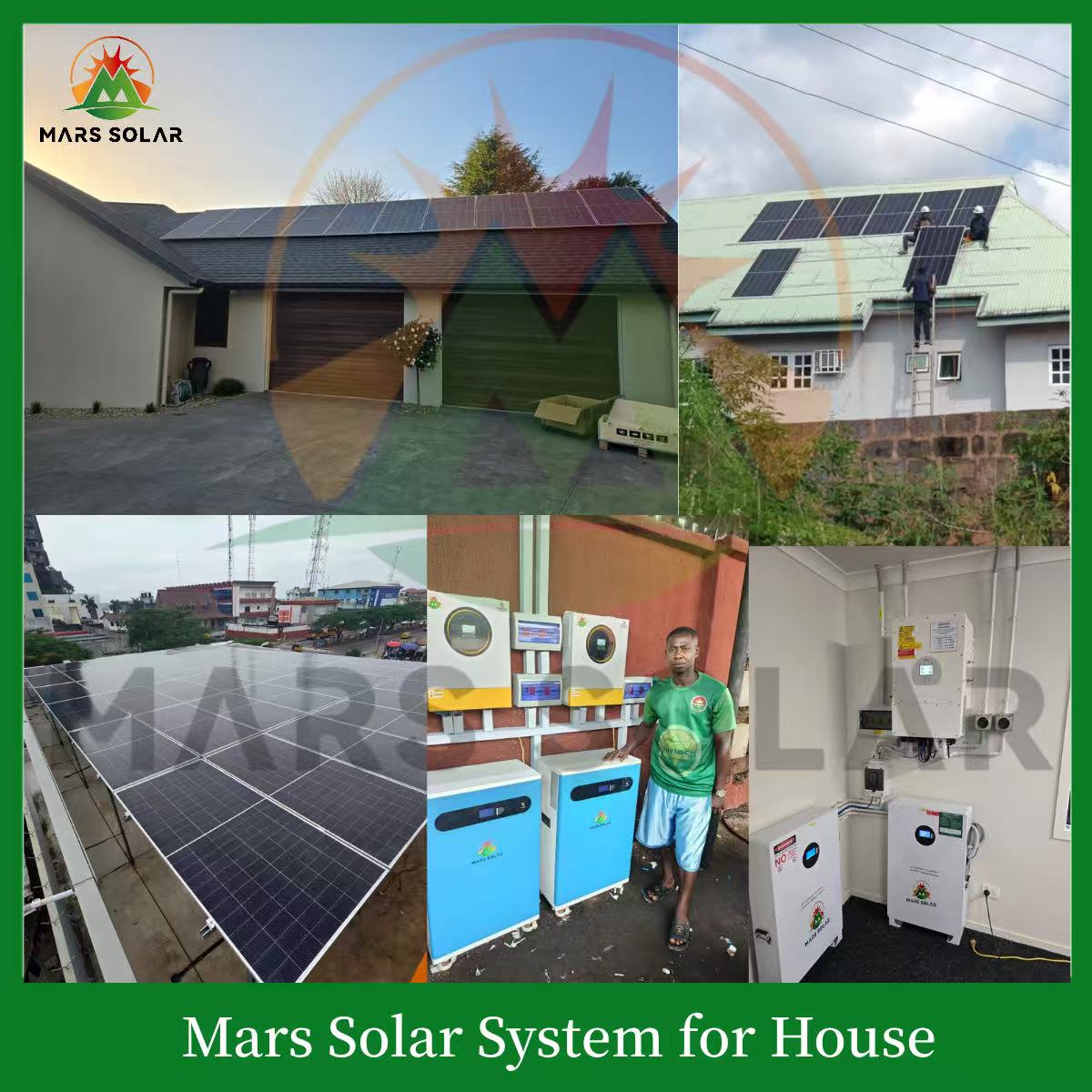
MOQ: 1 set,Accpet OEM &ODM
Certificate: TUV, ETL, ISO, CE, RoHS
Payment: T/T, L/C, Paypal, Western Union
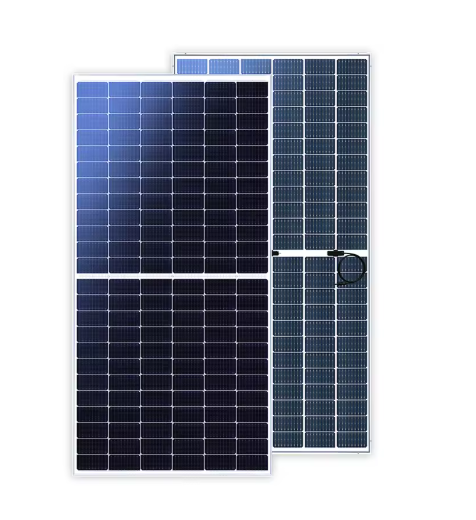

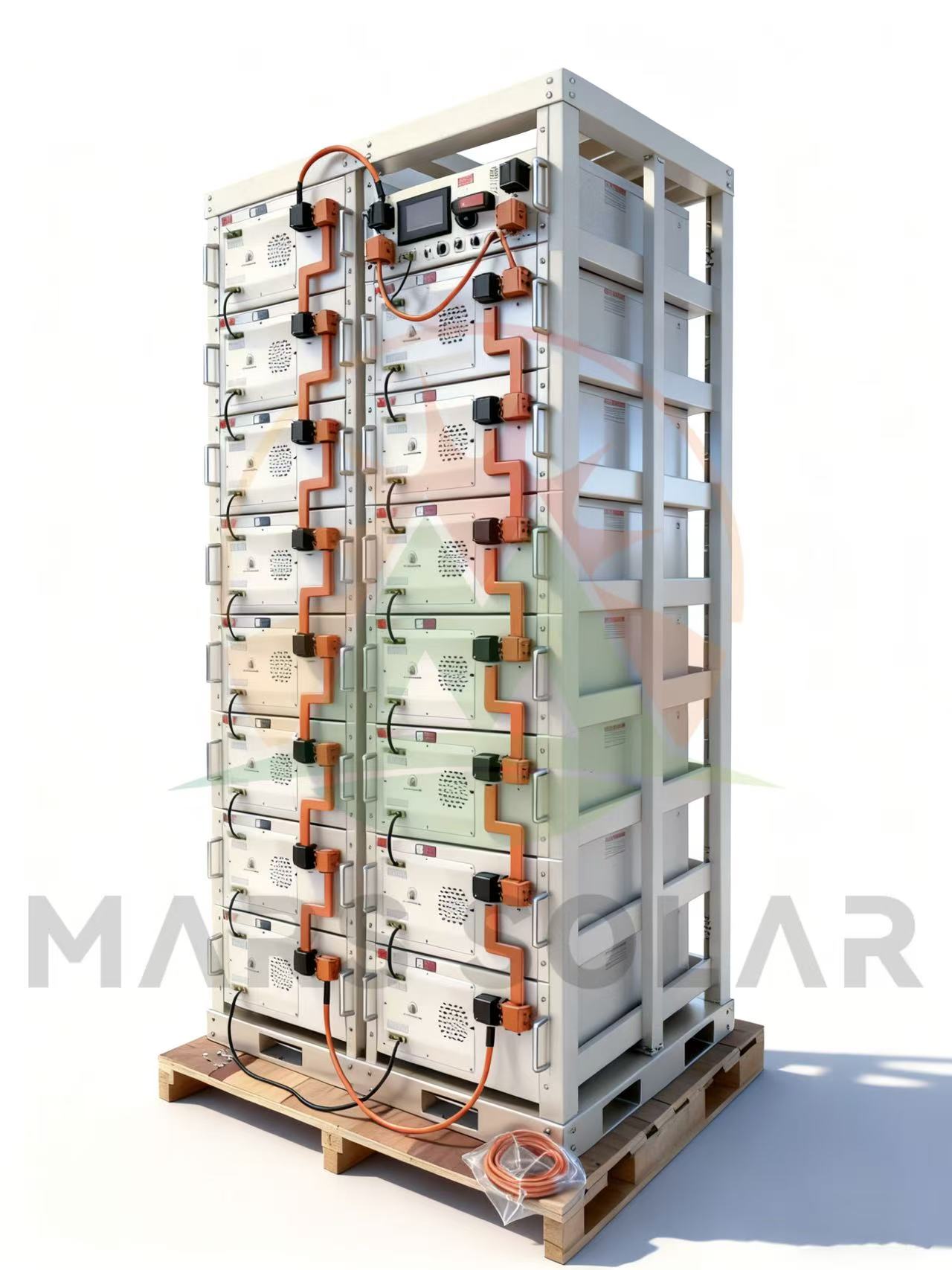
A solar system for house is judged by what stays running when the grid fails. Lighting, refrigeration, internet, fans, water pumping and air-conditioning in one or two rooms are the loads most homeowners prioritise. A solar system for house designed around those loads costs far less than one sized to run the entire dwelling at full load.
Getting this priority list right at design stage is what separates a system that satisfies a household from one that disappoints. Our off-grid versus hybrid versus on-grid guide explains how to choose.
We size a solar system for house from an appliance inventory: list each appliance, its wattage and its daily hours. A typical three-bedroom home covering lights, fridge, fans, TV and internet needs 8 to 12kWh a day, which translates to roughly 3 to 5kWp of PV and a 10 to 15kWh battery.
Adding one air conditioner to the backup circuit adds 1.5 to 2kW of continuous load and should be reflected in both PV and battery sizing. See the module options on our 15kWh battery page.
Most homes are best served by a hybrid solar system for house: it draws from PV first, charges the battery, and falls back to the grid when the battery runs low. Off-grid makes sense only where no supply exists at all or where the connection is unreliable enough to be worthless.
Hybrid systems also allow later expansion. Starting with a 50kW 24-hour hybrid system architecture, a household can add panels and modules as demand grows without replacing the inverter.
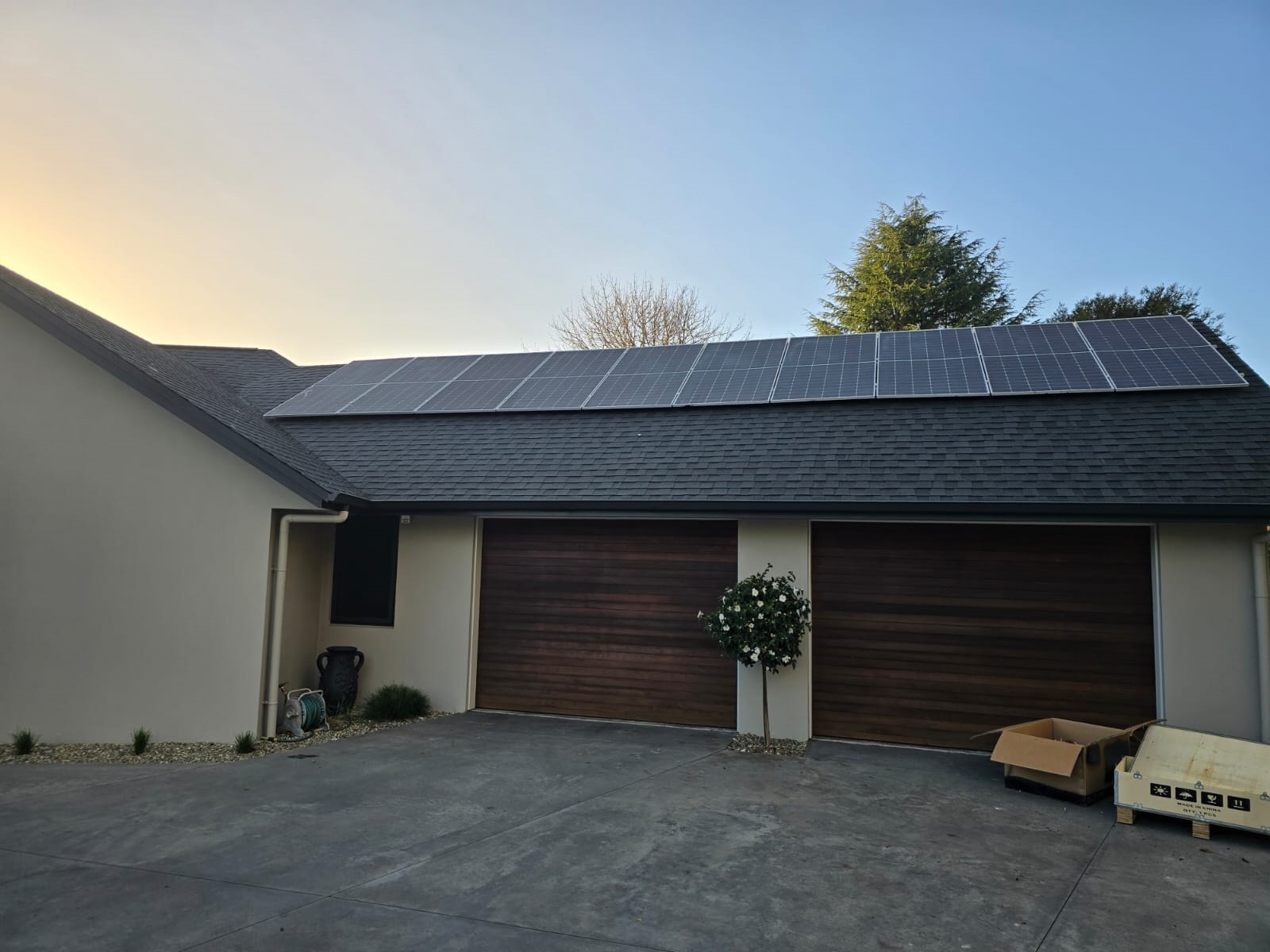
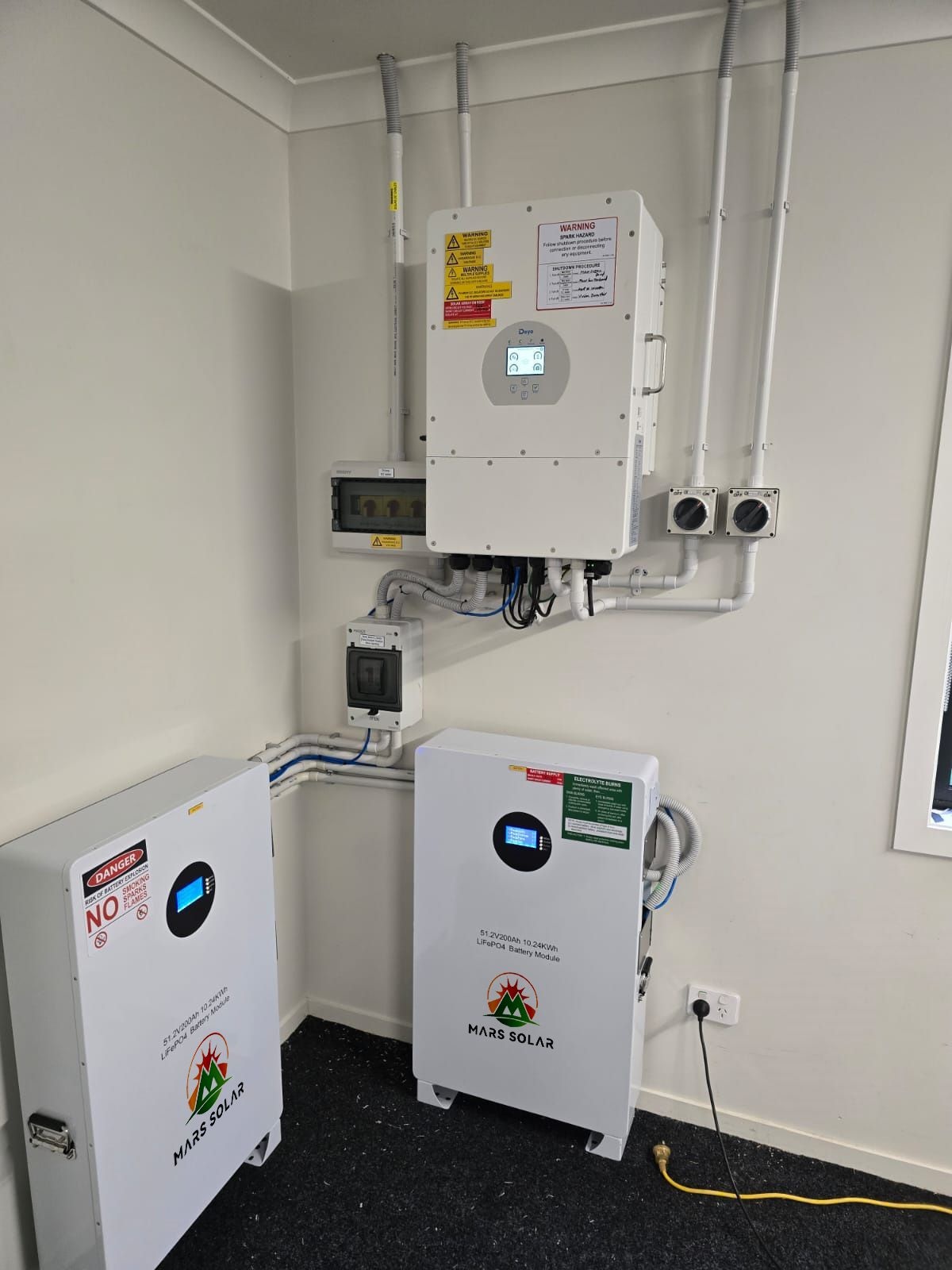
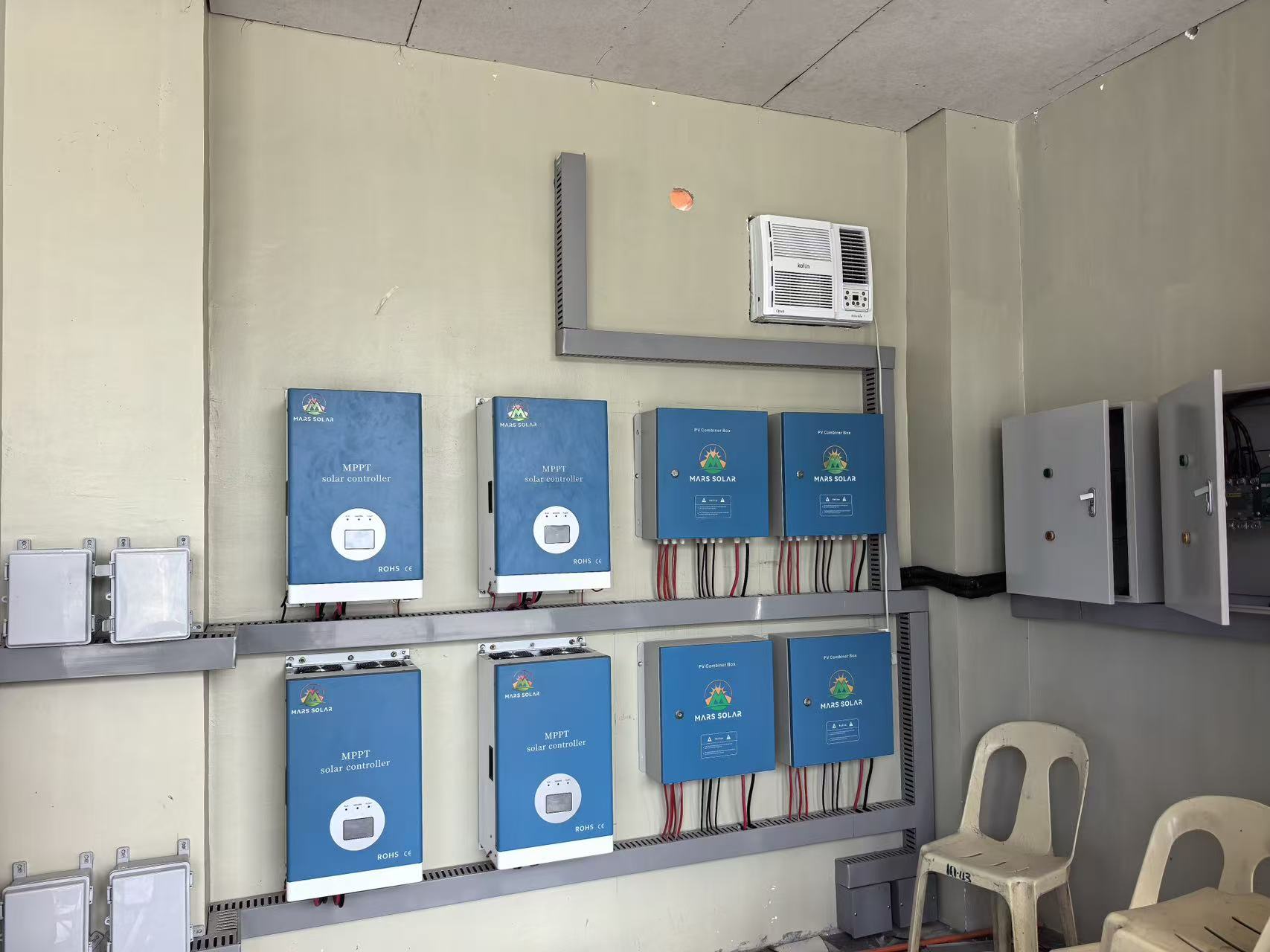
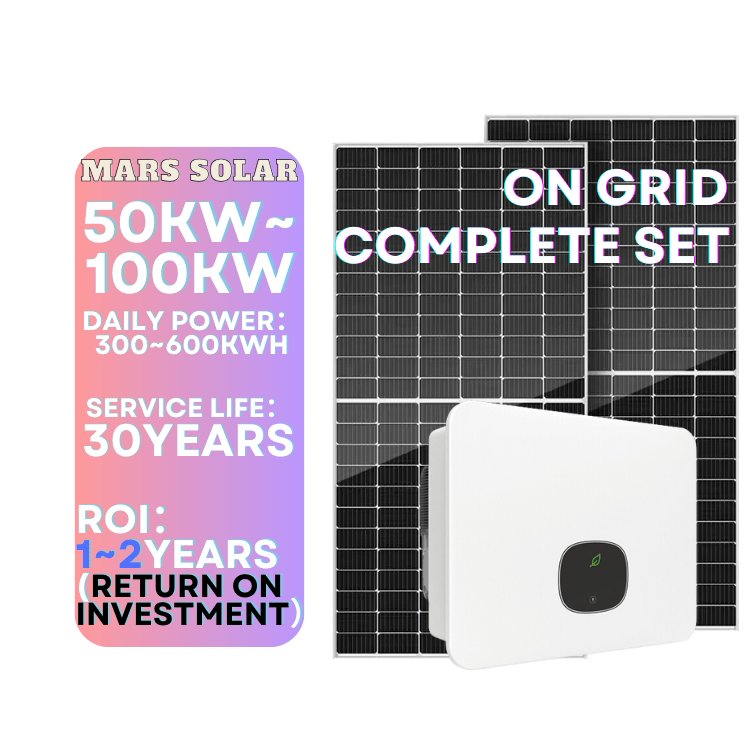
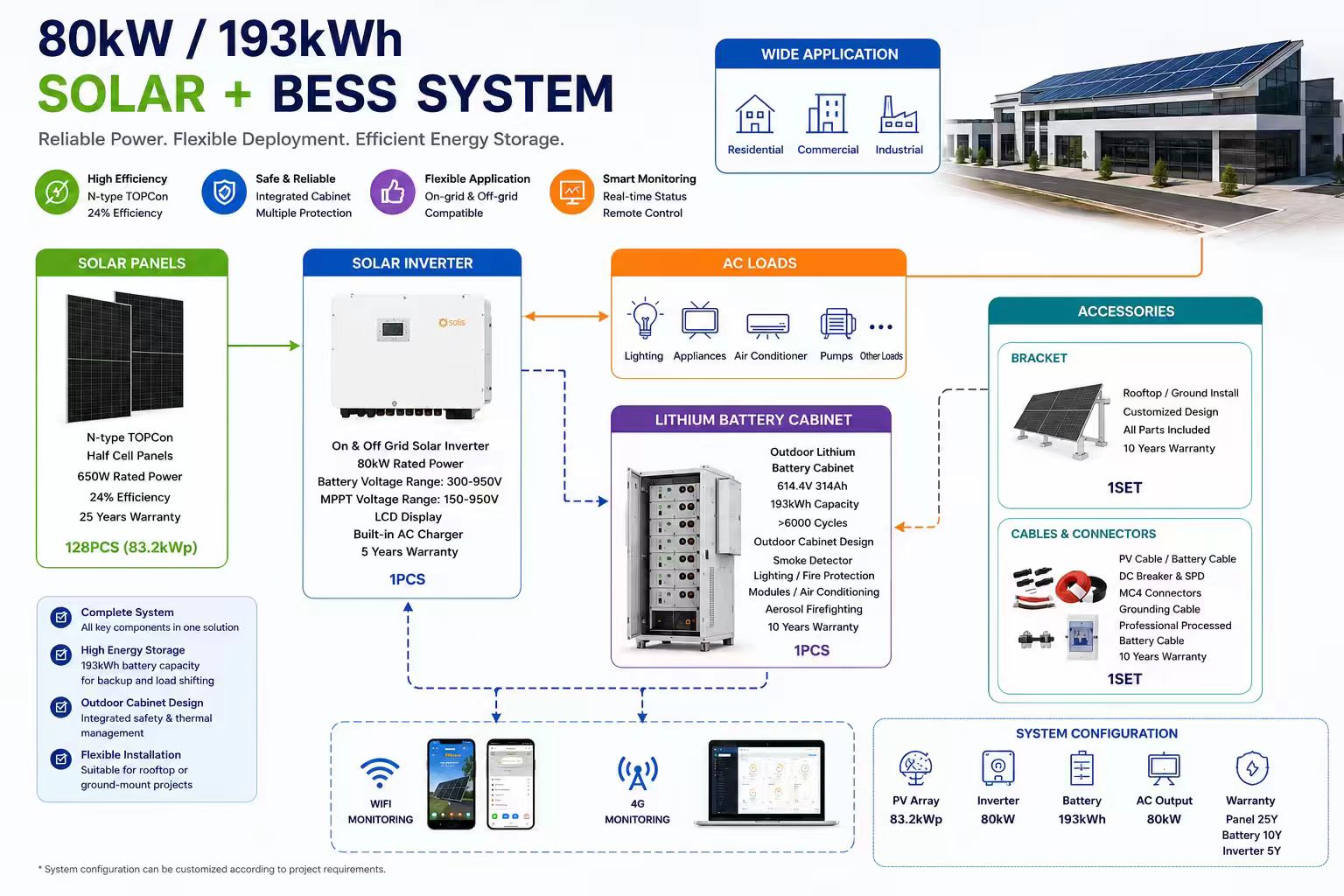
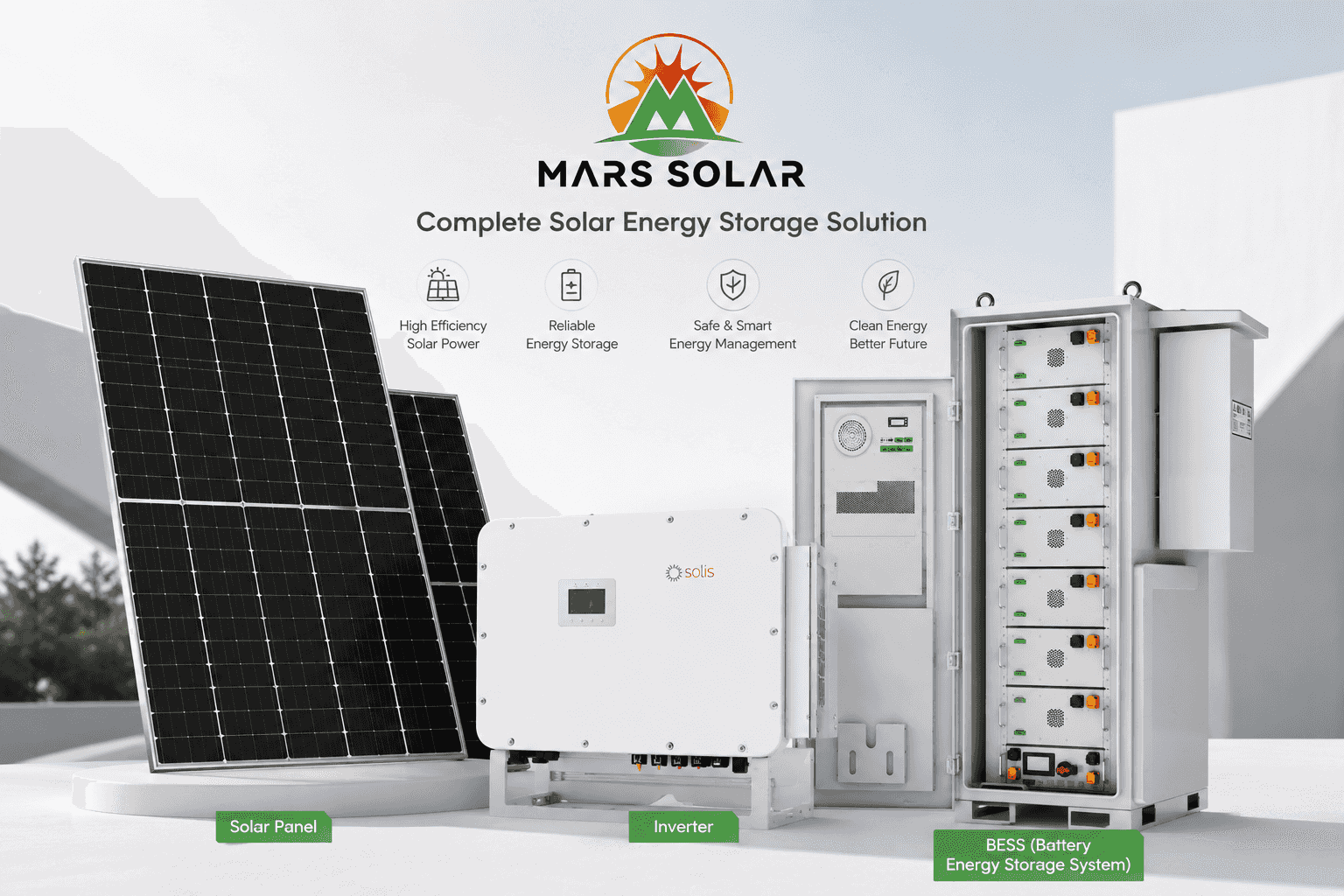
Mars Solar ships residential systems factory-direct, which removes the reseller margin that dominates most home solar quotes. A solar system for house arrives as a matched kit - panels, inverter, battery, mounting, cable and connectors - certified to CE, RoHS and TUV.
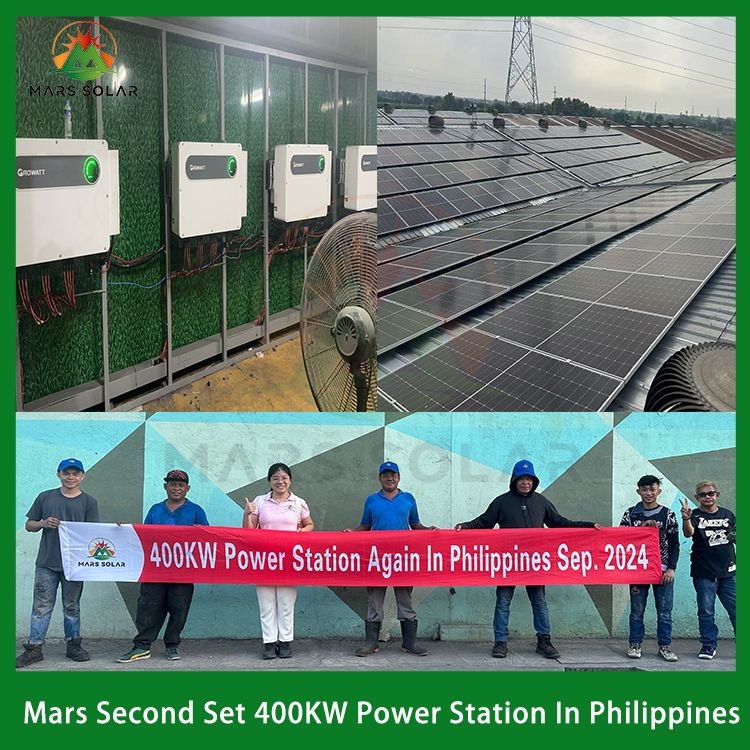
Check the storage math with our battery storage cost guide, and see a residential deployment in our residential electrification project.
Understanding how a system actually produces and stores power helps buyers size correctly. See the U.S. Department of Energy's explainer on how solar works for the generation and storage fundamentals behind every solar system for house we ship.
Mars Solar ships residential systems factory-direct, which removes the reseller margin that dominates most home solar quotes. A solar system for house arrives as a matched kit - panels, inverter, battery, mounting, cable and connectors - certified to CE, RoHS and TUV.
>Single-phase power (110V/220V) Primarily applied to daily operational facilities in the hotel, including guest room lighting, air conditioners, TVs, reception area equipment, and office daily devices. It ensures stable power supply for routine management and guest services.
 English English
  Arabic
 Spanish
 French
 Dutch
Dutch
 Portuguese