
Idioma
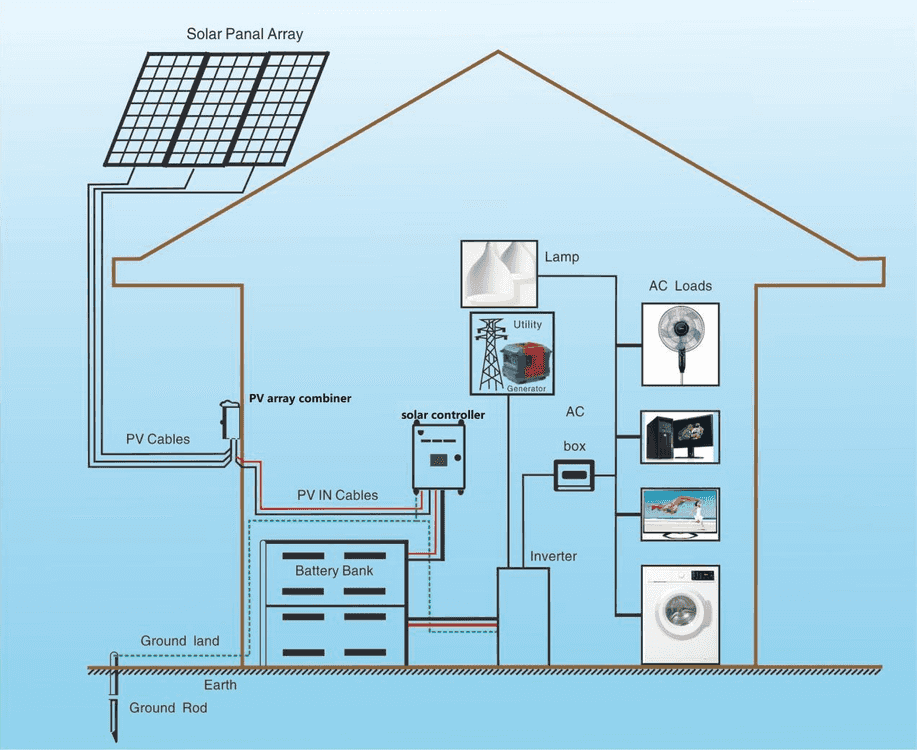
Los sistemas fotovoltaicos instalados inicialmente no suelen satisfacer la creciente demanda energética de los hogares y empresas modernos. En comparación con la sustitución de todo el sistema, la expansión es una opción más económica, pero la pregunta clave sigue siendo: ¿Pueden las tecnologías fotovoltaicas nuevas y antiguas funcionar sinérgicamente? Esta guía, que integra las soluciones técnicas más recientes, detalla el proceso simplificado para la expansión del sistema, los métodos para mejorar la compatibilidad y los beneficios económicos.
La demanda mundial de expansión de sistemas fotovoltaicos está creciendo rápidamente, impulsada principalmente por cuatro factores fundamentales:
Según datos del Consejo Solar Global (2024), la capacidad fotovoltaica instalada a nivel mundial en 2024 aumentó en 331 TP³T interanualmente, alcanzando los 197 GWdc, de los cuales 621 TP³T provinieron de la expansión de sistemas existentes (en lugar de nuevos proyectos). Los usuarios tienden a maximizar el retorno de la inversión inicial.
| Barreras centrales | Descripción específica del problema | Soluciones prácticas |
| Desajuste del panel fotovoltaico | Pérdida de eficiencia de todo el sistema causada por diferencias de potencia/voltaje entre paneles nuevos y viejos | Instale optimizadores de cadenas (por ejemplo, SolarEdge) o microinversores para equilibrar dinámicamente el voltaje/corriente de cada panel, reduciendo las pérdidas a menos de 5% |
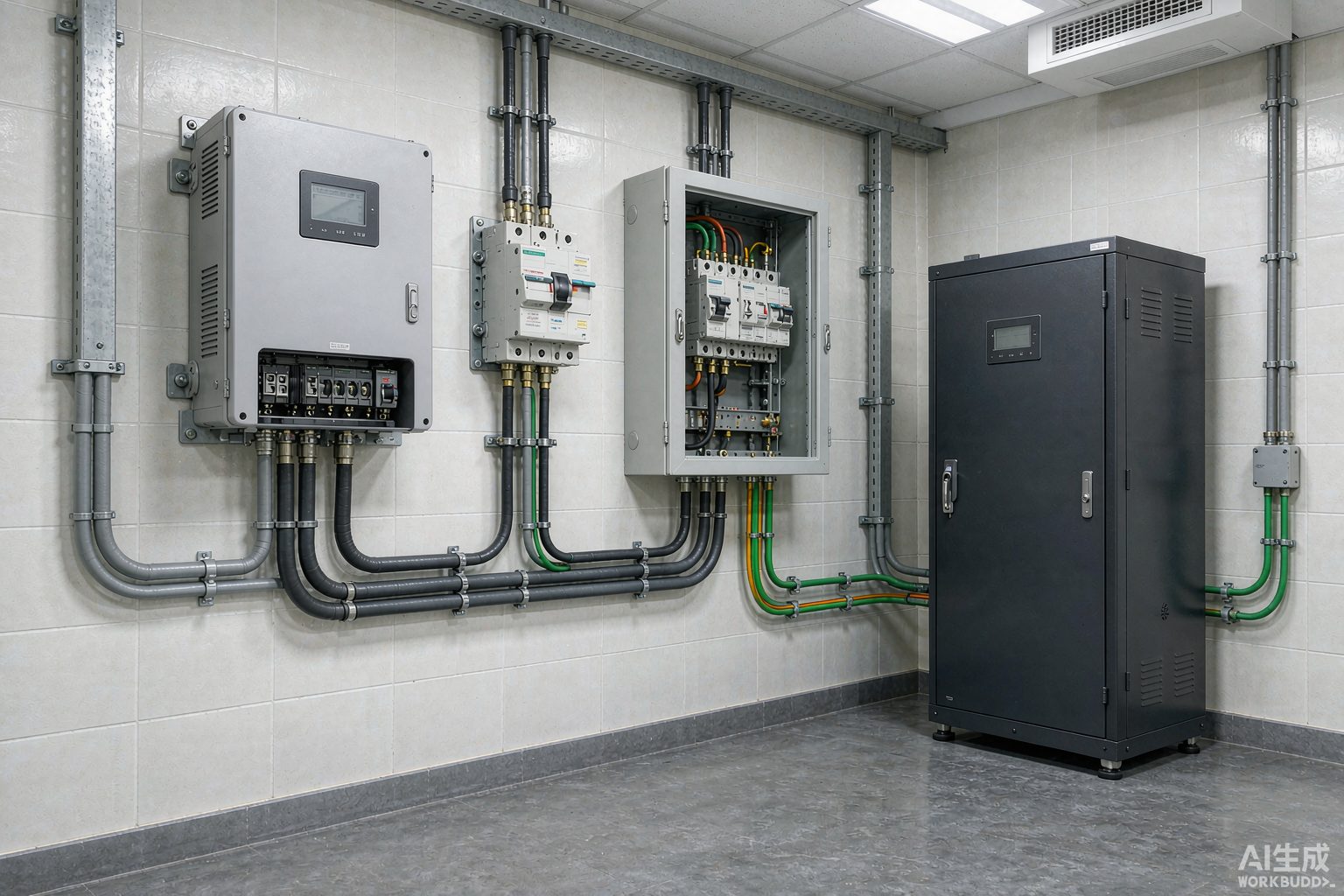
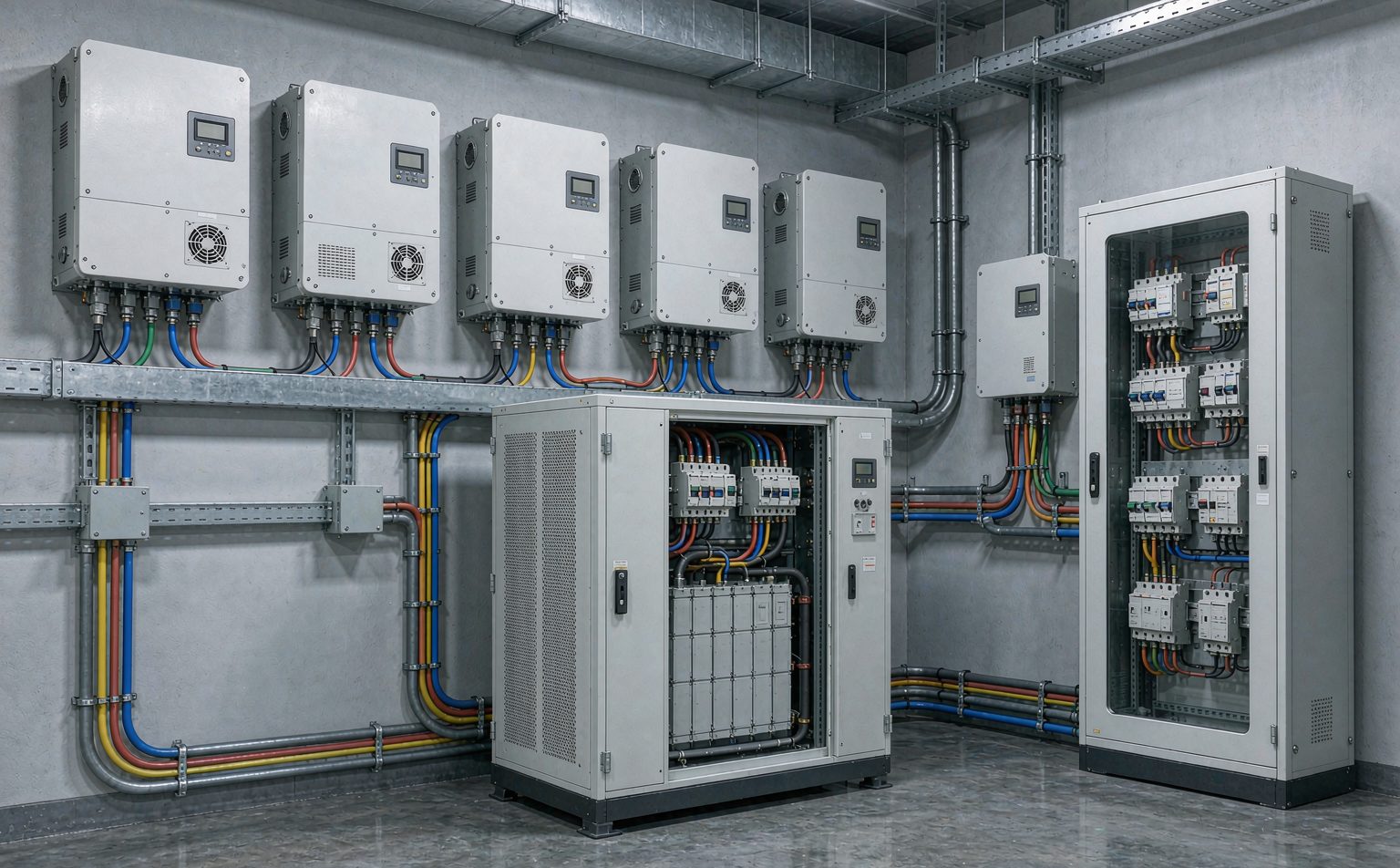
| Capacidad inadecuada del inversor | El inversor original no puede manejar la potencia de entrada de los paneles recién agregados | Actualice a inversores híbridos o multi-MPPT (seguimiento del punto de máxima potencia), que admiten la conexión de 3 a 4 cadenas de paneles con diferentes especificaciones |
| Protocolos de comunicación obsoletos | La antigua plataforma de monitoreo del sistema no puede ser compatible con los datos de los nuevos equipos | Implementar una puerta de enlace de monitoreo unificada (por ejemplo, Mars Smart Gateway) que admita la conversión de múltiples protocolos, como Modbus y WiFi |
| Cableado/conectores incompatibles | El sistema antiguo utiliza interfaces no estándar (por ejemplo, T4) | Reemplace uniformemente con conectores estándar MC4 o solicite a un equipo profesional que realice el recableado para garantizar la clasificación de impermeabilidad IP67 |
| Año | Capacidad recién instalada (GWdc) | Capacidad instalada acumulada (GWdc) | Participación en la expansión (de nuevas instalaciones) | Fuente de datos |
| 2021 | ~400 | 1840 (estimado) | 45% (estimado) | Consejo Solar Global |
| 2022 | +228 | ~630 (estadísticas regionales) | 51% | Informe de la AIE sobre energías renovables |
| 2023 | +446 | 2350 (estimado) | 58% | BloombergNEF |
| 2024 | ~197 (33% crecimiento interanual) | ~597 (estadísticas regionales) | 62% | Informe anual 2024 del Consejo Solar Global |
Pronóstico 2025-2027: La demanda de expansión mantendrá una tasa de crecimiento anual de 281 TP³T. El principal impulsor será la expansión integrada de "FV + almacenamiento de energía" (que representa más de 701 TP³T). Evitar el reemplazo total del sistema puede reducir los costos entre 401 TP³T y 601 TP³T.
| Parámetro | Antes de la expansión (sistema de 5 kW) | Después de la expansión (5 kW + 3 kW añadidos) | Análisis de cambios |
| Capacidad total del sistema | 5kW (paneles policristalinos) | 8kW (antiguo policristalino + nuevo TOPCon) | Aumento de capacidad del 60% |
| Tipo de inversor | Inversor MPPT tradicional único | Inversor híbrido multi-MPPT | Admite acceso a cadenas de panel dual |
| Configuración de almacenamiento de energía | Ninguno | Batería de fosfato de hierro y litio de 15 kWh | Permite de 3 a 4 horas de suministro de energía fuera de la red durante la noche. |
| Generación anual de energía | 7.200 kWh | 11.520 kWh | Aumento de 60% (incluida la optimización de la carga y descarga del almacenamiento de energía) |
| Tarifa de autoconsumo | ~35% | ~65% | El almacenamiento de energía reduce la demanda de compra de energía de la red |
| Ahorro anual en costos de electricidad | $864 | $2,160 | Aumento de 150% (precio de la electricidad en California: $0.30/kWh) |
| Costo de expansión inicial | - | $3,840 (incluye equipo + instalación) | Costo real después del subsidio de California: $2,688 |
| Período de recuperación | 10 años (sistema original) | 7 años (todo el sistema después de la expansión) | Reducción de 3 años |
Conclusión clave: Actualmente, el precio de los paneles fotovoltaicos ha bajado a entre 0,08 y 0,10 USD/Wdc. Gracias a los subsidios regionales, el periodo promedio de recuperación de la inversión en proyectos de expansión se ha reducido a entre 3 y 5 años, lo cual es mejor que el de los sistemas nuevos (entre 5 y 8 años).
La expansión de sistemas fotovoltaicos se ha convertido en la solución óptima para afrontar la creciente demanda energética y reducir costes. Las barreras de compatibilidad se han superado por completo mediante tecnologías como optimizadores de cadenas e inversores multi-MPPT, y el retorno de la inversión (ROI) de los proyectos de expansión es mejor que el de los sistemas nuevos.
Recomendaciones de acción:

Whether a PV system expansion is worthwhile comes down to three checks: inverter headroom, string voltage compatibility,
and whether the roof or ground area still has usable space. A PV system expansion that ignores any one of those three
usually underperforms its modelled output, because the new array is throttled by a constraint elsewhere in the system.
The first check is inverter capacity. Most modern inverters tolerate 20 to 30 percent DC oversizing, which means a
PV system expansion can often add panels without replacing the inverter at all. Where the existing inverter has no
headroom, a second unit or a like-for-like replacement is cheaper than it sounds once you account for the panels being retained.
The second check is string voltage and current matching. Mixing panel generations on one string drags the whole string toward the
weakest module, which is why a PV system expansion normally puts new panels on their own strings feeding a separate
MPPT input. Multi-MPPT inverters make this straightforward; single-MPPT units may need an optimiser per panel.
The third check is physical space and structural capacity. Panels have grown substantially, so a
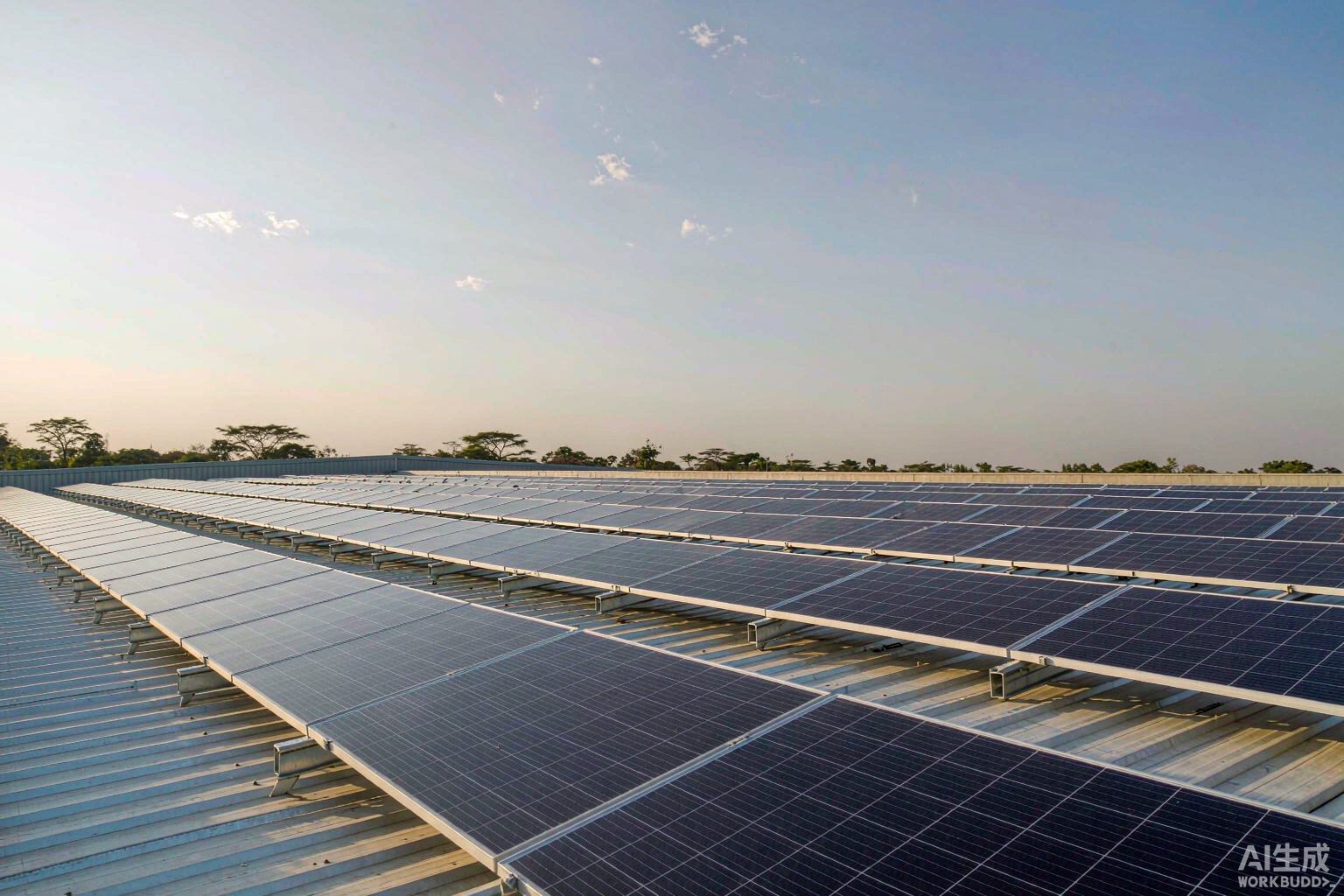
PV system expansion often fits more capacity into the same footprint than the original array occupied, but the added
dead load and wind uplift still need verifying.
Where the site also wants outage protection or evening self-consumption, pairing a PV system expansion with battery
storage is usually the better single project rather than a second visit later. See our
batería de almacenamiento de energía montada en bastidor y
15kWh battery options, or the
100kW hybrid system for commercial sites.
The U.S. Department of Energy's Solar Energy Technologies Office
publishes the equipment and interconnection standards that a compliant PV system expansion should meet, and our
engineers size every PV system expansion against the site's logged consumption rather than a nameplate estimate.
Is PV system expansion cheaper than installing a second system?
Yes, in almost every case. A PV system expansion reuses the existing mounting, cabling, protection and often the inverter enclosure, so the money goes into generation capacity instead of into a second set of fixed costs. Published comparisons put the saving from a PV system expansion at 40-60% against a full replacement, and the payback period of a PV system expansion is shorter than that of a new system because the original capital is already sunk.
Can new panels be added to an older array without losing efficiency?
Only if the mismatch is managed. Adding a 450W N-type module to a string of 270W polycrystalline panels drags the whole string toward the weaker panel. The fix is not to avoid the PV system expansion but to split it: string optimisers or microinverters isolate each panel, and a multi-MPPT hybrid inverter lets the new array run on its own channel. Handled that way, a hybrid PV system expansion typically recovers 12-18% of array efficiency compared with naive series connection.
What is the first step of any PV system expansion?
A system audit, not a purchase order. Before quoting a PV system expansion we record the peak power, open-circuit voltage, short-circuit current and measured degradation of the existing panels, the inverter's MPPT count and voltage window, the cable cross-section and the age of the protection. A PV system expansion specified from the nameplate alone is the most common cause of underperformance we see.
How much can a PV system expansion increase self-consumption?
Substantially, once storage is included. In the California case above, the PV system expansion took annual generation from 7,200 kWh to 11,520 kWh, but the bigger change was the self-consumption rate — from roughly 35% to 65% — because the added battery moved generation into the evening. A PV system expansion that adds panels without storage mostly adds export, not savings.
Does a PV system expansion affect the grid connection or warranty?
It can affect both, which is why a PV system expansion should be documented. A larger array may need a revised interconnection approval, and adding third-party equipment to an existing string can void the original inverter warranty unless the PV system expansion is designed within its permitted input window. Ask the installer for the revised single-line diagram and the updated warranty position in writing.
How long does a PV system expansion take to install?
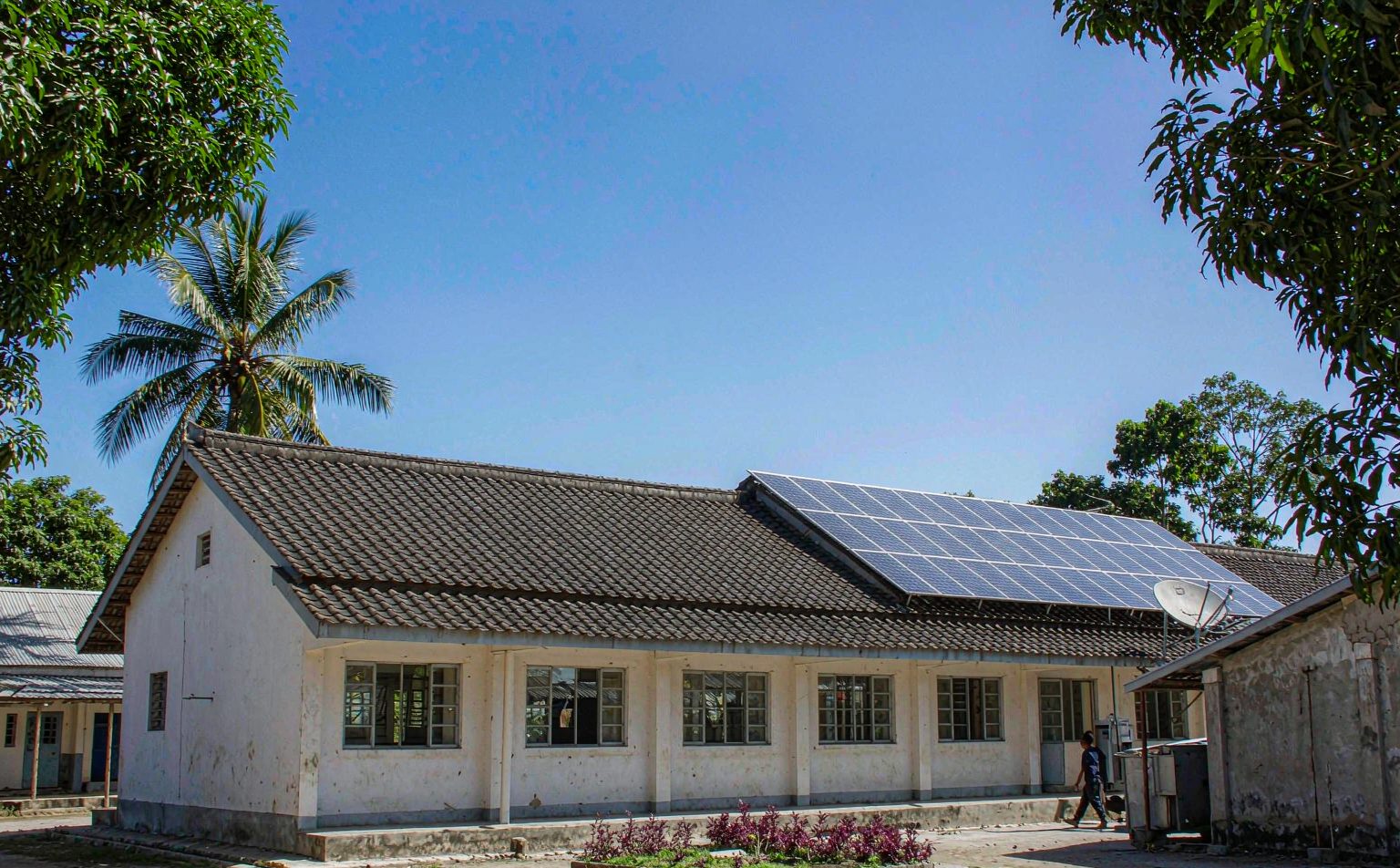
A residential PV system expansion in the 3-5 kW range is typically a one to two day job once the audit is complete and the equipment has arrived. A commercial PV system expansion is staged around production hours, with the new strings energised on a separate MPPT channel first so the existing array keeps generating throughout.
Mars Solar sizes every PV system expansion against the site's logged consumption rather than a nameplate estimate, and matches the added PV system expansion to the inverter's spare MPPT capacity before any hardware is quoted.

 English English
  Arabic
 Spanish
 French
 Dutch
Dutch
 Portuguese