
لغة
لا تستطيع أنظمة الطاقة الشمسية الكهروضوئية المُركّبة مُبكراً تلبية الطلب المتزايد على الطاقة في المنازل والشركات الحديثة. وبالمقارنة مع استبدال النظام بالكامل، يُعدّ التوسع خياراً أكثر اقتصادية، ولكن يبقى السؤال الأساسي: هل يُمكن لتقنيات الطاقة الشمسية الكهروضوئية الجديدة والقديمة العمل بتناغم؟ يُقدّم هذا الدليل، الذي يدمج أحدث الحلول التقنية، شرحاً مُفصّلاً لمسار توسيع النظام، وطرق تحسين التوافق، والفوائد الاقتصادية المترتبة على ذلك.
يتزايد الطلب العالمي على توسيع أنظمة الطاقة الشمسية الكهروضوئية بسرعة، مدفوعًا بشكل رئيسي بأربعة عوامل أساسية:
بحسب بيانات المجلس العالمي للطاقة الشمسية (2024)، ارتفعت القدرة الإجمالية المركبة حديثًا لأنظمة الطاقة الشمسية الكهروضوئية عالميًا في عام 2024 بمقدار 331 تريليون طن سنويًا لتصل إلى 197 جيجاواط تيار مستمر، منها 621 تريليون طن ناتجة عن توسيع الأنظمة القائمة (وليس عن مشاريع جديدة). ويسعى المستخدمون عادةً إلى تحقيق أقصى عائد على استثماراتهم الأولية.
| العوائق الأساسية | وصف المشكلة المحددة | حلول عملية |
| عدم تطابق ألواح الطاقة الشمسية | انخفاض كفاءة النظام بأكمله بسبب اختلافات الطاقة/الجهد بين الألواح الجديدة والقديمة | قم بتركيب مُحسِّنات السلسلة (مثل SolarEdge) أو محولات دقيقة لتحقيق التوازن الديناميكي بين الجهد والتيار لكل لوحة، مما يقلل الفاقد إلى أقل من 5% |
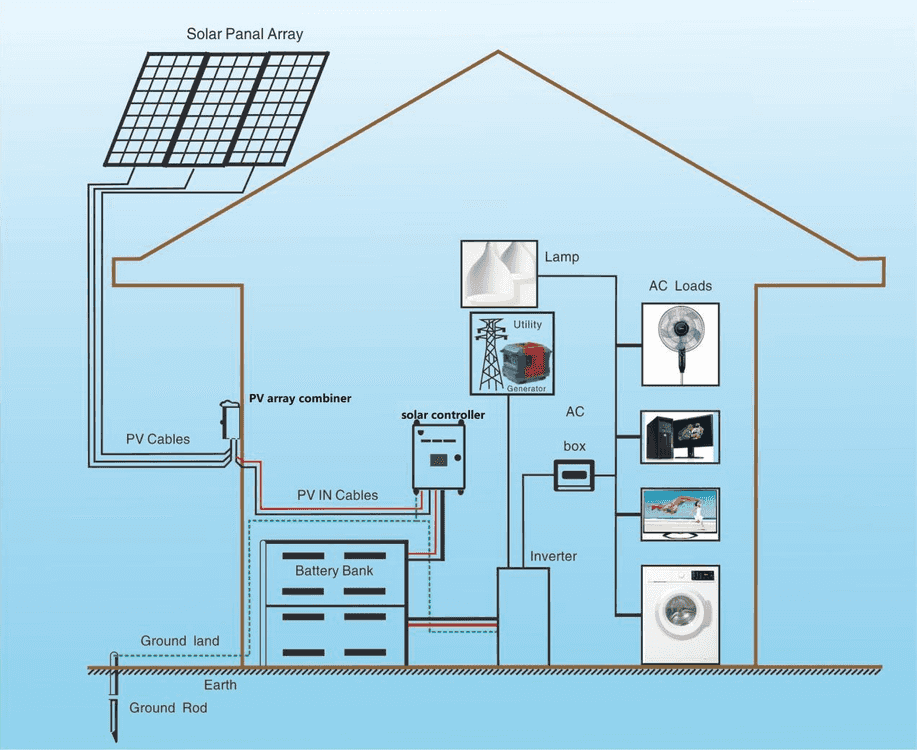
| سعة العاكس غير كافية | لا يستطيع العاكس الأصلي التعامل مع طاقة الإدخال للألواح المضافة حديثًا | قم بالترقية إلى محولات هجينة أو متعددة بتقنية تتبع نقطة الطاقة القصوى (MPPT)، والتي تدعم توصيل 3-4 سلاسل من الألواح بمواصفات مختلفة. |
| بروتوكولات الاتصال القديمة | لا يمكن أن تكون منصة مراقبة النظام القديمة متوافقة مع البيانات الواردة من المعدات الجديدة | قم بنشر بوابة مراقبة موحدة (مثل بوابة Mars الذكية) تدعم تحويل البروتوكولات المتعددة مثل Modbus و WiFi |
| أسلاك/موصلات غير متوافقة | يستخدم النظام القديم واجهات غير قياسية (مثل T4). | استبدل الموصلات بشكل موحد بموصلات MC4 القياسية، أو استعن بفريق متخصص لإعادة توصيل الأسلاك لضمان تصنيف IP67 لمقاومة الماء. |
| سنة | القدرة المركبة حديثًا (جيجاواط تيار مستمر) | القدرة المركبة التراكمية (جيجاواط تيار مستمر) | حصة التوسع (للمنشآت الجديدة) | مصدر البيانات |
| 2021 | ~400 | 1840 (تقديري) | 45% (تقديري) | المجلس العالمي للطاقة الشمسية |
| 2022 | +228 | حوالي 630 (إحصاءات إقليمية) | 51% | تقرير الطاقة المتجددة الصادر عن وكالة الطاقة الدولية |
| 2023 | +446 | 2350 (تقديري) | 58% | بلومبرج إن إي إف |
| 2024 | ~197 (نمو سنوي قدره 33%) | ~597 (إحصاءات إقليمية) | 62% | التقرير السنوي للمجلس العالمي للطاقة الشمسية لعام 2024 |
توقعات 2025-2027: سيحافظ الطلب على التوسع على معدل نمو سنوي قدره 281 تريليون طن. وسيكون المحرك الرئيسي لهذا النمو هو التوسع المتكامل في أنظمة الطاقة الشمسية الكهروضوئية مع تخزين الطاقة (بقيمة تتجاوز 701 تريليون طن). ويمكن تجنب استبدال النظام بالكامل لخفض التكاليف بمقدار يتراوح بين 401 و601 تريليون طن.
| المعلمة | قبل التوسعة (نظام 5 كيلوواط) | بعد التوسعة (إضافة 5 كيلوواط + 3 كيلوواط) | تحليل التغيير |
| إجمالي سعة النظام | 5 كيلوواط (ألواح متعددة البلورات) | 8 كيلو واط (متعدد البلورات القديم + TOPCon الجديد) | زيادة سعة 60% |
| نوع العاكس | العاكس التقليدي أحادي نقطة الطاقة القصوى | عاكس هجين متعدد نقاط الطاقة القصوى | يدعم الوصول إلى السلاسل من خلال لوحتين |
| تكوين تخزين الطاقة | لا أحد | بطارية ليثيوم فوسفات الحديد سعة 15 كيلو واط ساعة | يُمكّن من توفير الطاقة لمدة 3-4 ساعات خارج الشبكة ليلاً |
| إنتاج الطاقة السنوي | 7200 كيلوواط ساعة | 11,520 كيلوواط ساعة | زيادة 60% (بما في ذلك تحسين شحن وتفريغ تخزين الطاقة) |
| معدل الاستهلاك الذاتي | ~35% | ~65% | يقلل تخزين الطاقة من الطلب على شراء الطاقة من الشبكة |
| وفورات سنوية في تكاليف الكهرباء | $864 | $2,160 | زيادة 150% (سعر الكهرباء في كاليفورنيا: $0.30/كيلوواط ساعة) |
| تكلفة التوسعة الأولية | - | $3,840 (يشمل المعدات والتركيب) | التكلفة الفعلية بعد دعم ولاية كاليفورنيا: $2,688 |
| فترة الاسترداد | 10 سنوات (النظام الأصلي) | 7 سنوات (النظام بأكمله بعد التوسعة) | تخفيض لمدة 3 سنوات |
الخلاصة الرئيسية: انخفض سعر الألواح الكهروضوئية حاليًا إلى 0.08-0.10 دولار أمريكي/واط تيار مستمر. وبالإضافة إلى الدعم الإقليمي، انخفض متوسط فترة استرداد تكلفة مشاريع التوسعة إلى 3-5 سنوات، وهو ما يُعد أفضل من فترة استرداد تكلفة الأنظمة الجديدة (5-8 سنوات).
أصبح توسيع أنظمة الطاقة الشمسية الكهروضوئية الحل الأمثل لمواجهة الطلب المتزايد على الطاقة وخفض التكاليف. وقد تم التغلب على عوائق التوافق بشكل كامل بفضل تقنيات مثل مُحسِّنات السلاسل ومحولات MPPT متعددة، كما أن العائد على الاستثمار في مشاريع التوسعة أفضل من العائد على الأنظمة الجديدة.
توصيات العمل:

Whether a PV system expansion is worthwhile comes down to three checks: inverter headroom, string voltage compatibility,
and whether the roof or ground area still has usable space. A PV system expansion that ignores any one of those three
usually underperforms its modelled output, because the new array is throttled by a constraint elsewhere in the system.
The first check is inverter capacity. Most modern inverters tolerate 20 to 30 percent DC oversizing, which means a
PV system expansion can often add panels without replacing the inverter at all. Where the existing inverter has no
headroom, a second unit or a like-for-like replacement is cheaper than it sounds once you account for the panels being retained.
The second check is string voltage and current matching. Mixing panel generations on one string drags the whole string toward the
weakest module, which is why a PV system expansion normally puts new panels on their own strings feeding a separate
MPPT input. Multi-MPPT inverters make this straightforward; single-MPPT units may need an optimiser per panel.
The third check is physical space and structural capacity. Panels have grown substantially, so a
PV system expansion often fits more capacity into the same footprint than the original array occupied, but the added
dead load and wind uplift still need verifying.
Where the site also wants outage protection or evening self-consumption, pairing a PV system expansion with battery
storage is usually the better single project rather than a second visit later. See our
بطارية تخزين الطاقة المُثبتة على حامل و
15kWh battery options, or the
100kW hybrid system for commercial sites.
The U.S. Department of Energy's Solar Energy Technologies Office
publishes the equipment and interconnection standards that a compliant PV system expansion should meet, and our
engineers size every PV system expansion against the site's logged consumption rather than a nameplate estimate.
Is PV system expansion cheaper than installing a second system?
Yes, in almost every case. A PV system expansion reuses the existing mounting, cabling, protection and often the inverter enclosure, so the money goes into generation capacity instead of into a second set of fixed costs. Published comparisons put the saving from a PV system expansion at 40-60% against a full replacement, and the payback period of a PV system expansion is shorter than that of a new system because the original capital is already sunk.
Can new panels be added to an older array without losing efficiency?
Only if the mismatch is managed. Adding a 450W N-type module to a string of 270W polycrystalline panels drags the whole string toward the weaker panel. The fix is not to avoid the PV system expansion but to split it: string optimisers or microinverters isolate each panel, and a multi-MPPT hybrid inverter lets the new array run on its own channel. Handled that way, a hybrid PV system expansion typically recovers 12-18% of array efficiency compared with naive series connection.
What is the first step of any PV system expansion?
A system audit, not a purchase order. Before quoting a PV system expansion we record the peak power, open-circuit voltage, short-circuit current and measured degradation of the existing panels, the inverter's MPPT count and voltage window, the cable cross-section and the age of the protection. A PV system expansion specified from the nameplate alone is the most common cause of underperformance we see.
How much can a PV system expansion increase self-consumption?
Substantially, once storage is included. In the California case above, the PV system expansion took annual generation from 7,200 kWh to 11,520 kWh, but the bigger change was the self-consumption rate — from roughly 35% to 65% — because the added battery moved generation into the evening. A PV system expansion that adds panels without storage mostly adds export, not savings.
Does a PV system expansion affect the grid connection or warranty?
It can affect both, which is why a PV system expansion should be documented. A larger array may need a revised interconnection approval, and adding third-party equipment to an existing string can void the original inverter warranty unless the PV system expansion is designed within its permitted input window. Ask the installer for the revised single-line diagram and the updated warranty position in writing.
How long does a PV system expansion take to install?
A residential PV system expansion in the 3-5 kW range is typically a one to two day job once the audit is complete and the equipment has arrived. A commercial PV system expansion is staged around production hours, with the new strings energised on a separate MPPT channel first so the existing array keeps generating throughout.
Mars Solar sizes every PV system expansion against the site's logged consumption rather than a nameplate estimate, and matches the added PV system expansion to the inverter's spare MPPT capacity before any hardware is quoted.

 English English
  Arabic
 Spanish
 French
 Dutch
Dutch
 Portuguese