
Expansão de Sistemas Fotovoltaicos (FV) Solares: Guia de Compatibilidade, Eficiência Energética e Implementação
1. Contexto e Necessidade
Os sistemas fotovoltaicos instalados precocemente geralmente não conseguem atender à crescente demanda energética das residências e empresas modernas. Comparada à substituição de todo o sistema, a expansão é uma opção mais econômica — mas a questão fundamental permanece: as tecnologias fotovoltaicas novas e antigas podem funcionar em sinergia? Este guia, que integra as soluções técnicas mais recentes, detalha o caminho simplificado para a expansão do sistema, métodos para melhorar a compatibilidade e benefícios econômicos.
2. Principais fatores que impulsionam a expansão de sistemas fotovoltaicos
A demanda global por expansão de sistemas fotovoltaicos está crescendo rapidamente, impulsionada principalmente por quatro fatores principais:
- Aumentos sustentados nos preços da eletricidade: Tomando a Califórnia (EUA) como exemplo, os preços da eletricidade da rede residencial aumentaram 12% ano a ano em 2024, enquanto o custo nivelado da energia (LCOE) para energia fotovoltaica caiu para 0,03-0,05 USD/kWh, tornando sua eficiência econômica a longo prazo significativamente superior ao fornecimento de energia da rede.
- Forte apoio político: Muitos países ampliaram as políticas de subsídios (por exemplo, a China estendeu os subsídios para energia fotovoltaica residencial até 2025; o "Pacto Ecológico Europeu" aumentou a intensidade dos subsídios para expansão até 20%), reduzindo os custos de expansão.
- Novas demandas energéticas: A popularização de estações de carregamento para veículos elétricos (VE) e sistemas de armazenamento de energia doméstica exige um aumento de 30% a 50% na capacidade do sistema fotovoltaico.
- Avanços tecnológicos: A adoção generalizada de painéis de alta eficiência (por exemplo, TOPCon tipo N) e inversores inteligentes reduziu consideravelmente as dificuldades de compatibilidade entre equipamentos novos e antigos.
Segundo dados do Global Solar Council (2024), a capacidade fotovoltaica instalada globalmente em 2024 aumentou em 331 trilhões de toneladas em relação ao ano anterior, atingindo 197 GWdc, dos quais 621 trilhões de toneladas vieram da expansão de sistemas existentes (e não de novos projetos). Os usuários tendem a maximizar o retorno sobre o investimento inicial.
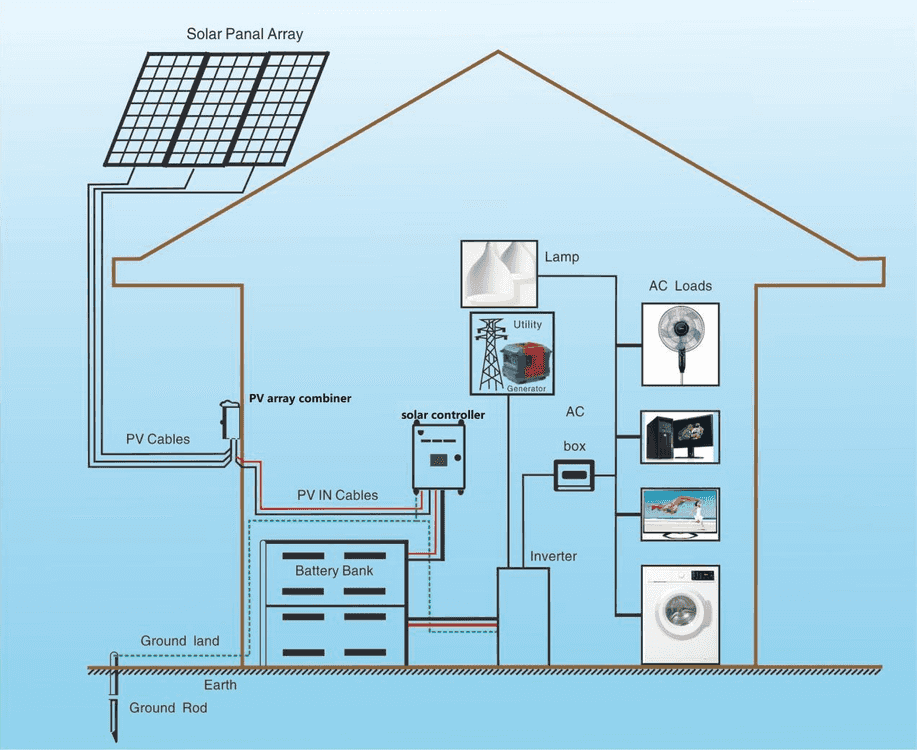
3. Barreiras e soluções comuns à expansão (versão otimizada)
| Barreiras Essenciais | Descrição específica do problema | Soluções práticas |
| Incompatibilidade dos painéis fotovoltaicos | Perda de eficiência de todo o sistema causada por diferenças de potência/tensão entre painéis novos e antigos. | Instale otimizadores de string (por exemplo, SolarEdge) ou microinversores para equilibrar dinamicamente a tensão/corrente de cada painel, reduzindo as perdas para menos de 5%. |
| Capacidade do inversor inadequada | O inversor original não suporta a potência de entrada dos painéis recém-adicionados. | Faça um upgrade para inversores híbridos ou multi-MPPT (Maximum Power Point Tracking), que suportam a conexão de 3 a 4 strings de painéis com especificações diferentes. |
| Protocolos de comunicação desatualizados | A antiga plataforma de monitoramento do sistema não é compatível com os dados dos novos equipamentos. | Implante um gateway de monitoramento unificado (por exemplo, Mars Smart Gateway) que suporte conversão de múltiplos protocolos, como Modbus e Wi-Fi. |
| Fiação/Conectores Incompatíveis | O sistema antigo utiliza interfaces não padronizadas (ex.: T4). | Substitua uniformemente os conectores por conectores padrão MC4 ou contrate uma equipe profissional para realizar a reinstalação da fiação, garantindo assim a classificação de impermeabilidade IP67. |
4. Tendências de mercado: crescimento da energia fotovoltaica e oportunidades de expansão (versão com dados completos)
| Ano | Capacidade recém-instalada (GWdc) | Capacidade Instalada Cumulativa (GWdc) | Participação na expansão (de novas instalações) | Fonte de dados |
| 2021 | ~400 | 1840 (estimado) | 45% (estimado) | Conselho Global de Energia Solar |
| 2022 | +228 | ~630 (estatísticas regionais) | 51% | Relatório de Energias Renováveis da AIE |
| 2023 | +446 | 2350 (estimado) | 58% | BloombergNEF |
| 2024 | ~197 (crescimento anual de 33%) | ~597 (estatísticas regionais) | 62% | Relatório Anual de 2024 do Conselho Global de Energia Solar |
Previsão para 2025-2027: A demanda por expansão manterá uma taxa de crescimento anual de 281 TP3T. O principal fator impulsionador será a expansão integrada de sistemas fotovoltaicos com armazenamento de energia (representando mais de 701 TP3T). Evitar a substituição completa do sistema pode reduzir os custos em 401 TP3T a 601 TP3T.
5. Soluções de Compatibilidade Técnica (Versão Detalhada - Princípios)
(1) Sistemas de string/microinversores
- Cenário de aplicação: Instalação mista de painéis novos e antigos (ex.: painéis policristalinos antigos de 270 W + painéis TOPCon tipo N novos de 450 W)
- Princípio de funcionamento: Os otimizadores de string são conectados em série entre cada painel e o inversor para ajustar a saída de um único painel em tempo real; os microinversores são integrados diretamente na parte traseira dos painéis, possibilitando "um inversor por painel" e eliminando completamente as perdas entre as strings.
- Melhoria da Eficiência Energética: Pode aumentar a eficiência geral dos arranjos híbridos em 12%-18%, o que é melhor do que o esquema de conexão em série tradicional.
(2) Transformação do inversor híbrido
- Principais vantagens: Suporta acesso de três portas para "PV + armazenamento de energia + rede". O design multi-MPPT (2 a 6 canais) é compatível com strings de painéis com diferentes potências (por exemplo, 1 string de painéis antigos de 280 W + 2 strings de painéis novos de 450 W).
- Parâmetros típicos: Por exemplo, o inversor Mars H10K tem uma potência nominal de 10 kW, suporta 4 canais MPPT, possui uma faixa de tensão de 150 a 1000 V e é compatível com mais de 90% de modelos de painéis novos e antigos.
(3) Atualização da Plataforma de Monitoramento Inteligente
- Módulos funcionais: Monitoramento de energia em tempo real (precisão ±2%), diagnóstico automático de falhas (tempo de resposta < 10s), integração de dados de equipamentos novos e antigos (permitindo o acesso a sistemas antigos com vida útil superior a 10 anos).
- Valor prático: A estratégia de operação do sistema pode ser ajustada remotamente por meio de um aplicativo móvel (por exemplo, Mars Connect), priorizando, por exemplo, o carregamento do armazenamento de energia ou a injeção na rede elétrica.
-
6. Estudo de Caso de Retorno sobre o Investimento (ROI) e Eficiência Energética: Projeto Residencial na Califórnia, EUA (Versão Detalhada Complementada)
Parâmetro Antes da expansão (sistema de 5 kW) Após a expansão (5kW + 3kW adicionados) Análise de Mudanças Capacidade total do sistema 5kW (painéis policristalinos) 8kW (policristalino antigo + TOPCon novo) Aumento de capacidade 60% Tipo inversor Inversor MPPT único tradicional Inversor híbrido multi-MPPT Suporta acesso a strings em painel duplo Configuração de armazenamento de energia Nenhum bateria de fosfato de ferro-lítio de 15 kWh Permite 3 a 4 horas de fornecimento de energia fora da rede durante a noite. Geração anual de energia 7.200 kWh 11.520 kWh Aumento do 60% (incluindo otimização de carga e descarga de armazenamento de energia) Taxa de autoconsumo ~35% ~65% O armazenamento de energia reduz a demanda de compra de energia da rede. Economia anual nos custos de eletricidade $864 $2,160 Aumento de 150% (preço da eletricidade na Califórnia: $0,30/kWh) Custo inicial de expansão - $3,840 (incluindo equipamento + instalação) Custo real após subsídio da Califórnia: $2.688 Período de retorno do investimento 10 anos (sistema original) 7 anos (sistema completo após a expansão) Redução de 3 anos Conclusão principal: Atualmente, o preço dos painéis fotovoltaicos caiu para 0,08-0,10 USD/Wdc. Combinado com subsídios regionais, o período médio de retorno do investimento em projetos de expansão foi reduzido para 3-5 anos, o que é melhor do que o de novos sistemas (5-8 anos).
7. Melhores Práticas para Implementação de Expansão (Versão Detalhada por Etapas)
Etapa 1: Auditoria Abrangente do Sistema (Itens Essenciais de Inspeção)
- Parâmetros do painel: Potência de pico (Pmax), tensão de circuito aberto (Voc), corrente de curto-circuito (Isc), taxa de degradação (a degradação real de painéis antigos precisa ser medida; por exemplo, a taxa de degradação de painéis policristalinos com vida útil superior a 5 anos é de aproximadamente 12%-15%).
- Limitações do inversor: Potência de entrada nominal, número de canais MPPT, faixa de tensão (para evitar que a tensão de novas séries de painéis adicionadas exceda o limite superior do inversor).
- Ambiente de instalação: Capacidade de carga do telhado (os painéis recém-adicionados requerem capacidade de carga ≥20kg/㎡), duração da insolação (análise de sombreamento para evitar que os painéis recém-adicionados sombreiem os antigos).
Etapa 2: Previsão da demanda futura
- Curto prazo (1 a 3 anos): Avaliação da viabilidade de adicionar pontos de recarga para veículos elétricos (o que requer uma capacidade adicional de 7 a 11 kW) e do crescimento do consumo de eletricidade doméstica (por exemplo, com a instalação de aparelhos de ar condicionado).
- Longo prazo (5 a 10 anos): Considerar a expansão do armazenamento de energia (por exemplo, aumentando de 5 kWh para 15 kWh) e alterações nas políticas da rede (por exemplo, ajustes nas tarifas de injeção na rede).
Etapas 3 a 6: Seleção de componentes → Seleção do inversor → Aprovação → Cooperação profissional
- Princípio de seleção de componentes: A diferença de tensão entre os painéis novos e antigos deve ser ≤15% e a diferença de potência deve ser ≤30% (por exemplo, painéis antigos de 490W podem ser combinados com painéis novos de 590W).
- Documentos Essenciais para Aprovação: Relatório de auditoria do sistema, certificados de certificação de componentes/inversores (ex.: TÜV, UL), formulários de solicitação de conexão à rede elétrica local.
- Requisitos do parceiro: Selecione equipes de instalação certificadas pela NABCEP (América do Norte) ou TÜV (Europa) para garantir a cobertura da garantia (5 a 25 anos para o equipamento).
8. Serviços Profissionais de Expansão de Energia Fotovoltaica da Mars (Versão Complementada com Estudo de Caso)
- Avaliação personalizada: Oferece testes gratuitos no local (incluindo testes de degradação do painel e testes de carga do inversor) e emite um relatório de compatibilidade em até 3 dias úteis.
- Equipamentos modulares: Séries de produtos altamente compatíveis (por exemplo, painéis do tipo 590W/620W/630W/650W/700WN, inversores MPPT de 3KW a 800KW, baterias de armazenamento de energia de 3kWh a 80MWh) que suportam "combinação sob demanda".
- Casos de sucesso: Em 2024, concluiu a expansão de 400 residências na Colômbia, com um aumento médio na eficiência do sistema de 58% e uma redução de 2,8 anos no período de retorno do investimento para os usuários; expandiu 400kW para uma fábrica nas Filipinas, implementando a integração de energia fotovoltaica e armazenamento de energia, aumentando a receita de arbitragem de pico-vale em 35%.
- Suporte global: Rede de pós-venda que abrange mais de 100 países, oferecendo diagnóstico remoto de falhas 24 horas por dia, 7 dias por semana, com garantia máxima do equipamento de 25 anos.
9. Conclusões e Recomendações de Ação
A expansão de sistemas fotovoltaicos tornou-se a solução ideal para atender à crescente demanda de energia e reduzir custos. As barreiras de compatibilidade foram completamente superadas por meio de tecnologias como otimizadores de string e inversores multi-MPPT, e o retorno sobre o investimento (ROI) de projetos de expansão é superior ao de novos sistemas.
Recomendações de ação:
- Se o seu sistema estiver em operação há mais de 3 anos e a taxa de satisfação anual de geração de energia for inferior a 70%, recomenda-se realizar imediatamente uma avaliação de compatibilidade gratuita (você pode entrar em contato com o site oficial da Mars).
- As políticas de subsídios de muitos países entrarão em contagem regressiva em 2026. Recomenda-se iniciar o planejamento de expansão antes do final de 2025 para garantir os benefícios dos subsídios.
- Priorize a solução de expansão integrada de "painéis + inversores + armazenamento de energia" para evitar transformações secundárias no futuro.


10. Planning a PV System Expansion With Mars Solar
Whether a PV system expansion is worthwhile comes down to three checks: inverter headroom, string voltage compatibility,
and whether the roof or ground area still has usable space. A PV system expansion that ignores any one of those three
usually underperforms its modelled output, because the new array is throttled by a constraint elsewhere in the system.
The first check is inverter capacity. Most modern inverters tolerate 20 to 30 percent DC oversizing, which means a
PV system expansion can often add panels without replacing the inverter at all. Where the existing inverter has no
headroom, a second unit or a like-for-like replacement is cheaper than it sounds once you account for the panels being retained.
The second check is string voltage and current matching. Mixing panel generations on one string drags the whole string toward the
weakest module, which is why a PV system expansion normally puts new panels on their own strings feeding a separate
MPPT input. Multi-MPPT inverters make this straightforward; single-MPPT units may need an optimiser per panel.
The third check is physical space and structural capacity. Panels have grown substantially, so a
PV system expansion often fits more capacity into the same footprint than the original array occupied, but the added
dead load and wind uplift still need verifying.
Where the site also wants outage protection or evening self-consumption, pairing a PV system expansion with battery
storage is usually the better single project rather than a second visit later. See our
bateria de armazenamento de energia montada em rack e
Bateria de 15 kWh options, or the
Sistema híbrido de 100 kW for commercial sites.
O Departamento de Energia dos EUA Gabinete de Tecnologias de Energia Solar
publishes the equipment and interconnection standards that a compliant PV system expansion should meet, and our
engineers size every PV system expansion against the site's logged consumption rather than a nameplate estimate.
FAQ: PV System Expansion in Practice
Is PV system expansion cheaper than installing a second system?
Yes, in almost every case. A PV system expansion reuses the existing mounting, cabling, protection and often the inverter enclosure, so the money goes into generation capacity instead of into a second set of fixed costs. Published comparisons put the saving from a PV system expansion at 40-60% against a full replacement, and the payback period of a PV system expansion is shorter than that of a new system because the original capital is already sunk.
Can new panels be added to an older array without losing efficiency?
Only if the mismatch is managed. Adding a 450W N-type module to a string of 270W polycrystalline panels drags the whole string toward the weaker panel. The fix is not to avoid the PV system expansion but to split it: string optimisers or microinverters isolate each panel, and a multi-MPPT hybrid inverter lets the new array run on its own channel. Handled that way, a hybrid PV system expansion typically recovers 12-18% of array efficiency compared with naive series connection.
What is the first step of any PV system expansion?
A system audit, not a purchase order. Before quoting a PV system expansion we record the peak power, open-circuit voltage, short-circuit current and measured degradation of the existing panels, the inverter's MPPT count and voltage window, the cable cross-section and the age of the protection. A PV system expansion specified from the nameplate alone is the most common cause of underperformance we see.
How much can a PV system expansion increase self-consumption?
Substantially, once storage is included. In the California case above, the PV system expansion took annual generation from 7,200 kWh to 11,520 kWh, but the bigger change was the self-consumption rate — from roughly 35% to 65% — because the added battery moved generation into the evening. A PV system expansion that adds panels without storage mostly adds export, not savings.
Does a PV system expansion affect the grid connection or warranty?
It can affect both, which is why a PV system expansion should be documented. A larger array may need a revised interconnection approval, and adding third-party equipment to an existing string can void the original inverter warranty unless the PV system expansion is designed within its permitted input window. Ask the installer for the revised single-line diagram and the updated warranty position in writing.
How long does a PV system expansion take to install?
A residential PV system expansion in the 3-5 kW range is typically a one to two day job once the audit is complete and the equipment has arrived. A commercial PV system expansion is staged around production hours, with the new strings energised on a separate MPPT channel first so the existing array keeps generating throughout.
Mars Solar sizes every PV system expansion against the site's logged consumption rather than a nameplate estimate, and matches the added PV system expansion to the inverter's spare MPPT capacity before any hardware is quoted.
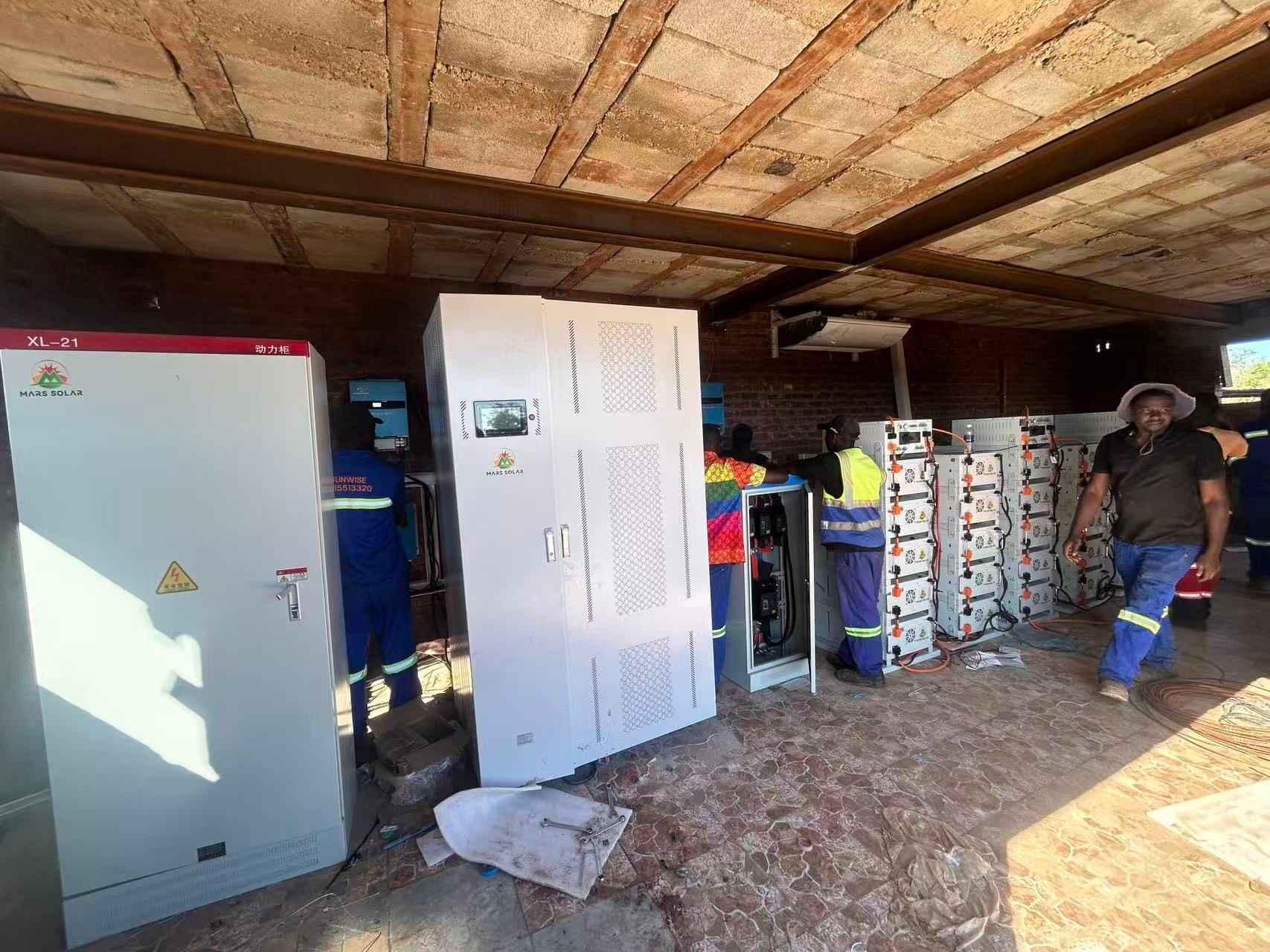
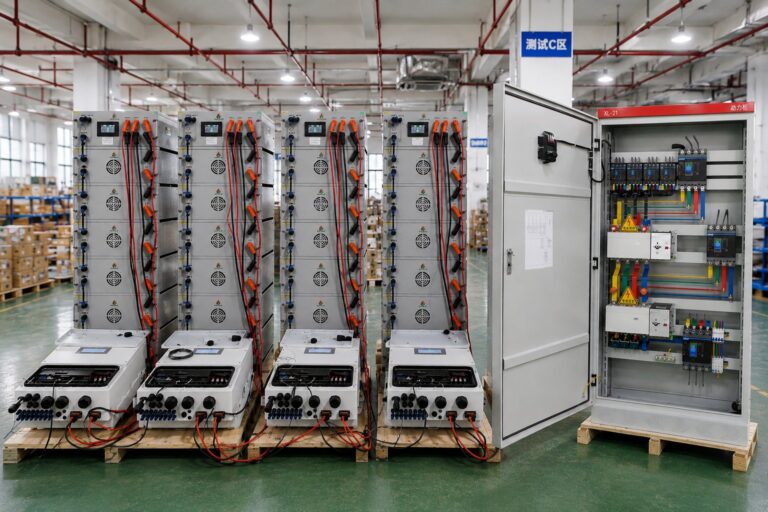
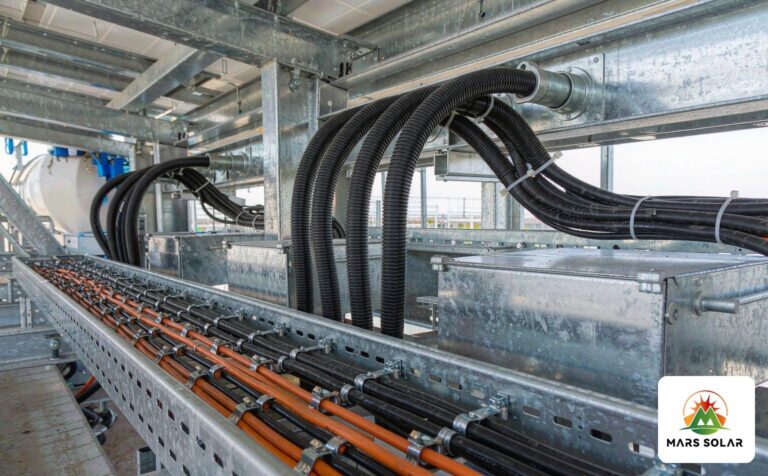

 English
  Arabic
  Spanish
  French
  Dutch
Dutch  Portuguese