

How Do You Design a Hurricane-Resistant Solar System for the Caribbean?
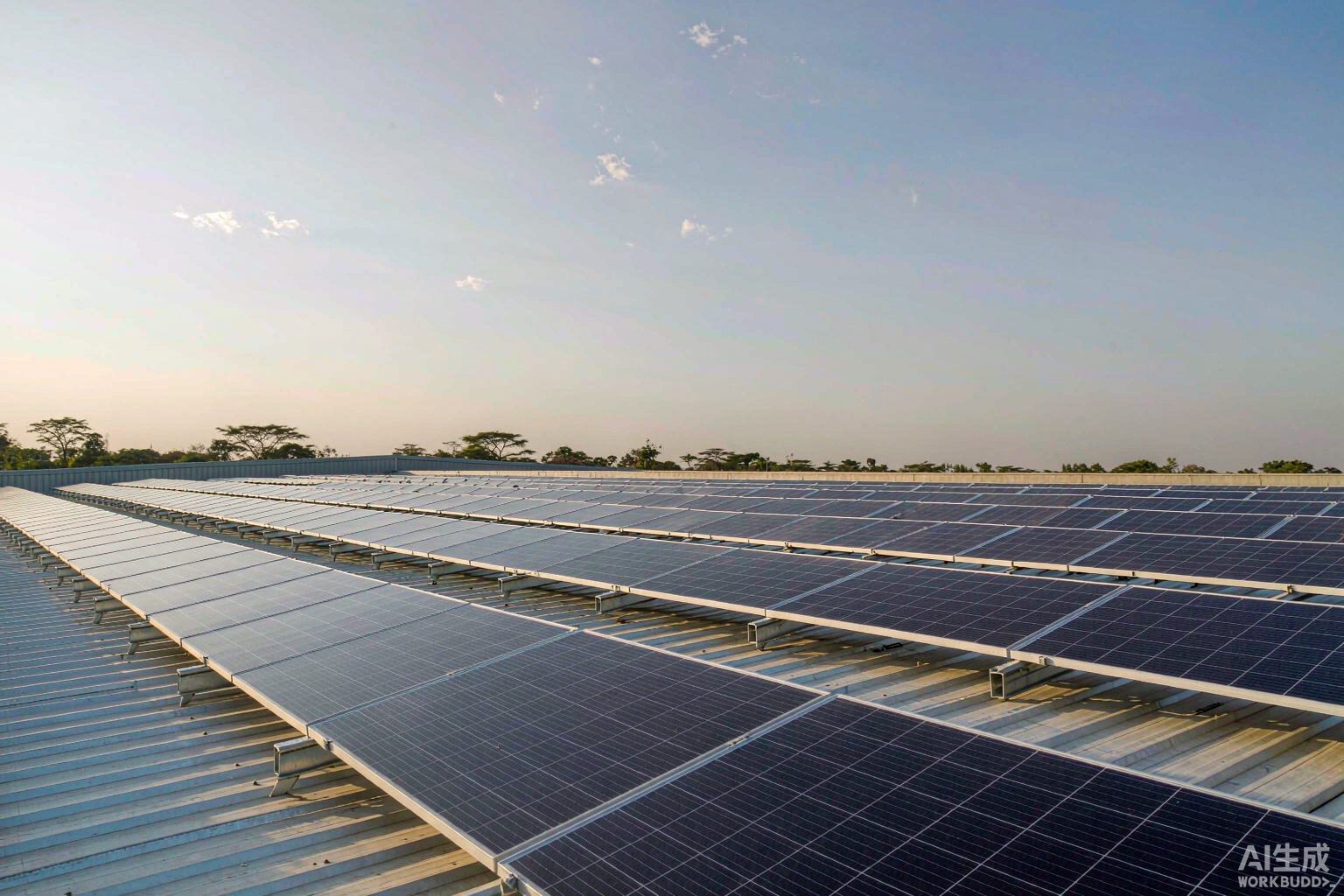
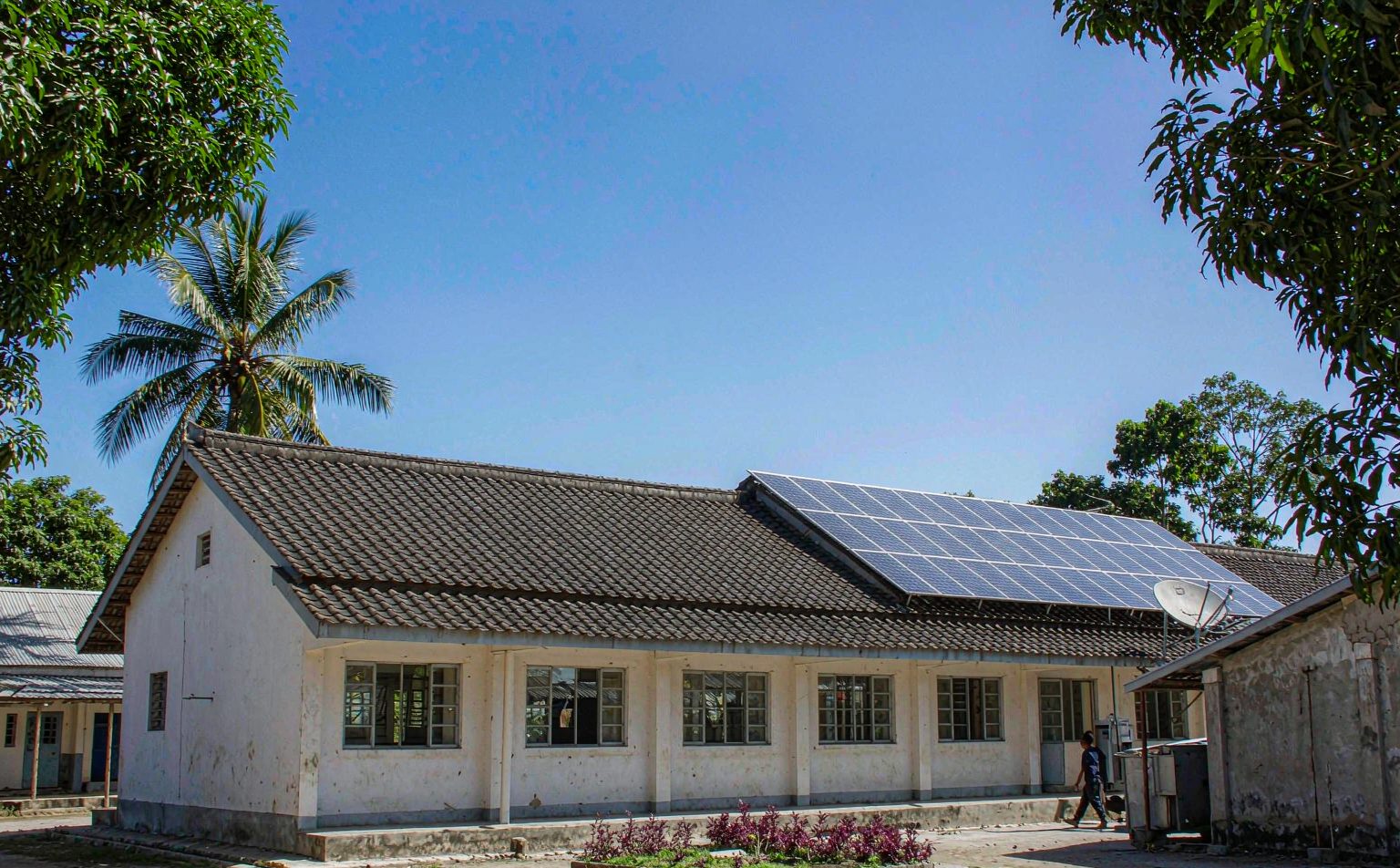
Structure is the first priority: mounting must be engineered to local cyclone wind loads (ASCE 7 or the applicable national code), with pull-out testing to confirm the roof anchorage can carry the load.
Coastal salt exposure requires marine-grade aluminium or hot-dip galvanised mounting and 316 stainless fasteners — standard galvanised hardware corrodes far faster than most buyers expect.
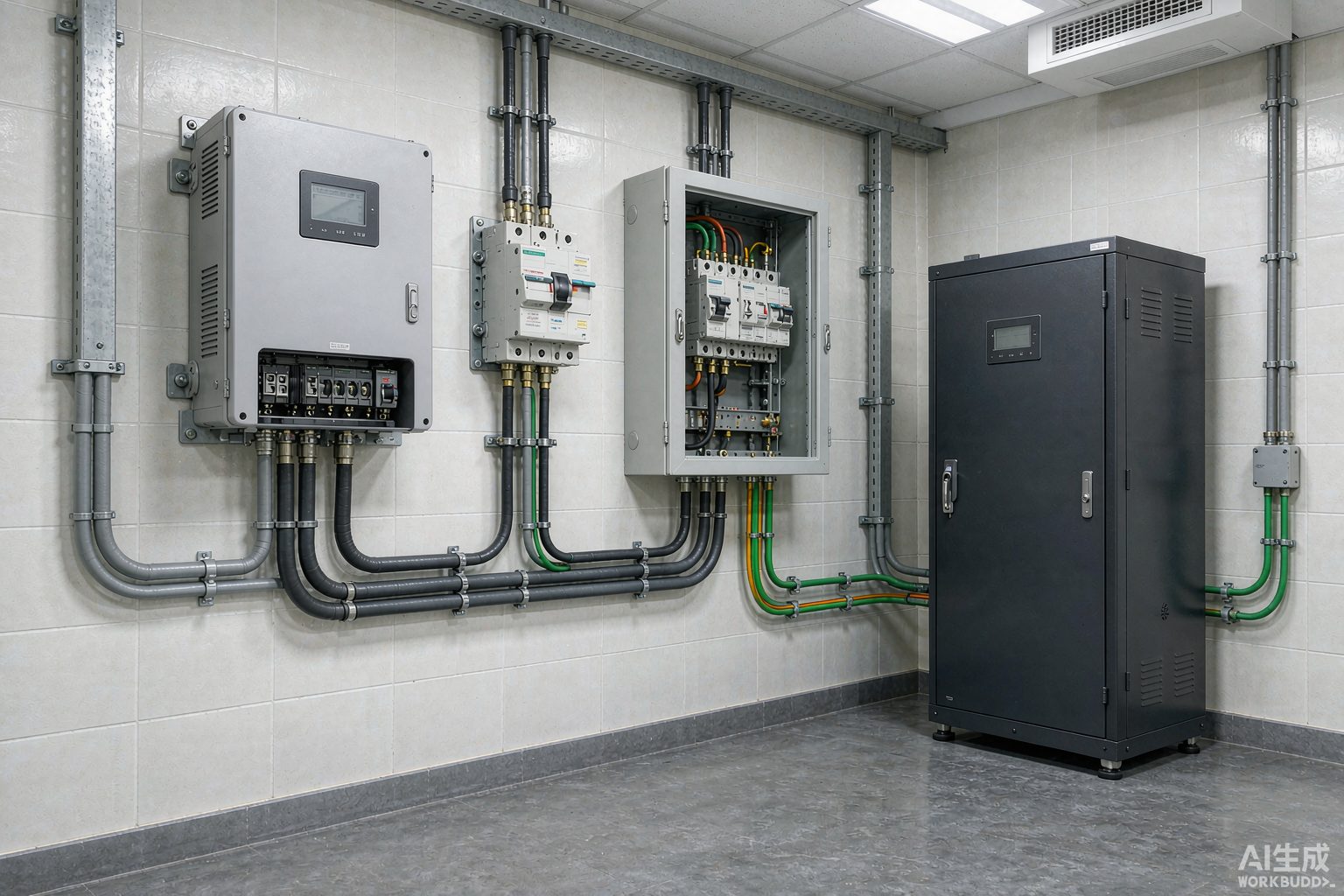
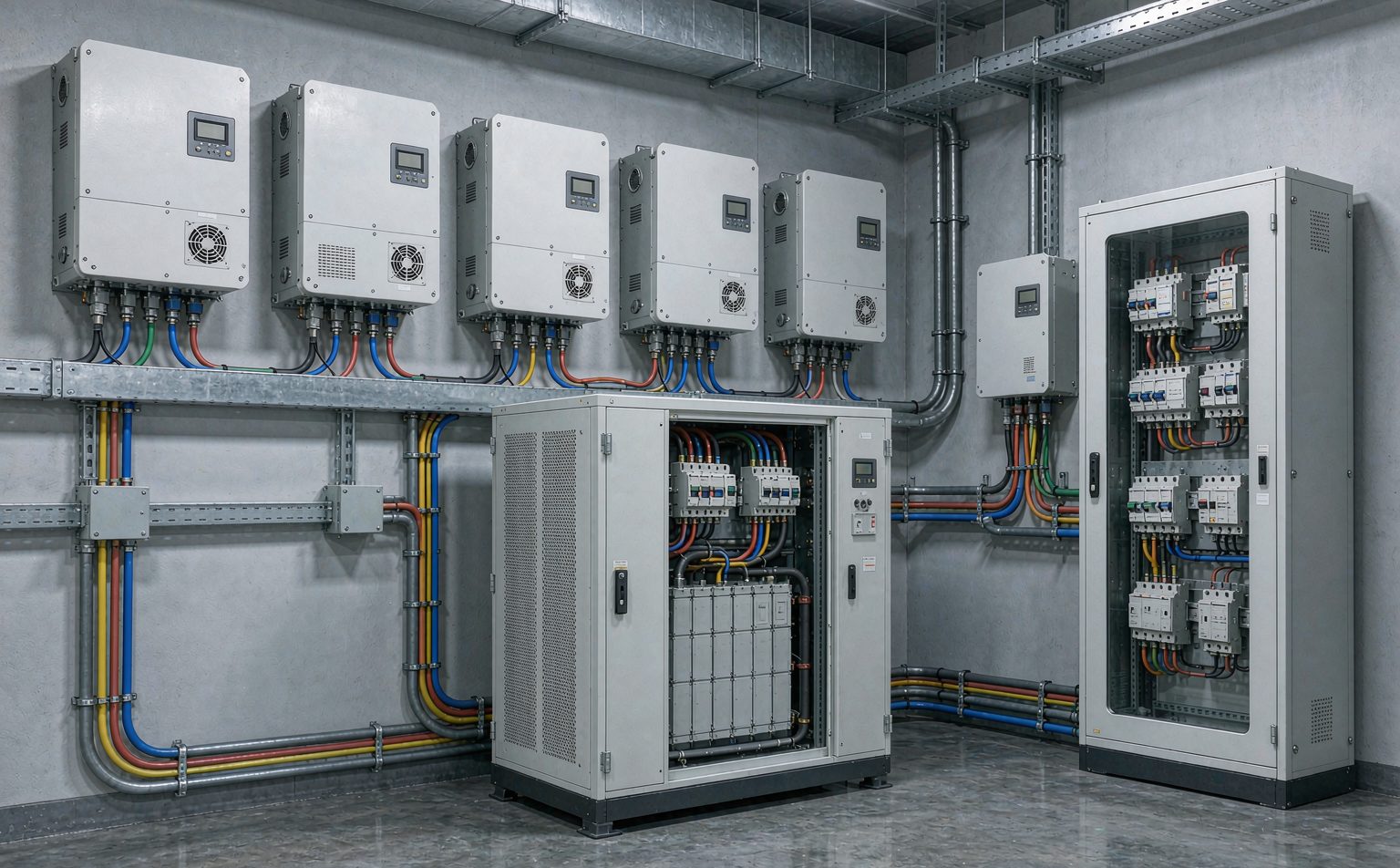
Inverters, combiner boxes and battery enclosures should be rated IP65 or IP66, with active thermal management and dehumidification for the battery compartment.
Modules should carry IEC 61215 and IEC 61730 certification, plus salt-mist corrosion testing to IEC 61701 for coastal sites.
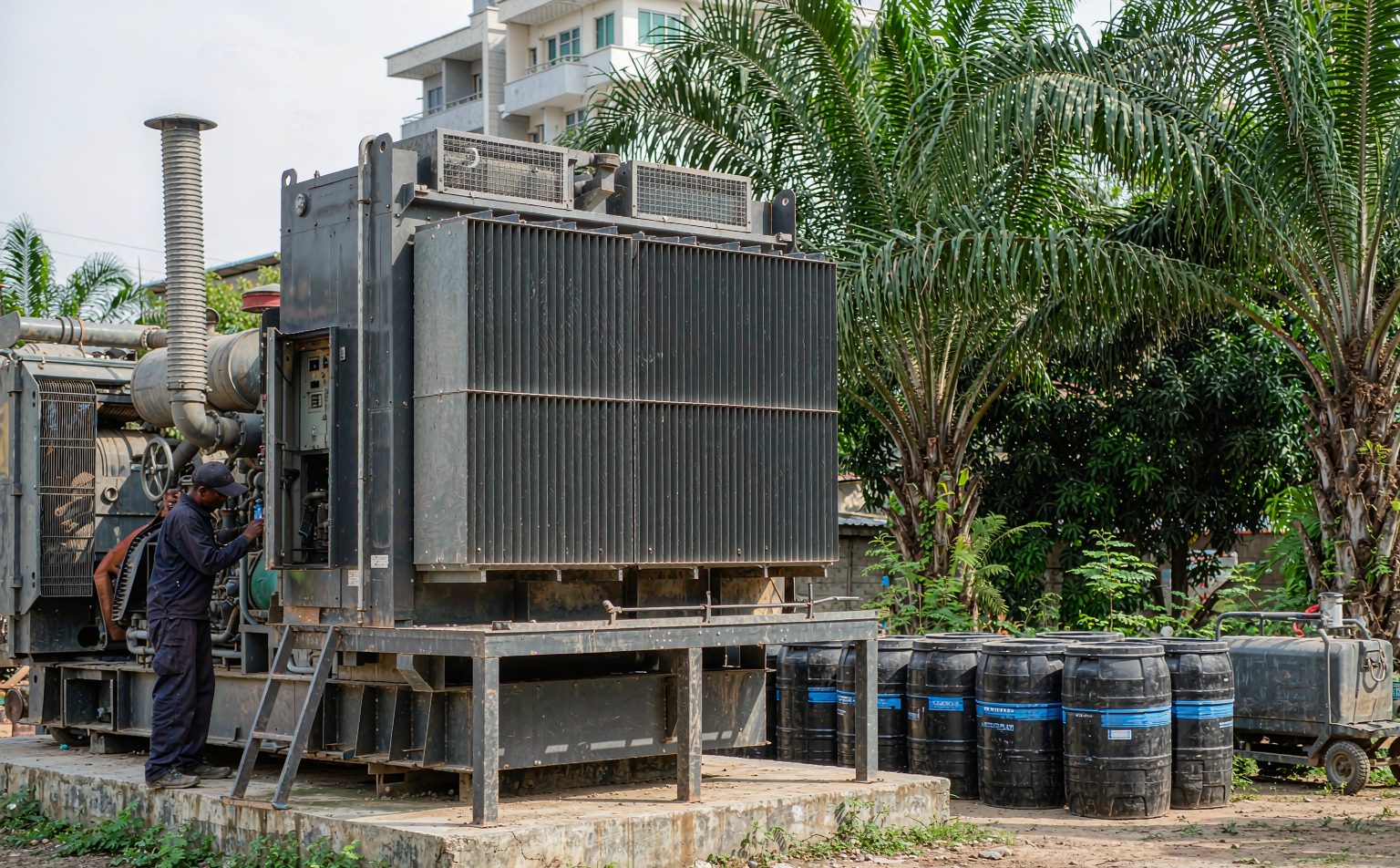
Retain grid or generator backup for the recovery period after a storm, and specify a lockable DC isolator so the array can be safely disconnected during repairs.