Curaçao 150 kW zonne-energiepark: hoe een Caribische kas 24/7 klimaatbeheersing en irrigatie zonder elektriciteitsnet realiseert
TL;DR — this 150kW solar system for farm project shows what a greenhouse needs when the grid cannot hold temperature control.
Metrisch | Waarde |
Systeemgrootte | 150 kW zonne-PV + 300 kWh LiFePO₄ BESS |
Locatie | Curaçao, Dutch Caribbean |
Sollicitatie | Kas met constante temperatuur + irrigatie met zonne-energiepomp |
Kernprobleem | Instabiel elektriciteitsnet → temperatuurschommelingen + uitval van irrigatie → oogstverlies |
Ontwerpdoel | 100% off-grid / zelfverbruik — geen afhankelijkheid van nutsbedrijven |
Temperatuurstabiliteit | ±1,5°C (voorheen: ±4–6°C) |
Kostenreductie | 85–95% elektriciteitskostenbesparing |
Opbrengstverbetering | +25–40% |
Projecttype | Zonne-energie voor de landbouw — netgekoppelde PV-panelen + opslag met eilandbedrijf + zonne-energiepomp |
1. De paradox van een zonovergoten eiland dat niet geschikt is voor landbouw.
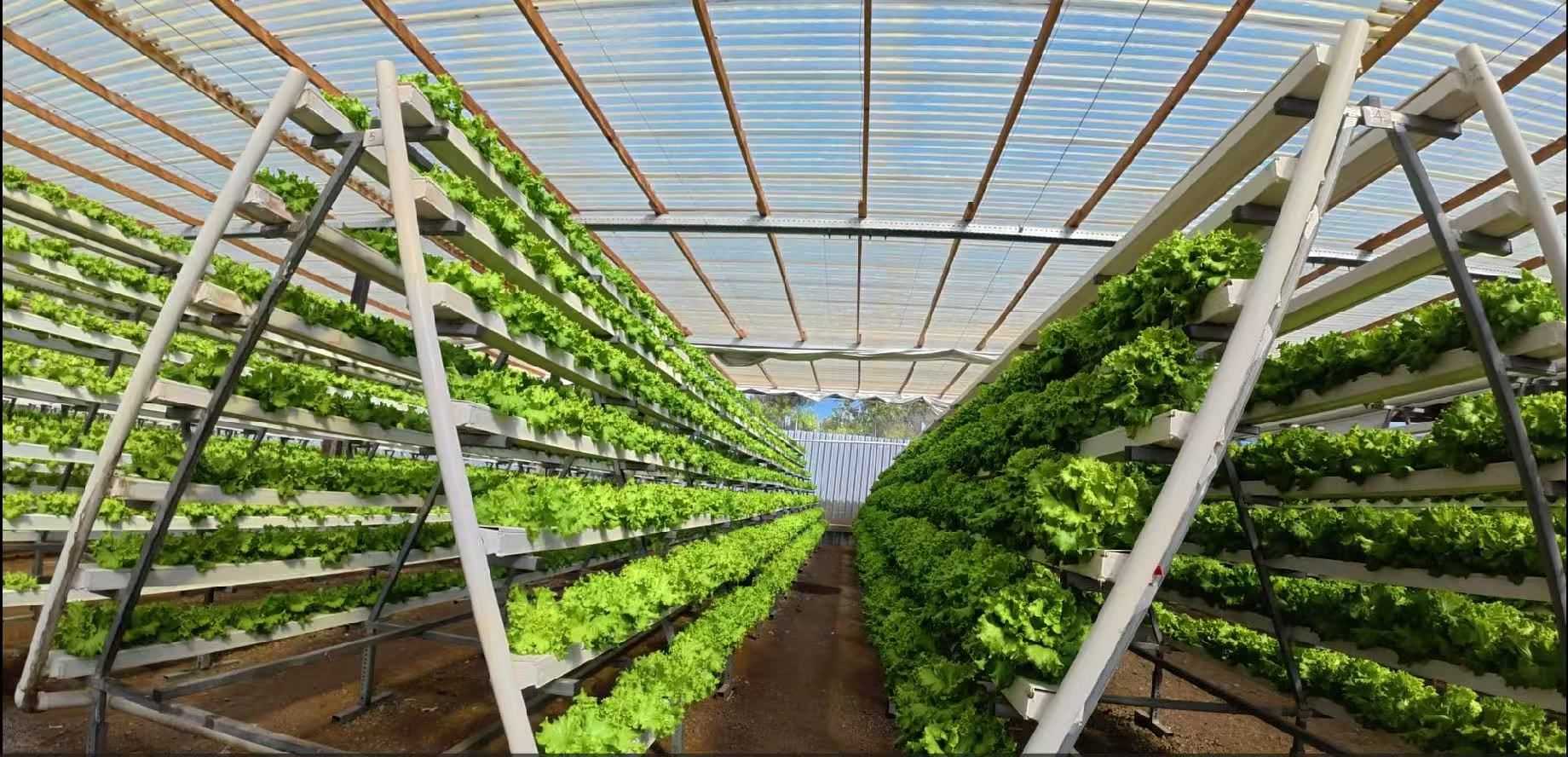
Curaçao is een Nederlands Caribisch eiland met meer dan 3000 zonuren per jaar en een constante temperatuur van 26-28°C. Geografisch gezien zou het eiland ideaal moeten zijn voor de groenteteelt.
Maar jarenlang lukte het lokale plantenkwekerijen niet om een stabiele, schaalbare productie te realiseren. Het probleem lag niet bij zonlicht, grond of water. Het probleem was... elektriciteit.
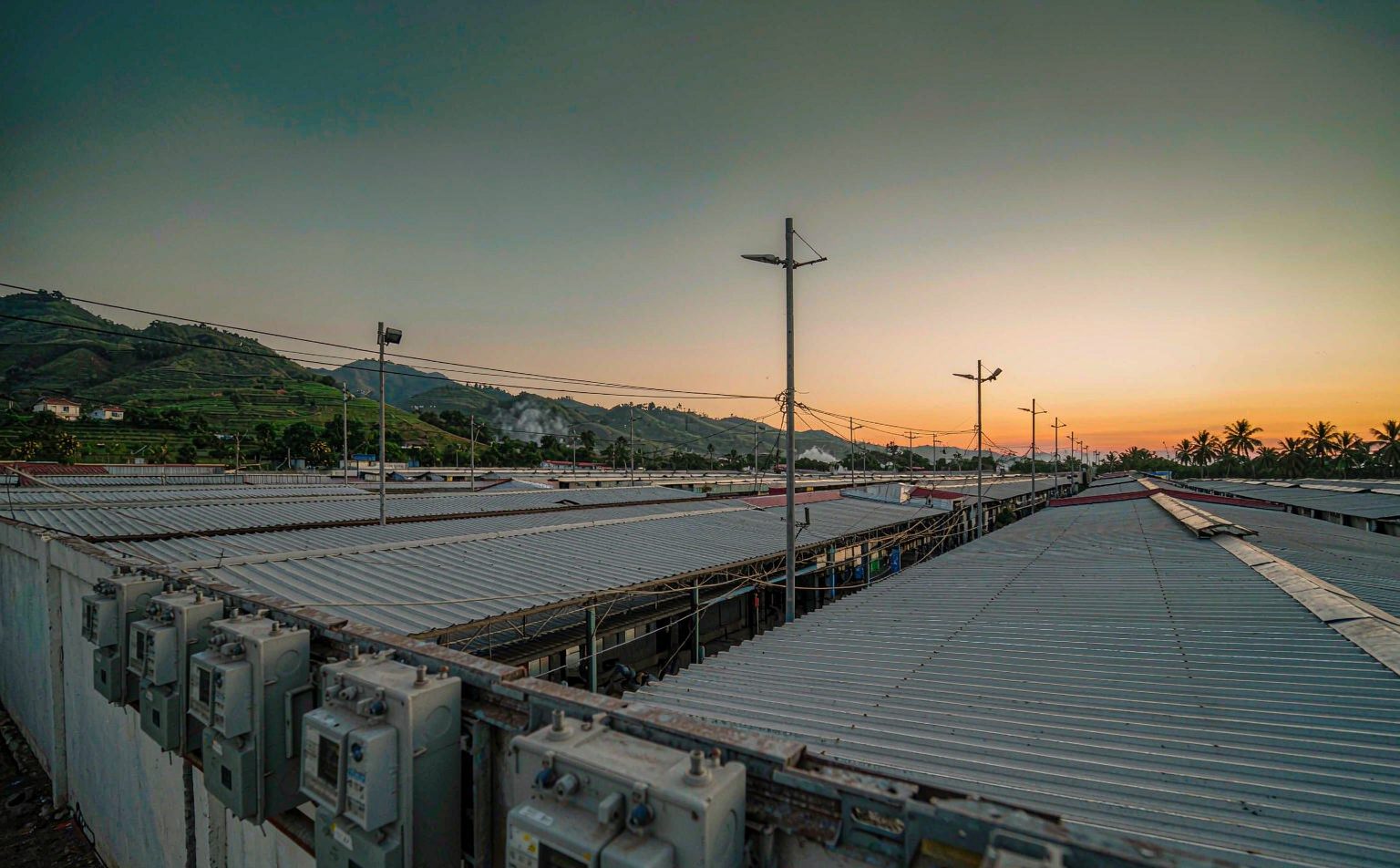
Curaçao wekt meer dan 901 ton elektriciteit op met geïmporteerde fossiele brandstoffen. Het elektriciteitsnet, beheerd door Aqualectra, kampt met verouderde infrastructuur en schommelende brandstofprijzen. De elektriciteitsprijzen hebben hier een negatieve invloed op. $0,30–0,45/kWh — 2 tot 3 keer zo hoog als het Amerikaanse gemiddelde. Spanningsdalingen en stroomuitval zijn aan de orde van de dag, vooral tijdens het orkaanseizoen.
Voor een moderne plantenkwekerij die eisen stelt aan... 24/7 klimaatgeregelde kassen En betrouwbare irrigatiepompen, Instabiliteit van het elektriciteitsnet is niet zomaar een ongemak, het is funest voor de oogst. Elke stroomschommeling vertaalt zich direct in temperatuurschommelingen in de kas, en temperatuurschommelingen betekenen minder opbrengst, wisselende kwaliteit en verspilde middelen.
Branchebenchmarks:
• Temperatuurafwijking in de kas van meer dan ±3°C → 15–25% opbrengstverlies bij bladgroenten
• Onderbreking van de irrigatie langer dan 24 uur → onherstelbare gewasschade
• De elektriciteitskosten in het Caribisch gebied behoren tot de hoogste op het westelijk halfrond.
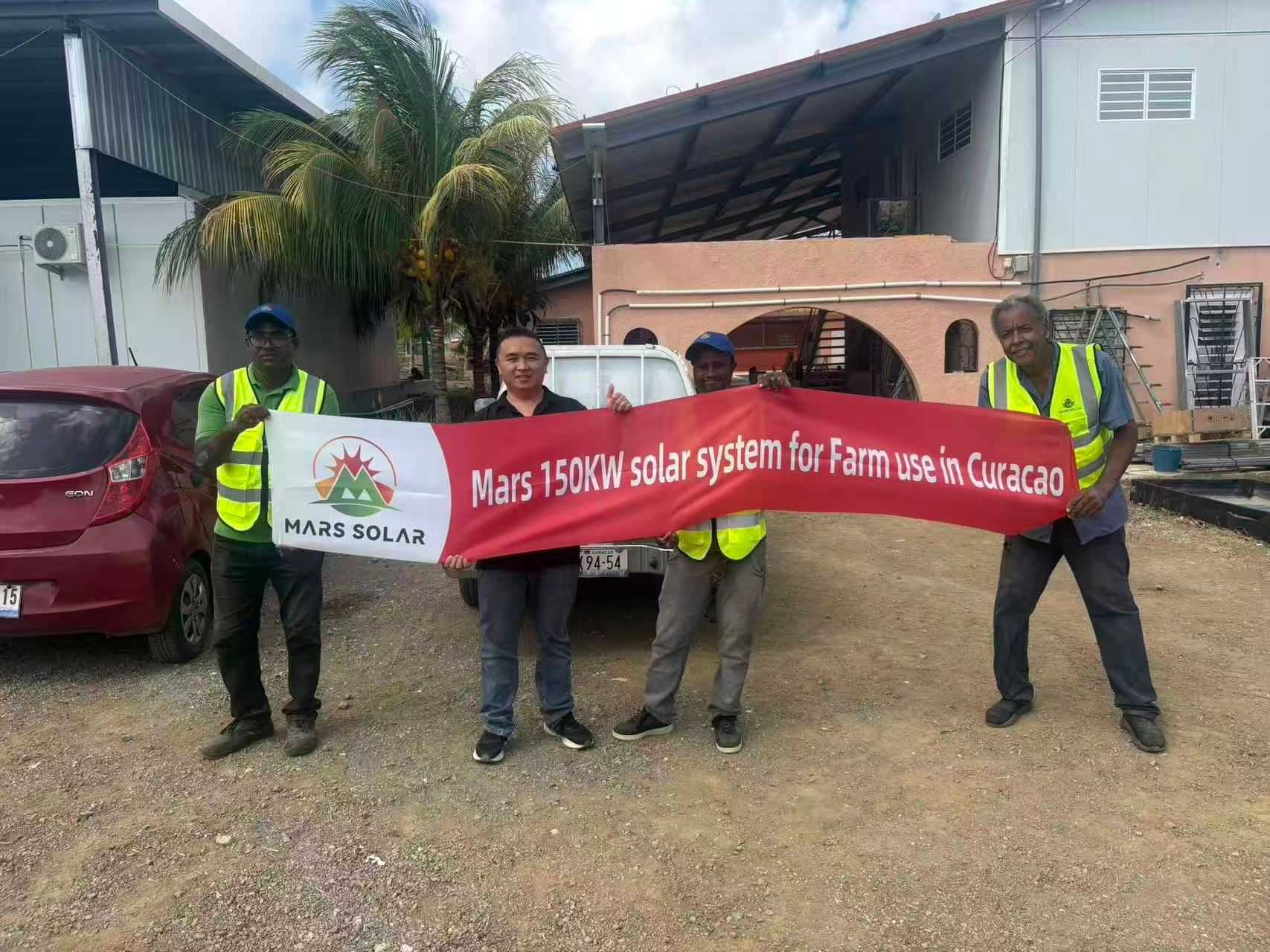
2. Projectoverzicht
Item | Specificatie |
Locatie | Curaçao, Nederlands Caribisch gebied |
Systeemgrootte | 150 kW + 300 kWh |
Sollicitatie | Kas met constante temperatuur + irrigatie met zonne-energiepomp |
Kernprobleem | Instabiel elektriciteitsnet → storing in temperatuurregeling + uitval van irrigatiesysteem → lage opbrengst |
Ontwerpdoel | 100% off-grid / zelfverbruik, geen afhankelijkheid van nutsbedrijven |
Systeemtype | Aangesloten op het elektriciteitsnet met automatische eilandbedrijfsschakeling en batterijback-up. |
3. Het probleem: Hoe instabiliteit van het elektriciteitsnet een broeikas kapotmaakt
Een moderne plantenkwekerij is een energieverslindend ecosysteem:
- Subsyteem voor klimaatregelingVentilatoren, vochtwerende gordijnen, zonwering, ventilatie — vereist 24/7 stroom om de temperatuur tussen 22 en 28 °C te handhaven.
- IrrigatiesubsysteemDompelpompen of oppervlaktepompen die water uit putten/opslagreservoirs halen en dit volgens schema naar de druppelirrigatiepompen transporteren.
- Monitoring en controle: Temperatuur-/vochtigheids-/CO₂-sensoren, IoT-gateway — laag stroomverbruik maar essentieel voor de missie
- Aanvullende verlichtingLED-groeilampen tijdens bewolkte dagen
Op het elektriciteitsnet van Curaçao kan een enkele stroomstoring van 4 uur, gevolgd door een temperatuurschok, leiden tot verwelking van bladeren, wortelstress en een degradatie van een hele oogst.
De opdracht van de boer was duidelijk: De kas loskoppelen van stroomstoringen.
4. De oplossing: een 3-in-1 zonne-architectuur van 150 kW + 300 kWh
Het engineeringteam ontwierp een fotovoltaïsch systeem van 150 kW + 300 kWh rond drie parallelle missies:
4.1 Energievoorziening van de kas
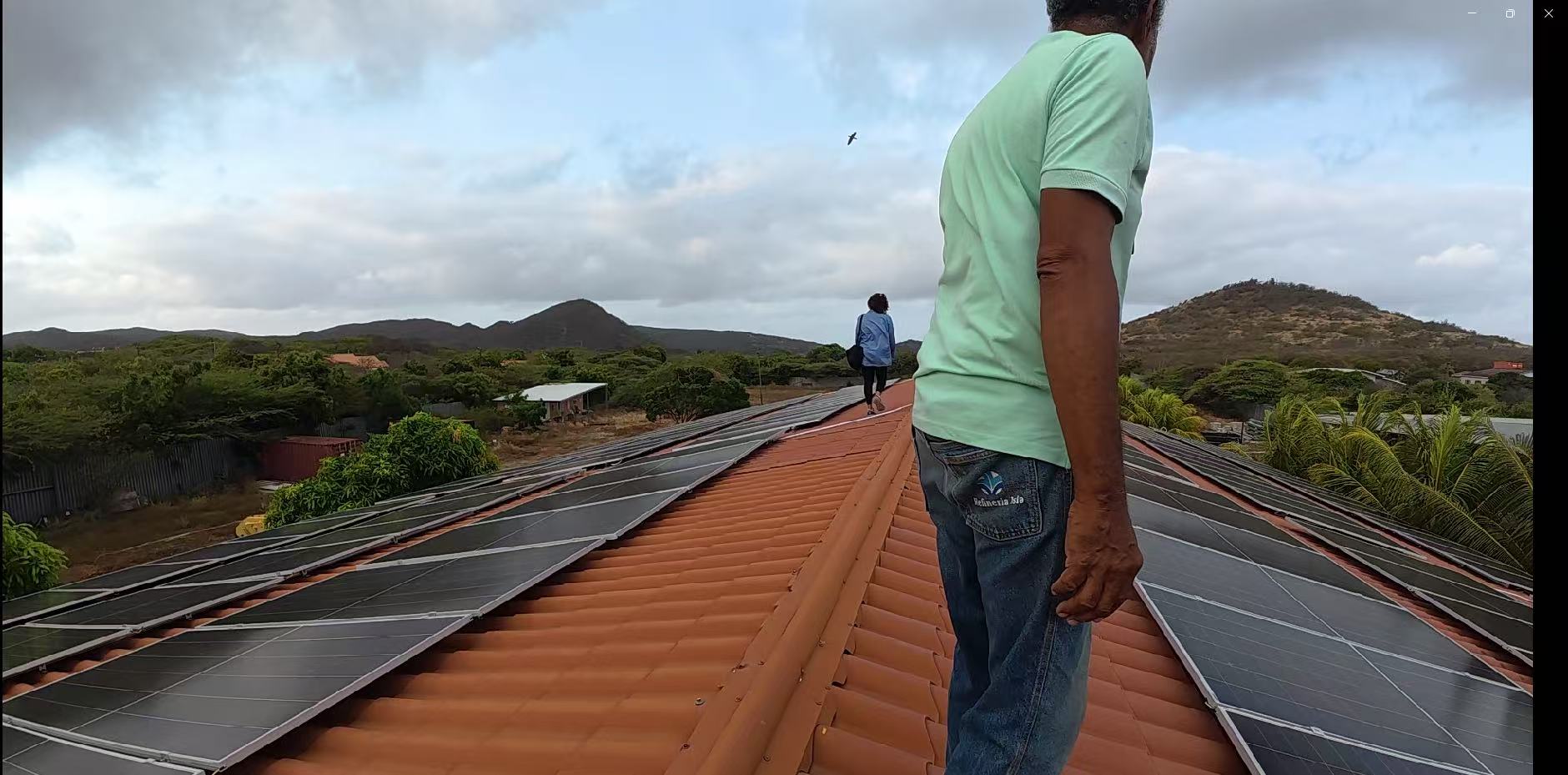
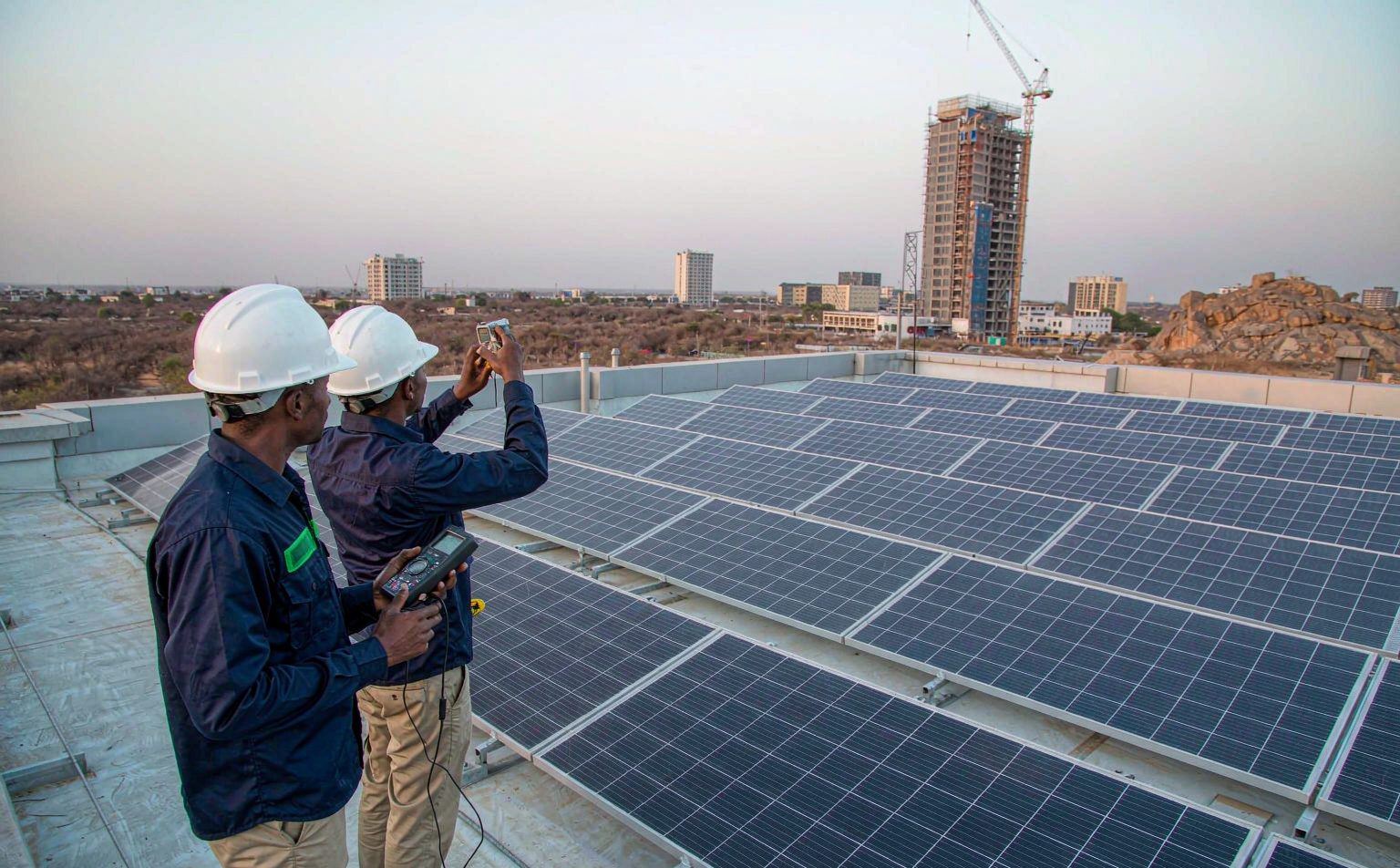
- PanelenMonokristallijn silicium, 590W × 255 eenheden, dak- en grondmontage
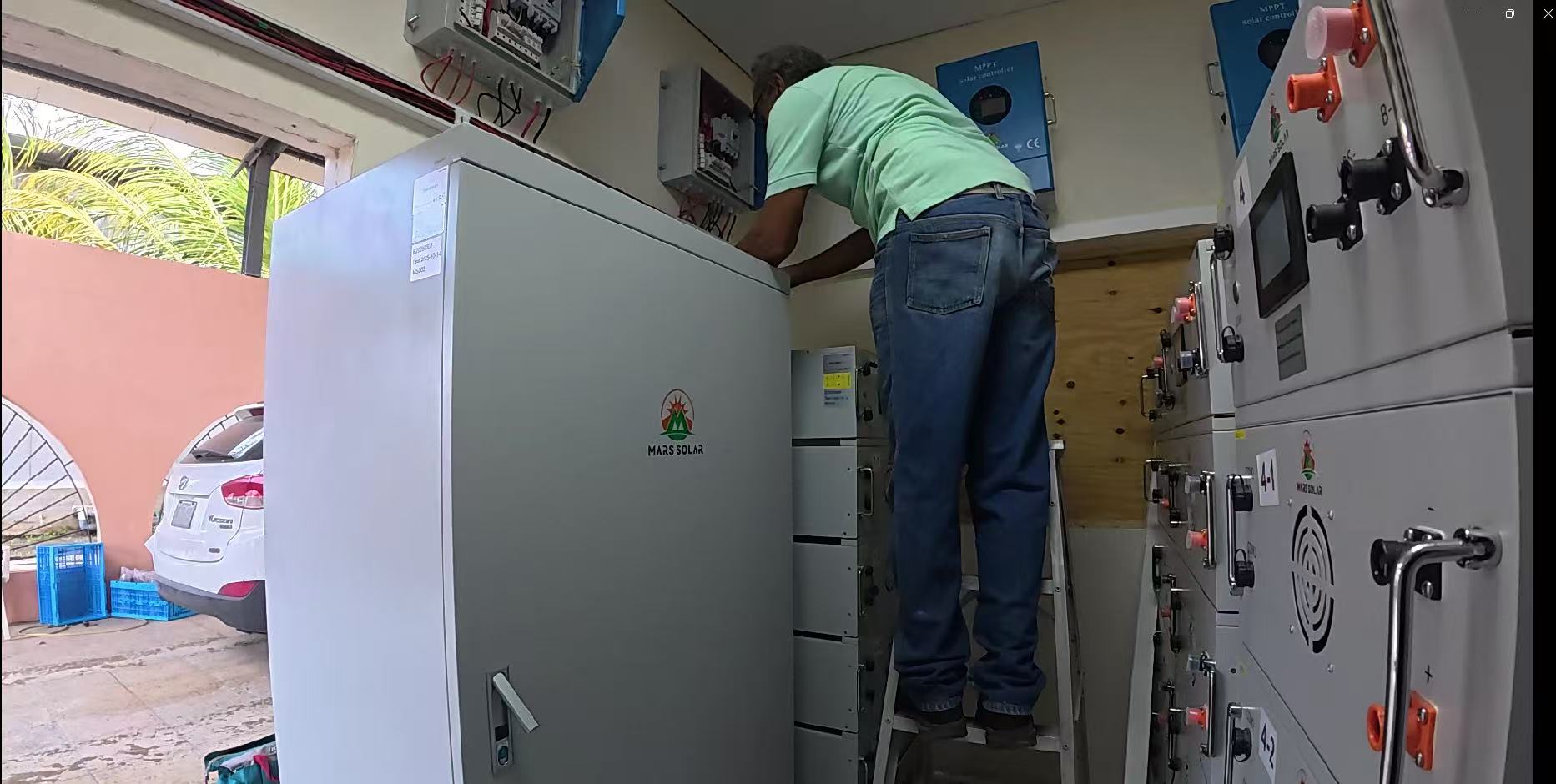
- Opslag: LiFePO₄-batterijbank, gedimensioneerd voor een basisbelasting gedurende de nacht × 12 uur (300 kWh)
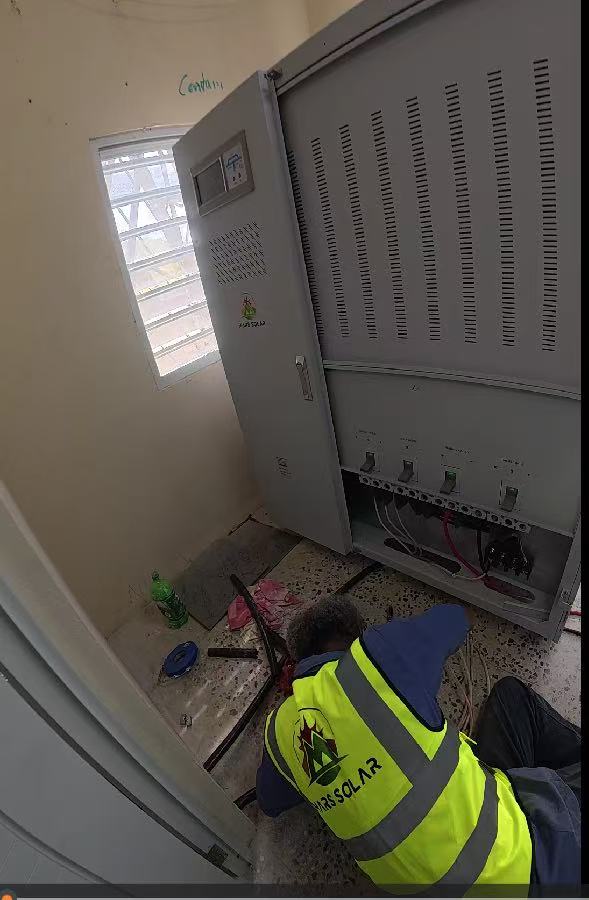
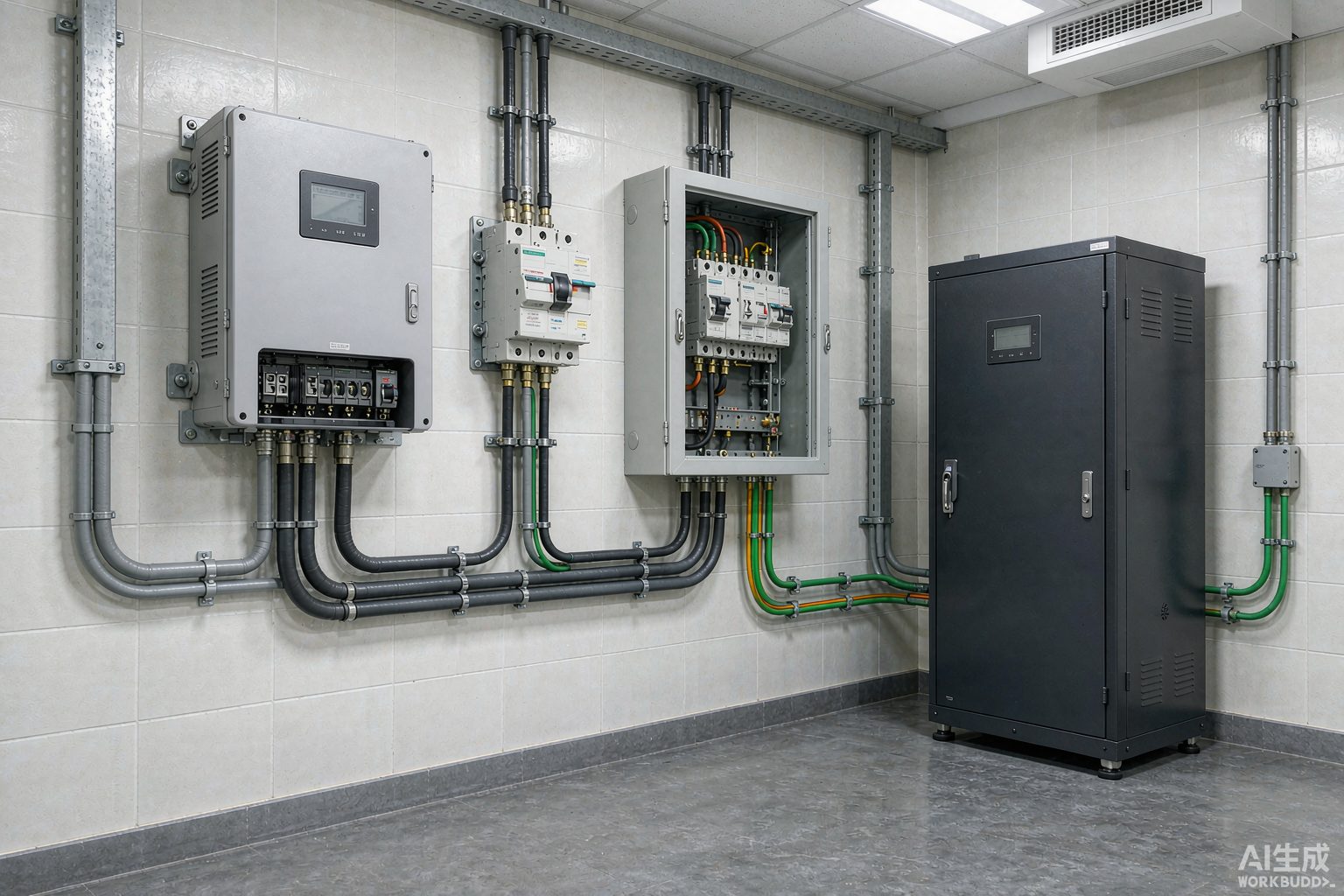
- schakelapparatuurAutomatische omschakelaar met netkoppeling en eilandbedrijf, naadloze overgang naar een niet-netgekoppelde situatie
- Klimaatzekerheid: Battery buffer maintains 26°C setpoint within ±1.5°C even under consecutive overcast days
4.2 Zonne-waterpomp en irrigatie
- Hybride topologiePV-directe aandrijving + batterijbuffer
- Overdag: zonnepanelen drijven de pomp rechtstreeks aan, waardoor de verhoogde opslagtank wordt gevuld; het overschot laadt de accu op.
- 's Nachts/bewolkt: batterijgevoede pomp haalt water uit de opslag, geen onderbreking van de irrigatie.
- De verhoogde tank fungeert tevens als "zwaartekrachtbatterij" — vrijwel geen verlies tijdens de heen- en terugreis.
4.3 Slimme bediening en bewaking op afstand
IoT-gebaseerd energiebeheersysteem (EMS) met smartphone-dashboard:
- PV-opwekking (kW) en dagelijkse cumulatieve opbrengst (kWh)
- Batterijlaadstatus (SOC %)
- Temperatuur en luchtvochtigheid in de kas (live + historisch overzicht)
- Pomplooptijd en cumulatief verpompt volume
5. Systeemstuklijst
component | Specificatie |
Zonnepanelen | Monokristallijn 590W × 255 eenheden |
Totale capaciteit | 150 kW + 300 kWh |
Omvormers | Stringomvormers × 3 stuks (50 kW elk) |
Batterijopslag | LiFePO₄, 300 kWh totaal |
Pompsysteem | AC-zonnewaterpomp met VFD |
Wateropslag | Verhoogde tank, inhoud circa 50–80 m³ |
Controle | Automatische omschakelaar + EMS |
Geschatte dagelijkse opbrengst | ~550–650 kWh (seizoensvariatie) |
Eigen consumptie | >95% |
6. Resultaten: Meetbare impact
Metrisch | Voor | Na |
Temperatuurstabiliteit in de kas | ±4–6°C | ±1,5°C (3× beter) |
Irrigatiebetrouwbaarheid | Stopt bij stroomuitval. | 100% altijd aan |
Elektriciteitskosten | $0.35+/kWh | ~$0,02–0,05/kWh |
Kostenbesparing | — | 85–95% |
Operationele dagen/jaar | ~300 | 365 (+22%) |
Opbrengst per vierkante meter | Basislijn | +25–40% |
Koolstofemissies | Netafhankelijk | CO2-neutraal |
Letterlijke woorden van de eigenaar
“Elk regenseizoen zaten we op scherp. Eén stroomstoring kon de ventilatoren, de airconditioning of de circulatiepompen beschadigen – en soms de oogst van een hele week verpesten. Nu draait het zonne-energiesysteem gewoon. De kas blijft op 26°C, de pomp slaat elke dag volgens schema aan. Eindelijk kunnen we onze tijd besteden aan het kweken van gewassen, in plaats van aan reparaties.”
— Eigenaar van een plantenkwekerij op Curaçao
7. Veelgestelde vragen
Vraag 1: Is 150 kW voldoende voor een tropische kas met irrigatie?
A: Ja. Curaçao ontvangt jaarlijks meer dan 3000 zonuren. Een systeem van 150 kW genereert ongeveer 550-650 kWh per dag – meer dan genoeg voor een middelgrote plantenkwekerij (0,4-0,8 hectare) met volledige klimaatbeheersing en irrigatie. Het ontwerp biedt 15-201 TP3T extra capaciteit voor extreme weersomstandigheden.
Vraag 2: Hoe werkt de zonne-waterpomp 's nachts?
A: Hybride systeem met 3 niveaus: (1) PV-pompen leveren overdag stroom aan een verhoogde tank, (2) een batterijbuffer levert stroom aan de pomp 's nachts/bij bewolkt weer, (3) de verhoogde tank fungeert als goedkope zwaartekrachtopslag.
Vraag 3: Welke temperatuurnauwkeurigheid kan de kas handhaven?
A: Veldmetingen tonen een afwijking van ±1,5°C rond de ingestelde temperatuur van 26°C met het zonne-energie- en batterijsysteem, vergeleken met ±4–6°C op het onbetrouwbare elektriciteitsnet.
Vraag 4: Wat is de terugverdienperiode?
A: Bij nettarieven van ~$0,35/kWh bespaart een systeem van 150 kW ~$70.000 per jaar. Gecombineerd met een opbrengstverhoging van 25–40% is de terugverdientijd doorgaans 3–5 jaar. De levensduur van de panelen is meer dan 25 jaar.
Vraag 5: Kan dit op andere Caribische eilanden worden herhaald?
A: Absoluut. Eilanden in het Caribisch gebied kampen met dezelfde kernproblemen: afhankelijkheid van geïmporteerde brandstof, hoge kosten en onbetrouwbare elektriciteitsnetten. Deze architectuur is een direct reproduceerbaar model.
Q6: What does a 150kW solar system for farm cost, and how is it split?
A: Budget in two blocks. The 150kW solar system for farm in Curaçao was engineered as one package — 150 kW of PV plus a 300 kWh LiFePO₄ bank — because a greenhouse load runs continuously rather than only in daylight. For a 150kW solar system for farm with overnight cooling, storage normally accounts for a large share of the equipment value, so a quotation that prices only the PV side is not comparable with one that covers the whole job.
Q7: How much roof or land does a 150kW solar system for farm need?
A: Roughly 700–900 m² of usable surface. The 150kW solar system for farm in this project used 255 monocrystalline modules of 590 W each, spread across roof and ground mount, so the two mounting types together absorbed constraints that neither could carry alone. On agricultural sites a 150kW solar system for farm can also be mounted on the irrigation reservoir or over a shade structure, which returns land to production.
Q8: Can a 150kW solar system for farm run irrigation and climate control together?
A: Yes, if both are in the design load. Irrigation pumps are motor loads and draw a surge at start-up, while fans and wet curtains run as a continuous block. The 150kW solar system for farm here was sized so the pump, the climate equipment and the pack house never compete for the same inverter capacity. A 150kW solar system for farm sized on average consumption alone will trip when the pump and the chiller start together.
Q9: How does a 150kW solar system for farm survive hurricane season?
A: By designing for the wind zone rather than the average day. The 150kW solar system for farm in Curaçao was specified with 15–20% headroom on generation, so consecutive overcast days after a storm do not drain the bank below the climate setpoint. Mounting and ballast are chosen for the local wind load, and the battery room is kept above flood level. A 150kW solar system for farm that ignores those two details loses its array first.
Q10: How is the battery sized on a 150kW solar system for farm?
A: On the overnight block, not on the array rating. The 150kW solar system for farm here holds a 300 kWh LiFePO₄ bank — roughly twelve hours of site baseload — because the greenhouse cannot drift outside its 22–28°C band when the sun is down. Sizing a 150kW solar system for farm from the PV rating instead of the night load is the single most common design error on agricultural projects.
Q11: Does a 150kW solar system for farm still need a diesel generator?
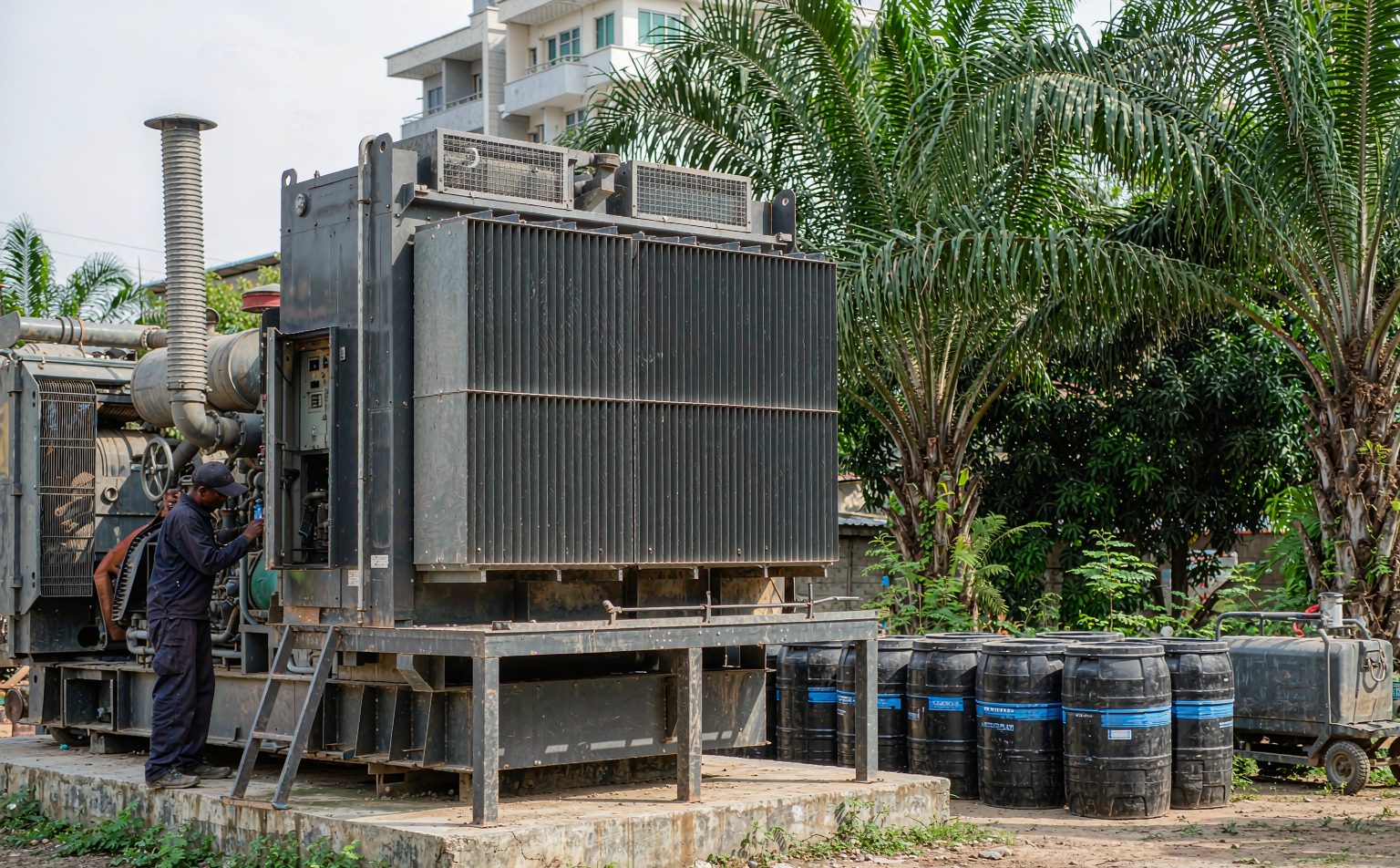
A: Not as a daily power source. The 150kW solar system for farm in this project runs the greenhouse and the irrigation pump with no utility input, and the farm reported self-consumption above 95%. Some operators still keep a small dieselgenerator as an insurance policy for extended storm periods, which is a reasonable decision for a 150kW solar system for farm where a single lost harvest costs more than a standby unit.
Q12: How long does a 150kW solar system for farm take to install?
A: Six to ten weeks from contract, including site survey, civil works, mounting, battery room preparation and commissioning. A 150kW solar system for farm is normally energised zone by zone, so the greenhouse keeps operating while the array goes up. Factory pre-assembly of the battery skid and the control panel is what compresses the site programme — the more of a 150kW solar system for farm that is wired and tested before shipping, the fewer days the farm loses.
Q13: What certification should a 150kW solar system for farm carry?
A: Modules to IEC 61215 and IEC 61730, inverters to IEC 62109, lithium cells to IEC 62619 with a UN 38.3 transport report, and CE or equivalent marking for the destination. A 150kW solar system for farm assembled from uncertified components is difficult to insure and almost impossible to resell as part of the land asset. Ask for the certificate numbers with the quotation, then confirm the holder — factory acceptance test reports should name the same entity.
Q14: How is a 150kW solar system for farm monitored once it is running?
A: Remotely, at string level. The 150kW solar system for farm here reports generation, state of charge, inverter temperature and pump run-hours to a portal the owner can open from a phone. That matters on a farm because the first symptom of a blocked array or a failing pump is a trend, not an alarm. A 150kW solar system for farm without remote monitoring turns every small fault into a site visit.
Q15: Can a 150kW solar system for farm be expanded later?
A: Yes if the AC architecture allows it. The 150kW solar system for farm in this project uses rack-mounted LFP cabinets and a bidirectional inverter, so additional storage can be added without replacing the conversion equipment. Decide the expansion path during the first 150kW solar system for farm, not after the pack house has outgrown it, because retrofitting a 150kW solar system for farm around a fully loaded inverter is expensive.
Q16: Which crops suit a 150kW solar system for farm best?
A: Protected crops with a narrow temperature band. Leafy greens, herbs and propagation nurseries lose 15–25% of yield once greenhouse temperature deviates beyond ±3°C, which is exactly what an unstable grid produces. That is why the 150kW solar system for farm studied here targeted ±1.5°C. A 150kW solar system for farm delivers the most value where the crop is sensitive and the grid is not reliable.
Q17: How does a 150kW solar system for farm handle the rainy season?
A: On stored energy plus headroom. The 150kW solar system for farm in Curaçao was specified with 15–20% generation headroom precisely so that consecutive overcast days do not pull the battery below the climate setpoint, and the elevated irrigation tank acts as extra buffer for the pump. A 150kW solar system for farm sized on the annual average rather than on the worst week will always be short in the wet months.
Q18: What is the biggest mistake buyers make with a 150kW solar system for farm?
A: Sizing on the array rather than on the load. A 150kW solar system for farm is sold by kWp but paid back by kWh delivered when the crop needs them, which on a protected farm means at night. Buyers who compare a 150kW solar system for farm on module price alone usually end up with an under-sized battery and a generator that runs more hours than the model predicted.
8. Waarom dit belangrijk is voor internationale kopers
Deze casestudie illustreert bewezen, betrouwbare prestaties in een van de meest uitdagende elektriciteitsnetomgevingen ter wereld. Als het betrouwbaar werkt op een orkaangevoelig Caribisch eiland met een netspanning van $0,45/kWh, dan zal het overal presteren.
Belangrijkste conclusies voor internationale kopers:
- Temperatuurgevoelige gewassen (bladgroenten, kruiden, microgroenten, medicinale planten) profiteren het meest — rendement op investering door zowel energiebesparing als opbrengstverbetering.
- Op eilanden en afgelegen locaties is de terugverdientijd het snelst vanwege de hoge basiskosten voor elektriciteit.
- De LFP-batterij + zonne-energiepomp + verhoogde tankarchitectuur is beproefd en modulair — schaalbaar van 50 kW tot 5 MW.
- Dankzij volledige bewaking op afstand kan één technicus vanuit een centrale locatie toezicht houden op meerdere locaties.
9. Conclusie: Van netafhankelijk naar zonne-energie
Wat dit project voor een plantenpark van 150 kW zo bijzonder maakt, is niet de allernieuwste technologie. Het is de De elegante eenvoud waarmee twee cruciale knelpunten met één geïntegreerd systeem worden opgelost. — stroomvoorziening voor de kas en waterlevering voor irrigatie — op een afgelegen eiland waar het elektriciteitsnet geen van beide betrouwbaar kon leveren.
Voor internationale kopers die zonne-energieoplossingen voor de landbouw overwegen, biedt deze casestudy een duidelijk signaal: Het businessplan is vandaag de dag nog steeds geldig.
- De kosten van zonnepanelen zijn de afgelopen tien jaar met ongeveer 851 ton gedaald.
- De prijzen van LFP-batterijen blijven structureel dalen.
- Cloudgebaseerde bewaking op afstand maakt beheer op meerdere locaties praktisch uitvoerbaar.
- De gecombineerde besparingen (energie + hogere opbrengst) zorgen voor een terugverdientijd van 3-5 jaar.
Waar het elektriciteitsnet uitvalt, levert zonne-energie. Punt uit.
Deze casestudy is gebaseerd op een afgerond project. Neem voor projectaanvragen, OEM-partnerschappen of distributiemogelijkheden contact op met ons team.
Bent u op zoek naar een microgrid met zonne-energieopslag voor uw boerderij?
Neem contact op met ons engineeringteam. Voor een gratis locatiebeoordeling en een systeemontwerp op maat.
Why This Project Matters
A 150kW solar system for farm load is different from any building: irrigation pumps run on a schedule, greenhouses must hold temperature continuously, and a power cut during a growing cycle can destroy a crop worth more than the system itself.
That combination is what makes a 150kW solar system for farm project worth studying: the load is unforgiving, the cost of failure is high, and the economics have to work on measured results rather than on a vendor's estimate.
Sizing and Engineering Decisions
Elke 150kW solar system for farm project starts with 7 to 14 days of logged consumption. Base load is separated from peak load, generation is sized on daytime consumption, and storage is sized on the overnight block. Motor-driven equipment adds a surge requirement that catches out quotations based on average draw alone.
Where a site must never lose supply, we size for autonomy rather than for bill savings — a different calculation that usually means a larger bank and a bidirectional inverter with automatic transfer.
Supplying This Kind of Project
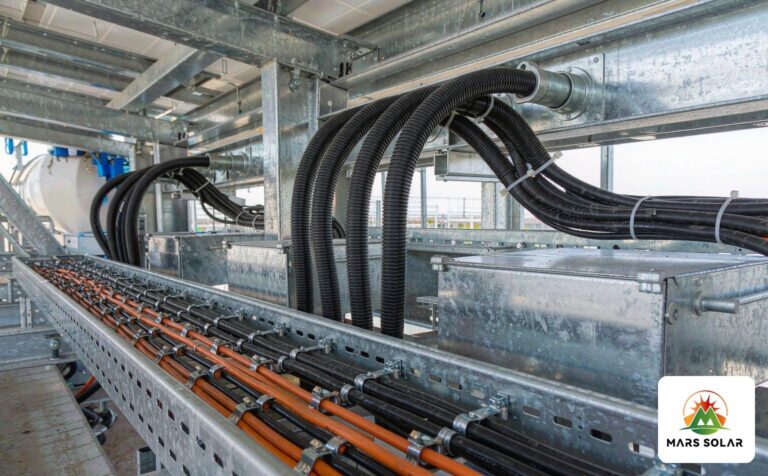
Mars Solar builds and exports 150kW solar system for farm packages factory-direct: PV modules, mounting, hybrid or bidirectional inverters, LiFePO4 storage, protection, cabling and remote monitoring, all tested together before shipment and certified to CE, RoHS, TUV and ISO.
See comparable hardware on our in een rek gemonteerde energieopslagaccu page, and the FAO energy programme for how reliable supply affects output in these markets.
Irrigation pumps are the load that kills most farm systems first, because starting current and dry-run cycles punish contactors long before they punish panels. The seven wiring rules that keep a pump circuit alive are covered in CNCJ's guide to relay control for water pumps.

 English
  Arabic
  Spanish
  French
  Dutch
Dutch  Portuguese