
Idioma
Métrico | Valor |
Tamaño del sistema | Energía solar fotovoltaica de 150 kW + LiFePO₄ BESS de 300 kWh |
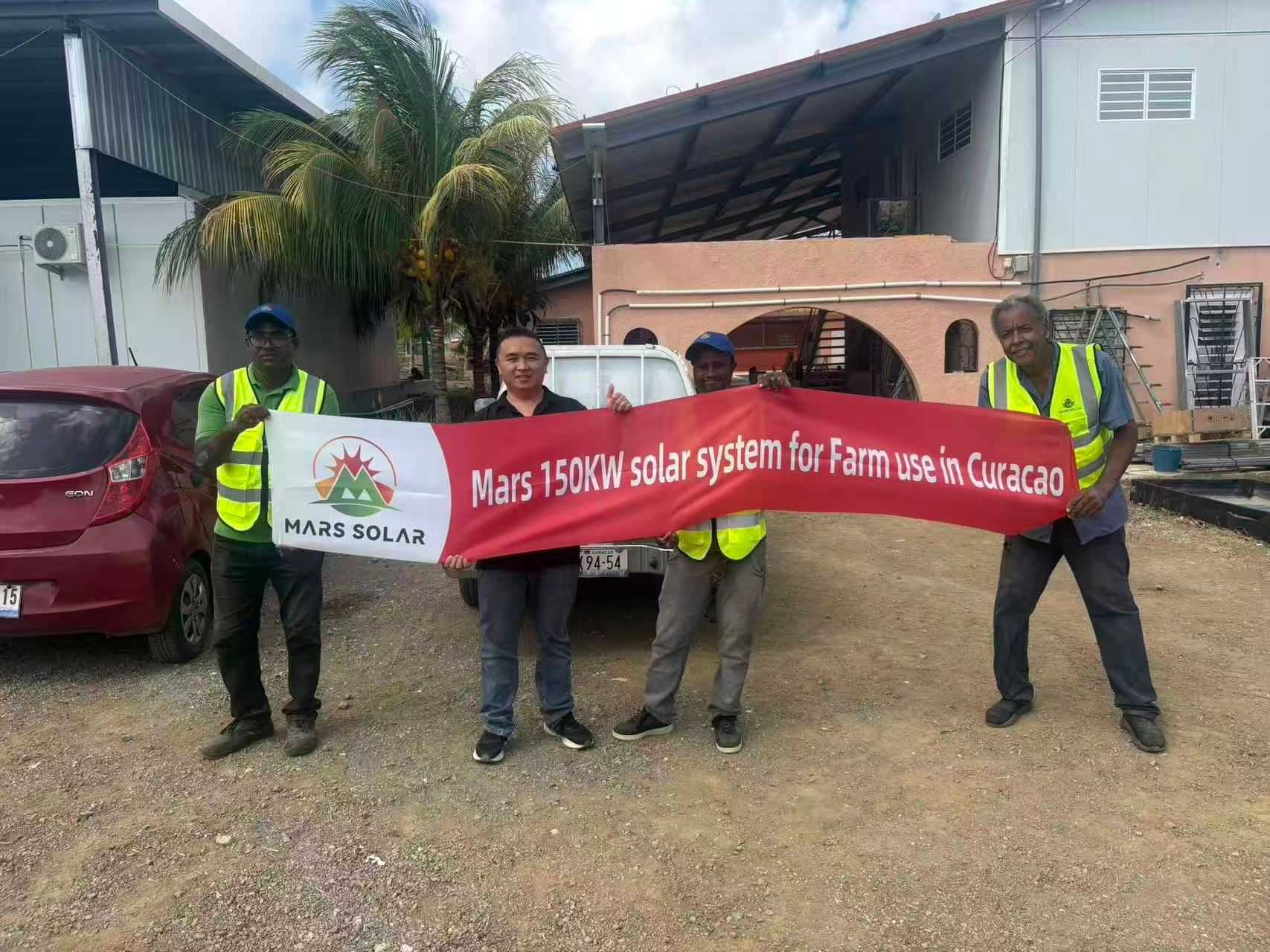
Ubicación | Curaçao, Dutch Caribbean |
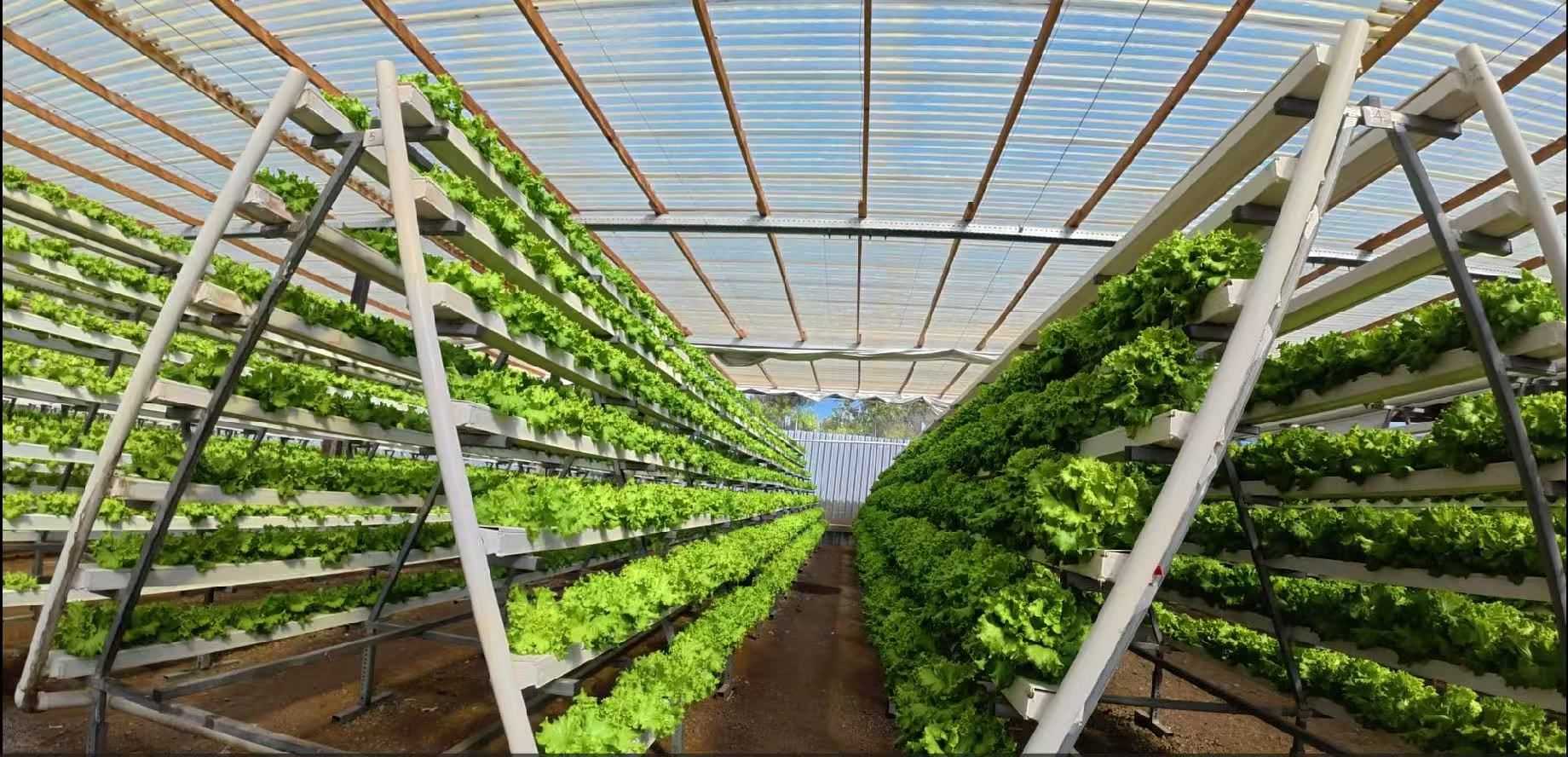
Solicitud | Invernadero con temperatura controlada + riego mediante bomba de agua solar |
Problema central | Red eléctrica inestable → fluctuaciones de temperatura + interrupción del riego → pérdida de cosechas |
Objetivo de diseño | 100% fuera de la red / autoconsumo — dependencia cero de la red eléctrica |
Estabilidad de temperatura | ±1,5 °C (antes: ±4–6 °C) |
Reducción de costos | Ahorro en costos de electricidad 85–95% |
Mejora del rendimiento | +25–40% |
Tipo de proyecto | Energía solar agrícola: sistema fotovoltaico conectado a la red + almacenamiento con funcionamiento en modo isla + bomba solar. |
Curazao, una isla caribeña neerlandesa con más de 3000 horas de sol al año y temperaturas que oscilan entre los 26 y los 28 °C durante todo el año, es, desde cualquier punto de vista geográfico, un lugar ideal para el cultivo de hortalizas.
Pero durante años, las granjas de plantas locales no pudieron lograr una producción estable y escalable. El problema no era la luz solar, el suelo o el agua. electricidad.
Curaçao genera más de 90% de su energía a partir de combustibles fósiles importados. La red, operada por Aqualectra, sufre de infraestructura obsoleta y costos de combustible volátiles. Los precios de la energía se disparan. $0,30–0,45/kWh — 2-3 veces el promedio de EE. UU. Las bajadas de tensión y los apagones son habituales, especialmente durante la temporada de huracanes.
Para una granja de plantas moderna que exige Invernaderos con climatización las 24 horas del día, los 7 días de la semana. y Bombeo de riego fiable, La inestabilidad de la red eléctrica no es un inconveniente, sino un desastre para los cultivos. Cada fluctuación de energía se traduce directamente en variaciones de temperatura dentro del invernadero, y estas variaciones implican pérdidas de cosecha, calidad inconsistente y desperdicio de insumos.
Puntos de referencia del sector:
• Desviación de la temperatura del invernadero superior a ±3 °C → Pérdida de rendimiento de 15–251 TP3T en hortalizas de hoja verde
• Interrupción del riego >24 horas → daño irreversible a los cultivos
• Los costos de la electricidad en el Caribe se encuentran entre los más altos del hemisferio occidental.
Artículo | Especificación |
Ubicación | Curazao, Caribe neerlandés |
Tamaño del sistema | 150 kW + 300 kWh |
Solicitud | Invernadero con temperatura constante + riego mediante bomba de agua solar |
Problema central | Red inestable → fallo del control de temperatura + tiempo de inactividad del riego → bajo rendimiento |
Objetivo de diseño | 100% fuera de la red / autoconsumo, sin dependencia de la red eléctrica. |
Tipo de sistema | Conectado a la red eléctrica con funcionamiento en modo isla automático y batería de respaldo. |
Una granja de plantas moderna es un ecosistema que consume mucha energía:
En la red eléctrica de Curaçao, un solo apagón de 4 horas seguido de un choque térmico puede provocar el marchitamiento de las hojas, estrés en las raíces y la degradación de toda una cosecha.
Las instrucciones del propietario de la granja eran claras: desvincular el efecto invernadero de los fallos de la red eléctrica.
El equipo de ingeniería diseñó un sistema fotovoltaico de 150 kW + 300 kWh en torno a tres misiones paralelas:
Sistema de gestión energética (EMS) habilitado para IoT con panel de control para smartphone:
Componente | Especificación |
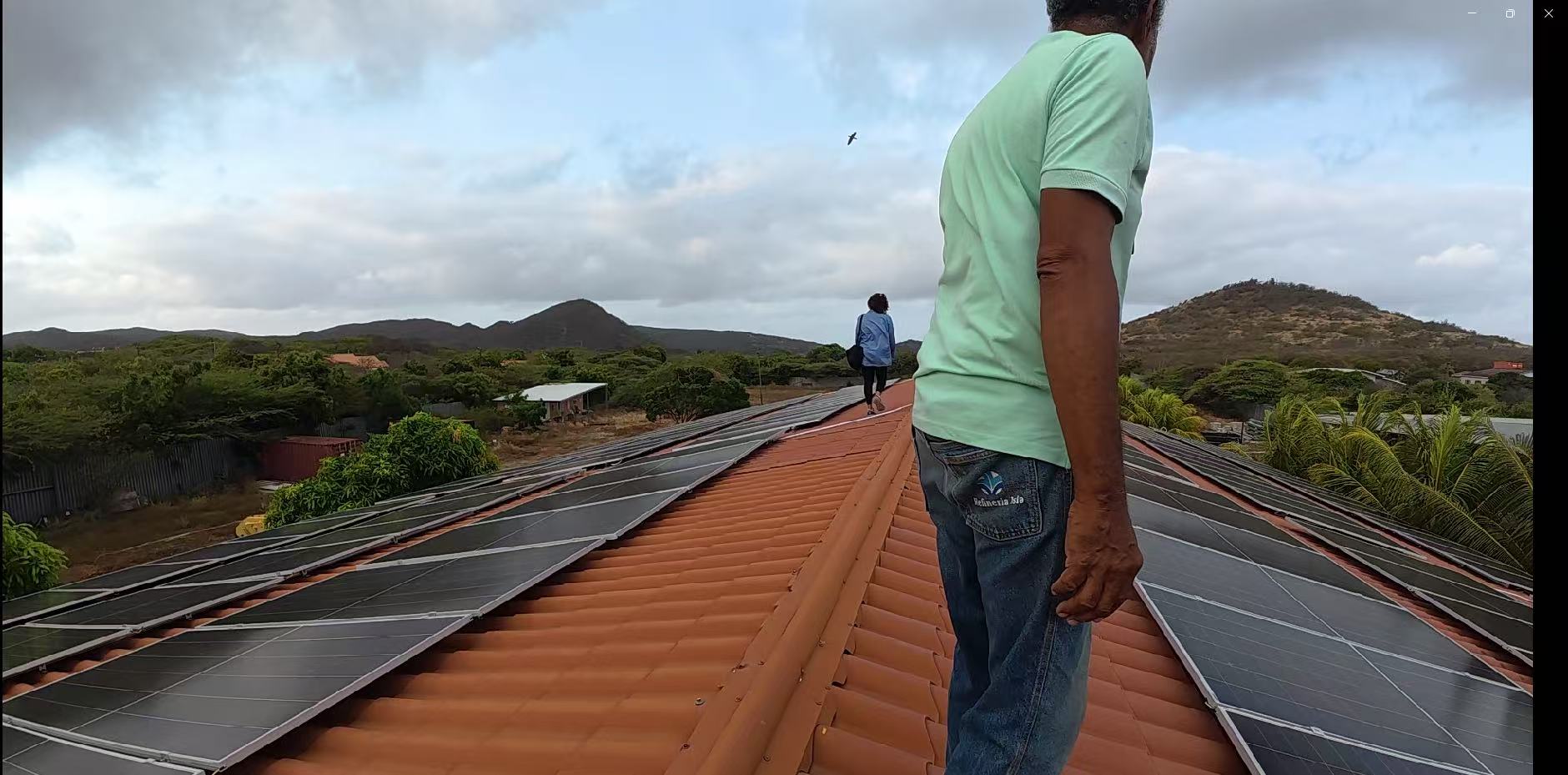
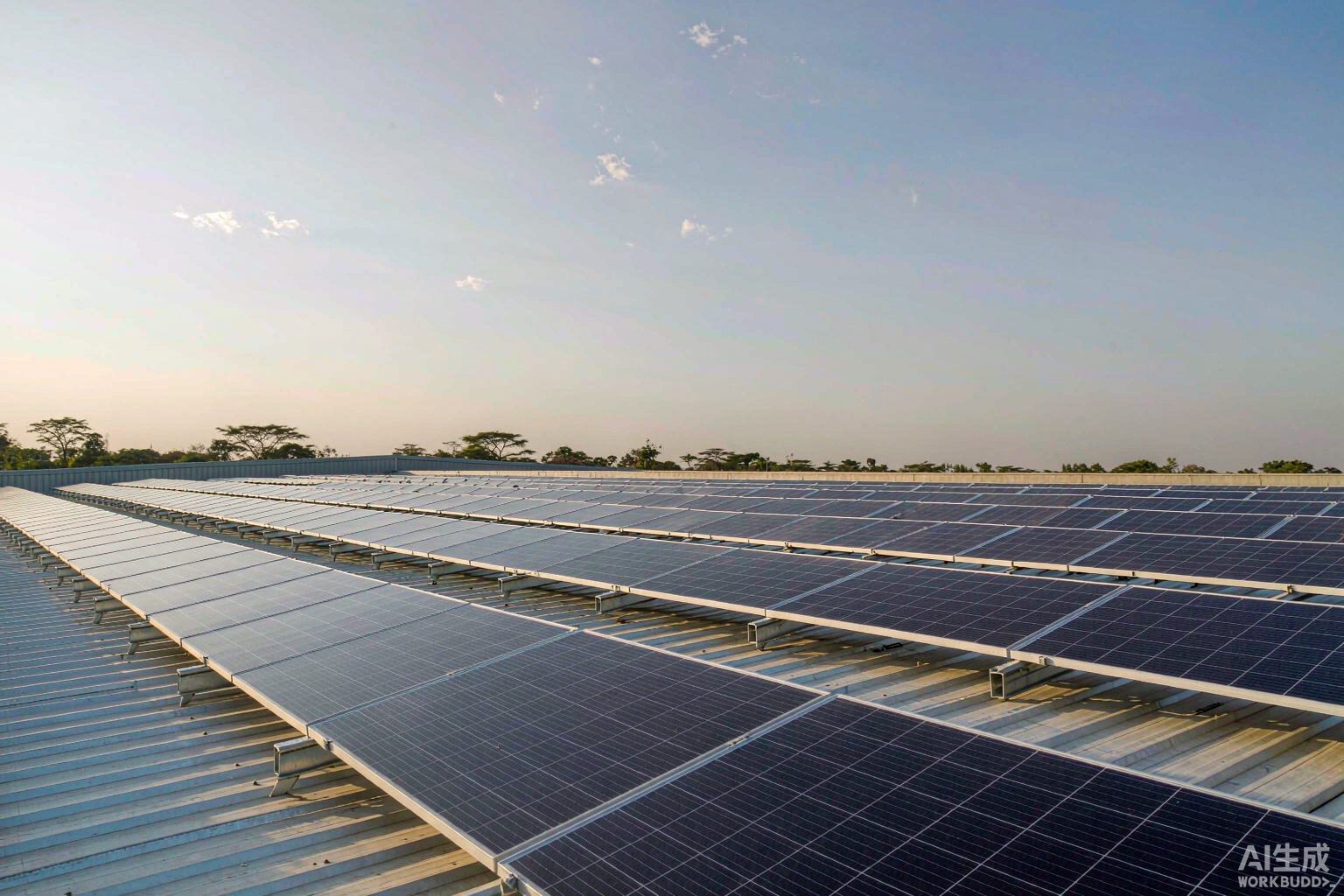
Paneles solares | Monocristalino 590W × 255 unidades |
Capacidad total | 150 kW + 300 kWh |
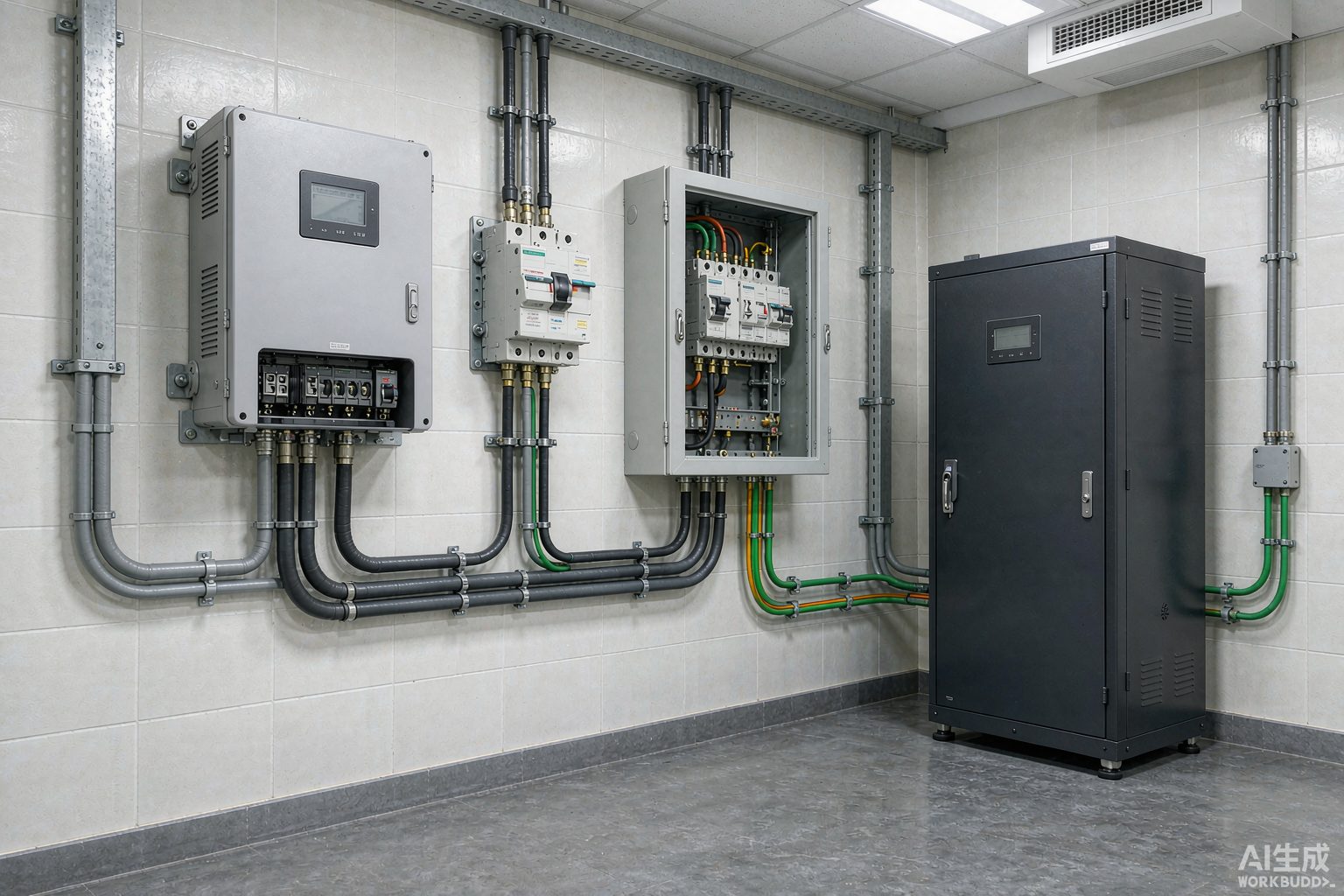
Inversores | Inversores de cadena × 3 unidades (50 kW cada una) |
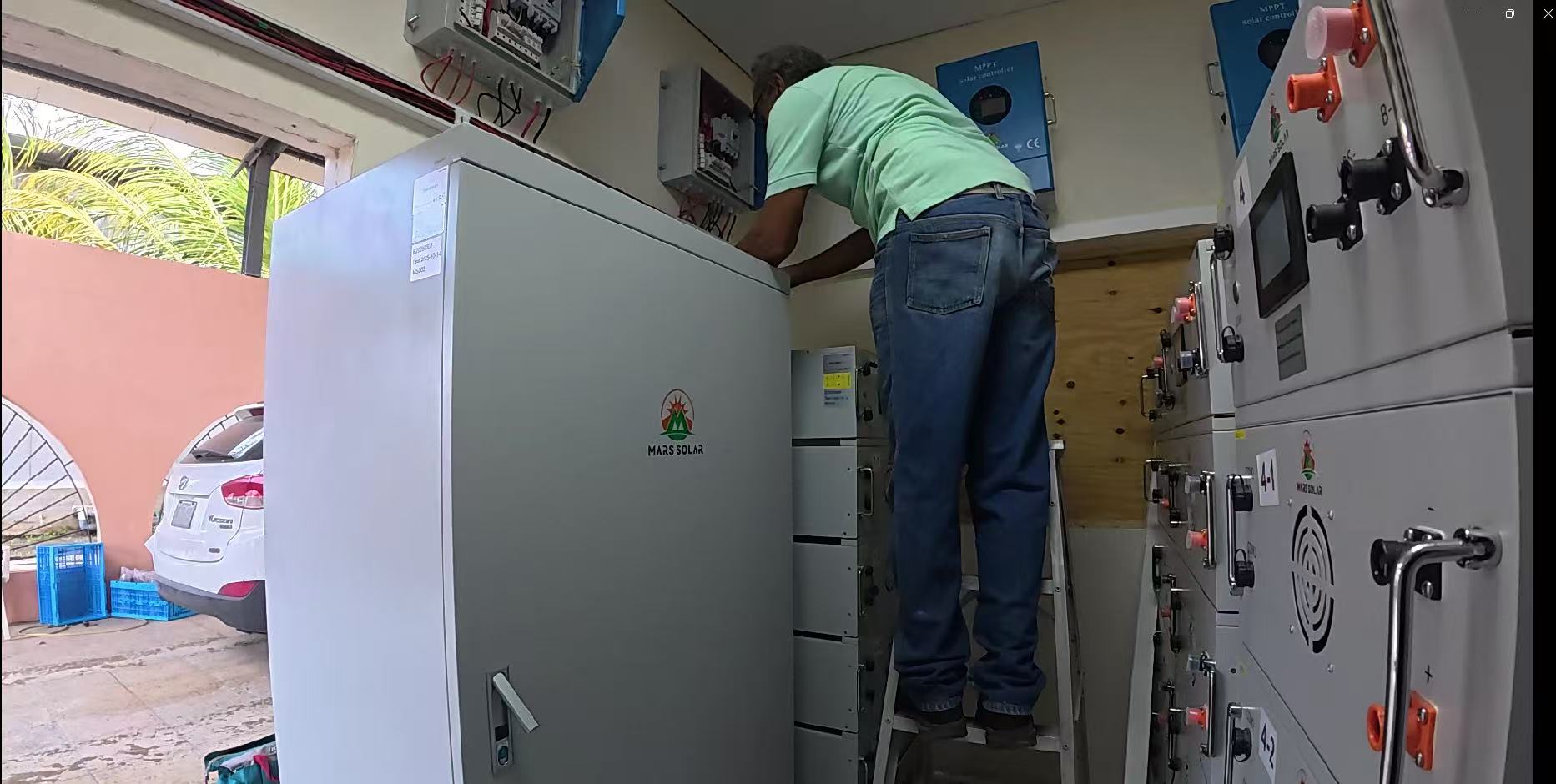
Almacenamiento de baterías | LiFePO₄, 300 kWh en total |
Sistema de bombeo | Bomba de agua solar de CA con variador de frecuencia |
Almacenamiento de agua | Tanque elevado, con una capacidad de entre 50 y 80 m³. |
Control | Interruptor de transferencia automática + EMS |
Rendimiento diario estimado | ~550–650 kWh (variación estacional) |
Autoconsumo | >95% |
Métrico | Antes | Después |
Estabilidad de la temperatura del invernadero | ±4–6°C | ±1,5 °C (3 veces mejor) |
Fiabilidad del riego | Se detiene en caso de apagón. | 100% siempre encendido |
Costo de la electricidad | $0,35+/kWh | ~$0,02–0,05/kWh |
Reducción de costos | — | 85–95% |
Días operativos/año | ~300 | 365 (+22%) |
Rendimiento por metro cuadrado | Base | +25–40% |
emisiones de carbono | Depende de la red eléctrica | Cero emisiones de carbono |
“Cada temporada de lluvias, estábamos en vilo. Un solo apagón podía dañar los ventiladores, el aire acondicionado o las bombas de circulación, y a veces arruinar la cosecha de toda una semana. Ahora, el sistema solar funciona sin problemas. El invernadero se mantiene a 26 °C y la bomba se activa según lo programado todos los días. Por fin podemos dedicar nuestro tiempo a cultivar, no a reparar.”
— Propietario de una granja de plantas en Curazao
R: Sí. Curazao recibe más de 3000 horas de luz solar al año. Un sistema de 150 kW genera entre 550 y 650 kWh al día, más que suficiente para una plantación de tamaño mediano (de 0,4 a 0,8 hectáreas) con control climático y riego completos. El diseño incluye un margen de seguridad de 15 a 201 TP3T para condiciones climáticas extremas.
A: Híbrido de 3 niveles: (1) Bombeo directo de energía fotovoltaica durante el día para llenar un tanque elevado, (2) el almacenamiento de batería alimenta la bomba por la noche/en días nublados, (3) el tanque elevado actúa como almacenamiento por gravedad de bajo costo.
A: Las mediciones de campo muestran una variación de ±1,5 °C alrededor del punto de ajuste de 26 °C con el sistema solar + batería, en comparación con ±4–6 °C en la red eléctrica poco fiable.
A: Con tarifas de red de aproximadamente $0,35/kWh, un sistema de 150 kW ahorra aproximadamente $70 000/año. Combinado con un aumento de rendimiento de 25–40%, el período de recuperación típico es de 3 a 5 años. La vida útil del panel es de más de 25 años.
R: Por supuesto. Las islas del Caribe comparten los mismos problemas fundamentales: dependencia de combustibles importados, altos costos y redes eléctricas poco fiables. Esta arquitectura es un modelo directamente replicable.
A: Budget in two blocks. The 150kW solar system for farm in Curaçao was engineered as one package — 150 kW of PV plus a 300 kWh LiFePO₄ bank — because a greenhouse load runs continuously rather than only in daylight. For a 150kW solar system for farm with overnight cooling, storage normally accounts for a large share of the equipment value, so a quotation that prices only the PV side is not comparable with one that covers the whole job.
A: Roughly 700–900 m² of usable surface. The 150kW solar system for farm in this project used 255 monocrystalline modules of 590 W each, spread across roof and ground mount, so the two mounting types together absorbed constraints that neither could carry alone. On agricultural sites a 150kW solar system for farm can also be mounted on the irrigation reservoir or over a shade structure, which returns land to production.
A: Yes, if both are in the design load. Irrigation pumps are motor loads and draw a surge at start-up, while fans and wet curtains run as a continuous block. The 150kW solar system for farm here was sized so the pump, the climate equipment and the pack house never compete for the same inverter capacity. A 150kW solar system for farm sized on average consumption alone will trip when the pump and the chiller start together.
A: By designing for the wind zone rather than the average day. The 150kW solar system for farm in Curaçao was specified with 15–20% headroom on generation, so consecutive overcast days after a storm do not drain the bank below the climate setpoint. Mounting and ballast are chosen for the local wind load, and the battery room is kept above flood level. A 150kW solar system for farm that ignores those two details loses its array first.
A: On the overnight block, not on the array rating. The 150kW solar system for farm here holds a 300 kWh LiFePO₄ bank — roughly twelve hours of site baseload — because the greenhouse cannot drift outside its 22–28°C band when the sun is down. Sizing a 150kW solar system for farm from the PV rating instead of the night load is the single most common design error on agricultural projects.
A: Not as a daily power source. The 150kW solar system for farm in this project runs the greenhouse and the irrigation pump with no utility input, and the farm reported self-consumption above 95%. Some operators still keep a small generador diésel as an insurance policy for extended storm periods, which is a reasonable decision for a 150kW solar system for farm where a single lost harvest costs more than a standby unit.
A: Six to ten weeks from contract, including site survey, civil works, mounting, battery room preparation and commissioning. A 150kW solar system for farm is normally energised zone by zone, so the greenhouse keeps operating while the array goes up. Factory pre-assembly of the battery skid and the control panel is what compresses the site programme — the more of a 150kW solar system for farm that is wired and tested before shipping, the fewer days the farm loses.
A: Modules to IEC 61215 and IEC 61730, inverters to IEC 62109, lithium cells to IEC 62619 with a UN 38.3 transport report, and CE or equivalent marking for the destination. A 150kW solar system for farm assembled from uncertified components is difficult to insure and almost impossible to resell as part of the land asset. Ask for the certificate numbers with the quotation, then confirm the holder — factory acceptance test reports should name the same entity.
A: Remotely, at string level. The 150kW solar system for farm here reports generation, state of charge, inverter temperature and pump run-hours to a portal the owner can open from a phone. That matters on a farm because the first symptom of a blocked array or a failing pump is a trend, not an alarm. A 150kW solar system for farm without remote monitoring turns every small fault into a site visit.
A: Yes if the AC architecture allows it. The 150kW solar system for farm in this project uses rack-mounted LFP cabinets and a bidirectional inverter, so additional storage can be added without replacing the conversion equipment. Decide the expansion path during the first 150kW solar system for farm, not after the pack house has outgrown it, because retrofitting a 150kW solar system for farm around a fully loaded inverter is expensive.
A: Protected crops with a narrow temperature band. Leafy greens, herbs and propagation nurseries lose 15–25% of yield once greenhouse temperature deviates beyond ±3°C, which is exactly what an unstable grid produces. That is why the 150kW solar system for farm studied here targeted ±1.5°C. A 150kW solar system for farm delivers the most value where the crop is sensitive and the grid is not reliable.
A: On stored energy plus headroom. The 150kW solar system for farm in Curaçao was specified with 15–20% generation headroom precisely so that consecutive overcast days do not pull the battery below the climate setpoint, and the elevated irrigation tank acts as extra buffer for the pump. A 150kW solar system for farm sized on the annual average rather than on the worst week will always be short in the wet months.
A: Sizing on the array rather than on the load. A 150kW solar system for farm is sold by kWp but paid back by kWh delivered when the crop needs them, which on a protected farm means at night. Buyers who compare a 150kW solar system for farm on module price alone usually end up with an under-sized battery and a generator that runs more hours than the model predicted.
Este estudio de caso demuestra Rendimiento probado y fiable en uno de los entornos de red eléctrica más complejos del mundo. Si funciona de manera confiable en una isla caribeña propensa a huracanes con una conexión eléctrica de $0.45/kWh, funcionará en cualquier lugar.
Conclusiones clave para compradores internacionales:
Lo que hace que este proyecto de parque vegetal de 150 kW sea notable no es la tecnología de punta. Es la La elegante sencillez de resolver dos cuellos de botella críticos con un sistema integrado. — suministro eléctrico para invernaderos y suministro de agua para riego — en una isla remota donde la red eléctrica no podía proporcionar ninguno de los dos de forma fiable.
Para los compradores internacionales que evalúan soluciones solares para la agricultura, este caso práctico ofrece una señal clara: El modelo de negocio sigue vigente hoy en día.
Donde falla la red eléctrica, la energía solar es la solución. Punto.
Este caso práctico se basa en un proyecto finalizado. Para consultas sobre proyectos, alianzas OEM u oportunidades de distribución, póngase en contacto con nuestro equipo.
¿Busca una microrred solar con almacenamiento para su granja?
Contacta con nuestro equipo de ingeniería. Para una evaluación gratuita de sus instalaciones y un diseño de sistema personalizado.
A 150kW solar system for farm load is different from any building: irrigation pumps run on a schedule, greenhouses must hold temperature continuously, and a power cut during a growing cycle can destroy a crop worth more than the system itself.
That combination is what makes a 150kW solar system for farm project worth studying: the load is unforgiving, the cost of failure is high, and the economics have to work on measured results rather than on a vendor's estimate.
Cada 150kW solar system for farm project starts with 7 to 14 days of logged consumption. Base load is separated from peak load, generation is sized on daytime consumption, and storage is sized on the overnight block. Motor-driven equipment adds a surge requirement that catches out quotations based on average draw alone.
Where a site must never lose supply, we size for autonomy rather than for bill savings — a different calculation that usually means a larger bank and a bidirectional inverter with automatic transfer.
Mars Solar realiza y exporta 150kW solar system for farm packages factory-direct: PV modules, mounting, hybrid or bidirectional inverters, LiFePO4 storage, protection, cabling and remote monitoring, all tested together before shipment and certified to CE, RoHS, TUV and ISO.
See comparable hardware on our batería de almacenamiento de energía montada en bastidor page, and the FAO energy programme for how reliable supply affects output in these markets.
Irrigation pumps are the load that kills most farm systems first, because starting current and dry-run cycles punish contactors long before they punish panels. The seven wiring rules that keep a pump circuit alive are covered in CNCJ's guide to relay control for water pumps.

 English English
  Arabic
 Spanish
 French
 Dutch
Dutch
 Portuguese