
مزرعة محطة الطاقة الشمسية في كوراساو بقدرة 150 كيلوواط: كيف حققت دفيئة كاريبية تحكمًا مناخيًا وريًا على مدار الساعة طوال أيام الأسبوع خارج الشبكة
TL;DR — this 150kW solar system for farm project shows what a greenhouse needs when the grid cannot hold temperature control.
متري | قيمة |
حجم النظام | 150 كيلو وات من الطاقة الشمسية الكهروضوئية + 300 كيلو وات في الساعة LiFePO₄ BESS |
موقع | Curaçao, Dutch Caribbean |
طلب | دفيئة ذات درجة حرارة ثابتة + ري بمضخة مياه تعمل بالطاقة الشمسية |
المشكلة الأساسية | شبكة غير مستقرة ← تقلبات في درجات الحرارة + توقف الري ← خسارة المحاصيل |
هدف التصميم | 100% خارج الشبكة / الاستهلاك الذاتي - الاعتماد الصفري على المرافق |
استقرار درجة الحرارة | ±1.5 درجة مئوية (قبل: ±4-6 درجة مئوية) |
خفض التكاليف | توفير في تكاليف الكهرباء 85-95% |
تحسين المحصول | +25–40% |
نوع المشروع | الطاقة الشمسية الزراعية - نظام كهروضوئي متصل بالشبكة + تخزين مع نظام عزل + مضخة شمسية |
1. مفارقة جزيرة مشمسة لا تصلح للزراعة
كوراساو - جزيرة هولندية في منطقة الكاريبي تتمتع بأكثر من 3000 ساعة من أشعة الشمس سنوياً ودرجات حرارة تتراوح بين 26 و28 درجة مئوية على مدار العام. وبأي مقياس جغرافي، ينبغي أن تكون مثالية لزراعة الخضراوات.
لكن لسنوات، لم تتمكن مزارع النباتات المحلية من تحقيق إنتاج مستقر وقابل للتوسع. لم تكن المشكلة في ضوء الشمس أو التربة أو الماء، بل كانت كهرباء.
تُنتج كوراساو أكثر من 901 تريليون طن من طاقتها من الوقود الأحفوري المستورد. وتعاني شبكة الكهرباء، التي تُشغلها شركة أكواليكترا، من تقادم البنية التحتية وتقلب أسعار الوقود. وقد تأثرت أسعار الطاقة سلبًا. $0.30–0.45/كيلوواط ساعة — ضعف أو ثلاثة أضعاف المتوسط الأمريكي. انخفاضات الجهد وانقطاع التيار الكهربائي أمران روتينيان، خاصة خلال موسم الأعاصير.
لمزرعة نباتات حديثة تتطلب بيوت زجاجية يتم التحكم في مناخها على مدار الساعة طوال أيام الأسبوع و ضخ مياه الري بشكل موثوق, إن عدم استقرار الشبكة الكهربائية ليس مجرد إزعاج، بل هو قاتل للمحاصيل. فكل تقلب في الطاقة يترجم مباشرة إلى تقلبات في درجات الحرارة داخل البيوت الزجاجية، وهذه التقلبات تعني خسارة في المحصول، وعدم اتساق في الجودة، وهدر في المدخلات.
المعايير الصناعية:
• انحراف درجة حرارة الدفيئة بما يتجاوز ±3 درجات مئوية ← خسارة في محصول الخضراوات الورقية تتراوح بين 15 و251 ضعفًا
• انقطاع الري لأكثر من 24 ساعة ← تلف لا يمكن إصلاحه للمحصول
• تُعد تكاليف الكهرباء في منطقة الكاريبي من بين الأعلى في نصف الكرة الغربي.
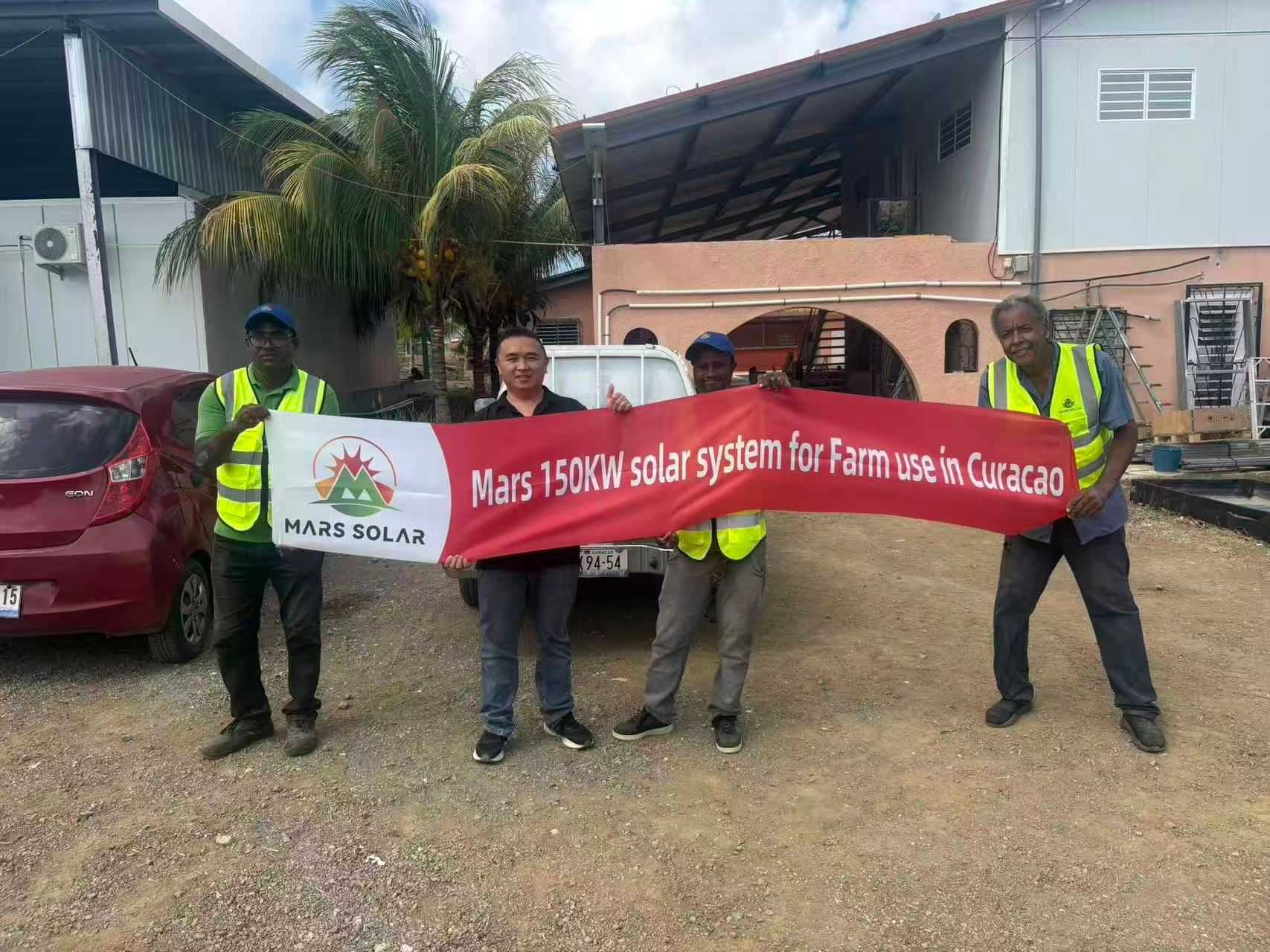
2. لمحة عن المشروع
غرض | مواصفة |
موقع | كوراساو، جزر الكاريبي الهولندية |
حجم النظام | 150 كيلوواط + 300 كيلوواط ساعة |
طلب | دفيئة ذات درجة حرارة ثابتة + ري بمضخة مياه تعمل بالطاقة الشمسية |
المشكلة الأساسية | شبكة كهربائية غير مستقرة ← عطل في نظام التحكم بدرجة الحرارة + توقف الري ← محصول ضعيف |
هدف التصميم | 100% خارج الشبكة / الاستهلاك الذاتي، بدون اعتماد على المرافق العامة |
نوع النظام | متصل بالشبكة مع خاصية الفصل التلقائي + بطارية احتياطية |
3. المشكلة: كيف يؤدي عدم استقرار الشبكة إلى تدمير الدفيئة
تُعد مزرعة النباتات الحديثة نظامًا بيئيًا متعطشًا للطاقة:
- نظام فرعي للتحكم في المناخالمراوح، والستائر المبللة، والتظليل، والتهوية - تحتاج إلى طاقة على مدار الساعة طوال أيام الأسبوع للحفاظ على نطاق درجة حرارة يتراوح بين 22 و28 درجة مئوية
- نظام الري الفرعيمضخات غاطسة أو سطحية تسحب المياه من الآبار/المستودعات، وتغذي نظام الري بالتنقيط وفقًا للجدول الزمني المحدد.
- المراقبة والتحكمأجهزة استشعار درجة الحرارة/الرطوبة/ثاني أكسيد الكربون، وبوابة إنترنت الأشياء - استهلاك منخفض للطاقة ولكنه بالغ الأهمية للمهمة
- إضاءة إضافيةمصابيح LED للنمو خلال الأيام الغائمة
في شبكة كوراساو، يمكن أن يؤدي انقطاع التيار الكهربائي لمدة 4 ساعات متبوعًا بصدمة حرارية إلى ذبول الأوراق وإجهاد الجذور وتخفيض جودة دفعة الحصاد بأكملها.
كانت تعليمات صاحب المزرعة واضحة: فصل الدفيئة عن أعطال الشبكة الكهربائية.
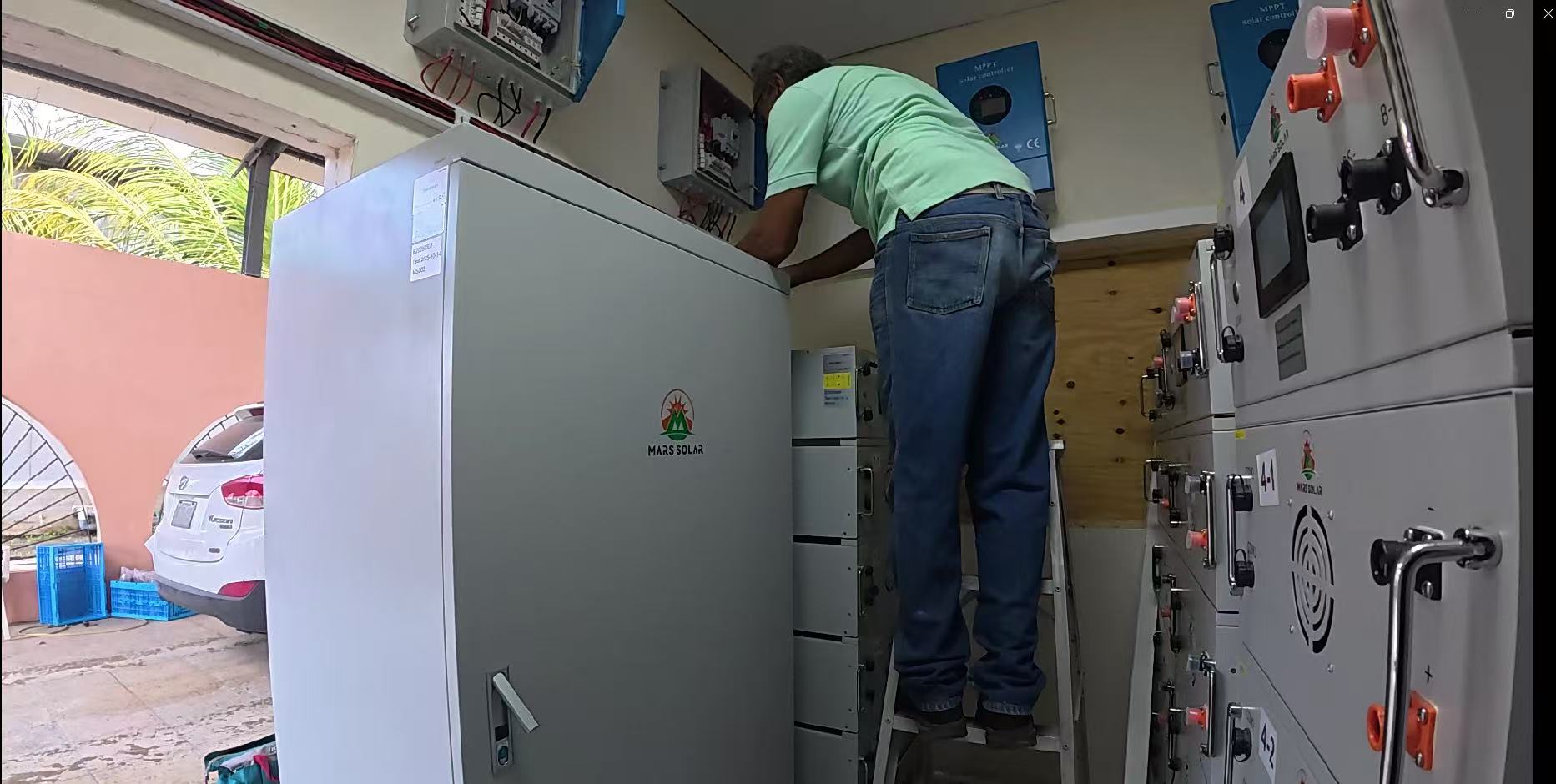
4. الحل: بنية شمسية ثلاثية في واحد بقدرة 150 كيلوواط + 300 كيلوواط ساعة
قام الفريق الهندسي بتصميم نظام كهروضوئي بقدرة 150 كيلوواط + 300 كيلوواط ساعة حول ثلاث مهام متوازية:
4.1 مصدر الطاقة للدفيئة
- ألواحسيليكون أحادي البلورة، 590 واط × 255 وحدة، تركيب على السطح والأرض
- تخزين: مجموعة بطاريات LiFePO₄، مصممة لتوفير حمل أساسي ليلي لمدة 12 ساعة (300 كيلوواط ساعة)
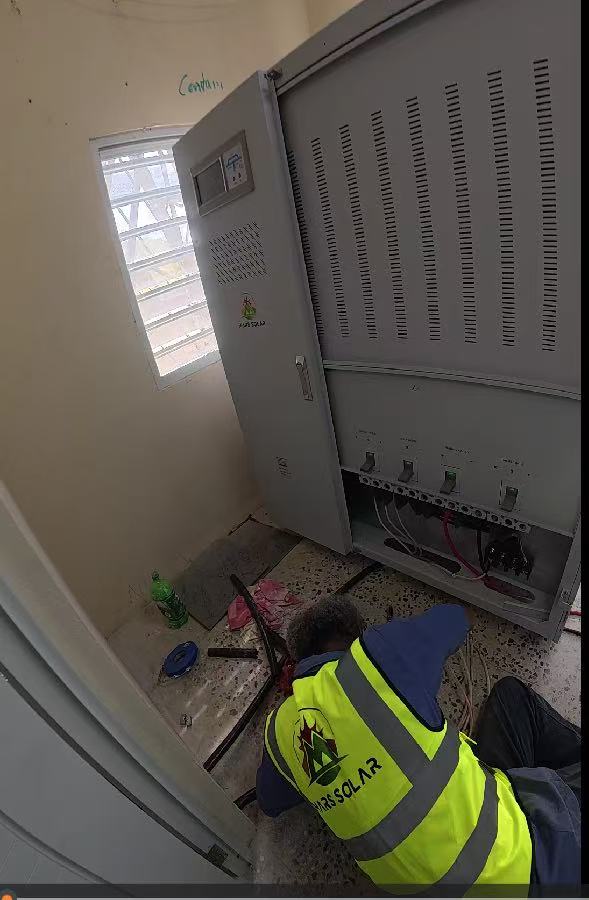
- مفاتيح التبديلمفتاح تحويل تلقائي مع ربط بالشبكة + إمكانية التشغيل المستقل، انتقال سلس إلى خارج الشبكة
- ضمان المناخ: Battery buffer maintains 26°C setpoint within ±1.5°C even under consecutive overcast days
4.2 مضخة المياه الشمسية والري
- الطوبولوجيا الهجينة: محرك مباشر يعمل بالطاقة الشمسية + بطارية احتياطية
- خلال النهار: تقوم الألواح الشمسية بتشغيل المضخة مباشرة، مما يؤدي إلى ملء خزان التخزين المرتفع؛ ويتم شحن البطارية عند زيادة الطاقة.
- ليلاً / في الأجواء الغائمة: تسحب المضخة التي تعمل بالبطارية من خزان التخزين، مما يضمن عدم انقطاع الري.
- يعمل الخزان المرتفع كـ "بطارية جاذبية" - خسارة شبه معدومة في رحلة الذهاب والإياب
4.3 التحكم الذكي والمراقبة عن بعد
نظام إدارة الطاقة (EMS) المدعوم بتقنية إنترنت الأشياء (IoT) مع لوحة تحكم للهواتف الذكية:
- إنتاج الطاقة الكهروضوئية (كيلوواط) والإنتاج التراكمي اليومي (كيلوواط ساعة)
- حالة شحن البطارية (SOC %)
- درجة حرارة ورطوبة الدفيئة (مباشرة وتاريخية)
- مدة تشغيل المضخة والحجم التراكمي الذي تم ضخه
5. قائمة مكونات النظام
عنصر | مواصفة |
الألواح الشمسية | أحادي البلورة 590 واط × 255 وحدة |
السعة الإجمالية | 150 كيلوواط + 300 كيلوواط ساعة |
محولات التيار | محولات سلسلة × 3 وحدات (50 كيلو واط لكل منها) |
تخزين البطاريات | LiFePO₄، إجمالي 300 كيلوواط ساعة |
نظام المضخة | مضخة مياه تعمل بالطاقة الشمسية مع محول تردد متغير |
تخزين المياه | خزان مرتفع، بسعة تتراوح بين 50 و80 متر مكعب تقريبًا |
يتحكم | مفتاح التحويل التلقائي + خدمة البريد السريع |
العائد اليومي المتوقع | ~550–650 كيلوواط ساعة (تغير موسمي) |
الاستهلاك الذاتي | >95% |
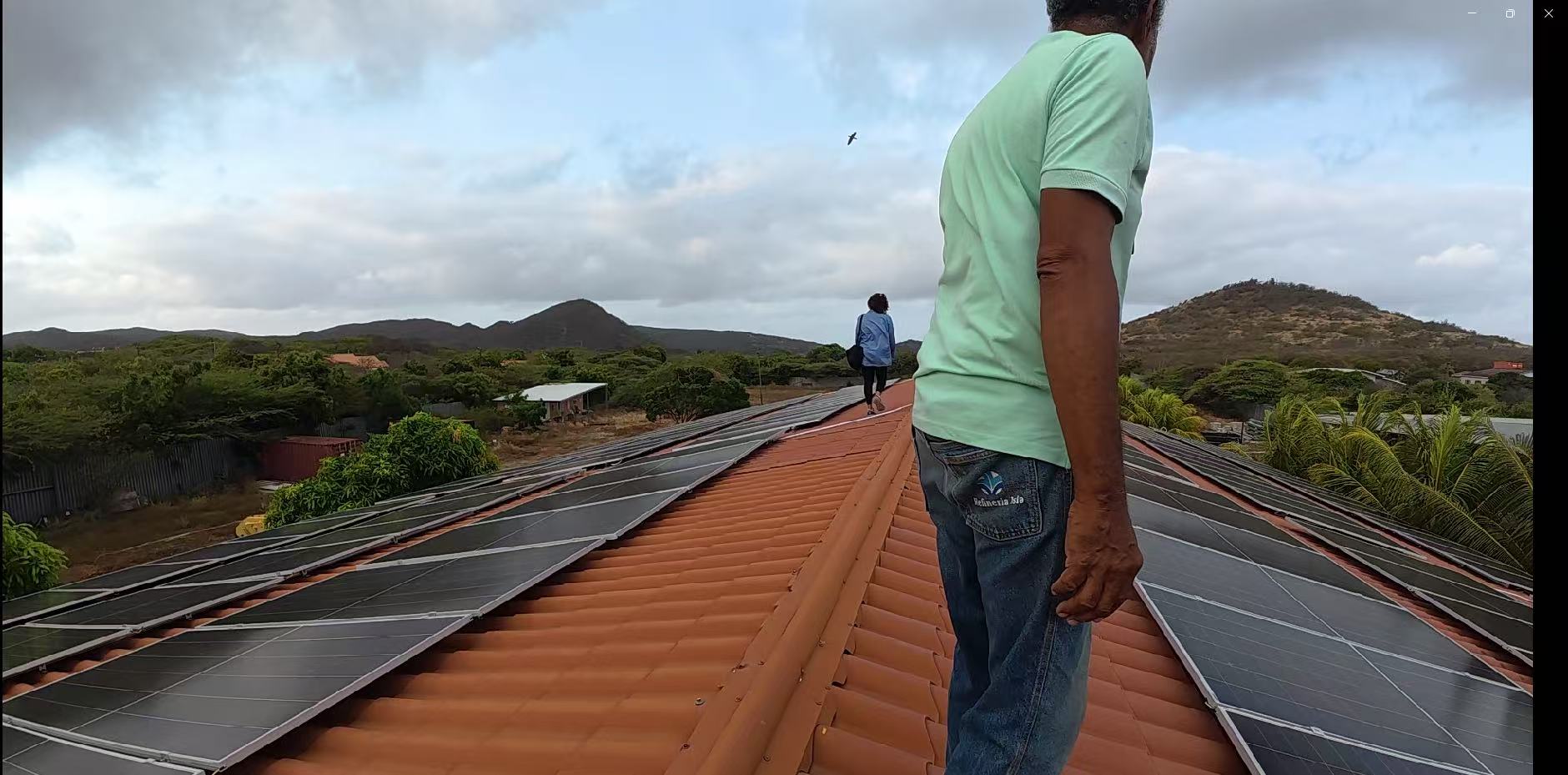
6. النتائج: أثر قابل للقياس
متري | قبل | بعد |
استقرار درجة حرارة الدفيئة | ±4–6 درجة مئوية | ±1.5 درجة مئوية (أفضل بثلاث مرات) |
موثوقية الري | يتوقف عند انقطاع التيار الكهربائي | 100% يعمل باستمرار |
تكلفة الكهرباء | $0.35+/كيلوواط ساعة | ~$0.02–0.05/كيلوواط ساعة |
خفض التكاليف | — | 85–95% |
أيام التشغيل / السنة | ~300 | 365 (+22%) |
الإنتاجية لكل متر مربع | خط الأساس | +25–40% |
انبعاثات الكربون | يعتمد على الشبكة | خالٍ من الكربون |
نص المالك حرفياً
“"في كل موسم أمطار، كنا نعيش في قلق دائم. انقطاع واحد للتيار الكهربائي كان كفيلاً بإتلاف المراوح أو مكيف الهواء أو مضخات الدوران، وأحيانًا إتلاف محصول أسبوع كامل. أما الآن، فالنظام الشمسي يعمل بسلاسة. تبقى درجة حرارة الدفيئة عند 26 درجة مئوية، وتعمل المضخة وفق جدول زمني محدد يوميًا. أخيرًا، أصبحنا نقضي وقتنا في الزراعة بدلًا من الإصلاح."”
— مالك مزرعة نباتات في كوراساو
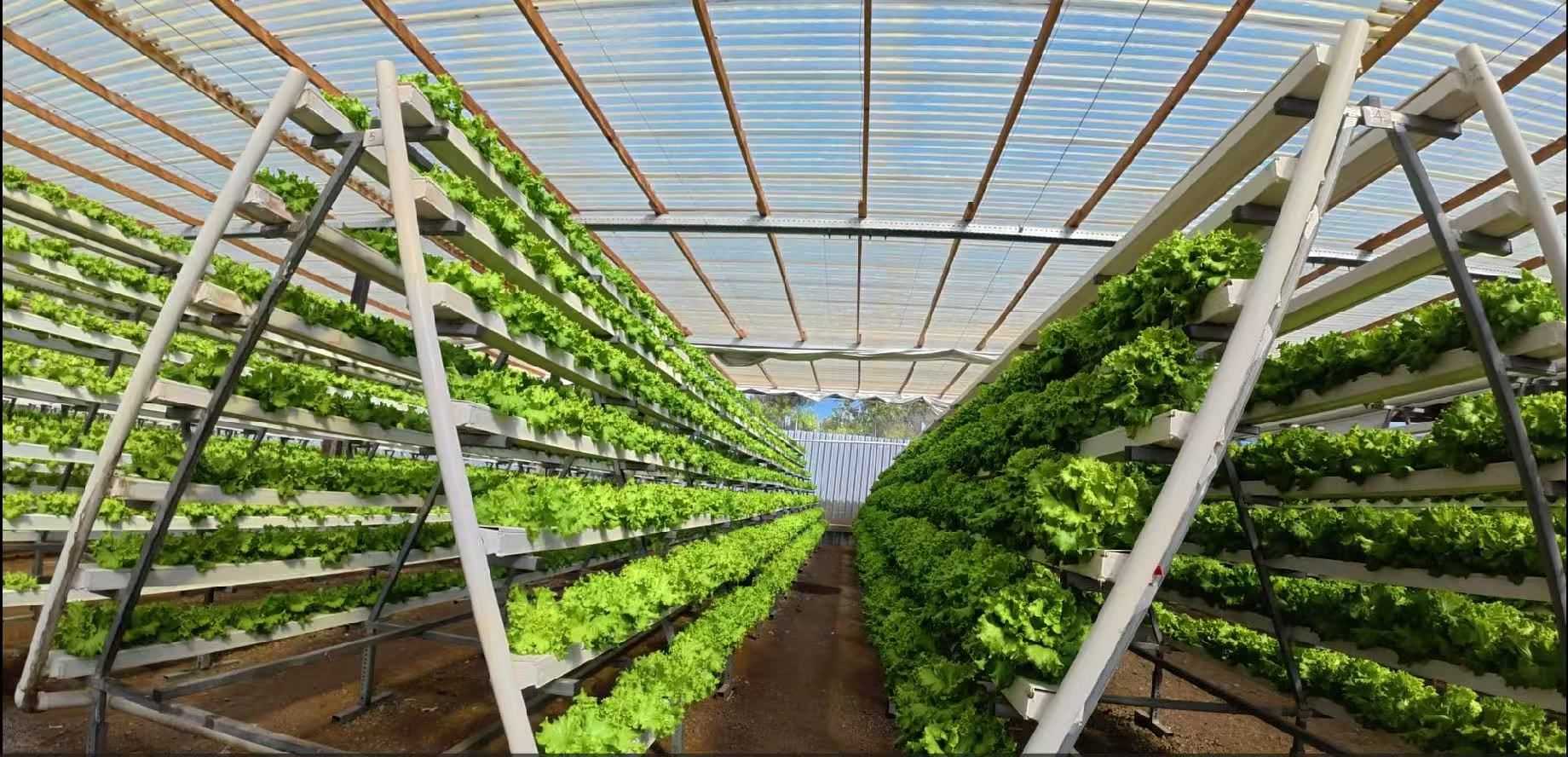
7. الأسئلة الشائعة
س1: هل 150 كيلوواط كافية لدفيئة استوائية مزودة بنظام ري؟
ج: نعم. تتمتع كوراساو بأكثر من 3000 ساعة من أشعة الشمس سنويًا. يُنتج نظام بقدرة 150 كيلوواط ما يقارب 550-650 كيلوواط ساعة يوميًا، وهو ما يكفي تمامًا لمزرعة نباتية متوسطة الحجم (1-2 فدان) مزودة بنظام تحكم كامل في المناخ والري. يتضمن التصميم هامشًا رأسيًا يتراوح بين 15 و20% لمواجهة الظروف الجوية القاسية.
س2: كيف تعمل مضخة المياه الشمسية ليلاً؟
أ: نظام هجين ثلاثي الطبقات: (1) ضخ مباشر بواسطة الطاقة الشمسية الكهروضوئية خلال النهار لملء خزان مرتفع، (2) بطارية احتياطية لتشغيل المضخة ليلاً/في الأجواء الغائمة، (3) الخزان المرتفع يعمل كخزان تخزين منخفض التكلفة بالجاذبية.
س3: ما مدى دقة درجة الحرارة التي يمكن أن يحافظ عليها البيت الزجاجي؟
ج: تُظهر القياسات الميدانية ±1.5 درجة مئوية حول نقطة الضبط 26 درجة مئوية مع نظام الطاقة الشمسية + البطارية، مقارنة بـ ±4-6 درجة مئوية على الشبكة غير الموثوقة.
س4: ما هي فترة الاسترداد؟
ج: عند أسعار الشبكة التي تبلغ حوالي 0.35 جنيه إسترليني/كيلوواط ساعة، يوفر نظام بقدرة 150 كيلوواط حوالي 70,000 جنيه إسترليني سنويًا. ومع زيادة الإنتاجية بنسبة 25-40%، تتراوح فترة استرداد التكلفة عادةً بين 3 و5 سنوات. ويبلغ العمر الافتراضي للألواح الشمسية أكثر من 25 عامًا.
س5: هل يمكن تكرار هذا في جزر الكاريبي الأخرى؟
ج: بالتأكيد. تشترك الجزر في جميع أنحاء منطقة البحر الكاريبي في نفس المشاكل الأساسية: الاعتماد على الوقود المستورد، وارتفاع التكاليف، وعدم موثوقية شبكات الكهرباء. هذا التصميم المعماري هو نموذج قابل للتكرار مباشرة.
Q6: What does a 150kW solar system for farm cost, and how is it split?
A: Budget in two blocks. The 150kW solar system for farm in Curaçao was engineered as one package — 150 kW of PV plus a 300 kWh LiFePO₄ bank — because a greenhouse load runs continuously rather than only in daylight. For a 150kW solar system for farm with overnight cooling, storage normally accounts for a large share of the equipment value, so a quotation that prices only the PV side is not comparable with one that covers the whole job.
Q7: How much roof or land does a 150kW solar system for farm need?
A: Roughly 700–900 m² of usable surface. The 150kW solar system for farm in this project used 255 monocrystalline modules of 590 W each, spread across roof and ground mount, so the two mounting types together absorbed constraints that neither could carry alone. On agricultural sites a 150kW solar system for farm can also be mounted on the irrigation reservoir or over a shade structure, which returns land to production.
Q8: Can a 150kW solar system for farm run irrigation and climate control together?
A: Yes, if both are in the design load. Irrigation pumps are motor loads and draw a surge at start-up, while fans and wet curtains run as a continuous block. The 150kW solar system for farm here was sized so the pump, the climate equipment and the pack house never compete for the same inverter capacity. A 150kW solar system for farm sized on average consumption alone will trip when the pump and the chiller start together.
Q9: How does a 150kW solar system for farm survive hurricane season?
A: By designing for the wind zone rather than the average day. The 150kW solar system for farm in Curaçao was specified with 15–20% headroom on generation, so consecutive overcast days after a storm do not drain the bank below the climate setpoint. Mounting and ballast are chosen for the local wind load, and the battery room is kept above flood level. A 150kW solar system for farm that ignores those two details loses its array first.
Q10: How is the battery sized on a 150kW solar system for farm?
A: On the overnight block, not on the array rating. The 150kW solar system for farm here holds a 300 kWh LiFePO₄ bank — roughly twelve hours of site baseload — because the greenhouse cannot drift outside its 22–28°C band when the sun is down. Sizing a 150kW solar system for farm from the PV rating instead of the night load is the single most common design error on agricultural projects.
Q11: Does a 150kW solar system for farm still need a diesel generator?
A: Not as a daily power source. The 150kW solar system for farm in this project runs the greenhouse and the irrigation pump with no utility input, and the farm reported self-consumption above 95%. Some operators still keep a small مولد ديزل as an insurance policy for extended storm periods, which is a reasonable decision for a 150kW solar system for farm where a single lost harvest costs more than a standby unit.
Q12: How long does a 150kW solar system for farm take to install?
A: Six to ten weeks from contract, including site survey, civil works, mounting, battery room preparation and commissioning. A 150kW solar system for farm is normally energised zone by zone, so the greenhouse keeps operating while the array goes up. Factory pre-assembly of the battery skid and the control panel is what compresses the site programme — the more of a 150kW solar system for farm that is wired and tested before shipping, the fewer days the farm loses.
Q13: What certification should a 150kW solar system for farm carry?
A: Modules to IEC 61215 and IEC 61730, inverters to IEC 62109, lithium cells to IEC 62619 with a UN 38.3 transport report, and CE or equivalent marking for the destination. A 150kW solar system for farm assembled from uncertified components is difficult to insure and almost impossible to resell as part of the land asset. Ask for the certificate numbers with the quotation, then confirm the holder — factory acceptance test reports should name the same entity.
Q14: How is a 150kW solar system for farm monitored once it is running?
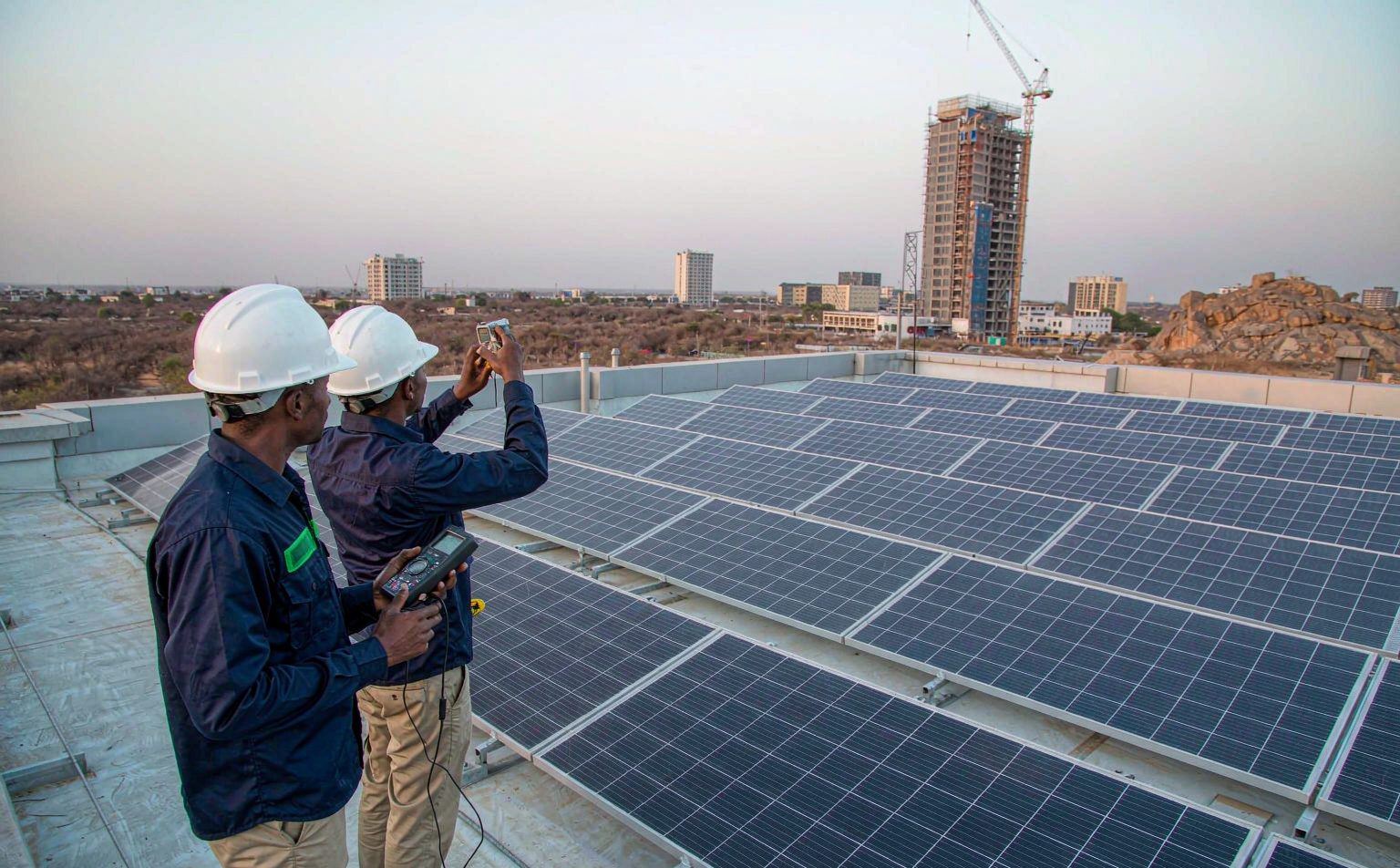
A: Remotely, at string level. The 150kW solar system for farm here reports generation, state of charge, inverter temperature and pump run-hours to a portal the owner can open from a phone. That matters on a farm because the first symptom of a blocked array or a failing pump is a trend, not an alarm. A 150kW solar system for farm without remote monitoring turns every small fault into a site visit.
Q15: Can a 150kW solar system for farm be expanded later?
A: Yes if the AC architecture allows it. The 150kW solar system for farm in this project uses rack-mounted LFP cabinets and a bidirectional inverter, so additional storage can be added without replacing the conversion equipment. Decide the expansion path during the first 150kW solar system for farm, not after the pack house has outgrown it, because retrofitting a 150kW solar system for farm around a fully loaded inverter is expensive.
Q16: Which crops suit a 150kW solar system for farm best?
A: Protected crops with a narrow temperature band. Leafy greens, herbs and propagation nurseries lose 15–25% of yield once greenhouse temperature deviates beyond ±3°C, which is exactly what an unstable grid produces. That is why the 150kW solar system for farm studied here targeted ±1.5°C. A 150kW solar system for farm delivers the most value where the crop is sensitive and the grid is not reliable.
Q17: How does a 150kW solar system for farm handle the rainy season?
A: On stored energy plus headroom. The 150kW solar system for farm in Curaçao was specified with 15–20% generation headroom precisely so that consecutive overcast days do not pull the battery below the climate setpoint, and the elevated irrigation tank acts as extra buffer for the pump. A 150kW solar system for farm sized on the annual average rather than on the worst week will always be short in the wet months.
Q18: What is the biggest mistake buyers make with a 150kW solar system for farm?
A: Sizing on the array rather than on the load. A 150kW solar system for farm is sold by kWp but paid back by kWh delivered when the crop needs them, which on a protected farm means at night. Buyers who compare a 150kW solar system for farm on module price alone usually end up with an under-sized battery and a generator that runs more hours than the model predicted.
8. لماذا يُعد هذا الأمر مهمًا للمشترين العالميين
توضح دراسة الحالة هذه أداء مثبت وموثوق في واحدة من أكثر بيئات الشبكة الكهربائية تحديًا في العالم. إذا كان يعمل بكفاءة في جزيرة كاريبية معرضة للأعاصير مع طاقة شبكة تبلغ تكلفتها $0.45/كيلوواط ساعة، فسيعمل بكفاءة في أي مكان.
أهم النقاط التي يجب على المشترين الدوليين مراعاتها:
- تستفيد المحاصيل الحساسة لدرجة الحرارة (الخضراوات الورقية، والأعشاب، والنباتات الصغيرة، والنباتات الطبية) بشكل كبير - من حيث عائد الاستثمار الناتج عن كل من توفير الطاقة وتحسين المحصول
- تشهد الجزر والمواقع النائية أسرع فترة استرداد للتكاليف نظرًا لارتفاع تكاليف الكهرباء الأساسية.
- بطارية LFP + مضخة شمسية + تصميم خزان مرتفع، تم اختباره ميدانيًا وهو معياري - قابل للتطوير من 50 كيلوواط إلى 5 ميجاواط
- تتيح المراقبة عن بُعد الكاملة لفني واحد الإشراف على مواقع متعددة من مكتب مركزي.
9. الخلاصة: من الاعتماد على الشبكة الكهربائية إلى الاعتماد على الطاقة الشمسية
ما يجعل مشروع محطة الطاقة هذه بقدرة 150 كيلوواط مميزًا ليس التكنولوجيا المتطورة، بل هو... بساطة أنيقة لحل مشكلتين حرجتين بنظام متكامل واحد — توفير الطاقة للبيوت الزجاجية وتوصيل مياه الري — في جزيرة نائية حيث لا تستطيع شبكة المرافق العامة توفير أي منهما بشكل موثوق.
بالنسبة للمشترين العالميين الذين يقيمون حلول الطاقة الشمسية للزراعة، تقدم دراسة الحالة هذه إشارة واضحة: إن دراسة الجدوى الاقتصادية ناجحة اليوم.
- انخفضت تكاليف الألواح الشمسية بنحو 851 تريليون تيرا طن خلال العقد الماضي
- تستمر أسعار بطاريات فوسفات الحديد الليثيوم في الانخفاض الهيكلي
- تتيح المراقبة عن بُعد القائمة على الحوسبة السحابية إدارة المواقع المتعددة بشكل عملي
- تساهم الوفورات المجمعة (في الطاقة وزيادة الإنتاجية) في تحقيق فترة استرداد تتراوح بين 3 و5 سنوات.
حيثما تفشل شبكة الكهرباء، تحل الطاقة الشمسية المشكلة. ببساطة.
تستند دراسة الحالة هذه إلى مشروع تم إنجازه. للاستفسار عن المشاريع، أو شراكات تصنيع المعدات الأصلية، أو فرص التوزيع، تواصلوا مع فريقنا.
هل تبحث عن شبكة طاقة شمسية صغيرة لتخزين الطاقة لمزرعتك؟
تواصل مع فريقنا الهندسي للحصول على تقييم مجاني للموقع وتصميم نظام مخصص.
لماذا يُعد هذا المشروع مهمًا؟
أ 150kW solar system for farm load is different from any building: irrigation pumps run on a schedule, greenhouses must hold temperature continuously, and a power cut during a growing cycle can destroy a crop worth more than the system itself.
هذا المزيج هو ما يجعل... 150kW solar system for farm مشروع يستحق الدراسة: فالحمل شاق، وتكلفة الفشل باهظة، ويجب أن تستند الجدوى الاقتصادية إلى نتائج مقاسة بدلاً من تقديرات المورد.
قرارات تحديد المقاسات والتصميم الهندسي
كل 150kW solar system for farm يبدأ المشروع بتسجيل الاستهلاك لمدة تتراوح بين 7 و14 يومًا. يتم الفصل بين الحمل الأساسي والحمل الأقصى، ويتم تحديد سعة التوليد بناءً على الاستهلاك النهاري، بينما تُحدد سعة التخزين بناءً على الاستهلاك الليلي. وتضيف المعدات التي تعمل بمحركات متطلبات استهلاك متزايدة، مما يؤدي إلى عدم دقة عروض الأسعار التي تستند إلى متوسط الاستهلاك وحده.
في الحالات التي لا يجب أن ينقطع فيها التيار الكهربائي عن الموقع أبدًا، فإننا نحدد السعة بناءً على الاستقلالية في التزويد بالكهرباء وليس على توفير تكاليف الفواتير — وهو حساب مختلف يعني عادةً وجود مخزون أكبر من الطاقة وعاكس ثنائي الاتجاه مزود بخاصية التحويل التلقائي.
تزويد هذا النوع من المشاريع
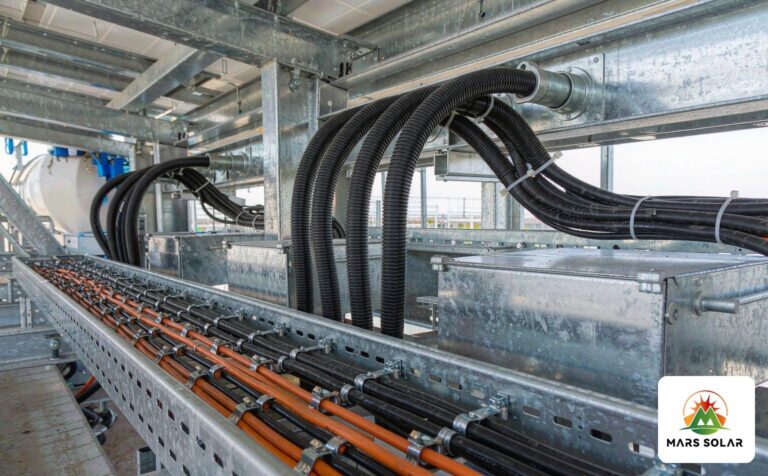
عمليات البناء والتصدير في Mars Solar 150kW solar system for farm حزم منتجات مباشرة من المصنع: الوحدات الكهروضوئية، أنظمة التثبيت، المحولات الهجينة أو ثنائية الاتجاه، أنظمة تخزين LiFePO4، أنظمة الحماية، الكابلات، وأنظمة المراقبة عن بُعد، وقد تم اختبارها جميعًا معًا قبل الشحن وحصلت على شهادات CE وRoHS وTUV وISO.
اطلع على الأجهزة المماثلة على موقعنا بطارية تخزين الطاقة المُثبتة على حامل الصفحة، و FAO energy programme لمعرفة كيف يؤثر موثوقية الإمدادات على حجم الإنتاج في هذه الأسواق.
Irrigation pumps are the load that kills most farm systems first, because starting current and dry-run cycles punish contactors long before they punish panels. The seven wiring rules that keep a pump circuit alive are covered in CNCJ's guide to relay control for water pumps.

 English
  Arabic
  Spanish
  French
  Dutch
Dutch  Portuguese