
Language
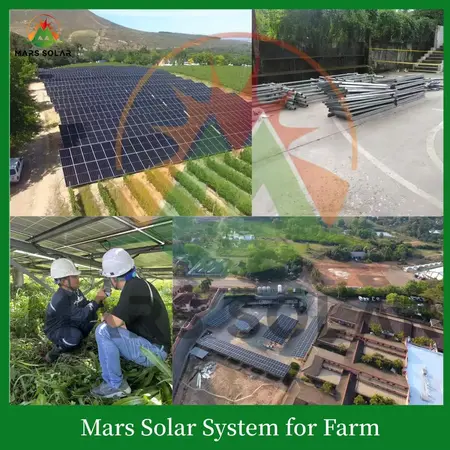
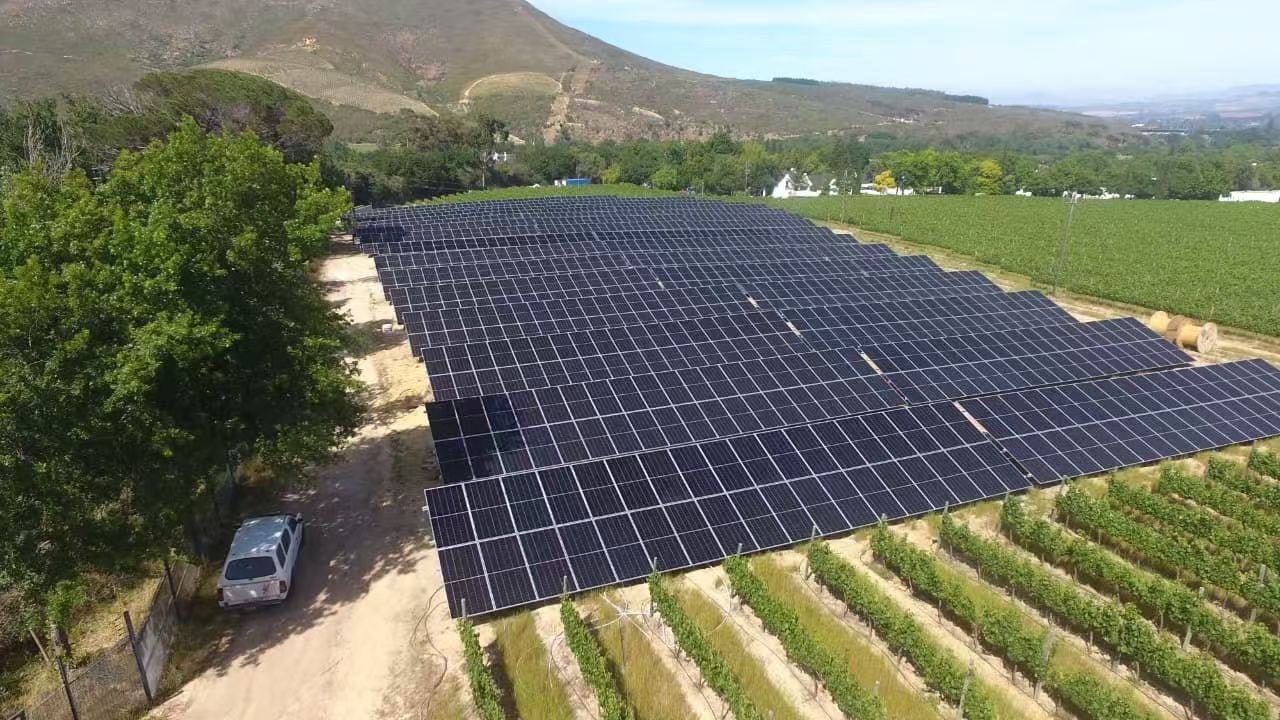
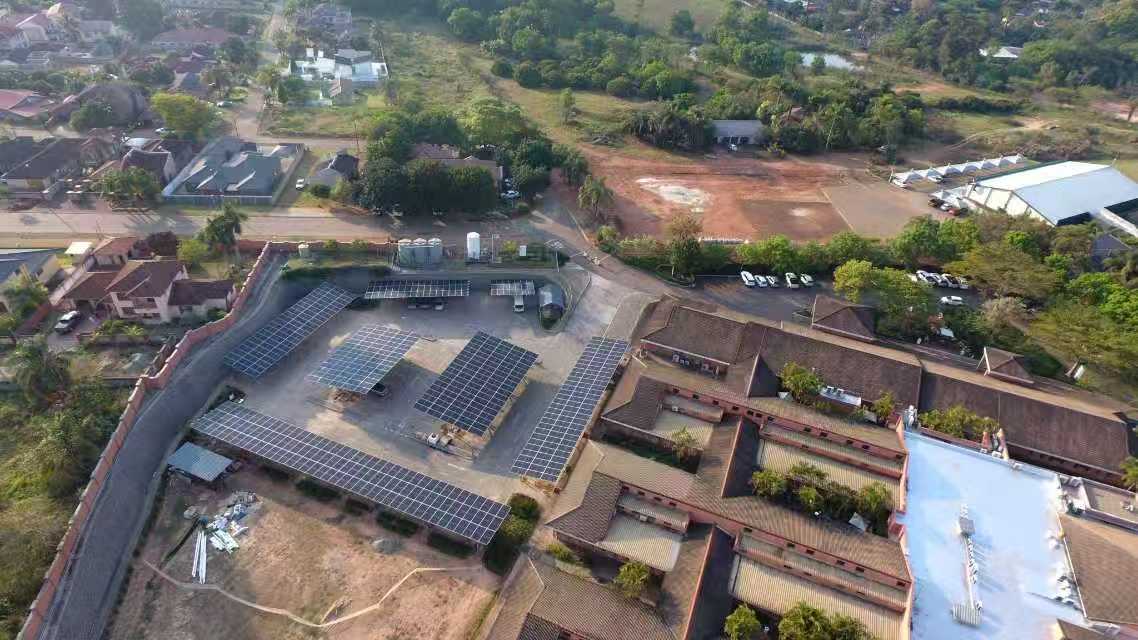
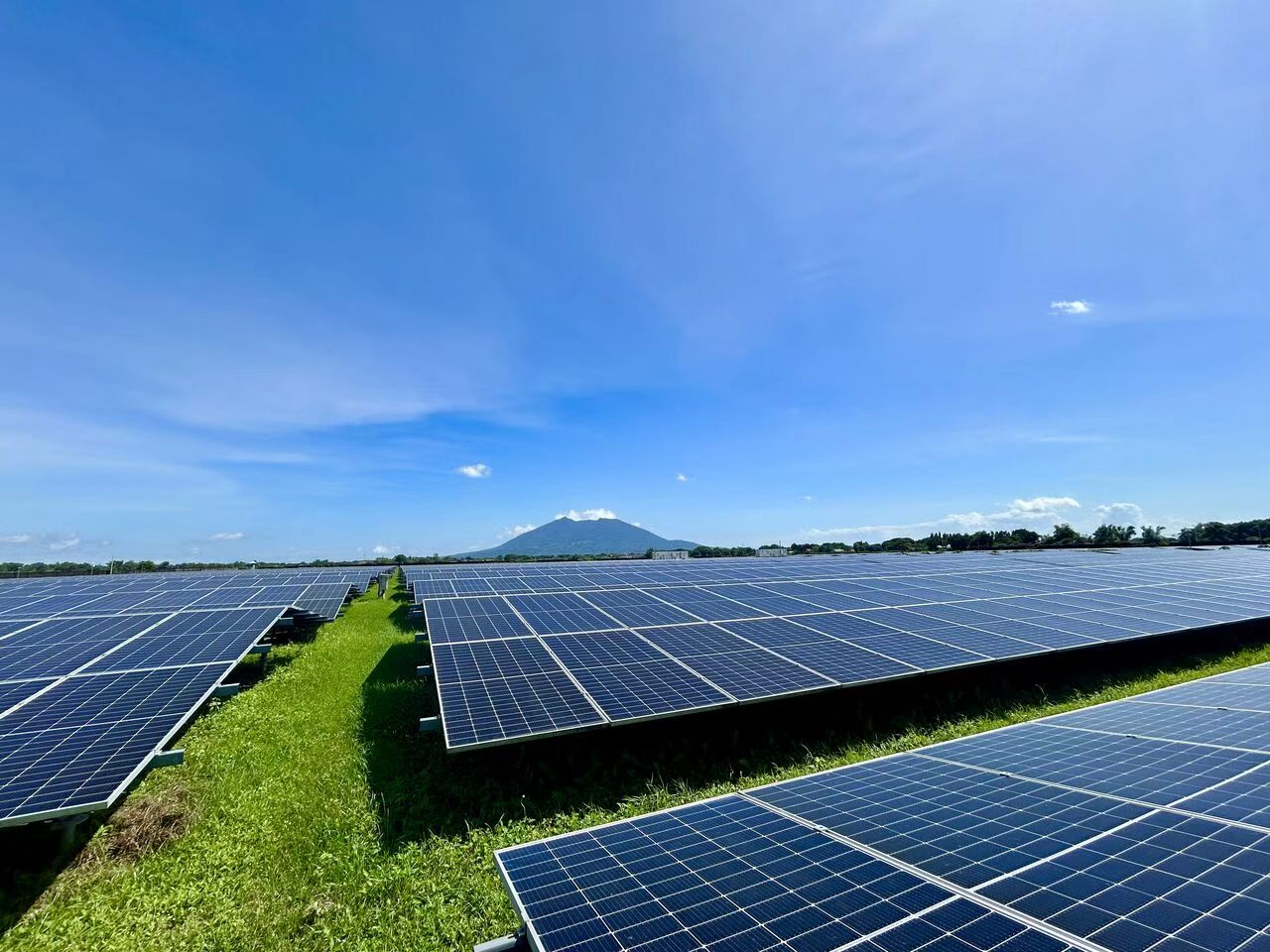
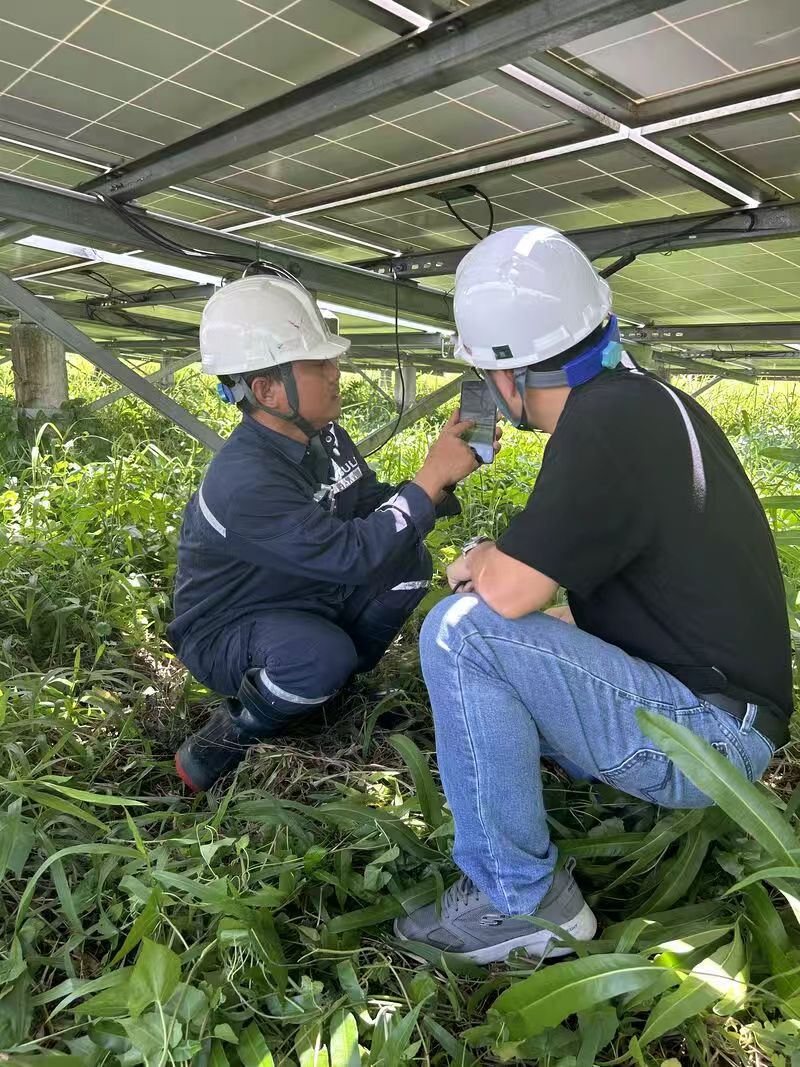
See a real installation: our 150kW solar power system for a farm in Curaçao case study covers irrigation loads and payback.
MOQ: 1 set,Accept OEM &ODM
Certificate: TUV, ETL, ISO, CE, RoHS
Payment: T/T, L/C, Paypal, Western Union
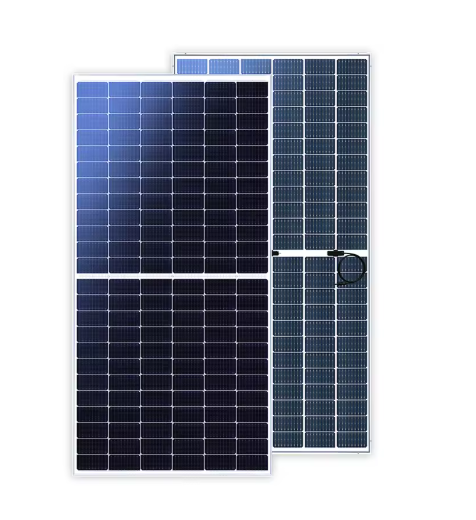

A solar system for farm faces a different load profile from any building: irrigation pumps that run on a schedule, cold rooms that must never lose temperature, and remote boreholes with no grid connection at all. A solar system for farm therefore has to be sized on pump motor surge and on continuous refrigeration load, not on household averages.
Solar irrigation is the highest-return application on most farms. Replacing a diesel pump with a solar-powered one removes both the fuel cost and the daily refuelling task. Our 150kW farm solar system article covers a full layout.
We size a solar system for farm in three parts. First, the pump: flow rate, head and motor size determine inverter surge capacity. Second, refrigeration: a cold room draws continuously and must have storage sized for at least 12 hours. Third, the farmhouse and outbuildings as a baseline.
A 7.5kW borehole pump with 3x start surge needs 22.5kVA of inverter headroom. A cold room drawing 6kW overnight needs 72kWh of usable battery. Where both exist, we specify a combined system rather than two separate ones, as in our 100kW off-grid power plant.
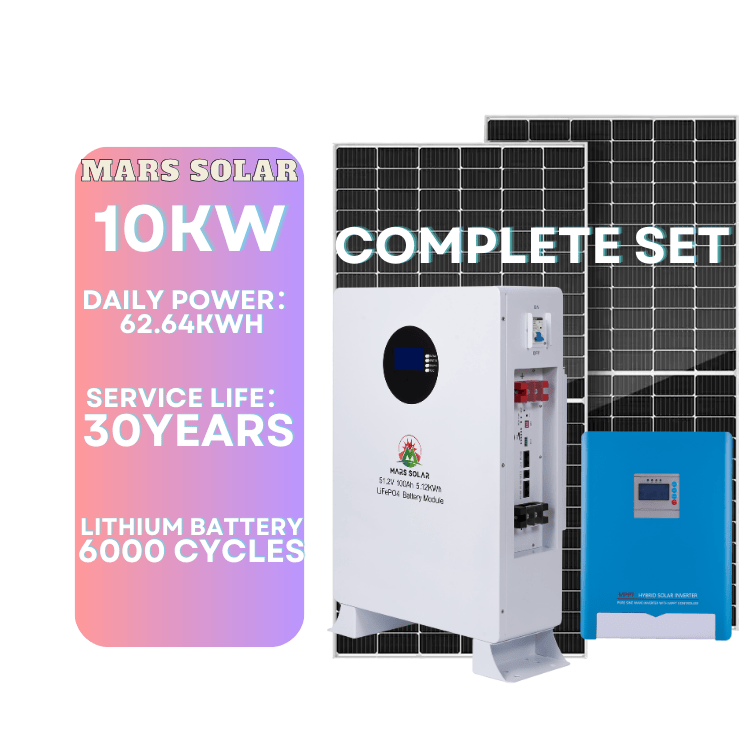
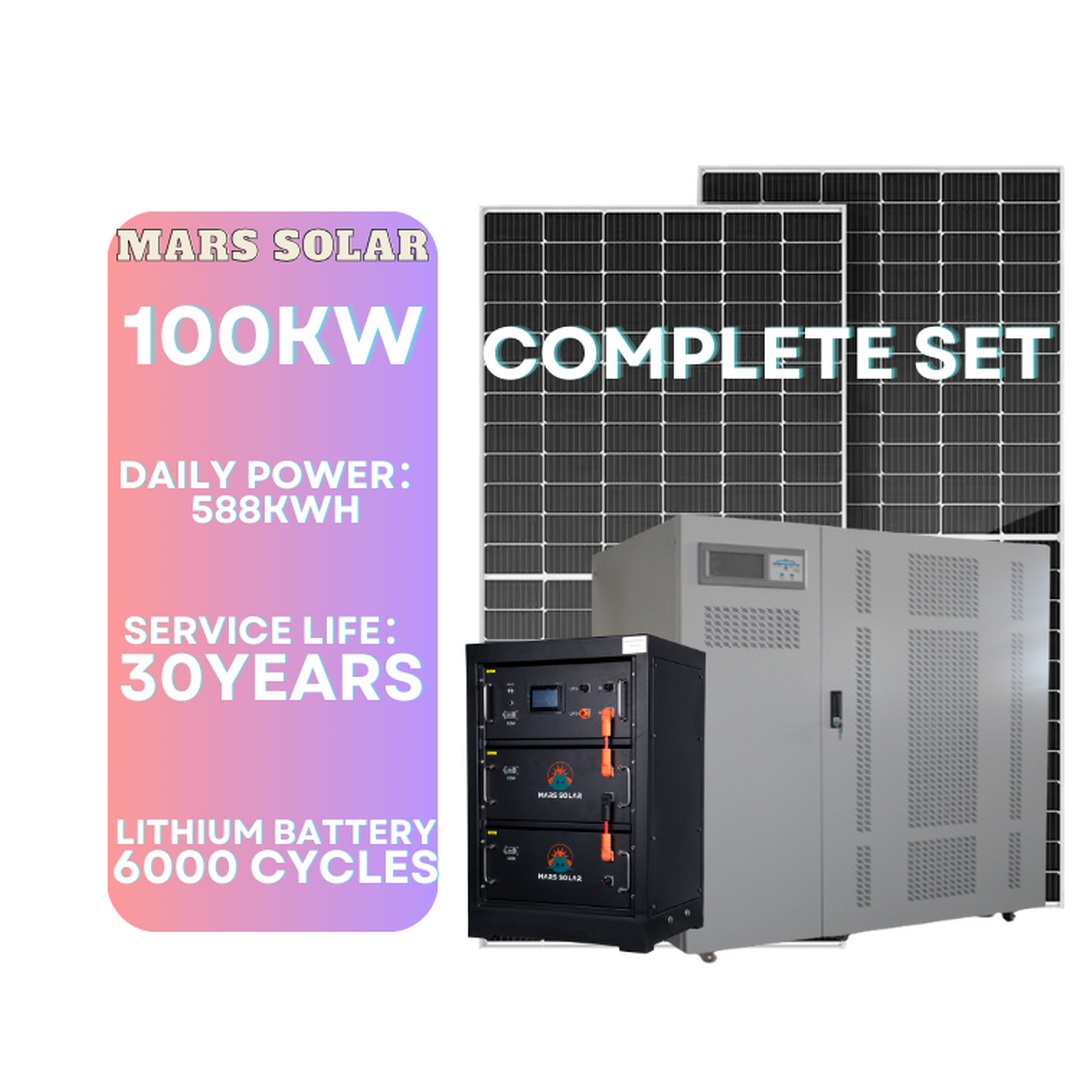
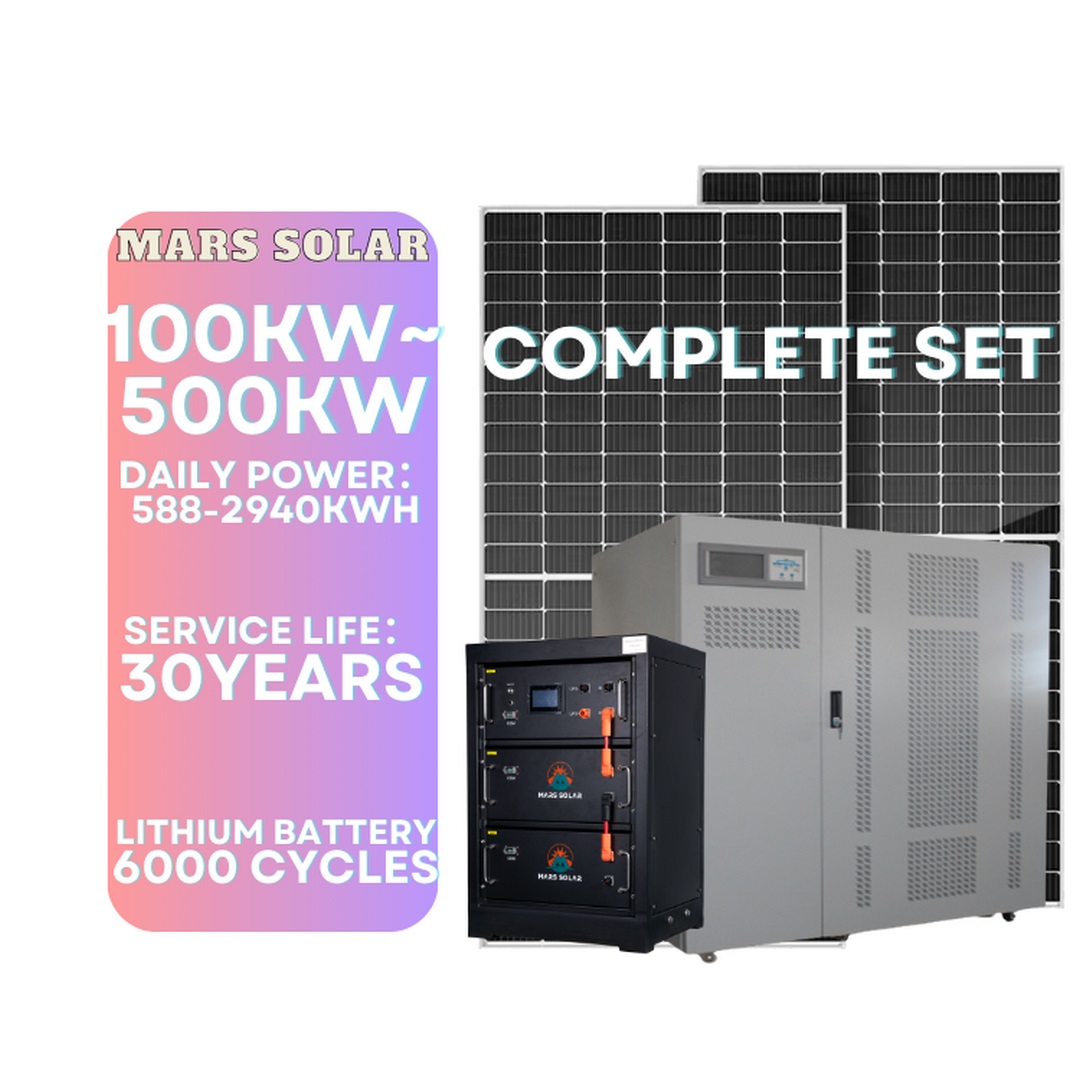
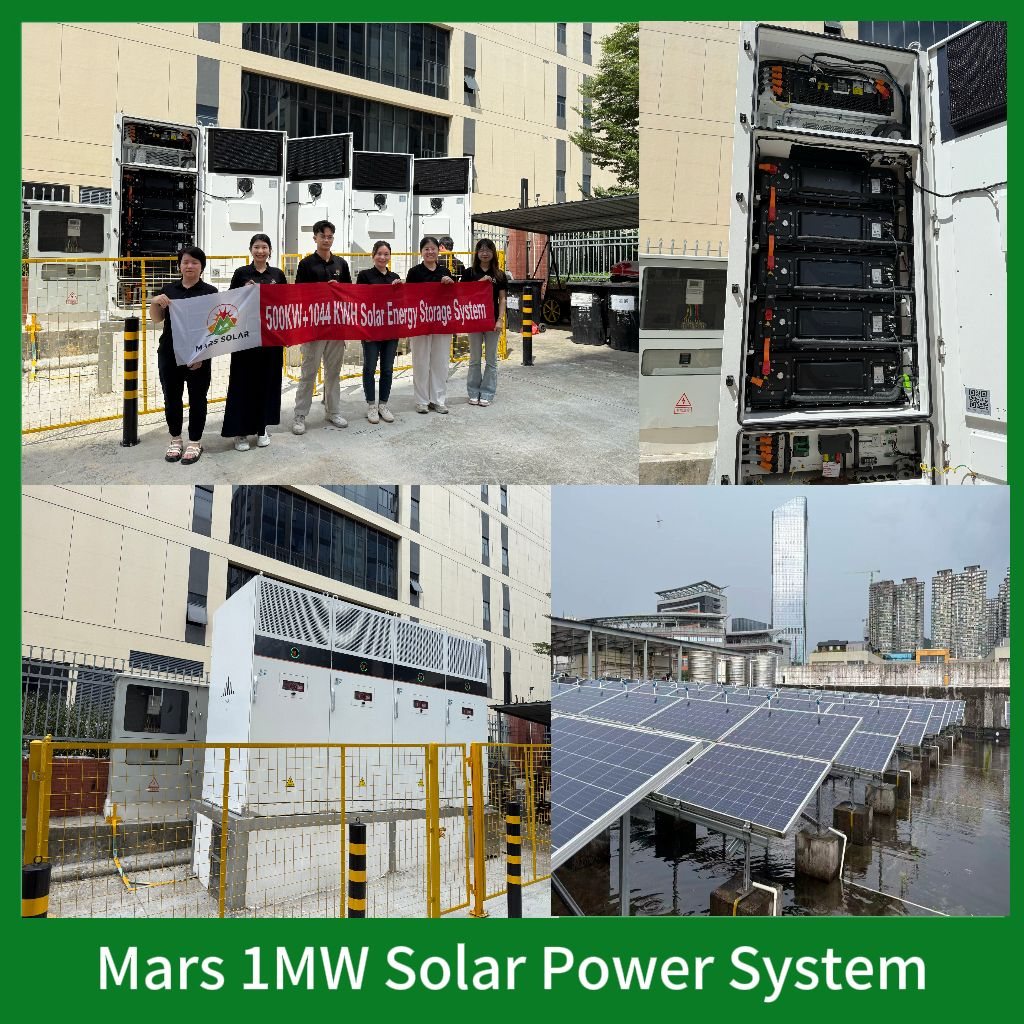
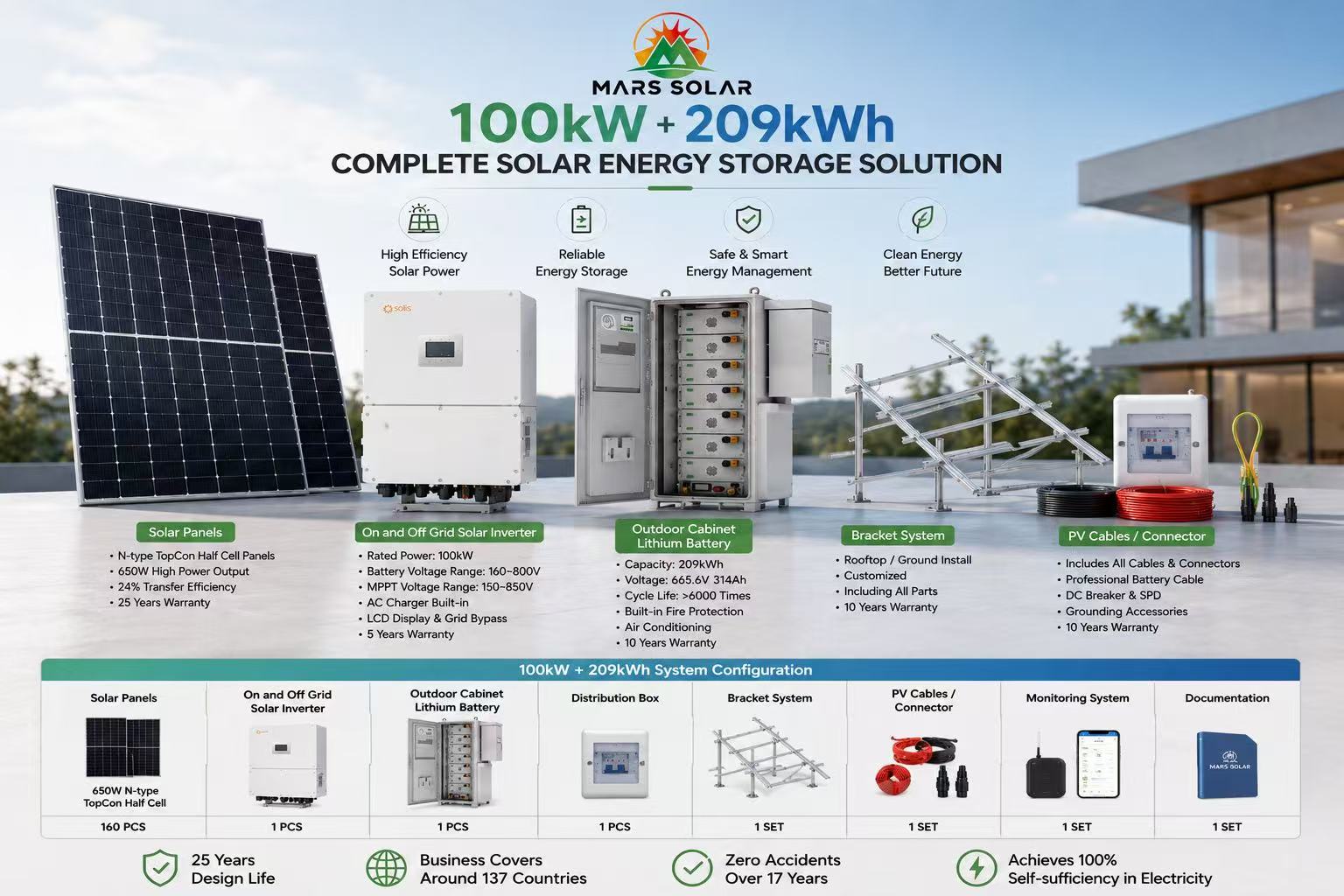
Every solar system for farm from Mars Solar includes PV modules, ground or roof mounting, pump controllers or hybrid inverters, LiFePO4 storage, cable, MC4 connectors and protection. Off-grid and hybrid configurations are both supported.
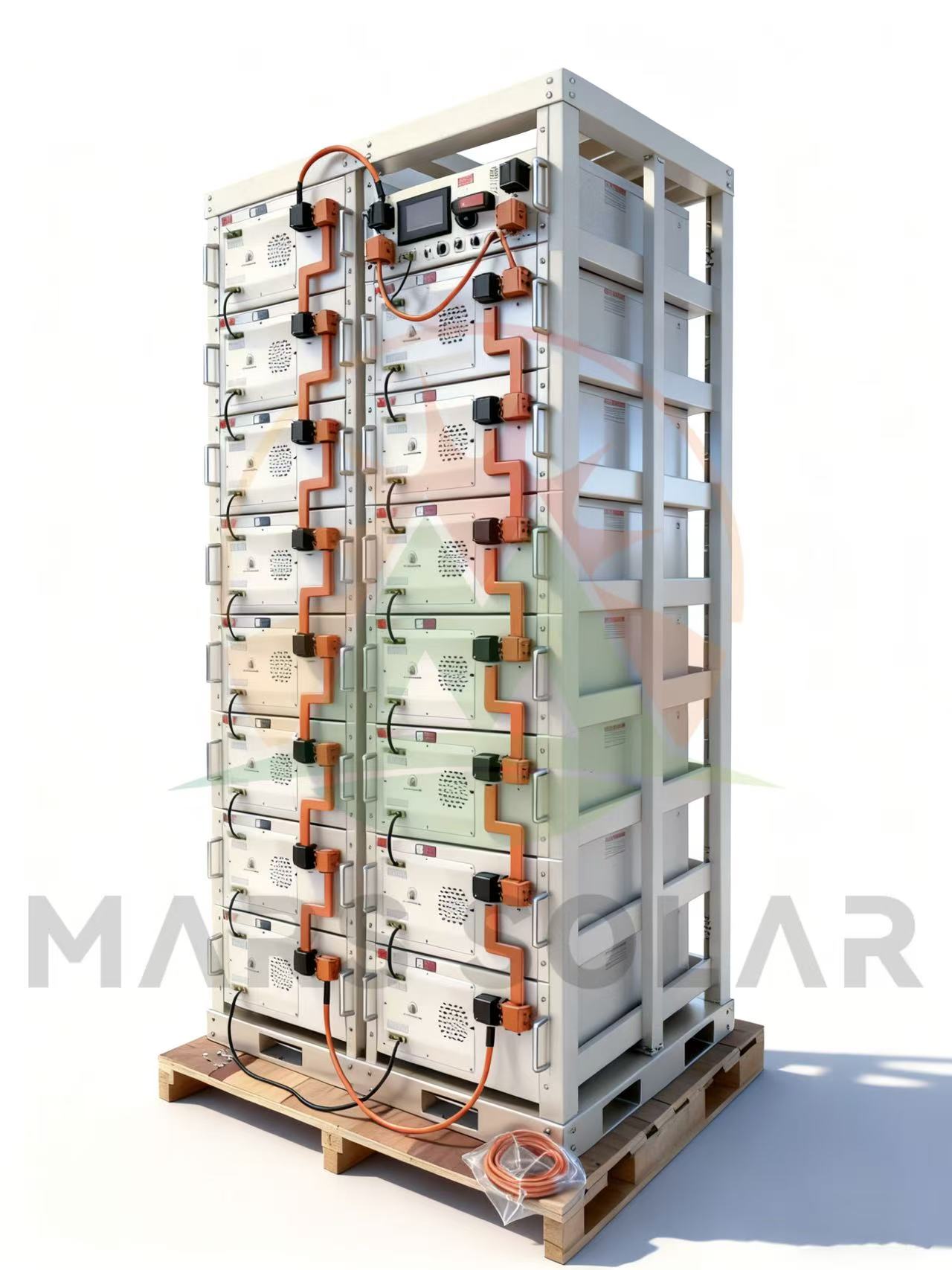
Storage uses rack-mounted modules for serviceability even in dusty environments, as shown on our rack mounted energy storage battery page.
Mars Solar exports agricultural solar systems directly, so a solar system for farm carries no distributor markup. Systems are certified to CE, RoHS, TUV and ISO standards with a 10-year battery warranty and 5-year inverter warranty.
Understand the total cost of ownership against diesel with our diesel versus solar cost study, and plan delivery with the container loading guide.
Solar irrigation is one of the highest-return rural investments available. The UN Food and Agriculture Organization's energy programme reports that solar pumping removes fuel cost entirely and pays back in two to four seasons - the same outcome a solar system for farm delivers.
A complete solar system for farm includes : high-efficiency solar panels, sturdy corrosion-resistant solar mounting brackets (suitable for farm open fields, greenhouses and other complex environments), long-cycle solar batteries supporting over 6,000 charge-discharge cycles at 80% DoD, a solar inverter integrated with MPPT controller (conversion efficiency ≥95%), high-temperature resistant solar cables, and waterproof MC4 connectors (adapting to farm outdoor harsh weather such as rain, dust and extreme temperature).
>Single-phase power (110V/220V) Primarily applied to daily operational facilities on the farm, including farmyard lighting, small-scale irrigation controllers, ventilation fans, breeding temperature control devices, and office daily equipment. It ensures stable power supply for routine management and auxiliary operations.
Worked example for sizing discussion, not a project measurement. A farm with a 7.5 kW borehole pump running a four-hour irrigation window, a cold room drawing 6 kW around the clock, plus ventilation, processing and farmhouse loads — about 216 kWh a day, served by 40 kWp of PV (about 180 kWh a day) and a battery with roughly 72 kWh usable.
| Time | Main loads | Average kW | kWh in block | Supply and battery |
|---|---|---|---|---|
| 00:00–06:00 | Cold room 6 kW + livestock ventilation | 7 | 42 | Battery — the cold room must not lose temperature |
| 06:00–10:00 | Cold room + borehole pump 7.5 kW (irrigation window) + ventilation and processing | 15.5 | 62 | PV direct; the pump runs when the sun is up |
| 10:00–16:00 | Cold room + processing and ventilation | 8 | 48 | PV direct; surplus charges the battery |
| 16:00–20:00 | Cold room + lighting, milking or grading | 9 | 36 | PV handing over to battery |
| 20:00–24:00 | Cold room + yard lighting | 7 | 28 | Battery |
Reading the day: the pump and the cold room are sized by two different rules and must not be added together. The pump is a kW problem — a 7.5 kW motor with 3× start surge needs 22.5 kVA of inverter headroom. The cold room is a kWh problem — 6 kW for the 12 overnight hours needs 72 kWh of usable battery. About 180 kWh of the 216 kWh day comes from PV: 143 kWh used as it is generated and 37 kWh shifted through the battery into the night. The remaining 36 kWh comes from the grid on hybrid sites, or from a generator where there is no grid connection.
kW is power; kWh is energy. Pump motor surge sets inverter headroom in kW; cold-room runtime sets battery capacity in kWh. Quoting a farm system by installed panel wattage alone ignores both, and it is why a pump that looks small on paper still trips an undersized inverter.
Whole-site backup versus critical-load backup. Whole-site backup would keep irrigation, processing and the farmhouse alive through any outage, which is rarely economic on a farm. Critical-load backup keeps the three things that cannot fail: cold chain, livestock ventilation and water supply. Irrigation usually sits outside that set — it can wait for daylight, which is also when PV is available. Say which loads are in the critical set and the battery is sized to that set, not to the whole farm.
Pump head and flow — head in metres, flow in m³/h, motor rating and starting method. Irrigation window — how many hours a day the pump runs, and whether it changes by season. Seasonal variation — the load difference between dry and wet season, and between planting and harvest. Whether storage is needed — an off-grid borehole with no grid connection needs it for surge and night operation; a grid-connected farm may only need it for peak shaving. Livestock ventilation and processing — which equipment cannot lose power and for how long. We size in three parts — pump, refrigeration, then farmhouse base load — because each part is governed by a different rule.

 English English
  Arabic
 Spanish
 French
 Dutch
Dutch
 Portuguese