
Language

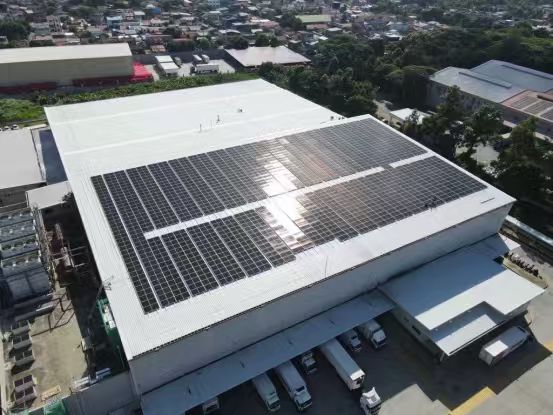
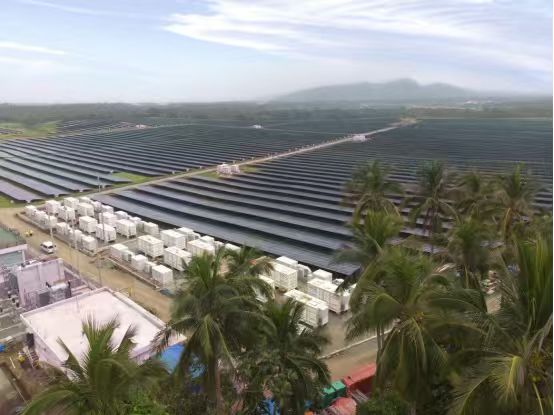
Solar power for factories in the Philippines is no longer an environmental decision — it is a cost decision, and the arithmetic has turned.
If you are a factory owner in the Philippines, installing a solar power system is not just environmentally responsible—it is a highly profitable business decision.
Most factories have a clear electricity usage pattern:
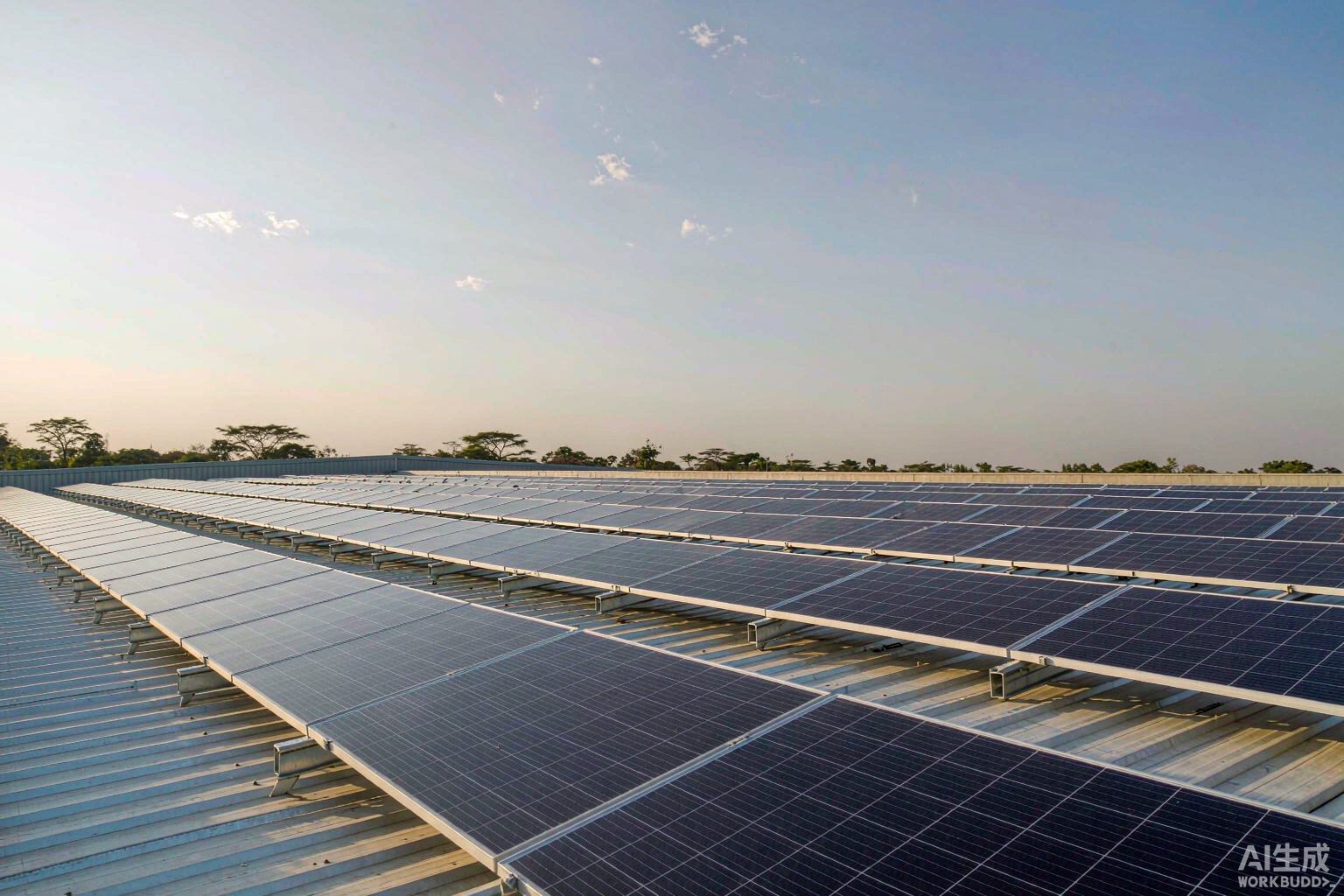
This load profile aligns perfectly with solar photovoltaic (PV) generation, which produces electricity during daylight hours. That means your factory can directly consume the solar energy you generate, significantly reducing reliance on the grid.
For industrial users, a grid-tied solar system (on-grid system) is usually the best option because:
By installing a commercial solar system in the Philippines, your factory can use solar energy to offset daytime electricity consumption—where most of your energy costs occur.
Electricity prices in the Philippines are among the highest in Southeast Asia:
This high tariff is exactly why solar energy investment in the Philippines is so attractive. Every kWh generated by your solar system directly replaces expensive grid electricity.
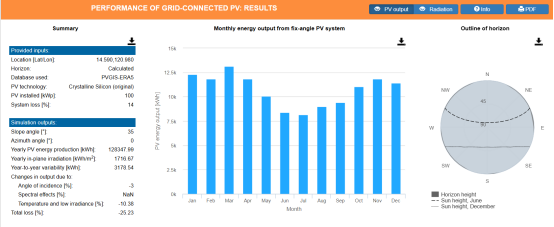
Let’s break down a typical 100kW solar system for a factory in the Philippines:
With these savings:
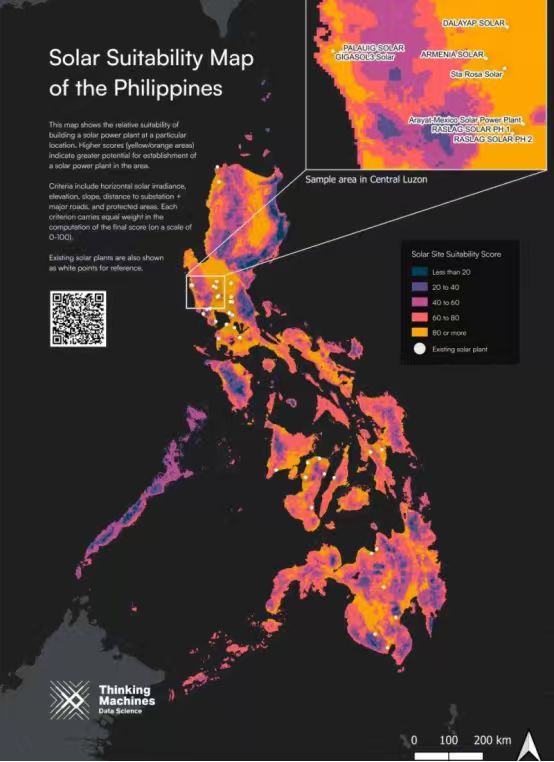
Solar is especially suitable if your factory:
Even factories with 24/7 operations can benefit by reducing daytime grid consumption.
Pricing of Mars Solar 100kW Off-Grid Solar Power Plant
Mars Solar’s 100kW solar power plant with 241kWh / 261kWh lithium battery energy storage offers a competitive customized quotation for global clients. For the latest official quotation and detailed price breakdown (including transportation, installation, and after-sales service), please contact our sales team via the official email:info@marssolargroup.com.
Note: The quotation is valid for 30 days, and exclusive discounts are available for bulk orders and long-term cooperation projects.

Philippine industrial tariffs are among the highest in South-East Asia, so every kilowatt-hour a factory generates during its production window is a kilowatt-hour it does not buy at the commercial rate. That is the whole calculation for a single-shift factory running on daytime load, and it is why solar power for factories in the Philippines has moved from pilot projects to standard practice.
The second saving is the one most quotes miss: demand charges. A system that shaves the monthly peak reduces the demand component of the bill, not just the energy component. We size against the logged peak, which is why two factories with the same monthly consumption can need very different arrays when you plan solar power for factories in the Philippines.
Payback on the worked example below — a 100kW system — lands inside four years at current commercial tariffs, and faster if the factory runs a second shift. Adding storage extends the saving into the evening peak but roughly doubles the capital cost, so the honest answer is that storage pays when the factory runs at night or when outages cost more than the battery.
On the policy side, DOE-registered renewable developers can import photovoltaic equipment at zero duty and zero VAT, which is a material difference to the capital cost of solar power for factories in the Philippines. The mechanics are covered in our Philippines solar import guide. For the engineering and tariff background, the World Bank energy programme publishes comparable data across the region.
Is it worth it? For a single-shift factory with a stable roof and a daytime load profile, solar power for factories in the Philippines is one of the few capital projects that pays for itself on the bill rather than on a projection. Every factory we quote starts with a load log and a roof survey, because the answer depends on your peak, not on a national average.
Where the answer changes. Solar power for factories in the Philippines stops being straightforward when the roof cannot carry the array, when the load sits mostly at night, or when the factory rents rather than owns. In those three cases we quote ground-mount, storage-first or a lease structure instead of solar power for factories in the Philippines on the existing roof, and we say so before you spend money on a survey. If the problem is an evening peak or a demand charge rather than total consumption, a commercial BESS Philippines project is usually the better first step.
What to send us. A load log, your latest bill and a roof plan are enough to size solar power for factories in the Philippines accurately; without the log we can only give a range. Every quote we issue for solar power for factories in the Philippines lists the assumptions it was built on, so you can check them against your own meter before you sign.
 English English
  Arabic
 Spanish
 French
 Dutch
Dutch
 Portuguese