
Taal

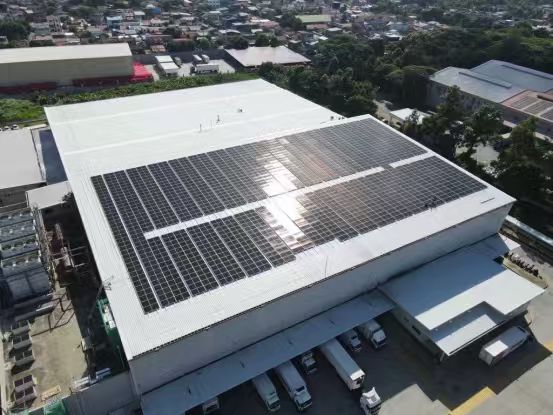
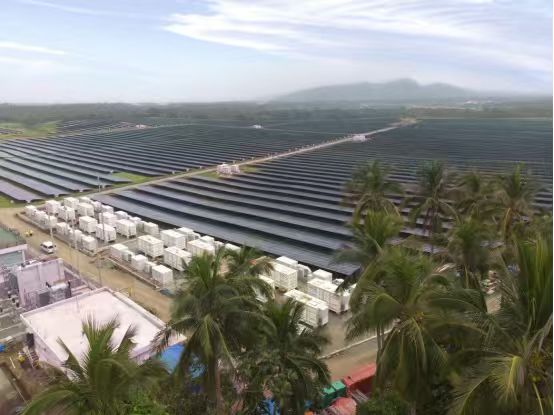
Solar power for factories in the Philippines is no longer an environmental decision — it is a cost decision, and the arithmetic has turned.
Als u eigenaar bent van een fabriek in de Filippijnen, het installeren van een zonne-energiesysteem Het is niet alleen milieuvriendelijk, maar ook een zeer winstgevende zakelijke beslissing.
De meeste fabrieken hebben een duidelijk elektriciteitsverbruikspatroon:
Dit belastingprofiel sluit perfect aan op zonne-energie fotovoltaïsche (PV) opwekkingdie overdag elektriciteit opwekt. Dat betekent dat uw fabriek de opgewekte zonne-energie direct kan gebruiken, waardoor de afhankelijkheid van het elektriciteitsnet aanzienlijk wordt verminderd.
Voor industriële gebruikers, een netgekoppeld zonne-energiesysteem Een systeem dat op het elektriciteitsnet is aangesloten, is meestal de beste optie omdat:
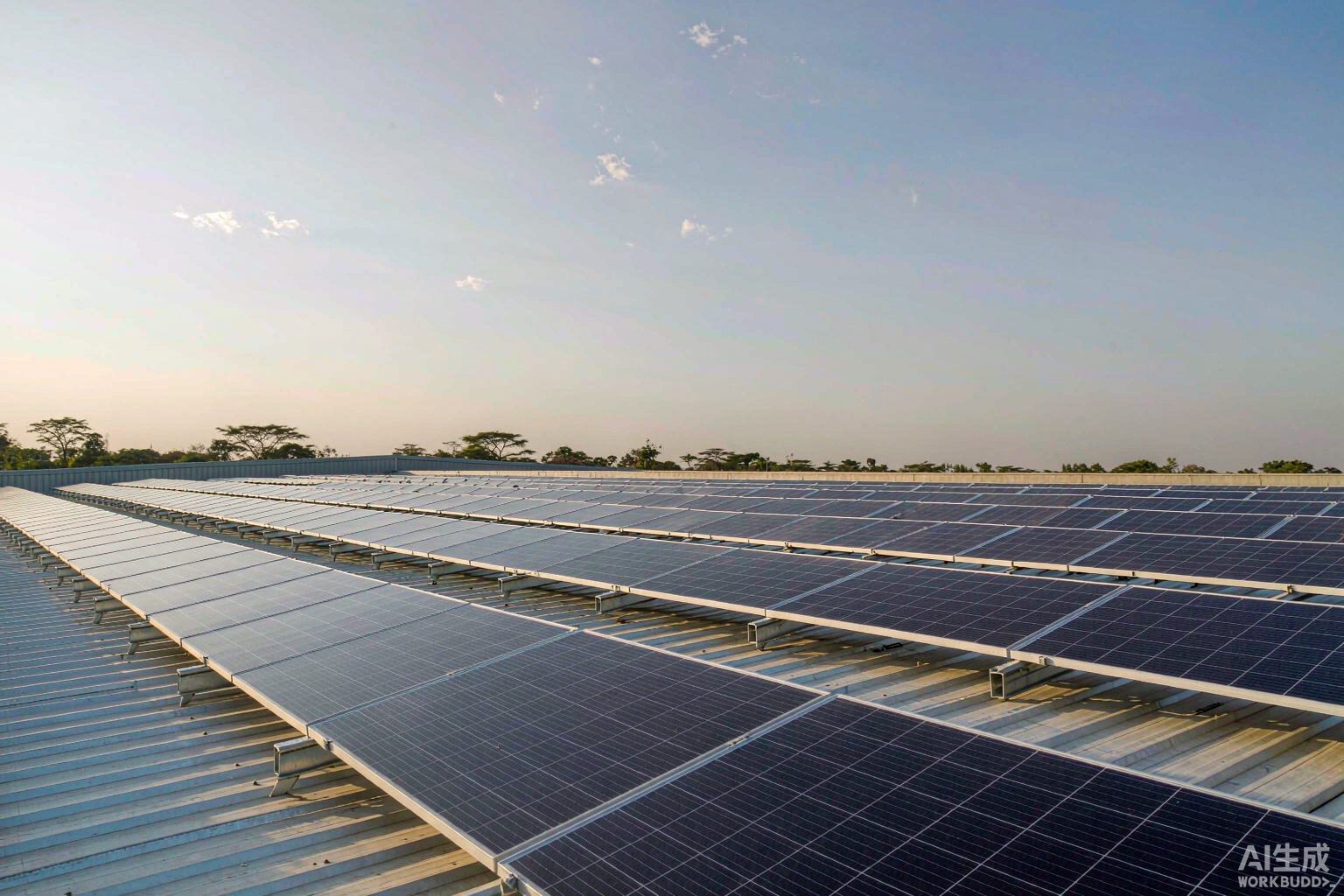
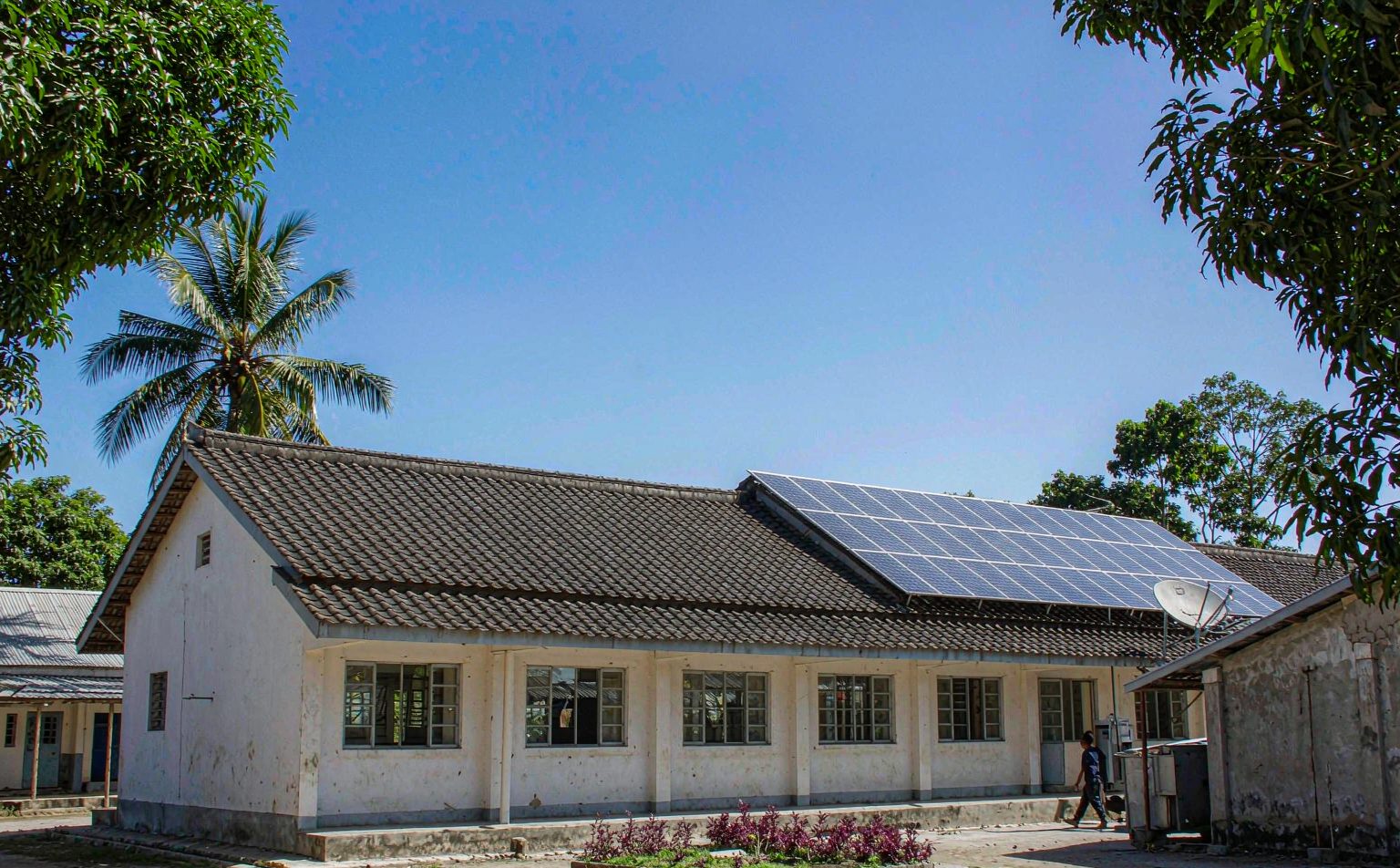
Door het installeren van een Commerciële zonne-energiesystemen op de FilipijnenUw fabriek kan zonne-energie gebruiken om het elektriciteitsverbruik overdag te compenseren – waar de meeste energiekosten ontstaan.
De elektriciteitsprijzen op de Filipijnen behoren tot de hoogste in Zuidoost-Azië:
Dit hoge tarief is precies de reden investeringen in zonne-energie in de Filipijnen Het is zo aantrekkelijk. Elke kWh die uw zonne-energiesysteem opwekt, vervangt direct de dure elektriciteit van het net.
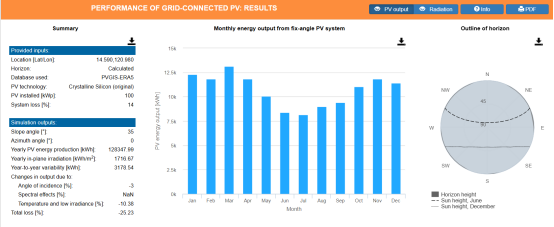
Laten we een typisch voorbeeld eens ontleden. Een zonne-energiesysteem van 100 kW voor een fabriek op de Filipijnen.:
Met deze besparingen:
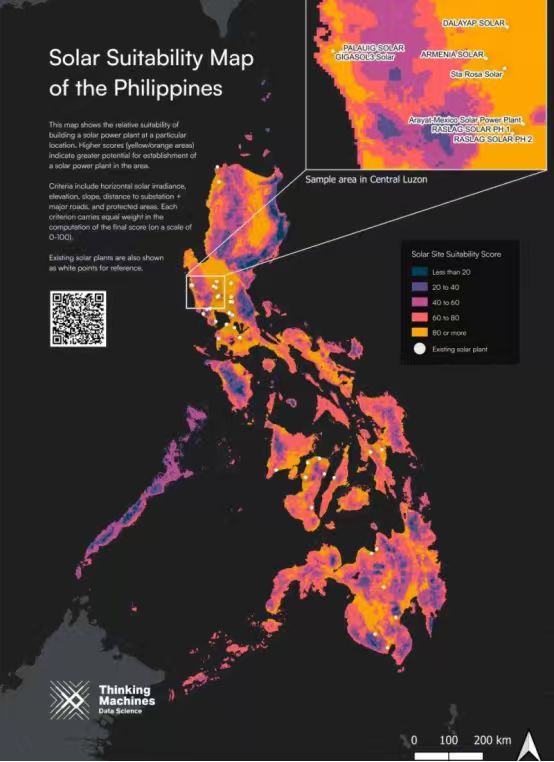
Zonne-energie is met name geschikt als uw fabriek:
Zelfs fabrieken met 24/7-activiteiten kan profiteren door het elektriciteitsverbruik overdag te verminderen.
Prijsbepaling van de Mars Solar 100 kW off-grid zonne-energiecentrale
De 100 kW zonne-energiecentrale van Mars Solar met 241kWh / 261kWh lithiumbatterij-energieopslag Wij bieden een concurrerende offerte op maat voor onze wereldwijde klanten. Voor de meest recente officiële offerte en een gedetailleerde prijsopgave (inclusief transport, installatie en service na verkoop) kunt u contact opnemen met ons verkoopteam via het officiële e-mailadres:info@marssolargroup.com.
Let op: de offerte is 30 dagen geldig en er gelden exclusieve kortingen voor grote bestellingen en langdurige samenwerkingsprojecten.

Philippine industrial tariffs are among the highest in South-East Asia, so every kilowatt-hour a factory generates during its production window is a kilowatt-hour it does not buy at the commercial rate. That is the whole calculation for a single-shift factory running on daytime load, and it is why solar power for factories in the Philippines has moved from pilot projects to standard practice.
The second saving is the one most quotes miss: demand charges. A system that shaves the monthly peak reduces the demand component of the bill, not just the energy component. We size against the logged peak, which is why two factories with the same monthly consumption can need very different arrays when you plan solar power for factories in the Philippines.
Payback on the worked example below — a 100kW system — lands inside four years at current commercial tariffs, and faster if the factory runs a second shift. Adding storage extends the saving into the evening peak but roughly doubles the capital cost, so the honest answer is that storage pays when the factory runs at night or when outages cost more than the battery.
On the policy side, DOE-registered renewable developers can import photovoltaic equipment at zero duty and zero VAT, which is a material difference to the capital cost of solar power for factories in the Philippines. The mechanics are covered in our Philippines solar import guide. For the engineering and tariff background, the World Bank energy programme publishes comparable data across the region.
Is it worth it? For a single-shift factory with a stable roof and a daytime load profile, solar power for factories in the Philippines is one of the few capital projects that pays for itself on the bill rather than on a projection. Every factory we quote starts with a load log and a roof survey, because the answer depends on your peak, not on a national average.
Where the answer changes. Solar power for factories in the Philippines stops being straightforward when the roof cannot carry the array, when the load sits mostly at night, or when the factory rents rather than owns. In those three cases we quote ground-mount, storage-first or a lease structure instead of solar power for factories in the Philippines on the existing roof, and we say so before you spend money on a survey. If the problem is an evening peak or a demand charge rather than total consumption, a commercial BESS Philippines project is usually the better first step.
What to send us. A load log, your latest bill and a roof plan are enough to size solar power for factories in the Philippines accurately; without the log we can only give a range. Every quote we issue for solar power for factories in the Philippines lists the assumptions it was built on, so you can check them against your own meter before you sign.

 English English
  Arabic
 Spanish
 French
 Dutch
Dutch
 Portuguese