
Linguagem

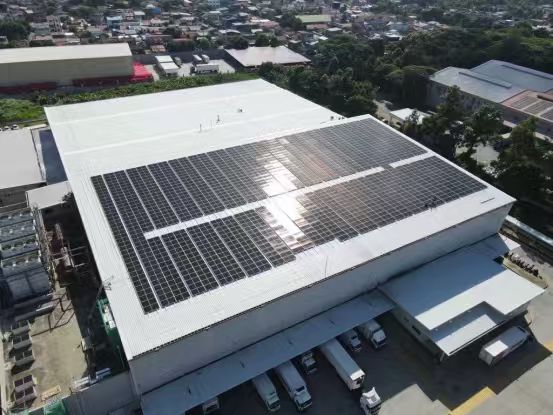
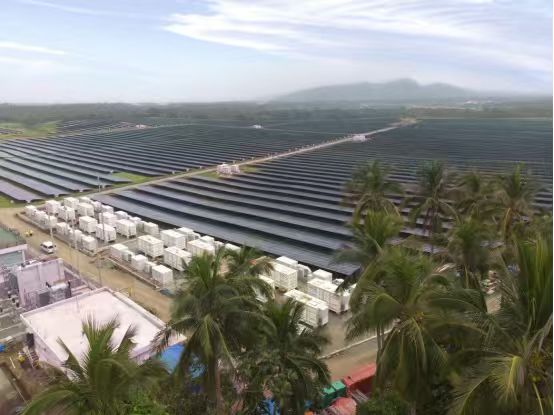
Solar power for factories in the Philippines is no longer an environmental decision — it is a cost decision, and the arithmetic has turned.
Se você é proprietário de uma fábrica em Filipinas, instalando um sistema de energia solar Não é apenas uma atitude ambientalmente responsável — é uma decisão comercial altamente lucrativa.
A maioria das fábricas possui um padrão de consumo de eletricidade bem definido:
Este perfil de carga alinha-se perfeitamente com geração solar fotovoltaica (FV)que produz eletricidade durante o dia. Isso significa que sua fábrica pode consumir diretamente a energia solar que você gera, reduzindo significativamente a dependência da rede elétrica.
Para usuários industriais, um sistema solar conectado à rede (Sistema conectado à rede) geralmente é a melhor opção porque:
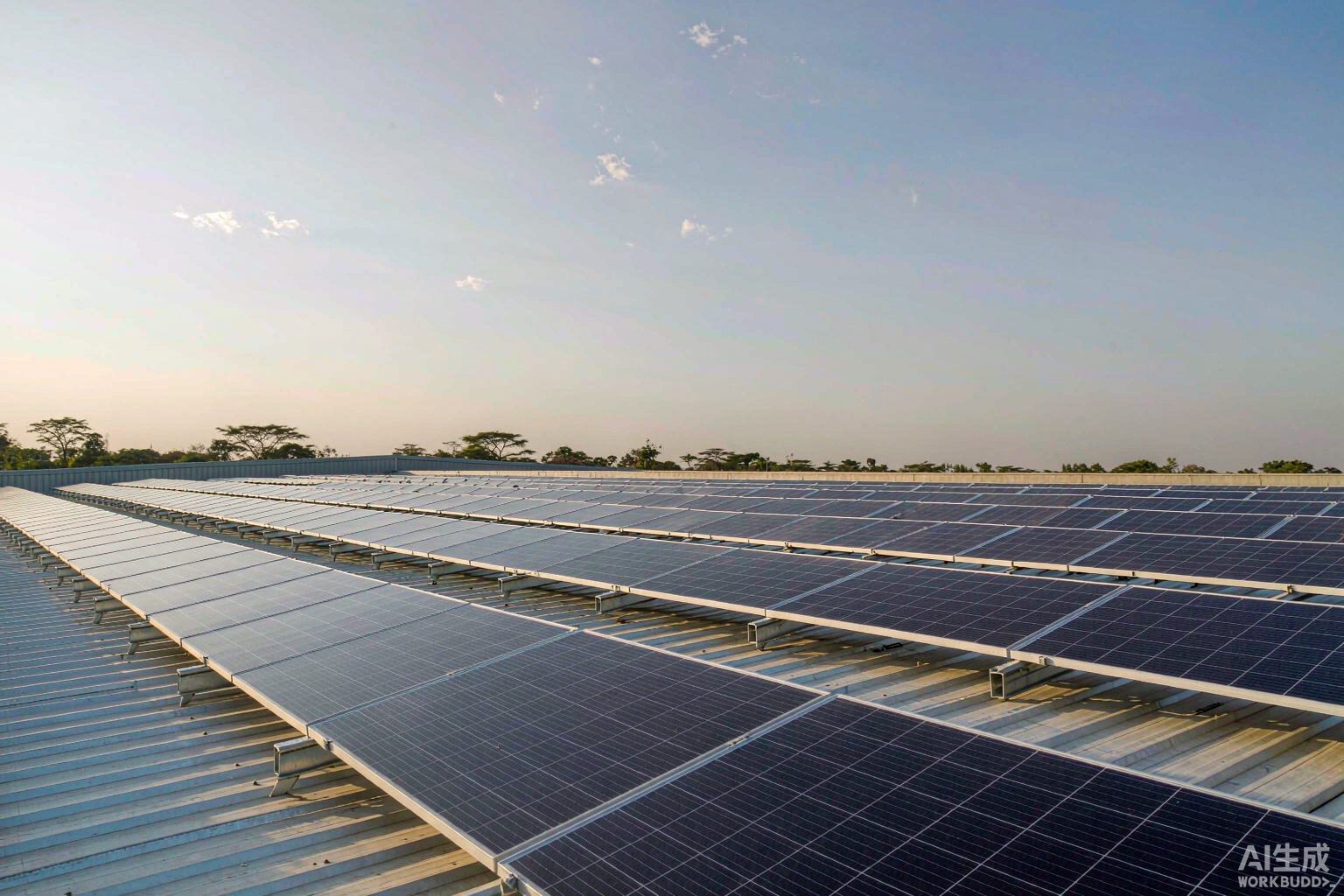
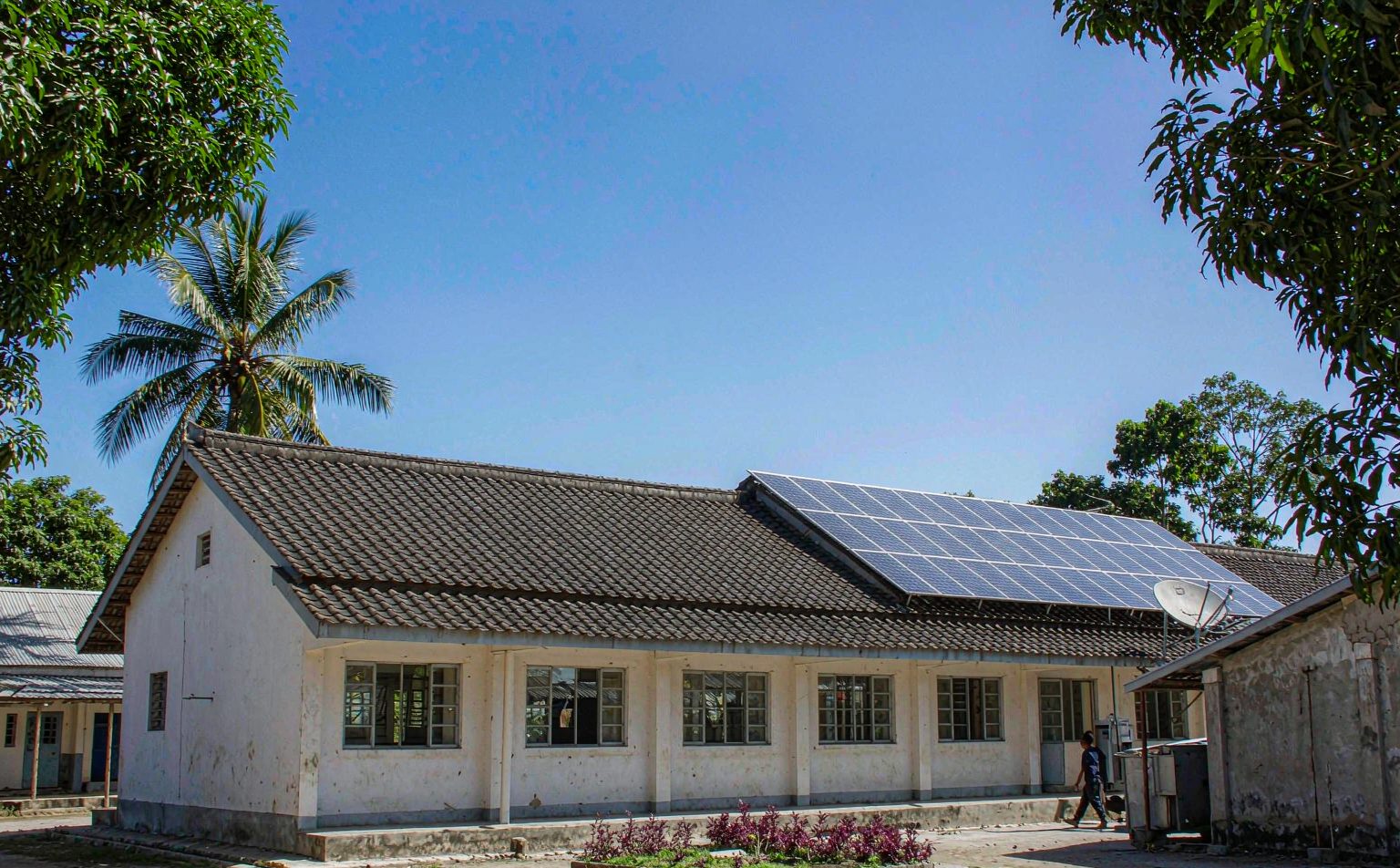
Ao instalar um Sistema solar comercial nas FilipinasSua fábrica pode usar energia solar para compensar o consumo de eletricidade durante o dia, período em que ocorre a maior parte dos seus custos de energia.
Os preços da eletricidade nas Filipinas estão entre os mais altos do Sudeste Asiático:
Essa tarifa elevada é exatamente o motivo Investimento em energia solar nas Filipinas É muito atraente. Cada kWh gerado pelo seu sistema solar substitui diretamente a cara eletricidade da rede.
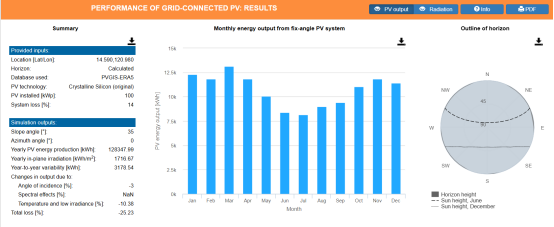
Vamos analisar um exemplo típico. Sistema solar de 100 kW para uma fábrica nas Filipinas.:
Com essas economias:
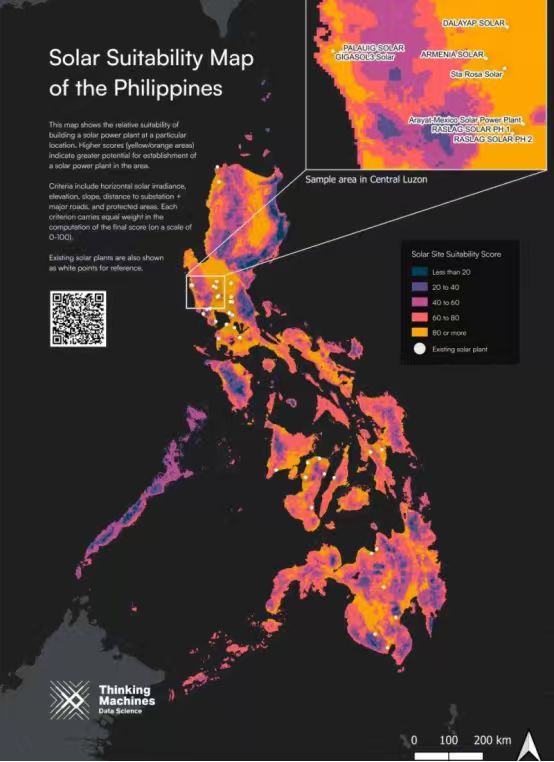
A energia solar é especialmente adequada se a sua fábrica:
Até mesmo fábricas com Operação 24 horas por dia, 7 dias por semana podem se beneficiar com a redução do consumo da rede elétrica durante o dia.
Preços da usina solar autônoma de 100 kW da Mars Solar
Usina de energia solar de 100 kW da Mars Solar com 241kWh / 261armazenamento de energia em baterias de lítio kWh Oferecemos orçamentos personalizados e competitivos para clientes globais. Para obter o orçamento oficial mais recente e a discriminação detalhada dos preços (incluindo transporte, instalação e serviço pós-venda), entre em contato com nossa equipe de vendas pelo e-mail oficial:info@marssolargroup.com.
Nota: O orçamento é válido por 30 dias e descontos exclusivos estão disponíveis para encomendas em grande quantidade e projetos de cooperação a longo prazo.

Philippine industrial tariffs are among the highest in South-East Asia, so every kilowatt-hour a factory generates during its production window is a kilowatt-hour it does not buy at the commercial rate. That is the whole calculation for a single-shift factory running on daytime load, and it is why solar power for factories in the Philippines has moved from pilot projects to standard practice.
The second saving is the one most quotes miss: demand charges. A system that shaves the monthly peak reduces the demand component of the bill, not just the energy component. We size against the logged peak, which is why two factories with the same monthly consumption can need very different arrays when you plan solar power for factories in the Philippines.
Payback on the worked example below — a 100kW system — lands inside four years at current commercial tariffs, and faster if the factory runs a second shift. Adding storage extends the saving into the evening peak but roughly doubles the capital cost, so the honest answer is that storage pays when the factory runs at night or when outages cost more than the battery.
On the policy side, DOE-registered renewable developers can import photovoltaic equipment at zero duty and zero VAT, which is a material difference to the capital cost of solar power for factories in the Philippines. The mechanics are covered in our Guia de importação de energia solar nas Filipinas. For the engineering and tariff background, the Programa de energia do Banco Mundial publishes comparable data across the region.
Is it worth it? For a single-shift factory with a stable roof and a daytime load profile, solar power for factories in the Philippines is one of the few capital projects that pays for itself on the bill rather than on a projection. Every factory we quote starts with a load log and a roof survey, because the answer depends on your peak, not on a national average.
Where the answer changes. Solar power for factories in the Philippines stops being straightforward when the roof cannot carry the array, when the load sits mostly at night, or when the factory rents rather than owns. In those three cases we quote ground-mount, storage-first or a lease structure instead of solar power for factories in the Philippines on the existing roof, and we say so before you spend money on a survey. If the problem is an evening peak or a demand charge rather than total consumption, a commercial BESS Philippines project is usually the better first step.
What to send us. A load log, your latest bill and a roof plan are enough to size solar power for factories in the Philippines accurately; without the log we can only give a range. Every quote we issue for solar power for factories in the Philippines lists the assumptions it was built on, so you can check them against your own meter before you sign.

 English English
  Arabic
 Spanish
 French
 Dutch
Dutch
 Portuguese