
Taal
In Afrika ten zuiden van de Sahara hebben 600 miljoen mensen nog steeds geen toegang tot elektriciteit. Dat is niet zomaar een statistiek, maar een enorme marktkans voor importeurs, distributeurs en EPC-aannemers van zonnepanelen.
De Afrikaanse markt voor zonne-energie buiten het elektriciteitsnet zal naar verwachting een omvang bereiken van... $3,5 miljard tegen 2030, met jaarlijkse groeicijfers van 15-201 TP3T. In tegenstelling tot de verzadigde markten in Europa, vertegenwoordigt Afrika een onbenut potentieel met een reële vraag.
Deze gids behandelt alles wat u nodig hebt om succesvol off-grid zonne-energiesystemen in Afrika te vinden en te verkopen.
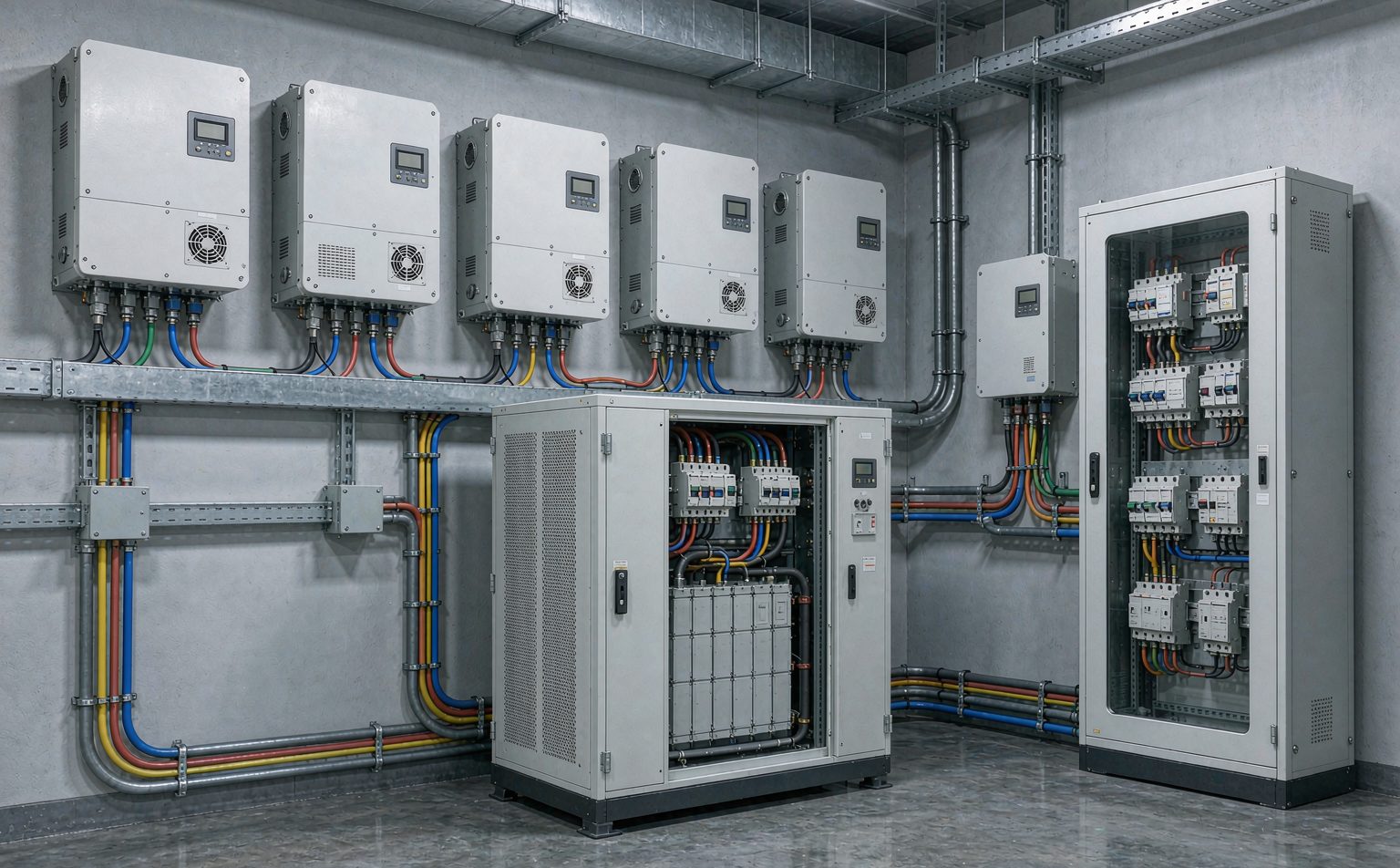
![Off-grid zonne-energiesystemen voor Afrika: een B2B-kopersgids voor importeurs en EPC-aannemers [editie 2026]](https://sunenergyfactory.com/wp-content/uploads/2026/03/8ed07258c9da0c4f690dad971c805471.jpg)
Land | Marktdrijfveren | Typische systeemafmetingen | Geschatte jaarlijkse vraag |
|---|---|---|---|
Kenia | KOSAP-project, penetratie van mobiel geld | 50W-500W (SHS), 5-50kW (mini-grids) | Meer dan 150.000 SHS-eenheden per jaar |
Nigeria | Plan voor 5.000 mini-netwerken, 60% niet geëlektrificeerd | 100W-1kW (SHS), 20-500kW (mini-grids) | Meer dan 200.000 SHS-eenheden per jaar |
Oeganda | BGFA-financiering, vluchtelingennederzettingen | 50W-300W (SHS), 5-20kW (mini-grids) | Meer dan 80.000 SHS-eenheden per jaar |
Ethiopië | Nationaal elektrificatieprogramma | 100W-500W (SHS), 10-100kW (mini-grids) | Meer dan 100.000 SHS-eenheden per jaar |
Tanzania | Mijnbouw- en telecomsector | 500W-5kW (commercieel), 50-200kW (mini-grids) | Meer dan 60.000 SHS-eenheden per jaar |
Zuid-Afrika | Stroomtekortcrisis, commerciële vraag | 5-50 kW (residentieel/commercieel) | 50 MW+ gedistribueerde systemen per jaar |
Gegevensbronnen: GOGLA 2025 Global Off-Grid Solar Market Trends, World Bank Lighting Global, KOSAP, BGFA
Doelgroep: Huishoudens op het platteland, kleine bedrijven
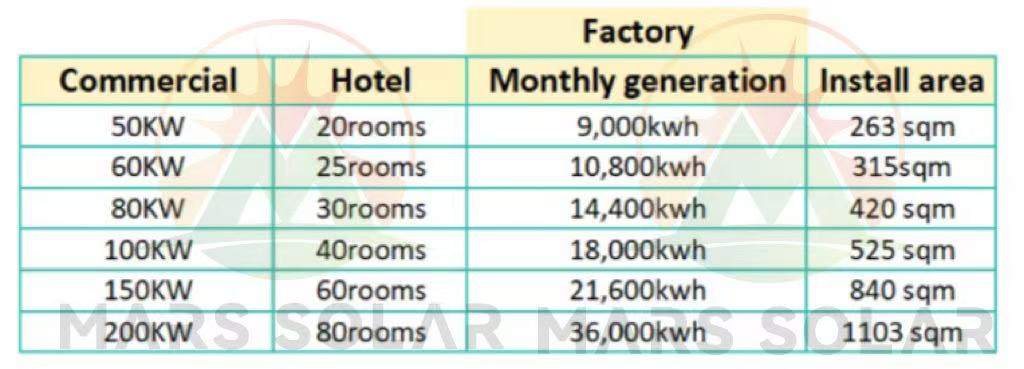
Systeemgrootte | Onderdelen | FOB-prijs (USD) | Toepassingen |
|---|---|---|---|
10 kW | 18 stuks × 550W zonnepanelen, 15kWh LiFePO4-batterij, 10kW hybride omvormer | $5,500 - $7,000 | Huishouden met tv/radio |
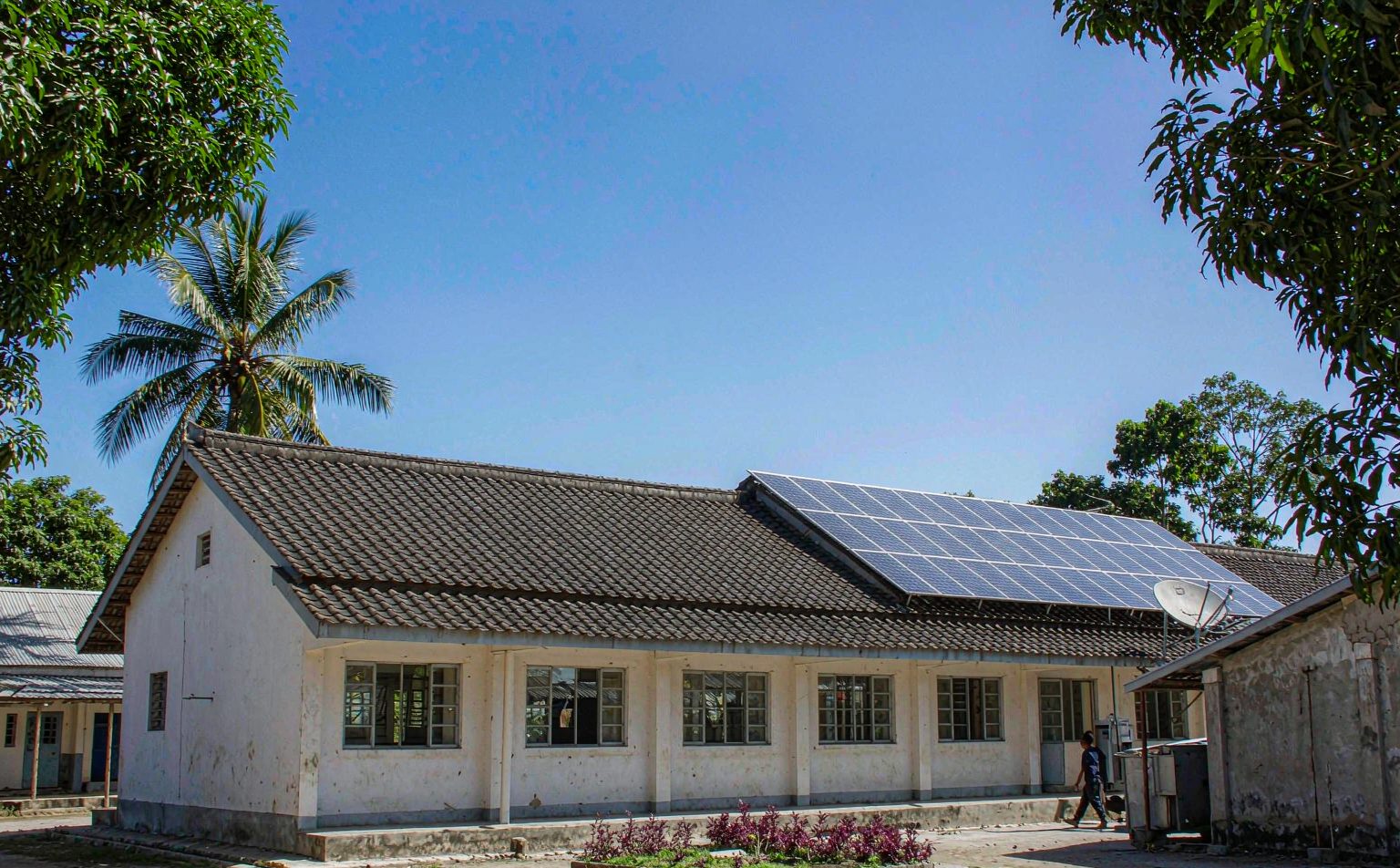
30 kW | 55 stuks × 550W zonnepanelen, 60kWh LiFePO4-batterij, 30kW hybride omvormer | $13,000 - $15,000 | Kleine fabrieken, klinieken, scholen, restaurants, landbouwirrigatie |
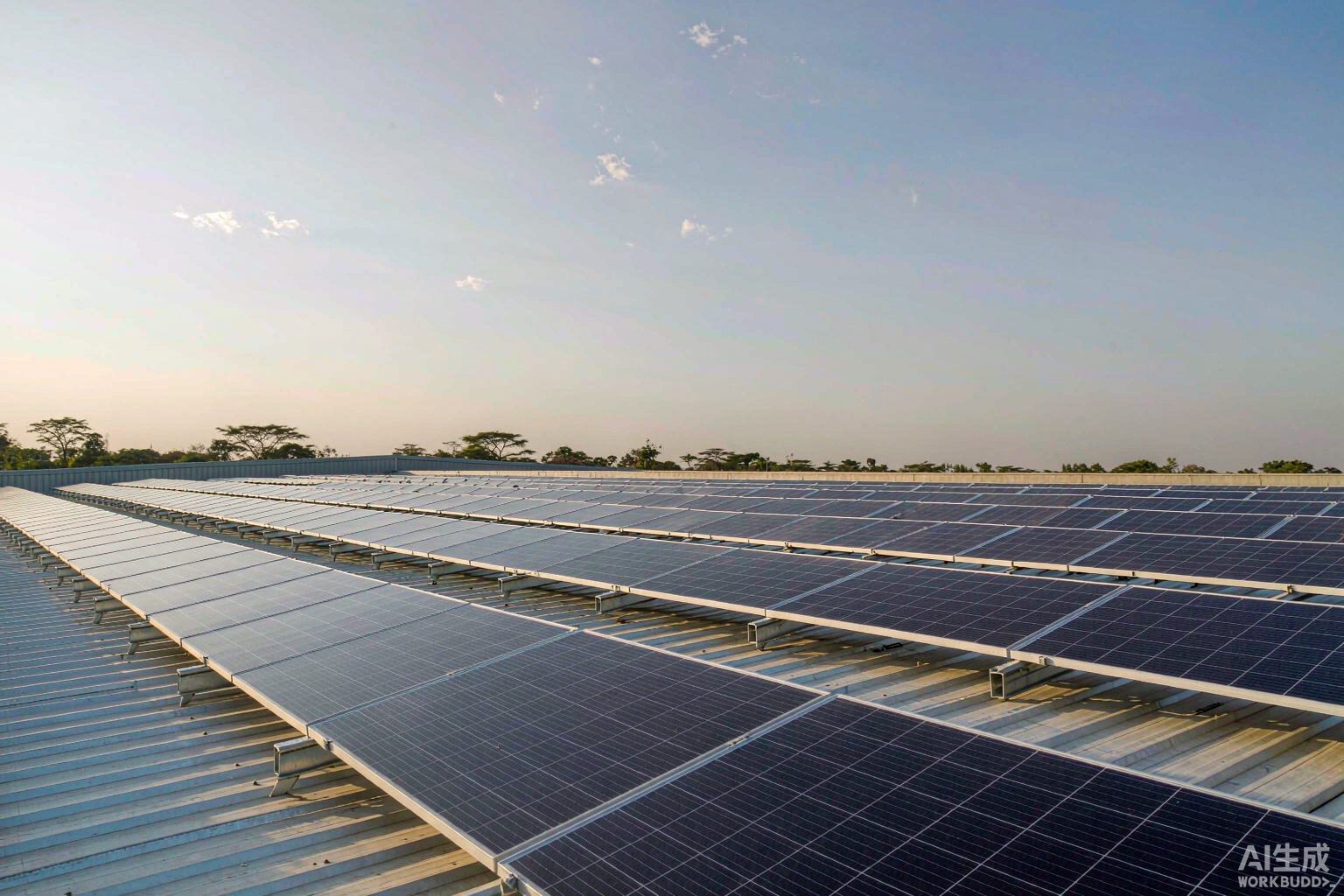
50 kW | 91 stuks × 550W zonnepanelen, 50-100kWh LiFePO4-batterij, 50kW hybride omvormer | $20,000 - $25,000 | Middelgrote fabrieken, hotels, agrarische verwerkingsbedrijven, clusters van telecommunicatiezendmasten |
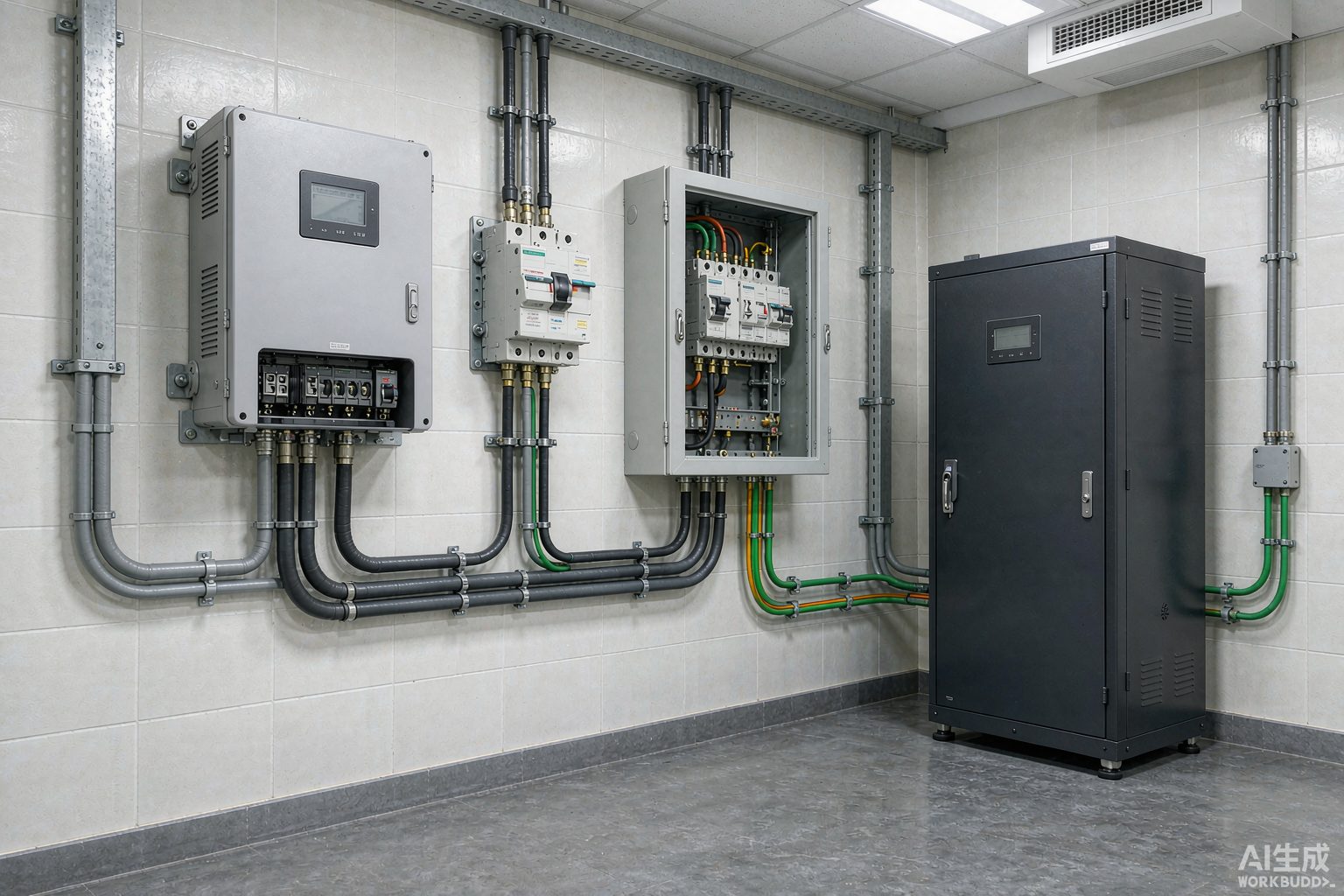
100 kW | 182 stuks × 550W zonnepanelen, 200kWh LiFePO4-batterij, 100kW driefase hybride omvormer | $60,000 - $70,000 | Grote fabrieken, ziekenhuizen, winkelcentra, mijnkampen, microgrids voor de lokale gemeenschap |
300 kW | 545 stuks × 550W zonnepanelen, 600kWh LiFePO4-batterijpakket, 300kW driefase hybride omvormer + SCADA-bewakingssysteem | $200,000 - $250,000 | Industriële werkplaatsen, grote hotelcomplexen, microgrids in dorpen, rijstverwerkingsfabrieken, koelhuizen |
Doelgroep: Winkels, klinieken, scholen, restaurants, kleine fabrieken, zendmasten
Doelgroep: EPC-aannemers, ontwikkelaars van mininetwerken, programma's voor plattelandselektrificatie
FOB-prijsbereik: $600-$900 per kW (alleen componenten)
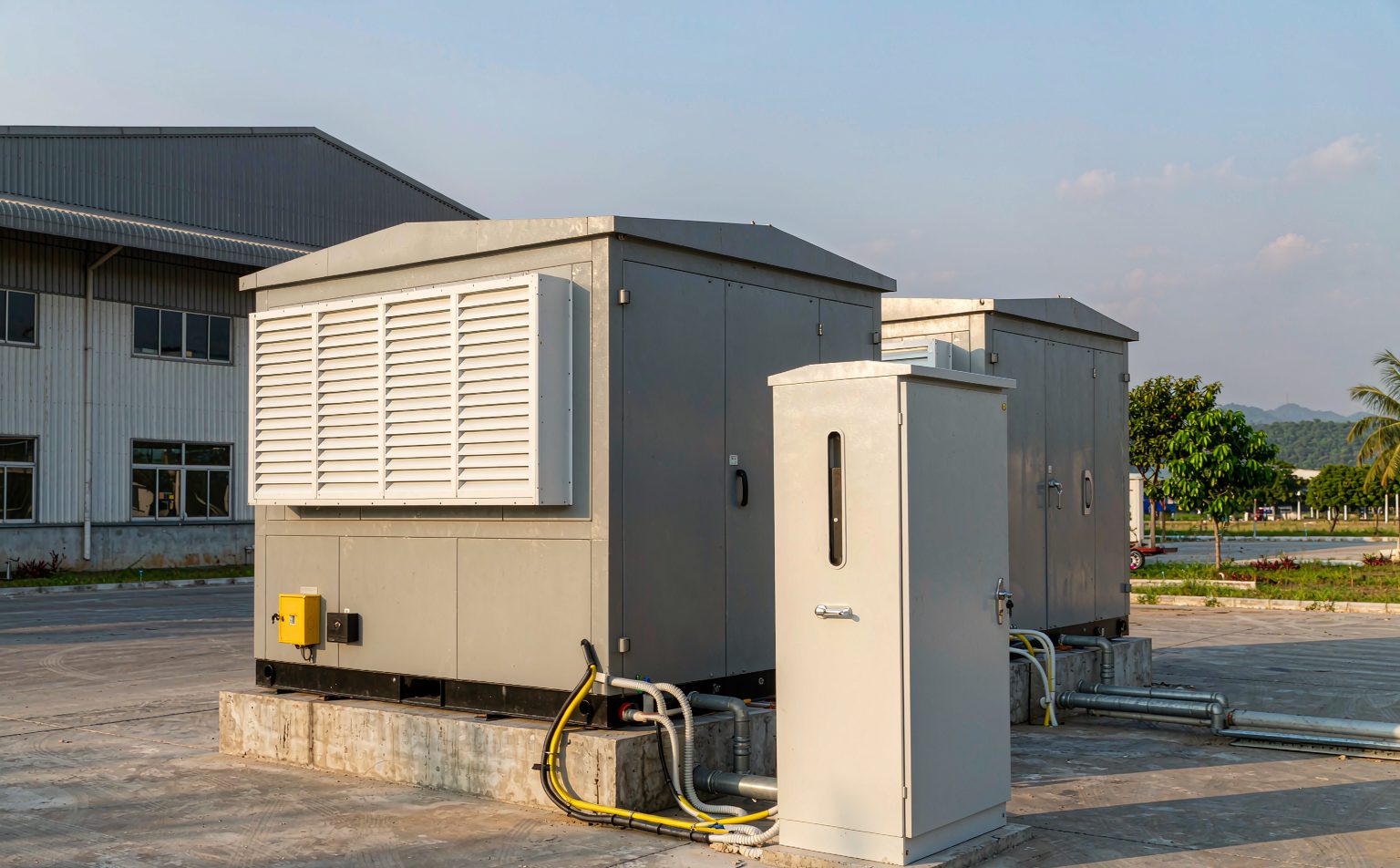
![Off-grid zonne-energiesystemen voor Afrika: een B2B-kopersgids voor importeurs en EPC-aannemers [editie 2026]](https://sunenergyfactory.com/wp-content/uploads/2026/04/d7b4bced.jpg)
Batterijopslag is essentieel voor toepassingen die niet op het elektriciteitsnet zijn aangesloten. Uw klanten hebben 's nachts en op bewolkte dagen betrouwbare stroom nodig.
Product | Vereiste certificeringen | Waarom het belangrijk is |
|---|---|---|
Zonnepanelen | IEC 61215, IEC 61730, IEC 62716 (PID-test) | Kwaliteits- en veiligheidsbasislijn |
Omvormers | IEC 62109-1, IEC 62109-2, IEC 61683 (efficiëntie) | Veiligheid en prestaties |
LiFePO4-batterijen | IEC 62619, UN38.3 (transportveiligheid), IEC 62620 | Veiligheids- en transportregelgeving |
Laadregelaars | IEC 62509 | Veiligheid |
Bestemmingsland | Hoofdhaven | Transittijd vanuit China | Verzendkosten (40ft HQ) |
|---|---|---|---|
Kenia | Mombasa | 25-30 dagen | $3,500-$5,000 |
Nigeria | Lagos | 30-35 dagen | $4,000-$6,000 |
Zuid-Afrika | Durban | 20-25 dagen | $3,000-$4,500 |
Tanzania | Dar es Salaam | 25-30 dagen | $3,500-$5,000 |
Belangrijk: Veel Afrikaanse landen vrijstellen zonnepanelen van invoerrechten om hernieuwbare energie te stimuleren. Batterijen en omvormers zijn echter vaak wel onderhevig aan invoerrechten. Neem contact op met een lokale douane-expediteur voor meer informatie.
Het probleem: Zonnepanelen van lage kwaliteit degraderen sneller, omvormers gaan binnen 1-2 jaar kapot en accu's verliezen voortijdig capaciteit.
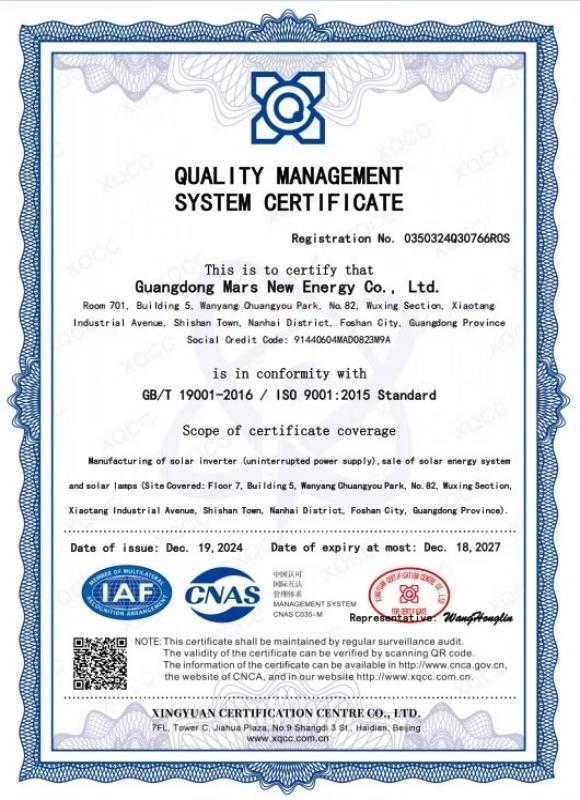
De oplossing: Koop uw producten bij gerenommeerde fabrikanten met een bewezen staat van dienst. Mars Solar heeft meer dan 17 jaar ervaring en referenties uit heel Afrika.
Het probleem: Als klanten problemen hebben, kun je ze niet helpen omdat je leverancier niet reageert.
De oplossing: Kies leveranciers met toegewijde supportteams. Mars Solar heeft meer dan 30 engineers die technische ondersteuning, service na verkoop en installatiebegeleiding bieden.
Het probleem: U verzendt producten die niet voldoen aan de lokale certificeringseisen, en de douane houdt uw container tegen.
De oplossing: Onderzoek de certificeringseisen VOORDAT u bestelt. Mars Solar heeft ervaring met KEBS, SONCAP, NRCS en andere Afrikaanse certificeringen.
For a view of how orders are actually scheduled, see our Africa solar installation plan — it lists the markets, sizes and shipment windows we were working to in April.
Three bands carry the volume. Solar home systems from 50 W to 500 W dominate unit count through distributors and PAYG operators; commercial off-grid solar system packages from 1 kW to 50 kW go to farms, clinics, schools and small factories; and mini-grid off-grid solar system builds from 50 kW to 500 kW serve communities and industrial parks. Volume sits in the smallest band, but margin sits in the 10–50 kW off-grid solar system range.
From logged consumption, never from a rule of thumb. A 100 kW off-grid solar system is normally built as 180–200 modules of 550–600 W, a 200–300 kWh LiFePO₄ bank giving two to three hours of backup, a three-phase hybrid inverter and an automatic-start standby generator. The off-grid solar system is sized on the night block plus process surge, because that is where an under-sized off-grid solar system fails.
Expect roughly USD 1,000–5,000 per kW for a complete 1–5 kW off-grid solar system, USD 800–1,200 per kW for a 10–50 kW commercial off-grid solar system, and USD 600–900 per kW for the components of a 50–500 kW mini-grid off-grid solar system. The spread is driven by storage ratio rather than by panel price, so always ask for an off-grid solar system quote split between generation and battery.
LiFePO₄, without much debate. A lithium off-grid solar system delivers 2,000 or more cycles against 500–800 for lead-acid, tolerates 45°C+ ambient when the battery room is ventilated, needs no watering and is far lighter to freight. The higher purchase price of a lithium off-grid solar system is recovered inside the first replacement cycle, which is why lead-acid is now a niche choice for an off-grid solar system in Africa.
At module level, IEC 61215 and IEC 61730, plus IEC 62716 where the site is near the coast. Inverters need IEC 62109-1 and IEC 62109-2. Lithium cells need IEC 62619 and IEC 62620 with a UN 38.3 transport report for the shipping line. Country overlays then apply — SONCAP for Nigeria, PVoC for Kenya and Tanzania, and the equivalent conformity programme elsewhere. An off-grid solar system without that document set cannot clear.
Treat it line by line, not as one shipment. Solar panels are exempt from customs duty in most African markets, batteries attract roughly 5–25% depending on country, and inverters fall in the same 5–25% band. Declaring a whole off-grid solar system under the module heading is the error that turns a duty saving into a penalty, so confirm the HS codes for your off-grid solar system with a clearing agent before the order is placed.
Plan on 30–45 days of ocean transit from China to a major African port, plus 10–20 days of production and inland transport. The variable that ruins schedules is documentation rather than shipping: a certificate of conformity issued late will hold an off-grid solar system at the port long after the vessel has berthed. Book the inspection when the off-grid solar system enters final assembly, not after it is crated.
Quoted prices 20% or more below the market with no explanation of what is missing; a “5-year warranty” with no replacement or repair terms; unbranded inverters described only by wattage; and refusal to publish test reports. Any one of these on an off-grid solar system order is worth a second look; two of them usually mean the supplier is reselling whatever is closest to hand that week.
30% deposit with 70% before shipment is the standard structure on an off-grid solar system order, and a letter of credit for larger contracts. Both are reasonable. What is not reasonable is a supplier demanding 100% upfront on an off-grid solar system with no factory visit, no test report and no shipping documents in the contract. Ask for the bill of lading to be issued in your name, and release the balance against it.
For a mini-grid, usually yes as reserve; for a commercial off-grid solar system it depends on the design autonomy. A 50–100 kW automatic-start generator is the normal pairing on a 100 kW off-grid solar system, because the cost of a four-day outage is far above the cost of a standby unit. On a well-sized off-grid solar system the generator runs a few dozen hours a year instead of every evening.
Two days is the common specification; three days is what bank, clinic and telecom clients ask for. Autonomy is the single biggest cost driver in an off-grid solar system, because every extra day of storage is battery capacity that generates nothing on a sunny day. Size the off-grid solar system to the longest realistic outage in that market, not to the worst imaginable one.
Kenya, Nigeria, Uganda, Ethiopia and Tanzania carry the volume. Kenya combines mobile-money penetration with government rural electrification programmes; Nigeria has a large unelectrified population and an explicit mini-grid plan; Uganda and Ethiopia are absorbing international funding for refugee and rural settlement electrification. South Africa behaves differently, with an off-grid solar system market driven by load shedding.
It converts an off-grid solar system from a capital purchase into a service. Pay-as-you-go unlocks customers who cannot pay for a solar home system upfront, and it gives the distributor recurring revenue plus remote data on every unit. The trade-off is financing cost and the need to lock or disable an off-grid solar system remotely when payments lapse, so PAYG demands firmware capability rather than just hardware.
Match warranty to component life rather than to a marketing number. For an off-grid solar system, panels should carry 10–12 years against defects and 25 years against performance, inverters 5 years, and lithium batteries 5–10 years or a stated cycle count. A 5-year panel warranty on an off-grid solar system is a warning sign; a 25-year statement with no issuer named is not much better.
Against measured output, not against a checklist. A proper handover records the array's open-circuit voltage and short-circuit current per string, the battery's state of health, the inverter's settings, and a full load test against the design load. Commissioning an off-grid solar system in the dry season and calling it finished is a common shortcut, so insist the off-grid solar system be load-tested to its stated rating before sign-off.
Yes, if the AC architecture was chosen for it. Rack-mounted LFP cabinets and a bidirectional inverter let you add storage to an off-grid solar system without replacing the conversion equipment, and spare MPPT capacity on the inverter lets you add strings. Decide that path when you buy the first off-grid solar system, because retrofitting around a fully loaded inverter is the expensive version.
Three things: a design review before the order, commissioning support on site or by video, and a spare-parts list held in the region. An off-grid solar system is usually the only power source at the site, so a supplier without an escalation path is a single point of failure. Ask how a fault is diagnosed on an off-grid solar system thousands of kilometres away — the answer should mention remote monitoring and named engineers.
Normalise before you compare. Put both off-grid solar system quotes into the same table: module model and warranty, inverter model and MPPT count, battery chemistry and usable kWh, protection devices, mounting, shipping terms, and the document set. Then add the levelised cost of electricity view — lifetime cost divided by lifetime kWh. Two off-grid solar system quotes that look identical on price are rarely identical on the table.
Mars Solar is een toonaangevende Chinese fabrikant met meer dan 17 jaar ervaring in off-grid zonne-energiesystemen.
Mars Solar (Foshan Mars Solar Technology Co., Ltd.) produceert en ontwikkelt zonne-energiesystemen sinds 2008. Meer dan 17 jaar ervaring, 30+ ingenieurs, En Meer dan 3.000 succesvolle projecten in meer dan 130 landen., Wij helpen distributeurs en EPC-aannemers succesvol te zijn in Afrika en daarbuiten.
Neem contact op | Over ons | Bekijk onze cases | Bekijk video's
Laatst bijgewerkt: juni 2026
Trefwoorden: off-grid zonne-energiesystemen Afrika, import van zonne-energiesystemen voor thuisgebruik, mini-grid zonne-energie Afrika, B2B zonnepanelen China, PAYG zonne-energiesystemen, zonne-energiedistributeur Afrika, EPC-aannemer zonne-energiesystemen, Mars Solar

 English English
  Arabic
 Spanish
 French
 Dutch
Dutch
 Portuguese