Sistemas solares aislados para África: Guía de compra B2B para importadores y contratistas EPC [Edición 2026]
En el África subsahariana, 600 millones de personas aún carecen de acceso a la electricidad. That's not just a statistic—it's a massive market opportunity for solar importers, distributors, and EPC contractors.
Se prevé que el mercado africano de energía solar fuera de la red alcance $3.5 mil millones para 2030, con tasas de crecimiento anuales de 15-20%. A diferencia de los mercados saturados de Europa, África representa un potencial sin explotar con una demanda real.
Como comprador B2B, esto es lo que necesita saber:
- La demanda es real, no especulativa. – Gobiernos, ONG e inversores privados están financiando proyectos AHORA
- La competencia es menor que en los mercados establecidos. – Los pioneros obtienen redes de distribución
- Los márgenes de beneficio son más saludables. – Los costes de la cadena de suministro son más bajos y los clientes priorizan la fiabilidad sobre los precios bajísimos.
- Los modelos de pago están probados – El sistema de pago por uso (PAYG) ha transformado la asequibilidad.
Esta guía abarca todo lo que necesitas para adquirir y vender con éxito sistemas solares aislados de la red eléctrica en África.
![Sistemas solares aislados para África: Guía de compra B2B para importadores y contratistas EPC [Edición 2026]](https://sunenergyfactory.com/wp-content/uploads/2026/03/8ed07258c9da0c4f690dad971c805471.jpg)
1. Panorama del mercado: ¿Dónde se encuentran las oportunidades?
Países con alto potencial de crecimiento para la energía solar fuera de la red.
País | Factores que impulsan el mercado | Tamaños típicos del sistema | Demanda anual estimada |
|---|---|---|---|
Kenia | Proyecto KOSAP, penetración del dinero móvil | 50W-500W (SHS), 5-50kW (minirredes) | Más de 150.000 unidades de educación secundaria superior al año. |
Nigeria | Plan de 5.000 minirredes, 60% sin electrificar | 100W-1kW (sistemas solares domésticos), 20-500kW (minirredes) | Más de 200.000 unidades de educación secundaria superior al año. |
Uganda | Financiación de BGFA, asentamientos de refugiados | 50W-300W (SHS), 5-20kW (minirredes) | Más de 80.000 unidades de educación secundaria superior al año. |
Etiopía | Programa nacional de electrificación | 100W-500W (SHS), 10-100kW (minirredes) | Más de 100.000 unidades de educación secundaria superior al año. |
Tanzania | Sectores de minería y telecomunicaciones | 500W-5kW (comercial), 50-200kW (minirredes) | Más de 60.000 unidades de educación secundaria superior al año. |
Sudáfrica | crisis de cortes de suministro eléctrico, demanda comercial | 5-50 kW (residencial/comercial) | Sistemas distribuidos de más de 50 MW al año. |
Fuentes de datos: GOGLA 2025 Tendencias del mercado global de energía solar fuera de la red, Banco Mundial Lighting Global, KOSAP, BGFA
2. ¿Qué sistemas solares autónomos se venden mejor en África?
Tipo de sistema 1: Sistemas solares domésticos (SHS) – de 50 W a 500 W
Clientes objetivo: hogares rurales, pequeñas empresas
Configuraciones más vendidas:
Tamaño del sistema | Componentes | Precio FOB (USD) | Aplicaciones |
|---|---|---|---|
10 kW | 18 paneles solares de 550 W, batería LiFePO4 de 15 kWh, inversor híbrido de 10 kW. | $5,500 - $7,000 | Hogar con TV/radio |
30 kW | 55 pcs × 550W solar panels, 60kWh LiFePO4 battery, 30kW hybrid inverter | $13,000 - $15,000 | Pequeñas fábricas, clínicas, escuelas, restaurantes, riego agrícola. |
50 kW | 91 paneles solares de 550 W, batería LiFePO4 de 50-100 kWh, inversor híbrido de 50 kW. | $20,000 - $25,000 | Fábricas medianas, hoteles, plantas procesadoras agrícolas, grupos de estaciones base de telecomunicaciones. |
100 kW | 182 paneles solares de 550 W, batería LiFePO4 de 200 kWh, inversor híbrido trifásico de 100 kW. | $60,000 - $70,000 | Grandes fábricas, hospitales, centros comerciales, campamentos mineros, microrredes comunitarias |
300 kW | 545 paneles solares de 550 W, batería LiFePO4 de 600 kWh, inversor híbrido trifásico de 300 kW + sistema de monitorización SCADA. | $200,000 - $250,000 | Talleres industriales, grandes complejos hoteleros, microrredes rurales, plantas procesadoras de arroz, almacenes frigoríficos |
Características clave que demandan los compradores africanos:
- ✅ Tipo de batería: Las baterías de litio LiFePO4 están reemplazando a las de plomo-ácido (mayor vida útil, se espera una garantía de 5 años).
- ✅ Integración del sistema PAYG: Controladores bloqueables con capacidad de pago móvil
- ✅ Durabilidad: Resistente al polvo y a altas temperaturas (temperatura ambiente superior a 45 °C).
- ✅ Fácil instalación: Conectores plug-and-play (no se necesita electricista para SHS)
- ✅ Garantía: Mínimo 2 años, 5 años para marcas premium.
Tipo de sistema 2: Sistemas comerciales aislados de la red eléctrica – de 1 kW a 50 kW
Clientes objetivo: Tiendas, clínicas, escuelas, restaurantes, pequeñas fábricas, torres de telecomunicaciones
Soluciones recomendadas por Mars Solar:
- Sistema solar de 15 kW + 50 kWh – Ideal para pequeñas fábricas, escuelas, clínicas, restaurantes y hoteles.
- Sistema solar para fábrica – Diseñado para instalaciones de fabricación de tamaño mediano con requisitos de energía las 24 horas del día, los 7 días de la semana.
- Sistema solar para la granja – Perfecto para el riego agrícola, la ganadería y la acuicultura.
Precios típicos:
- Sistemas aislados de la red eléctrica de 1 kW a 5 kW: $1.000-$5.000 por kW (sistema completo)
- Sistemas aislados de la red eléctrica de 10 kW a 50 kW: $800-$1.200 por kW (sistema completo)
Tipo de sistema 3: Sistemas de minirredes – de 50 kW a 500 kW
Clientes objetivo: Contratistas EPC, desarrolladores de minirredes, programas de electrificación rural
Configuración típica (ejemplo de 100 kW):
- Conjunto de paneles solares: 100 kW (180-200 paneles × 550-600 W)
- Almacenamiento de la batería: Batería de 200-300 kWh de LiFePO4 (con una autonomía de 2 a 3 horas)
- Sistema inversor: Inversor híbrido trifásico de 100 kW
- Distribución: Red de distribución de baja tensión, contadores inteligentes
- Generador de respaldo: Generador diésel de 50-100 kW (arranque automático)
Rango de precios FOB: $600-$900 por kW (solo componentes)
Soluciones a gran escala destacadas:
- Sistema solar de 100 kW – Para edificios comerciales y minirredes
- Sistemas de 300 kW a 500 kW – Minirredes industriales y comunitarias
- Sistema solar de 1 MW (1000 kW) – Proyectos a gran escala
Ejemplos de proyectos reales en África:
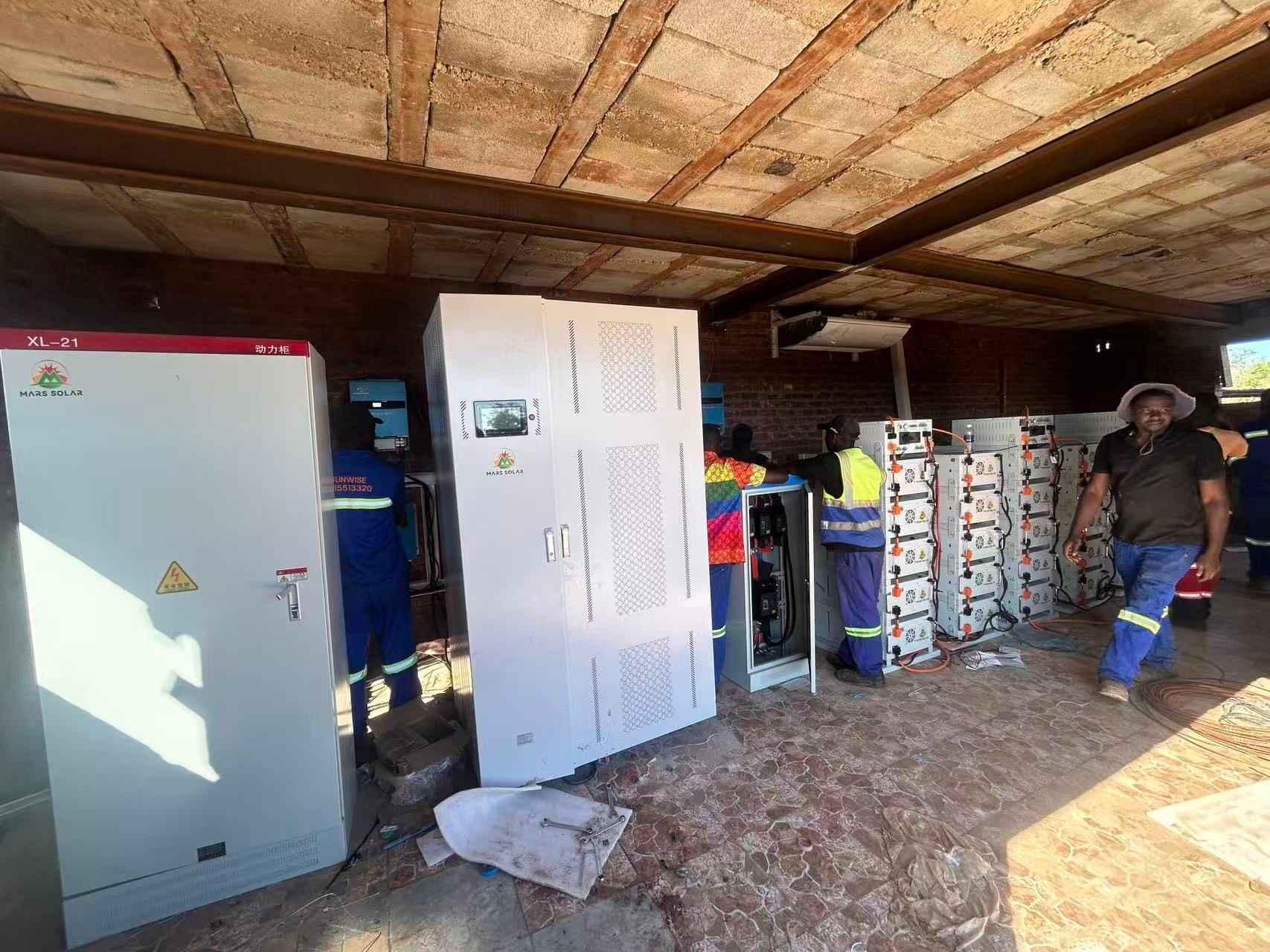
- ✅ Sistema solar de 100 kW para una escuela remota en Zimbabue. – Sistema fotovoltaico + baterías, 2024
- ✅ Proyecto de energía solar y baterías de 200 kW para un molino de arroz en Abuja, Nigeria.
- ✅ Sistema solar de 100 kW para hotel en Nigeria
![Sistemas solares aislados para África: Guía de compra B2B para importadores y contratistas EPC [Edición 2026]](https://sunenergyfactory.com/wp-content/uploads/2026/04/d7b4bced.jpg)
3. Soluciones de almacenamiento de energía: fundamentales para los sistemas aislados de la red eléctrica.
El almacenamiento de energía en baterías es esencial para aplicaciones fuera de la red eléctrica. Sus clientes necesitan un suministro eléctrico fiable por la noche y en días nublados.
Mars Solar ofrece soluciones integrales de almacenamiento de energía:
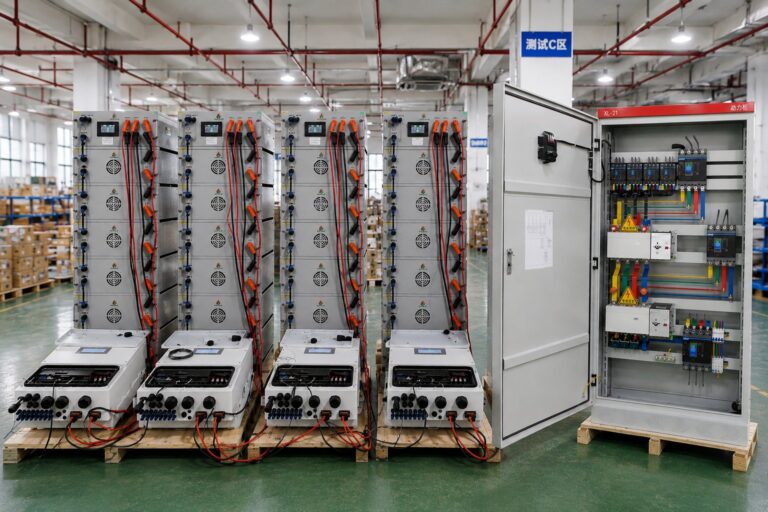
- Almacenamiento de energía montado en rack (45-500 kWh) – Tecnología LiFePO4 (más de 2000 ciclos). Diseño modular para una fácil ampliación.
- Batería de 15 kWh – Pequeños comercios/residenciales
- Batería de 30 kWh – Comercial mediano
Por qué las baterías de LiFePO4 son esenciales para África:
- Mayor vida útil (más de 2000 ciclos frente a 500-800 para las baterías de plomo-ácido).
- Mejor rendimiento a altas temperaturas.
- Menor coste total de propiedad a lo largo de 10 años.
- Peso más ligero, transporte más sencillo
- No requiere mantenimiento
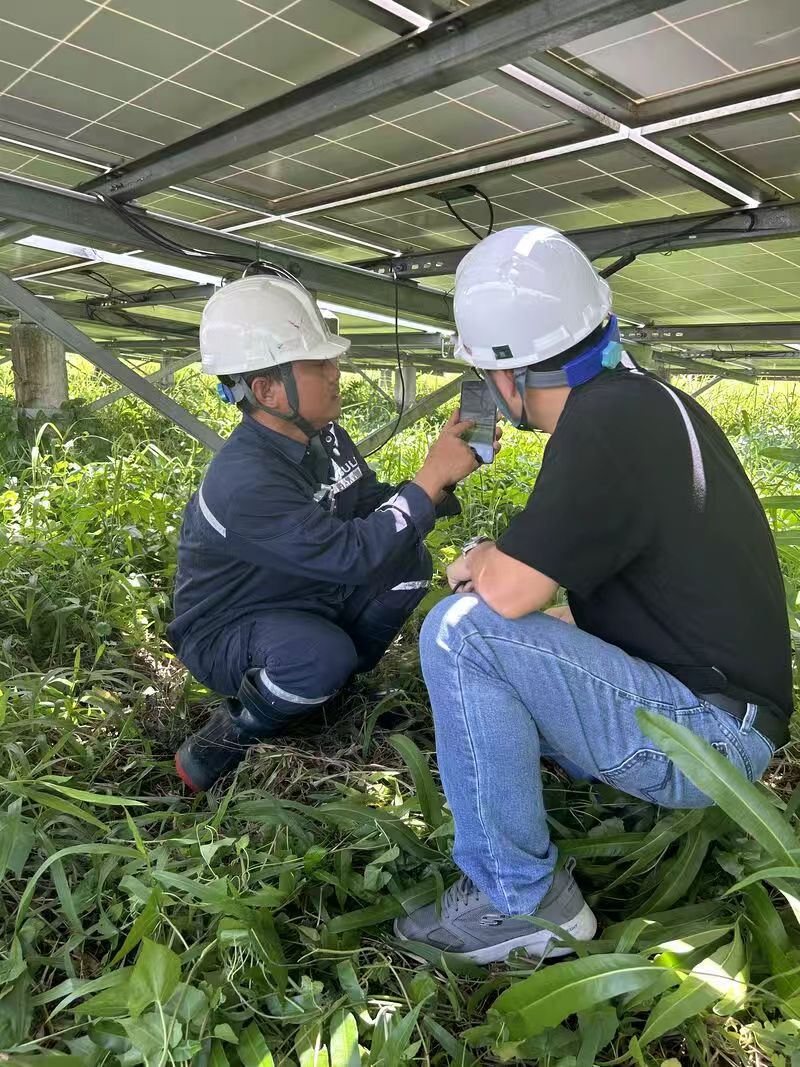
4. Abastecimiento desde China: qué buscar en un proveedor
Señales de alerta que se deben evitar
- ❌ Precios poco realistas: Si los precios están 20%+ por debajo del promedio del mercado, la calidad se ve comprometida.
- ❌ Sin historial de exportaciones a África: Necesitas un proveedor que entienda las condiciones africanas.
- ❌ Condiciones de garantía vagas: "Una "garantía de 5 años" sin términos claros de reemplazo/reparación no tiene sentido.
- ❌ Sin soporte técnico: Si no pueden brindar asistencia en el diseño del sistema, busque a otra persona.
- ❌ Línea de producto única: Usted busca un proveedor que pueda ofrecerle sistemas completos.
Señales de alerta que buscar
- ✅ Trayectoria africana comprobada – Referencias de compradores de Kenia, Nigeria y Sudáfrica.
- ✅ Soluciones de sistema completas – Un único proveedor de paneles, inversores, baterías y montaje.
- ✅ Cantidad mínima de pedido flexible – Dispuestos a enviar pedidos de prueba
- ✅ Documentación técnica – Especificaciones detalladas, manuales de instalación, guías de puesta en marcha
- ✅ Flexibilidad de pago – Depósito de 30% + 70% antes del envío (estándar), o carta de crédito para pedidos más grandes.
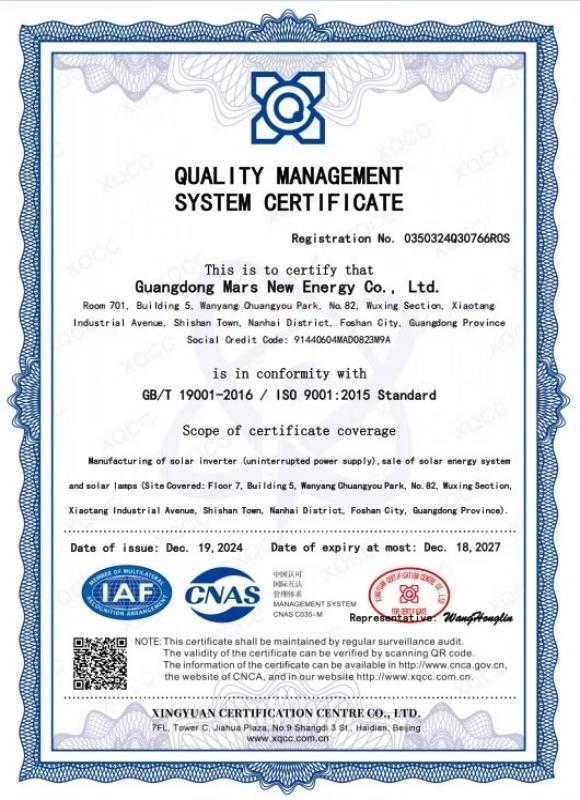
- ✅ Certificaciones de calidad – Informes de pruebas de TÜV, SGS e Intertek disponibles
- ✅ Soporte postventa – Ingeniero disponible para brindar asistencia con la instalación.
5. Certificaciones y cumplimiento normativo para los mercados africanos
Certificaciones internacionales (imprescindibles)
Producto | Certificaciones requeridas | Por qué es importante |
|---|---|---|
Paneles solares | IEC 61215, IEC 61730, IEC 62716 (prueba PID) | Nivel básico de calidad y seguridad |
Inversores | IEC 62109-1, IEC 62109-2, IEC 61683 (eficiencia) | Seguridad y rendimiento |
Baterías LiFePO4 | IEC 62619, UN38.3 (seguridad en el transporte), IEC 62620 | Cumplimiento de las normas de seguridad y transporte |
Controladores de carga | IEC 62509 | Seguridad |
Requisitos específicos de cada país
- Kenia: Certificación KEBS (Oficina de Normas de Kenia): requisito para la importación.
- Nigeria: SONCAP (Programa de Evaluación de la Conformidad de la Organización de Normas de Nigeria)
- Sudáfrica: NRCS (Regulador Nacional de Especificaciones Obligatorias) LOA
- Comunidad de África Oriental (CAO): PVoC (Verificación de Conformidad Previa a la Exportación)
6. Consideraciones logísticas y de importación
Rutas de envío y tiempos de tránsito
País de destino | Puerto principal | Tiempo de tránsito desde China | Costo de envío (contenedor de 40 pies) |
|---|---|---|---|
Kenia | Mombasa | 25-30 días | $3,500-$5,000 |
Nigeria | Lagos | 30-35 días | $4,000-$6,000 |
Sudáfrica | Durban | 20-25 días | $3,000-$4,500 |
Tanzania | Dar es Salaam | 25-30 días | $3,500-$5,000 |
Aranceles e impuestos de importación (estimaciones generales)
- Paneles solares: 0% arancel de importación (exento en la mayoría de los países africanos)
- Baterías: Arancel de importación 5-25% (varía según el país)
- Inversores: Arancel de importación 5-25% (varía según el país)
- TINA: 15-18% (varía según el país)
Importante: Muchos países africanos eximen a los paneles solares del pago de aranceles de importación para promover las energías renovables. Sin embargo, las baterías y los inversores suelen estar sujetos a aranceles. Consulte con un agente de aduanas local.
7. Errores comunes que se deben evitar
Error 1: Buscar los productos más baratos
El problema: Los paneles de baja calidad se degradan más rápido, los inversores fallan en 1-2 años y las baterías pierden capacidad prematuramente.
La solución: Abastézcase de fabricantes de renombre con trayectoria comprobada. Mars Solar cuenta con más de 17 años de experiencia y referencias en toda África.
Error 2: Ignorar el soporte posventa
El problema: Cuando los clientes tienen problemas, no puedes ayudarlos porque tu proveedor no responde.
La solución: Elija proveedores con equipos de soporte especializados. Mars Solar cuenta con más de 30 ingenieros que brindan soporte técnico, servicio posventa y asesoramiento para la instalación.
Error 3: No comprender los requisitos locales
El problema: Usted envía productos que no cumplen con las certificaciones locales y la aduana bloquea su contenedor.
La solución: Investigue los requisitos de certificación ANTES de realizar su pedido. Mars Solar tiene experiencia con KEBS, SONCAP, NRCS y otras certificaciones africanas.
For a view of how orders are actually scheduled, see our Africa solar installation plan — it lists the markets, sizes and shipment windows we were working to in April.
Which sizes of off-grid solar system sell best in Africa?
Three bands carry the volume. Solar home systems from 50 W to 500 W dominate unit count through distributors and PAYG operators; commercial off-grid solar system packages from 1 kW to 50 kW go to farms, clinics, schools and small factories; and mini-grid off-grid solar system builds from 50 kW to 500 kW serve communities and industrial parks. Volume sits in the smallest band, but margin sits in the 10–50 kW off-grid solar system range.
How do I size an off-grid solar system for a mini-grid project?
From logged consumption, never from a rule of thumb. A 100 kW off-grid solar system is normally built as 180–200 modules of 550–600 W, a 200–300 kWh LiFePO₄ bank giving two to three hours of backup, a three-phase hybrid inverter and an automatic-start standby generator. The off-grid solar system is sized on the night block plus process surge, because that is where an under-sized off-grid solar system fails.
What does an off-grid solar system cost per kW ex-works?
Expect roughly USD 1,000–5,000 per kW for a complete 1–5 kW off-grid solar system, USD 800–1,200 per kW for a 10–50 kW commercial off-grid solar system, and USD 600–900 per kW for the components of a 50–500 kW mini-grid off-grid solar system. The spread is driven by storage ratio rather than by panel price, so always ask for an off-grid solar system quote split between generation and battery.
Which battery chemistry should an off-grid solar system use in Africa?
LiFePO₄, without much debate. A lithium off-grid solar system delivers 2,000 or more cycles against 500–800 for lead-acid, tolerates 45°C+ ambient when the battery room is ventilated, needs no watering and is far lighter to freight. The higher purchase price of a lithium off-grid solar system is recovered inside the first replacement cycle, which is why lead-acid is now a niche choice for an off-grid solar system in Africa.
What certifications must an off-grid solar system carry for African markets?
At module level, IEC 61215 and IEC 61730, plus IEC 62716 where the site is near the coast. Inverters need IEC 62109-1 and IEC 62109-2. Lithium cells need IEC 62619 and IEC 62620 with a UN 38.3 transport report for the shipping line. Country overlays then apply — SONCAP for Nigeria, PVoC for Kenya and Tanzania, and the equivalent conformity programme elsewhere. An off-grid solar system without that document set cannot clear.
What import duties apply to an off-grid solar system?
Treat it line by line, not as one shipment. Solar panels are exempt from customs duty in most African markets, batteries attract roughly 5–25% depending on country, and inverters fall in the same 5–25% band. Declaring a whole off-grid solar system under the module heading is the error that turns a duty saving into a penalty, so confirm the HS codes for your off-grid solar system with a clearing agent before the order is placed.
How long does shipping an off-grid solar system to Africa take?
Plan on 30–45 days of ocean transit from China to a major African port, plus 10–20 days of production and inland transport. The variable that ruins schedules is documentation rather than shipping: a certificate of conformity issued late will hold an off-grid solar system at the port long after the vessel has berthed. Book the inspection when the off-grid solar system enters final assembly, not after it is crated.
What are the red flags when sourcing an off-grid solar system from China?
Quoted prices 20% or more below the market with no explanation of what is missing; a “5-year warranty” with no replacement or repair terms; unbranded inverters described only by wattage; and refusal to publish test reports. Any one of these on an off-grid solar system order is worth a second look; two of them usually mean the supplier is reselling whatever is closest to hand that week.
What payment terms are normal for an off-grid solar system order?
30% deposit with 70% before shipment is the standard structure on an off-grid solar system order, and a letter of credit for larger contracts. Both are reasonable. What is not reasonable is a supplier demanding 100% upfront on an off-grid solar system with no factory visit, no test report and no shipping documents in the contract. Ask for the bill of lading to be issued in your name, and release the balance against it.
Does an off-grid solar system need a diesel backup?
For a mini-grid, usually yes as reserve; for a commercial off-grid solar system it depends on the design autonomy. A 50–100 kW automatic-start generator is the normal pairing on a 100 kW off-grid solar system, because the cost of a four-day outage is far above the cost of a standby unit. On a well-sized off-grid solar system the generator runs a few dozen hours a year instead of every evening.
How much autonomy should an off-grid solar system be designed for?
Two days is the common specification; three days is what bank, clinic and telecom clients ask for. Autonomy is the single biggest cost driver in an off-grid solar system, because every extra day of storage is battery capacity that generates nothing on a sunny day. Size the off-grid solar system to the longest realistic outage in that market, not to the worst imaginable one.
Which African countries have the strongest off-grid solar system demand?
Kenya, Nigeria, Uganda, Ethiopia and Tanzania carry the volume. Kenya combines mobile-money penetration with government rural electrification programmes; Nigeria has a large unelectrified population and an explicit mini-grid plan; Uganda and Ethiopia are absorbing international funding for refugee and rural settlement electrification. South Africa behaves differently, with an off-grid solar system market driven by load shedding.
How does PAYG change off-grid solar system sales?
It converts an off-grid solar system from a capital purchase into a service. Pay-as-you-go unlocks customers who cannot pay for a solar home system upfront, and it gives the distributor recurring revenue plus remote data on every unit. The trade-off is financing cost and the need to lock or disable an off-grid solar system remotely when payments lapse, so PAYG demands firmware capability rather than just hardware.
What warranty should an off-grid solar system carry?
Match warranty to component life rather than to a marketing number. For an off-grid solar system, panels should carry 10–12 years against defects and 25 years against performance, inverters 5 years, and lithium batteries 5–10 years or a stated cycle count. A 5-year panel warranty on an off-grid solar system is a warning sign; a 25-year statement with no issuer named is not much better.
How is an off-grid solar system commissioned and handed over?
Against measured output, not against a checklist. A proper handover records the array's open-circuit voltage and short-circuit current per string, the battery's state of health, the inverter's settings, and a full load test against the design load. Commissioning an off-grid solar system in the dry season and calling it finished is a common shortcut, so insist the off-grid solar system be load-tested to its stated rating before sign-off.
Can an off-grid solar system be expanded after installation?
Yes, if the AC architecture was chosen for it. Rack-mounted LFP cabinets and a bidirectional inverter let you add storage to an off-grid solar system without replacing the conversion equipment, and spare MPPT capacity on the inverter lets you add strings. Decide that path when you buy the first off-grid solar system, because retrofitting around a fully loaded inverter is the expensive version.
What technical support should come with an off-grid solar system?
Three things: a design review before the order, commissioning support on site or by video, and a spare-parts list held in the region. An off-grid solar system is usually the only power source at the site, so a supplier without an escalation path is a single point of failure. Ask how a fault is diagnosed on an off-grid solar system thousands of kilometres away — the answer should mention remote monitoring and named engineers.
How do I compare two off-grid solar system quotations fairly?
Normalise before you compare. Put both off-grid solar system quotes into the same table: module model and warranty, inverter model and MPPT count, battery chemistry and usable kWh, protection devices, mounting, shipping terms, and the document set. Then add the levelised cost of electricity view — lifetime cost divided by lifetime kWh. Two off-grid solar system quotes that look identical on price are rarely identical on the table.
¿Listo para adquirir sistemas solares fuera de la red eléctrica para África?
Mars Solar es un fabricante chino líder con más de 17 años de experiencia en sistemas solares aislados de la red eléctrica.
Nuestros puntos fuertes:
- ✅ Soluciones de sistema completas – Paneles solares, inversores, baterías, sistemas de montaje
- ✅ Trayectoria comprobada en África – Proyectos en Nigeria, Zimbabue, Kenia, Sudáfrica y más
- ✅ Productos con certificación IEC, TÜV y SGS
- ✅ Soporte técnico: más de 30 ingenieros para el diseño de sistemas y el servicio posventa.
- ✅ Cantidad mínima de pedido flexible para pedidos de prueba
- ✅ 5 años de garantía en paneles solares, 3 años de garantía en inversores y baterías.
Capacidad de producción:
- Paneles solares: 2 MW/día
- Inversores solares: 500 kW/día
- Baterías: 5.500 kWh/día
Productos destacados para los mercados africanos:
- Sistema solar de 15 kW + 50 kWh – Perfecto para granjas, escuelas y clínicas.
- Sistema solar para fábrica – Aplicaciones industriales
- Sistema solar para la granja – Soluciones agrícolas
- Batería de almacenamiento de energía para montaje en rack (45-500 kWh)
Contacta hoy mismo con Mars Solar:
- Sitio web: sunenergyfactory.com
- Formulario de contacto: Haga clic aquí
- WhatsApp: +86-15302966051
- Correo electrónico: info@marssolargroup.com
Descarga recursos gratuitos:
- 📥 Calculadora de dimensionamiento de sistemas solares fuera de la red (Excel) – Solicite a través del formulario de contacto.
- 📥 Lista de verificación de importación para mercados africanos (PDF) – Solicite a través del formulario de contacto.
- 📥 Requisitos de certificación por país (PDF) – Solicite a través del formulario de contacto.
Descubre nuestros productos:
- Sistemas solares conectados y no conectados a la red
- Sistemas de almacenamiento de energía
- Baterías de gran capacidad
- Sistemas de bombeo de agua solar
- Ver todos los productos
Acerca de Mars Solar
Mars Solar (Foshan Mars Solar Technology Co., Ltd.) lleva fabricando y diseñando sistemas solares desde 2008. Con Más de 17 años de experiencia, Más de 30 ingenieros, y Más de 3000 proyectos exitosos en más de 130 países., Ayudamos a distribuidores y contratistas de ingeniería, adquisición y construcción (EPC) a tener éxito en África y más allá.
¿Por qué elegir Mars Solar?
- Servicio personalizado: estudio previo a la venta, diseño de la distribución de paneles solares, conjunto completo de productos personalizados.
- Diseño completo del escenario: diseñamos todo el sistema solar.
- Servicio de pruebas: probamos todo el sistema durante 72 horas antes del envío.
- Servicio posventa: Ofrecemos servicio de instalación y servicio de inspección anual.
Contáctanos | Sobre nosotros | Vea nuestros casos | Ver vídeos
Última actualización: junio de 2026
Palabras clave: sistemas solares fuera de la red en África, importación de sistemas solares domésticos, minirredes solares en África, paneles solares B2B en China, sistemas solares de pago por uso, distribuidor solar en África, contratista EPC de sistemas solares, Mars Solar

 English
  Arabic
  Spanish
  French
  Dutch
Dutch  Portuguese