Sistemas solares isolados da rede para África: um guia de compra B2B para importadores e empreiteiros EPC [Edição de 2026]
600 milhões de pessoas na África subsaariana ainda não têm acesso à eletricidade. That's not just a statistic—it's a massive market opportunity for solar importers, distributors, and EPC contractors.
Prevê-se que o mercado africano de energia solar fora da rede alcance $3,5 bilhões até 2030, Com taxas de crescimento anual de 15 a 20%, a África, ao contrário dos mercados saturados da Europa, representa um potencial inexplorado com demanda real.
Como comprador B2B, aqui está o que você precisa saber:
- A demanda é real, não especulativa. Governos, ONGs e investidores privados estão financiando projetos AGORA.
- A concorrência é menor do que em mercados consolidados. – Os pioneiros conquistam redes de distribuição
- As margens de lucro são mais saudáveis. – Os custos da cadeia de suprimentos são menores e os clientes priorizam a confiabilidade em vez de preços extremamente baixos.
- Os modelos de pagamento são comprovados. – O modelo de pagamento conforme o uso (PAYG) transformou a acessibilidade.
Este guia abrange tudo o que você precisa para encontrar fornecedores e vender sistemas solares isolados da rede elétrica na África com sucesso.
![Sistemas solares isolados da rede para África: um guia de compra B2B para importadores e empreiteiros EPC [Edição de 2026]](https://sunenergyfactory.com/wp-content/uploads/2026/03/8ed07258c9da0c4f690dad971c805471.jpg)
1. Visão Geral do Mercado: Onde Estão as Oportunidades
Países com alto potencial de crescimento para energia solar fora da rede
País | Fatores que impulsionam o mercado | Tamanhos típicos de sistemas | Demanda anual estimada |
|---|---|---|---|
Quênia | Projeto KOSAP, penetração do dinheiro móvel | 50W-500W (SHS), 5-50kW (mini-redes) | Mais de 150.000 unidades SHS por ano |
Nigéria | Plano para 5.000 minirredes, 60% não eletrificado | 100W-1kW (SHS), 20-500kW (minirredes) | Mais de 200.000 unidades SHS por ano |
Uganda | Financiamento da BGFA, assentamentos de refugiados | 50W-300W (SHS), 5-20kW (mini-redes) | Mais de 80.000 unidades SHS por ano |
Etiópia | Programa nacional de eletrificação | 100W-500W (SHS), 10-100kW (mini-redes) | Mais de 100.000 unidades SHS por ano |
Tanzânia | Setores de mineração e telecomunicações | 500W-5kW (comercial), 50-200kW (mini-redes) | Mais de 60.000 unidades SHS por ano |
África do Sul | Crise de racionamento de energia, demanda comercial | 5-50kW (residencial/comercial) | Sistemas distribuídos com mais de 50 MW por ano |
Fontes de dados: GOGLA 2025 Global Off-Grid Solar Market Trends, Banco Mundial Lighting Global, KOSAP, BGFA
2. Quais sistemas solares isolados da rede elétrica são mais vendidos na África?
Tipo de sistema 1: Sistemas solares residenciais (SHS) – 50 W a 500 W
Público-alvo: Famílias rurais, pequenas empresas
Configurações mais vendidas:
Tamanho do sistema | Componentes | Preço FOB (USD) | Aplicações |
|---|---|---|---|
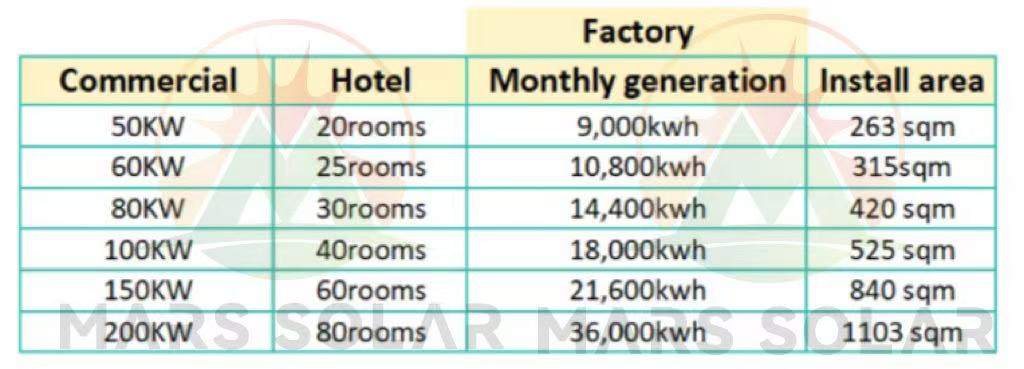
10 kW | 18 painéis solares de 550 W, bateria LiFePO4 de 15 kWh, inversor híbrido de 10 kW | $5,500 - $7,000 | Residência com TV/rádio |
30 kW | 55 pcs × 550W solar panels, 60kWh LiFePO4 battery, 30kW hybrid inverter | $13,000 - $15,000 | Pequenas fábricas, clínicas, escolas, restaurantes, irrigação agrícola |
50 kW | 91 painéis solares de 550 W, bateria LiFePO4 de 50-100 kWh, inversor híbrido de 50 kW | $20,000 - $25,000 | Fábricas de médio porte, hotéis, unidades de processamento agrícola, aglomerados de estações base de telecomunicações. |
100 kW | 182 painéis solares de 550 W, bateria LiFePO4 de 200 kWh, inversor híbrido trifásico de 100 kW | $60,000 - $70,000 | Grandes fábricas, hospitais, centros comerciais, acampamentos de mineração, microrredes comunitárias |
300 kW | 545 painéis solares de 550 W, bateria LiFePO4 de 600 kWh, inversor híbrido trifásico de 300 kW + sistema de monitoramento SCADA | $200,000 - $250,000 | Oficinas industriais, grandes complexos hoteleiros, microrredes rurais, fábricas de processamento de arroz, armazéns frigoríficos. |
Principais características que os compradores africanos exigem:
- ✅ Tipo de Bateria: As baterias de lítio LiFePO4 estão substituindo as de chumbo-ácido (maior vida útil, com expectativa de 5 anos de garantia).
- ✅ Integração PAYG: Controladores com trava e capacidade de pagamento via celular.
- ✅ Durabilidade: À prova de poeira, resistente a altas temperaturas (temperatura ambiente acima de 45°C)
- ✅ Instalação fácil: Conectores plug-and-play (não é necessário eletricista para SHS)
- ✅ Garantia: Mínimo de 2 anos, 5 anos para marcas premium.
Tipo de sistema 2: Sistemas comerciais isolados da rede – 1 kW a 50 kW
Público-alvo: Lojas, clínicas, escolas, restaurantes, pequenas fábricas, torres de telecomunicações
Soluções recomendadas pela Mars Solar:
- Sistema solar de 15 kW + 50 kWh – Ideal para pequenas fábricas, escolas, clínicas, restaurantes e hotéis.
- Sistema de energia solar para fábrica – Projetado para instalações de fabricação de médio porte com necessidades de energia 24 horas por dia, 7 dias por semana.
- Sistema de energia solar para fazenda – Ideal para irrigação agrícola, criação de gado e aquicultura.
Preços típicos:
- Sistemas isolados da rede elétrica de 1kW a 5kW: $1.000-$5.000 por kW (sistema completo)
- Sistemas isolados da rede elétrica de 10 kW a 50 kW: $800-$1,200 por kW (sistema completo)
Tipo de sistema 3: Sistemas de minirredes – 50 kW a 500 kW
Público-alvo: Empreiteiras EPC, desenvolvedores de minirredes, programas de eletrificação rural
Configuração típica (exemplo de 100 kW):
- Conjunto de painéis solares: 100 kW (180-200 painéis × 550 W-600 W)
- Armazenamento de bateria: Bateria LiFePO4 de 200-300 kWh (reserva de 2 a 3 horas)
- Sistema inversor: Inversor híbrido trifásico de 100 kW
- Distribuição: Rede de distribuição de baixa tensão, medidores inteligentes
- Gerador de reserva: Gerador a diesel de 50-100 kW (partida automática)
Faixa de preço FOB: $600-$900 por kW (somente componentes)
Soluções de grande escala em destaque:
- Sistema solar de 100 kW – Para edifícios comerciais e minirredes
- Sistemas de 300 kW a 500 kW – Minirredes industriais e comunitárias
- Sistema solar de 1 MW (1000 kW) – Projetos de grande escala para serviços públicos
Exemplos de projetos reais na África:
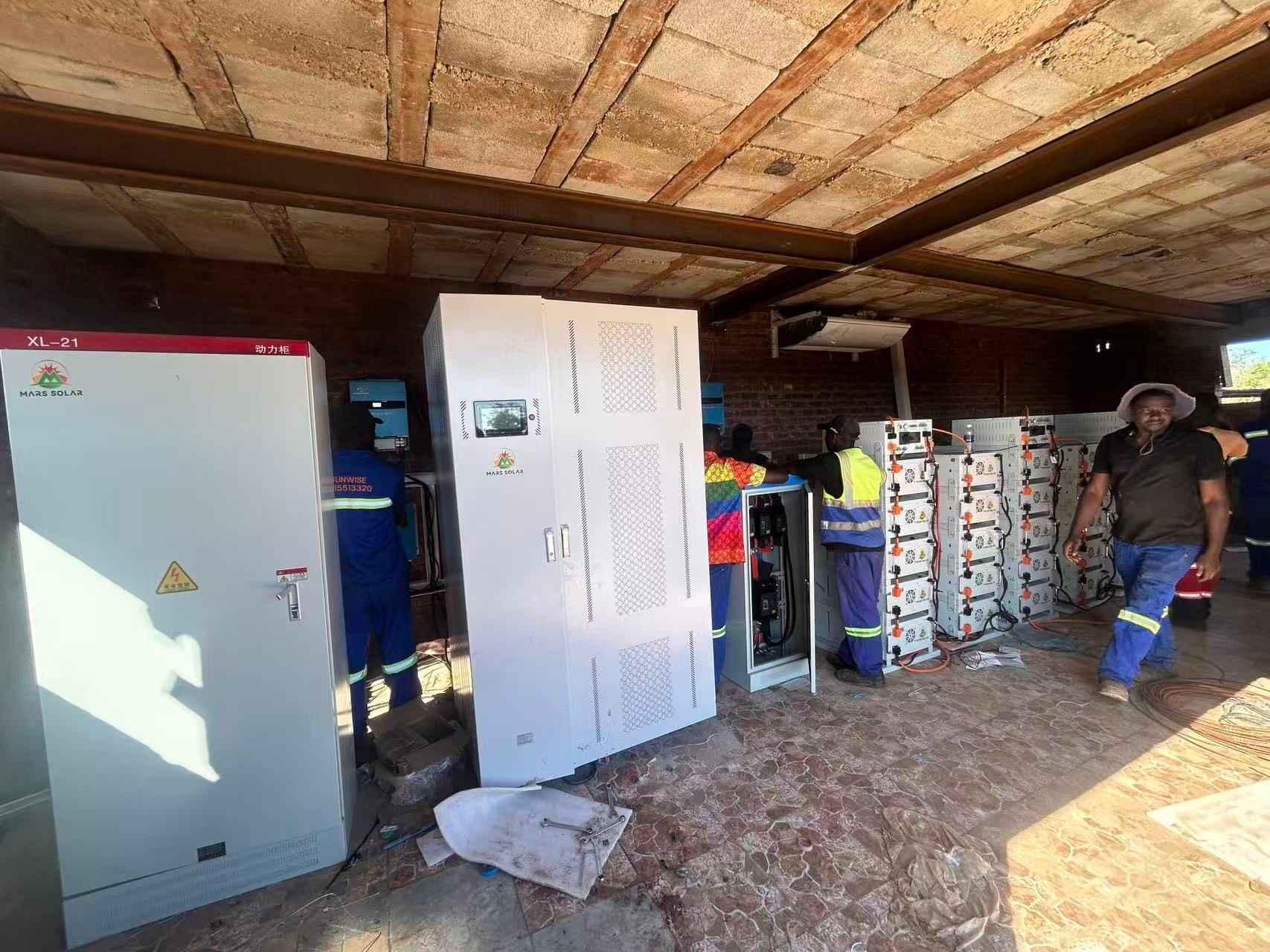
- ✅ Sistema de energia solar de 100 kW para escola remota no Zimbábue – Sistema fotovoltaico + bateria, 2024
- ✅ Projeto de energia solar + baterias de 200 kW para fábrica de arroz em Abuja, Nigéria.
- ✅ Sistema de energia solar de 100 kW para hotel na Nigéria
![Sistemas solares isolados da rede para África: um guia de compra B2B para importadores e empreiteiros EPC [Edição de 2026]](https://sunenergyfactory.com/wp-content/uploads/2026/04/d7b4bced.jpg)
3. Soluções de armazenamento de energia – Essenciais para sistemas isolados da rede elétrica
O armazenamento em baterias é essencial para aplicações fora da rede elétrica. Seus clientes precisam de energia confiável à noite e em dias nublados.
A Mars Solar oferece soluções completas de armazenamento de energia:
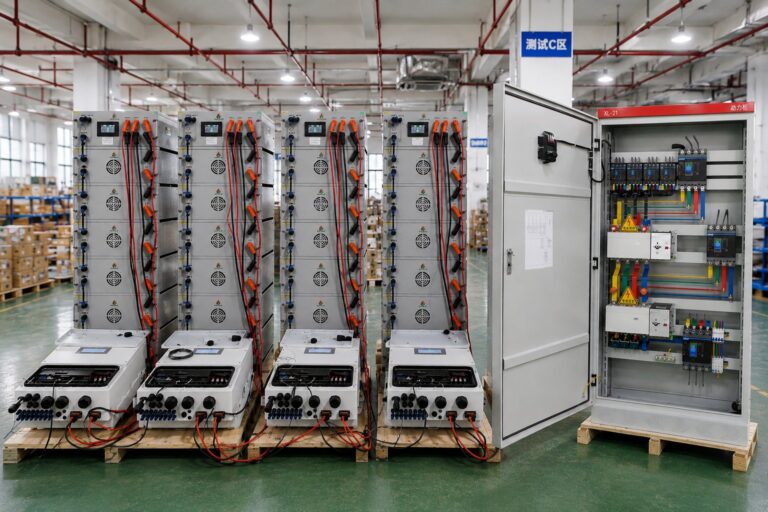
- Armazenamento de energia montado em rack (45-500 kWh) – Tecnologia LiFePO4 (mais de 2000 ciclos). Design modular para fácil expansão.
- Bateria de 15 kWh – Pequeno comércio/residência
- Bateria de 30 kWh – Comercial de médio porte
Por que as baterias LiFePO4 são essenciais para a África:
- Vida útil mais longa (mais de 2.000 ciclos contra 500 a 800 para baterias de chumbo-ácido)
- Melhor desempenho em altas temperaturas.
- Menor custo total de propriedade ao longo de 10 anos.
- Mais leve, mais fácil de transportar
- Não requer manutenção.
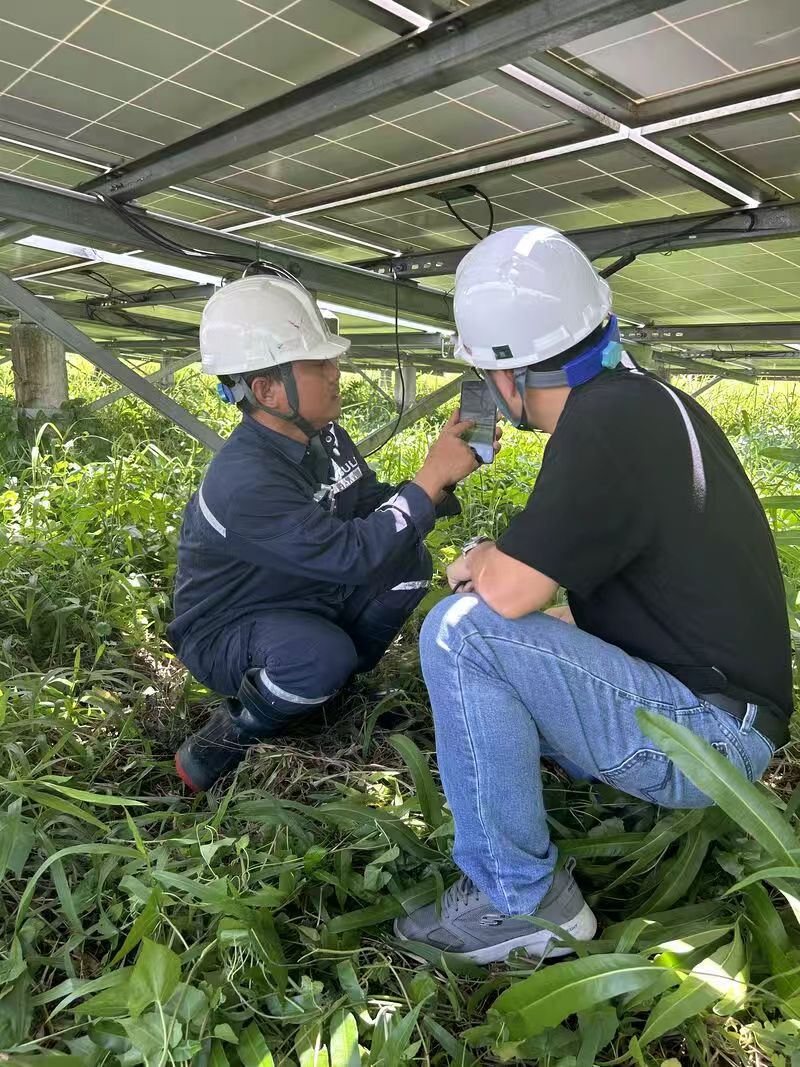
4. Fornecimento da China: O que procurar em um fornecedor
Sinais de alerta a evitar
- ❌ Preços irreais: Se os preços estiverem 20%+ abaixo da média de mercado, a qualidade fica comprometida.
- ❌ Sem histórico de exportação para a África: Você precisa de um fornecedor que entenda as condições africanas.
- ❌ Termos de garantia vagos: "Uma "garantia de 5 anos" sem termos claros de substituição/reparo não significa nada.
- ❌ Sem suporte técnico: Se eles não puderem fornecer assistência no projeto do sistema, procure outra pessoa.
- ❌ Linha de produto única: Você quer um fornecedor que possa fornecer sistemas completos.
Bandeiras verdes para procurar
- ✅ Histórico comprovado na África – Referências de compradores quenianos, nigerianos e sul-africanos
- ✅ Soluções de sistema completas – Um único fornecedor para painéis, inversores, baterias e sistemas de montagem.
- ✅ Quantidade mínima de encomenda flexível – Disponível para envio de pedidos de teste
- ✅ Documentação técnica – Especificações detalhadas, manuais de instalação, guias de comissionamento
- ✅ Flexibilidade de pagamento – Depósito de 30% + 70% antes do envio (padrão), ou carta de crédito para pedidos maiores.
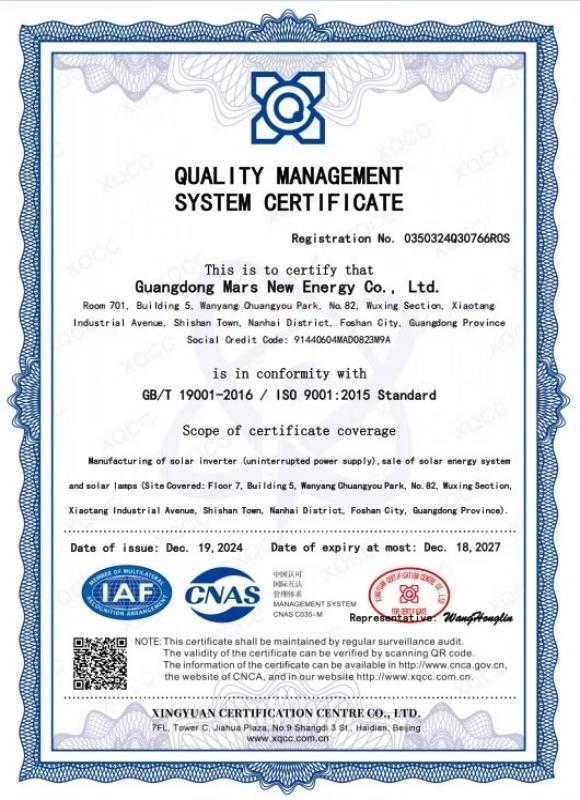
- ✅ Certificações de qualidade – Relatórios de testes TÜV, SGS e Intertek disponíveis.
- ✅ Suporte pós-venda – Engenheiro disponível para suporte à instalação
5. Certificações e Conformidade para os Mercados Africanos
Certificações internacionais (essenciais)
Produto | Certificações obrigatórias | Por que isso importa |
|---|---|---|
Painéis solares | IEC 61215, IEC 61730, IEC 62716 (teste PID) | Linha de base de qualidade e segurança |
Inversores | IEC 62109-1, IEC 62109-2, IEC 61683 (eficiência) | Segurança e desempenho |
Baterias LiFePO4 | IEC 62619, UN38.3 (segurança no transporte), IEC 62620 | Conformidade com as normas de segurança e transporte |
Controladores de carga | IEC 62509 | Segurança |
Requisitos específicos de cada país
- Quênia: Certificação KEBS (Kenya Bureau of Standards) – obrigatória para importação.
- Nigéria: SONCAP (Programa de Avaliação da Conformidade da Organização de Normas da Nigéria)
- África do Sul: NRCS (Regulador Nacional para Especificações Obrigatórias) LOA
- Comunidade da África Oriental (EAC): PVoC (Verificação de Conformidade Pré-Exportação)
6. Considerações sobre logística e importação
Rotas de envio e tempos de trânsito
País de destino | Porto principal | Tempo de trânsito da China | Custo de envio (contêiner de 40 pés HQ) |
|---|---|---|---|
Quênia | Mombaça | 25 a 30 dias | $3,500-$5,000 |
Nigéria | Lagos | 30-35 dias | $4,000-$6,000 |
África do Sul | Durban | 20 a 25 dias | $3,000-$4,500 |
Tanzânia | Dar es Salaam | 25 a 30 dias | $3,500-$5,000 |
Impostos e taxas de importação (estimativas gerais)
- Painéis solares: Imposto de importação 0% (isento na maioria dos países africanos)
- Baterias: Imposto de importação 5-25% (varia conforme o país)
- Inversores: Imposto de importação 5-25% (varia conforme o país)
- CUBA: 15-18% (varia conforme o país)
Importante: Muitos países africanos isentam painéis solares de taxas de importação para promover energias renováveis. No entanto, baterias e inversores geralmente estão sujeitos a taxas alfandegárias. Consulte um despachante aduaneiro local.
7. Erros comuns a evitar
Erro 1: Buscar os produtos mais baratos
O problema: Painéis de baixa qualidade degradam-se mais rapidamente, inversores falham em 1 a 2 anos e baterias perdem capacidade prematuramente.
A solução: Adquira produtos de fabricantes conceituados com histórico comprovado. A Mars Solar possui mais de 17 anos de experiência e referências em toda a África.
Erro 2: Ignorar o suporte pós-venda
O problema: Quando os clientes têm problemas, você não pode ajudá-los porque seu fornecedor não responde.
A solução: Escolha fornecedores com equipes de suporte dedicadas. A Mars Solar conta com mais de 30 engenheiros que oferecem suporte técnico, serviço pós-venda e orientação de instalação.
Erro 3: Não compreender os requisitos locais
O problema: Você envia produtos que não atendem às certificações locais e a alfândega bloqueia seu contêiner.
A solução: Pesquise os requisitos de certificação ANTES de fazer o pedido. A Mars Solar tem experiência com KEBS, SONCAP, NRCS e outras certificações africanas.
For a view of how orders are actually scheduled, see our Africa solar installation plan — it lists the markets, sizes and shipment windows we were working to in April.
Which sizes of off-grid solar system sell best in Africa?
Three bands carry the volume. Solar home systems from 50 W to 500 W dominate unit count through distributors and PAYG operators; commercial off-grid solar system packages from 1 kW to 50 kW go to farms, clinics, schools and small factories; and mini-grid off-grid solar system builds from 50 kW to 500 kW serve communities and industrial parks. Volume sits in the smallest band, but margin sits in the 10–50 kW off-grid solar system range.
How do I size an off-grid solar system for a mini-grid project?
From logged consumption, never from a rule of thumb. A 100 kW off-grid solar system is normally built as 180–200 modules of 550–600 W, a 200–300 kWh LiFePO₄ bank giving two to three hours of backup, a three-phase hybrid inverter and an automatic-start standby generator. The off-grid solar system is sized on the night block plus process surge, because that is where an under-sized off-grid solar system fails.
What does an off-grid solar system cost per kW ex-works?
Expect roughly USD 1,000–5,000 per kW for a complete 1–5 kW off-grid solar system, USD 800–1,200 per kW for a 10–50 kW commercial off-grid solar system, and USD 600–900 per kW for the components of a 50–500 kW mini-grid off-grid solar system. The spread is driven by storage ratio rather than by panel price, so always ask for an off-grid solar system quote split between generation and battery.
Which battery chemistry should an off-grid solar system use in Africa?
LiFePO₄, without much debate. A lithium off-grid solar system delivers 2,000 or more cycles against 500–800 for lead-acid, tolerates 45°C+ ambient when the battery room is ventilated, needs no watering and is far lighter to freight. The higher purchase price of a lithium off-grid solar system is recovered inside the first replacement cycle, which is why lead-acid is now a niche choice for an off-grid solar system in Africa.
What certifications must an off-grid solar system carry for African markets?
At module level, IEC 61215 and IEC 61730, plus IEC 62716 where the site is near the coast. Inverters need IEC 62109-1 and IEC 62109-2. Lithium cells need IEC 62619 and IEC 62620 with a UN 38.3 transport report for the shipping line. Country overlays then apply — SONCAP for Nigeria, PVoC for Kenya and Tanzania, and the equivalent conformity programme elsewhere. An off-grid solar system without that document set cannot clear.
What import duties apply to an off-grid solar system?
Treat it line by line, not as one shipment. Solar panels are exempt from customs duty in most African markets, batteries attract roughly 5–25% depending on country, and inverters fall in the same 5–25% band. Declaring a whole off-grid solar system under the module heading is the error that turns a duty saving into a penalty, so confirm the HS codes for your off-grid solar system with a clearing agent before the order is placed.
How long does shipping an off-grid solar system to Africa take?
Plan on 30–45 days of ocean transit from China to a major African port, plus 10–20 days of production and inland transport. The variable that ruins schedules is documentation rather than shipping: a certificate of conformity issued late will hold an off-grid solar system at the port long after the vessel has berthed. Book the inspection when the off-grid solar system enters final assembly, not after it is crated.
What are the red flags when sourcing an off-grid solar system from China?
Quoted prices 20% or more below the market with no explanation of what is missing; a “5-year warranty” with no replacement or repair terms; unbranded inverters described only by wattage; and refusal to publish test reports. Any one of these on an off-grid solar system order is worth a second look; two of them usually mean the supplier is reselling whatever is closest to hand that week.
What payment terms are normal for an off-grid solar system order?
30% deposit with 70% before shipment is the standard structure on an off-grid solar system order, and a letter of credit for larger contracts. Both are reasonable. What is not reasonable is a supplier demanding 100% upfront on an off-grid solar system with no factory visit, no test report and no shipping documents in the contract. Ask for the bill of lading to be issued in your name, and release the balance against it.
Does an off-grid solar system need a diesel backup?
For a mini-grid, usually yes as reserve; for a commercial off-grid solar system it depends on the design autonomy. A 50–100 kW automatic-start generator is the normal pairing on a 100 kW off-grid solar system, because the cost of a four-day outage is far above the cost of a standby unit. On a well-sized off-grid solar system the generator runs a few dozen hours a year instead of every evening.
How much autonomy should an off-grid solar system be designed for?
Two days is the common specification; three days is what bank, clinic and telecom clients ask for. Autonomy is the single biggest cost driver in an off-grid solar system, because every extra day of storage is battery capacity that generates nothing on a sunny day. Size the off-grid solar system to the longest realistic outage in that market, not to the worst imaginable one.
Which African countries have the strongest off-grid solar system demand?
Kenya, Nigeria, Uganda, Ethiopia and Tanzania carry the volume. Kenya combines mobile-money penetration with government rural electrification programmes; Nigeria has a large unelectrified population and an explicit mini-grid plan; Uganda and Ethiopia are absorbing international funding for refugee and rural settlement electrification. South Africa behaves differently, with an off-grid solar system market driven by load shedding.
How does PAYG change off-grid solar system sales?
It converts an off-grid solar system from a capital purchase into a service. Pay-as-you-go unlocks customers who cannot pay for a solar home system upfront, and it gives the distributor recurring revenue plus remote data on every unit. The trade-off is financing cost and the need to lock or disable an off-grid solar system remotely when payments lapse, so PAYG demands firmware capability rather than just hardware.
What warranty should an off-grid solar system carry?
Match warranty to component life rather than to a marketing number. For an off-grid solar system, panels should carry 10–12 years against defects and 25 years against performance, inverters 5 years, and lithium batteries 5–10 years or a stated cycle count. A 5-year panel warranty on an off-grid solar system is a warning sign; a 25-year statement with no issuer named is not much better.
How is an off-grid solar system commissioned and handed over?
Against measured output, not against a checklist. A proper handover records the array's open-circuit voltage and short-circuit current per string, the battery's state of health, the inverter's settings, and a full load test against the design load. Commissioning an off-grid solar system in the dry season and calling it finished is a common shortcut, so insist the off-grid solar system be load-tested to its stated rating before sign-off.
Can an off-grid solar system be expanded after installation?
Yes, if the AC architecture was chosen for it. Rack-mounted LFP cabinets and a bidirectional inverter let you add storage to an off-grid solar system without replacing the conversion equipment, and spare MPPT capacity on the inverter lets you add strings. Decide that path when you buy the first off-grid solar system, because retrofitting around a fully loaded inverter is the expensive version.
What technical support should come with an off-grid solar system?
Three things: a design review before the order, commissioning support on site or by video, and a spare-parts list held in the region. An off-grid solar system is usually the only power source at the site, so a supplier without an escalation path is a single point of failure. Ask how a fault is diagnosed on an off-grid solar system thousands of kilometres away — the answer should mention remote monitoring and named engineers.
How do I compare two off-grid solar system quotations fairly?
Normalise before you compare. Put both off-grid solar system quotes into the same table: module model and warranty, inverter model and MPPT count, battery chemistry and usable kWh, protection devices, mounting, shipping terms, and the document set. Then add the levelised cost of electricity view — lifetime cost divided by lifetime kWh. Two off-grid solar system quotes that look identical on price are rarely identical on the table.
Pronto para adquirir sistemas solares fora da rede para África?
A Mars Solar é uma fabricante chinesa líder com mais de 17 anos de experiência em sistemas solares isolados da rede elétrica.
Nossos pontos fortes:
- ✅ Soluções de sistema completas – Painéis solares, inversores, baterias, sistemas de montagem
- ✅ Histórico comprovado na África – Projetos na Nigéria, Zimbábue, Quênia, África do Sul e outros países
- ✅ Produtos com certificação IEC, TÜV e SGS
- ✅ Suporte técnico – Mais de 30 engenheiros para projeto de sistemas e serviço pós-venda
- ✅ Quantidade mínima flexível para pedidos de teste
- ✅ Garantia de 5 anos nos painéis solares, garantia de 3 anos nos inversores e baterias
Capacidade de produção:
- Painéis solares: 2 MW/dia
- Inversores solares: 500 kW/dia
- Baterias: 5.500 kWh/dia
Produtos em destaque para os mercados africanos:
- Sistema solar de 15 kW + 50 kWh – Ideal para fazendas, escolas e clínicas
- Sistema de energia solar para fábrica – Aplicações industriais
- Sistema de energia solar para fazenda – Soluções agrícolas
- Bateria de armazenamento de energia para montagem em rack (45-500 kWh)
Entre em contato com a Mars Solar hoje mesmo:
- Site: sunenergyfactory.com
- Formulário de contato: Clique aqui
- WhatsApp: +86-15302966051
- E-mail: info@marssolargroup.com
Baixe recursos gratuitos:
- 📥 Calculadora de dimensionamento de sistemas solares isolados da rede (Excel) – Faça sua solicitação através do formulário de contato.
- 📥 Lista de verificação de importação para mercados africanos (PDF) – Faça sua solicitação através do formulário de contato.
- 📥 Requisitos de certificação por país (PDF) – Faça sua solicitação através do formulário de contato.
Explore os nossos produtos:
- Sistemas solares conectados e isolados da rede
- Sistemas de armazenamento de energia
- Baterias de grande capacidade
- Sistemas de bombas de água solares
- Ver todos os produtos
Sobre Marte Solar
A Mars Solar (Foshan Mars Solar Technology Co., Ltd.) fabrica e desenvolve sistemas solares desde 2008. Mais de 17 anos de experiência, Mais de 30 engenheiros, e Mais de 3.000 projetos bem-sucedidos em mais de 130 países., Ajudamos distribuidores e empreiteiras EPC a terem sucesso na África e em outros lugares.
Por que escolher a Mars Solar:
- Serviço personalizado – Levantamento pré-venda, projeto de layout de painéis solares, conjunto completo de produtos personalizados.
- Projeto completo – Projetamos todo o sistema solar.
- Serviço de testes – Testamos todo o sistema por 72 horas antes do envio.
- Serviço pós-venda – Oferecemos serviço de instalação e serviço de inspeção anual.
Entre em contato | Sobre nós | Veja nossos casos de sucesso. | Assista aos vídeos
Última atualização: junho de 2026
Palavras-chave: sistemas solares isolados da rede na África, importação de sistemas solares residenciais, minirredes solares na África, painéis solares B2B na China, sistemas solares pré-pagos, distribuidor de energia solar na África, empreiteira EPC de sistemas solares, Mars Solar

 English
  Arabic
  Spanish
  French
  Dutch
Dutch  Portuguese