
Hybride zonne-energiesysteem Ghana 2026: dimensionering op basis van ECG-tarieven en stroomonderbrekingen
A hybrid solar system Ghana buys two different things at once: cheaper daytime electricity, and the ability to keep running when the grid does not. Pricing it as if it were only the first is how these projects end up disappointing the people who paid for them.
The two halves are sized from different inputs. The array is sized from the daytime load and the tariff band you are displacing. The battery is sized from a completely separate question - which loads have to stay up, and for how many hours. A hybrid solar system Ghana that gets the array right and the battery wrong is a very common and very expensive outcome, because the battery is usually the largest single line on the quotation.
This guide walks through both, then through the two Ghana-specific things that move the money more than any design decision: how import duty treats panels differently from batteries, and what the capital allowance does to a payback calculation.
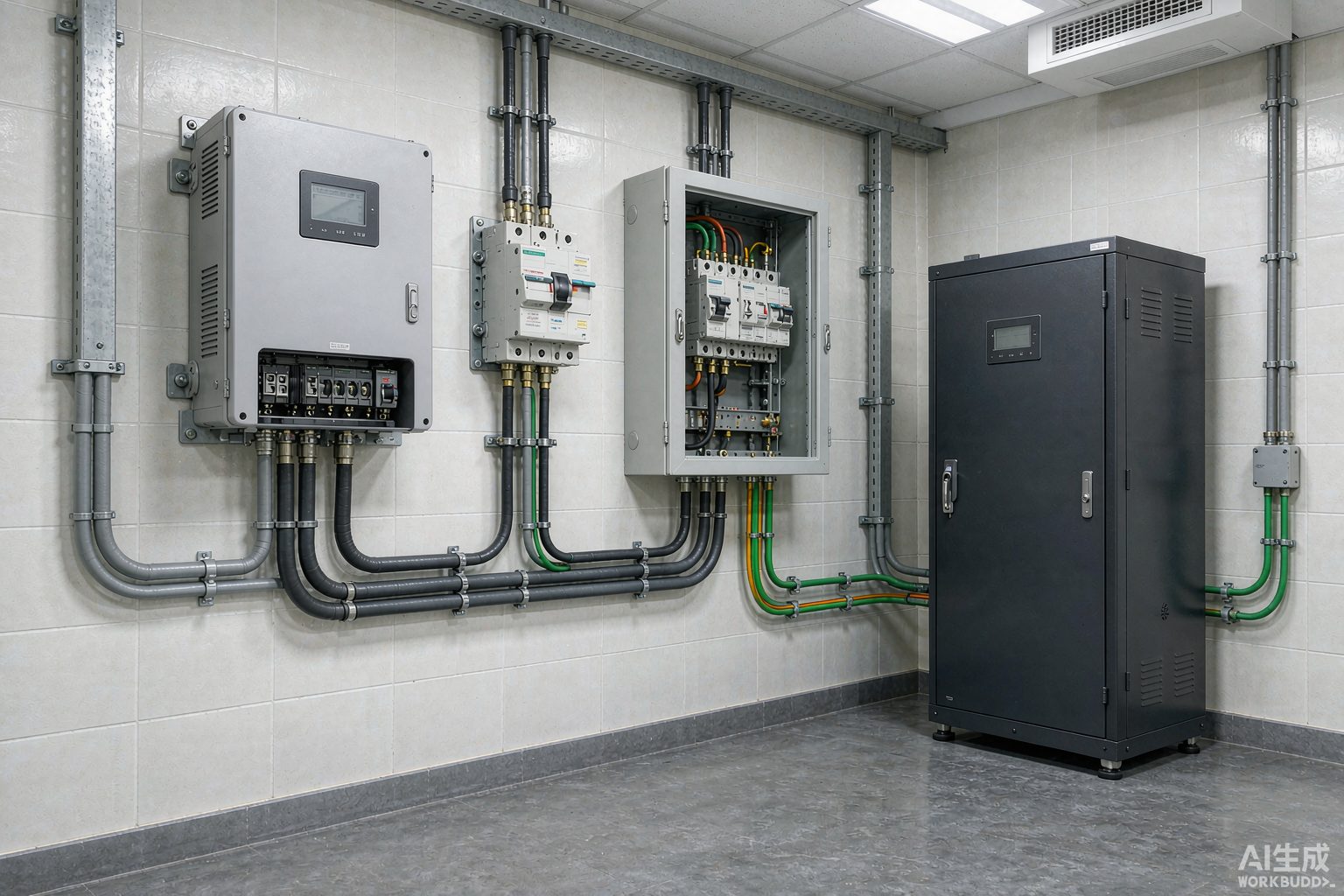
What "hybrid" actually means on a Ghanaian roof
Three configurations get sold under similar language, and they are not interchangeable.
- Grid-tied, no storage - cheapest, highest return on a daytime load, and it shuts down when the grid drops. That is a safety requirement, not a defect.
- Hybrid - grid-tied with a battery on the DC bus, so the backed-up loads keep running through an outage. This is what most Ghanaian commercial buyers are actually asking for.
- Off-grid - no grid connection at the inverter input at all. Appropriate where the grid is absent, and almost always more expensive per delivered kWh than a hybrid system on a site that already has a supply.
A hybrid solar system Ghana sits in the middle. It exports surplus when the grid is up, charges the battery from solar during the day, and switches to battery on the backed-up circuits when the supply fails. The switching is the part that has to be designed properly, because it decides which circuits survive.
One thing to settle before anything is quoted: a hybrid solar system Ghana is not automatically better than a grid-tied one. It is better when something on site genuinely cannot go off, and worse when it cannot.
The tariff you are displacing changes every quarter
Ghana reviews utility tariffs quarterly, which makes the number you are displacing a moving target. The pattern through 2026 was a reduction in the second quarter, an increase of 3.49 percent in the third, and no change for the fourth quarter effective 1 October.
For non-residential customers the energy charge lands roughly in the GH¢1.8 to GH¢2.2 per kWh range across the 2026 reviews, and large consumers on the Special Load Tariff pay roughly GH¢1.9 at high voltage up to about GH¢2.4 at low voltage. Confirm the exact band on your own ECG bill before you model savings, because the quarterly reviews move it and the special load tariff carries its own monthly service charge.
The structural point matters more than the exact figure. Around three quarters of Ghana's generation is thermal, so the tariff tracks the cedi-dollar rate and the cost of gas. That is a cost curve that has gone one way over the long run, and a hybrid solar system Ghana fixes a large share of your daytime consumption at a price that does not move with it.
Model the savings against a tariff you can defend, not against the highest number you can find. A hybrid solar system Ghana sold on an inflated tariff assumption will underperform for twenty-five years.
Step 1: decide what has to stay on when the grid drops
Every hybrid design starts with a written list of backed-up circuits. Not a total. A list.
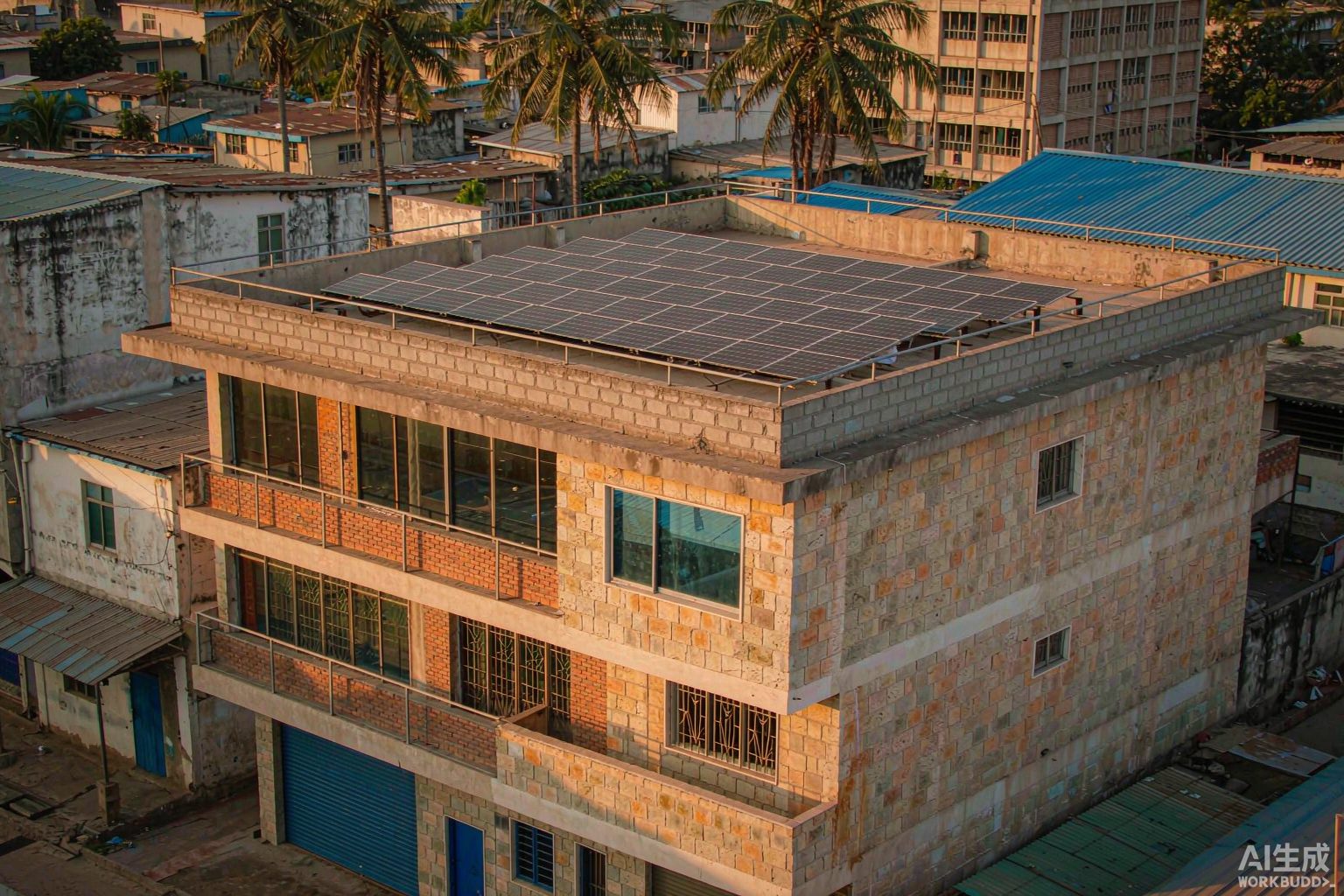
Walk the site and separate the loads into three groups: what must never go off, what can come back after a short delay, and what does not matter. Cold rooms, servers, theatre lighting, borehole pumps and till systems usually land in the first group. Air conditioning over office areas, most workshop machinery and decorative lighting usually land in the third.
Then add up the running watts of group one, not the nameplate watts of everything. Most equipment draws a fraction of its rating in normal use, and sizing a battery on nameplate is the fastest way to double the cost of a hybrid solar system Ghana for capacity that will never be called on.
Motor loads need a separate note. A pump or compressor draws several times its running current for a second or two at start, and the inverter has to ride through that surge or the whole backup panel trips on the first start attempt.
Step 2: size the battery in hours of autonomy, not in kWh of panels
Once the backed-up load in watts is known, the battery question is simply how many hours it has to carry. Required energy is the running watts multiplied by the hours you want, divided by the depth of discharge you are willing to use.
Two Ghana-specific realities shape the answer.
- Autonomy of two to four hours covers most commercial sites. Designing for a full night is a different project with a different price tag, and it is usually the wrong first step.
- Depth of discharge drives cycle life. A pack cycled to 90 percent every night will not last as long as one held to 80 percent, and the warranty will usually say so.
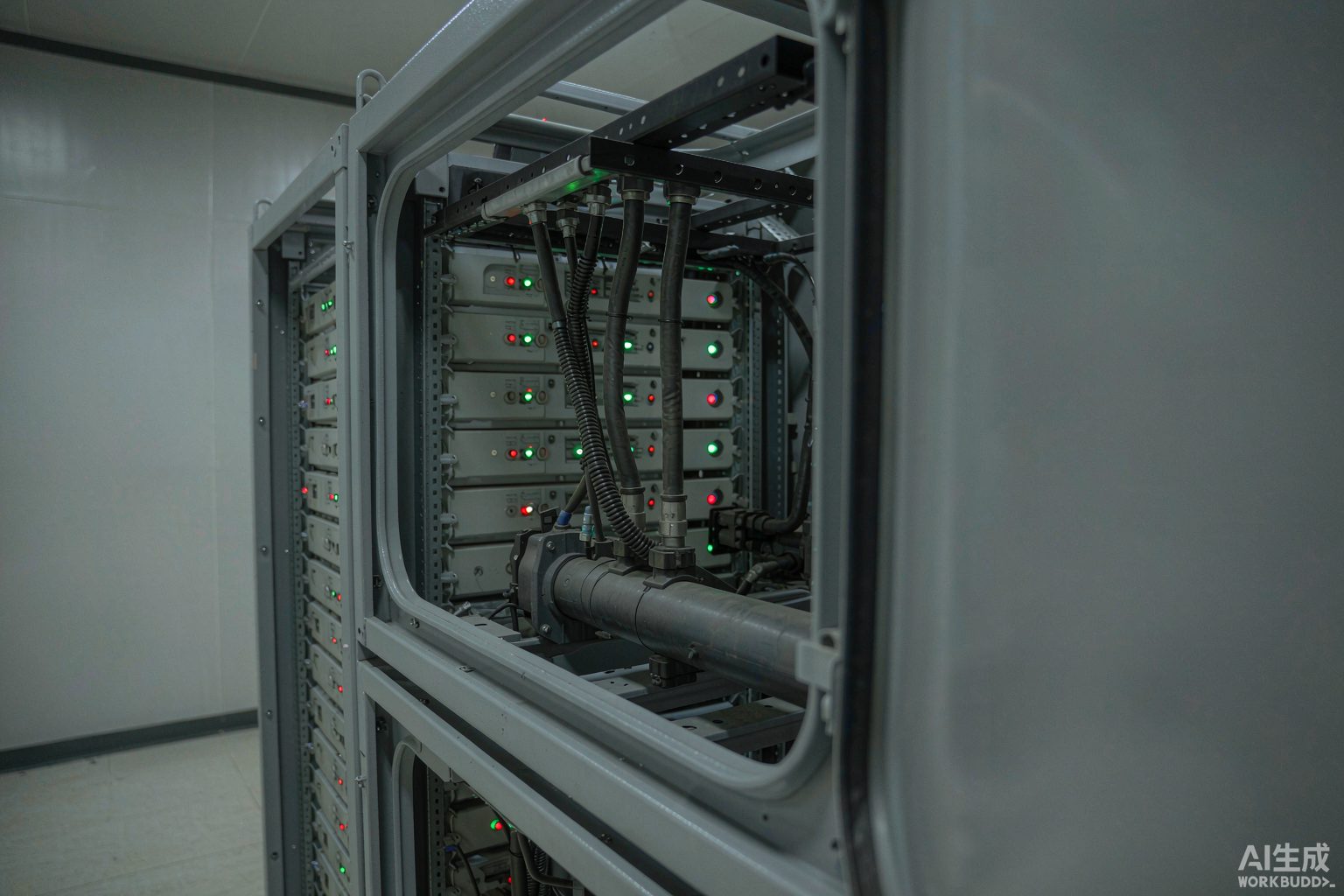
Lithium iron phosphate is the default for commercial work now. It costs more upfront than the lead-acid alternatives, tolerates the heat better, takes up less floor space in the plant room, and does not need the watering regime that kills sealed lead-acid banks in hot climates within a couple of years.
Be careful with a hybrid solar system Ghana quote that gives you a battery capacity without showing the autonomy calculation behind it. The number should be traceable to your list of circuits.
Step 3: the hybrid inverter is the hub, not an accessory
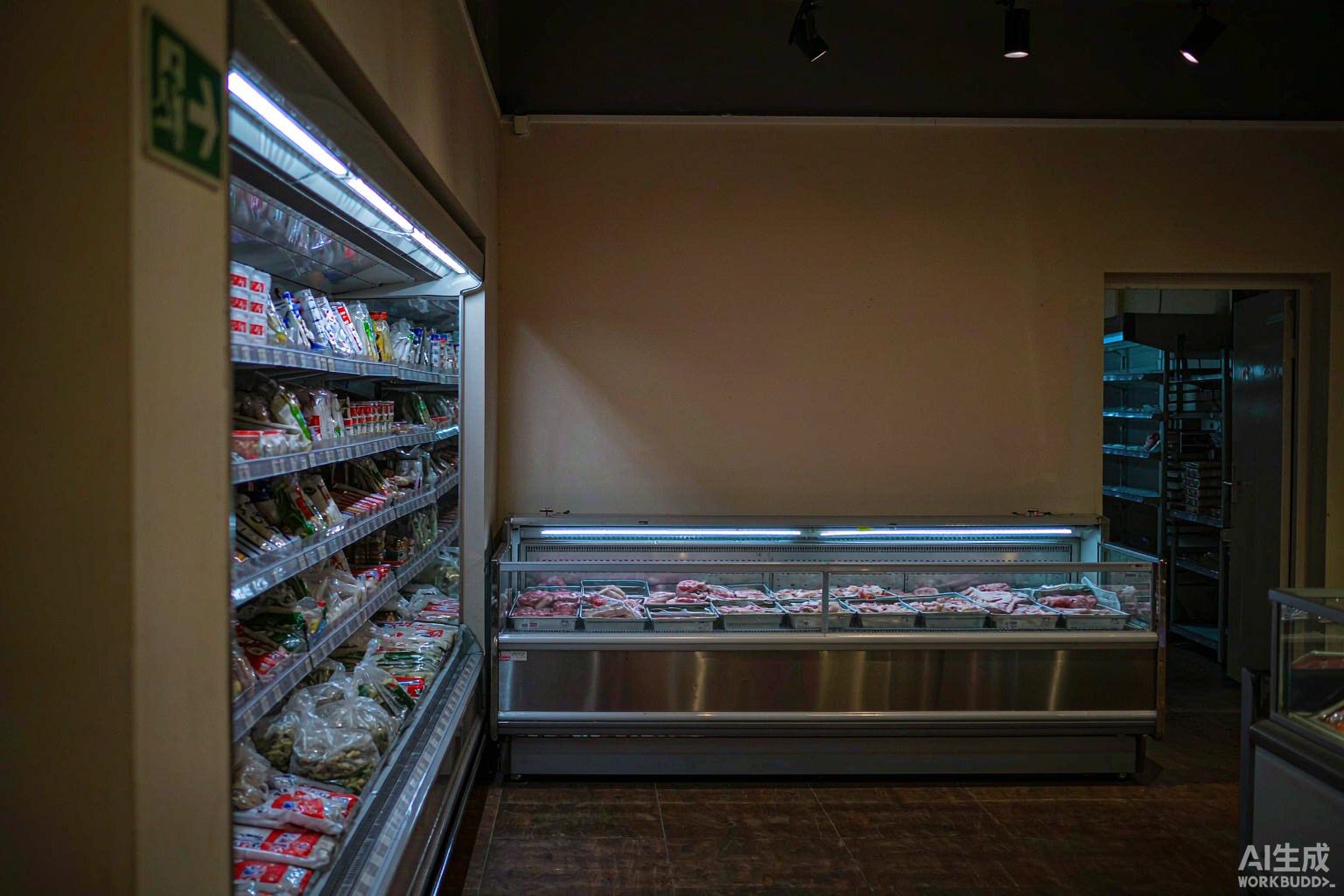
In a hybrid system the inverter carries battery voltage, the backup panel, the transfer switching and the monitoring. Changing it later usually means changing the battery and the switchgear too, so this is the decision worth spending time on.
Three constraints, in this order.
- Continuous AC output - covers the backed-up load while the grid is down.
- Surge rating - rides motor starts on the backed-up circuits.
- Battery-side current - matches what the pack can deliver.
The array-to-inverter ratio is deliberately not one to one. Panels rarely produce their nameplate figure at the moment of peak demand, and in Ghanaian heat the temperature coefficient pulls real output down further. Slightly more panel than inverter capacity is normal and correct; the inverter will clip a little at midday and lose far less than the cost of the oversized unit.
Islanding protection, anti-islanding relays and a proper changeover arrangement are not optional extras on a hybrid solar system Ghana. They are what keeps ECG linesmen safe when they are working on a network they believe is dead.
Step 4: array size, and the 500 kW net metering ceiling
Array capacity follows the daytime load, with one hard regulatory ceiling above it: Ghana's Net Metering Code caps an individual net-metered renewable facility at 500 kW per customer. Above that you are into a feed-in tariff or a negotiated power purchase agreement, which is a different commercial structure entirely, and a hybrid solar system Ghana built past the cap will not be net-metered at all.
Within that ceiling, the economics still favour self-consumption. Under the net metering framework, exported surplus is credited at the retail tariff and credits roll forward within a settlement period, usually twelve months. Unused credits at the annual true-up generally expire, so a system sized for maximum export rather than maximum self-consumption gives away value every year.
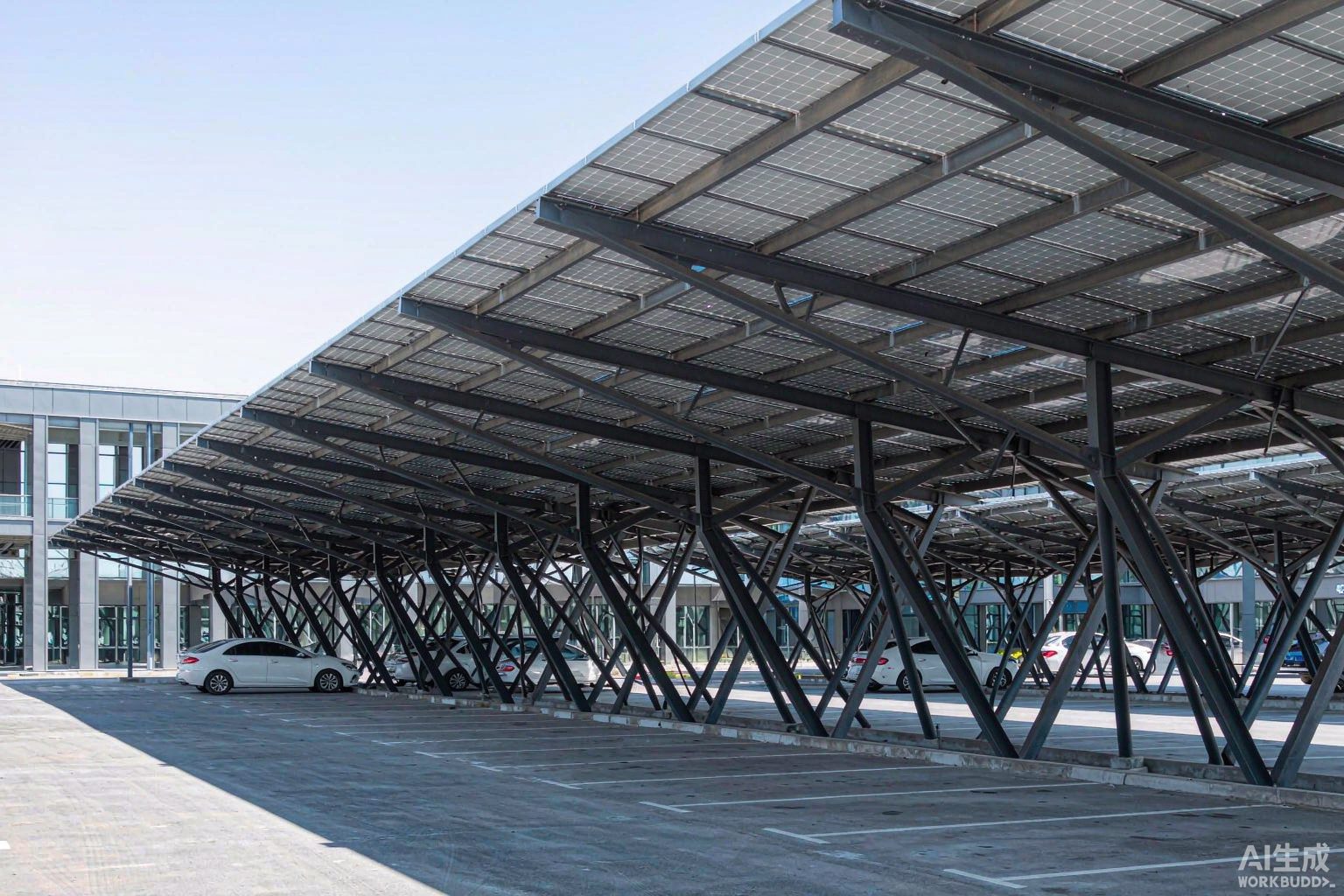
On roof area, budget roughly 15 to 20 square metres per installed kilowatt once walkways and shading setbacks are included. Where the roof cannot take the capacity, a solar carport over the staff car park is usually the next cheapest surface available, and it does not compete with future roof-mounted plant.
None of this changes the order of operations for a hybrid solar system Ghana: array from the load, battery from the outage hours, inverter from both.
The duty asymmetry that nobody quotes
This is the Ghana-specific item that most affects what a hybrid solar system Ghana actually costs, and it is almost never explained in a quotation.
Solar panels imported for renewable energy systems are generally exempt from import duty and VAT. Batteries, on the other hand, typically attract import duty of around 20 percent, and inverters bundled with batteries do not receive the VAT exemption that stand-alone inverters do. So the two halves of a hybrid system are treated differently at the port, and the half that carries the duty is the half that is growing as a share of system cost.
The practical consequences are worth planning around. Confirm the current harmonised system codes and any exemption letters with the Energy Commission before you place the order, and get the duty treatment of each line stated separately in the quote. A single lump sum hides the assumption, and if the assumption is wrong the shortfall lands on you.
It also means the timing of a battery order matters. Duty is charged on the value at import, so shipping the battery in the same consignment as the panels does not make it free, and a hybrid solar system Ghana quoted duty-paid on the whole system is making an assumption you should see in writing.
Capital allowances and what they do to payback
Ghana offers no direct tax credit for buying solar equipment. The fiscal value sits in capital allowances, and for a company owning the asset they are substantial.
Plant and machinery qualify for an initial allowance of 50 percent, with an annual allowance of 25 percent on the declining balance thereafter. For a company in the 25 percent corporate tax bracket, a GH¢1,000,000 solar investment generates roughly GH¢250,000 of tax relief in the first year from the initial allowance alone, before the annual allowances are counted.
That relief is real money and it belongs in the model, but it only helps a company with enough tax liability to absorb it. A business in a loss position or under a tax holiday gets nothing in the near term. Check which case you are in before counting it, and model the payback of a hybrid solar system Ghana both with and without the allowance.
Where the buyer would rather not own the asset, a power purchase agreement puts the allowance in the hands of the system owner instead, which is part of why third-party ownership structures price the way they do, and why a hybrid solar system Ghana under a PPA can beat outright ownership for a company with no tax capacity to absorb the allowance.
Compliance: who has to approve what
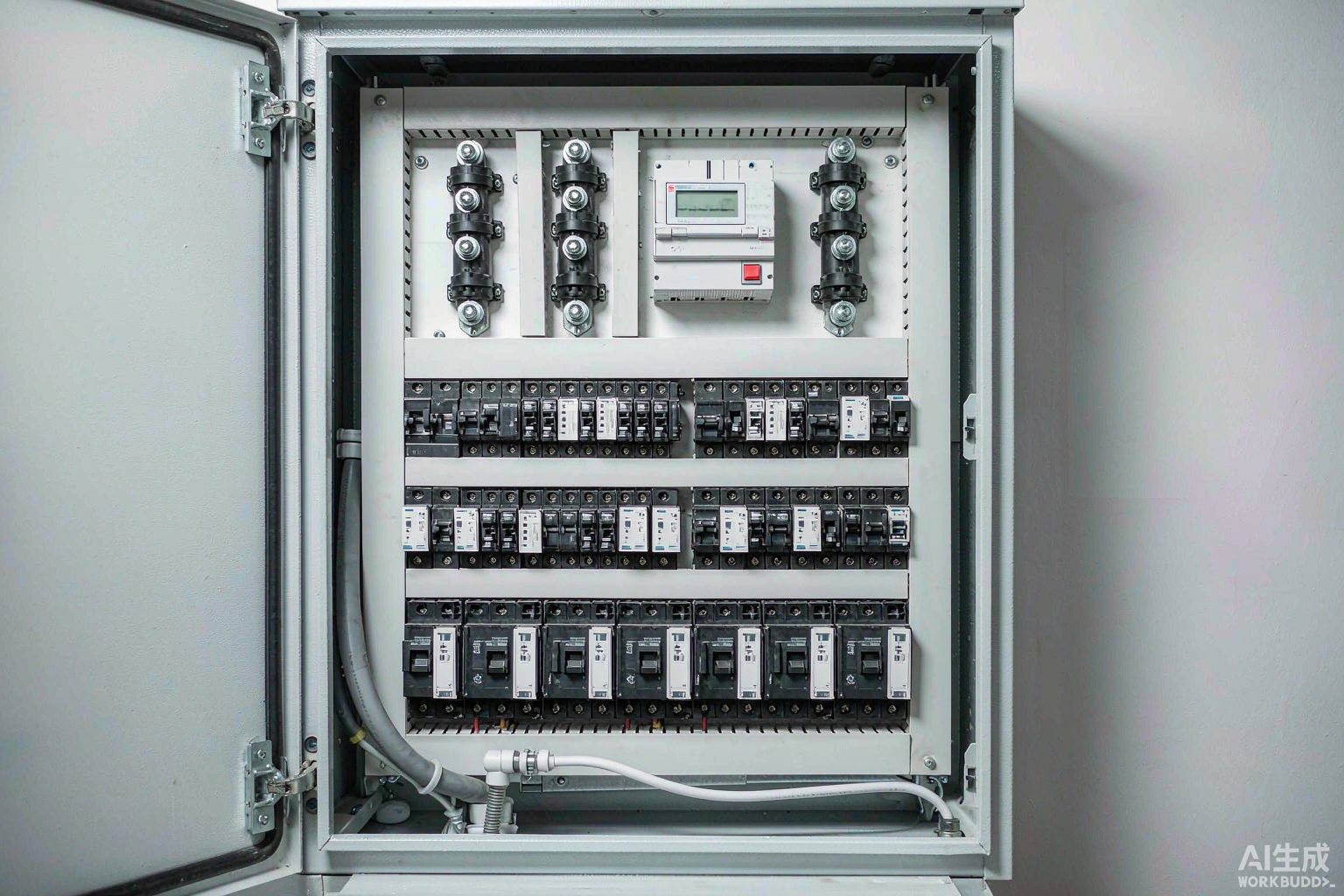
The legal basis is the Renewable Energy Act 2011 (Act 832), with the Energy Commission as the licensing and technical authority. For a commercial hybrid installation the practical requirements are these.
- Equipment standards - solar panels are covered by the Renewable Energy (Standards and Labelling) Regulations 2022, L.I. 2449, with inverter-related requirements under L.I. 2461. Modules should meet IEC 61215 and IEC 61730.
- Type approval - the Energy Commission requires type approval for inverters and charge controllers. Budget two to four weeks for this in the programme.
- Ghana Standards Authority - sets the quality and safety standards for panels, inverters, controllers and batteries.
- Grid connection - net metering applications run through the Energy Commission, with the distribution utility being ECG or NEDCo depending on the region. A bidirectional meter is installed by the utility.
Contractors installing grid-tied systems must comply with Energy Commission regulations and its technical standards. Off-grid work for private clients sits outside that licensing requirement, which is worth knowing because it explains a lot of the price difference between quotes for what looks like the same hybrid solar system Ghana.
Build the type approval into the programme from the start. It is the step most likely to turn a six-week installation into a ten-week one.
Frequently asked questions about a hybrid solar system Ghana
How much does a hybrid solar system Ghana cost? It depends mainly on the battery, which is usually the largest single line. Quote the array and the storage as separate lines with the autonomy hours stated, otherwise two quotes for a hybrid solar system Ghana are simply not comparable.
Do I need batteries at all? If your consumption is mostly in daylight and outages cost you little, a grid-tied system without storage returns more on the same capital. A hybrid solar system Ghana earns its extra cost when something on site genuinely cannot go off.
How many hours of backup should a hybrid solar system Ghana design for? Two to four hours covers most Ghanaian commercial sites. Full overnight autonomy is a different and much larger project, and it should be a deliberate decision rather than a default.
Can a hybrid solar system Ghana export surplus to the grid? Yes, under the net metering framework, up to 500 kW of installed capacity per customer. Credits are applied at the retail tariff and roll forward within a settlement period, and anything left at the annual true-up generally expires.
Is a hybrid solar system Ghana exempt from import duty? The panels generally are. Batteries typically are not, and attract duty of around 20 percent. Get the treatment of each line stated separately before you sign for a hybrid solar system Ghana.
How long does approval take? Equipment type approval for inverters and charge controllers adds roughly two to four weeks. Net metering runs through the Energy Commission and the relevant distribution utility, so build both into the programme for a hybrid solar system Ghana.
More questions buyers ask before signing
What happens during an outage? The hybrid inverter disconnects from the grid and carries the backed-up circuits from the battery. Anything not wired to the backup panel goes off, which is why the circuit list matters so much on a hybrid solar system Ghana.
Can I add more battery to a hybrid solar system Ghana later? Only if the inverter and the battery bank were specified with expansion in mind, and only with modules of the same chemistry and age. Say so at the design stage, because a hybrid solar system Ghana expanded two years later usually needs its battery bank replaced rather than extended.
Do I need an Environmental Protection Agency permit? Small commercial rooftop installations are typically exempt from a mandatory environmental impact assessment. Large ground-mounted projects are a different matter and do require one, which is one reason a rooftop hybrid solar system Ghana is usually the simpler consent path.
What maintenance does a hybrid solar system Ghana need? Panel cleaning, annual re-torquing of terminations, inverter firmware updates and battery state-of-health checks. Budget 1 to 2 percent of capital cost per year and agree who does it before a hybrid solar system Ghana is handed over.
Will a hybrid solar system Ghana survive the heat and the harmattan dust? Yes, with a temperature coefficient check in the design and a realistic cleaning schedule. Dust is a yield issue rather than a reliability one, and it belongs in the generation model.
Should I own it or sign a power purchase agreement? Ownership captures the capital allowance. A PPA avoids the capital outlay and passes the allowance to the system owner. Compare both against the same generation model before committing to a hybrid solar system Ghana on either basis.
Where to start
Write down the circuits that must survive an outage and the hours they must survive for. Pull twelve months of ECG bills and note the tariff band on each. Measure the roof, or the car park, and find out what the structure will carry. None of it takes long, and it is the difference between a hybrid solar system Ghana designed for your site and one sized from a standard package.
With those three things a supplier can size a hybrid solar system Ghana properly, and you can tell within a few minutes whether a quote was designed or guessed. Without them, any number you are given is an estimate dressed up as a specification.
Send us the circuit list, the bills and the available area and we will size the array, the inverter and the battery against your tariff, show the duty and allowance treatment line by line, and tell you where the payback lands - including the case where a grid-tied system without storage is the better buy.
Related reading
The sizing sequence above is the part most quotations skip. The pages below cover the pricing, incentives and worked examples behind a hybrid solar system Ghana.
Equipment pricing before it clears Tema: solar panel price in Ghana. The wider market and incentives: Ghana solar incentives. A worked commercial installation: 250 kW hotel system in Ghana. The general market overview: solar system Ghana. PURC publishes the quarterly tariff decisions at purc.com.gh, and equipment standards sit with the Ghana Standards Authority at gsa.gov.gh.

 English
  Arabic
  Spanish
  French
  Dutch
Dutch  Portuguese