
Langue

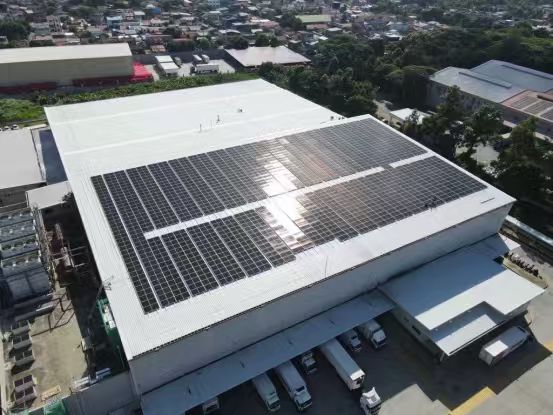
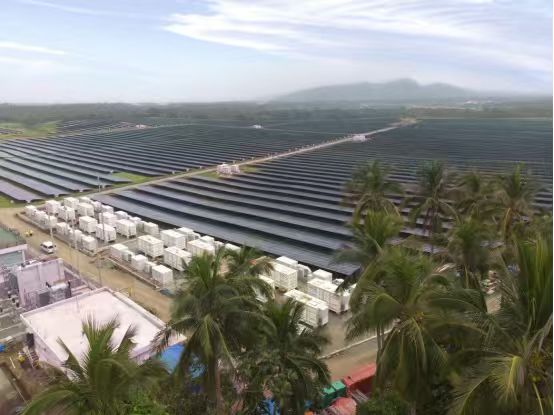
Solar power for factories in the Philippines is no longer an environmental decision — it is a cost decision, and the arithmetic has turned.
Si vous êtes propriétaire d'une usine dans le Philippines, en installant un système d'énergie solaire Ce n'est pas seulement une décision responsable sur le plan environnemental, c'est aussi une décision commerciale très rentable.
La plupart des usines présentent un profil de consommation électrique bien défini :
Ce profil de charge correspond parfaitement à génération photovoltaïque (PV) solaireCette installation produit de l'électricité pendant la journée. Votre usine peut ainsi consommer directement l'énergie solaire qu'elle produit, réduisant considérablement sa dépendance au réseau électrique.
Pour les utilisateurs industriels, un système solaire raccordé au réseau (système raccordé au réseau) est généralement la meilleure option car :
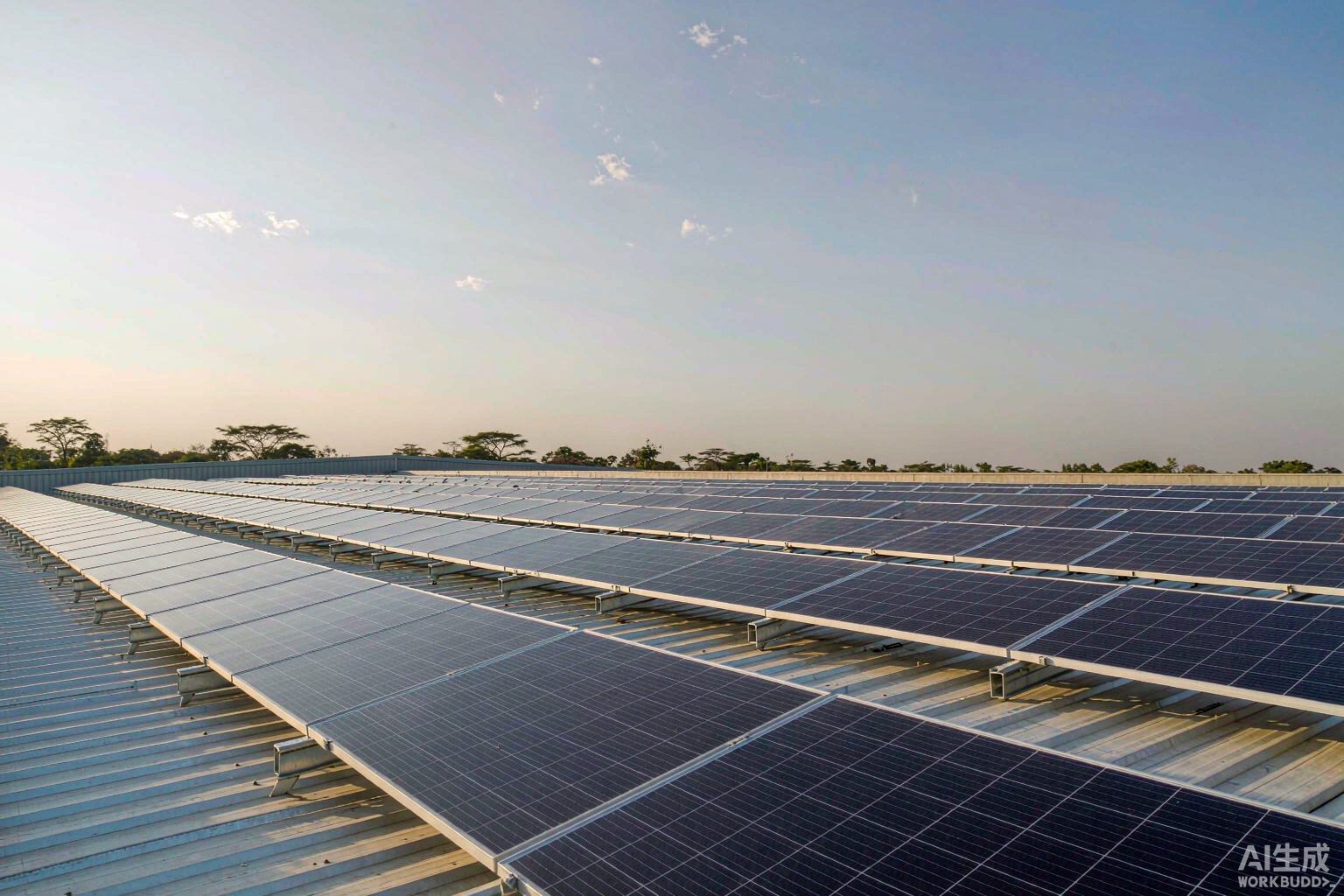
En installant un Système solaire commercial aux PhilippinesVotre usine peut ainsi utiliser l'énergie solaire pour compenser sa consommation d'électricité pendant la journée, période où se concentrent la plupart de vos coûts énergétiques.
Les prix de l'électricité aux Philippines figurent parmi les plus élevés d'Asie du Sud-Est :
Ce tarif élevé est précisément la raison pour laquelle Investissement dans l'énergie solaire aux Philippines C'est tellement avantageux ! Chaque kWh produit par votre système solaire remplace directement l'électricité coûteuse du réseau.
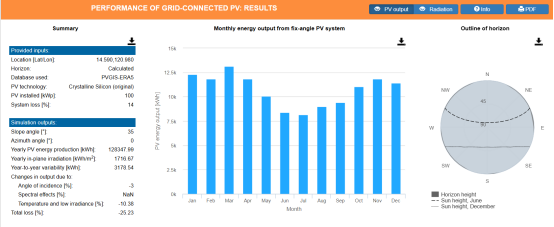
Analysons un cas typique Système solaire de 100 kW pour une usine aux Philippines:
Grâce à ces économies :
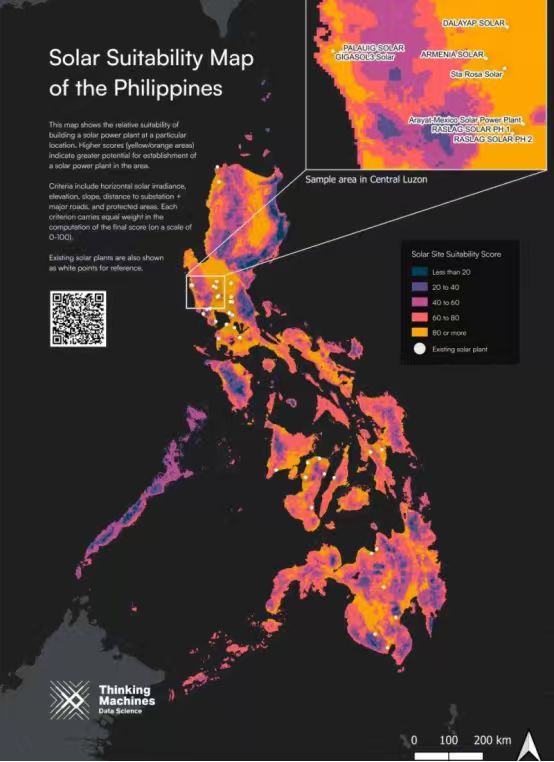
L'énergie solaire est particulièrement adaptée si votre usine :
Même les usines avec Opérations 24h/24 et 7j/7 peut en bénéficier en réduisant la consommation d'énergie sur le réseau électrique pendant la journée.
Tarification de la centrale solaire hors réseau Mars Solar de 100 kW
La centrale solaire de 100 kW de Mars Solar avec 241kWh / 261stockage d'énergie par batterie au lithium kWh Nous proposons des devis personnalisés et compétitifs à nos clients internationaux. Pour obtenir le devis officiel le plus récent et un détail des prix (incluant le transport, l'installation et le service après-vente), veuillez contacter notre équipe commerciale par e-mail à l'adresse suivante :info@marssolargroup.com.
Remarque : Le devis est valable 30 jours et des remises exclusives sont disponibles pour les commandes groupées et les projets de coopération à long terme.

Philippine industrial tariffs are among the highest in South-East Asia, so every kilowatt-hour a factory generates during its production window is a kilowatt-hour it does not buy at the commercial rate. That is the whole calculation for a single-shift factory running on daytime load, and it is why solar power for factories in the Philippines has moved from pilot projects to standard practice.
The second saving is the one most quotes miss: demand charges. A system that shaves the monthly peak reduces the demand component of the bill, not just the energy component. We size against the logged peak, which is why two factories with the same monthly consumption can need very different arrays when you plan solar power for factories in the Philippines.
Payback on the worked example below — a 100kW system — lands inside four years at current commercial tariffs, and faster if the factory runs a second shift. Adding storage extends the saving into the evening peak but roughly doubles the capital cost, so the honest answer is that storage pays when the factory runs at night or when outages cost more than the battery.
On the policy side, DOE-registered renewable developers can import photovoltaic equipment at zero duty and zero VAT, which is a material difference to the capital cost of solar power for factories in the Philippines. The mechanics are covered in our Philippines solar import guide. For the engineering and tariff background, the World Bank energy programme publishes comparable data across the region.
Is it worth it? For a single-shift factory with a stable roof and a daytime load profile, solar power for factories in the Philippines is one of the few capital projects that pays for itself on the bill rather than on a projection. Every factory we quote starts with a load log and a roof survey, because the answer depends on your peak, not on a national average.
Where the answer changes. Solar power for factories in the Philippines stops being straightforward when the roof cannot carry the array, when the load sits mostly at night, or when the factory rents rather than owns. In those three cases we quote ground-mount, storage-first or a lease structure instead of solar power for factories in the Philippines on the existing roof, and we say so before you spend money on a survey. If the problem is an evening peak or a demand charge rather than total consumption, a commercial BESS Philippines project is usually the better first step.
What to send us. A load log, your latest bill and a roof plan are enough to size solar power for factories in the Philippines accurately; without the log we can only give a range. Every quote we issue for solar power for factories in the Philippines lists the assumptions it was built on, so you can check them against your own meter before you sign.

 English English
  Arabic
 Spanish
 French
 Dutch
Dutch
 Portuguese