Sistema de energía solar de 100 kW para hoteles nigerianos: un estudio de caso práctico.

La crisis del coste energético a la que se enfrentan los hoteles nigerianos
Hotel owners across Nigeria face a well-documented challenge — and a solar system for hotels in Nigeria is now the standard answer: a well-documented challenge: grid electricity is sporadic, and diesel generators have become the default power source. In many properties, backup generators run for 18 or more hours every day. With diesel prices ranging from ₦1,200 to ₦1,500 per litre and climbing, a single 30-room hotel can burn through ₦3–₦5 million in fuel costs each month — a line item that quietly erodes profitability.
Los sistemas solares fotovoltaicos (FV) ofrecen una solución estructural: una vez instalados, producen electricidad a un coste marginal cero durante 25 años o más, eliminando por completo el ciclo de costes del diésel.
Caso práctico: Instalación solar conectada a la red de 100 kW — Nigeria, 2024
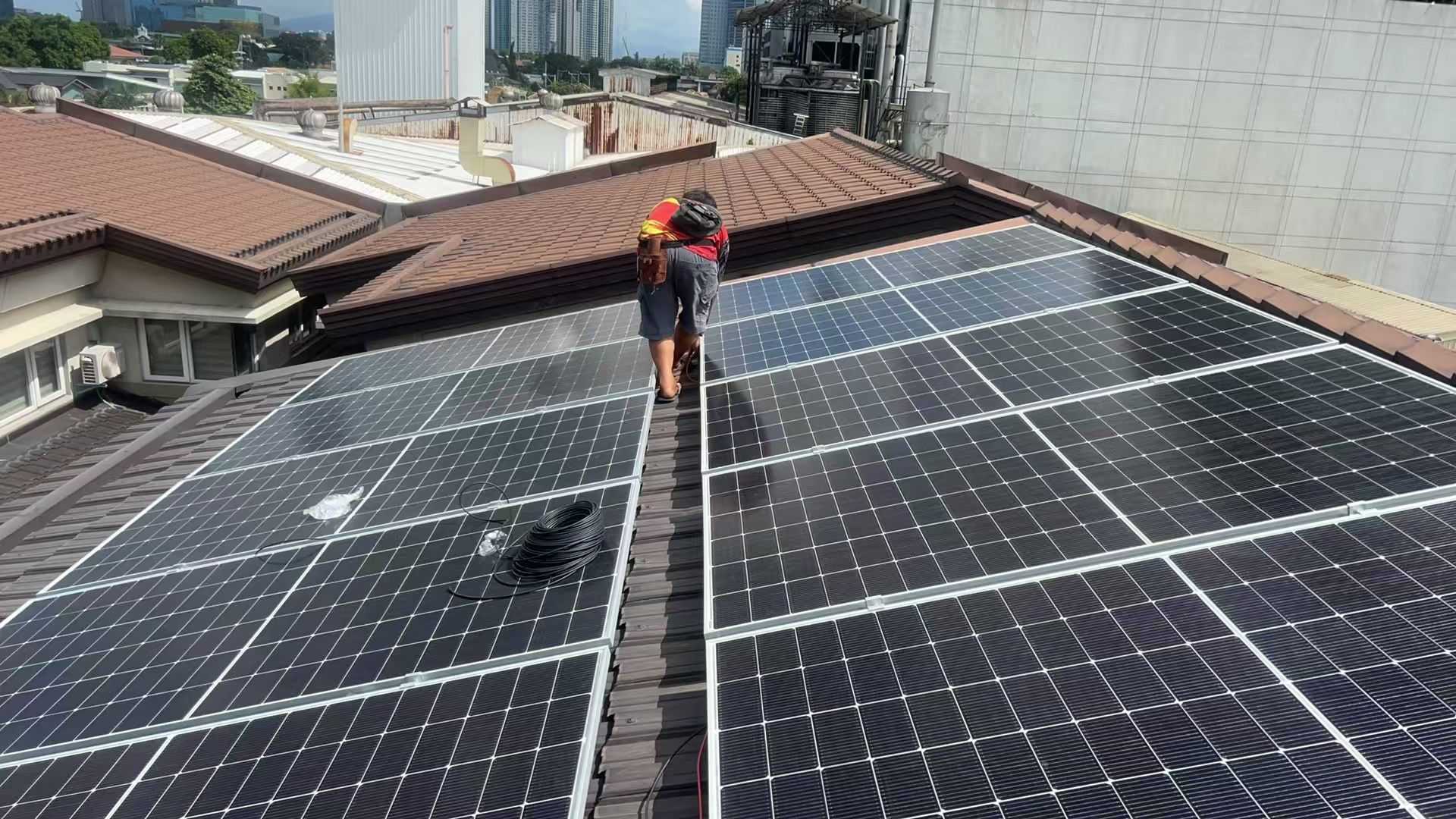
Antes y después de la energía solar: resultados de campo.
• Gasto energético mensual
Antes: ₦3.000.000+ (diésel + red eléctrica)
Después: ₦1.000.000 (solo suplemento de la cuadrícula)
Resultado: ₦2.000.000 ahorrados al mes
• Interrupciones de la red eléctrica
Antes: Entre 8 y 12 interrupciones del servicio por día.
Después: No se registraron interrupciones.
Resultado: Tiempo de actividad de 100%
• Registro de tiempo de actividad del sistema
Después: Más de 12 meses consecutivos sin fallos en los equipos.
• Ahorros mensuales en USD
Después: ~$1.460 por mes

Configuración del sistema y diseño técnico
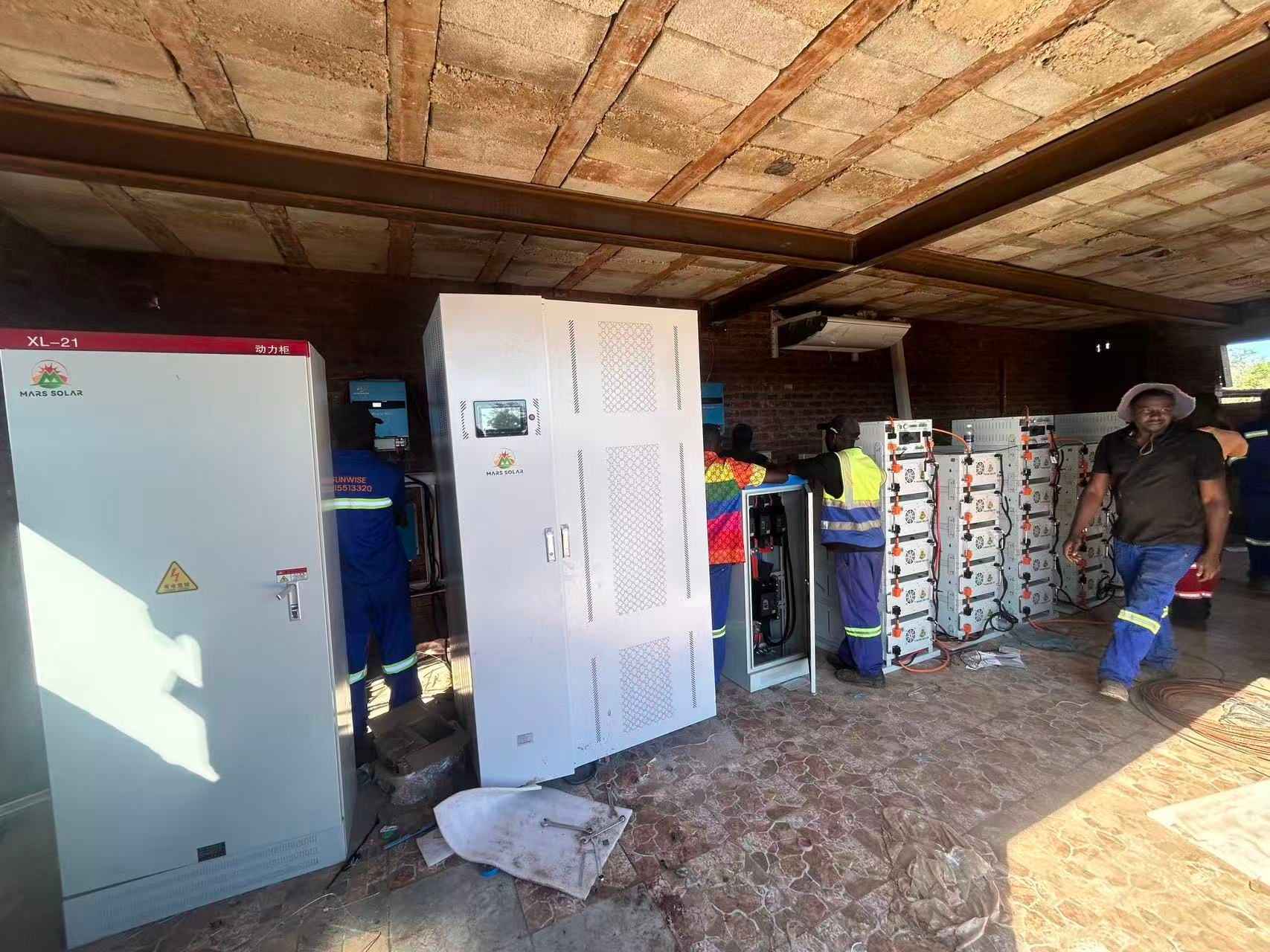
- Capacidad total de 100 kW — diseñado para satisfacer entre 70 y 80 TP3T de la demanda máxima diurna del hotel; la red eléctrica nacional sirve como fuente secundaria para las cargas restantes.
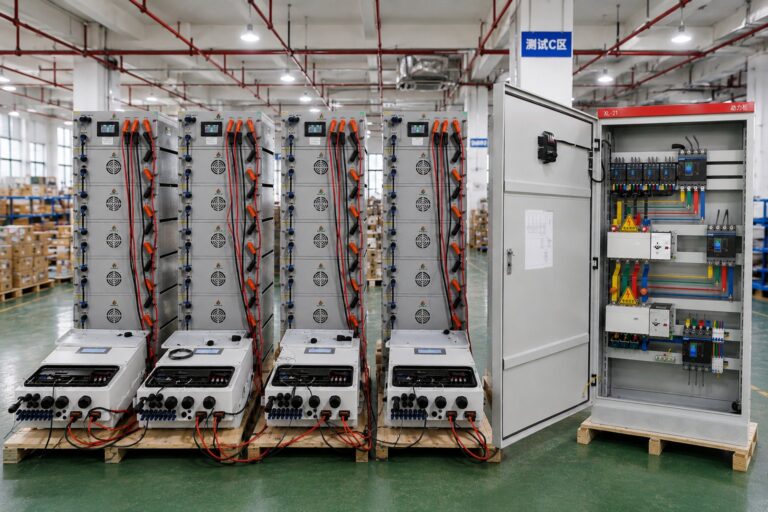
- Unidad inversora híbrida — Transiciona automáticamente entre la producción del sistema solar, el suministro de la red eléctrica y el almacenamiento en baterías sin intervención manual ni interrupción del servicio.
- banco de almacenamiento de baterías de litio — bridges the evening and night peak period, covering demand when solar generation is zero without requiring diesel backup
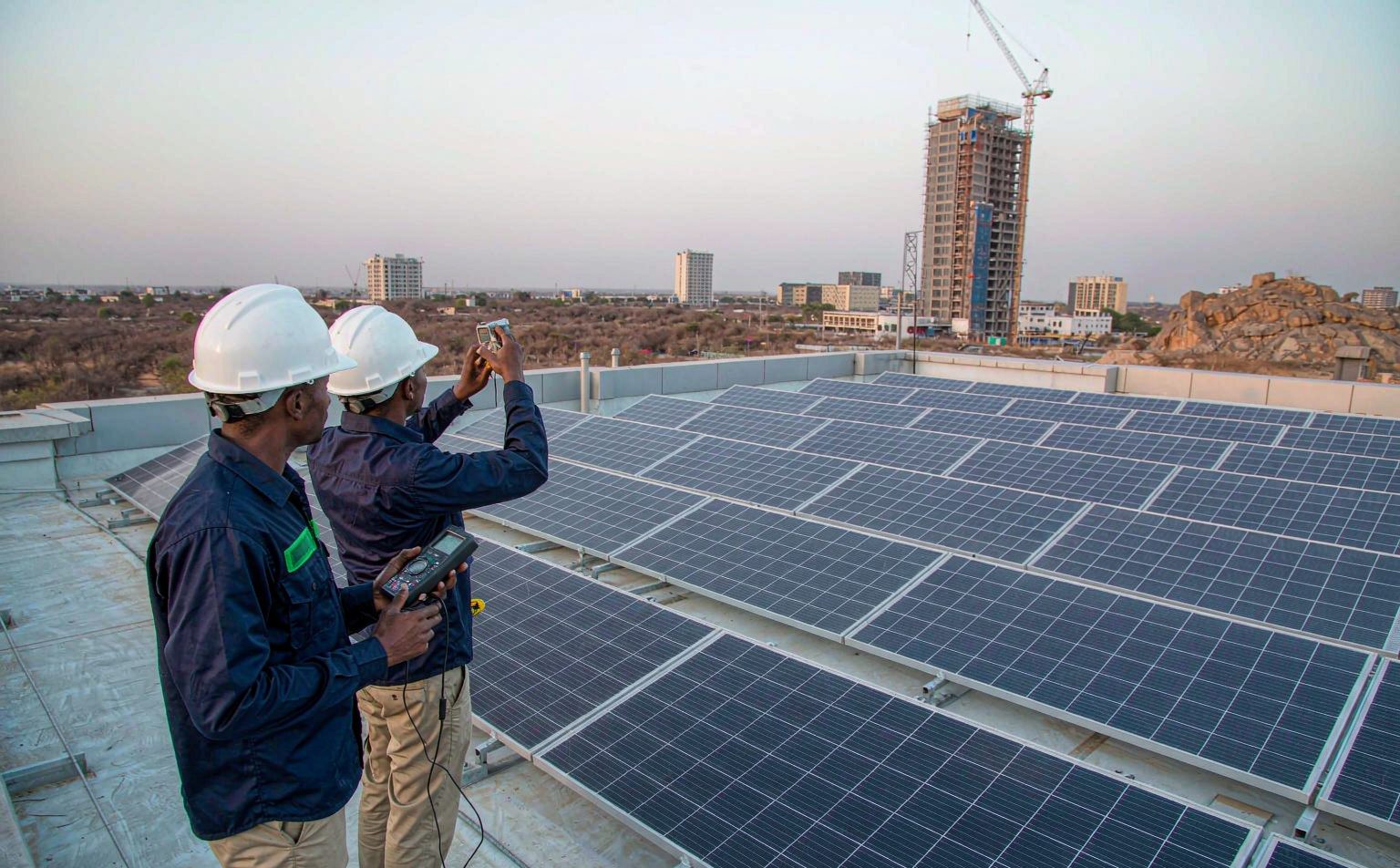
- Despliegue de ingeniería local — El equipo de campo de Mars Solar en Nigeria se encargó del dimensionamiento, la instalación y la puesta en marcha, garantizando el cumplimiento de las normas eléctricas locales.
Generadores solares frente a generadores diésel: análisis del coste total de propiedad a 5 años para hoteles en Nigeria
Comparación de costos a 5 años: Generador diésel frente a sistema solar de 100 kW
• Inversión de capital inicial
Diesel: ₦5–8M (generador + instalación)
Solar: ₦15–20M (sistema solar completo)
• Gastos mensuales continuos de combustible y mantenimiento
Diesel: ₦3–5 millones por mes
Solar: ₦0 (la luz solar directa es gratuita)
• Costo energético acumulado a cinco años
Diesel: ₦180–300 millones
Solar: ₦15–20 millones (inversión única)
• Período de recuperación de la inversión
Diesel: Ninguno: el costo continúa indefinidamente.
Solar: 8-12 meses (verificado sobre el terreno)
Dimensionamiento y selección de un sistema solar para hoteles en Nigeria: una guía práctica
- Paso 1: Audite su carga máxima: La mayoría de los hoteles con entre 50 y 150 habitaciones requieren sistemas de entre 50 y 200 kW. Utilice el historial de facturación real y los registros de tiempo de funcionamiento del generador para establecer la demanda de referencia antes de dimensionarlo.
- Paso 2: Elija una arquitectura híbrida en lugar de una totalmente autónoma: Un diseño híbrido conectado a la red permite aprovechar la energía solar durante el día, utilizar la red eléctrica como respaldo y almacenar energía en baterías durante la noche. Esto minimiza la dependencia del diésel sin sacrificar la fiabilidad.
- Paso 3: Dimensionar el banco de baterías según la demanda nocturna: Battery capacity should be calculated against your evening and overnight load profile — not just daytime usage. Under-sizing batteries is the most common error in hotel solar projects.
- Paso 4: Verifique las credenciales de instalación: Seleccione un proveedor con un historial comprobado de instalaciones hoteleras completadas en Nigeria. El soporte técnico in situ y la disponibilidad de repuestos son tan importantes como las especificaciones del panel.
- Paso 5 — Planificar el seguimiento: Un portal de monitorización remota permite a la dirección del hotel realizar un seguimiento en tiempo real de la producción solar, el consumo de la red eléctrica y el estado de carga de la batería, lo que posibilita un mantenimiento proactivo en lugar de reparaciones reactivas.
Preguntas frecuentes: Energía solar en hoteles de Nigeria
Contacta con nuestro equipo de ingeniería. Para una evaluación gratuita de sus instalaciones y un diseño de sistema personalizado.
Why a Solar System for Hotels in Nigeria Matters
A solar system for hotels in Nigeria is one of the strongest commercial solar cases in West Africa. Nigerian commercial tariffs are high, diesel backup is expensive, and hotels run air-conditioning, laundry and kitchens during daylight — the exact window when generation peaks.
That combination is what makes a solar system for hotels in Nigeria project worth studying: the load is unforgiving, the cost of failure is high, and the economics have to work on measured results rather than on a vendor's estimate.
Sizing and Engineering Decisions
Cada solar system for hotels in Nigeria project starts with 7 to 14 days of logged consumption. Base load is separated from peak load, generation is sized on daytime consumption, and storage is sized on the overnight block. Motor-driven equipment adds a surge requirement that catches out quotations based on average draw alone.
Where a site must never lose supply, we size for autonomy rather than for bill savings — a different calculation that usually means a larger bank and a bidirectional inverter with automatic transfer.
Supplying This Kind of Project
Mars Solar realiza y exporta solar system for hotels in Nigeria packages factory-direct: PV modules, mounting, hybrid or bidirectional inverters, LiFePO4 storage, protection, cabling and remote monitoring, all tested together before shipment and certified to CE, RoHS, TUV and ISO.
See comparable hardware on our batería de almacenamiento de energía montada en bastidor page, and the Programa de energía del Banco Mundial for how reliable supply affects output in these markets.
For the full project record behind this design — procurement, shipping and commissioning — see our 100 kW hotel solar project in Nigeria.
How much does a solar system for hotels in Nigeria cost per room?
Plan on the load, then divide by rooms as a cross-check. The 100 kW solar system for hotels in Nigeria behind the case study above serves 50-150 guest rooms, and the same solar system for hotels in Nigeria spread across 60 rooms costs materially more per room than across 150 because the front-of-house and kitchen load is fixed. Budget the solar system for hotels in Nigeria per kW of demand, not per key.
Will a solar system for hotels in Nigeria remove the diesel generator entirely?
For most city hotels, yes — as a running cost. The solar system for hotels in Nigeria installed here carries 70-80% of peak daytime demand and the full essential load overnight, so the generator becomes a rarely used reserve instead of a daily expense. A solar system for hotels in Nigeria that claims to eliminate diesel everywhere in Nigeria is overpromising on the rainy season.
What does a solar system for hotels in Nigeria save per month?
In the case study above, monthly energy spend fell from over N3,000,000 a month on diesel plus grid to a solar-backed figure, with diesel runtime all but eliminated. The saving on a solar system for hotels in Nigeria scales with how much diesel the hotel burns today: a property running the generator eight hours a day recovers the capital far faster than one running it for two.
How long does installation of a solar system for hotels in Nigeria take?
Allow four to eight weeks for a 100 kW solar system for hotels in Nigeria, including survey, civil works, roof or ground mounting, battery room preparation and commissioning. Staging matters: a solar system for hotels in Nigeria should be energised zone by zone so occupied floors are never without power during the work.
What certifications should a solar system for hotels in Nigeria use?
IEC 61215 and IEC 61730 for the modules, IEC 62109 for the inverter, IEC 62619 for the lithium cells, and SONCAP documentation for clearance into Nigeria. A solar system for hotels in Nigeria assembled from uncertified components is uninsurable and unsellable at resale, which matters more than the purchase price on a hotel asset.
Can a solar system for hotels in Nigeria be financed rather than bought outright?
Yes, and several routes are worth comparing. Vendor financing and lease-to-own are the most common for a hotel-scale solar system for hotels in Nigeria, with commercial bank facilities and green lending programmes alongside them. Because a solar system for hotels in Nigeria generates cash from month one, lenders usually treat the savings stream as the repayment source.

 English
 Arabic
 Spanish
 French
 Dutch
 Portuguese