
لغة

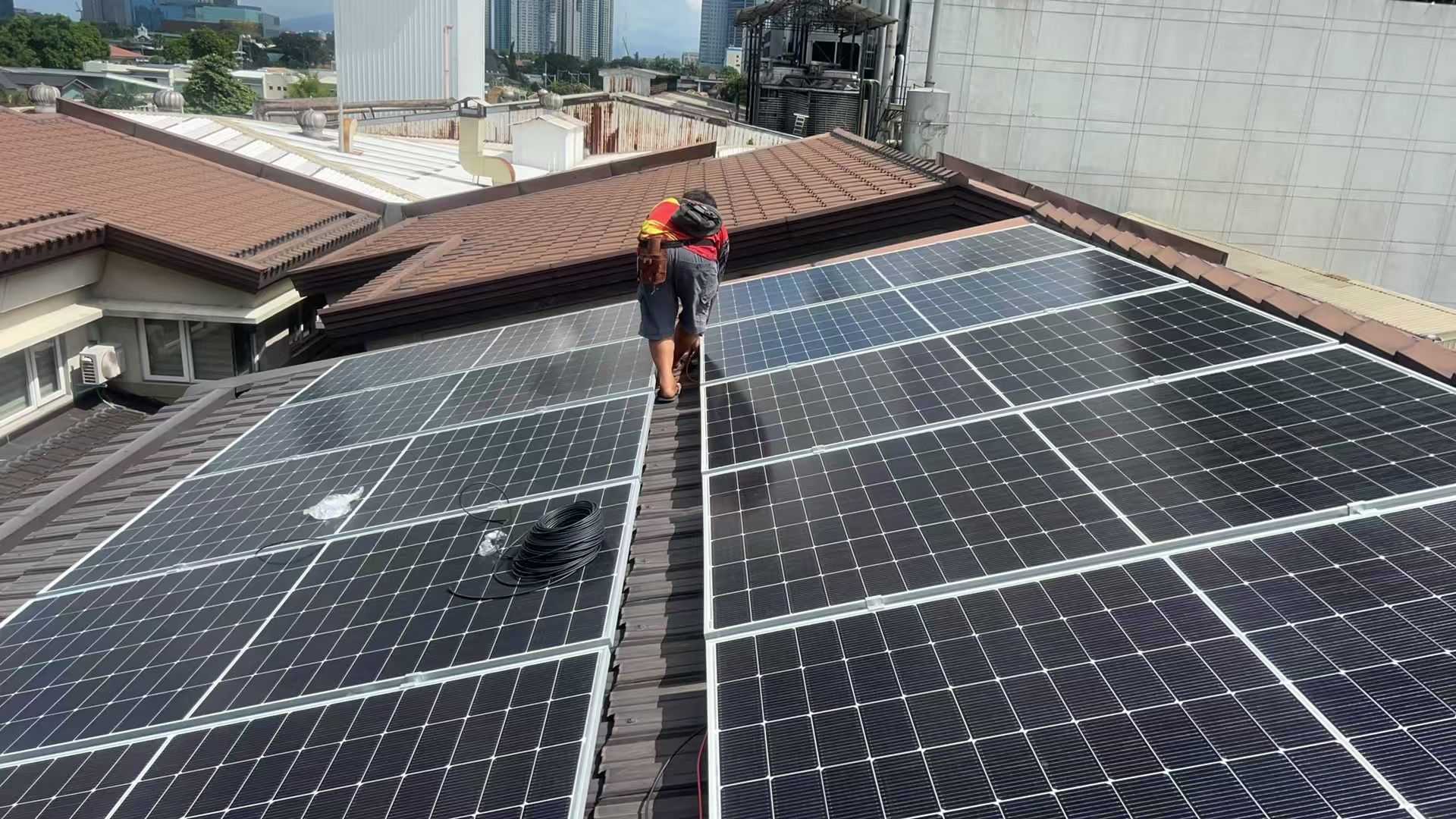
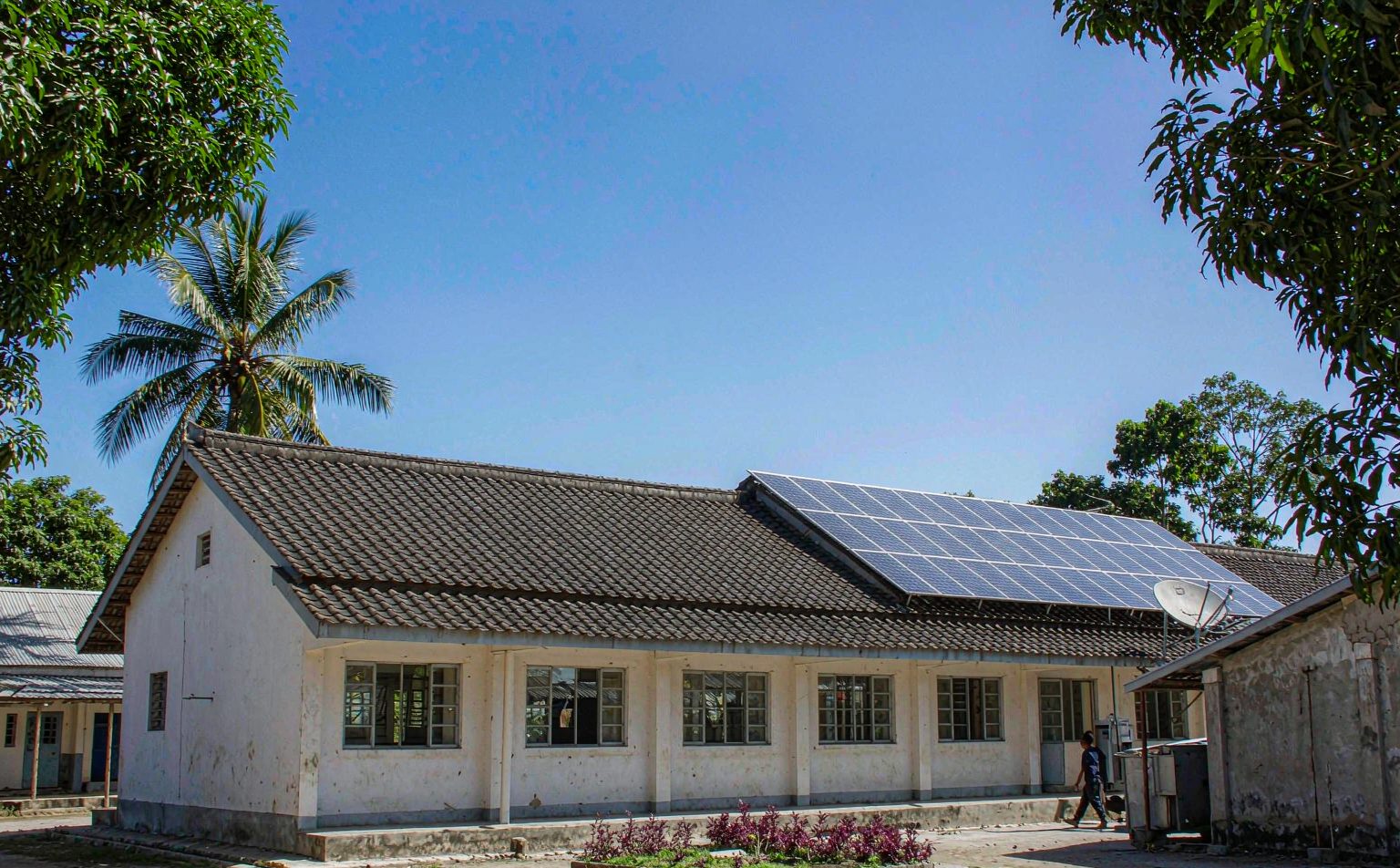
Hotel owners across Nigeria face a well-documented challenge — and a solar system for hotels in Nigeria is now the standard answer: a well-documented challenge: grid electricity is sporadic, and diesel generators have become the default power source. In many properties, backup generators run for 18 or more hours every day. With diesel prices ranging from ₦1,200 to ₦1,500 per litre and climbing, a single 30-room hotel can burn through ₦3–₦5 million in fuel costs each month — a line item that quietly erodes profitability.
توفر أنظمة الطاقة الشمسية الكهروضوئية حلاً هيكلياً: فبمجرد تركيبها، تنتج الكهرباء بتكلفة هامشية صفرية لمدة 25 عامًا أو أكثر، مما يلغي دورة تكلفة الديزل تمامًا.
• الإنفاق الشهري على الطاقة
قبل: 3,000,000+ نيرة (ديزل + شبكة كهرباء)
بعد: 1,000,000 نيرة (ملحق الشبكة فقط)
نتيجة: يتم توفير 2,000,000 نيرة شهريًا
• انقطاعات الشبكة
قبل: 8-12 انقطاعًا يوميًا
بعد: لم يتم تسجيل أي انقطاعات في الخدمة
نتيجة: وقت تشغيل 100%
• سجل وقت تشغيل النظام
بعد: أكثر من 12 شهرًا من التشغيل المتواصل، بدون أي أعطال في المعدات
• مدخرات شهرية بالدولار الأمريكي
بعد: حوالي 1460 جنيهًا إسترلينيًا شهريًا

• الاستثمار الرأسمالي الأولي
ديزل: 5-8 ملايين نيرة (مولد كهربائي + تركيب)
الطاقة الشمسية: 15-20 مليون نيرة (نظام شمسي كامل)
• تكاليف الوقود والصيانة الشهرية المستمرة
ديزل: 3-5 ملايين نيرة شهرياً
الطاقة الشمسية: ₦0 (ضوء الشمس المباشر مجاني)
• التكلفة التراكمية للطاقة على مدى خمس سنوات
ديزل: 180-300 مليون نيرة
الطاقة الشمسية: 15-20 مليون نيرة (استثمار لمرة واحدة)
• فترة الاسترداد
ديزل: لا شيء — التكلفة مستمرة إلى أجل غير مسمى
الطاقة الشمسية: 8-12 شهرًا (تم التحقق منها ميدانيًا)
تواصل مع فريقنا الهندسي للحصول على تقييم مجاني للموقع وتصميم نظام مخصص.
أ solar system for hotels in Nigeria is one of the strongest commercial solar cases in West Africa. Nigerian commercial tariffs are high, diesel backup is expensive, and hotels run air-conditioning, laundry and kitchens during daylight — the exact window when generation peaks.
That combination is what makes a solar system for hotels in Nigeria project worth studying: the load is unforgiving, the cost of failure is high, and the economics have to work on measured results rather than on a vendor's estimate.
Every solar system for hotels in Nigeria project starts with 7 to 14 days of logged consumption. Base load is separated from peak load, generation is sized on daytime consumption, and storage is sized on the overnight block. Motor-driven equipment adds a surge requirement that catches out quotations based on average draw alone.
Where a site must never lose supply, we size for autonomy rather than for bill savings — a different calculation that usually means a larger bank and a bidirectional inverter with automatic transfer.
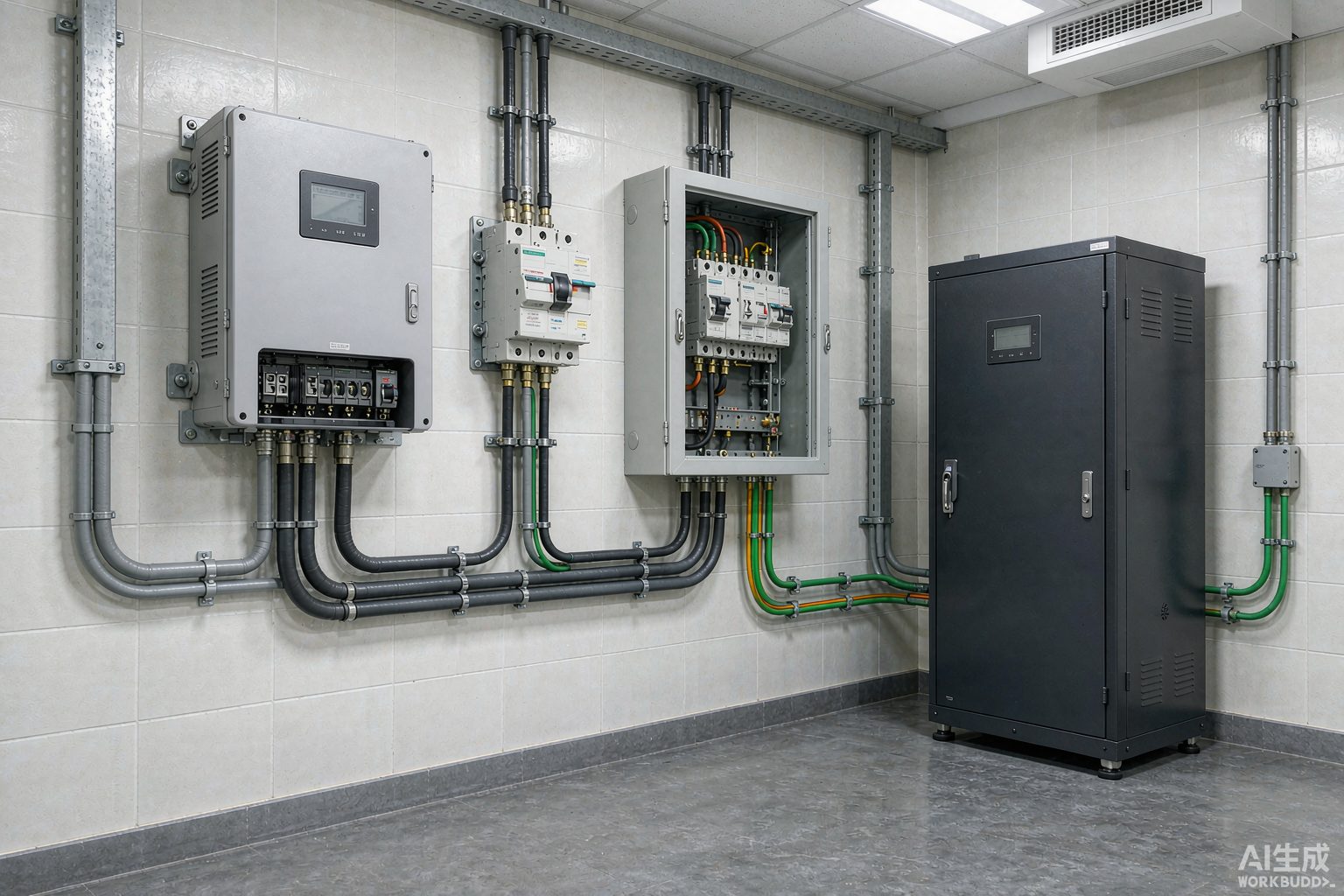
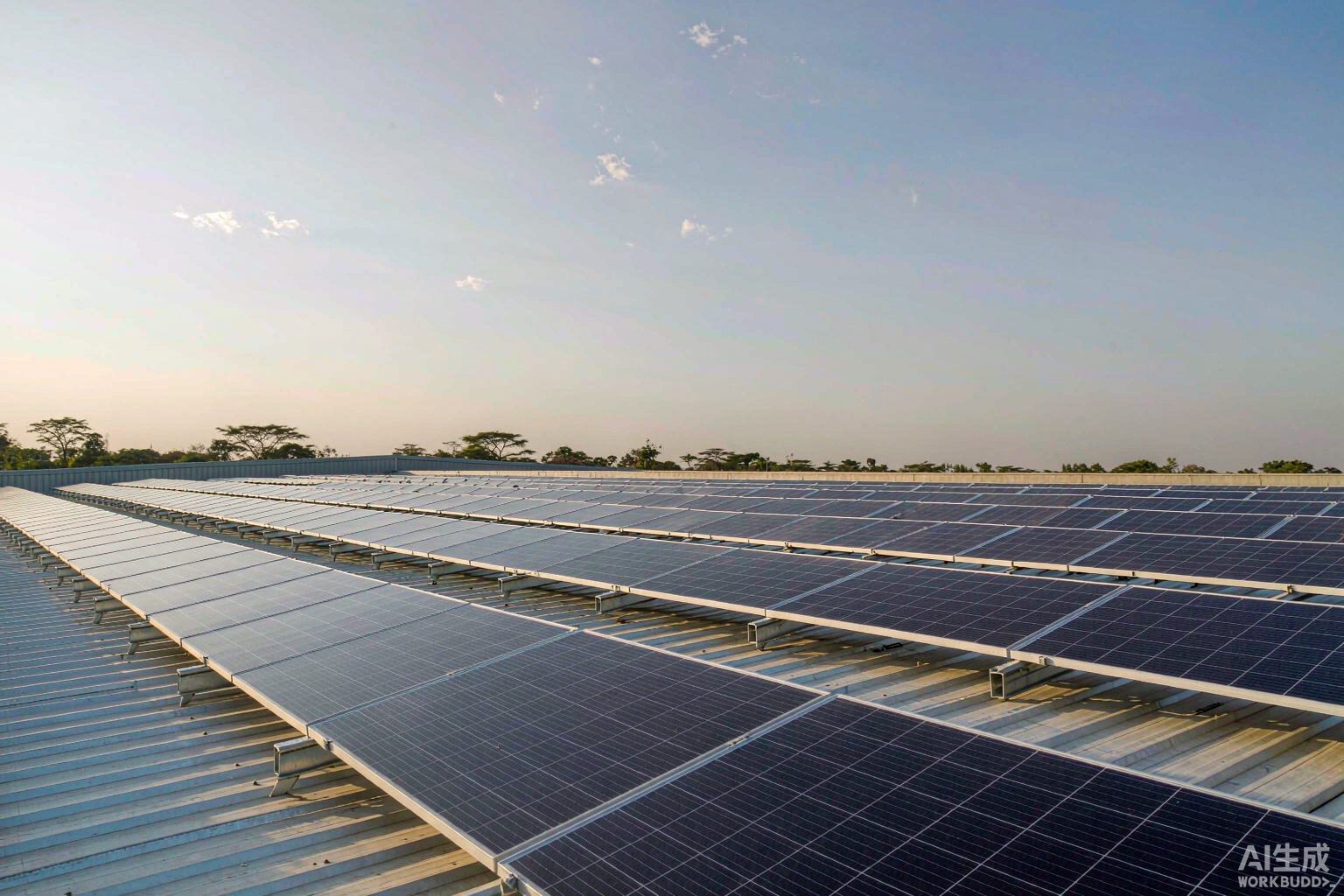
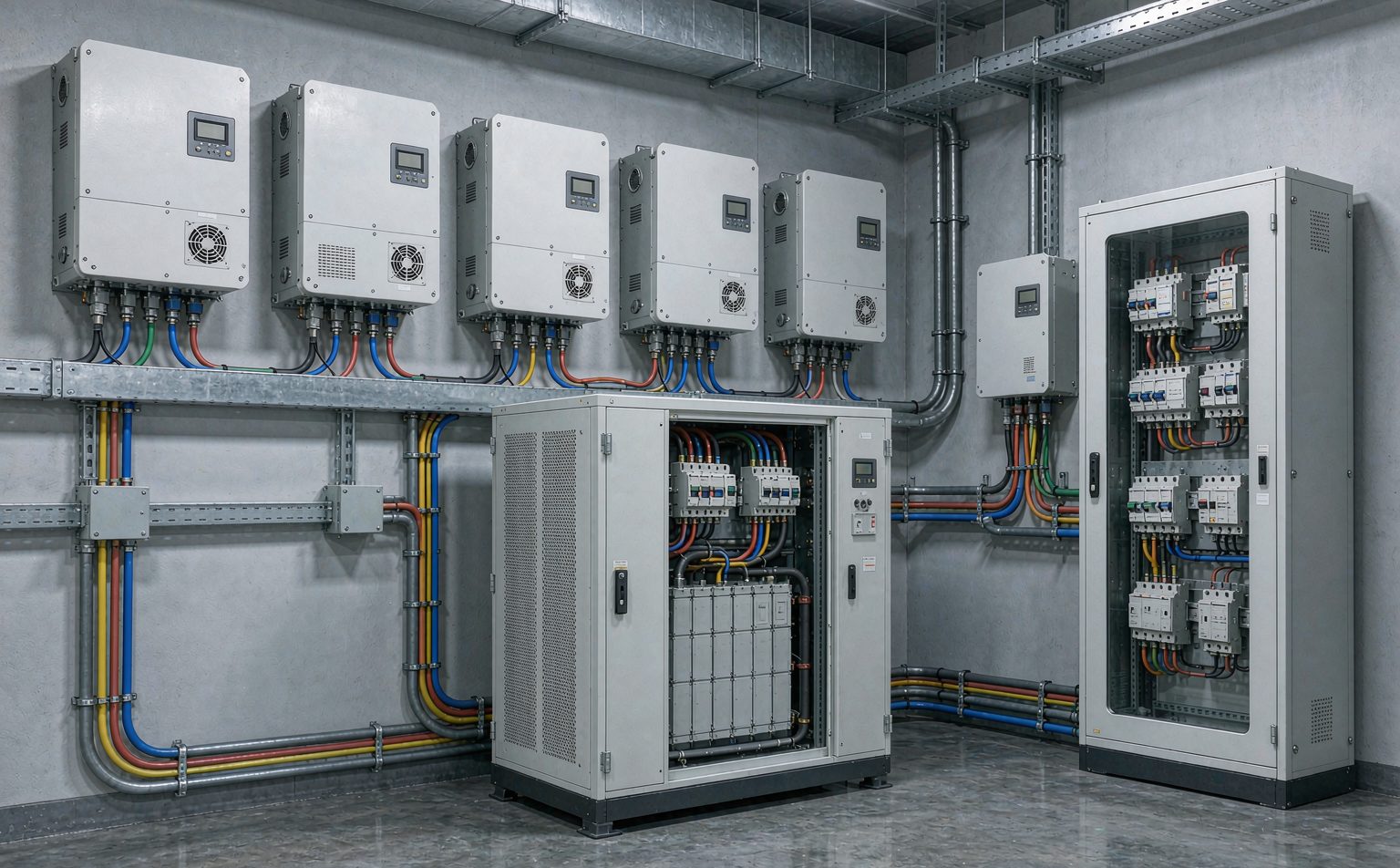
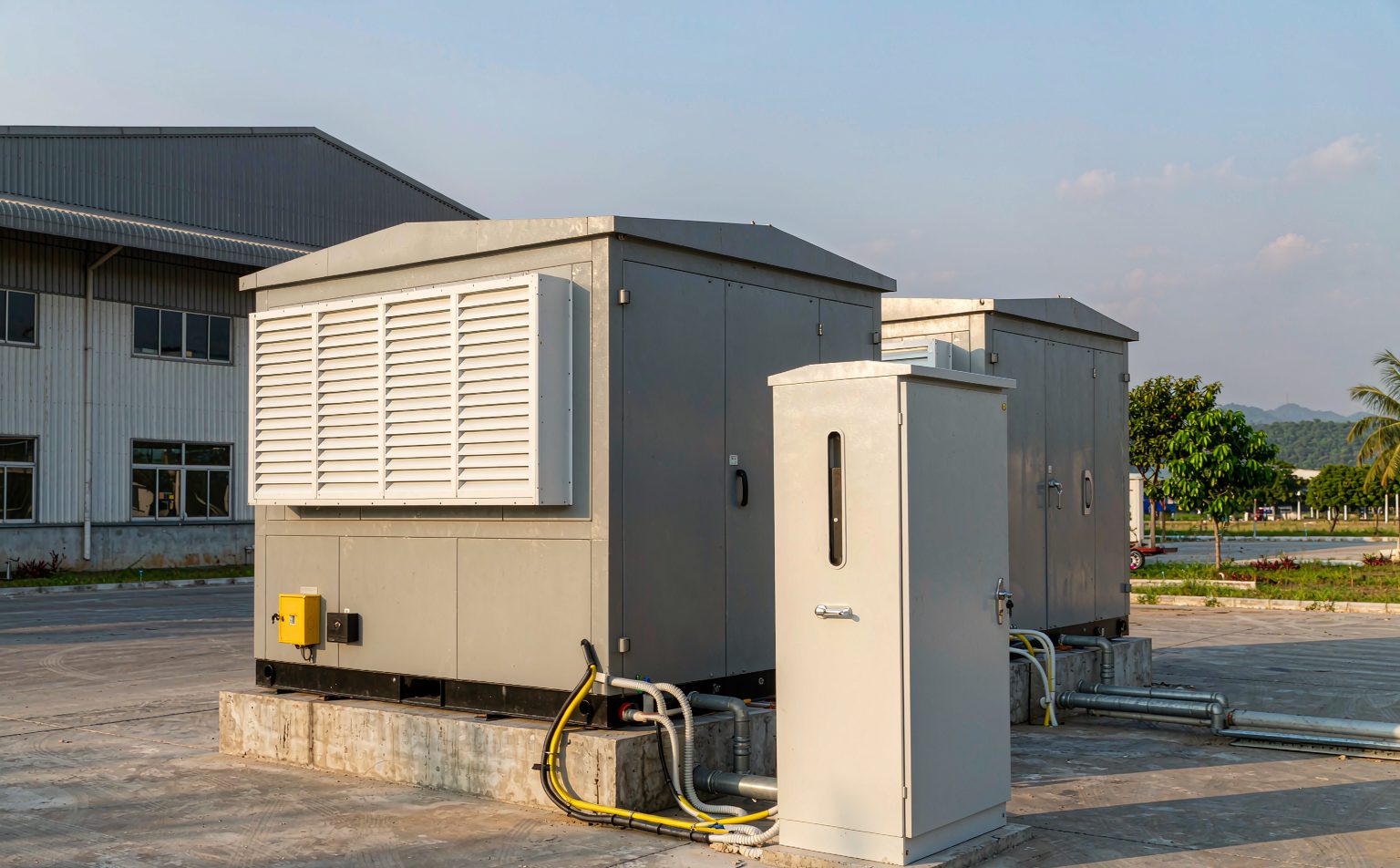
Mars Solar builds and exports solar system for hotels in Nigeria packages factory-direct: PV modules, mounting, hybrid or bidirectional inverters, LiFePO4 storage, protection, cabling and remote monitoring, all tested together before shipment and certified to CE, RoHS, TUV and ISO.
See comparable hardware on our بطارية تخزين الطاقة المُثبتة على حامل page, and the World Bank energy programme for how reliable supply affects output in these markets.
For the full project record behind this design — procurement, shipping and commissioning — see our 100 kW hotel solar project in Nigeria.
How much does a solar system for hotels in Nigeria cost per room?
Plan on the load, then divide by rooms as a cross-check. The 100 kW solar system for hotels in Nigeria behind the case study above serves 50-150 guest rooms, and the same solar system for hotels in Nigeria spread across 60 rooms costs materially more per room than across 150 because the front-of-house and kitchen load is fixed. Budget the solar system for hotels in Nigeria per kW of demand, not per key.
Will a solar system for hotels in Nigeria remove the diesel generator entirely?
For most city hotels, yes — as a running cost. The solar system for hotels in Nigeria installed here carries 70-80% of peak daytime demand and the full essential load overnight, so the generator becomes a rarely used reserve instead of a daily expense. A solar system for hotels in Nigeria that claims to eliminate diesel everywhere in Nigeria is overpromising on the rainy season.
What does a solar system for hotels in Nigeria save per month?
In the case study above, monthly energy spend fell from over N3,000,000 a month on diesel plus grid to a solar-backed figure, with diesel runtime all but eliminated. The saving on a solar system for hotels in Nigeria scales with how much diesel the hotel burns today: a property running the generator eight hours a day recovers the capital far faster than one running it for two.
How long does installation of a solar system for hotels in Nigeria take?
Allow four to eight weeks for a 100 kW solar system for hotels in Nigeria, including survey, civil works, roof or ground mounting, battery room preparation and commissioning. Staging matters: a solar system for hotels in Nigeria should be energised zone by zone so occupied floors are never without power during the work.
What certifications should a solar system for hotels in Nigeria use?
IEC 61215 and IEC 61730 for the modules, IEC 62109 for the inverter, IEC 62619 for the lithium cells, and SONCAP documentation for clearance into Nigeria. A solar system for hotels in Nigeria assembled from uncertified components is uninsurable and unsellable at resale, which matters more than the purchase price on a hotel asset.
Can a solar system for hotels in Nigeria be financed rather than bought outright?
Yes, and several routes are worth comparing. Vendor financing and lease-to-own are the most common for a hotel-scale solar system for hotels in Nigeria, with commercial bank facilities and green lending programmes alongside them. Because a solar system for hotels in Nigeria generates cash from month one, lenders usually treat the savings stream as the repayment source.

 English English
  Arabic
 Spanish
 French
 Dutch
Dutch
 Portuguese