
Idioma
Panama · Costa Rica · Guatemala · Honduras · El Salvador · Nicaragua
Modules, inverters and batteries cost roughly the same in Panama City, San José and Guatemala City. What changes the payback by years is the electricity tariff you are avoiding, the rule that decides whether surplus power earns anything, and the duty treatment on imported equipment.
This guide works through solar cost in Central America country by country, using published 2026 tariffs and the current self-consumption rules, so you can see which market your project actually resembles.
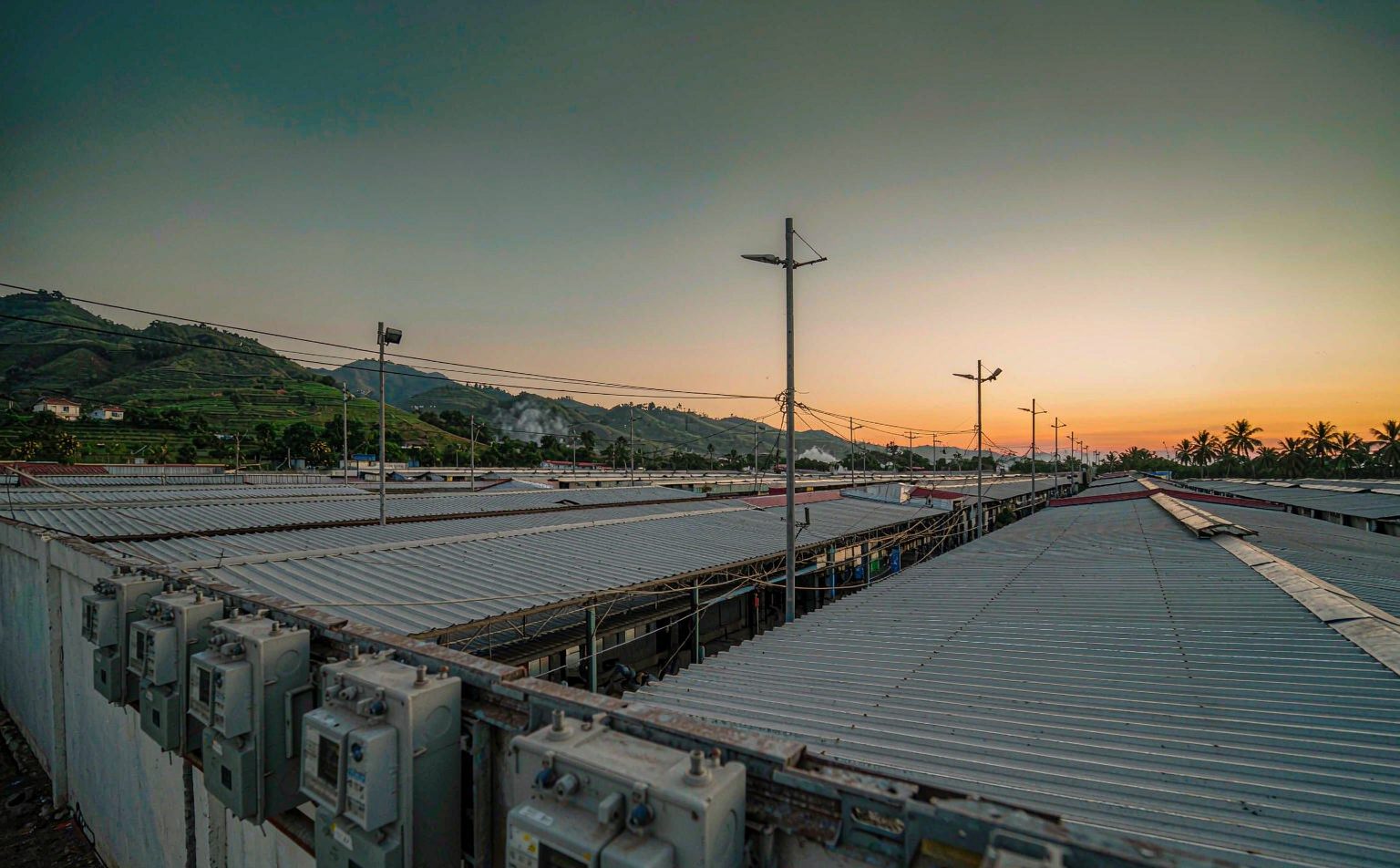
Treat any single regional cost-per-kW figure with suspicion. Four variables move solar cost in Central America more than hardware pricing does.
System size matters too, but in the predictable direction: cost per kilowatt falls as capacity rises, because design, permits and commissioning are largely fixed. Once those four variables are fixed for a given site, solar cost in Central America stops being a guessing game and becomes a modelling exercise.
Central America is often treated as a single market because the countries share a grid interconnection and a common trade regime. For a solar project it behaves as six separate ones.
Distribution and retail tariffs are set nationally by a different regulator in each country. Costa Rica's tariffs are reviewed by ARESEP, Panama's by ASEP, Guatemala's by the CNEE, El Salvador's by SIGET. The rules on self-consumption, export compensation and equipment registration are equally national.
That means solar cost in Central America has to be quoted per country, and usually per distribution area within a country. A commercial customer on the Guatemala City distributor pays a materially lower rate than one served by the rural distributors, and the same project can show a two-year difference in payback between them.
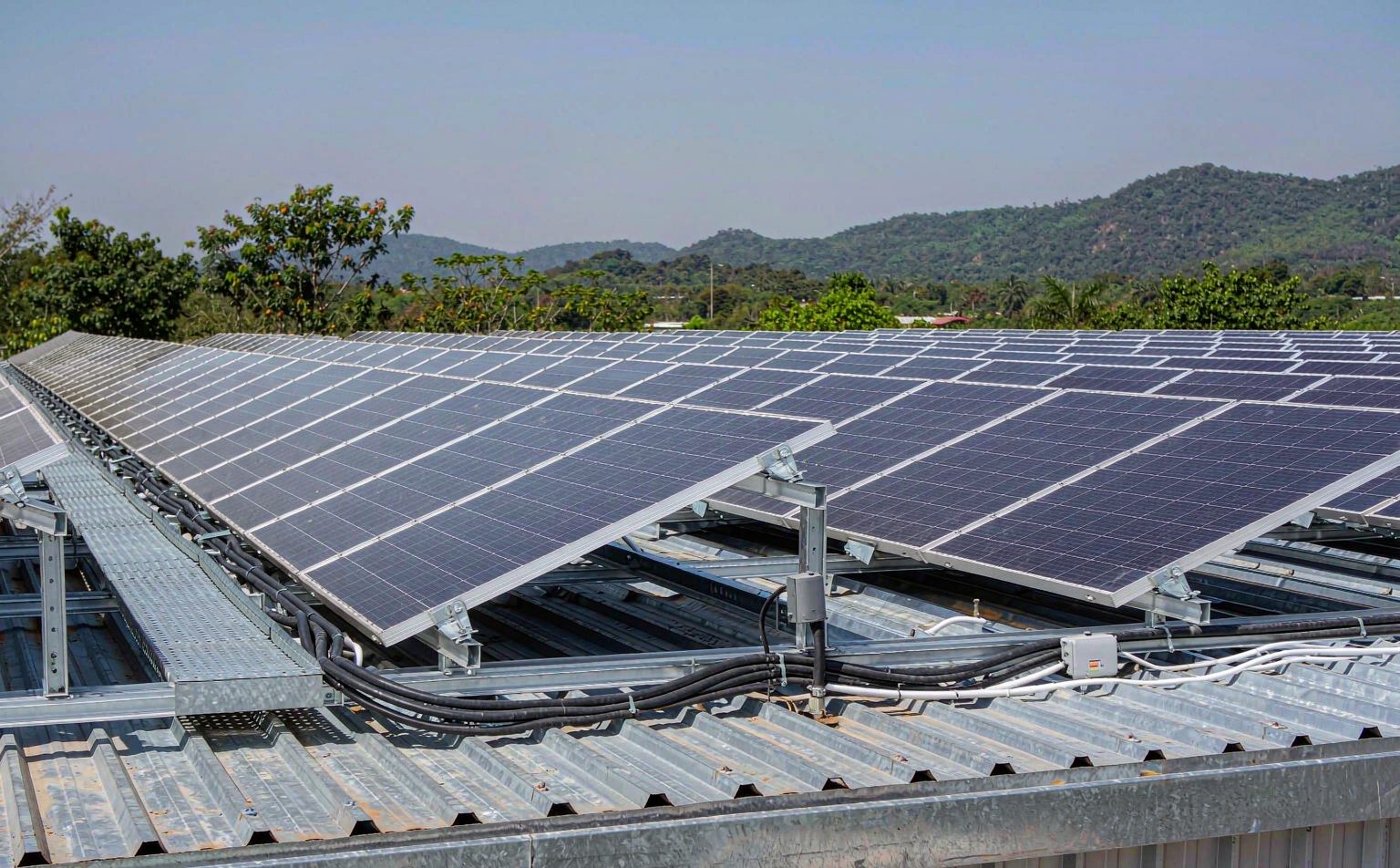
Panama is usually the first market regional distributors ask about, for three reasons: the economy is dollarised, the commercial tariff is high by regional standards, and the country is a logistics hub with established freight links to the rest of the isthmus.
ASEP is the regulator. The commercial tariff is time-of-use based, so the value of a solar array depends heavily on how much of your load runs during the daytime peak window. Facilities that operate a single day shift gain the most; continuous operations should model demand charges separately.
Two bills before the National Assembly would restructure the market, including a statutory right to self-consumption, a simplified approval route for small systems, and the separation of network operation from energy retail. As of publication these are proposals rather than enacted law, so confirm the status with ASEP or your installer before relying on them.
For planning purposes, assume the current framework applies and treat any acceleration as upside. Solar cost in Central America's most liquid market still comes down to the avoided tariff and the size of the daytime load.
Whichever way the reform lands, solar cost in Central America's most liquid market will keep being decided by the tariff a project displaces rather than by the price of the panels.
Costa Rica is the market where solar is least often an outage story. Distribution reliability is comparatively good, so the case rests almost entirely on tariff avoidance rather than backup.
Industrial and commercial tariffs are set by ICE and reviewed by ARESEP. Published planning ranges for continuous industrial operations sit around US$0.15 to US$0.20 per kWh, with the upper end reflecting peak-period consumption and demand charge components. Confirm the exact figure against your own tariff category and voltage level.
A demand charge bills the highest 15 or 30 minute average power draw in the period, regardless of how briefly it occurred. For energy-intensive processes it can represent a large share of the total bill. That changes the design brief: a battery sized for peak shaving may return more than a larger array.
So when you compare solar cost in Central America across countries, compare the tariff structure as well as the rate. A market with a lower energy rate but a heavy demand charge can still justify storage. Anyone who benchmarks solar cost in Central America from a single headline figure is benchmarking the wrong thing, and will usually find that out only after the site survey.
That is also why solar cost in Central America should not be compared on installed price alone: the tariff structure belongs inside the cost model, not beside it.
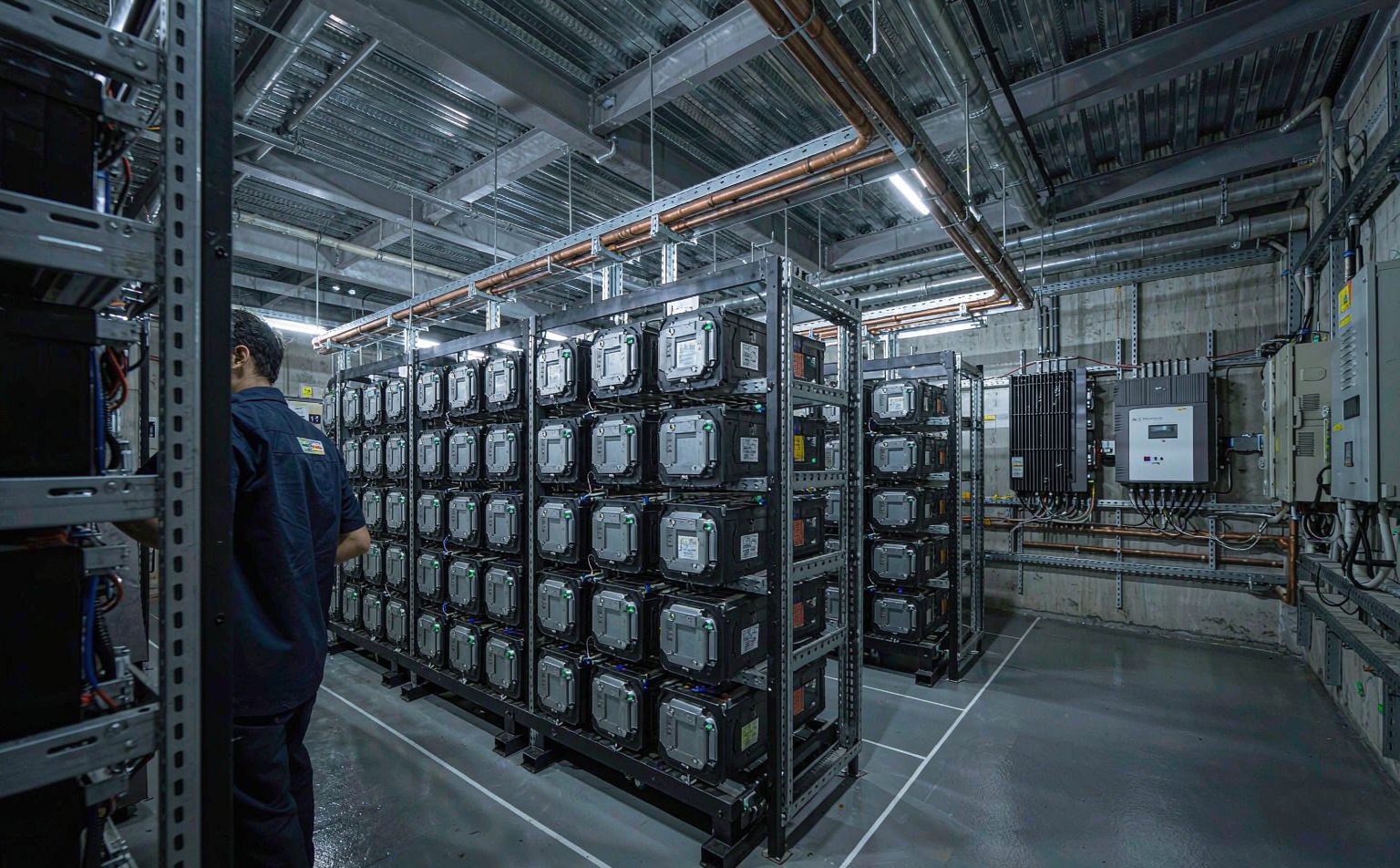
Guatemala has the clearest storage-first economics in the region, for a reason that is regulatory rather than technical.
Commercial and industrial accounts are billed on non-social tariffs. As of mid-2026 the metropolitan distributor's non-social rate was around GTQ 1.51 per kWh before VAT and municipal charges, roughly US$0.20 per kWh, with the two rural distributors above GTQ 2.00 per kWh. These are indicative figures and move with each tariff review, so check the current CNEE schedule.
Guatemala has not opened its retail market to self-producers. On-site generation cannot be sold to other retail customers or compensated at retail rates, which means excess solar output has nowhere profitable to go. The only productive use for a surplus kilowatt-hour is storing it and consuming it later against the peak tariff.
That constraint shapes the whole design. Prioritise self-consumption: size the array to the daytime load you can actually absorb, and put the remaining budget into storage rather than into extra panels. It is also why solar cost in Central America cannot be compared across borders without reading the export rules first.
For a buyer, Guatemala is the clearest test of whether a solar cost in Central America quotation was designed for the country or copied from a neighbouring one with different rules.
El Salvador moved first on self-consumption, and the framework is now in force rather than proposed.
The Law for the Promotion of Renewable Energy Use was approved in October 2025 as Legislative Decree 436. The special regulation implementing it was issued by SIGET as Resolution 072-E-2026 and published in April 2026. Together they cover import, sale, design, installation, approval, grid connection, operation and maintenance of renewable self-consumption systems.
The last point is the one to check first. Solar cost in Central America is distorted in El Salvador by incentives that only apply when the supplier is properly registered, so ask for the registration before you compare quotations.
Done properly, El Salvador can produce the lowest effective solar cost in Central America once the ten-year tax package is applied to the equipment and to the installation service.
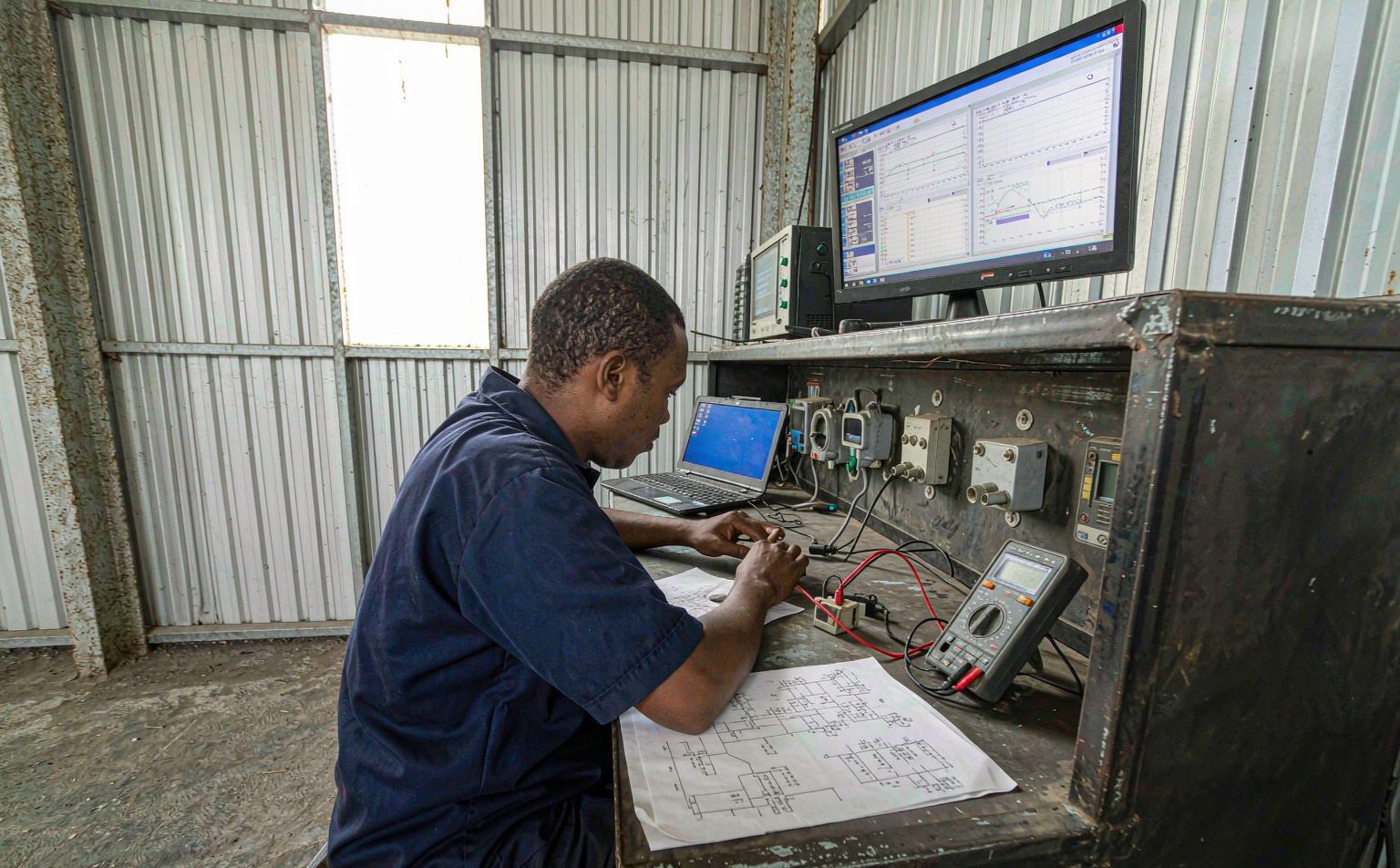
The two northern-tier markets are worth a paragraph each rather than a chapter, but they are not negligible.
Honduras has a large installed distributed generation base and a grid operator that has been through repeated financial restructuring. Tariffs are comparatively high, which supports the solar case, but payment and permitting timelines deserve closer due diligence than in Panama or Costa Rica when you are modelling solar cost in Central America for a site outside the main industrial zones.
Nicaragua has a renewable energy law that has attracted significant generation investment, concentrated in wind and geothermal. Distributed self-consumption rules are less developed, so the practical route is usually a behind-the-meter system sized for self-consumption with no expectation of export revenue.
In both, solar cost in Central America benchmarking still applies, but add contingency for permitting delay and for financing cost, which is where the effective cost of capital diverges most sharply from the regional average. A solar cost in Central America figure carried over from Panama should not be used as a planning number in Tegucigalpa or Managua without that adjustment.
Adjust for that, and the underlying solar cost in Central America benchmark still holds. Only the financing layer above it changes.
Indicative only. Tariffs and rules change on national review cycles, and a figure that is right this quarter may be superseded. Use this as a screening table, then verify with the national regulator and your own tariff schedule.
| País | Regulator | Export of surplus | Currency |
|---|---|---|---|
| Panama | ASEP | Self-consumption reform under discussion | USD |
| Costa Rica | ARESEP | Programme in place, verify current terms | CRC |
| Guatemala | CNEE | No retail route yet — storage first | GTQ |
| El Salvador | SIGET | Compensated under Decree 436 framework | USD |
| Honduras | CREE / ENEE | Limited, project-by-project | HNL |
| Nicaragua | INE | Not a practical route today | NIO |
Read the table with the rate in the other hand. A country with a weaker export route and a high commercial tariff can still be the better project, because self-consumption is where most of the return comes from anyway.
It is also why a country-neutral solar cost in Central America quotation, with no named tariff category attached, should not be accepted at face value.
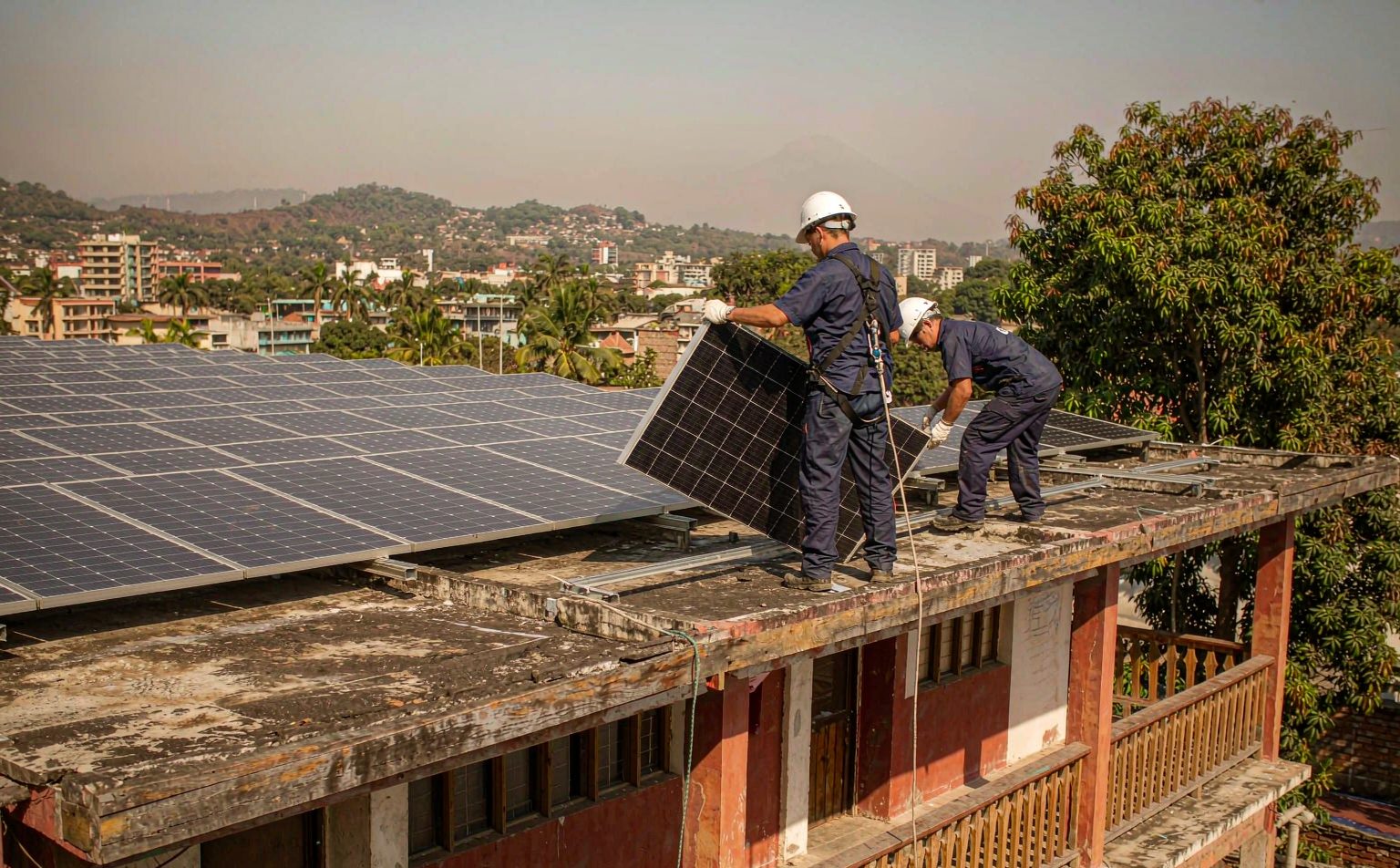
Once equipment is priced, the remaining variability is local. These are the line items that separate two quotations for the same nominal capacity.
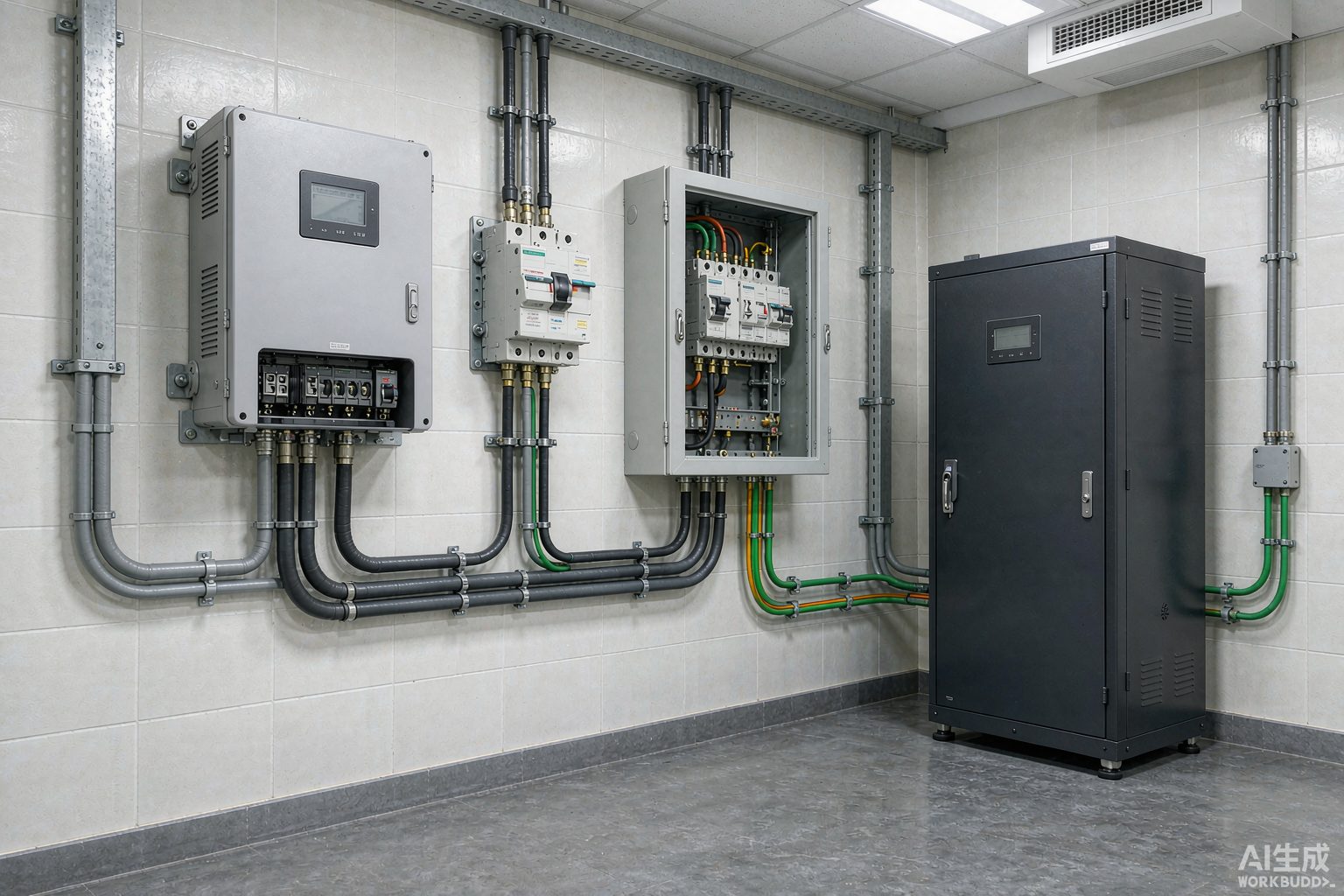
None of these are visible in a per-kilowatt headline. They are visible in a single-line diagram and a bill of materials, which is what you should ask to see before comparing solar cost in Central America between two suppliers.
Line items like these are the reason solar cost in Central America varies between quotations for identical nominal capacity, and usually the reason the cheaper one is cheaper.
Payback is a ratio, so both the numerator and the denominator matter. The reliable sequence for establishing solar cost in Central America runs as follows.
Twelve months of bills, plus interval data if the meter provides it, plus a demand record for the sites that pay demand charges. Nameplate totals are almost always wrong.
Build it from the actual tariff: energy rate by time-of-use window, demand charge, and any fixed charge the solar system will not displace. This single number decides more of the payback than the equipment price does.
Where export is compensated, grid-tied with modest storage usually wins. Where it is not, self-consumption with storage wins, because every surplus kilowatt-hour has to be stored to be worth anything.
Offset the consumption you can absorb directly. Oversizing past that point adds cost without adding saving, and in Guatemala it adds cost that cannot be recovered at all.
Do that and solar cost in Central America becomes a defensible number rather than a range. Skipping step two is the most common reason two quotations for the same site differ by a factor of two.
Followed in that order, it turns solar cost in Central America from a range into a figure you can defend to a board, a bank or a partner.
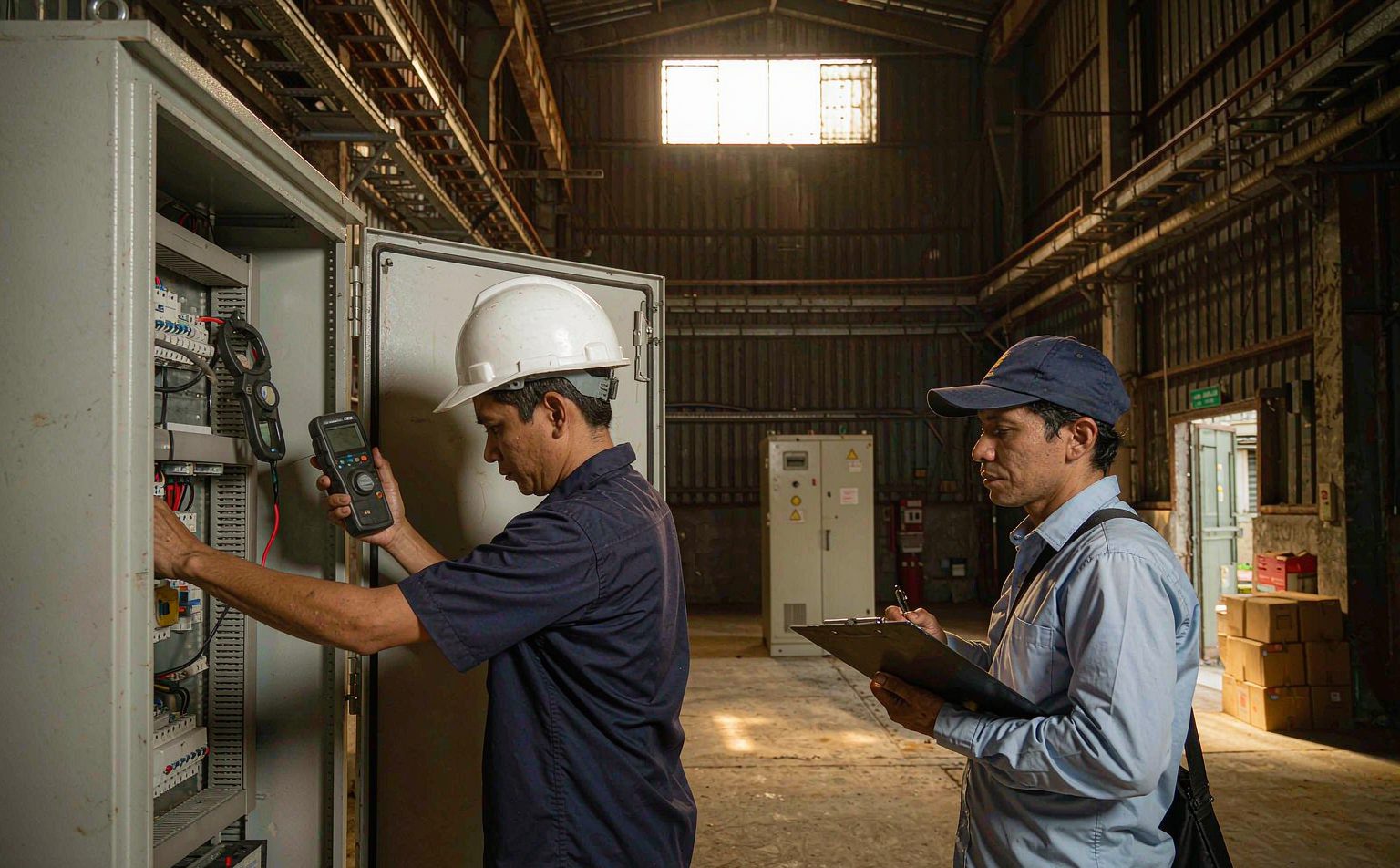
Central America shares a customs framework under the SIECA process, but the practical treatment of solar equipment still varies by country and by whether an incentive law applies — and that variation is a real component of solar cost in Central America.
Modules, inverters and batteries generally need internationally recognised test certificates. UL and ETL listings are the ones most widely accepted by utilities and inspectors in the region, alongside IEC test reports naming the exact model. A certificate that covers a product family rather than the model in your bill of materials is a common cause of delay at inspection.
El Salvador's framework adds a registration step for the supplier, which is what unlocks the tax benefits for the customer. In other markets the equivalent gate is the interconnection approval from the distribution utility, which is worth starting early because it is what usually sets the project timeline.
For buyers comparing solar cost in Central America across borders, the honest comparison includes landed cost after duty, not ex-works price. Two quotes that differ by a few percent at the factory can differ by much more after clearance.
Land the numbers properly and the comparison of solar cost in Central America between countries finally becomes apples to apples rather than a comparison of two different ex-works prices.
There is no single figure worth quoting, because the tariff being avoided varies more than the installed cost does. What we can say is that cost per kilowatt falls with system size, and that commercial and industrial systems between 100 kW and 1 MW carry a materially lower unit cost than small distributed installations. Send a year of bills and we will quote against your load.
El Salvador currently offers the strongest incentive package, with a ten-year exemption covering income tax, VAT and import duties for qualifying self-consumption systems. Guatemala has the strongest storage case, because high rural commercial tariffs combine with no retail export route, so every surplus kilowatt-hour must be stored to earn its keep.
Not necessarily. Costa Rica's grid is comparatively reliable, so the backup argument is weaker than elsewhere. A battery earns its place there through demand charge reduction, where the site pays a separate charge based on peak power draw rather than energy consumed. Model the demand charge before deciding.
The equipment is the same and the engineering is the same. The differences are the tariff structure, the export rules, and the reliability of the grid you are displacing. In West Africa a larger share of the value usually comes from diesel avoided and outages covered; in Central America it comes from the commercial tariff avoided.
It depends entirely on the country. El Salvador compensates surplus under the 2026 SIGET framework. Guatemala does not currently offer a retail route for self-producers. Panama has reform under discussion. Check the current rule with the national regulator before designing around export revenue, because designing for export in a market that does not allow it is an expensive mistake.
Start with the site that has the best consumption data and the highest tariff. That is typically a 50 kW to 300 kW commercial installation, and it produces a measurable saving within the first year. It also gives you a real payback figure to judge larger sites against, rather than a modelled one.
The survey and design stages are the fastest — days and weeks respectively. The variable is the interconnection approval and equipment clearance, which is why we start both in parallel with the design rather than after it. Contractors who sequence them one after another lose more time than the installation itself takes.
Ask which tariff category the saving was modelled against. A quote that cannot name the tariff, the time-of-use window and whether a demand charge is being displaced is not a solar cost in Central America calculation at all — it is a price list. The same caution applies to any figure labelled a solar cost in Central America average, because no such average is meaningful across six national rate structures.
No. Any regional index blends six tariff structures and several currencies, so it cannot price your specific project. Use country-level comparisons like the table above, then verify against your own bill. Solar cost in Central America is best treated as six related questions rather than one regional number.
Yes. We supply solar and battery storage systems from 100 kW to 10 MW into Central American markets, with design support, documentation for the local approval process, and commissioning supervision. The engineering package includes the single-line diagram, protection scheme and bill of materials you will need for the interconnection application.
Every link below was checked before publishing. The regulators are the primary source for tariffs and self-consumption rules, and they update faster than any summary page does.
Read them alongside the country sections above: the solar cost in Central America figures used here are indicative, and the regulator's own schedule always wins.
Official sources: ASEP (Panama), ARESEP (Costa Rica), SIGET (El Salvador), SIECA (regional customs and integration) and CEPAL (regional energy statistics).
Send your site, your twelve months of bills and the tariff category you are billed on. We will come back with a design, a bill of materials and a payback model built on the rate you are actually avoiding — which is the only way solar cost in Central America becomes a number you can act on.
Systems 100 kW to 10 MW for commercial and industrial sites. Documentation for local interconnection approval included.

 English English
  Arabic
 Spanish
 French
 Dutch
Dutch
 Portuguese