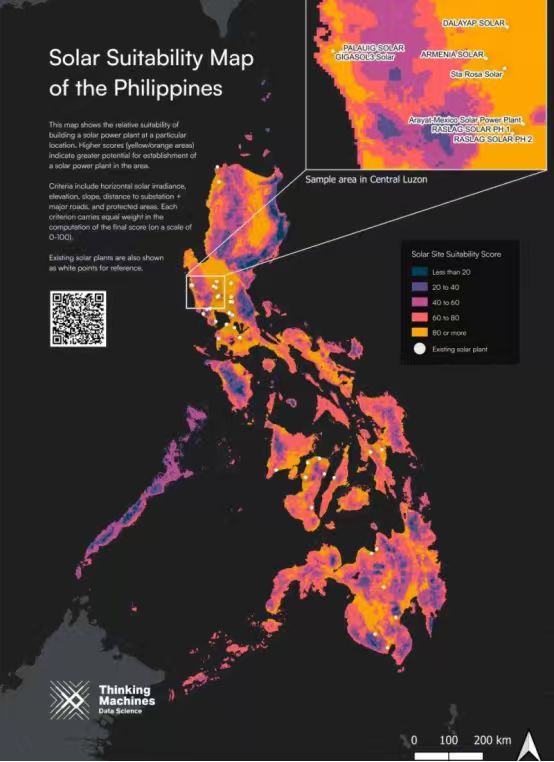
Die Philippinen haben die achthöchsten Strompreise der Welt.
Für Solarimporteure und EPC-Auftragnehmer ist das kein Problem – sondern eine riesige Chance.
- Stromversorgung für Privathaushalte: ₱11–14/kWh ($0,20–0,26/kWh)
- Gewerblicher Strom: ₱15–18/kWh ($0,28–0,33/kWh)
- Jährliche Preiserhöhung: 5-8% pro Jahr
Unterdessen kostet Solarenergie nur 3-4 ₱/kWh über 25 Jahre.
Die Rechnung ist einfach: Philippinische Familien und Unternehmen können mit Solarenergie 60 bis 701 TP3T an Stromkosten sparen. Deshalb steigt die Nachfrage rasant.
Marktüberblick 2026:
- Kumulierte installierte Kapazität: 2,5 GW (Ende 2025)
- Prognostizierte Zuwächse bis 2026: 800 MW - 1 GW
- Jährliche Wachstumsrate: 30-40%
- Netzgekoppelte Systeme: 85% (Netzmessung aktiviert)
Für B2B-Käufer bietet der philippinische Markt Folgendes:
- ✅ Starke Kundennachfrage – Hohe Strompreise treiben die Käufe an
- ✅ staatliche Unterstützung – Net-Metering-Richtlinie, Ziele für erneuerbare Energien
- ✅ Geringerer Wettbewerb als in Europa/USA – Mehr Platz für neue Marktteilnehmer
- ✅ Englischsprachiger Markt – Einfache Geschäftskommunikation
- ✅ Strategische Lage – Tor zu Südostasien
Dieser Leitfaden enthält alles, was Sie für den erfolgreichen Import und Vertrieb von Solaranlagen auf den Philippinen benötigen.
1. Marktstruktur: Wer kauft Solarenergie auf den Philippinen?
Kundensegment 1: Privateigentümer
Marktgröße: 60% Installationen (nach Volumen)
Typische Systemgrößen:
- 3-5 kW – Am häufigsten bei durchschnittlichen Häusern
- 5-30 kW – Größere Häuser, hoher Stromverbrauch
- 30-80 kW – Luxusvillen, Pools, mehrere Klimaanlagen
Entscheidungsfaktoren:
- Hohe Stromrechnungen von Meralco/VECO/DLPC (über 10.000 ₱/Monat)
- Wunsch nach Energieunabhängigkeit
- Nachbarn installieren Solaranlagen (sozialer Beweis)
Was ihnen wichtig ist:
- Gesamtpreis inklusive Installation – Nicht nur die Gerätekosten
- Amortisationszeit – 4–6 Jahre sind akzeptabel
- Garantie – über 10 Jahre auf die Module, über 5 Jahre auf den Wechselrichter
- Unterstützung bei der Netzeinspeisung – Der Installateur kümmert sich um den Papierkram
- Kundendienst – Jemand, den Sie anrufen können, falls Probleme auftreten
Kundensegment 2: Gewerbe- und Industrieunternehmen (G&I)
Marktgröße: 30% an Anlagen (nach Kapazität)
Typische Systemgrößen:
- 50-100 kW – Kleine Fabriken, Einkaufszentren, Hotels
- 100-500 kW – Mittlere Fabriken, Bürogebäude
- 500 kW - 2 MW – Große Fabriken, Industrieparks
- 2-10 MW – Sehr große Industriekunden, Solarparks
Was ihnen wichtig ist:
- ROI-Berechnung – Detaillierte Finanzanalyse
- Systemleistungsgarantie – Jährliche Produktionsgarantien
- Betrieb und Instandhaltung (O&M) – Langfristige Serviceverträge
- Netzanschluss – Hilfe bei der Beantragung der Netzeinspeisung
- Finanzierungsoptionen – Mietkauf, Stromabnahmeverträge
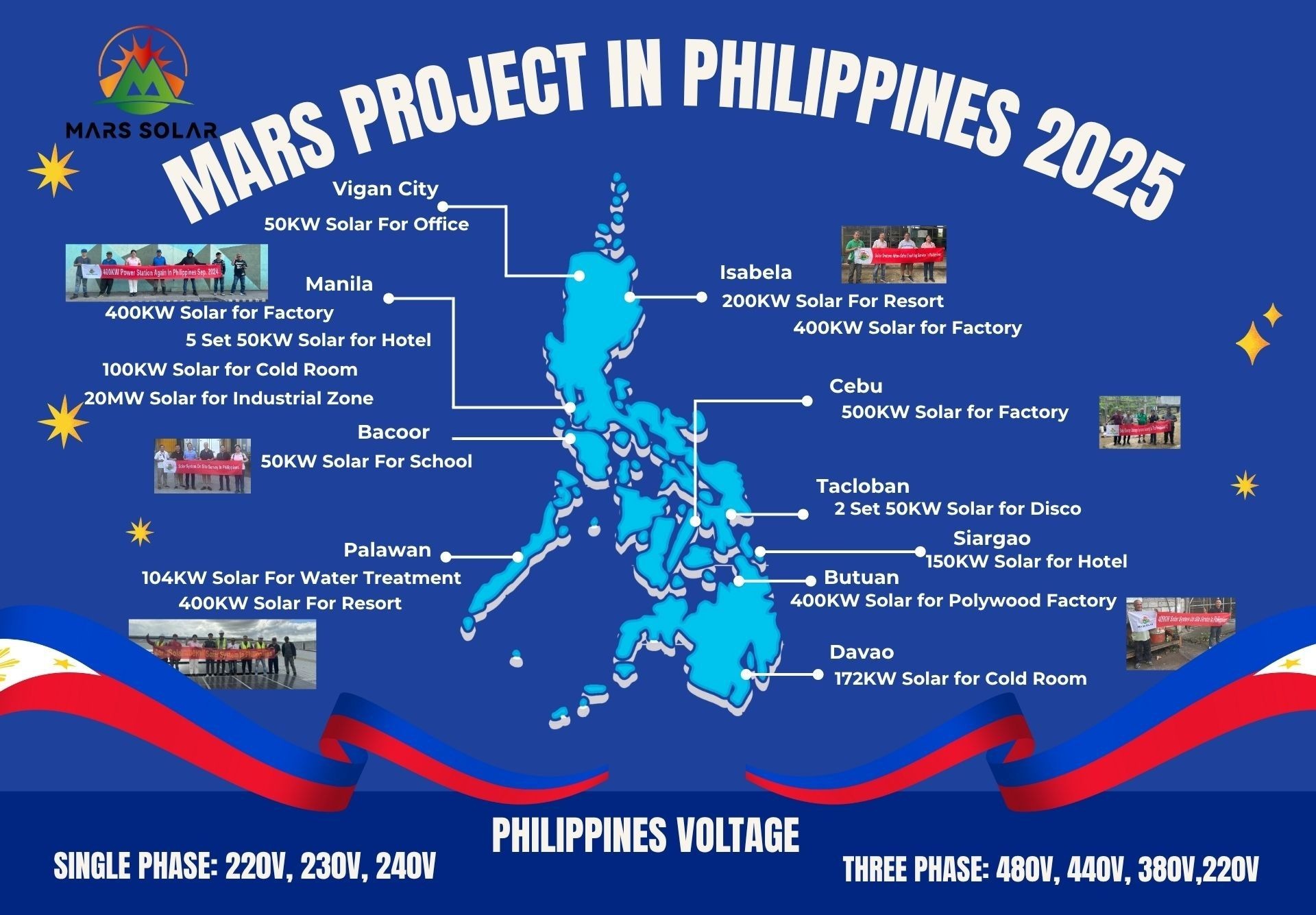
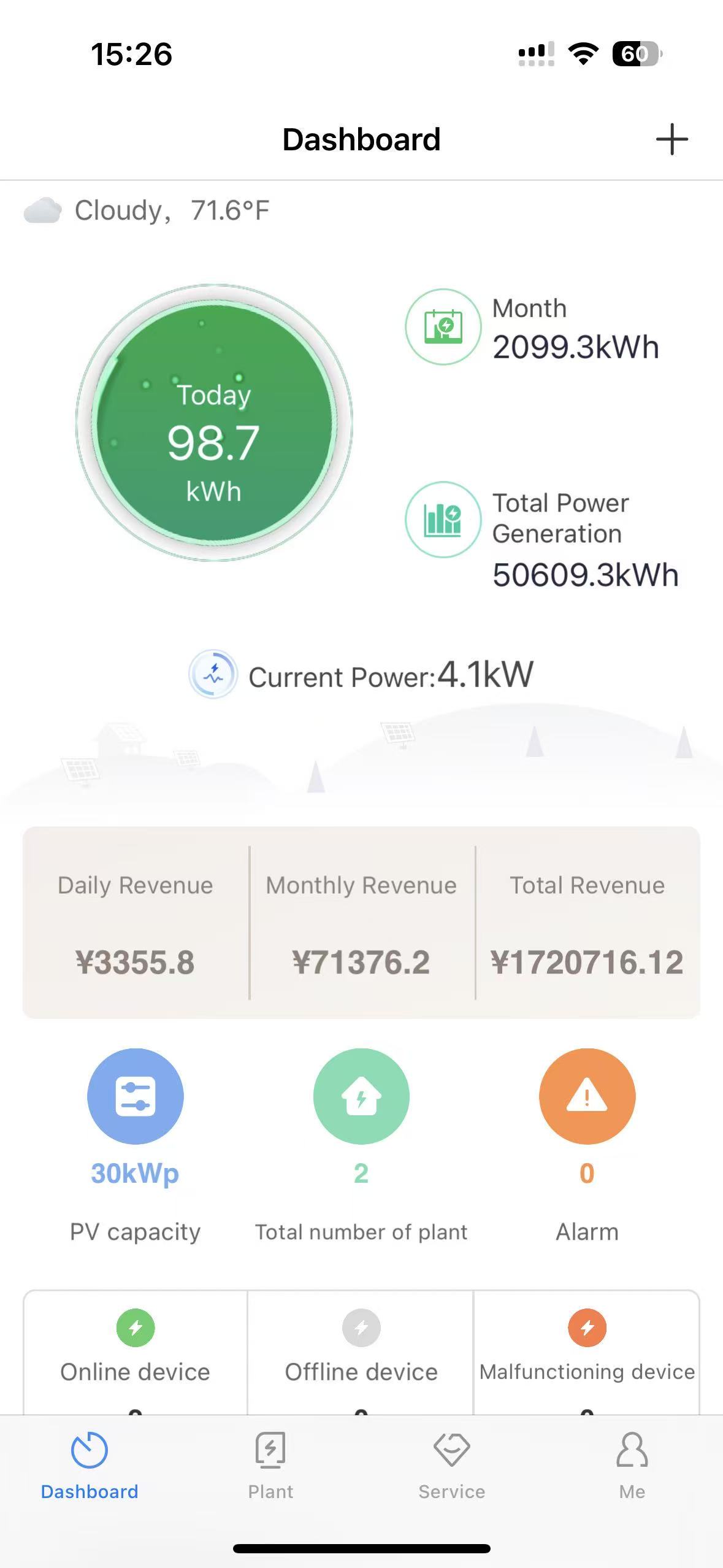
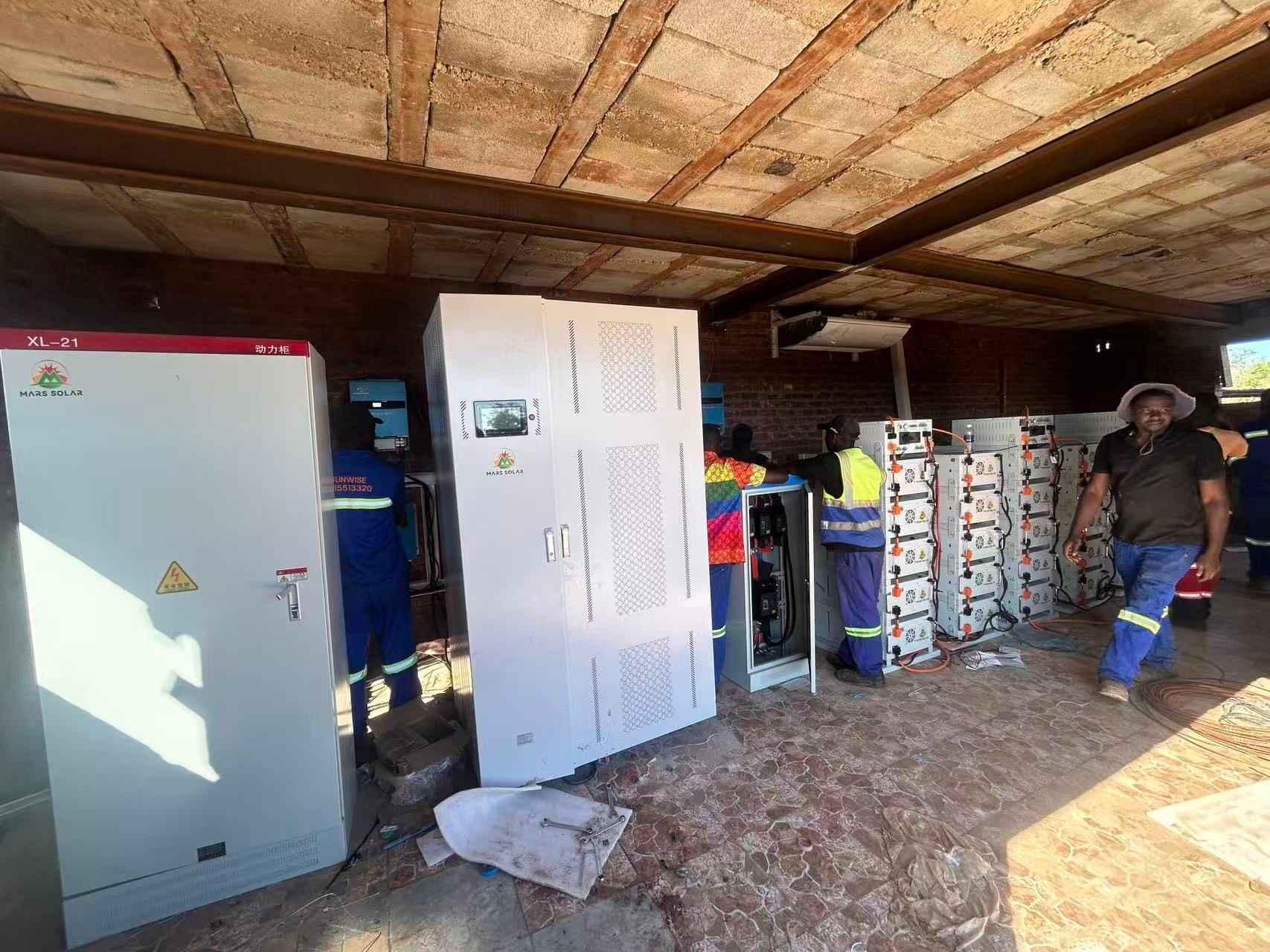
Real Philippines Projekt: 400-kW-Solar- und Batteriespeichersystem für eine Fabrik auf den Philippinen
Kundensegment 3: Insel- und netzunabhängige Systeme
Marktgröße: 10% von Installationen
Typische Systemgrößen:
- 1-10 kW – Inselhäuser, Ferienanlagen, kleine Unternehmen
- 10-50 kW – Inselgemeinden, größere Ferienanlagen
- 50-200 kW – Insel-Mini-Stromnetze, Bergbaubetriebe
Was ihnen wichtig ist:
- Zuverlässigkeit – Muss rund um die Uhr netzunabhängig funktionieren.
- Batterieautonomie – 1-3 Tage Notstromversorgung
- Generatorintegration – Automatische Umschaltung auf Notstromaggregat
- Fernüberwachung – Systembenachrichtigungen per SMS/App
Empfohlene Lösungen:
2. Vertriebskanäle: Wie Solarprodukte ihre Kunden erreichen
Kanal 1: Importeur → Großhändler → Installateur → Endkunde
gebräuchlichstes Vertriebsmodell
Ihre Rolle als Importeur/Distributor:
- Import von Solarmodulen, Wechselrichtern, Batterien und Montagesystemen
- Verkaufen Sie an lokale Solaranlageninstallateure (Ihre B2B-Kunden).
- Bereitstellung von technischem Support, Schulungen und Marketingmaterialien
Übliche Margen:
- Importeur an Großhändler: 15-25%
- Vom Großhändler zum Installateur: 20-30%
- Vom Installateur zum Endkunden: 30-50%
Kanal 2: Importeur → Generalunternehmer → Endkunde (Gewerbeprojekte)
Direktvertrieb an EPC-Auftragnehmer für größere Projekte
Ihre Rolle:
- Bereitstellung kompletter Systempakete (Designunterstützung, Ausrüstung, Dokumentation).
- Kann bei Projektvorschlägen und Angebotsabgabe behilflich sein.
- Technische Beratung während der Installation
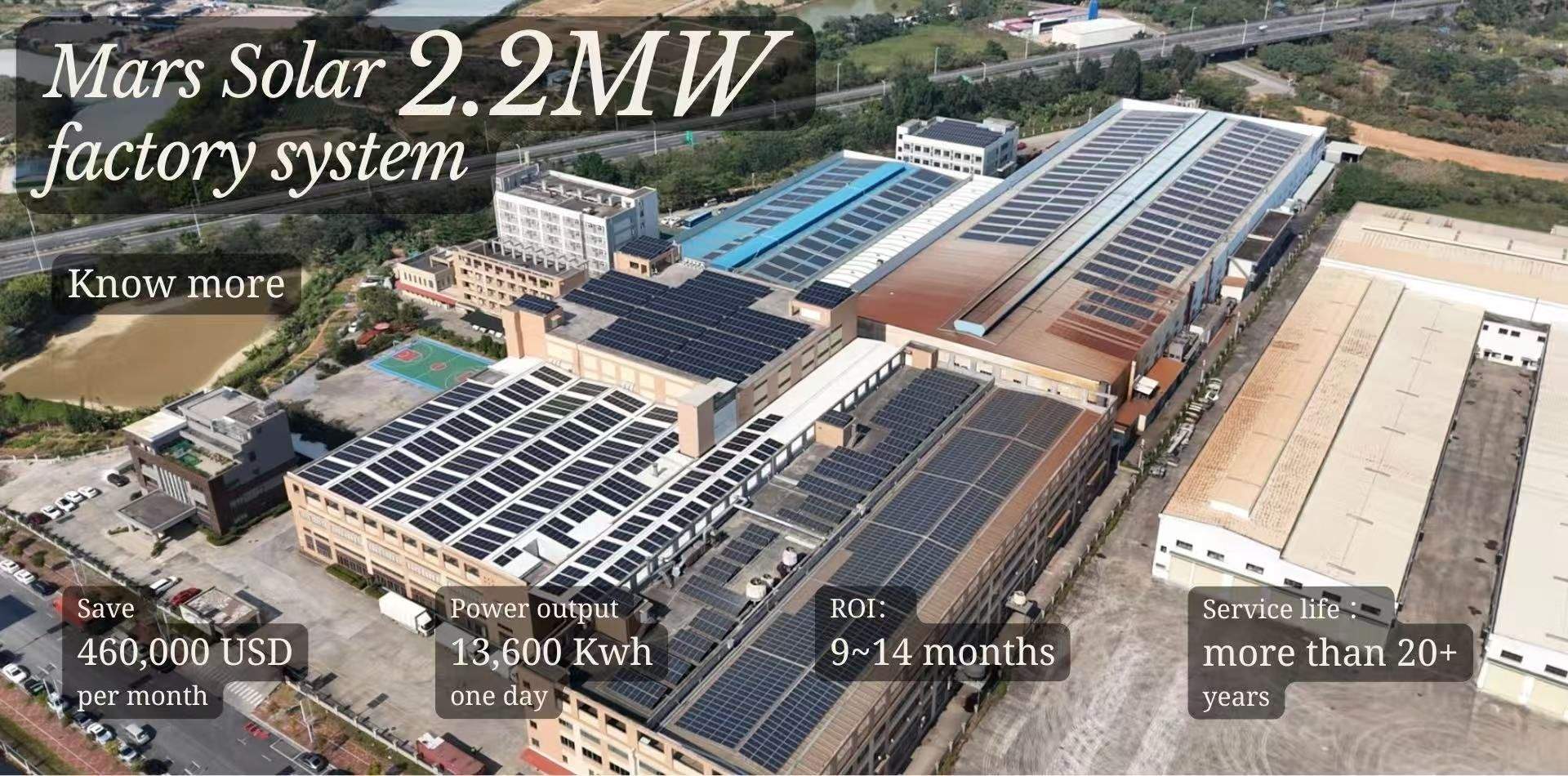
Ausgewählte Großlösungen von Mars Solar:
Fallstudie aus den Philippinen: 400-kW-Solar- und Batteriesystem für eine Fabrik auf den Philippinen
3. Welche Produkte verkaufen sich in den Philippinen am besten?
Produktkategorie 1: Solarmodule (PV-Module)
Beliebteste Größen:
- 450 W–550 W – Wohnhausdächer (am häufigsten)
- 550 W–600 W – Gewerbliche Dachflächen, bodenmontierte
- 600 W–700 W+ – Projekte im Versorgungsmaßstab
Paneltypen:
- Mono PERC – Am beliebtesten (gute Effizienz, günstiger Preis)
- N-Typ TOPCon – Steigende Nachfrage (höhere Effizienz, bessere Leistung bei Hitze)
- HJT (Heterojunction) – Premiummarkt
Was philippinische Käufer wollen:
- ✅ IEC 61215, IEC 61730 zertifiziert
- ✅ TÜV-, SGS- oder Intertek-Prüfberichte
- ✅ 12 Jahre Produktgarantie, 25 Jahre Leistungsgarantie
- ✅ Gute Leistung bei hohen Temperaturen (Philippinen ist heiß und feucht)
- ✅ PID-resistent (Potenziell induzierte Degradation)
- ✅ Salznebelbeständig (für Küstengebiete)
Produktkategorie 2: Netzgekoppelte Wechselrichter
Für Net-Metering-Systeme (am häufigsten)
Gängige Größen:
- 3-5 kW – Kleine Häuser
- 5-10 kW – Durchschnittliche Haushalte, kleine Unternehmen
- 10-30 kW – Große Wohnhäuser, kleine Gewerbebetriebe
- 30-100 kW – Gewerbegebäude
- 100 kW+ – Industrieanlagen, Solarparks
Beliebte Marken auf den Philippinen:
- Huawei – Intelligente Funktionen, gute App, beliebt bei Privathaushalten
- Sonnengrün – Zuverlässig, preiswert, beliebt im gewerblichen Bereich
- Growatt – Kostengünstig, gut geeignet für preissensible Märkte
- Fronius – Hochwertige, teure Premium-Wohnungen
- SolarEdge – Optimierer + Wechselrichter, gut geeignet für beschattete Dächer
- Mars Solar – Gutes Preis-Leistungs-Verhältnis, wachsende Beliebtheit
Produktkategorie 3: Hybrid-Wechselrichter und Batteriesysteme
Zur Notstromversorgung bei Stromausfällen
Warum Hybridsysteme immer beliebter werden:
- In einigen Gebieten kommt es häufig zu Stromausfällen.
- Netzeinspeisung bietet keine Notstromversorgung
- Unternehmen benötigen unterbrechungsfreie Stromversorgung.
- Premiumkunden wünschen sich Energieunabhängigkeit
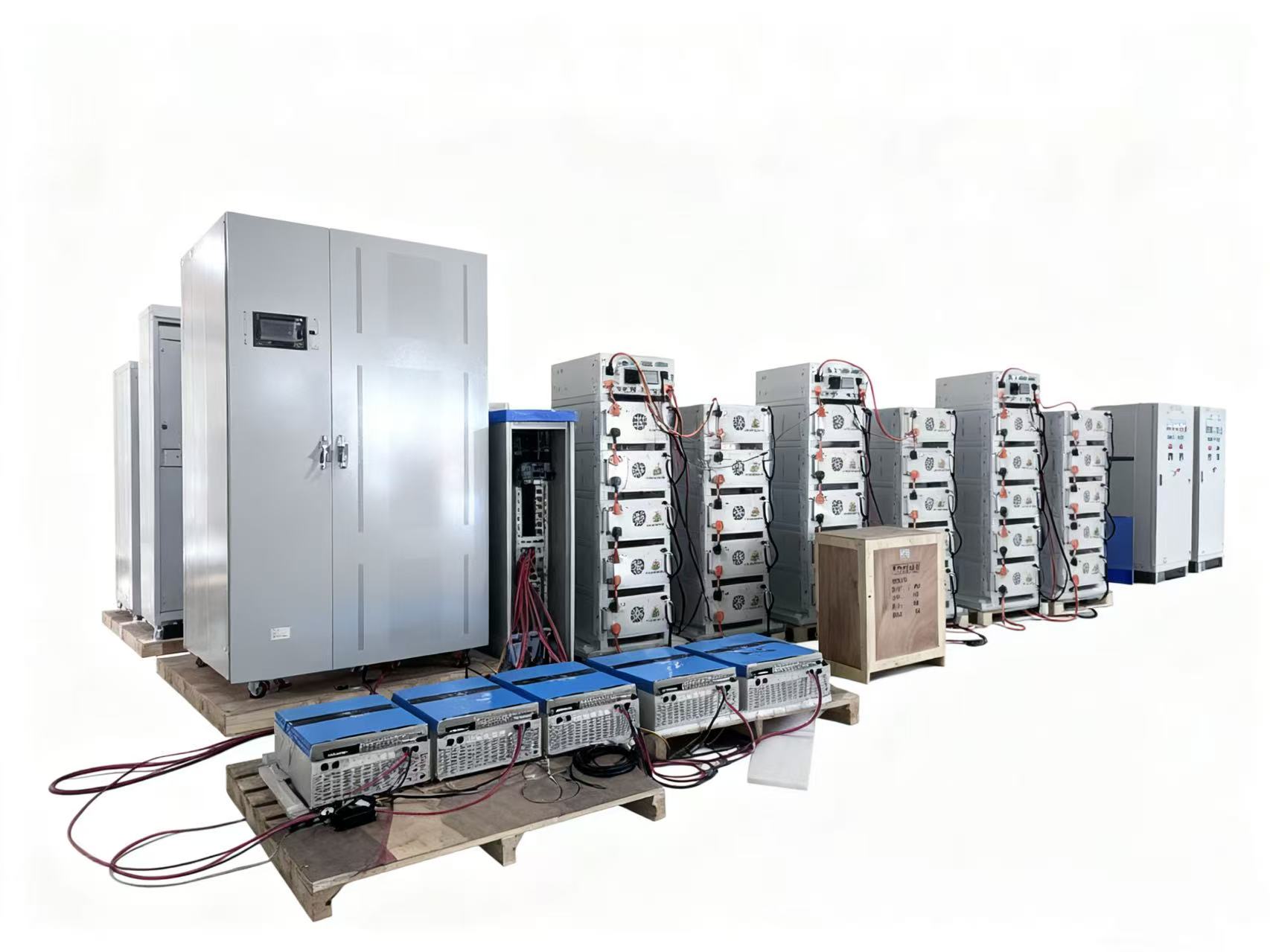
Mars Solarenergiespeicherlösungen:
Batterietypen:
- LiFePO4 (Lithium-Eisenphosphat) – Bevorzugt (längere Lebensdauer, sicherer, über 2000 Zyklen)
- Blei-Säure (AGM/Gel) – Budget-Option (kürzere Lebensdauer, 500-800 Zyklen)
Preis: $150-$200/kWh (LiFePO4), $100-$130/kWh (Blei-Säure)
Produktkategorie 4: Inselsysteme
Für Inseln, abgelegene Gebiete, Orte ohne Stromanschluss
Empfohlene netzunabhängige Lösungen von Mars Solar:
Typische Systempakete:
Systemgröße | Komponenten | FOB-Preis | Anwendungen |
|---|
6,2–15 kW | 6,2–15 kW Solarmodule, 15–30 kWh Batterie, 6,2–15 kW netzunabhängiger Wechselrichter | $1,500-$6,000 | Kleine Inselhäuser, Hütten |
15-100 kW | 15–100 kW Solarmodule, 30–261 kWh Batterie, 15–100 kW netzunabhängiger Wechselrichter | $5,000-$70,000 | Große Häuser, kleine Ferienanlagen |
100-500 kW | 100–500 kW Solarmodule, 261 kWh oder 1 MWh Batterie, 100–1000 kW 3-Phasen-Wechselrichter | $55,000-$270,000 | Ferienanlagen, Wohnsiedlungen, Fabriken |
4. Einfuhrbestimmungen und Zertifizierungen
Obligatorische Zertifizierungen für die Philippinen
1. BPS-Zertifizierung (Bureau of Philippine Standards)
Was erfordert eine BPS-Zertifizierung?
- Solarmodule (PV-Module)
- Wechselrichter
- Einige elektrische Zubehörteile
Verfahren:
- Antrag bei BPS einreichen
- Bereitstellung von Prüfberichten (IEC-Normen von akkreditierten Laboren)
- BPS prüft die Dokumentation (2-4 Wochen)
- Produktliste auf der BPS-Website
- Das PS-Zeichen (Philippinischer Standard) kann angebracht werden
Kosten: $500-$1,500 pro Produkt
Tipp: Arbeiten Sie mit Lieferanten zusammen, die bereits über eine BPS-Zertifizierung verfügen. Mars Solar kann Ihnen die notwendigen Unterlagen und Unterstützung für den Markteintritt auf den Philippinen bereitstellen.
2. Registrierung bei der ERC (Energieregulierungsbehörde)
Erforderlich für:
- Net-Metering-Anwendungen
- Netzgekoppelte Systeme
3. Einhaltung der örtlichen Elektrovorschriften
Die Produkte müssen folgenden Anforderungen entsprechen:
- Philippinischer Elektrotechnik-Code (PEC)
- Spannung: 230 V einphasig, 380 V dreiphasig
- Frequenz: 60 Hz
- Netzanschlussbedingungen der lokalen Energieversorgungsunternehmen (Meralco, VECO, DLPC)
Internationale Zertifizierungen (von Käufern erwartet)
Produkt | Erforderliche Zertifizierungen |
|---|
Solarpaneele | IEC 61215, IEC 61730, IEC 62716 (PID), IEC 61701 (Salznebel) |
Wechselrichter (netzgekoppelt) | IEC 62109-1, IEC 62109-2, IEC 61683 (Wirkungsgrad), Netzkonformität |
Hybrid-/Inselunabhängige Wechselrichter | IEC 62109-1, IEC 62109-2 |
LiFePO4-Batterien | IEC 62619, UN38.3 (Transport), IEC 62620 |
Montagesysteme | AS/NZS 1170 (Windlast), Korrosionsbeständigkeit |
Einfuhrzölle und Steuern
- Solarpaneele: 0% Einfuhrzoll (befreit zur Förderung erneuerbarer Energien)
- Wechselrichter: 0-5% Einfuhrzoll (variiert je nach Art)
- Batterien: 5-15% Einfuhrzoll
- Montagesysteme: 5-10% Einfuhrzoll
- MwSt.: 12% (Mehrwertsteuer auf alle Importe)
5. Netzeinspeisung: Der wichtigste Treiber für die Solarnachfrage
Was ist Net Metering?
Die Netzeinspeisung ermöglicht es Besitzern von Solaranlagen, überschüssigen Strom ins öffentliche Netz einzuspeisen. Dies ist entscheidend für die Wirtschaftlichkeit von Solarenergie.
So funktioniert es:
- Tageszeit: Solarstrom erzeugt mehr Energie, als im Haushalt verbraucht wird → Überschuss wird ins Netz eingespeist
- Nachts: Das Haus nutzt Netzstrom
- Monatliche Abrechnung: Der Kunde zahlt für den netto verbrauchten Strom (Netzbezug abzüglich Solareinspeisung).
Rückverkaufsquoten (2026):
Verteilungsunternehmen | Standort | Exportrate |
|---|
Meralco | Metro Manila, Luzon | 5,50–6,50 ₱/kWh |
VECO | Cebu | 5,00–6,00 ₱/kWh |
DLPC | Davao | 5,50–7,00 ₱/kWh |
Andere DUs | Provinzielle Gebiete | Variiert (4,50–7,00 ₱/kWh) |
Warum die Netzeinspeisung für Sie wichtig ist:
- Systeme mit Net-Metering verkaufen sich schneller (wirtschaftliche Vorteile für die Kunden).
- Installateure benötigen Hilfe bei Net-Metering-Anwendungen
- Netzgekoppelte Wechselrichter müssen gemäß den örtlichen Netzvorschriften zertifiziert sein.
Antragsverfahren für die Netzeinspeisung
- Systemdesign – Muss von einem ERC-zertifizierten Installateur installiert werden
- Antrag beim Verteilungsunternehmen einreichen – Formulare, Schaltpläne, Gerätespezifikationen
- DU-Bewertungen (15-30 Tage)
- Installation und Inspektion
- Zählerwechsel – DU installiert Zweirichtungszähler
- Net-Metering-Vertrag unterzeichnet – Der Kunde kann nun ins Netz einspeisen.
Was Mars Solar bietet:
- Gerätespezifikationen und Datenblätter für die DU-Einreichung
- Einliniendiagramme (SLDs)
- netzkonforme Wechselrichterzertifikate
- Technische Dokumentation für Net-Metering-Anwendungen
6. Schlüsselfaktoren für den Erfolg von Importeuren und Händlern
1. Lagerbestand: Was Installateure benötigen
Schnelllebige Produkte:
- Tier-1-Solarmodule (LONGi, Jinko, Trina)
- Beliebte Wechselrichtermarken (Huawei, Sungrow, Growatt)
- Standard-Montagesysteme
- Kabel, Steckverbinder, Kombinationsboxen
Mars Solar bietet Komplette Systempakete mit allen Komponenten.
2. Technischen Support bereitstellen
Installateure schätzen Lieferanten, die bei Folgendem helfen können:
- Systemdimensionierung und -design
- Produktauswahl
- Fehlerbehebung
- Dokumentation für Net-Metering-Anträge
Mars Solar bietet:
- Mehr als 30 Ingenieure für den technischen Support
- Systemdesign-Unterstützung
- Installationsanleitung
- Schulung für Installateure
3. Beziehungen zu Installateuren aufbauen
Die besten Installateure auf den Philippinen: Solaric, Solaren, Solar Philippines, Buskowitz Energy, Greengine
Wie man mit ihnen zusammenarbeitet:
- Zuverlässige Produkte bereitstellen
- Bieten Sie wettbewerbsfähige Preise an
- Schnelle Lieferung gewährleisten
- Bieten Sie technischen Support an.
- Flexible Zahlungsbedingungen für vertrauenswürdige Partner
4. Lokale Gegebenheiten verstehen
Die Philippinen stehen vor besonderen Herausforderungen:
- Taifune: Juni bis Dezember ist Taifunzeit. Die Produkte müssen strapazierfähig sein.
- Hohe Temperaturen: Die Produkte müssen bei einer Umgebungstemperatur von 30-40°C funktionieren.
- Luftfeuchtigkeit und salzhaltige Luft: Küstenregionen erfordern korrosionsbeständige Produkte.
- Netzinstabilität: In einigen Gebieten kommt es zu Spannungsschwankungen.
Die Produkte von Mars Solar sind für tropische Klimazonen konzipiert:
- Salznebelbeständige Paneele (IEC 61701)
- Hochtemperaturtolerante Wechselrichter
- Korrosionsbeständige Montagesysteme
- Vor dem Versand 72 Stunden lang getestet.
Bereit für den Einstieg in den philippinischen Solarmarkt?
Mars Solar ist ein vertrauenswürdiger Solarhersteller mit mehr als 17 Jahren Erfahrung im Export auf die Philippinen und nach Südostasien.
Unsere Stärken:
- ✅ Komplette Systemlösungen – Solarmodule, Wechselrichter, Batterien, Montagesysteme
- ✅ Nachweisliche Erfolgsbilanz auf den Philippinen – 400-kW-Fabrikprojekt
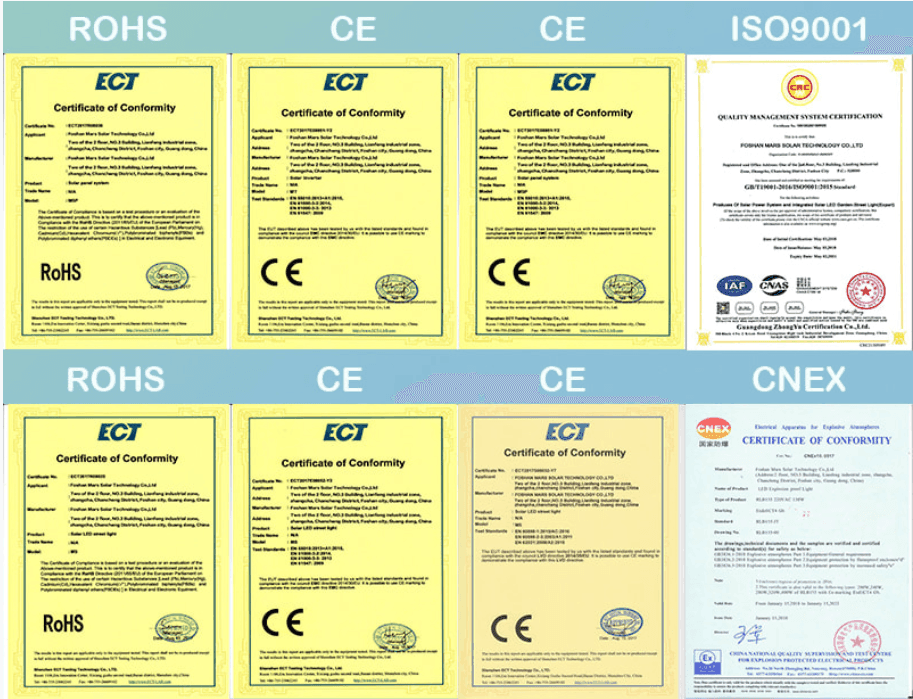
- ✅ IEC-, TÜV- und SGS-zertifizierte Produkte
- ✅ Technischer Support – über 30 Ingenieure für Systemdesign und Kundendienst
- ✅ BPS-Zertifizierungsunterstützung für den philippinischen Markt
- ✅ Unterstützung bei der Dokumentation zur Netzeinspeisung
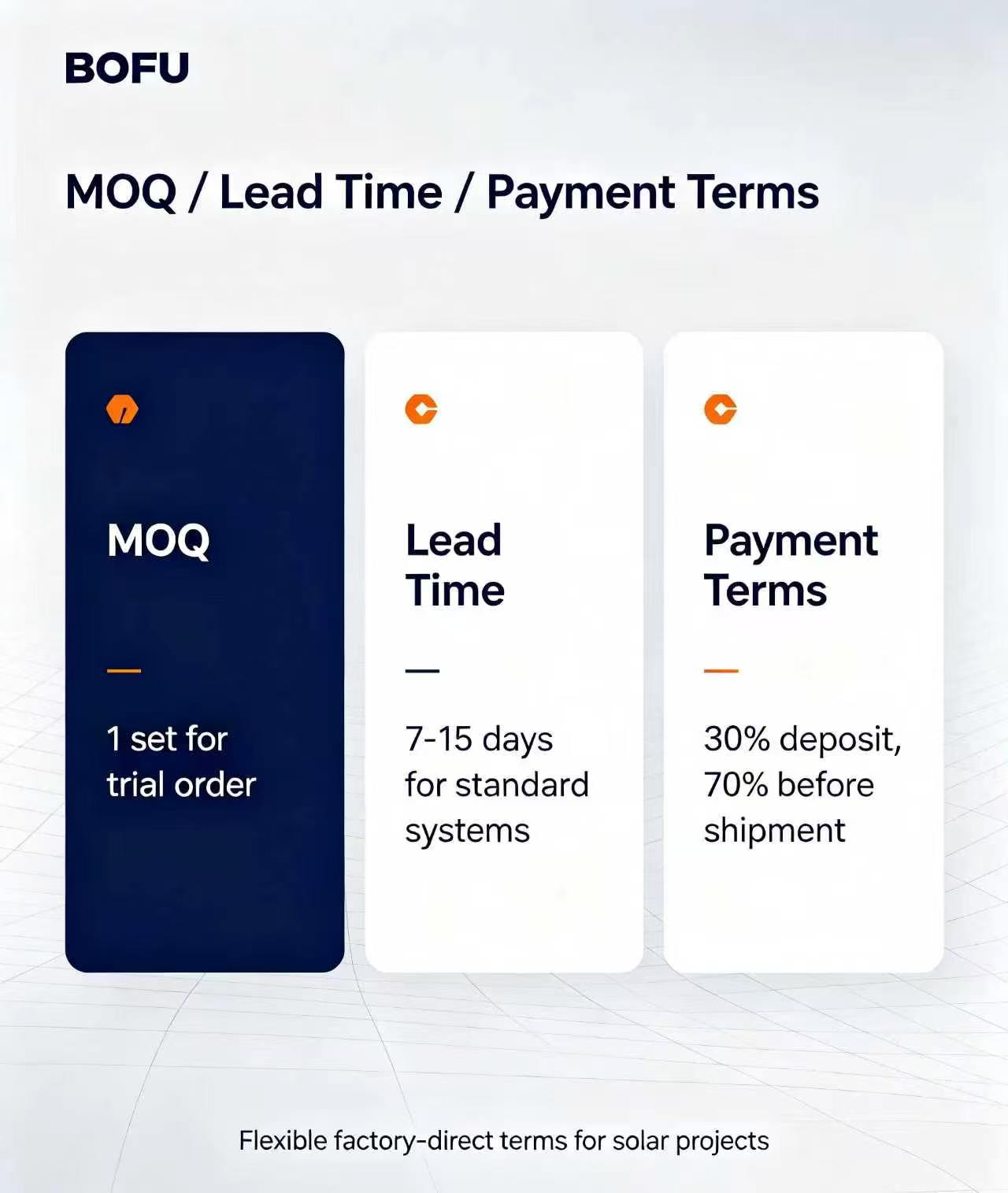
- ✅ Flexible Mindestbestellmenge für Testbestellungen
- ✅ 5 Jahre Garantie auf Solarmodule, 3 Jahre Garantie auf Wechselrichter und Batterien
Ausgewählte Produkte für den philippinischen Markt:
Kontaktieren Sie Mars Solar noch heute:
Entdecken Sie unsere Produkte:
Über Mars Solar
Mars Solar (Foshan Mars Solar Technology Co., Ltd.) produziert und entwickelt seit 2008 Solarsysteme. Mehr als 17 Jahre Erfahrung, Mehr als 30 Ingenieure, Und Mehr als 3.000 erfolgreiche Projekte in über 130 Ländern, Wir helfen Distributoren und EPC-Auftragnehmern, in den Philippinen und darüber hinaus erfolgreich zu sein.
Warum Mars Solar wählen?
- Maßgeschneiderter Service – Vorverkaufsberatung, Planung des Solaranlagenlayouts, komplettes Set kundenspezifischer Produkte
- Komplettes Setdesign – Wir entwerfen das gesamte Solarsystem
- Testservice – Wir testen das gesamte System 72 Stunden lang vor dem Versand.
- Kundendienst – Wir bieten Installationsservice und jährliche Inspektionsservices an.
Nehmen Sie Kontakt auf | Über uns | Unsere Fallstudien ansehen | Videos ansehen | Häufig gestellte Fragen
Letzte Aktualisierung: Juni 2026
Schlüsselwörter: Import von Solarmodulen auf die Philippinen, Solarmodulvertrieb auf den Philippinen, Netzeinspeisung auf den Philippinen, Solarmarkt Philippinen 2026, B2B-Solarmodule, EPC-Auftragnehmer für Solaranlagen auf den Philippinen, Mars Solar