
Language
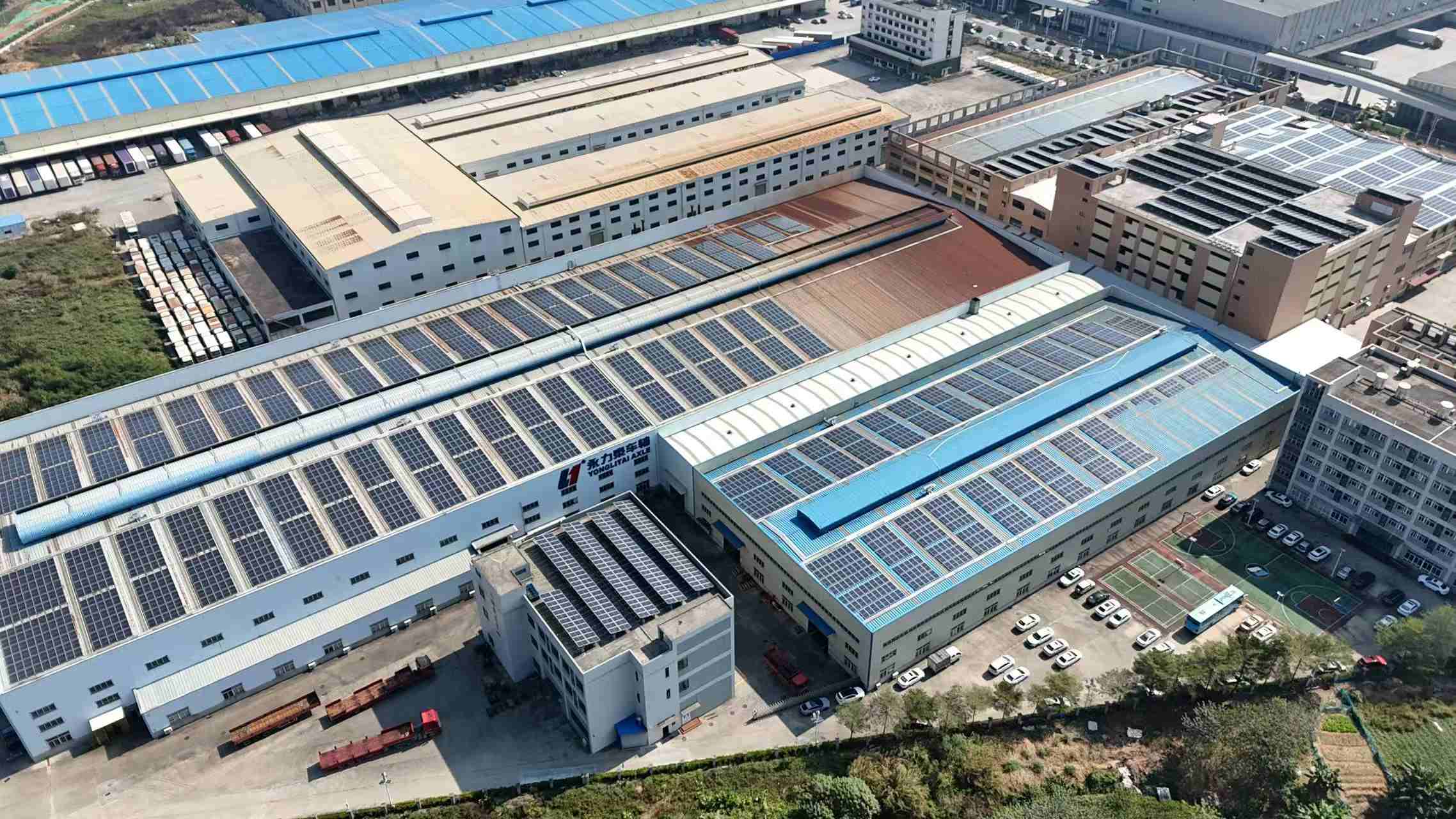
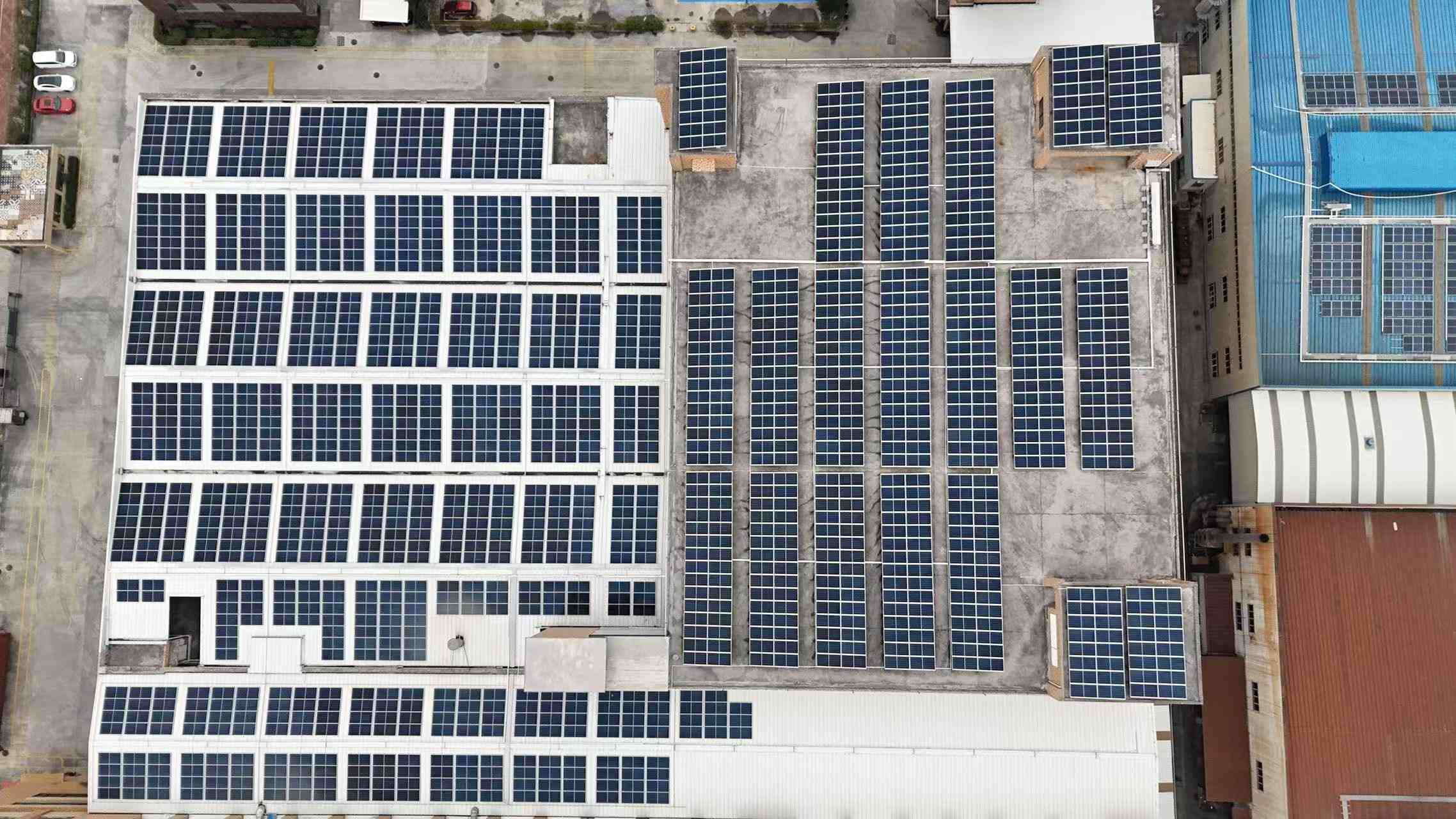
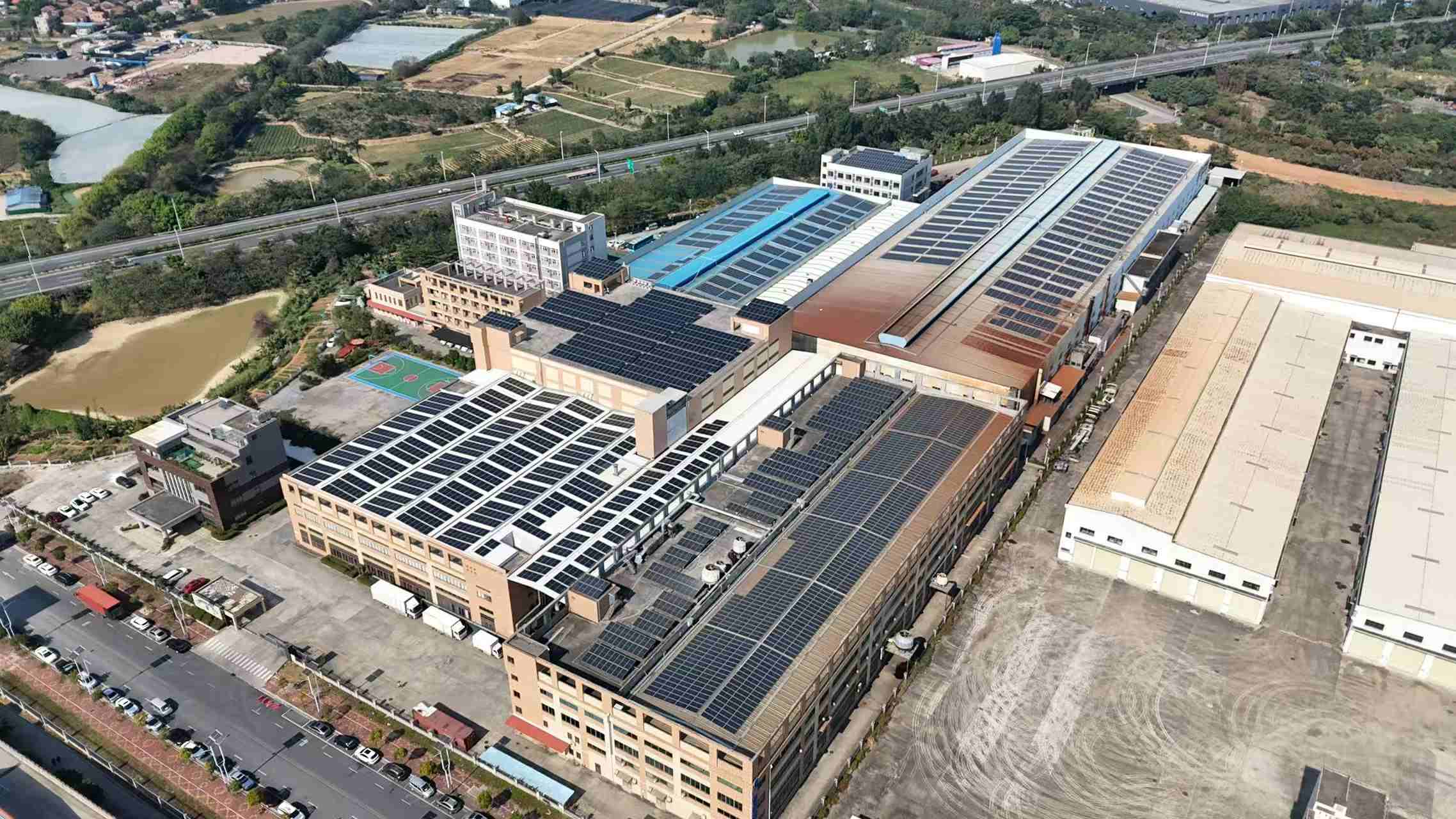
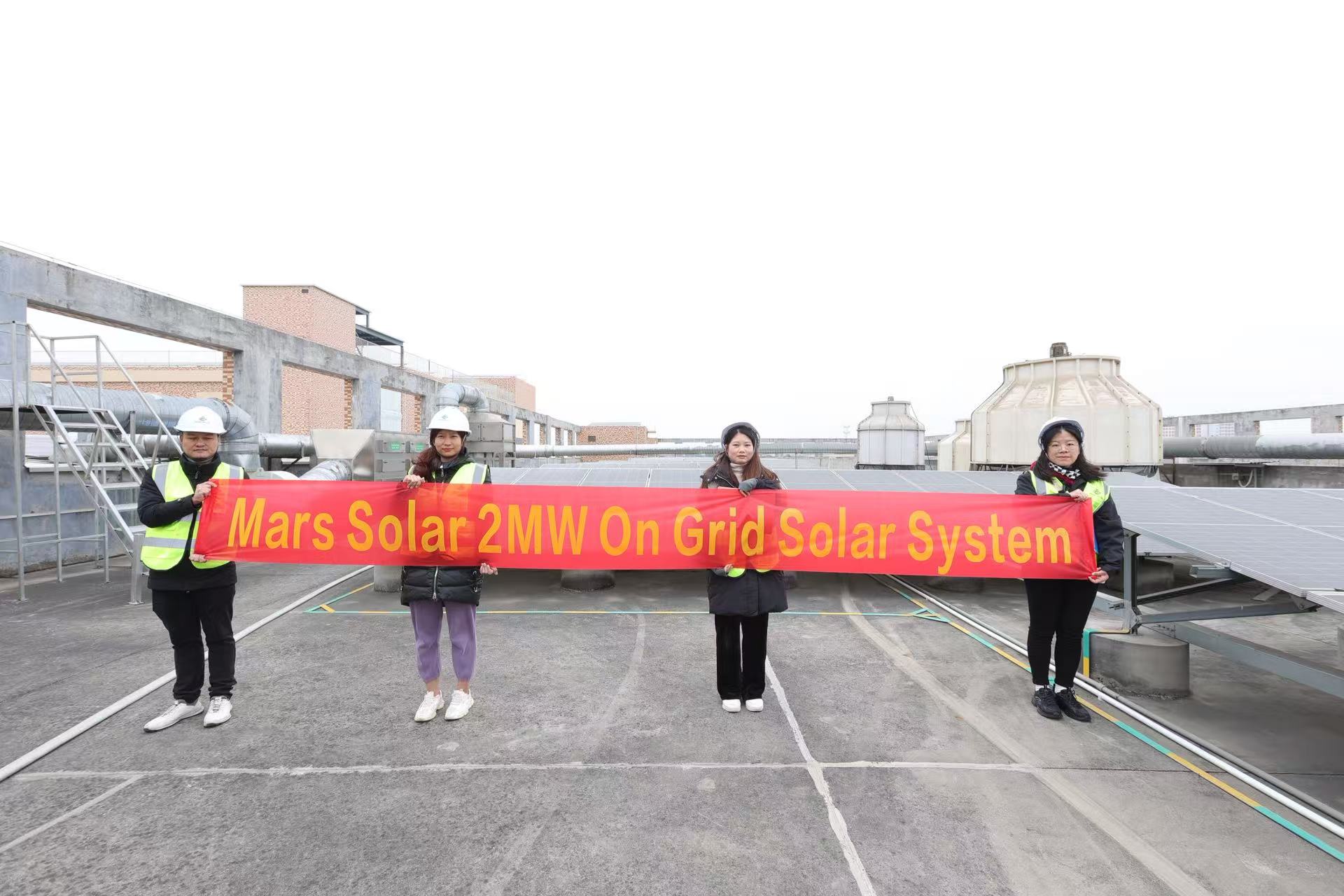
This 2MW solar system Malaysia project powers a leading electroplating factory running three production shifts around the clock. The rooftop array supports the plant’s most energy-intensive processes — DC plating rectifiers, anodizing and electroplating lines, air agitation blowers, exhaust and ventilation fans, chillers, and on-site wastewater treatment. The facility consumes more than 1.2 million kWh of electricity every month, and its heavy, stable daytime load makes it an ideal candidate for grid-tied solar self-consumption.
Electroplating ranks among the most power-hungry manufacturing sectors — plating rectifiers alone can account for more than half of a plant’s electricity bill. Facing steadily rising industrial tariffs, the factory partnered with Mars Solar for a purpose-engineered solar system for electroplating factory conditions: corrosive rooftop air, continuous three-shift loads, and a demand profile that rewards self-consumption. Around 95% of the system’s 2.8 GWh annual generation is consumed directly on-site — critical under Malaysia’s post-2026 rooftop solar framework, where exported energy earns far less than the retail electricity it displaces.
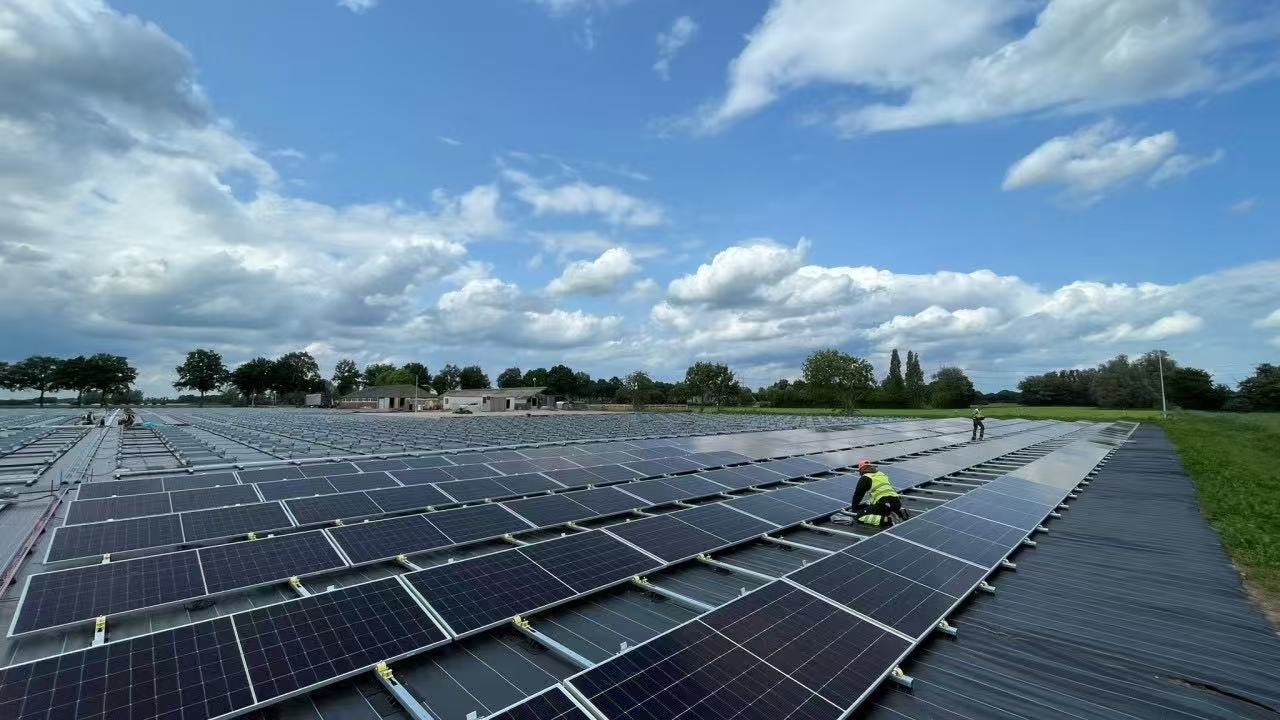
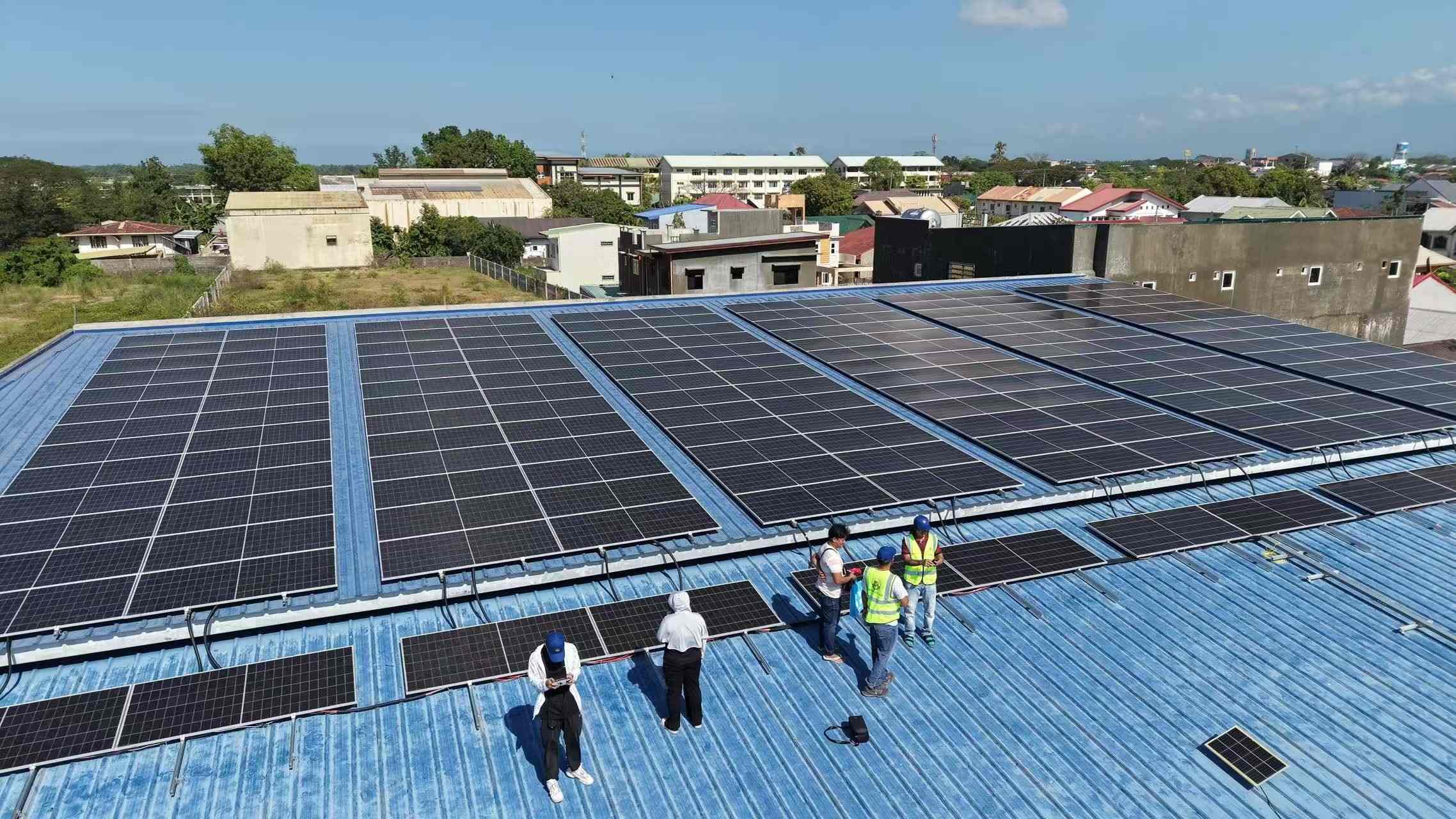
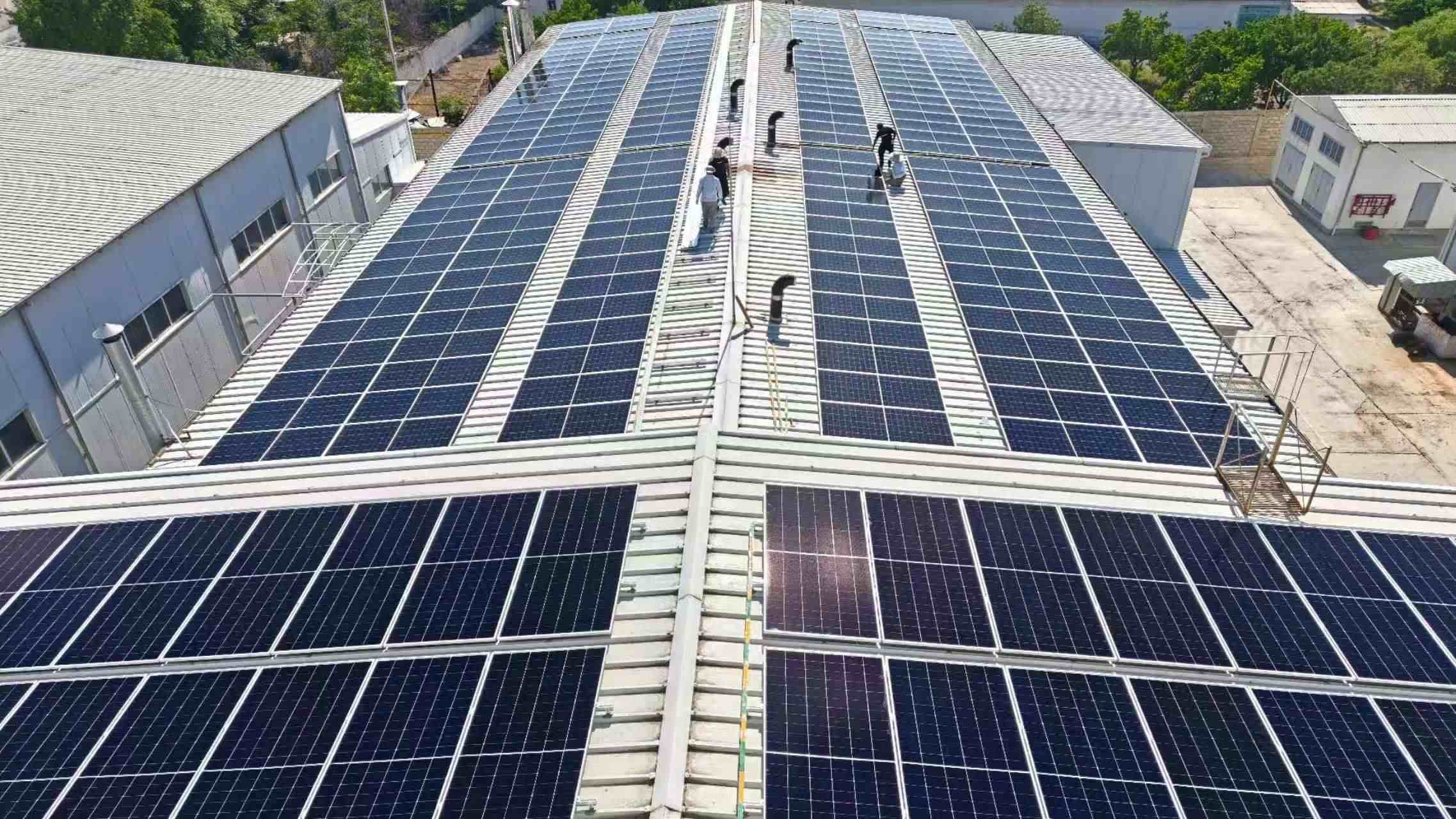
The array was engineered for a corrosive plating environment:3,150 high-output 650Wp glass-glass bifacial modules, 20 x 100kW on-grid string inverters, and hot-dip galvanized mounting structures with epoxy anti-corrosion coating, positioned away from acid-mist exhaust stacks. Mars Solar dispatched 2 senior engineers for the structural survey, grid documentation, installation supervision, and commissioning — the full 2MW system was completed in 40 days with zero interruption to the production lines.
The project delivers about $26,500 (RM 108,000) in monthly electricity savings at the factory’s $0.12/kWh effective rate — roughly a fifth of the plant’s monthly power bill — while cutting close to 1,850 tons of CO2 emissions every year. With a total system investment of $295,000, the 2MW solar system for electroplating factory operations pays for itself in approximately 11 months and keeps generating for 25+ years, monitored 24/7 via iOS/Android apps with automatic monthly reports delivered by WhatsApp and email.
A 2MW solar system is industrial-scale infrastructure. At this size the engineering questions are no longer about panels — they are about transformer capacity, protection coordination, roof loading and how the plant's shift profile matches generation. A 2MW solar system on a factory roof typically covers 8,000 to 12,000 square metres and feeds directly into the site's medium-voltage board.
Electroplating is one of the most favourable industrial loads because rectifiers run continuously through the day. See the general industrial configurations on our solar system for factory page.
Sizing a 2MW solar system starts with 7 to 14 days of logged consumption. Base load is separated from shift peaks, the array is sized on daytime energy and the roof structure is verified for the added dead load plus wind uplift. Where the plant runs a continuous process, generation matches consumption unusually well — self-consumption rates above 90 percent are common on electroplating sites.
The U.S. Department of Energy's Solar Energy Technologies Office documents the commercial case for on-site industrial generation of this scale.

 English English
  Arabic
 Spanish
 French
 Dutch
Dutch
 Portuguese