


What Is the Difference Between On-Grid, Off-Grid and Hybrid Solar Systems?
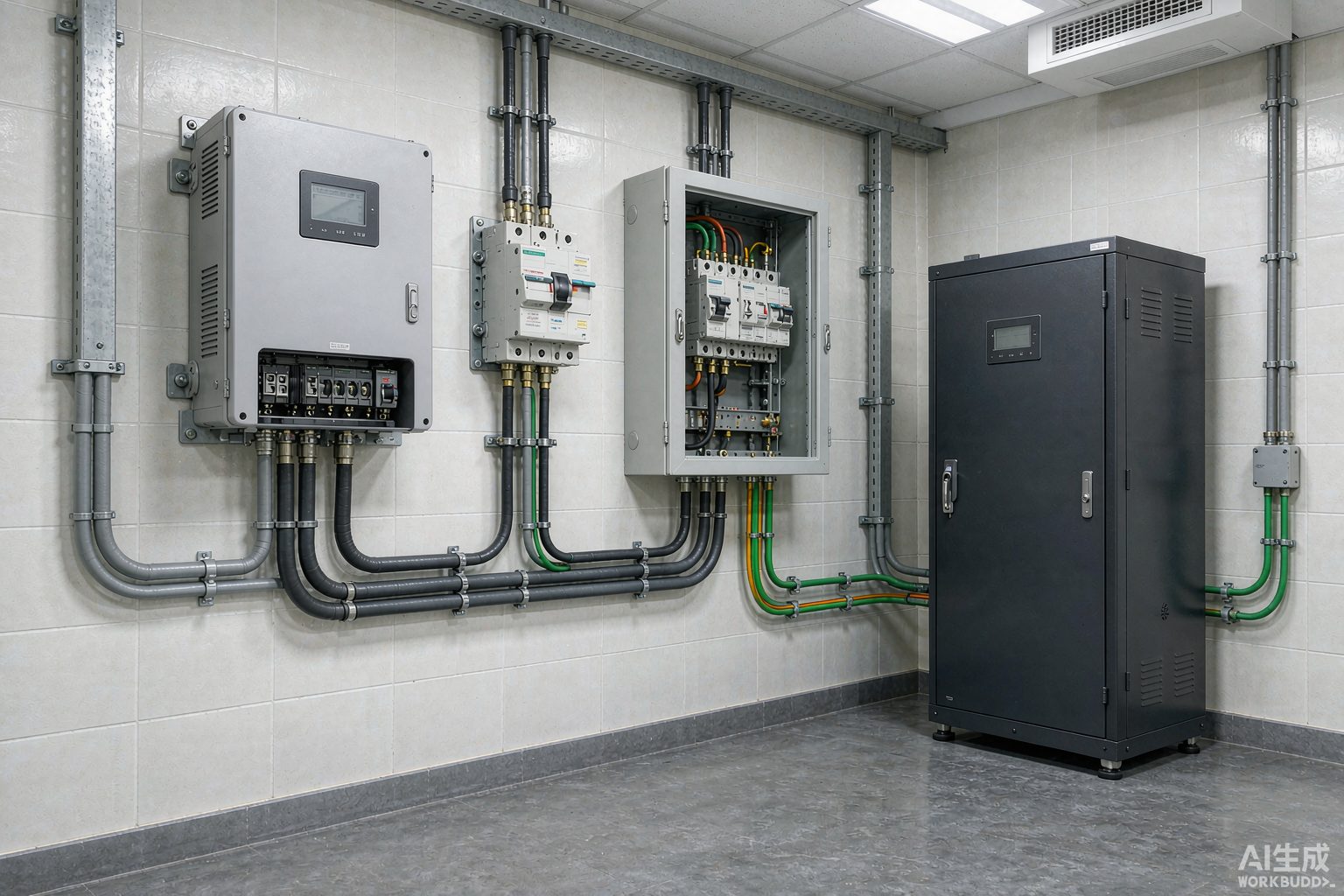
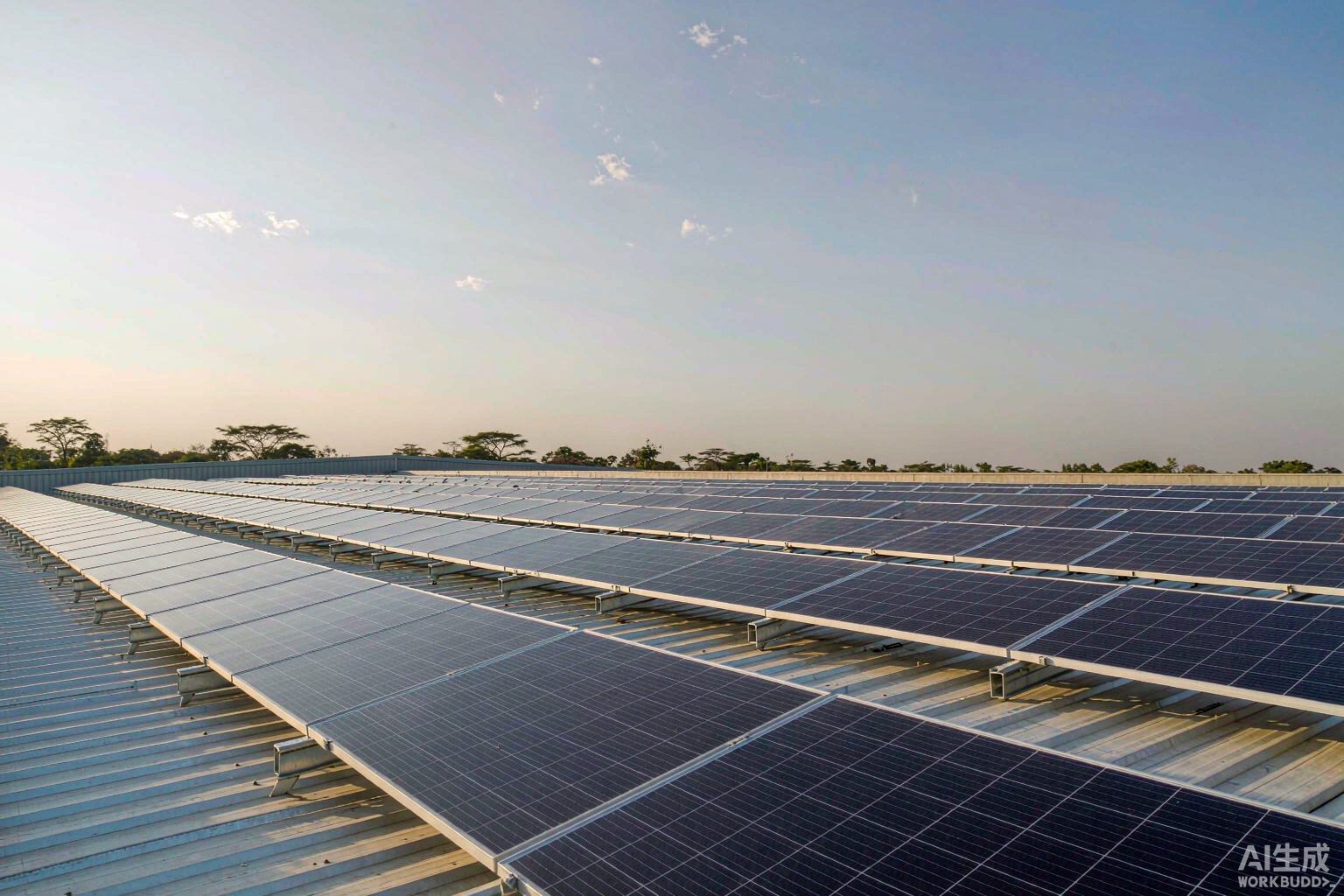
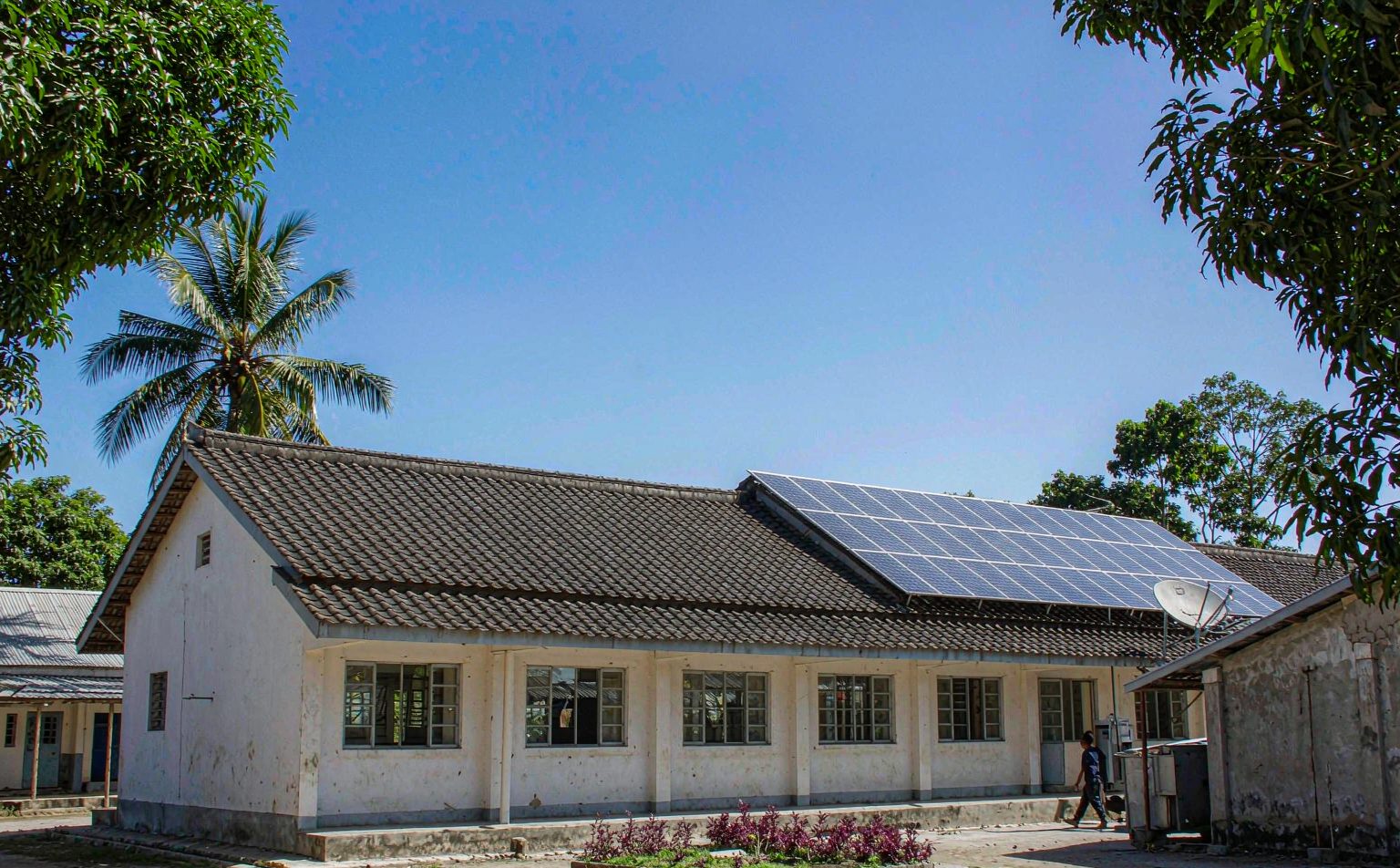
On-grid systems have no battery. They are the cheapest and pay back fastest, but they shut down when the grid fails — a grid-tied inverter cannot energise a dead network.
Off-grid systems have no grid connection at all. Array and battery must be sized for the worst case, which makes them the most expensive option.
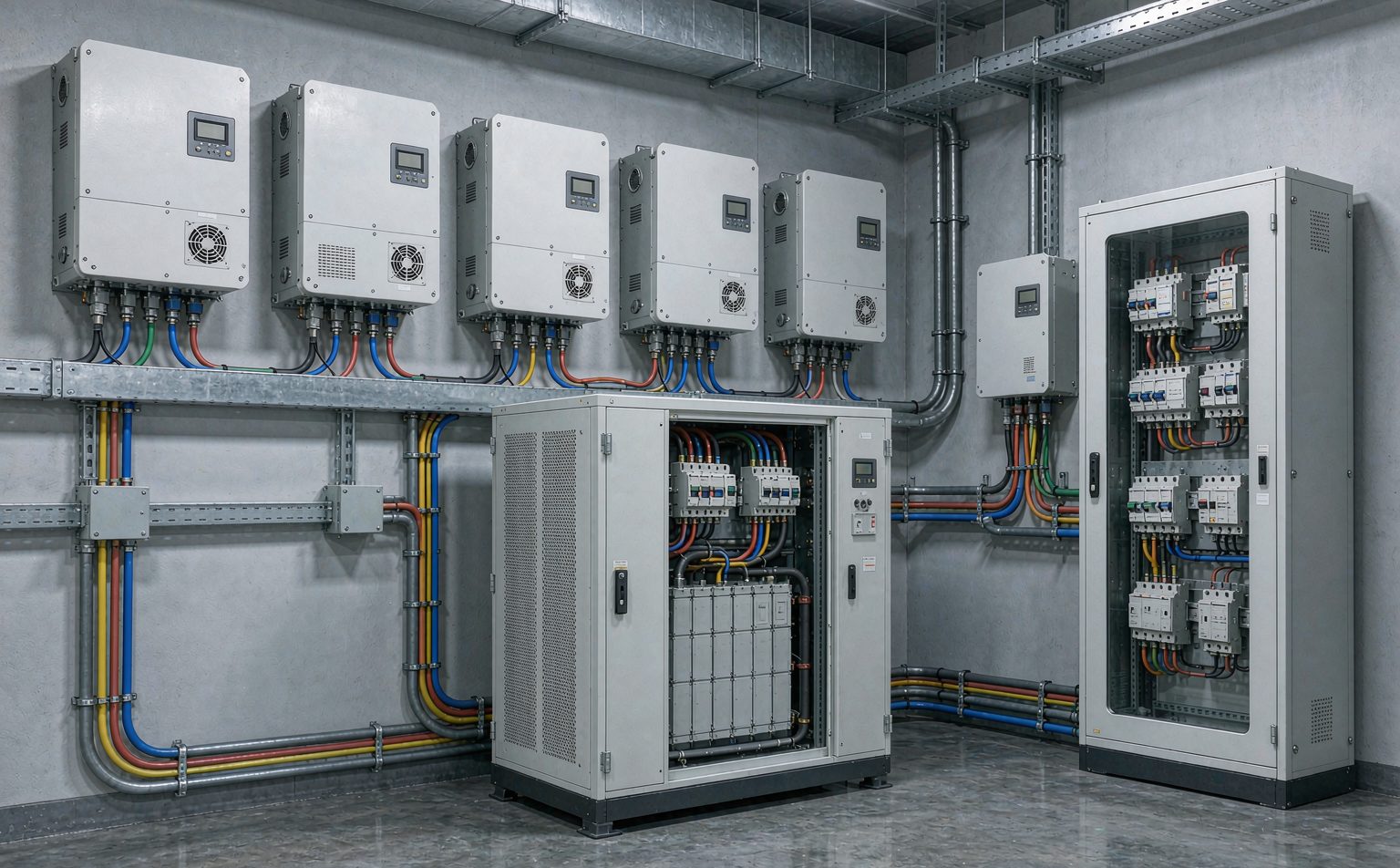
Hybrid systems combine a grid connection with battery storage. They shave peaks, provide backup, and switch automatically during an outage — the most common choice for commercial and industrial sites.
The sizing rule is the hours of autonomy you cannot afford to lose, not the hours of sunshine you expect: battery capacity equals critical load multiplied by backup hours.
Where a diesel genset already exists, a hybrid controller lets it run at its efficient load point instead of idling, cutting fuel use even on the days it does run.