250kW Hotel Solar System for Accra Hotel in Ghana

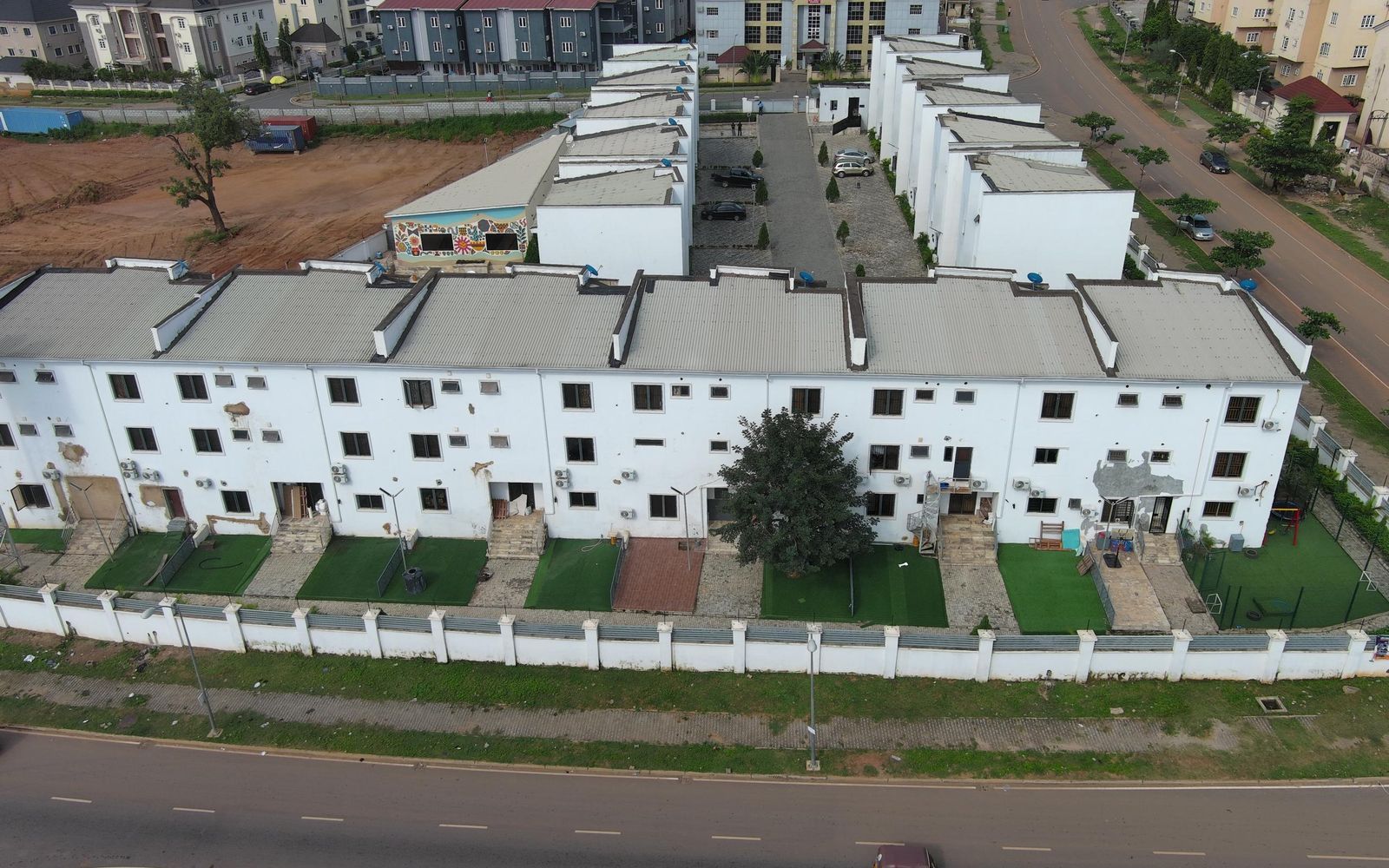
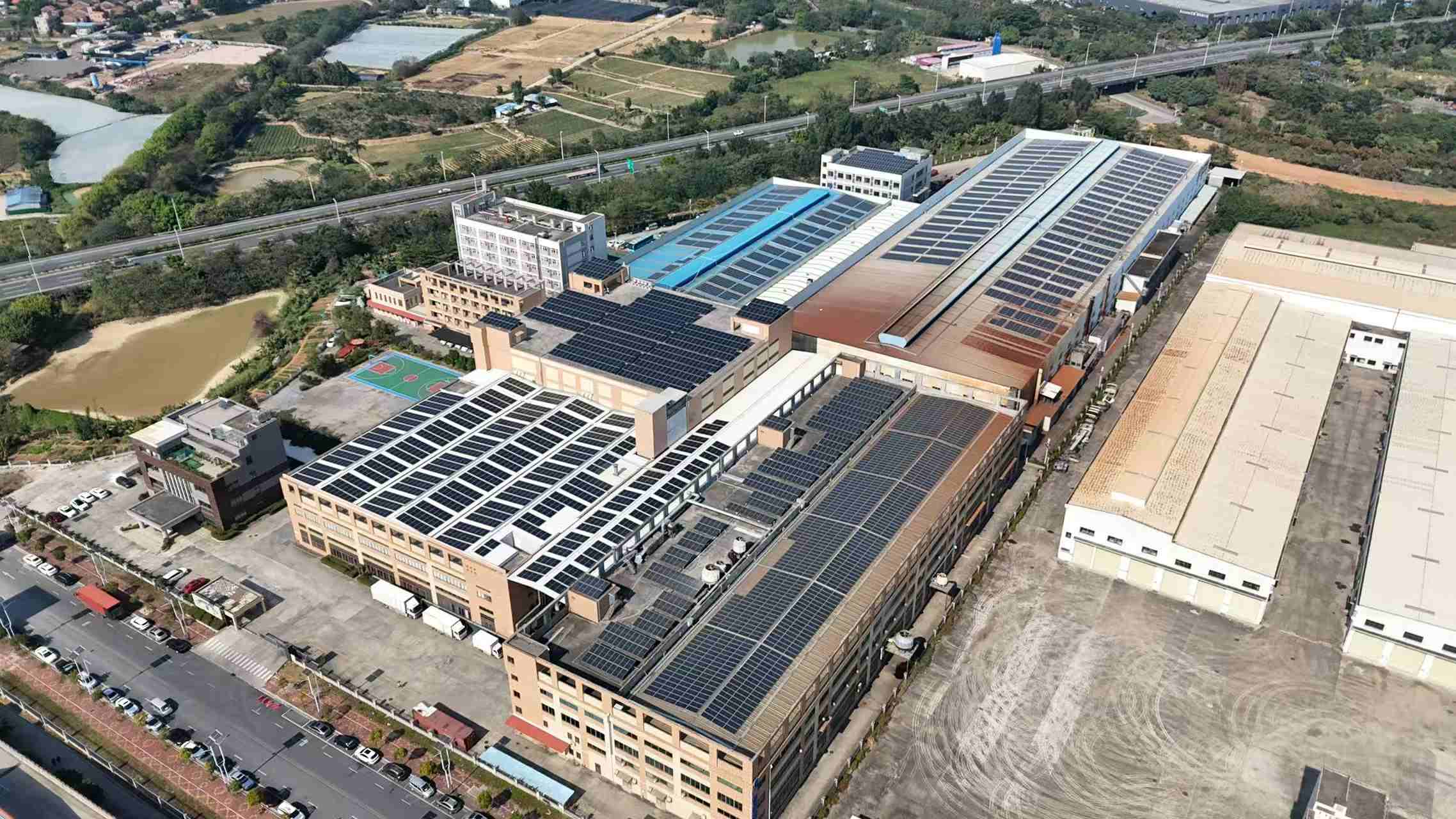
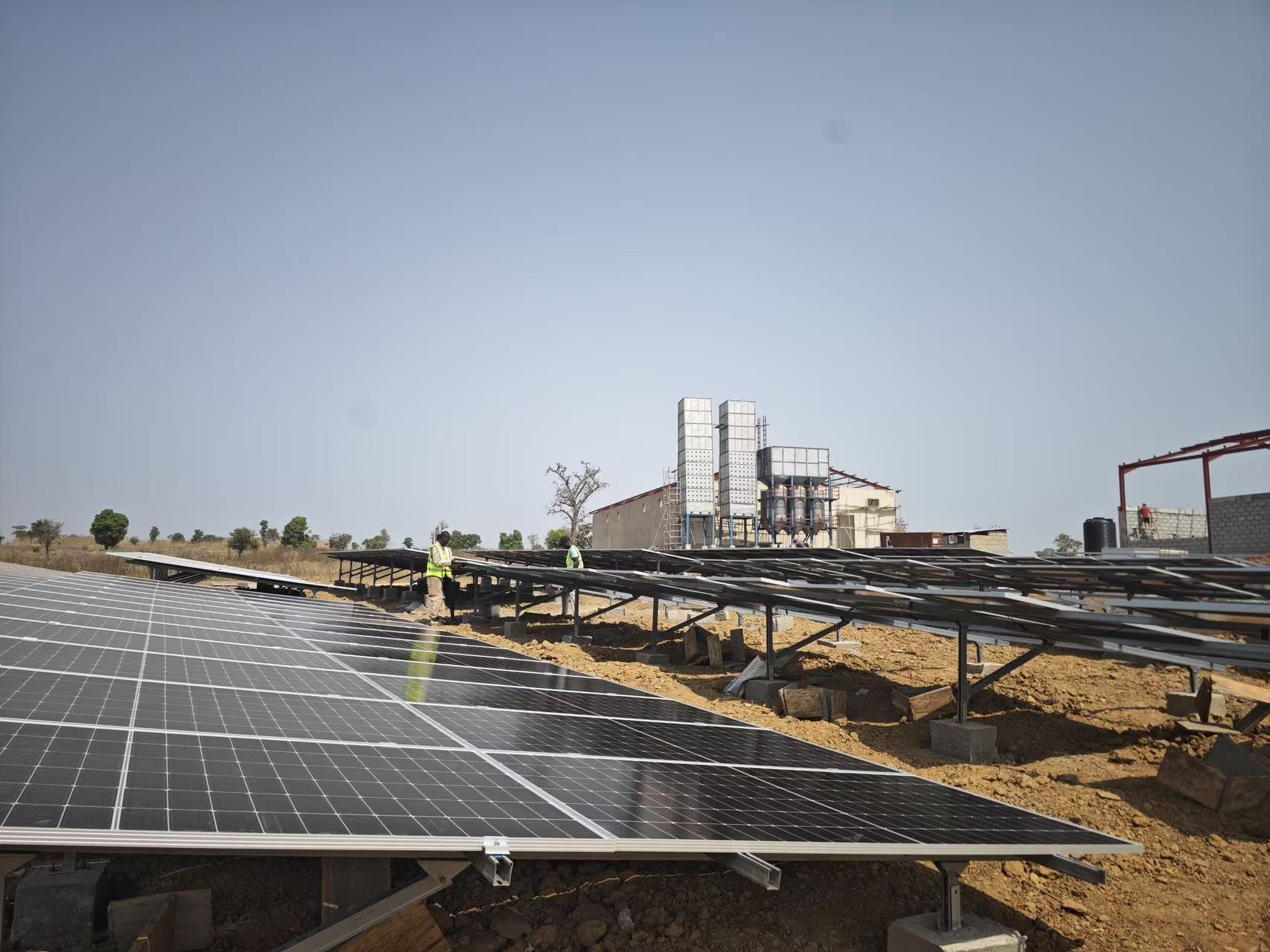
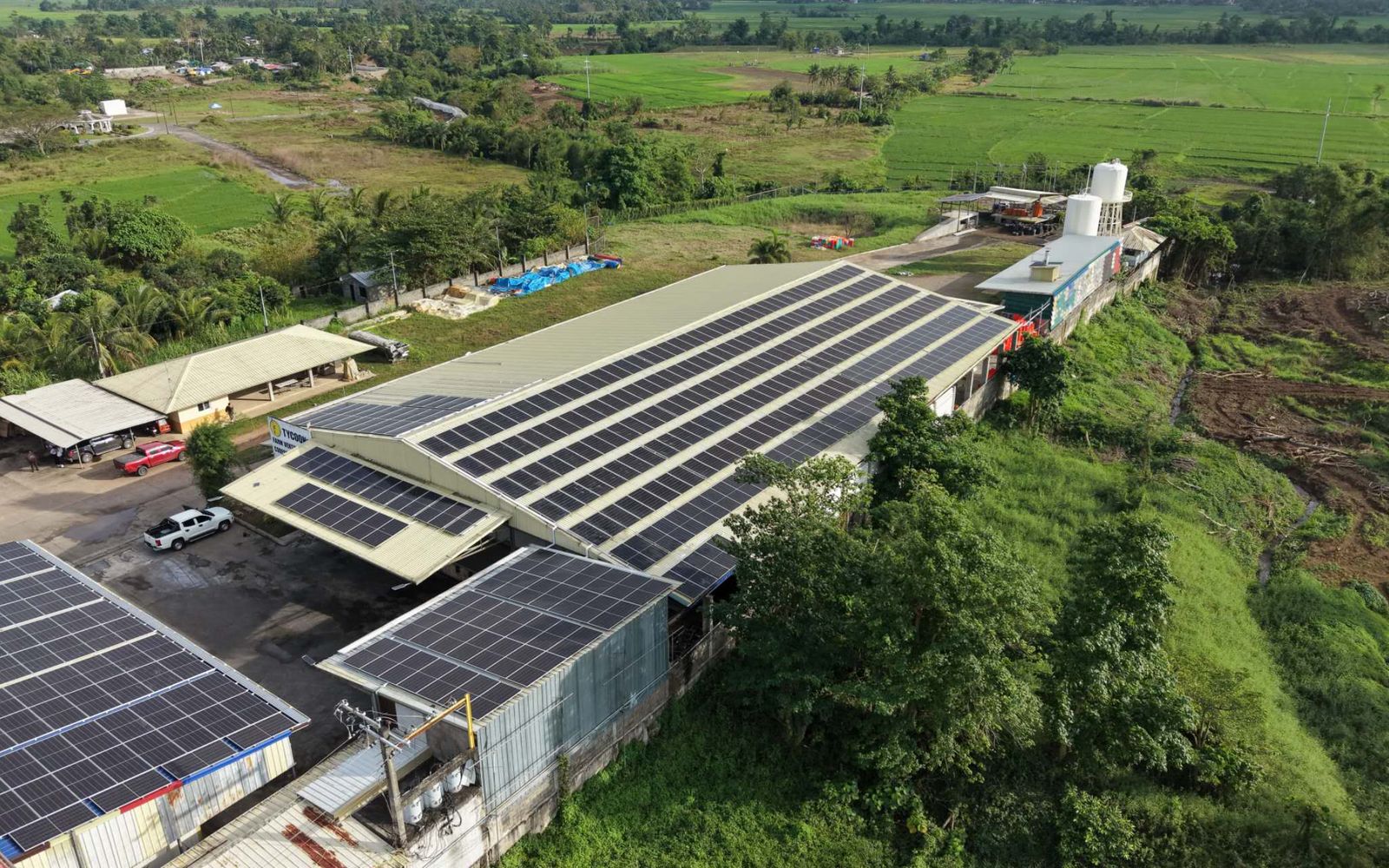
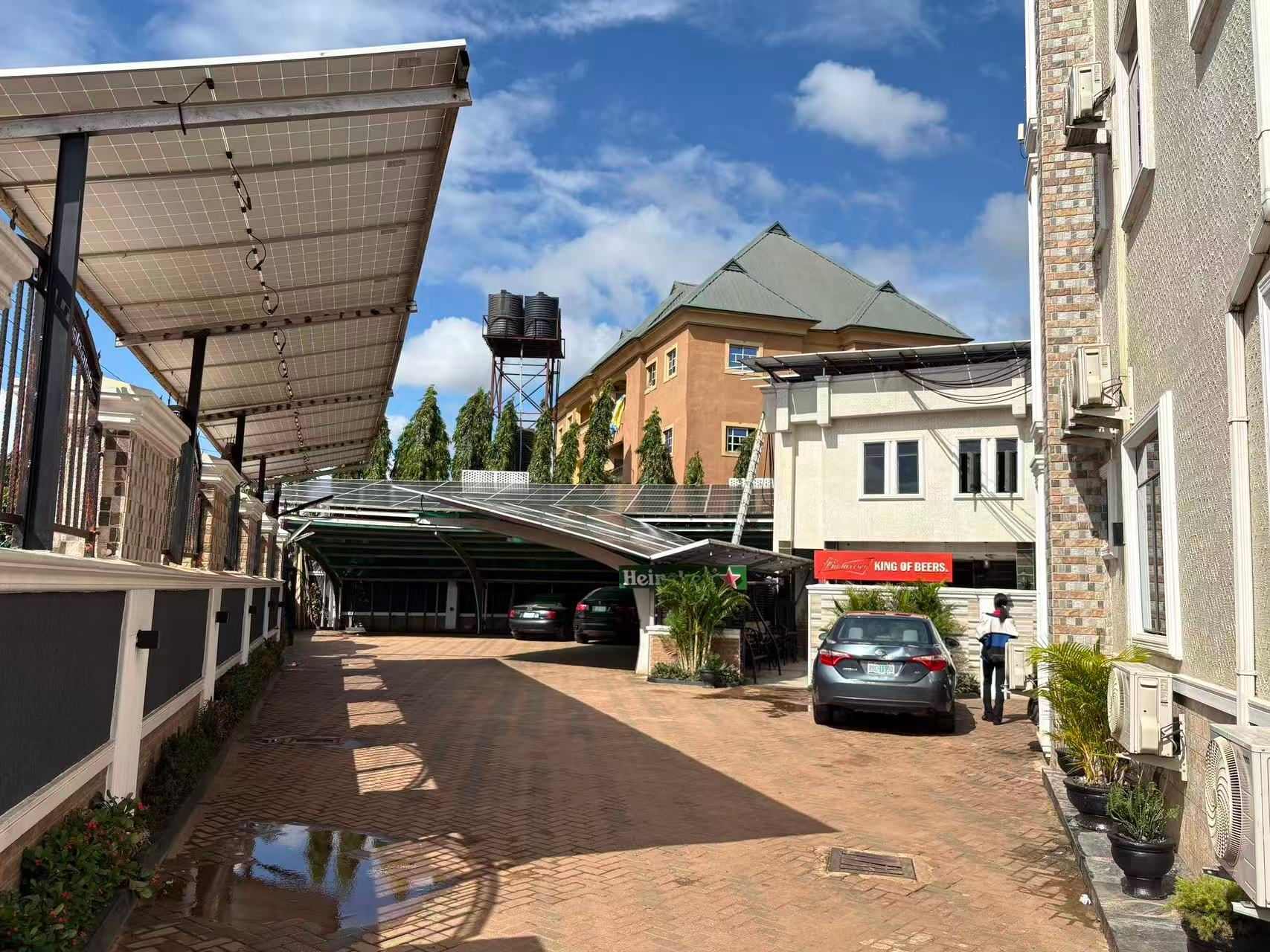
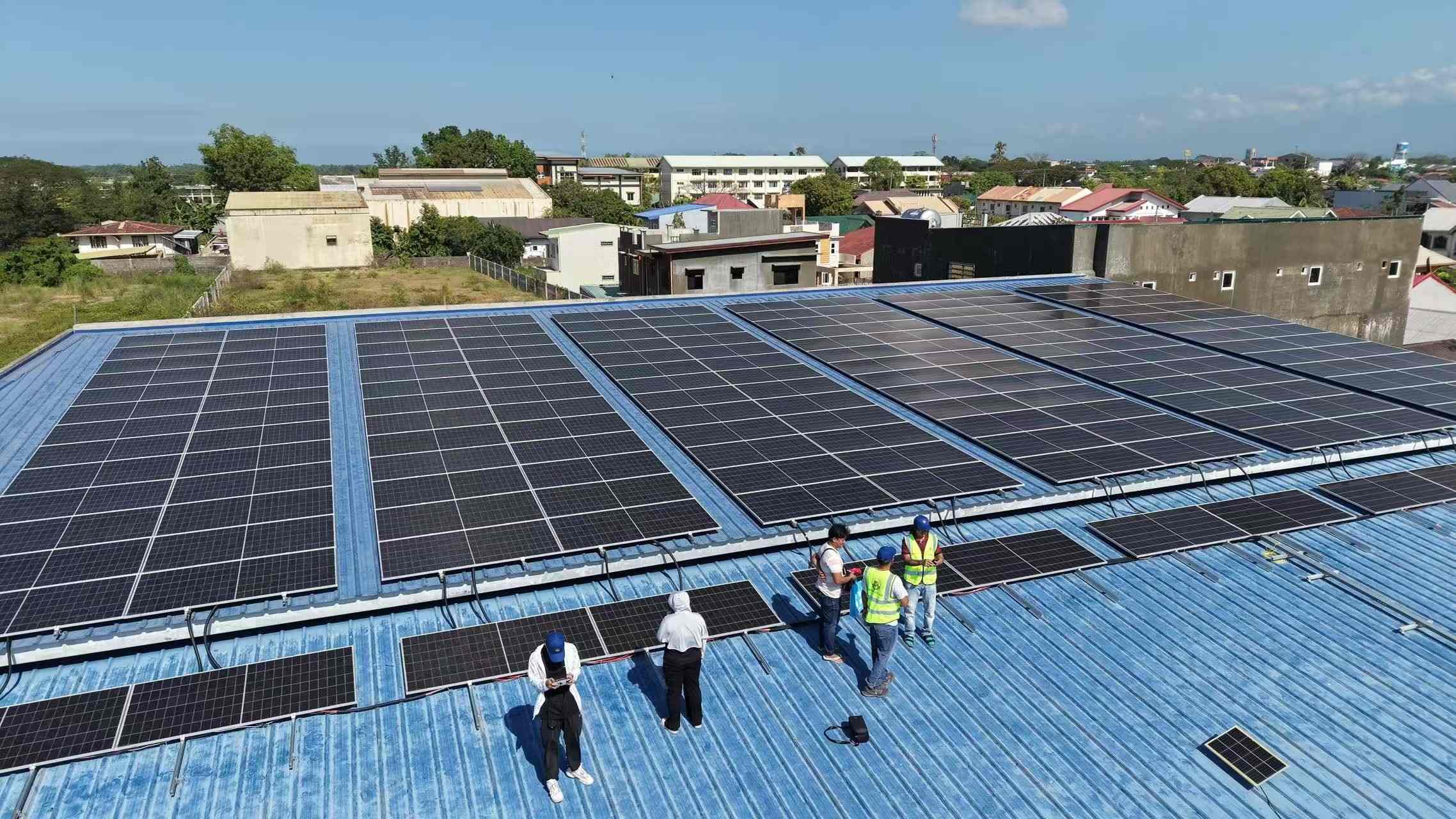
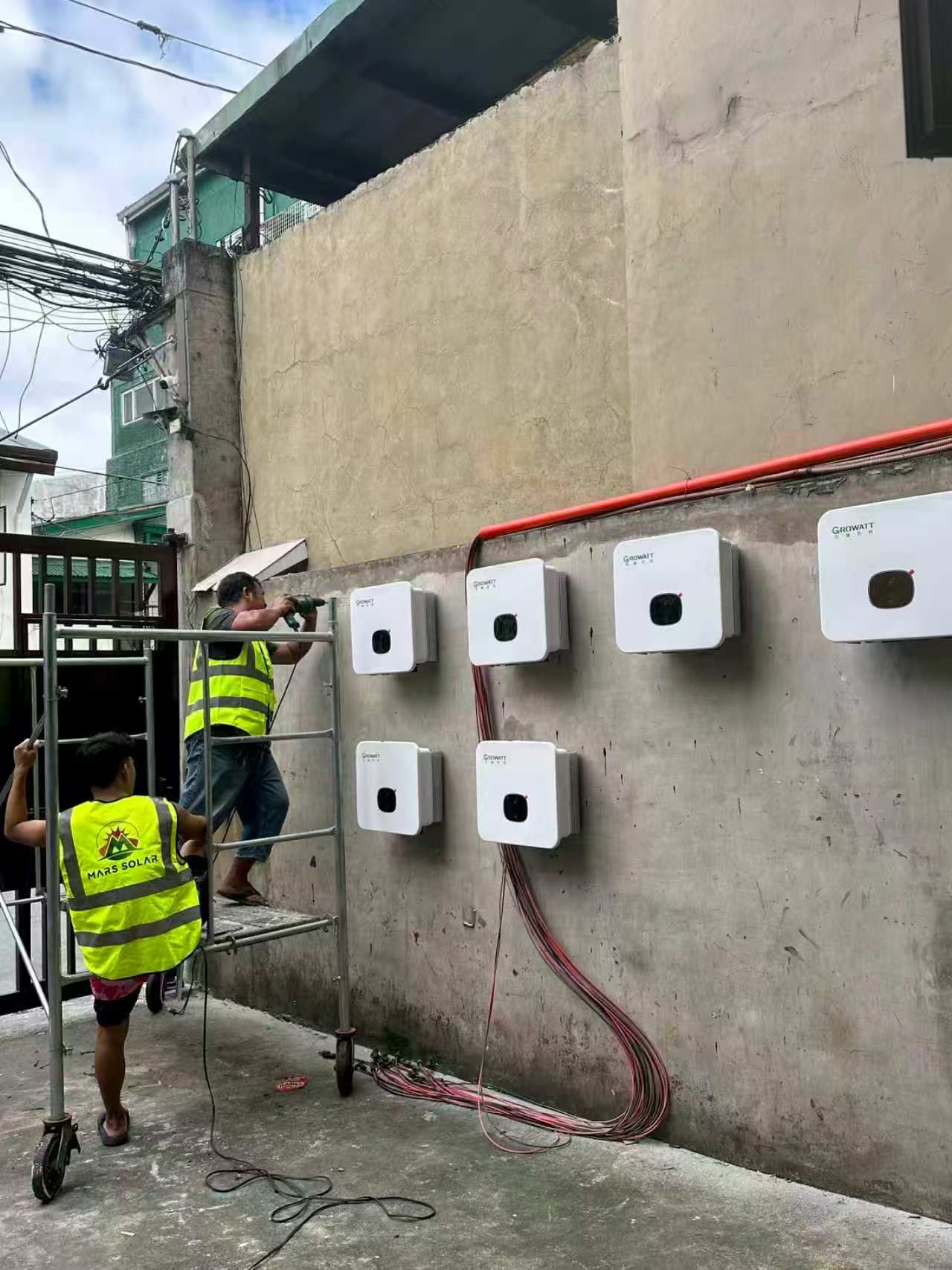
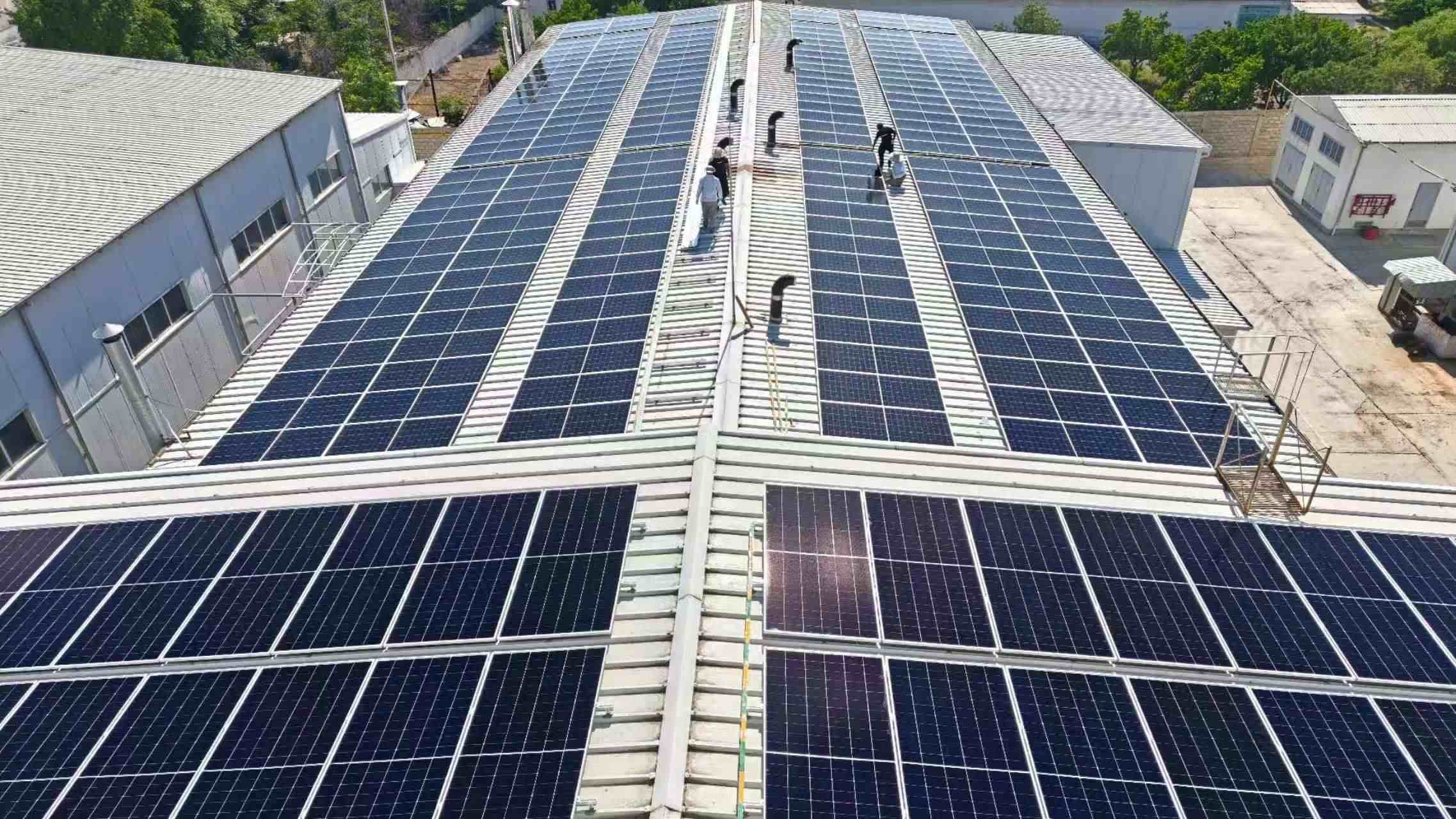
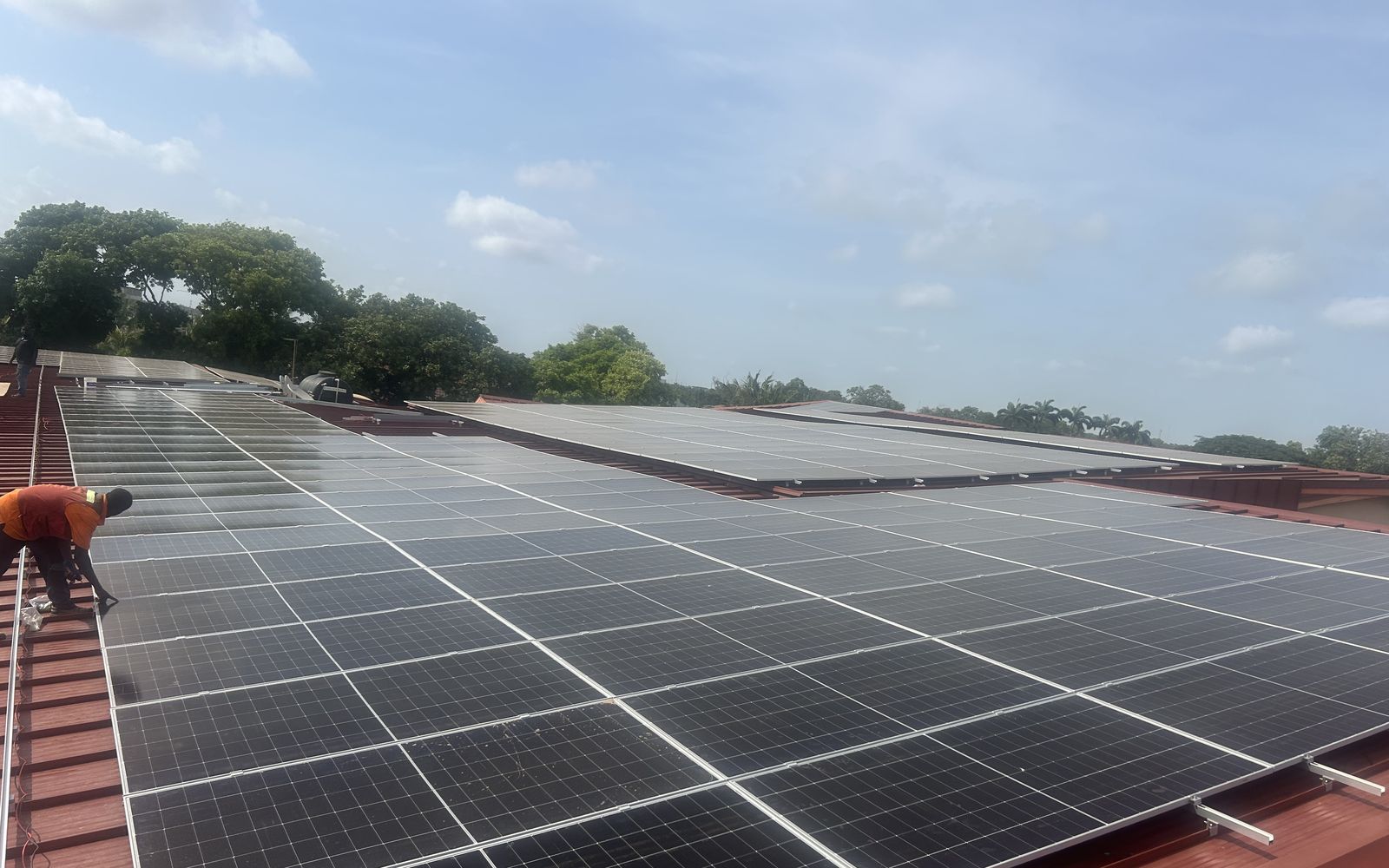
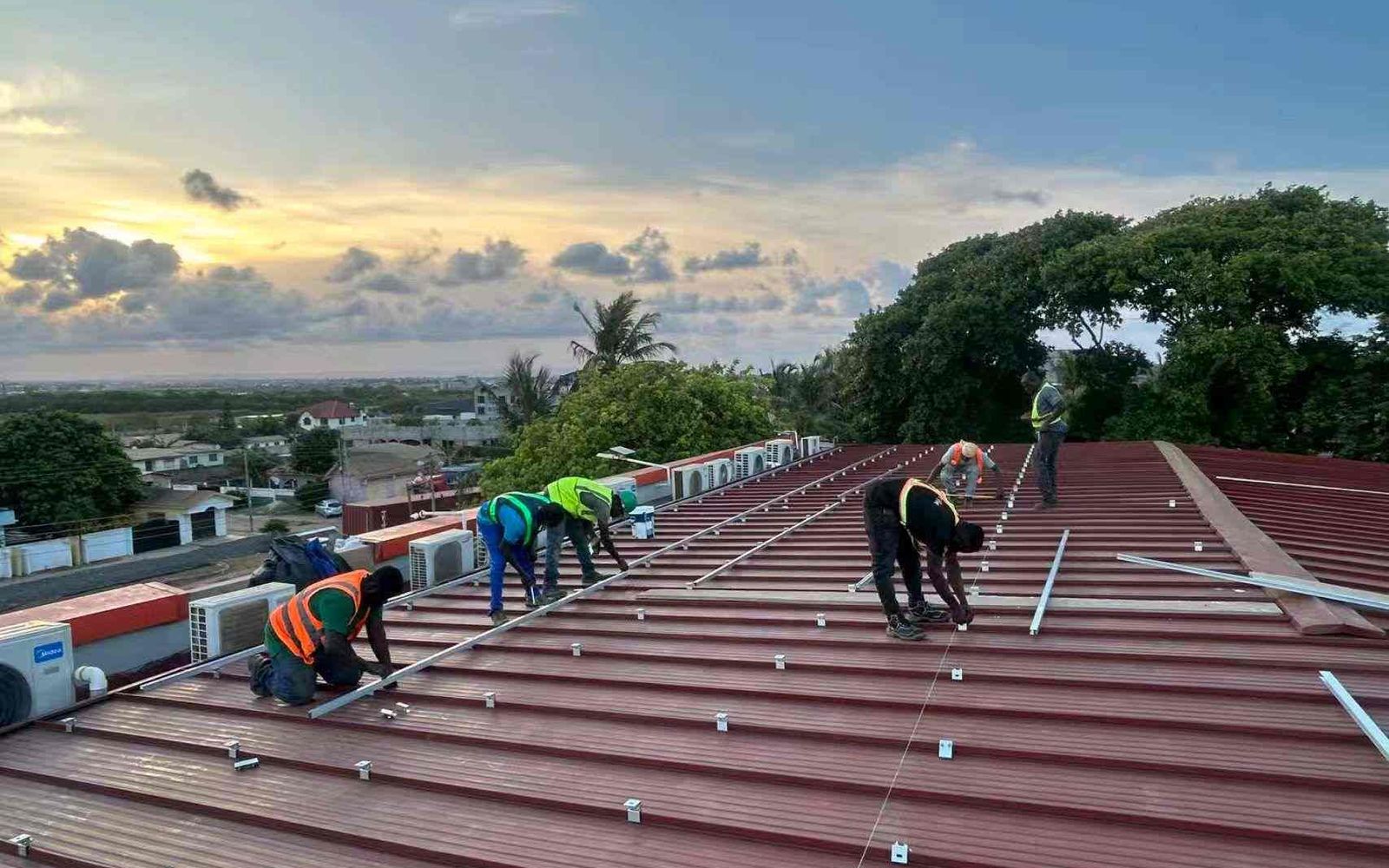
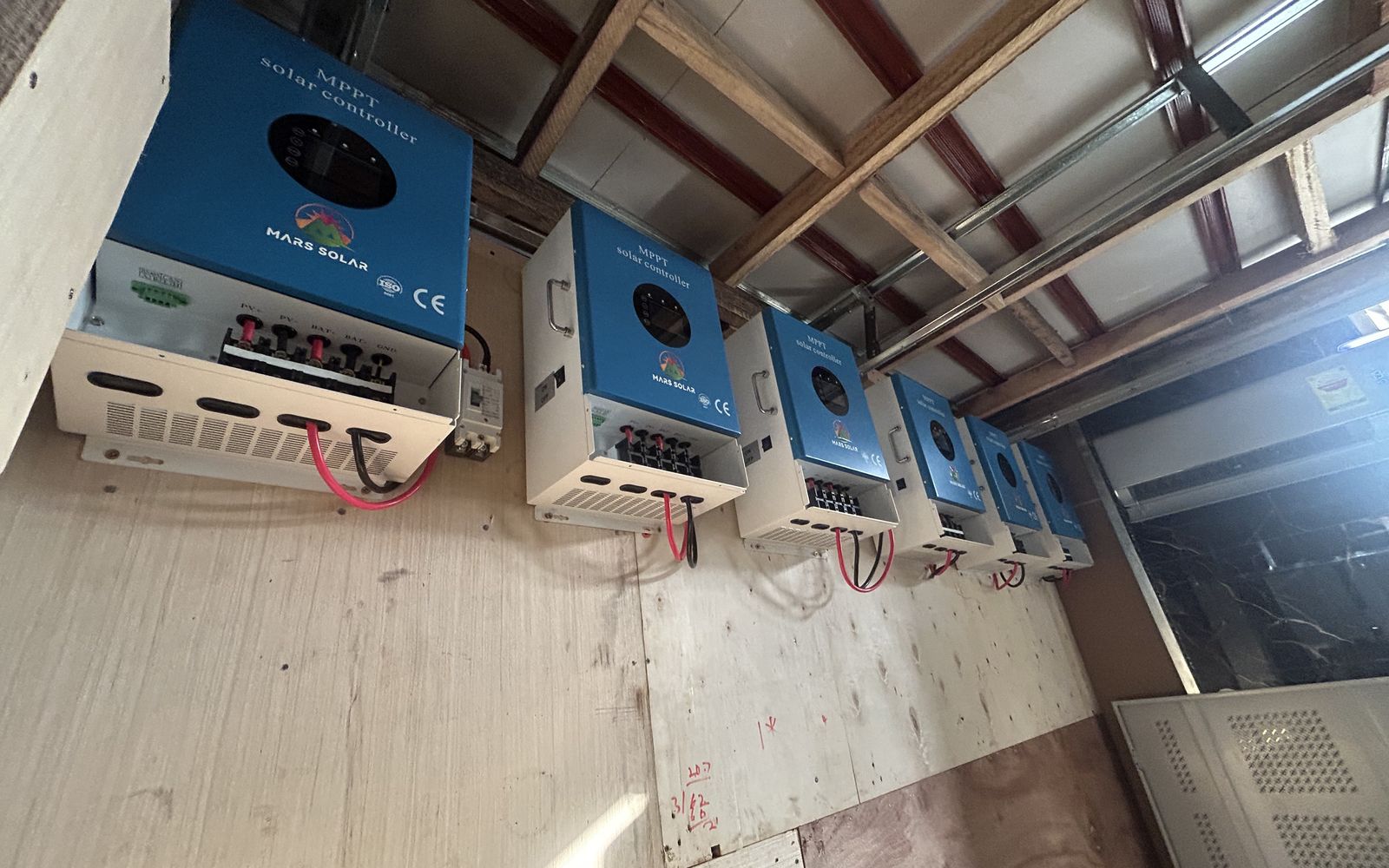
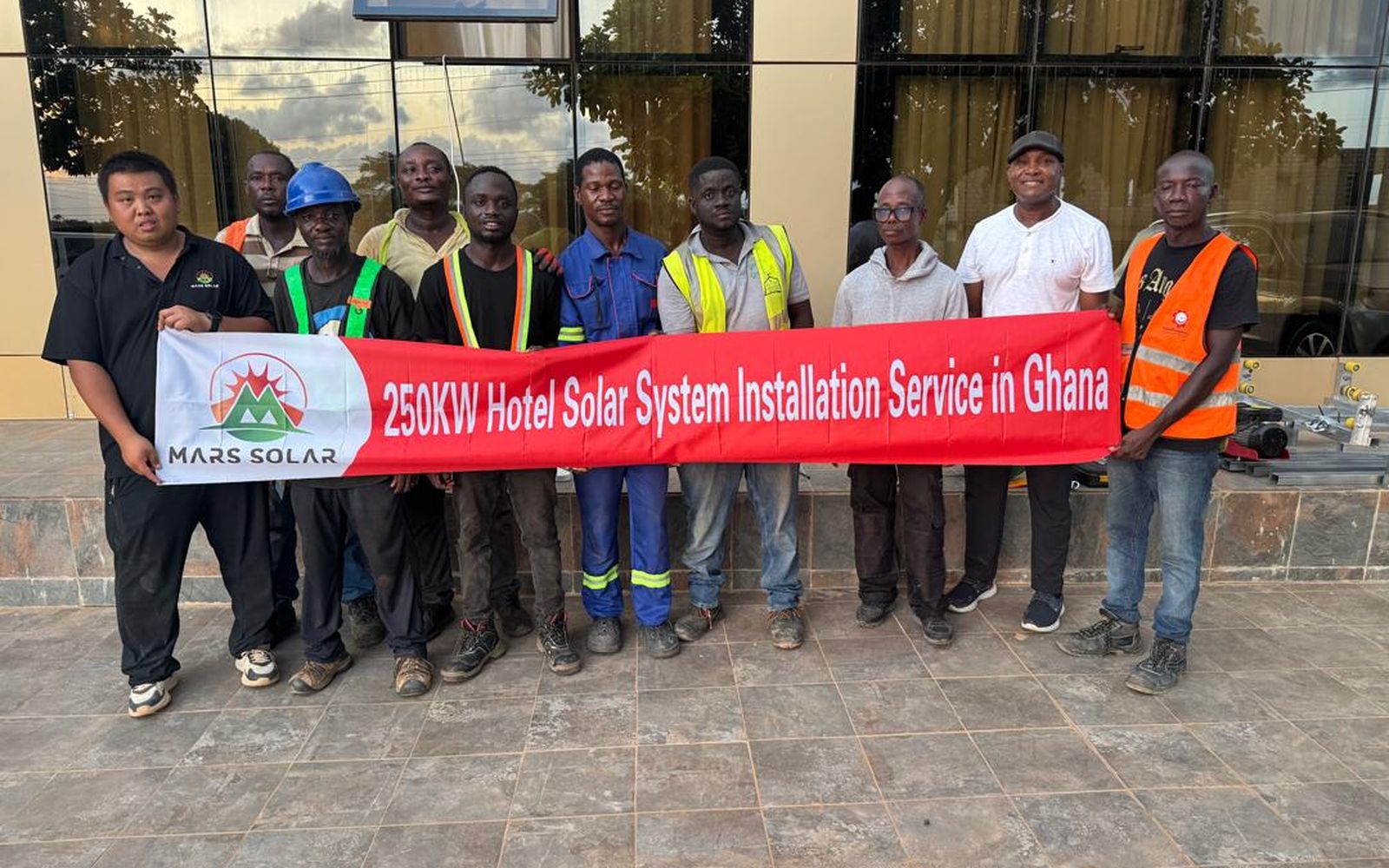
250kW hotel solar system rooftop array installed on a hotel in GhanaMars Solar engineers installing mounting rails for a 250kW hotel solar system in GhanaHybrid inverters powering a 250kW hotel solar system in GhanaMars Solar team after completing a 250kW hotel solar system installation in Ghana

Informations sur le projet

Économies mensuelles d'électricité
$9,200 / Month
Tarif de l'électricité du réseau
$0.27 / kWh
Délai de récupération
22 Months
Investissement total dans le système
$185,000~$215,000
Démarrez votre projet

Aperçu du projet

This 250kW hotel solar system in Accra, Ghana powers a 60-room business hotel that was spending heavily on ECG grid power, demand charges and diesel generator runtime through the evening peak. The hotel consumes roughly 38,000 kWh per month across air conditioning, kitchens, laundry, water heating and corridor lighting — a load profile that runs almost around the clock and matches solar generation unusually well.

Mars Solar designed a hybrid configuration: 250kW of Tier-1 monocrystalline PV on the hotel's metal-sheet roof, a 500kWh LFP battery bank, and a wall of hybrid inverters that carry the hotel through outages without a generator start. Because the hotel's heaviest loads sit in the daytime and early evening, more than 90 percent of the solar energy is consumed on site instead of exported.

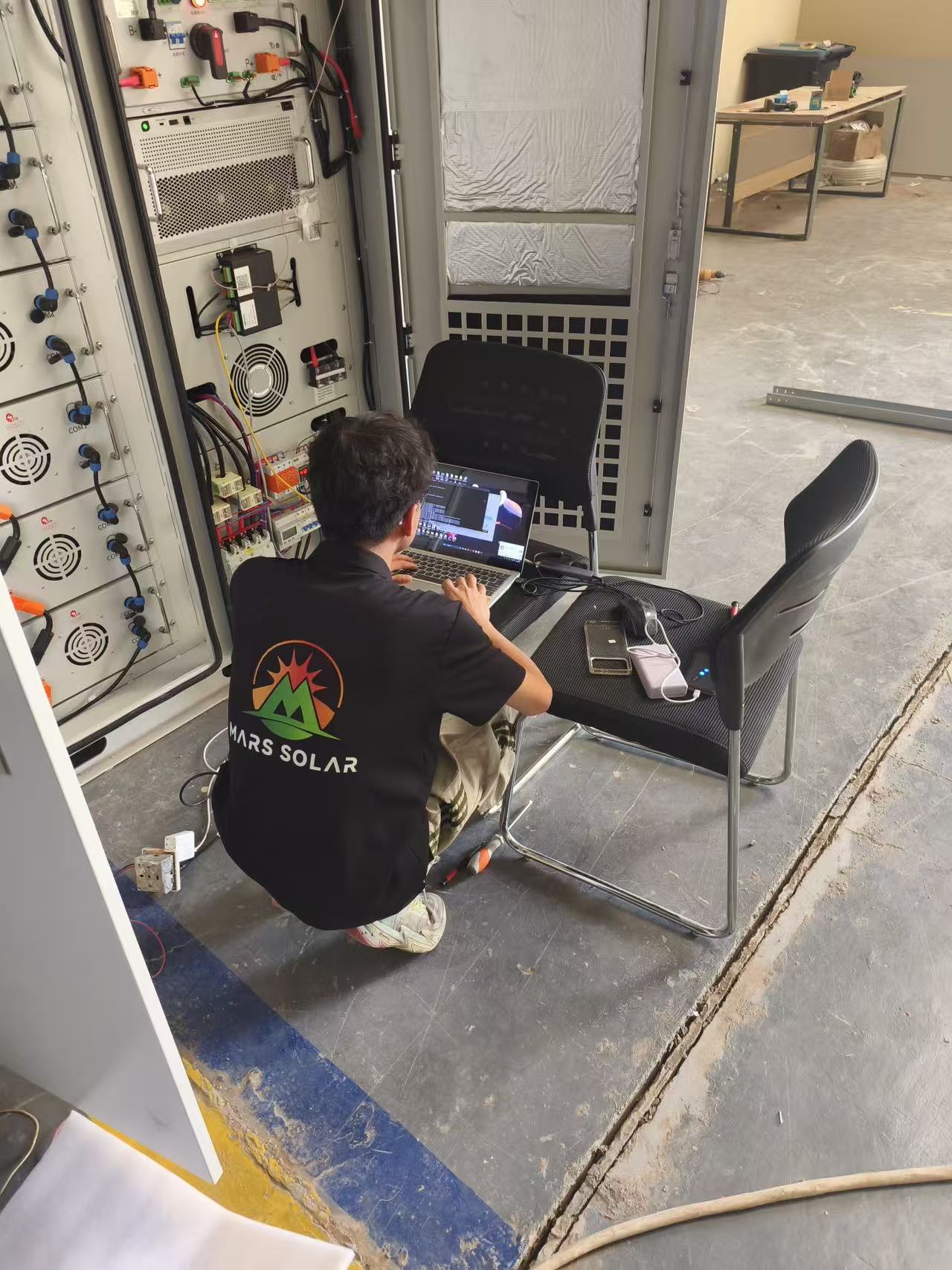
Engineering work ran from April to May 2026. Our engineers handled roof survey, mounting layout on the existing purlins, DC/AC cabling, inverter commissioning and staff handover. The battery room was placed next to the existing generator and changeover panel, so the 250kW hotel solar system slots into the hotel's electrical room with no building modification. Installation finished with zero downtime for guests — the changeover tests were scheduled in low-occupancy windows.

On the numbers: the system produces about 30,000 kWh per month at Accra's irradiance, displacing grid energy at a blended $0.27 per kWh (ECG commercial tariff plus avoided diesel and demand-charge reduction). Monthly savings run $9,200, against a factory-direct investment of $185,000 to $215,000 — a 22-month payback. The owner tracks production and battery state of charge from a mobile app, and our team reviews performance remotely each month. The same configuration logic is catalogued on our partner site as the 300kW solar system reference design.
Avantages

Factory-direct system pricing — as the OEM/ODM manufacturer, Mars Solar supplies panels, hybrid inverters and LFP batteries from one production line, which is why this 250kW hotel solar system landed well below typical EPC quotations in Ghana.
Engineered for coastal West Africa — hot-dip galvanized mounting hardware, corrosion-checked fasteners and battery enclosures rated for Accra's humidity and salt air.
Sized on the hotel's real load curve — two weeks of meter data showed air conditioning dominating from 10:00 to 22:00, so the PV array and 500kWh battery were sized to shave both the kWh and the demand charge.
Zero-downtime installation — changeover and grid-sync tests were done in low-occupancy windows; the hotel never closed a room or cancelled an event during the six-week programme.
Mobile APP real-time monitoring (iOS & Android) — the general manager sees daily yield, battery state of charge and grid consumption, and receives alerts before a fault becomes a guest complaint.
Grid and utility paperwork handled — Mars Solar prepared the single-line diagram, protection settings and commissioning records the utility and insurer asked for, and confirmed the tariff band with ECG/PURC before finalizing the payback model.

Foire aux questions

How much electricity does a 250kW hotel solar system generate in Ghana?

At Accra's irradiance a 250kW array yields roughly 1,400 to 1,500 kWh per kWp per year — about 360,000 kWh annually, or 30,000 kWh per month. Because a hotel's air conditioning, kitchen and laundry loads run through the day and evening, over 90 percent of that energy is self-consumed, which is what drives the 22-month payback.

Why is a hotel a strong fit for a 250kW hotel solar system in Ghana?

Hotels combine three things solar likes: high daytime consumption from cooling and kitchens, expensive evening peaks when occupancy and lighting ramp up, and painful diesel costs whenever the grid drops. The 500kWh battery covers the evening peak and rides through outages, so the generator barely runs. A hotel also has large, unobstructed roof areas — this Accra project used the main block and the conference wing.

How did Mars Solar handle Ghana's grid instability and tariff structure?

Two ways. First, the hybrid inverters island the hotel seamlessly during outages — guests notice nothing, and the generator stays off. Second, the battery is programmed for demand-charge management: it discharges through the hotel's monthly peak, which matters because demand charges dominate Band A commercial bills. We confirm the current tariff band with ECG or PURC before modelling any payback figure.

What is the payback period and ROI for this Accra hotel project?

The total investment was $185,000 to $215,000 factory-direct. Against verified monthly savings of $9,200 — grid energy displaced at a blended $0.27 per kWh plus demand-charge reduction and avoided diesel — the payback works out to 22 months. After that the 250kW hotel solar system produces effectively free energy for the remaining 23-plus years of panel life.

Does the hotel still need grid power or the generator?

Yes, both remain as backup. This is a grid-tied hybrid system, not an off-grid installation: the grid carries overnight base load when it is available, and the generator stays for extended outages. In practice the generator's monthly runtime fell by more than 80 percent after commissioning, which is where much of the fuel and maintenance saving comes from.

Can this 250kW hotel solar system be expanded or upgraded later?

Yes. The inverter wall has spare capacity for another 50kW of PV, and the LFP battery bank is rack-based, so additional 100kWh modules clip in without replacing anything. The hotel is already evaluating a second phase covering the staff quarters and the laundry building. For larger storage additions, our système commercial de stockage d'énergie par batterie cabinets scale to multi-MWh.

250kW Hotel Solar System: What This Scale Requires

A 250kW hotel solar system is commercial-scale infrastructure, not a big residential kit. At this size the design conversation shifts from panel count to load engineering: logged consumption data, demand-charge analysis, protection coordination with the utility supply, and a battery sized to the evening peak rather than to a marketing number. Hotels that skip the data step routinely overspend on battery or undersize the array. Our on-site solar survey exists precisely to prevent that — roof structure, shading, purlin spacing, cable routes and the electrical room are all measured before a quotation is issued.

Designing a 250kW System for Ghana's Climate and Grid

Ghana adds two constraints to the standard hotel design. Coastal humidity and salt air demand hot-dip galvanized structures and sealed battery enclosures; grid instability demands hybrid inverters with fast transfer and a battery that can both island the building and shave the demand charge. PURC reviews commercial tariffs periodically, so every payback model we issue is dated and reconfirmed against the current band — buyers can cross-check tariff methodology at the Public Utilities Regulatory Commission. Done properly, a 250kW hotel solar system in Ghana pays back in under two years and then undercuts the grid for two decades.

Partager en tant que :

Projets similaires réalisés

Abonnez-vous à notre newsletter

    Conception et fabrication de systèmes d'énergie solaire domestiques et commerciaux

    Suivez-nous

    Vous souhaitez une conception gratuite de système solaire pour votre bâtiment ?

    Laissez votre numéro de portable/WhatsApp/e-mail et nous vous répondrons dans l'heure !

      Obtenez dès maintenant des consultations gratuites, des catalogues, des spécifications de produits, des devis et bien plus encore.

      Langue

      en_usaresfrnlpt

      Langue