300kW Solar System for Cold Storage in Isabela, Philippines

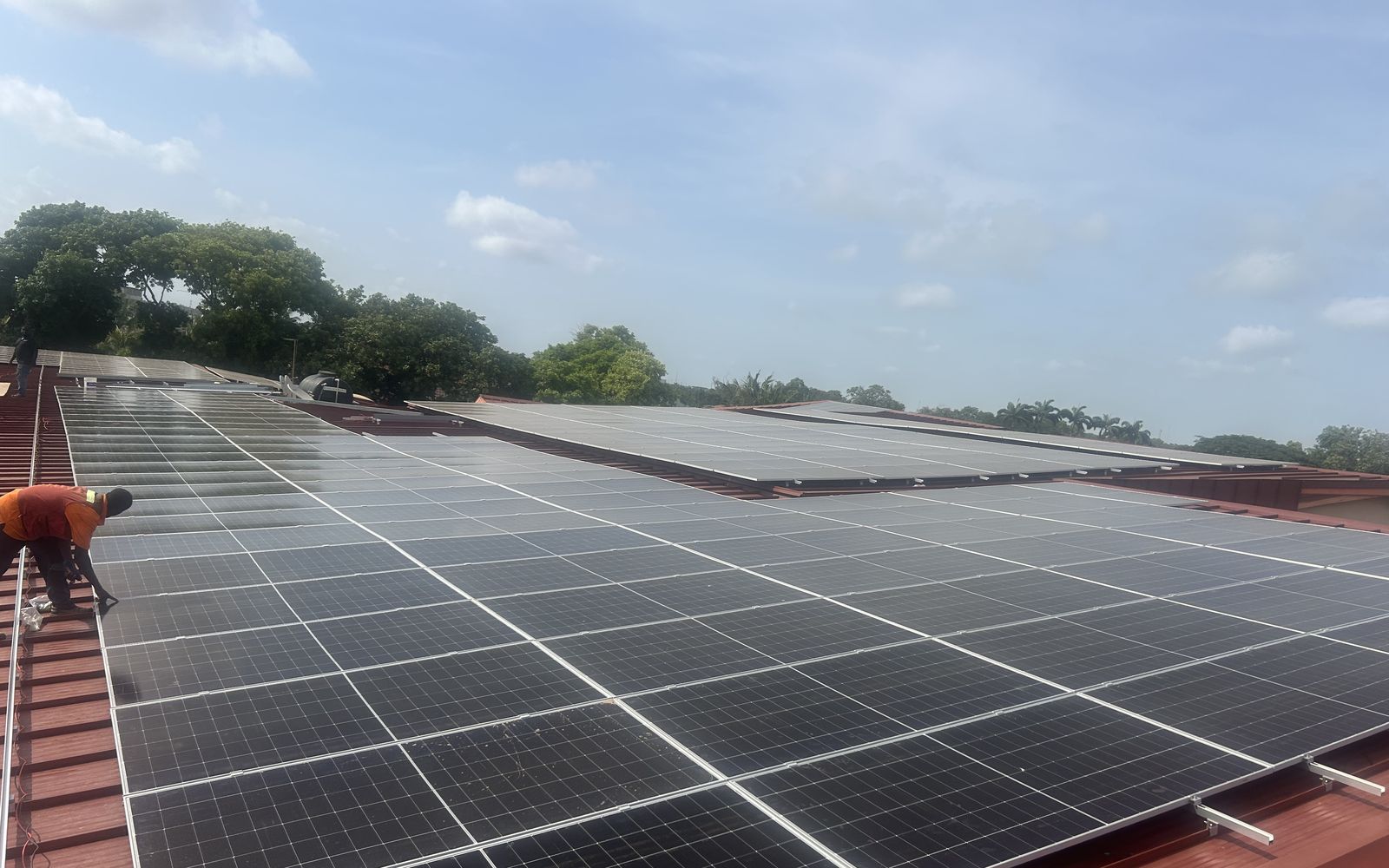
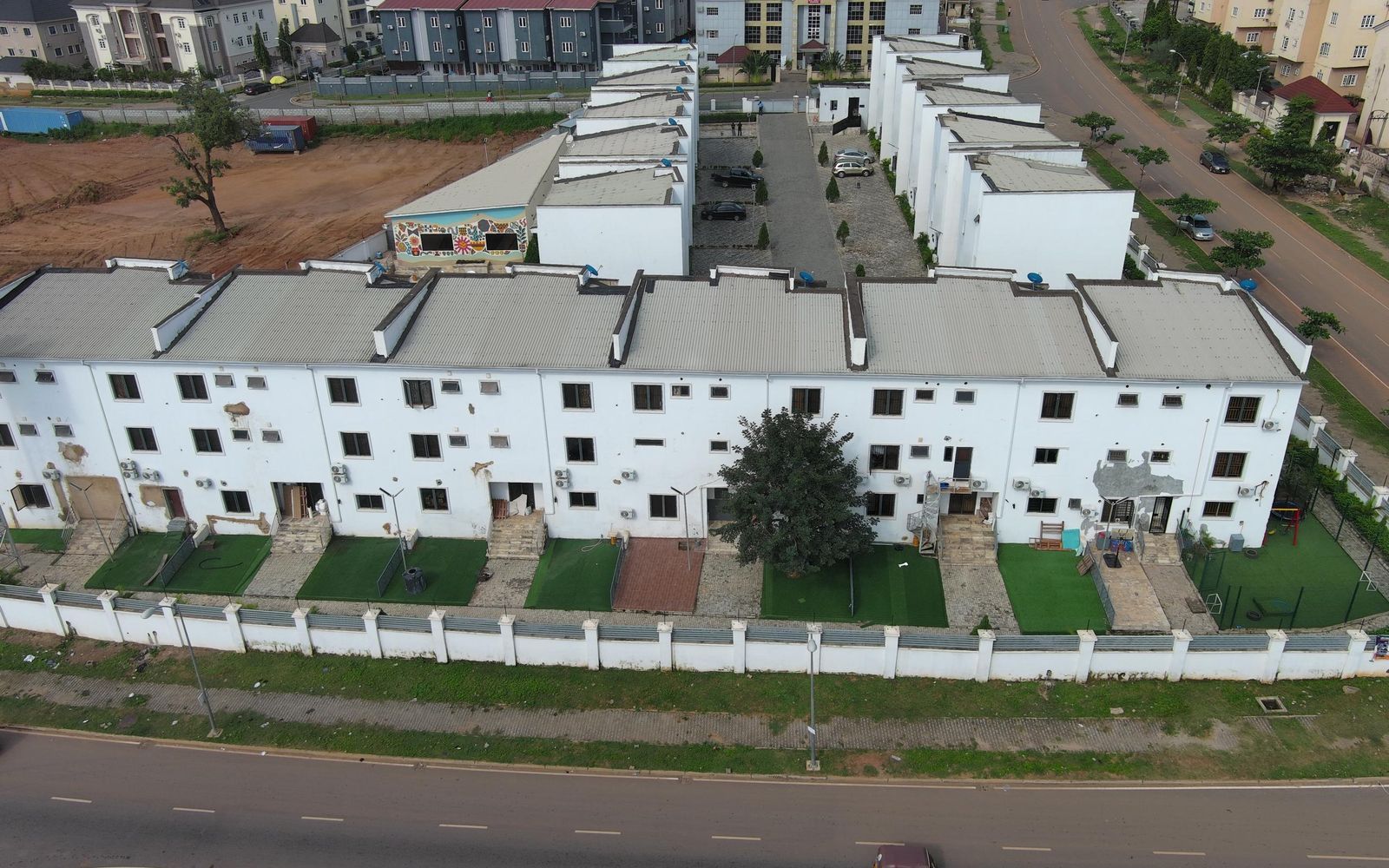
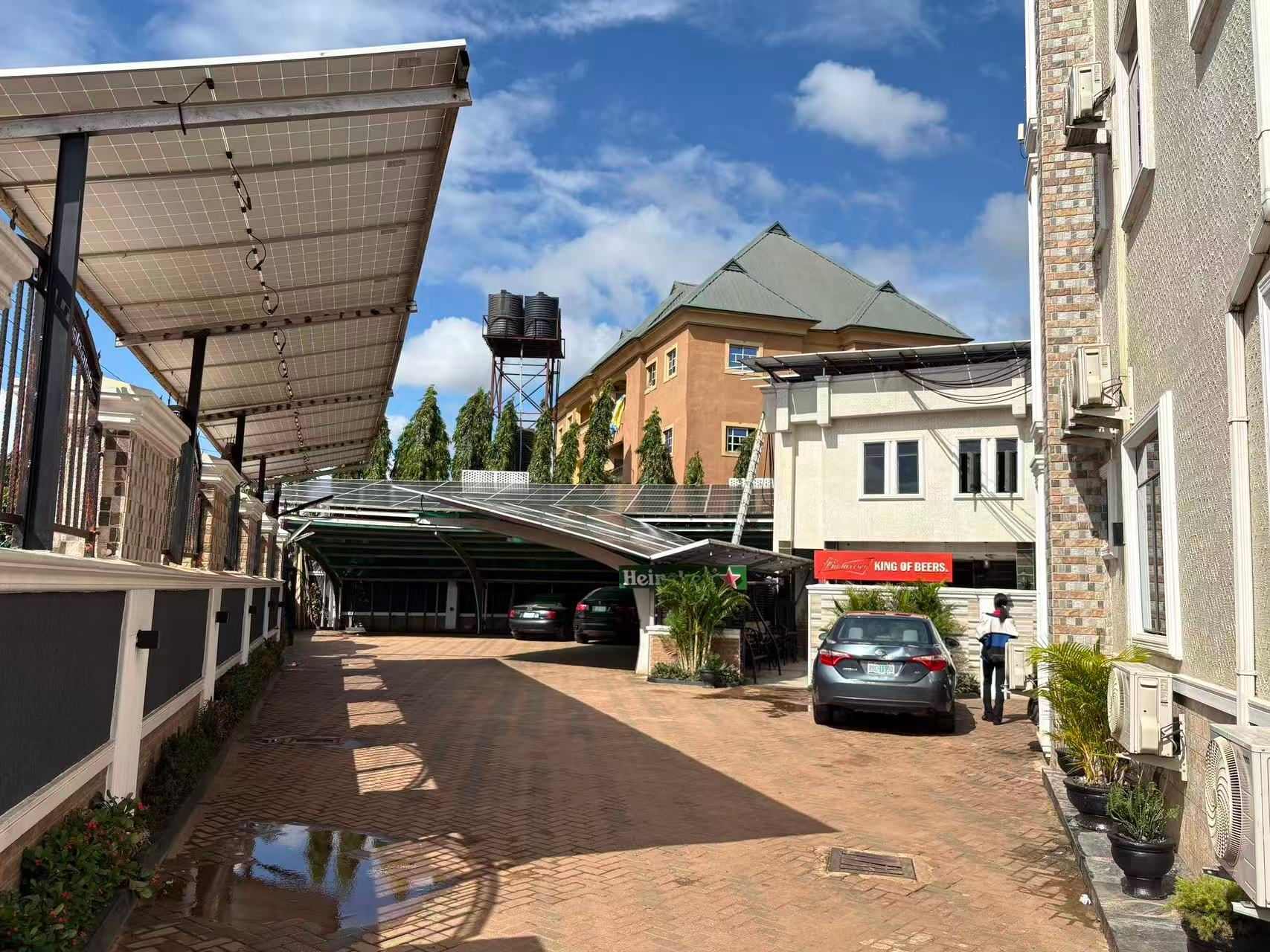
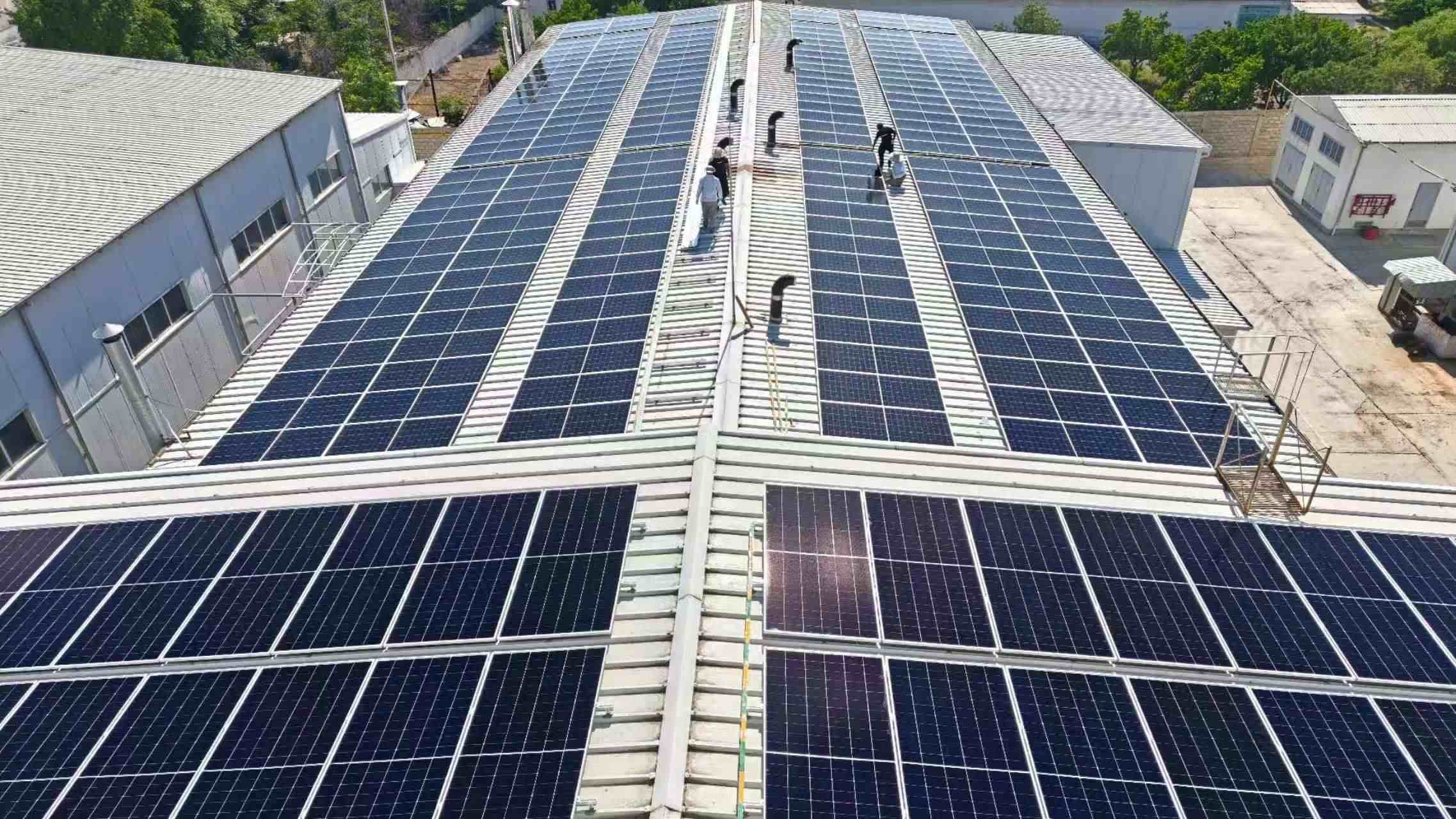
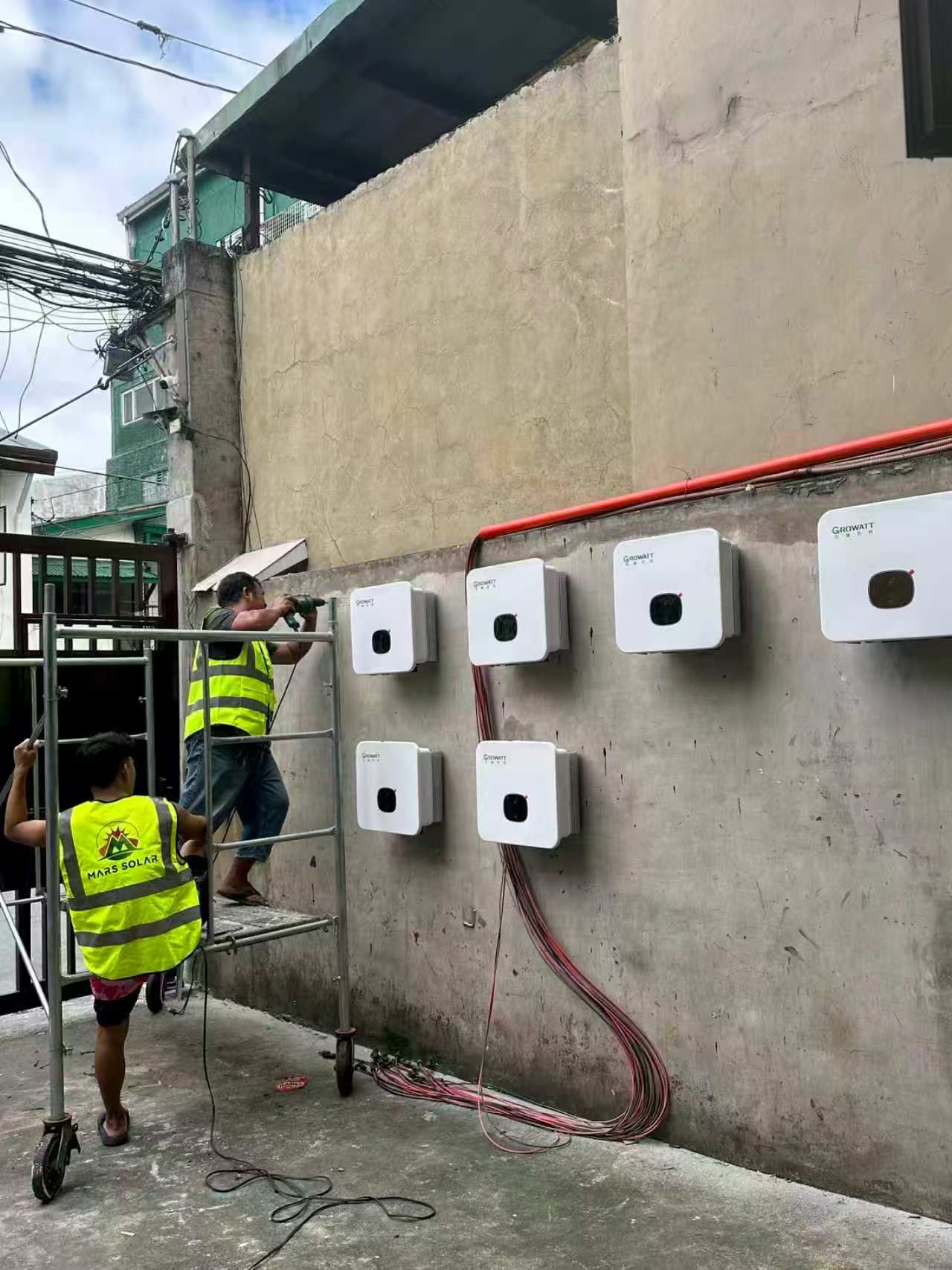
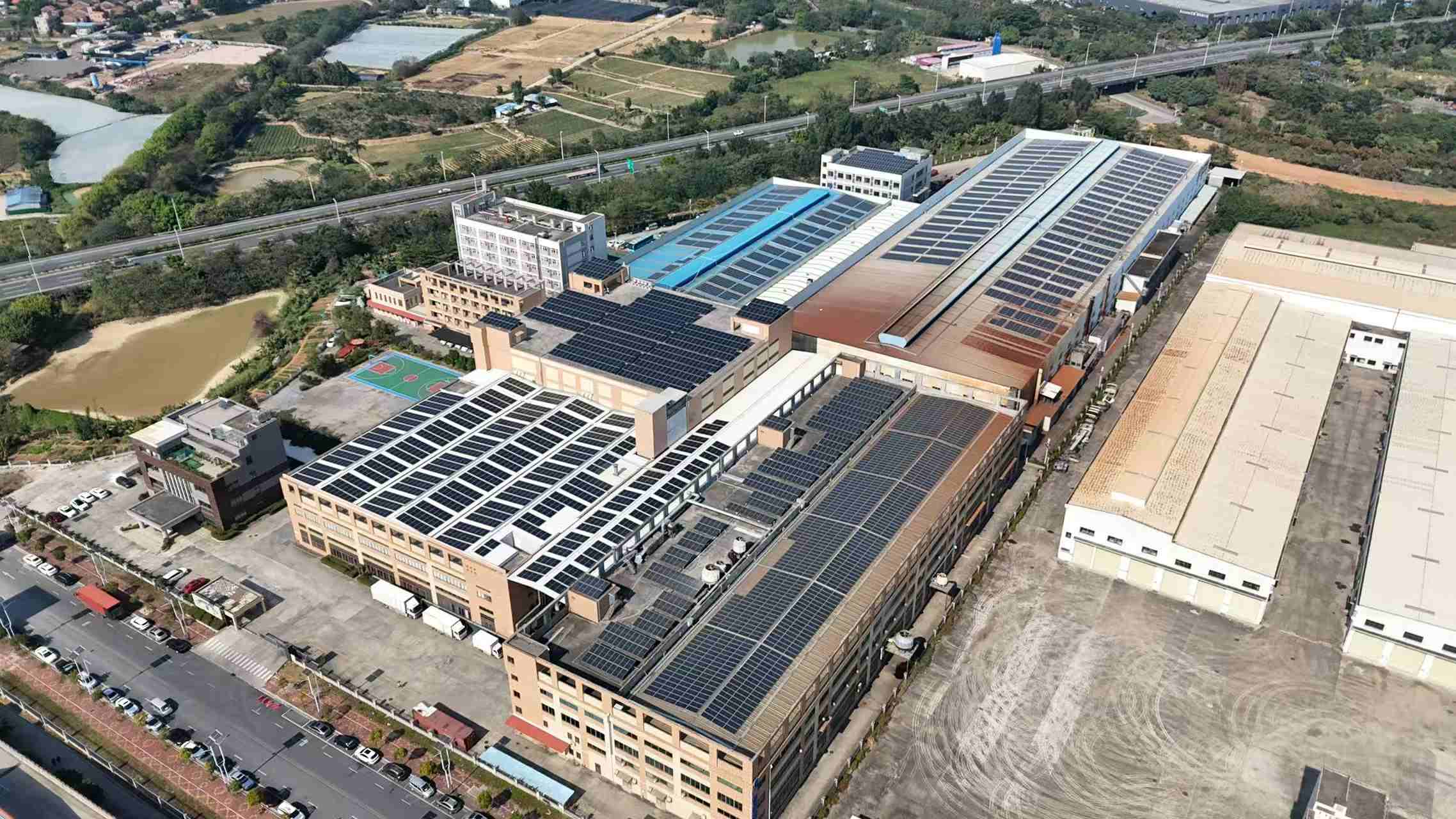
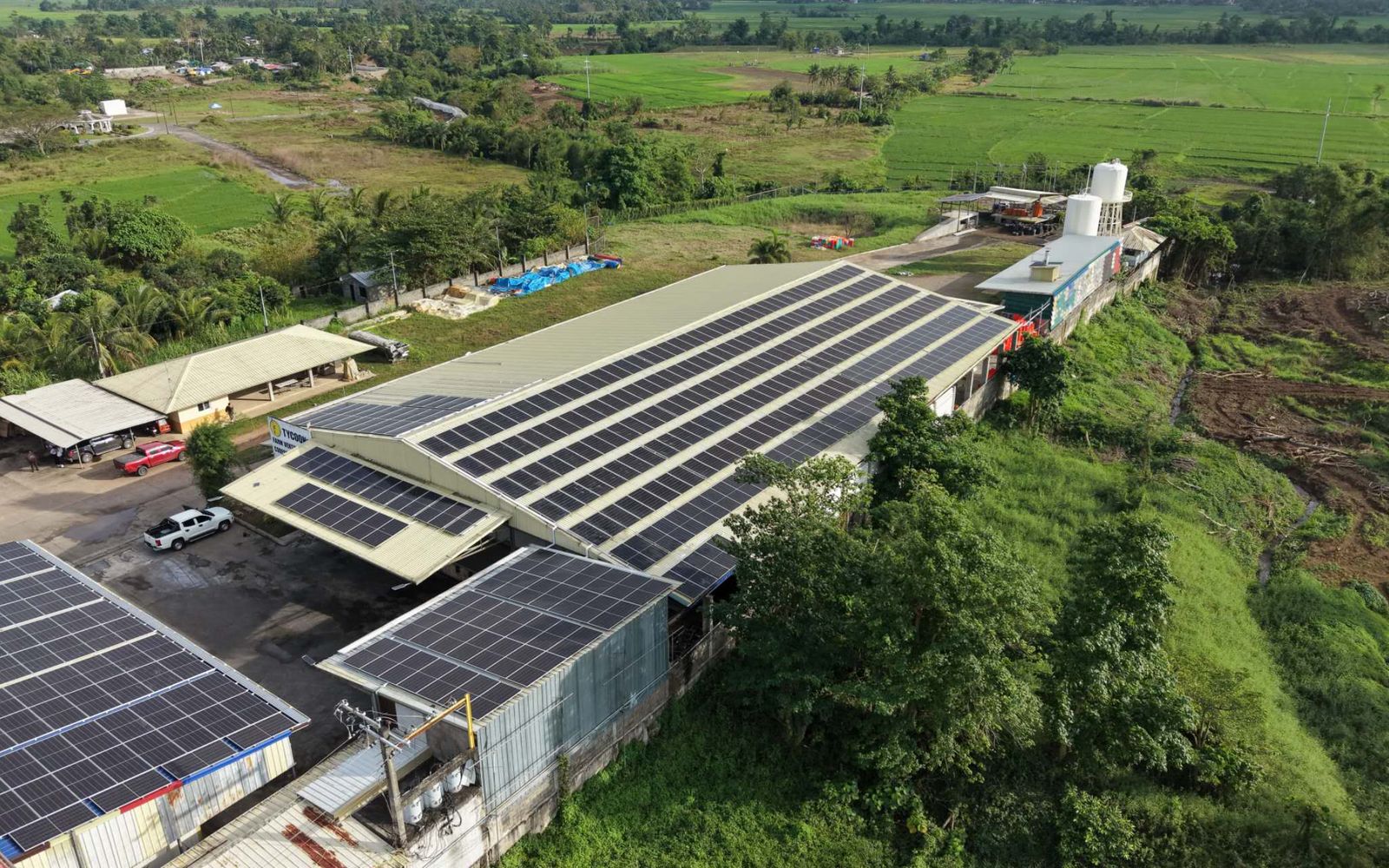
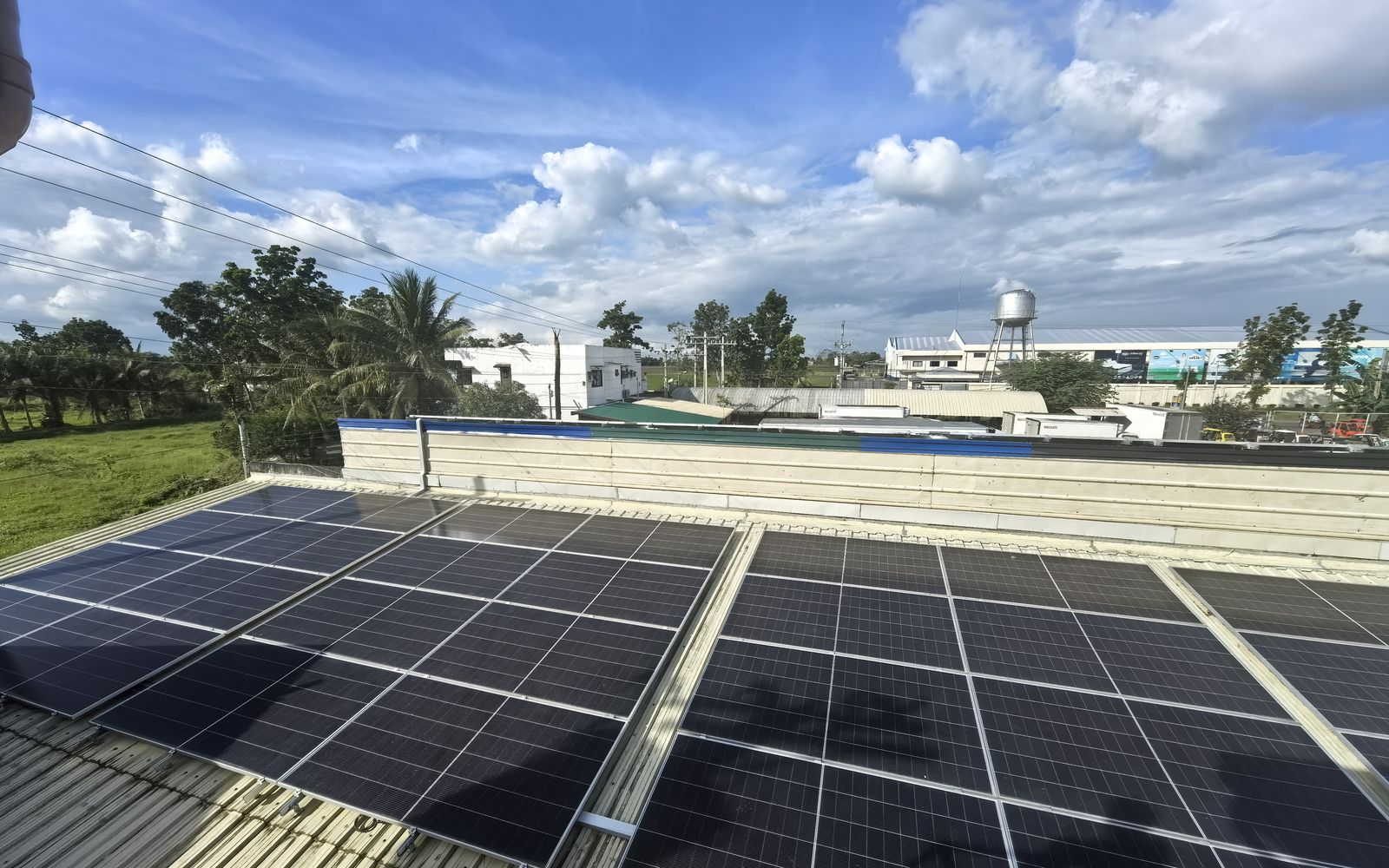
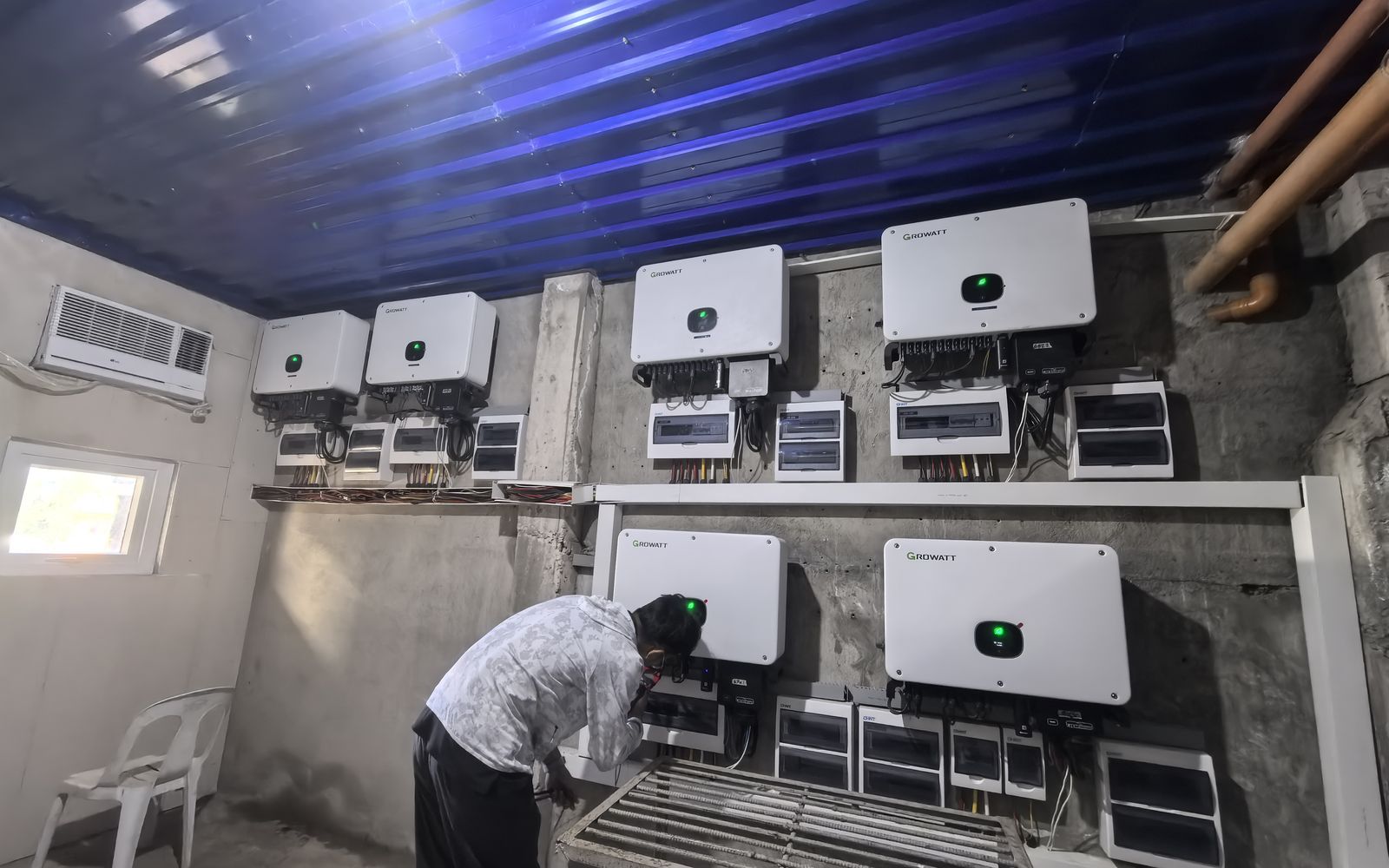
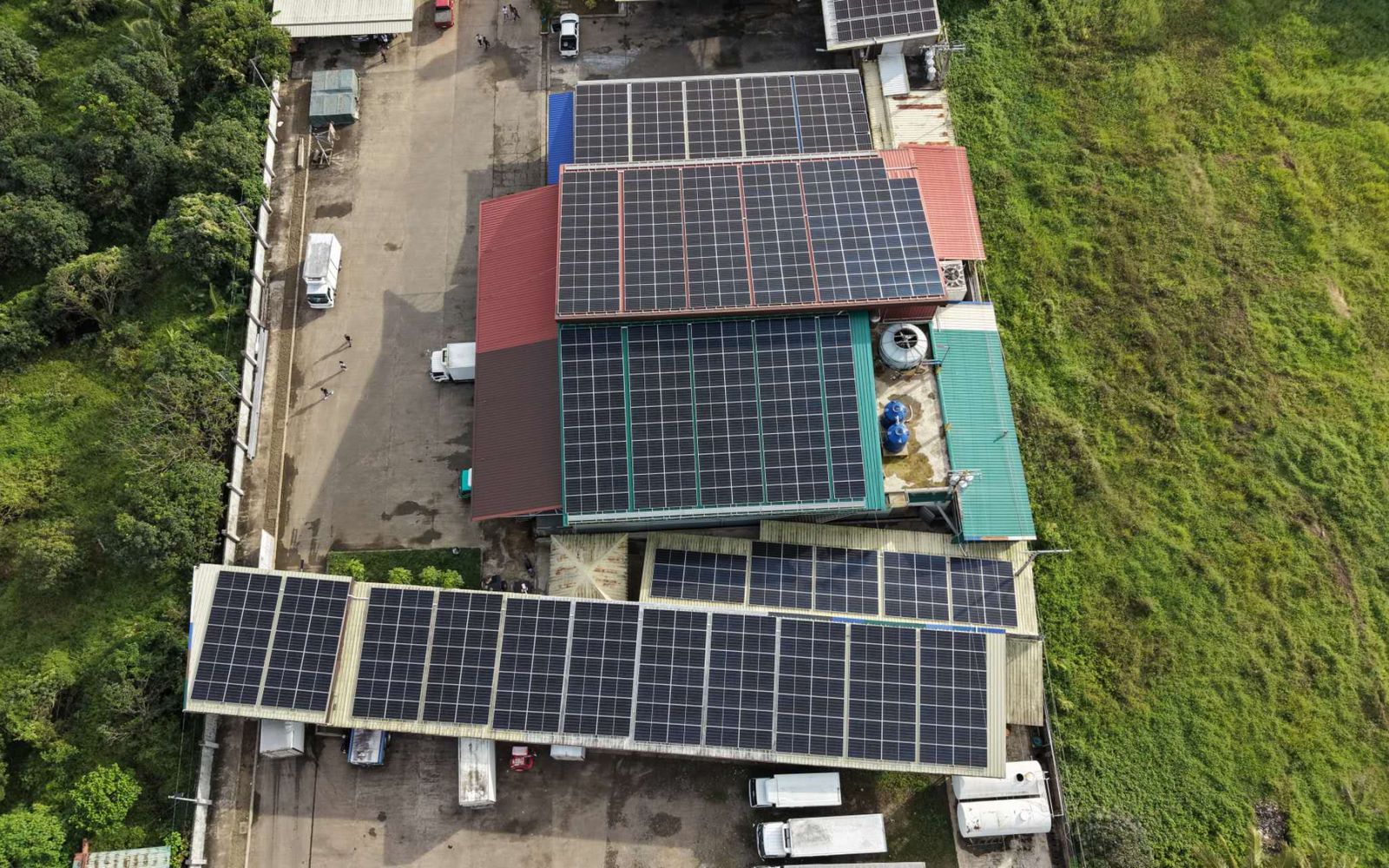
Aerial view of a 300kW solar system on a cold storage facility in Isabela, PhilippinesRooftop panels of a 300kW solar system for a cold storage plant in the PhilippinesInverter room of a 300kW solar system cold storage project in IsabelaDrone top view of the 300kW solar system installation on a Philippine cold storage factory

Informations sur le projet

Économies mensuelles d'électricité
₱470,000 / Month
Tarif de l'électricité du réseau
₱13.80 / kWh
Délai de récupération
25 Months
Investissement total dans le système
$195,000~$225,000
Démarrez votre projet

Aperçu du projet

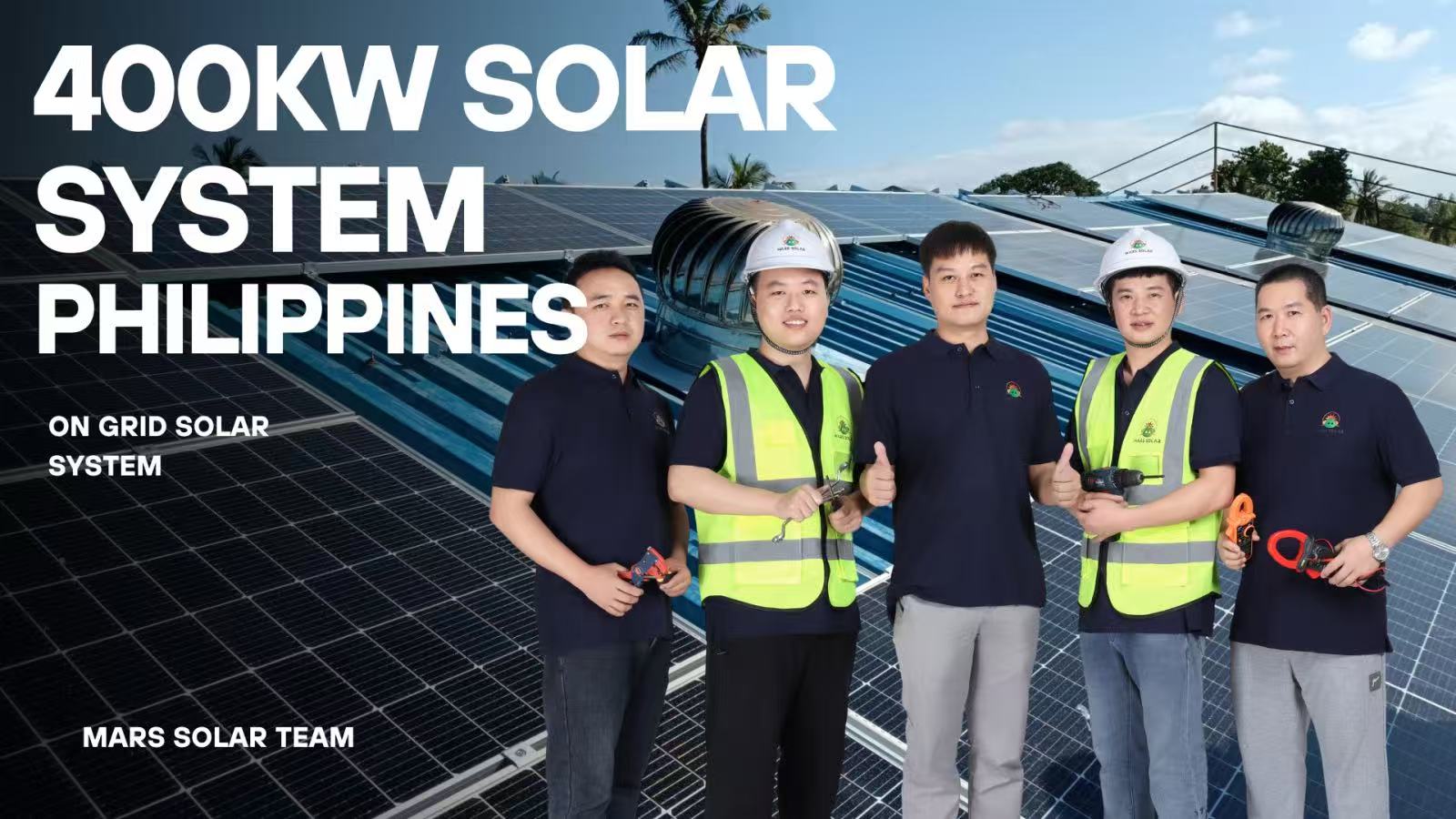
This 300kW solar system in Isabela province, Philippines powers a cold storage and food processing facility whose refrigeration compressors run 24 hours a day. Cold storage is one of the best solar loads in the country: the compressors never stop, so virtually every kilowatt-hour the array produces is consumed on site — no export, no curtailment, no wasted generation.

Mars Solar supplied the complete grid-tied system factory-direct: Tier-1 monocrystalline panels on the warehouse metal roof, string inverters in a dedicated inverter room, and the protection and monitoring package. Provincial cooperative electricity in diesel-dependent areas of the Philippines runs ₱14 to ₱16 per kWh — this facility pays a blended ₱13.80 per kWh — which is why the economics of a 300kW solar system here are stronger than in Metro Manila.

Installation ran in January 2026. The array was laid out on the existing purlins after a roof-structure check, DC runs were kept short to limit voltage drop in the tropical heat, and the inverter room was ventilated and commissioned bank by bank. The drone photos on this page show the finished array across the processing building and the cold store — every usable roof plane is working.

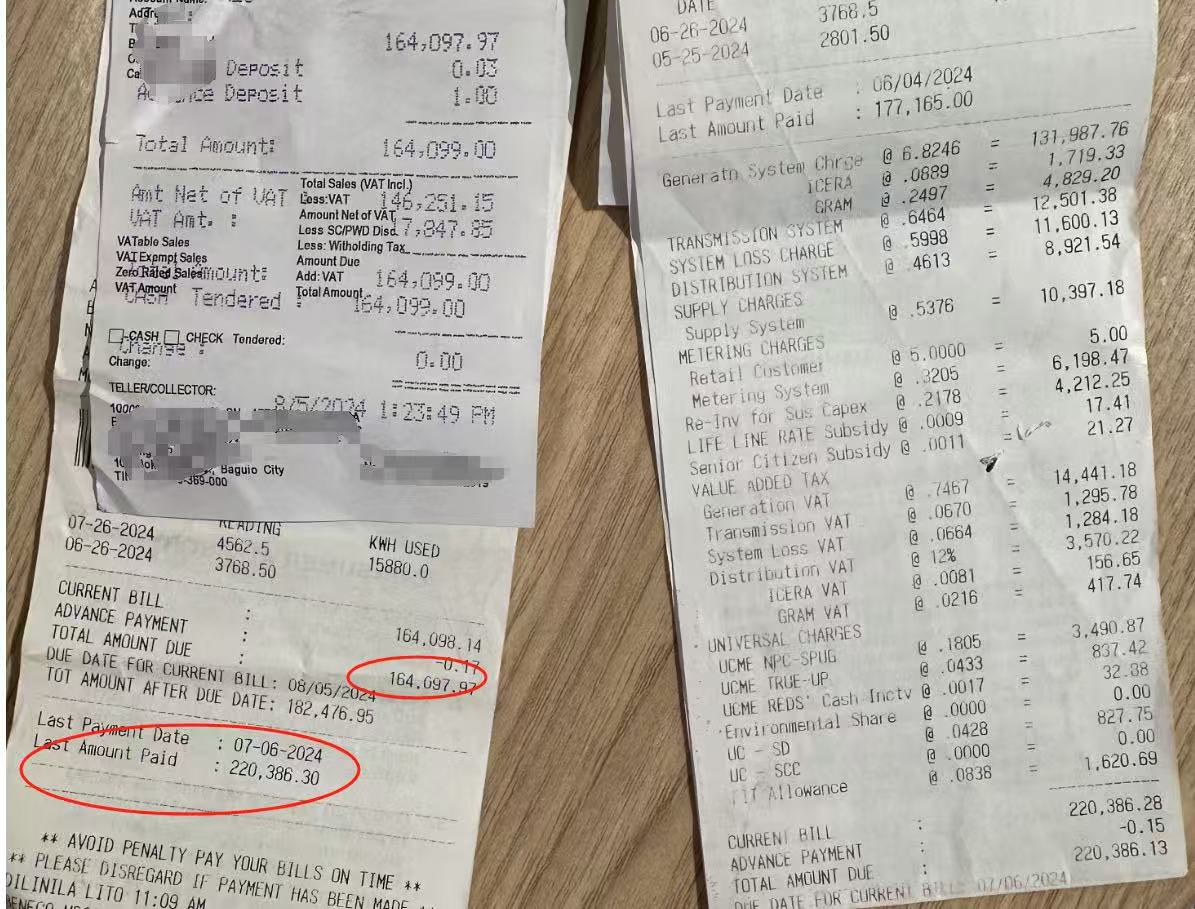
On the numbers: at Isabela's irradiance the 300kW solar system produces about 35,000 kWh per month. With a 97 percent self-consumption rate at ₱13.80 per kWh, verified savings run ₱470,000 (about $8,100) per month against a factory-direct investment of $195,000 to $225,000 — a 25-month payback, after which the cold chain runs on near-free daytime energy. The matching configuration is catalogued on our partner site as the 300kW solar system package.
Avantages

Factory-direct system pricing — panels, inverters and mounting ship from Mars Solar's own production lines, which is why this 300kW solar system landed 25 to 35 percent below local installer quotations in Isabela.
Matched to a 24/7 refrigeration load — cold storage compressors never stop, so 97 percent of generation is self-consumed; no energy is exported at a fraction of the retail rate.
Engineered for provincial grid conditions — the inverters ride through the voltage sags and brief outages typical of cooperative-served areas, and restart automatically without tripping the compressors.
Typhoon-rated mounting — the racking was specified for Philippine wind zones with through-bolted connections into checked purlins, not self-tappers into thin sheet alone.
Mobile APP real-time monitoring (iOS & Android) — the facility manager watches yield per inverter string and gets alerts if any string underperforms, protecting the savings figure.
Documentation pack included — single-line diagram, panel and inverter certificates, and the net metering application file prepared for the local electric cooperative.

Foire aux questions

How much electricity does a 300kW solar system generate in the Philippines?

At Isabela's irradiance a 300kW array yields roughly 1,350 to 1,450 kWh per kWp per year — about 420,000 kWh annually, or 35,000 kWh per month. Because this cold storage facility's refrigeration load runs around the clock, 97 percent of that energy is self-consumed at the full retail rate of ₱13.80 per kWh instead of being exported cheaply.

Why is cold storage ideal for a 300kW solar system in the Philippines?

Three reasons. The load never sleeps — compressors cycle day and night, so solar self-consumption approaches 100 percent. The load tracks the sun — refrigeration works hardest on hot, sunny afternoons exactly when the array peaks. And cold stores have big, flat, unobstructed roofs. Few other industries convert a 300kW solar system into cash savings as directly as cold chain logistics.

What did the engineering work in Isabela involve?

A roof-structure verification first — cold store roofs carry insulation loads already, so purlin capacity was checked before layout. Then mounting with typhoon-rated hardware, DC cabling sized for tropical ambient temperatures, and a ventilated inverter room commissioned string by string. The whole installation took under four weeks with zero interruption to the cold chain.

What is the payback period and ROI for this Isabela cold storage project?

The total investment was $195,000 to $225,000 factory-direct. Against verified savings of ₱470,000 (about $8,100) per month at the facility's blended ₱13.80 per kWh rate, payback works out to 25 months. Provincial cooperative tariffs of ₱14 to ₱16 per kWh in diesel-dependent areas shorten it further — this is why agro-industrial sites are the fastest-payback solar segment in the Philippines.

Does the facility still need grid power at night?

Yes — this is a grid-tied system without battery storage, deliberately. The refrigeration load at night is covered by the grid, and adding batteries was modelled but rejected: at a 97 percent daytime self-consumption rate, the marginal battery would take far longer to pay back than the array itself. The design is hybrid-ready, so storage can be added later without replacing inverters.

Can this 300kW solar system be expanded with battery storage later?

Yes. The inverter configuration is hybrid-ready: a 215kWh or larger LFP cabinet can be retrofitted on the AC side to carry evening loads and provide backup during cooperative outages, without touching the existing array. For storage sizing, see our système commercial de stockage d'énergie par batterie range, and the Philippines BESS cost guide for 2026 pricing.

300kW Solar System: What This Scale Requires

A 300kW solar system sits at the sweet spot of Philippine commercial solar: large enough that factory-direct pricing changes the economics fundamentally, small enough to install in weeks without heavy civil works. At this scale the design priorities are roof-structure verification, typhoon-rated mounting, DC cable sizing for heat, and an honest self-consumption estimate — the number that actually determines payback. Cold storage, agro-processing and manufacturing sites with daytime loads consistently land in the 2 to 3 year payback band. Our on-site solar survey measures the roof, the load and the interconnection point before any quotation is issued.

Designing a 300kW System for Provincial Philippine Conditions

Provincial installations add constraints Manila projects do not face: cooperative grids with voltage fluctuation, longer service distances, and typhoon exposure that makes mounting engineering non-negotiable. The payoff is tariff-driven — diesel-dependent cooperatives charge ₱14 to ₱16 per kWh, against Meralco's peak of roughly ₱14.83 in 2026 — so every self-consumed kWh is worth more. Buyers can verify utility rate structures at Meralco and their local cooperative. Designed properly, a 300kW solar system in the provinces is one of the highest-yield investments a Philippine agribusiness can make.

Partager en tant que :

Projets similaires réalisés

Abonnez-vous à notre newsletter

    Conception et fabrication de systèmes d'énergie solaire domestiques et commerciaux

    Suivez-nous

    Vous souhaitez une conception gratuite de système solaire pour votre bâtiment ?

    Laissez votre numéro de portable/WhatsApp/e-mail et nous vous répondrons dans l'heure !

      Obtenez dès maintenant des consultations gratuites, des catalogues, des spécifications de produits, des devis et bien plus encore.

      Langue

      en_usaresfrnlpt

      Langue