
El aumento de los costos de las materias primas y los cambios en las políticas están transformando la industria solar
La industria solar fotovoltaica (FV) global está entrando en un punto de inflexión crítico en cuanto a costos. La combinación del rápido aumento de los precios de las materias primas, el fuerte incremento en los costos del carbonato de litio y la próxima cancelación por parte de China de las devoluciones del IVA a las exportaciones a partir de abril está transformando radicalmente la dinámica de precios en toda la cadena de suministro.
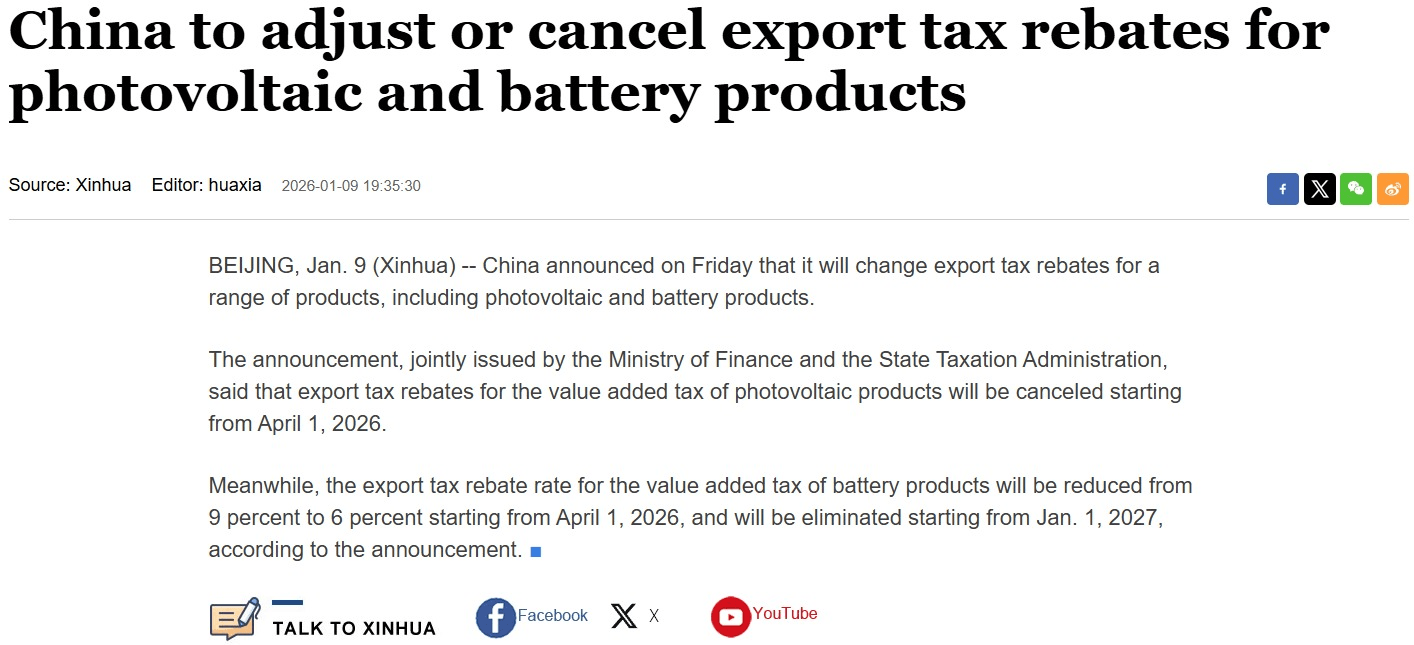
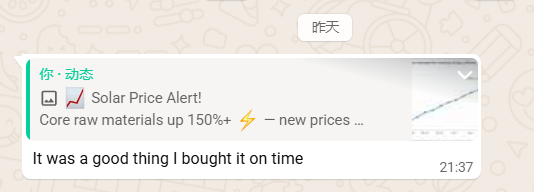
Las principales materias primas solares están entrando en un fuerte ciclo alcista.
En las últimas semanas, varios materiales esenciales para los sistemas fotovoltaicos han experimentado aumentos de precio acelerados.
- Los precios del polisilicio se han recuperado notablemente debido a una mayor disciplina en la oferta y la producción.
- Los precios de la plata se han disparado a nivel mundial, lo que ha provocado un aumento en los costos de la pasta de plata.
- *Los marcos de aluminio, el vidrio y los materiales auxiliares siguen mostrando una tendencia al alza.
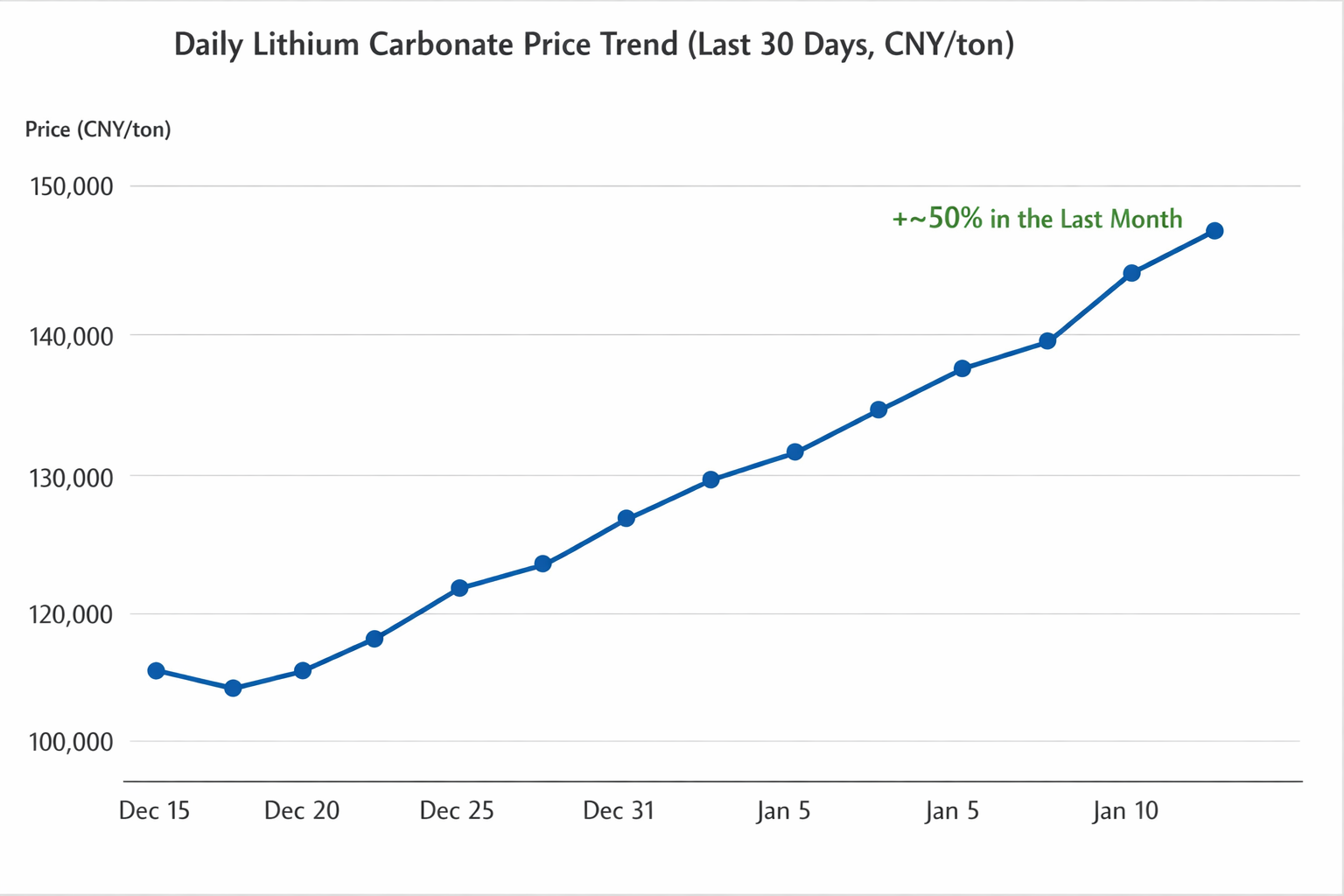
Los precios del carbonato de litio se disparan, elevando los costos del almacenamiento de energía.
Los precios del carbonato de litio se han recuperado con fuerza debido a los bajos niveles de inventario, las expectativas de demanda impulsadas por las políticas gubernamentales y el continuo crecimiento de la demanda de baterías por parte de los sectores de almacenamiento de energía y vehículos eléctricos. Esto incrementa directamente los costos de los sistemas fotovoltaicos con almacenamiento.
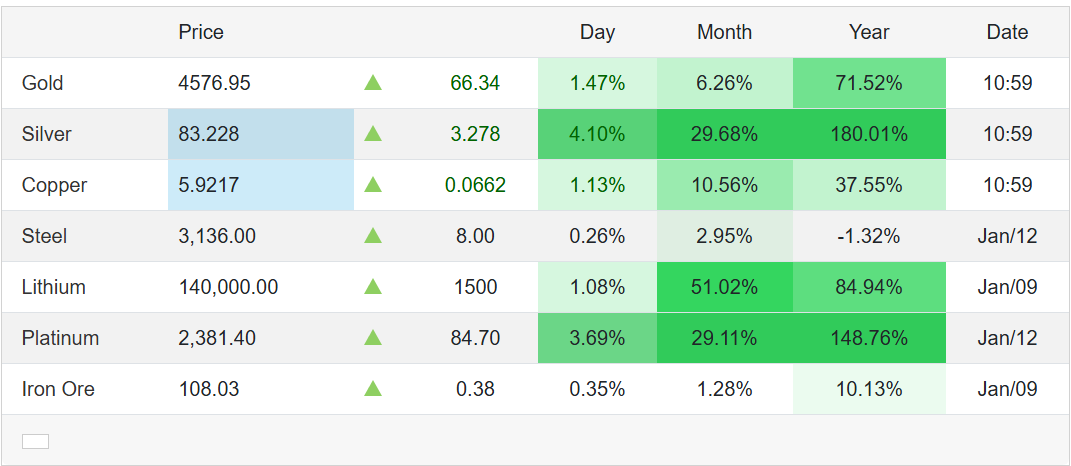
Cancelación por parte de China del reembolso del IVA a las exportaciones en abril.
China cancelará las devoluciones del IVA a la exportación de productos fotovoltaicos a partir de abril, y las devoluciones para baterías de litio se irán eliminando gradualmente.
Esto representa un aumento estructural de los costes de exportación de los productos fotovoltaicos y de almacenamiento de energía, lo que obliga a los fabricantes a subir los precios y acelerar los envíos antes de su puesta en marcha.
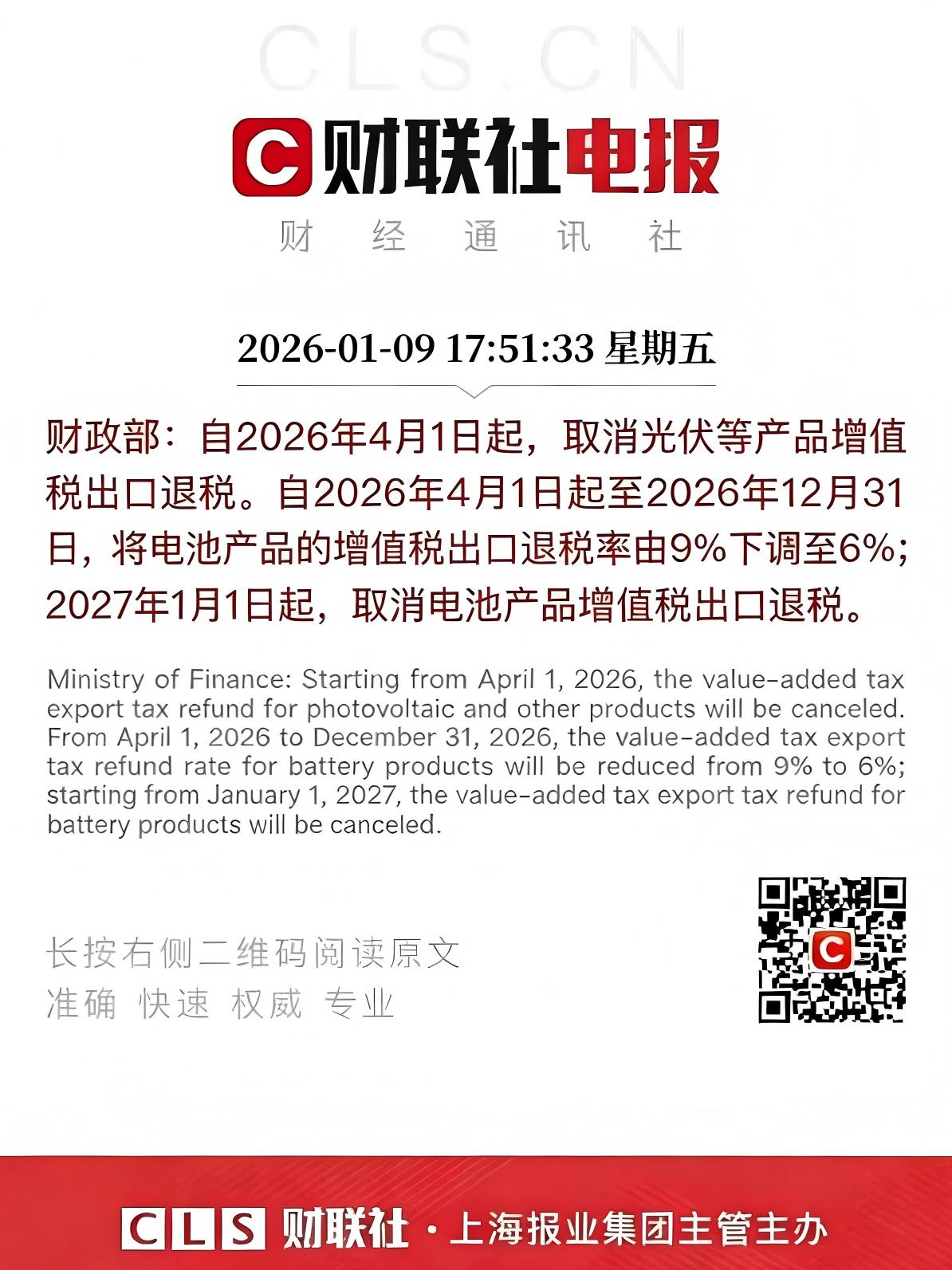
Impacto combinado en las adquisiciones
La convergencia de la inflación de las materias primas y los cambios en las políticas está reduciendo los plazos de contratación.
*Retrasar las compras ahora conlleva un mayor riesgo de costes.
*Los pedidos anticipados ayudan a fijar los precios y a asegurar el suministro.
Qué significa esto para los compradores del sector solar
De la evolución de los costes anterior se desprenden tres consecuencias. En primer lugar, los precios de los paneles dejan de bajar y comienzan a seguir la tendencia del polisilicio y el aluminio, que se producen en fases anteriores de la cadena de suministro. En segundo lugar, el almacenamiento se encarece antes de abaratarse, ya que el carbonato de litio es el eslabón inicial de la cadena de las baterías. En tercer lugar, se reduce el margen para fijar un precio: la convergencia de la inflación de las materias primas y el cambio en las devoluciones a la exportación hace que las cotizaciones que antes tenían una validez de treinta días ahora solo sean válidas durante diez.
Para los equipos de compras, la solución práctica consiste en fijar las especificaciones con antelación y calcular el precio de toda la lista de materiales de una sola vez, en lugar de optimizar primero los paneles y descubrir el coste de las baterías más tarde. Un comprador del sector solar que fije en un único contrato el precio de las células, la conversión de células a módulos y el resto del sistema evita lo peor de la diferencia entre el presupuesto de los paneles y el precio del sistema entregado.
Además, cambia dónde se generan los ahorros. Cuando suben los precios de los módulos, el margen de ingeniería se desplaza hacia la configuración: ajustar el tamaño de la matriz a la carga real, reduciendo el exceso de capacidad del inversor y determinando la capacidad de almacenamiento en función de la carga nocturna, en lugar de basarse en una regla empírica. Ese es un trabajo que se refleja en la lista de materiales, no en el precio nominal por vatio.
Los equipos de compras que realizan un seguimiento de estos movimientos pueden contrastar los aspectos normativos con el Oficina de Tecnologías de Energía Solar del Departamento de Energía de EE. UU., que publica datos sobre los costes y la implantación del sector solar con la misma periodicidad. En cuanto a los aspectos relacionados con las importaciones y los aranceles de una compra, consulta nuestra Guía de importación de energía solar en Filipinas.
Si estás elaborando el presupuesto para una instalación este año, la verdad es que el sector de la energía solar ha pasado de ser un mercado deflacionista a uno volátil. Planifica con un rango de precios en lugar de una cifra concreta y pregunta a tu proveedor qué componentes del presupuesto son fijos y cuáles varían en función del mercado al contado.
Publicamos nuestros propios precios de la lista de materiales del sector solar, con un plazo de validez y una lista detallada de componentes, de modo que el comprador pueda ver exactamente qué partidas han variado y por qué cuando se actualiza un presupuesto. Esa transparencia es la única respuesta viable para un mercado en el que el mismo sistema tiene precios diferentes con tan solo tres semanas de diferencia.
Una nota práctica más para quienes vayan a calcular presupuestos este año: la diferencia que existe en el sector solar entre el presupuesto de los paneles y el precio final del sistema instalado es lo que suele hacer que la mayoría de los presupuestos se salgan del presupuesto, ya que los gastos de transporte, los aranceles y los componentes del sistema siguen ciclos diferentes a los de los propios módulos. Pide que te den las tres cosas en una sola cifra.

 English
  Arabic
  Spanish
  French
  Dutch
Dutch  Portuguese