
Sistema de energía solar de 200 kW para un molino de arroz | Proyecto de energía fotovoltaica y baterías en Abuja, Nigeria
Información del proyecto
Descripción
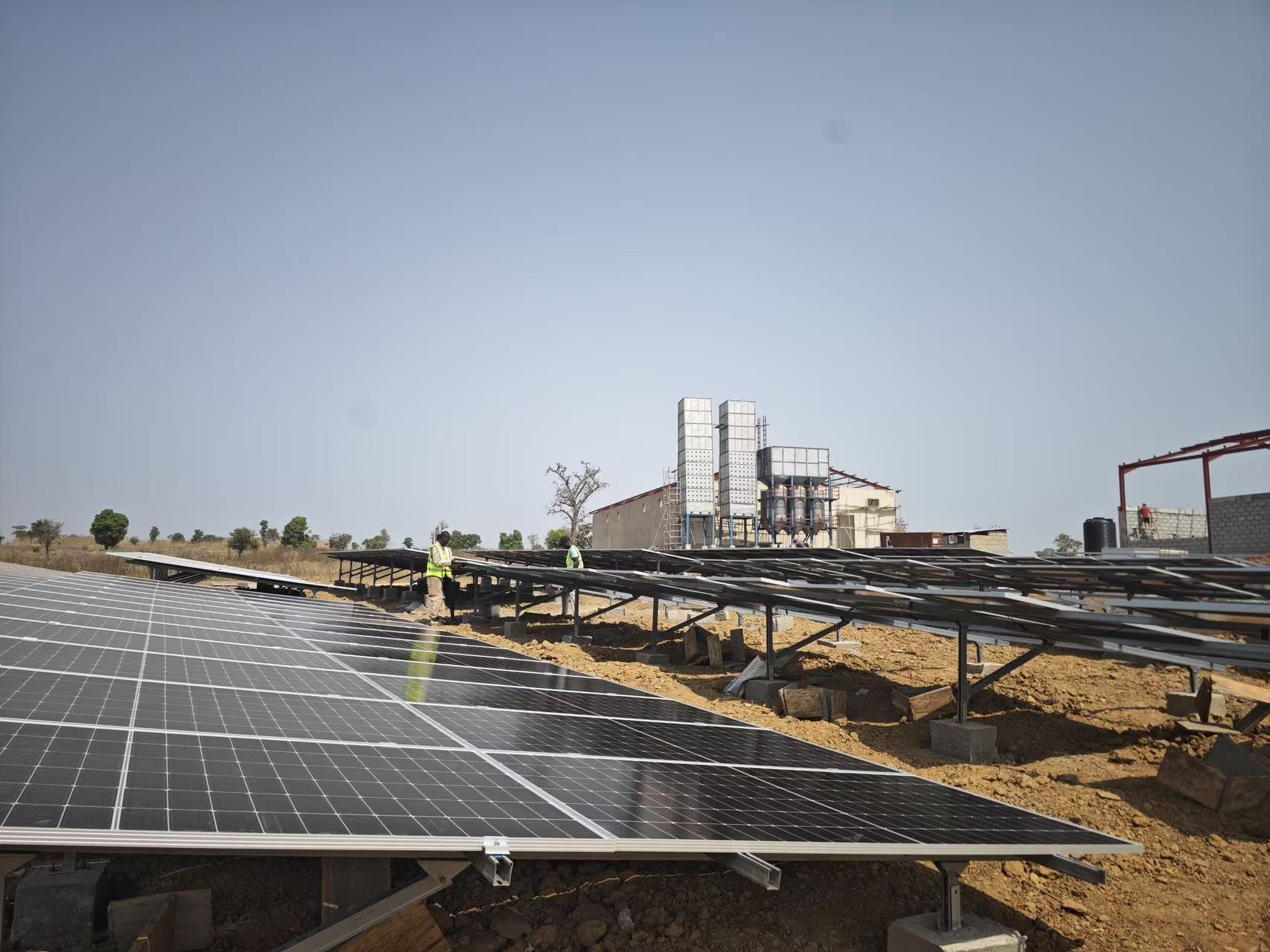
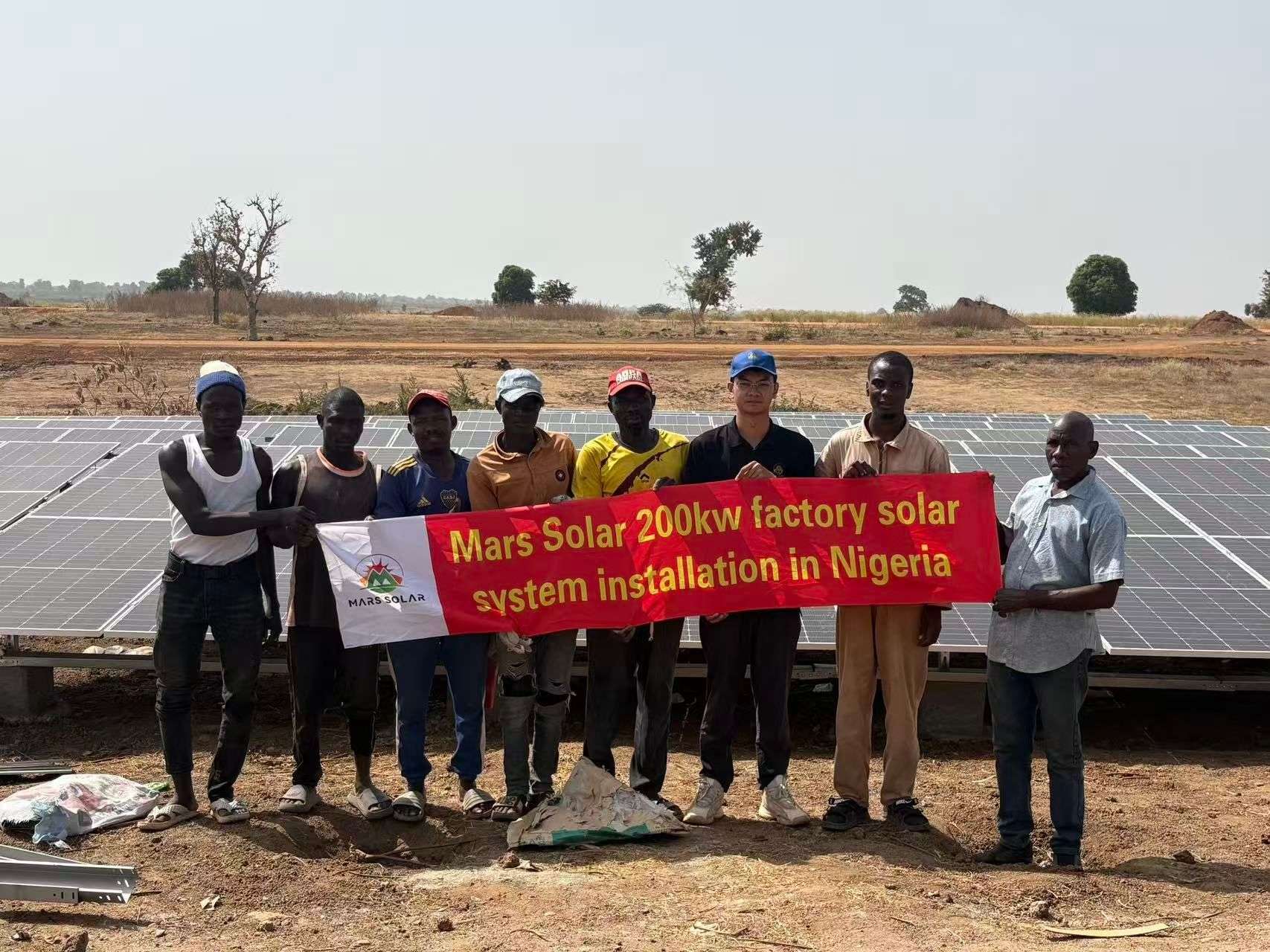
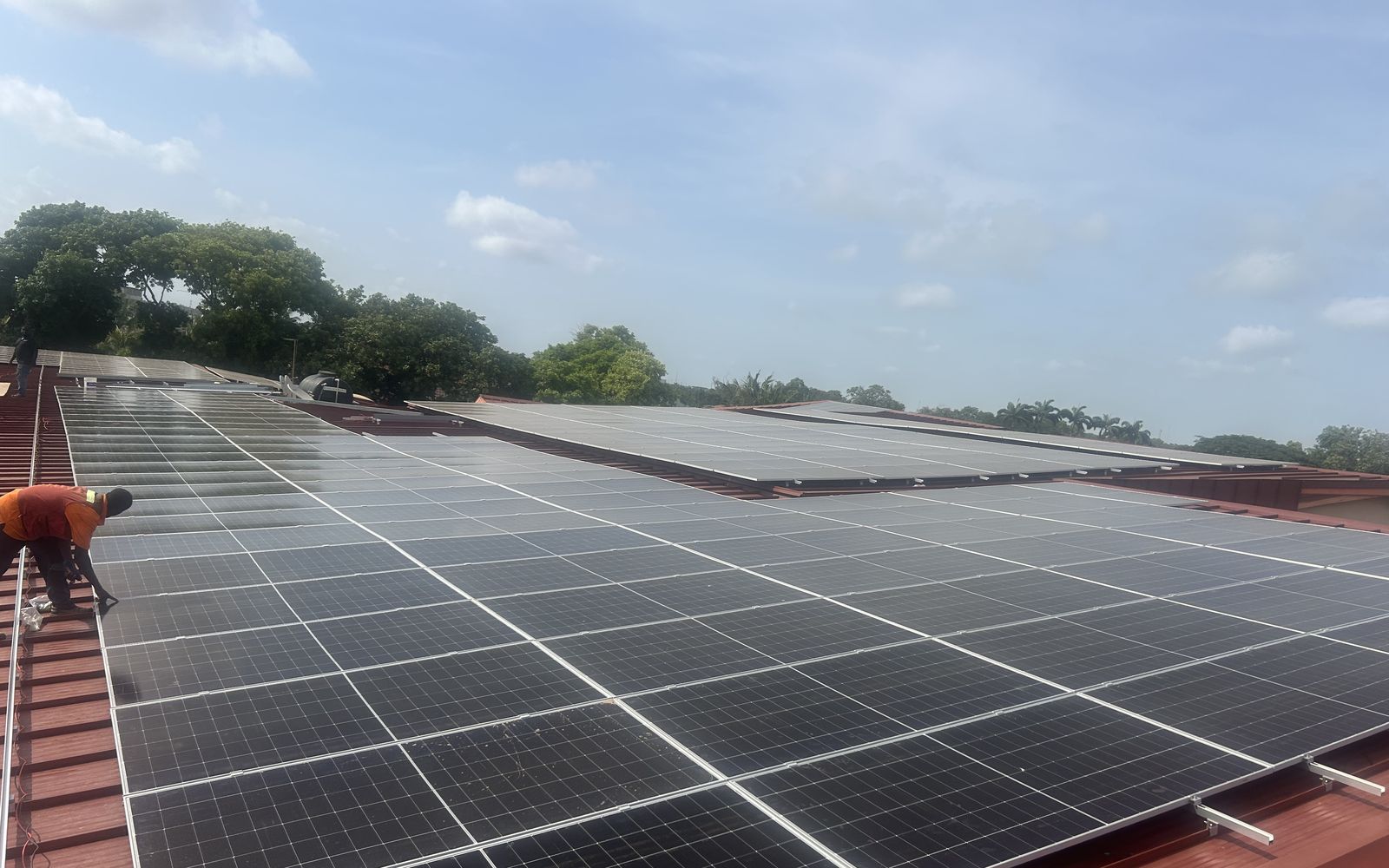
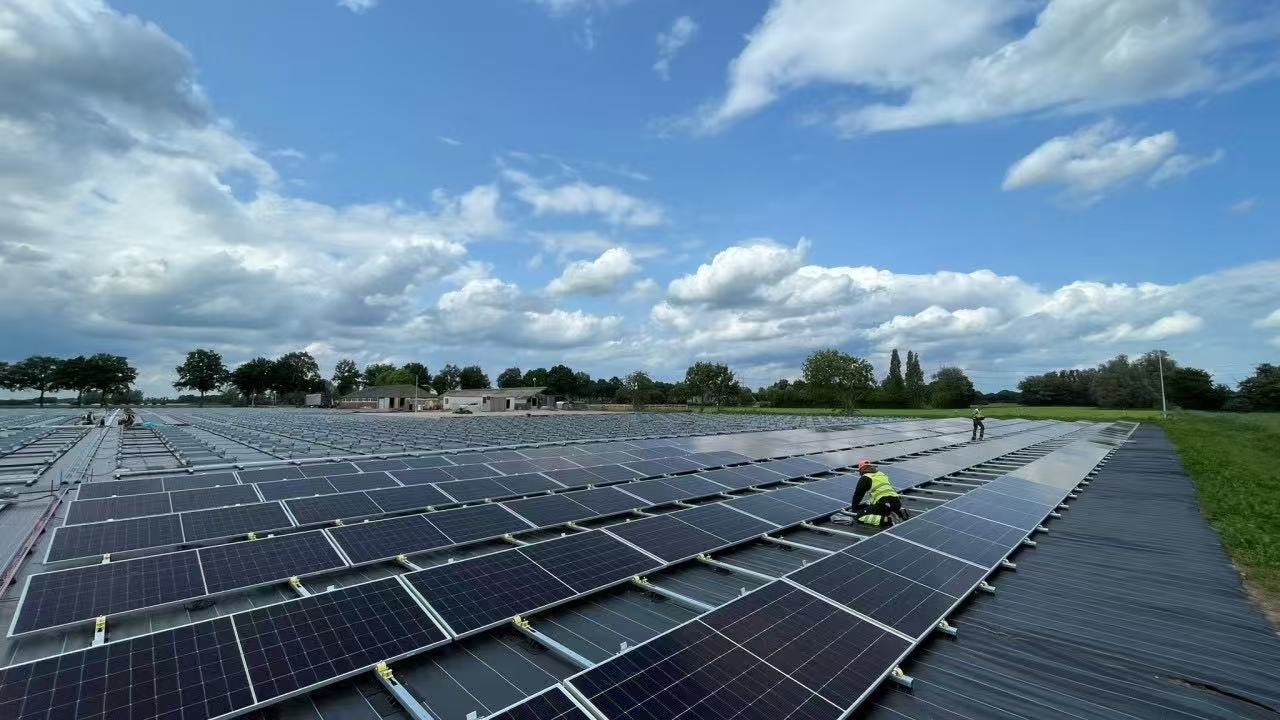
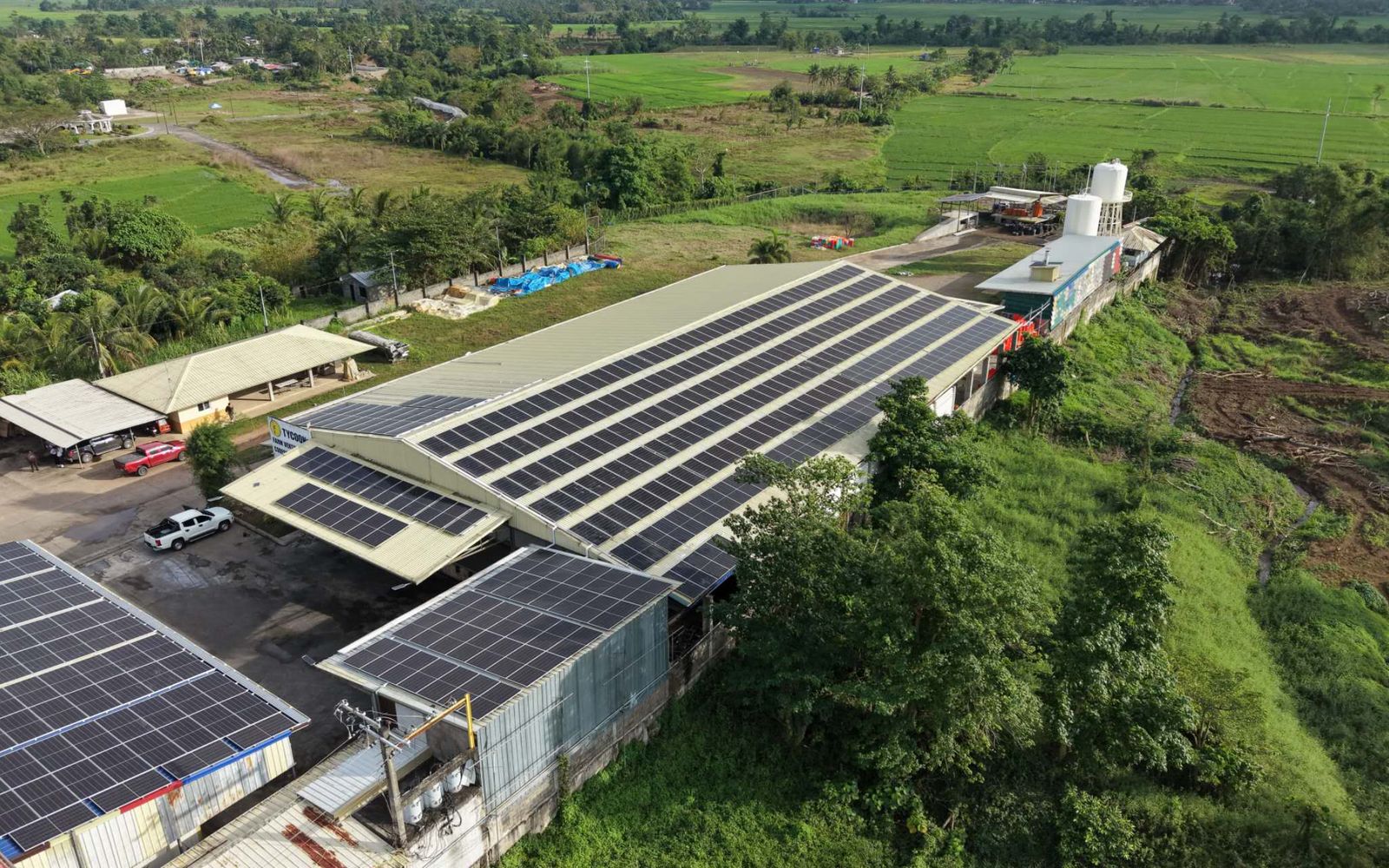
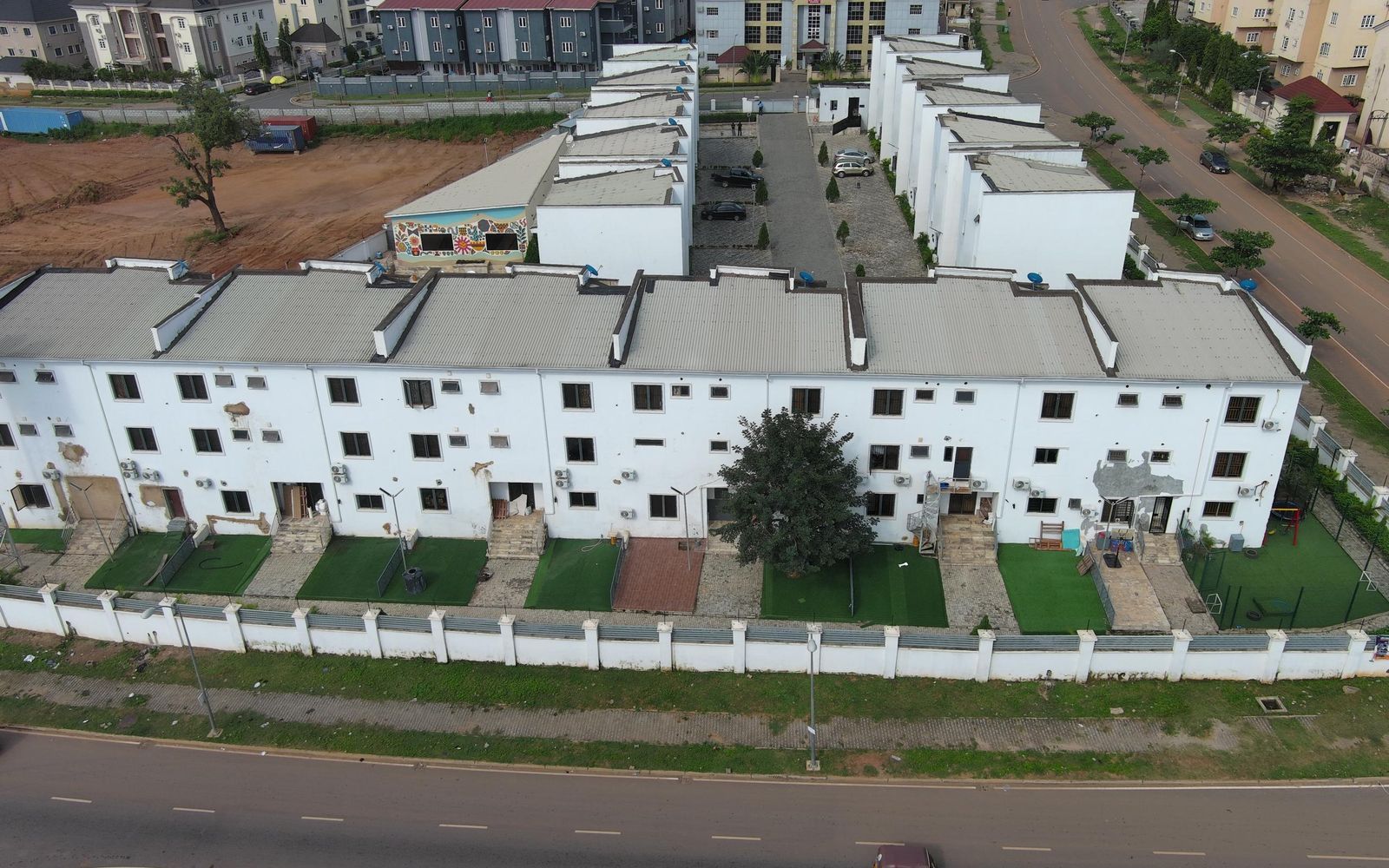
This 200kW solar energy system was built for a rice mill in Abuja that could not keep production running on grid power and diesel alone.
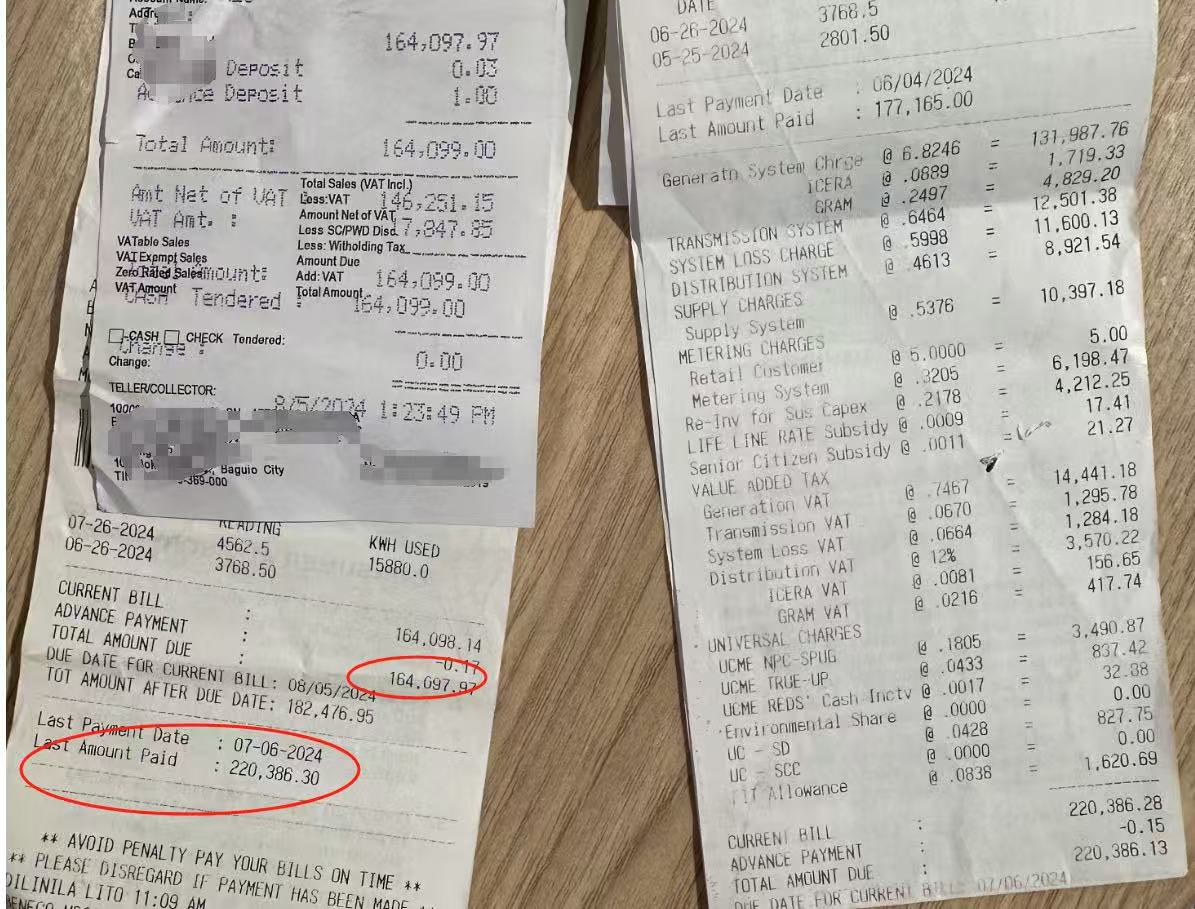
Las tarifas eléctricas inestables y exorbitantes en Nigeria han supuesto un gran quebradero de cabeza para el operador de la fábrica.
Incluso optando por la tarifa más cara de Clase A, seguía teniendo problemas para conseguir un suministro eléctrico estable. Por ello, a menudo tenía que depender de generadores diésel. El elevado coste de la energía generada con diésel ha sido un problema constante para el operador, lo que le ha llevado a buscar un sistema de energía solar más estable y rentable.
Learning that Mars Solar boasts 17+ years of professional experience in supplying solar energy systems and excels at tailoring stable, reliable energy solutions with long-term economic value for clients, the operator specially turned to Mars Solar to customize a 200kW photovoltaic (PV) energy storage system.
The project has been completed and commissioned. It cuts the operator’s monthly electricity costs by USD 8,000+ at a local tariff of 0.35 USD per kWh, with the investment recovered in 14 months. What’s more, the factory will enjoy free electricity for over 20 years thereafter.
Ventajas
200kW Solar Energy System: What the Abuja Rice Mill Needed
A rice mill is one of the hardest loads to run on solar. Milling motors pull three to six times their running current on start-up, and the mill runs two shifts, so the array has to cover daytime production while the battery carries the evening peak and the motor surges. We sized this 200kW solar energy system from fourteen days of logged consumption rather than from a nameplate, separating base load from surge load before a single panel was specified.
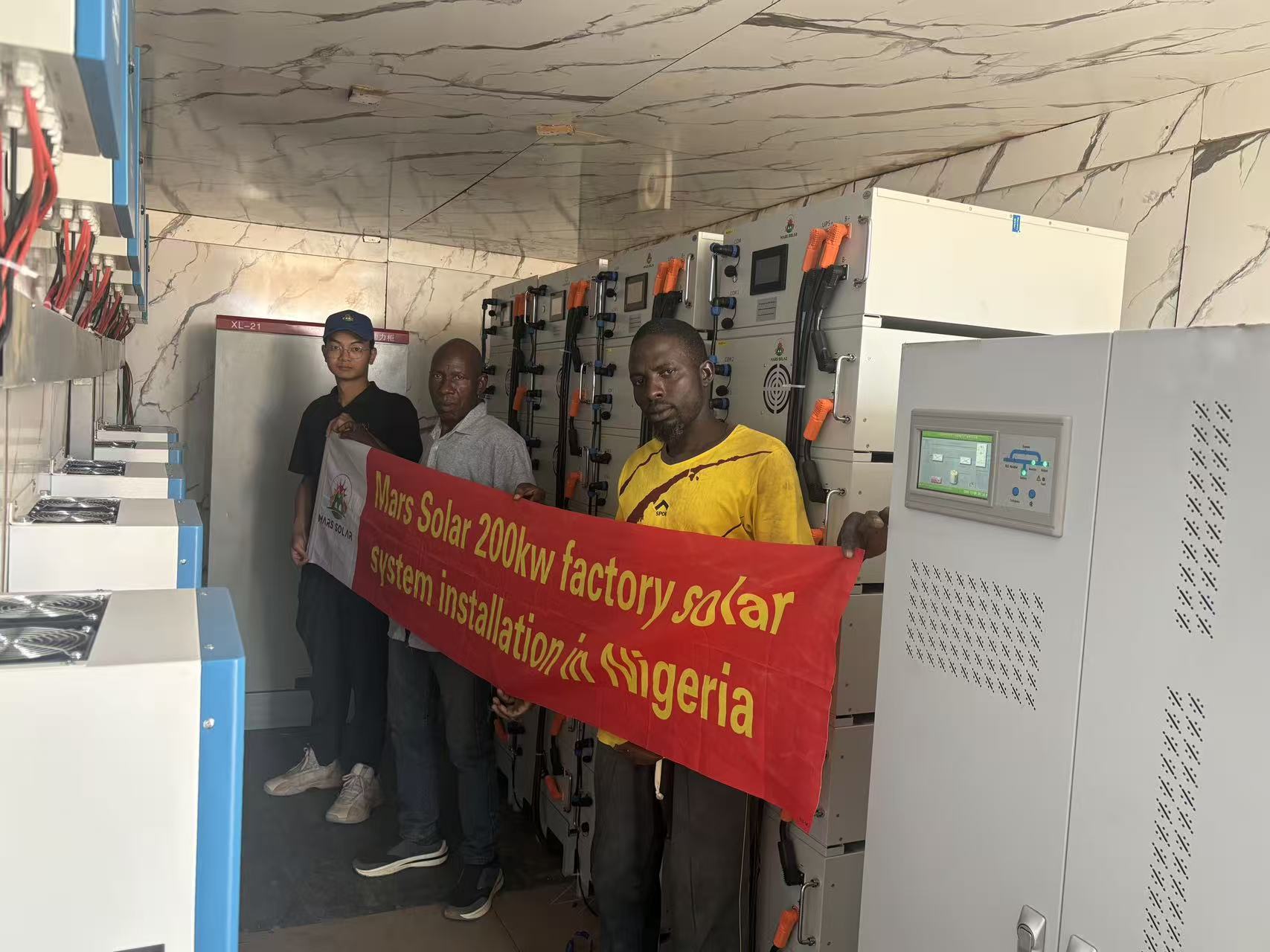
The storage block is what makes the difference. Without a battery, a 200kW solar energy system only offsets daytime grid draw and the mill still buys diesel for the evening shift. With a matched battery bank the inverters carry the motor starts and the diesel set stays off for the whole production window. That is where the eight thousand dollars a month in the project summary comes from: not from the tariff alone, but from fuel that stopped being bought.
Payback on this site landed at fourteen months against a local tariff of 0.35 USD per kWh. For buyers comparing quotes the useful number is not the price per watt but the cost of the energy you no longer buy, so we publish the load log, the bill of materials and the commissioning report together. See our solar import guide for Nigeria for the duty and clearance side of a project this size.
National electrification programmes and utility tariffs are the backdrop for every industrial solar decision here, and the Programa de energía del Banco Mundial tracks how those tariffs move year to year. We design a 200kW solar energy system against the tariff you actually pay, not against a regional average.
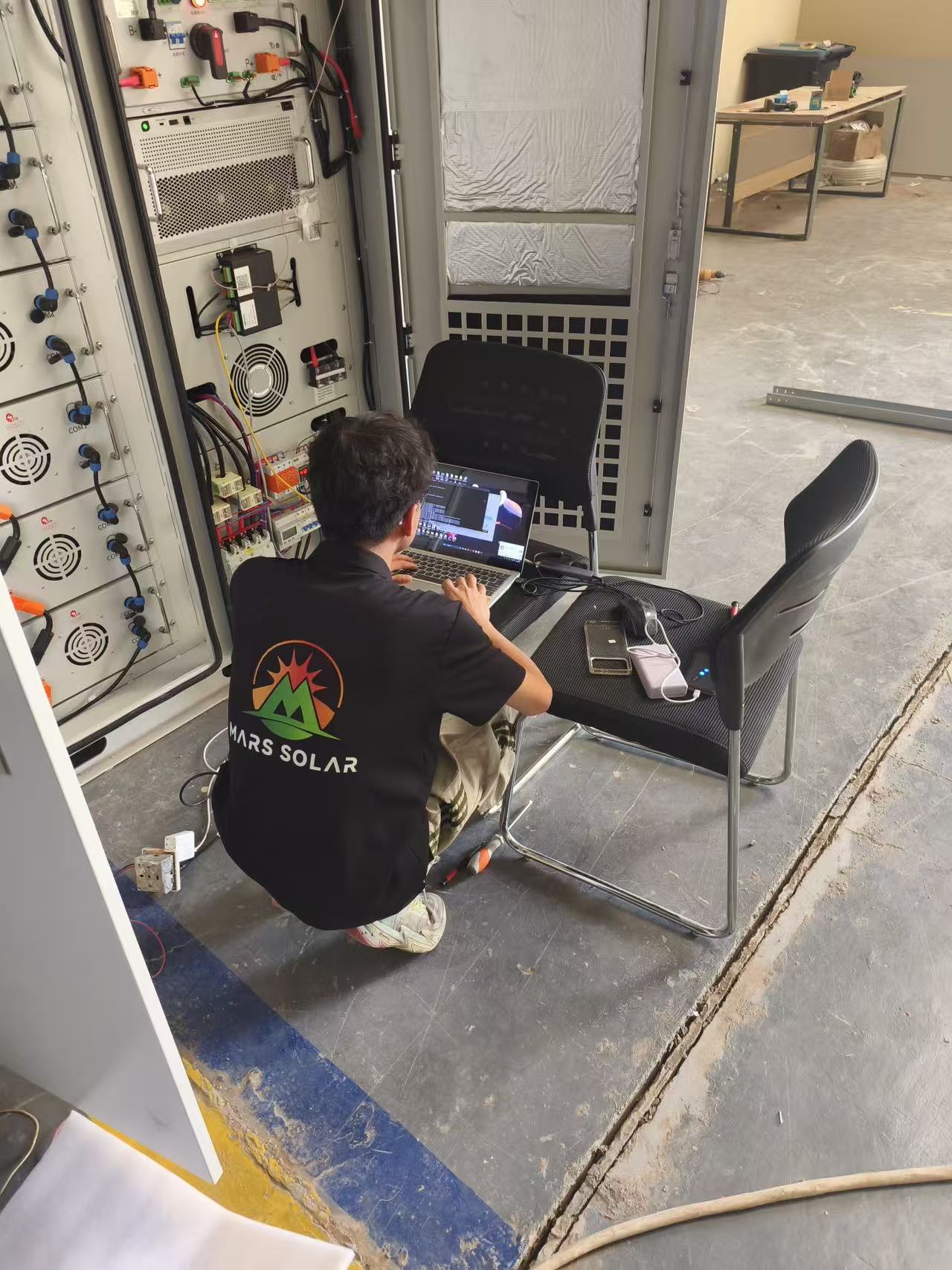
Commissioning took eleven days on site: structure, string wiring, inverter and battery commissioning, then a seven-day burn-in with the mill running its normal production schedule. Every string was measured before the inverters were energised, and the full test report ships with the 200kW solar energy system.
Where this design generalises. Any mill, cold room or workshop with motor starts and two shifts needs the same three things this 200kW solar energy system has: inverter headroom for the surge, a battery sized to the overlap, and an array sized to the logged daytime load rather than to the roof area.
Preguntas frecuentes
What does a 200kW solar energy system cover?
A rice mill is one of the hardest loads to run on solar. Milling motors pull three to six times their running current on start-up, and the mill runs two shifts, so the array has to cover daytime production while the battery carries the evening peak and the motor surges.
What should buyers check before ordering a 200kW solar energy system?
This 200kW solar energy system was built for a rice mill in Abuja that could not keep production running on grid power and diesel alone. The unstable and exorbitant electricity tariffs in Nigeria have been a major headache for the factory operator.
Project Record
The project record for this 200kW solar energy system deployment in Abuja lists the documented design, delivery scope, results basis and investment terms in one place, separating documented facts from confirmed results.
Project identity. Industry: rice milling. Location: Abuja, Nigeria. Facility: rice mill running two shifts on grid power (Tariff Class A) backed by diesel generators. Commissioning date, project reference number and client authorization scope are pending documentation.
System design. PV array: 200 kW. Battery storage: matched battery bank sized for motor surge and the evening production peak; installed kWh capacity is pending documentation. Sizing basis: fourteen days of logged consumption with base load separated from surge load, rather than nameplate estimates. Critical loads covered: milling motors drawing three to six times their running current on start-up, across daytime production and the evening shift. Backup target: the inverters carry the motor starts so the diesel set stays off for the whole production window.
Delivery boundary. Mars Solar designed and supplied the 200 kW photovoltaic energy storage system, drawing on 17+ years of experience supplying solar energy systems. Commissioning took eleven days on site — structure, string wiring, inverter and battery commissioning — followed by a seven-day burn-in with the mill running its normal production schedule. Every string was measured before the inverters were energised, and the full test report ships with the system. Published documentation: the load log, the bill of materials and the commissioning report. Warranty: 25 years on solar panels.
Result basis. Confirmed result: monthly savings of USD 8,000+ and payback in 14 months against a local tariff of 0.35 USD per kWh, from grid electricity displaced and diesel fuel no longer bought. Measurement basis: the fourteen-day load log and normal production maintained through the burn-in period. A formal metered measurement period is pending documentation.
Investment note. The system price is not published on this page and is pending documentation. Currency: USD. Quote scope, quote date and O&M assumptions are pending documentation.

 English
  Arabic
  Spanish
  French
  Dutch
Dutch  Portuguese