
Idioma
Métrico | Valor |
Tamaño del sistema | Energía solar fotovoltaica de 150 kW + LiFePO₄ BESS de 300 kWh |
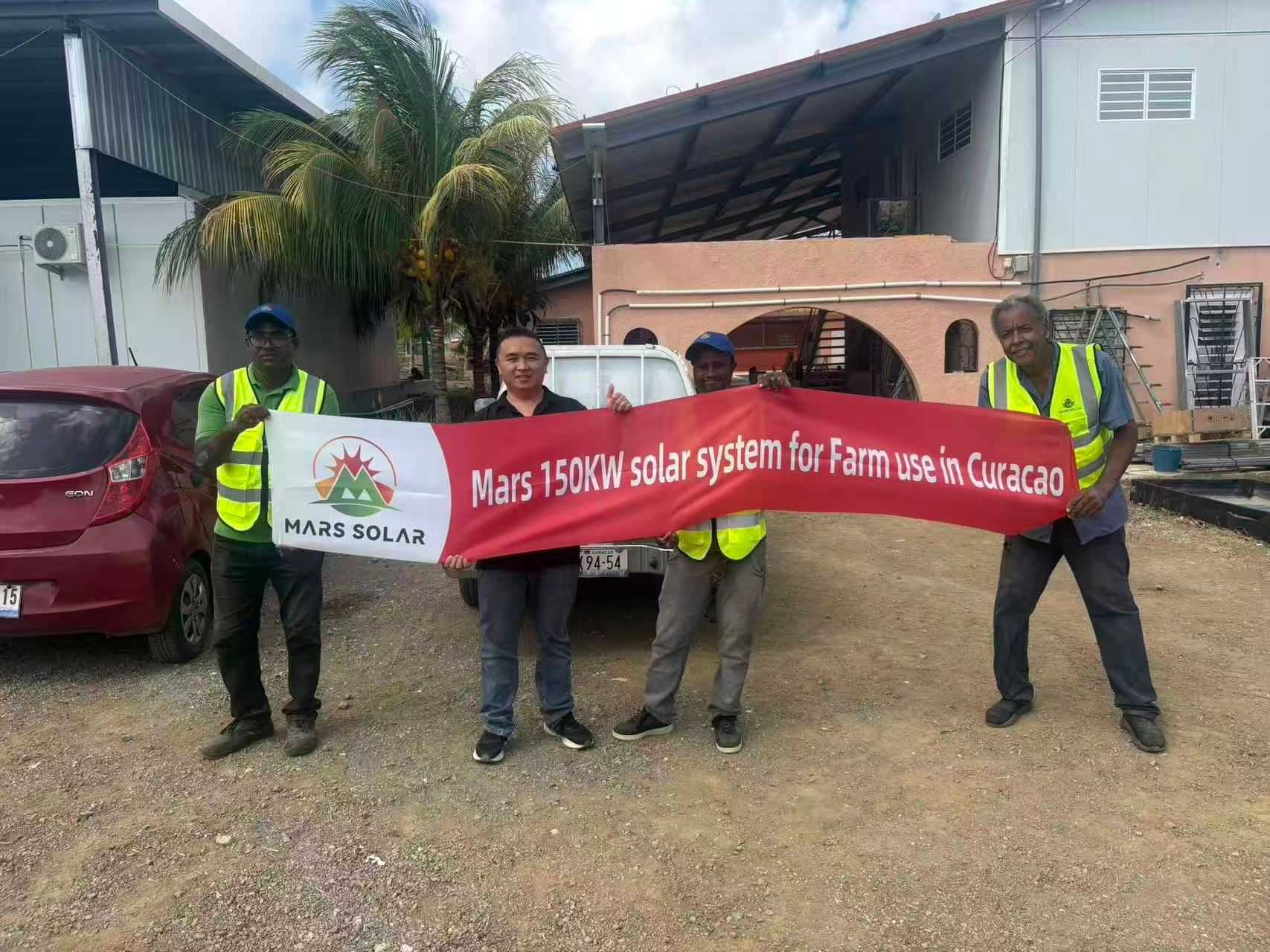
Ubicación | Curazao, Caribe neerlandés |
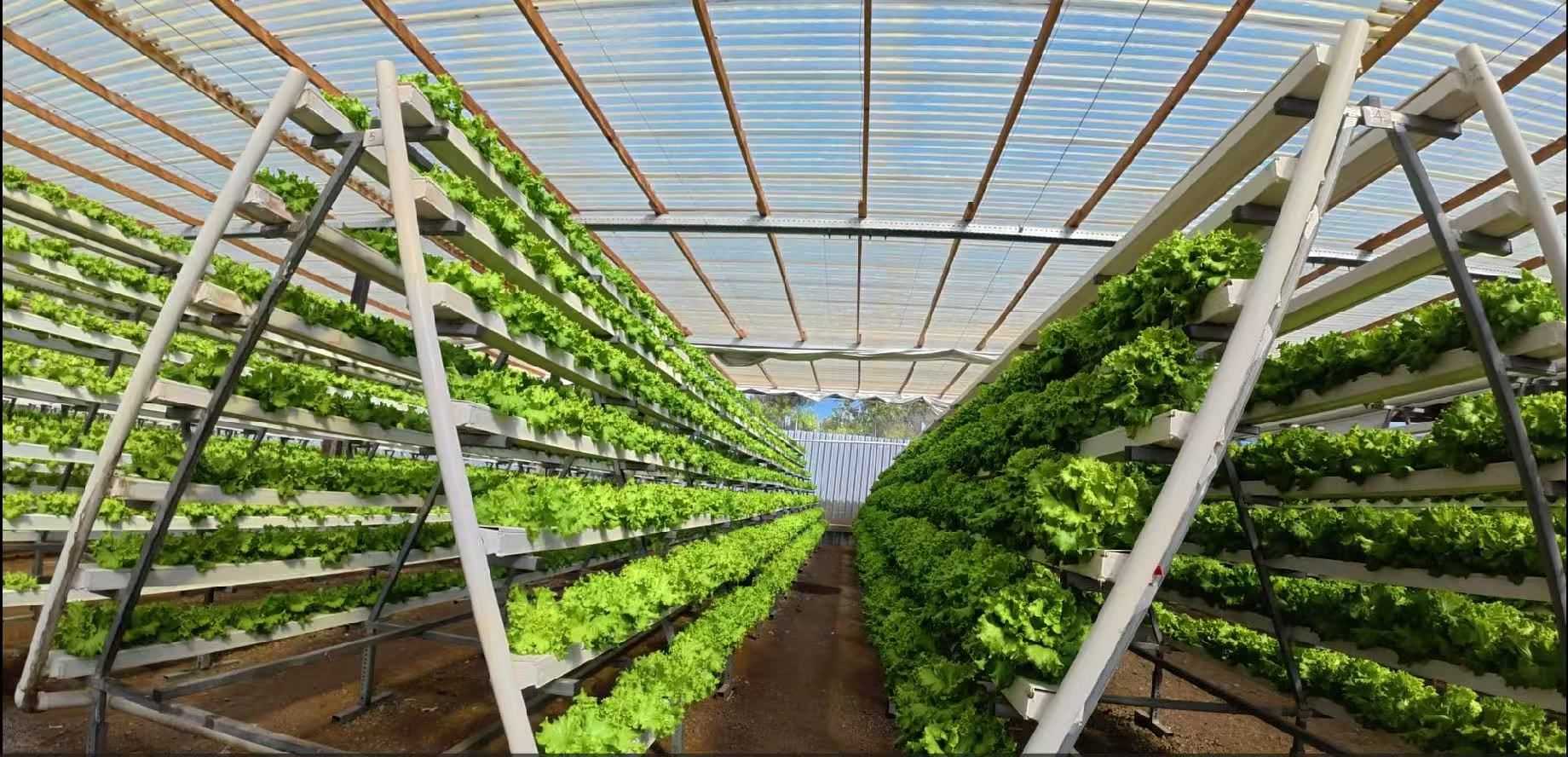
Solicitud | Invernadero con temperatura controlada + riego mediante bomba de agua solar |
Problema central | Red eléctrica inestable → fluctuaciones de temperatura + interrupción del riego → pérdida de cosechas |
Objetivo de diseño | 100% fuera de la red / autoconsumo — dependencia cero de la red eléctrica |
Estabilidad de temperatura | ±1,5 °C (antes: ±4–6 °C) |
Reducción de costos | Ahorro en costos de electricidad 85–95% |
Mejora del rendimiento | +25–40% |
Tipo de proyecto | Energía solar agrícola: sistema fotovoltaico conectado a la red + almacenamiento con funcionamiento en modo isla + bomba solar. |
Curazao, una isla caribeña neerlandesa con más de 3000 horas de sol al año y temperaturas que oscilan entre los 26 y los 28 °C durante todo el año, es, desde cualquier punto de vista geográfico, un lugar ideal para el cultivo de hortalizas.
Pero durante años, las granjas de plantas locales no pudieron lograr una producción estable y escalable. El problema no era la luz solar, el suelo o el agua. electricidad.
Curaçao genera más de 90% de su energía a partir de combustibles fósiles importados. La red, operada por Aqualectra, sufre de infraestructura obsoleta y costos de combustible volátiles. Los precios de la energía se disparan. $0,30–0,45/kWh — 2-3 veces el promedio de EE. UU. Las bajadas de tensión y los apagones son habituales, especialmente durante la temporada de huracanes.
Para una granja de plantas moderna que exige Invernaderos con climatización las 24 horas del día, los 7 días de la semana. y Bombeo de riego fiable, La inestabilidad de la red eléctrica no es un inconveniente, sino un desastre para los cultivos. Cada fluctuación de energía se traduce directamente en variaciones de temperatura dentro del invernadero, y estas variaciones implican pérdidas de cosecha, calidad inconsistente y desperdicio de insumos.
Puntos de referencia del sector:
• Desviación de la temperatura del invernadero superior a ±3 °C → Pérdida de rendimiento de 15–251 TP3T en hortalizas de hoja verde
• Interrupción del riego >24 horas → daño irreversible a los cultivos
• Los costos de la electricidad en el Caribe se encuentran entre los más altos del hemisferio occidental.
Artículo | Especificación |
Ubicación | Curazao, Caribe neerlandés |
Tamaño del sistema | 150 kW + 300 kWh |
Solicitud | Invernadero con temperatura constante + riego mediante bomba de agua solar |
Problema central | Red inestable → fallo del control de temperatura + tiempo de inactividad del riego → bajo rendimiento |
Objetivo de diseño | 100% fuera de la red / autoconsumo, sin dependencia de la red eléctrica. |
Tipo de sistema | Conectado a la red eléctrica con funcionamiento en modo isla automático y batería de respaldo. |
Una granja de plantas moderna es un ecosistema que consume mucha energía:
En la red eléctrica de Curaçao, un solo apagón de 4 horas seguido de un choque térmico puede provocar el marchitamiento de las hojas, estrés en las raíces y la degradación de toda una cosecha.
Las instrucciones del propietario de la granja eran claras: desvincular el efecto invernadero de los fallos de la red eléctrica.
El equipo de ingeniería diseñó un sistema fotovoltaico de 150 kW + 300 kWh en torno a tres misiones paralelas:
Sistema de gestión energética (EMS) habilitado para IoT con panel de control para smartphone:
Componente | Especificación |
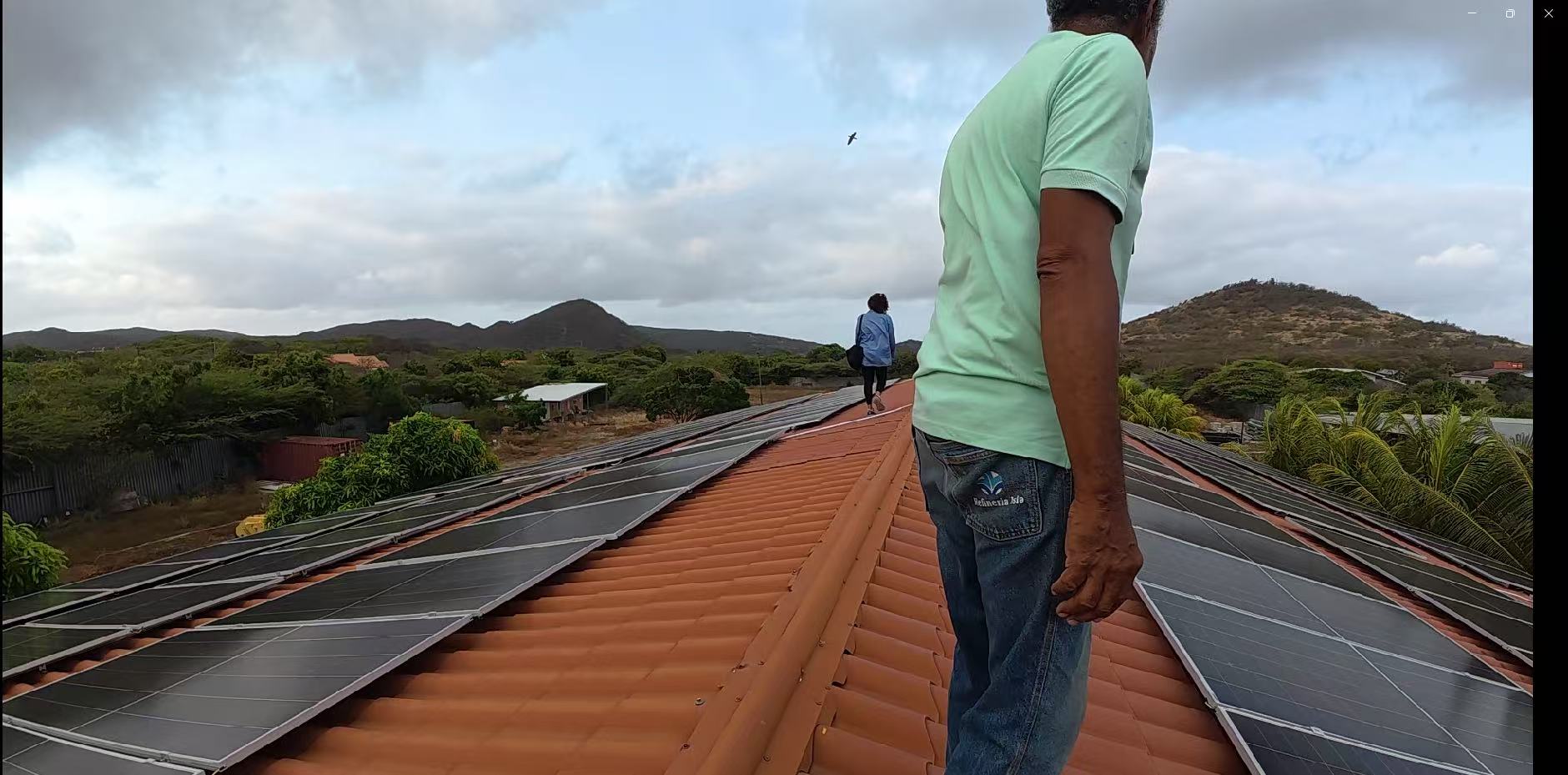
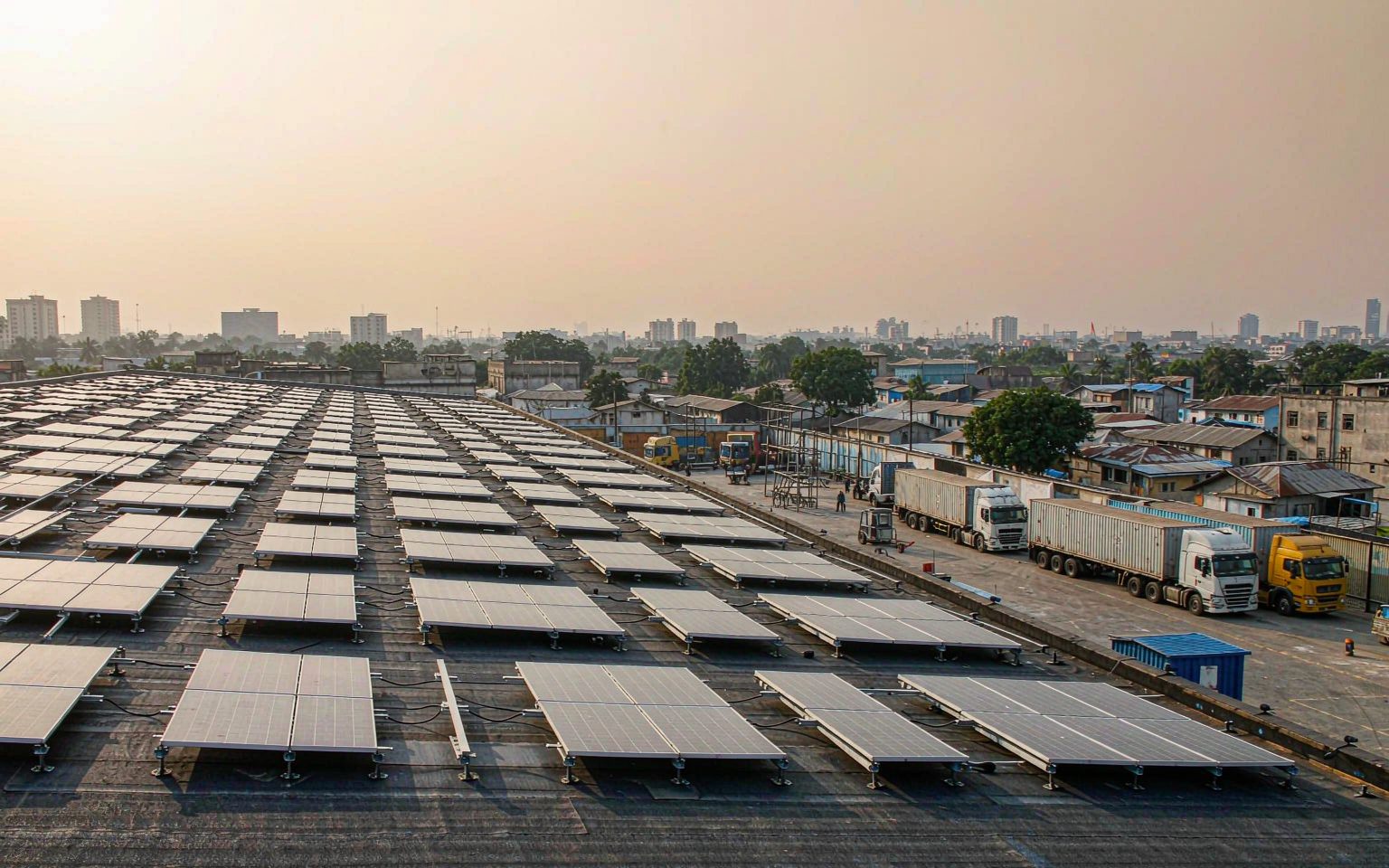
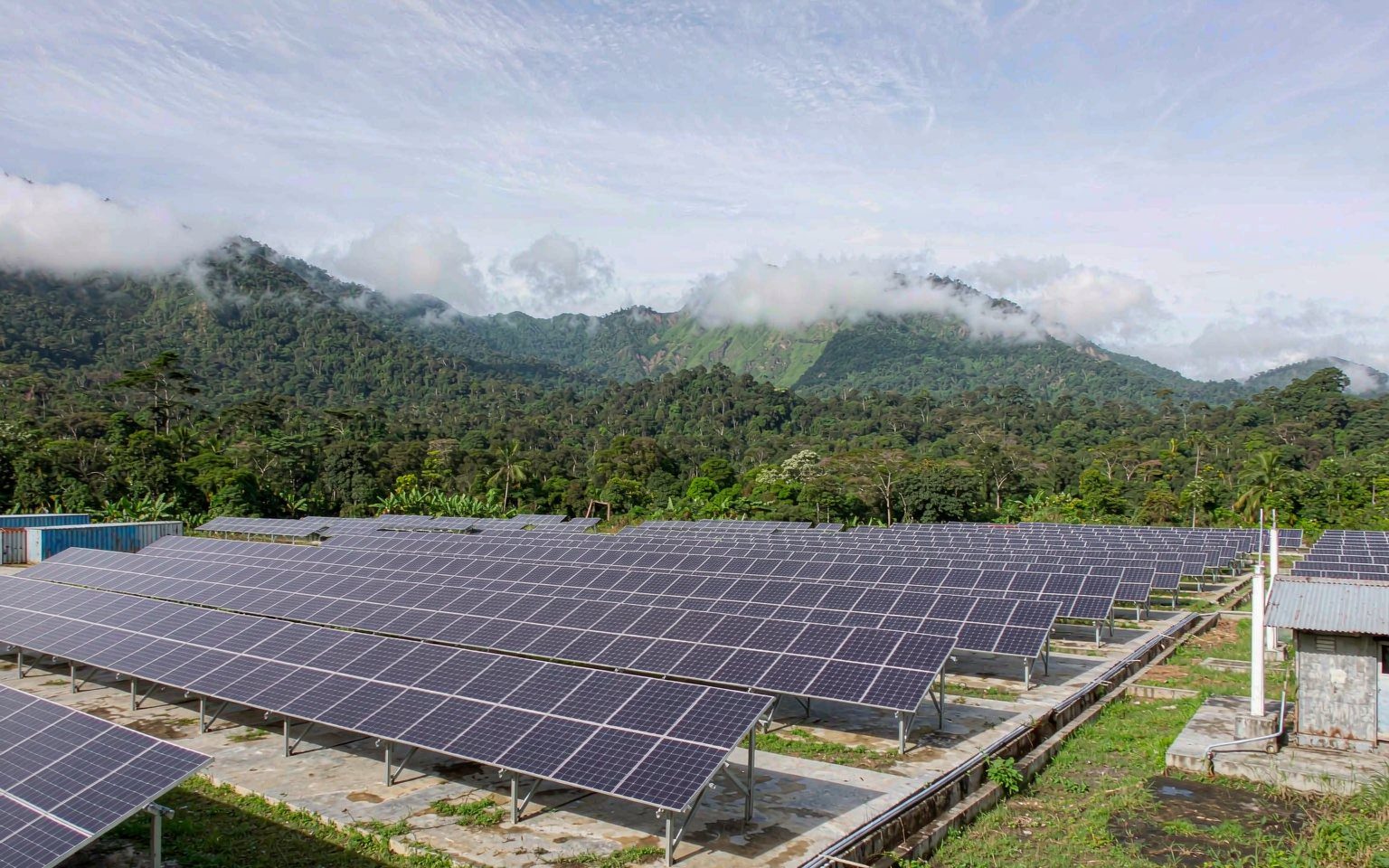
Paneles solares | Monocristalino 590W × 255 unidades |
Capacidad total | 150 kW + 300 kWh |
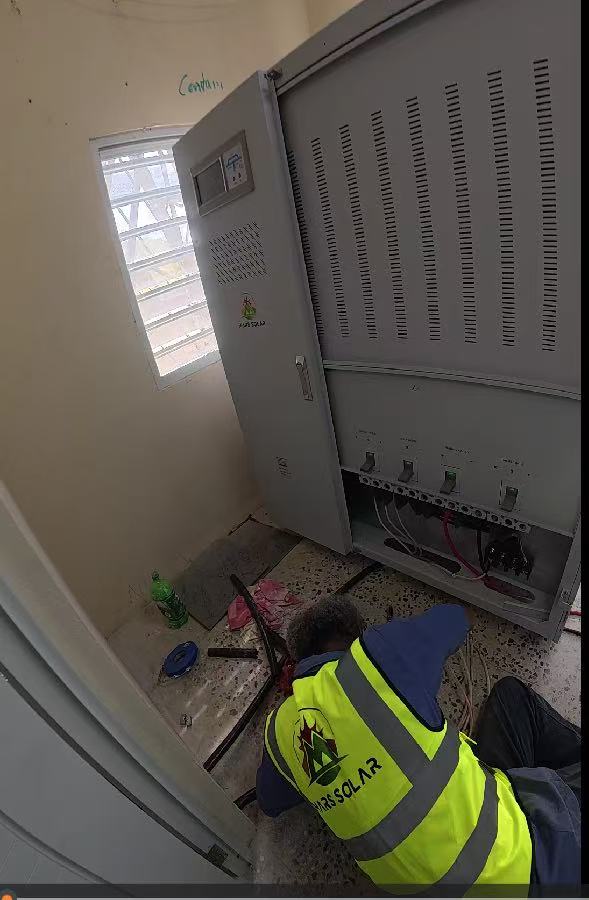
Inversores | Inversores de cadena × 3 unidades (50 kW cada una) |
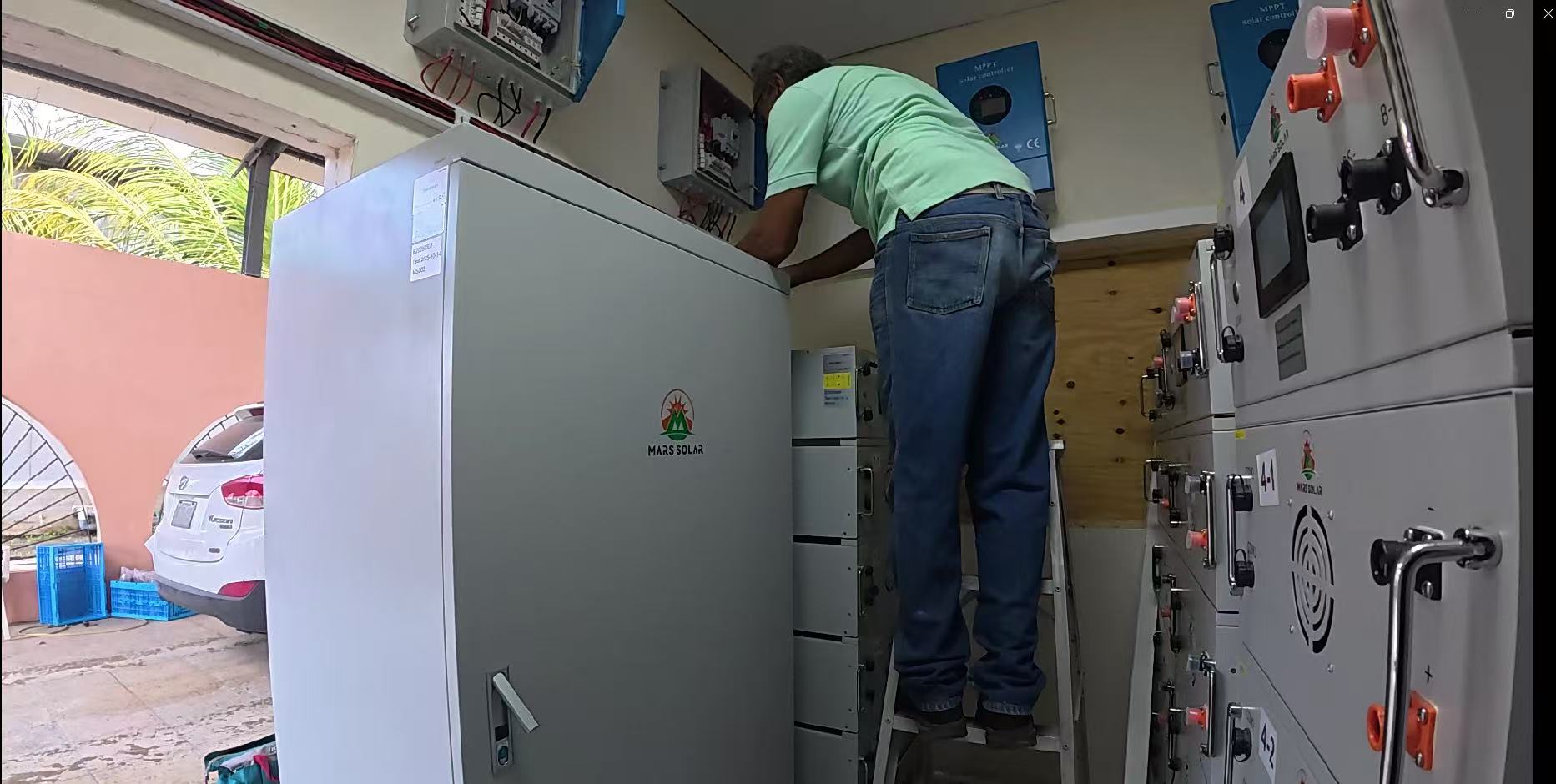
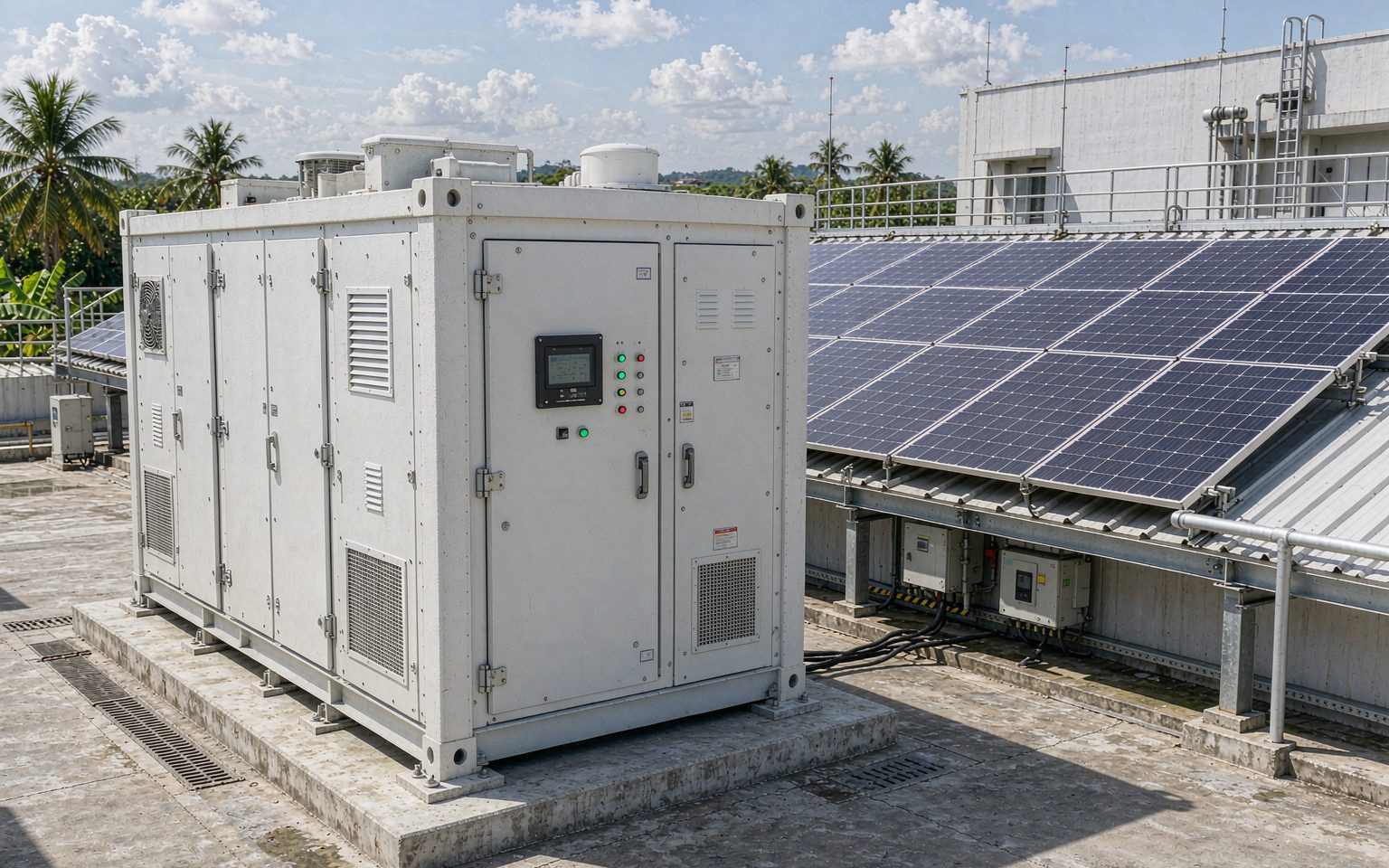
Almacenamiento de baterías | LiFePO₄, 300 kWh en total |
Sistema de bombeo | Bomba de agua solar de CA con variador de frecuencia |
Almacenamiento de agua | Tanque elevado, con una capacidad de entre 50 y 80 m³. |
Control | Interruptor de transferencia automática + EMS |
Rendimiento diario estimado | ~550–650 kWh (variación estacional) |
Autoconsumo | >95% |
Métrico | Antes | Después |
Estabilidad de la temperatura del invernadero | ±4–6°C | ±1,5 °C (3 veces mejor) |
Fiabilidad del riego | Se detiene en caso de apagón. | 100% siempre encendido |
Costo de la electricidad | $0,35+/kWh | ~$0,02–0,05/kWh |
Reducción de costos | — | 85–95% |
Días operativos/año | ~300 | 365 (+22%) |
Rendimiento por metro cuadrado | Base | +25–40% |
emisiones de carbono | Depende de la red eléctrica | Cero emisiones de carbono |
“Cada temporada de lluvias, estábamos en vilo. Un solo apagón podía dañar los ventiladores, el aire acondicionado o las bombas de circulación, y a veces arruinar la cosecha de toda una semana. Ahora, el sistema solar funciona sin problemas. El invernadero se mantiene a 26 °C y la bomba se activa según lo programado todos los días. Por fin podemos dedicar nuestro tiempo a cultivar, no a reparar.”
— Propietario de una granja de plantas en Curazao
R: Sí. Curazao recibe más de 3000 horas de luz solar al año. Un sistema de 150 kW genera entre 550 y 650 kWh al día, más que suficiente para una plantación de tamaño mediano (de 0,4 a 0,8 hectáreas) con control climático y riego completos. El diseño incluye un margen de seguridad de 15 a 201 TP3T para condiciones climáticas extremas.
A: Híbrido de 3 niveles: (1) Bombeo directo de energía fotovoltaica durante el día para llenar un tanque elevado, (2) el almacenamiento de batería alimenta la bomba por la noche/en días nublados, (3) el tanque elevado actúa como almacenamiento por gravedad de bajo costo.
A: Las mediciones de campo muestran una variación de ±1,5 °C alrededor del punto de ajuste de 26 °C con el sistema solar + batería, en comparación con ±4–6 °C en la red eléctrica poco fiable.
A: Con tarifas de red de aproximadamente $0,35/kWh, un sistema de 150 kW ahorra aproximadamente $70 000/año. Combinado con un aumento de rendimiento de 25–40%, el período de recuperación típico es de 3 a 5 años. La vida útil del panel es de más de 25 años.
R: Por supuesto. Las islas del Caribe comparten los mismos problemas fundamentales: dependencia de combustibles importados, altos costos y redes eléctricas poco fiables. Esta arquitectura es un modelo directamente replicable.
Este estudio de caso demuestra Rendimiento probado y fiable en uno de los entornos de red eléctrica más complejos del mundo. Si funciona de manera confiable en una isla caribeña propensa a huracanes con una conexión eléctrica de $0.45/kWh, funcionará en cualquier lugar.
Conclusiones clave para compradores internacionales:
Lo que hace que este proyecto de parque vegetal de 150 kW sea notable no es la tecnología de punta. Es la La elegante sencillez de resolver dos cuellos de botella críticos con un sistema integrado. — suministro eléctrico para invernaderos y suministro de agua para riego — en una isla remota donde la red eléctrica no podía proporcionar ninguno de los dos de forma fiable.
Para los compradores internacionales que evalúan soluciones solares para la agricultura, este caso práctico ofrece una señal clara: El modelo de negocio sigue vigente hoy en día.
Donde falla la red eléctrica, la energía solar es la solución. Punto.
Este caso práctico se basa en un proyecto finalizado. Para consultas sobre proyectos, alianzas OEM u oportunidades de distribución, póngase en contacto con nuestro equipo.
¿Busca una microrred solar con almacenamiento para su granja?
Contacta con nuestro equipo de ingeniería. Para una evaluación gratuita de sus instalaciones y un diseño de sistema personalizado.

 English English
  Arabic
 Spanish
 French
 Dutch
Dutch
 Portuguese