Linguagem

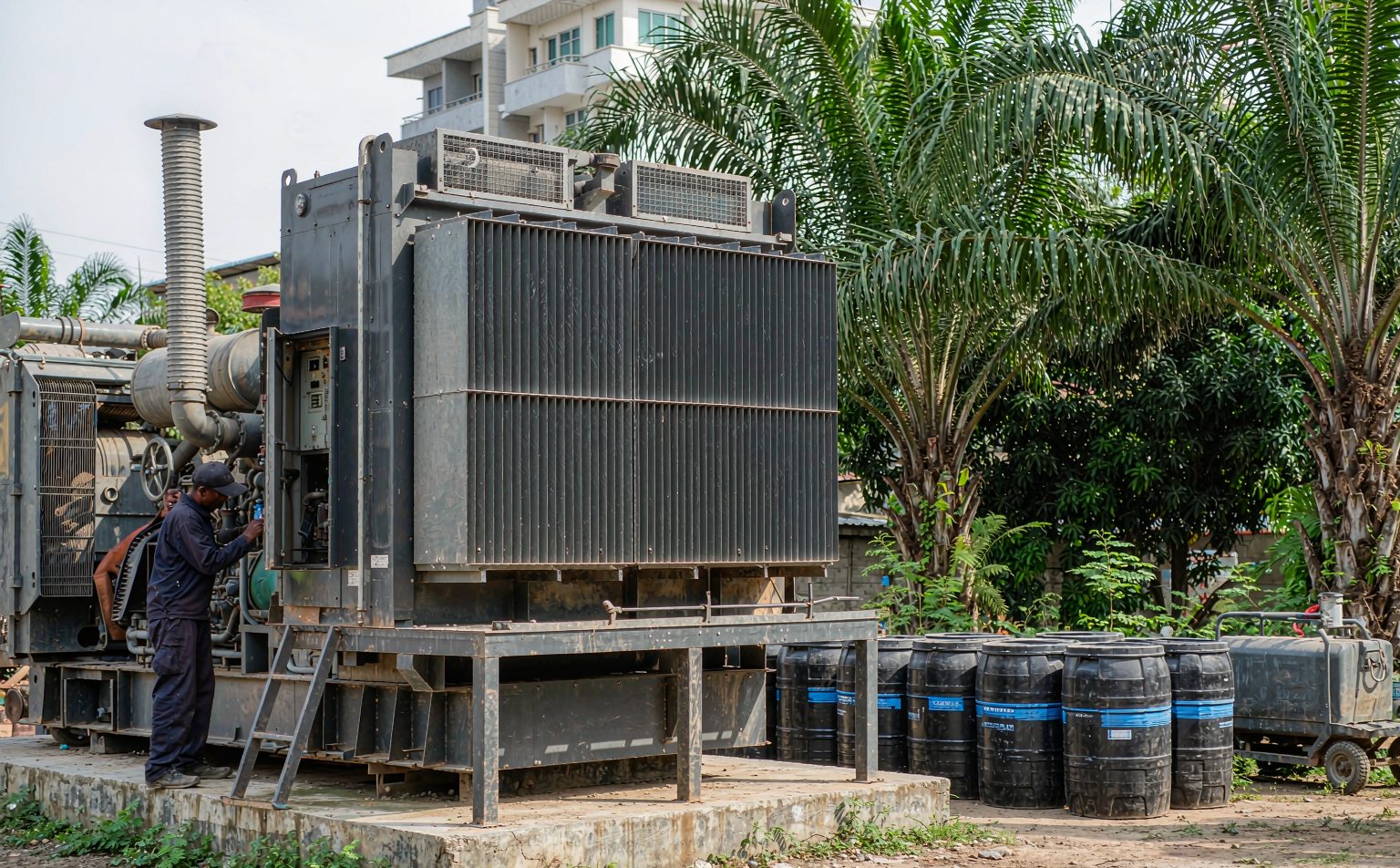
Hotel owners across Nigeria face a well-documented challenge — and a solar system for hotels in Nigeria is now the standard answer: a well-documented challenge: grid electricity is sporadic, and diesel generators have become the default power source. In many properties, backup generators run for 18 or more hours every day. With diesel prices ranging from ₦1,200 to ₦1,500 per litre and climbing, a single 30-room hotel can burn through ₦3–₦5 million in fuel costs each month — a line item that quietly erodes profitability.
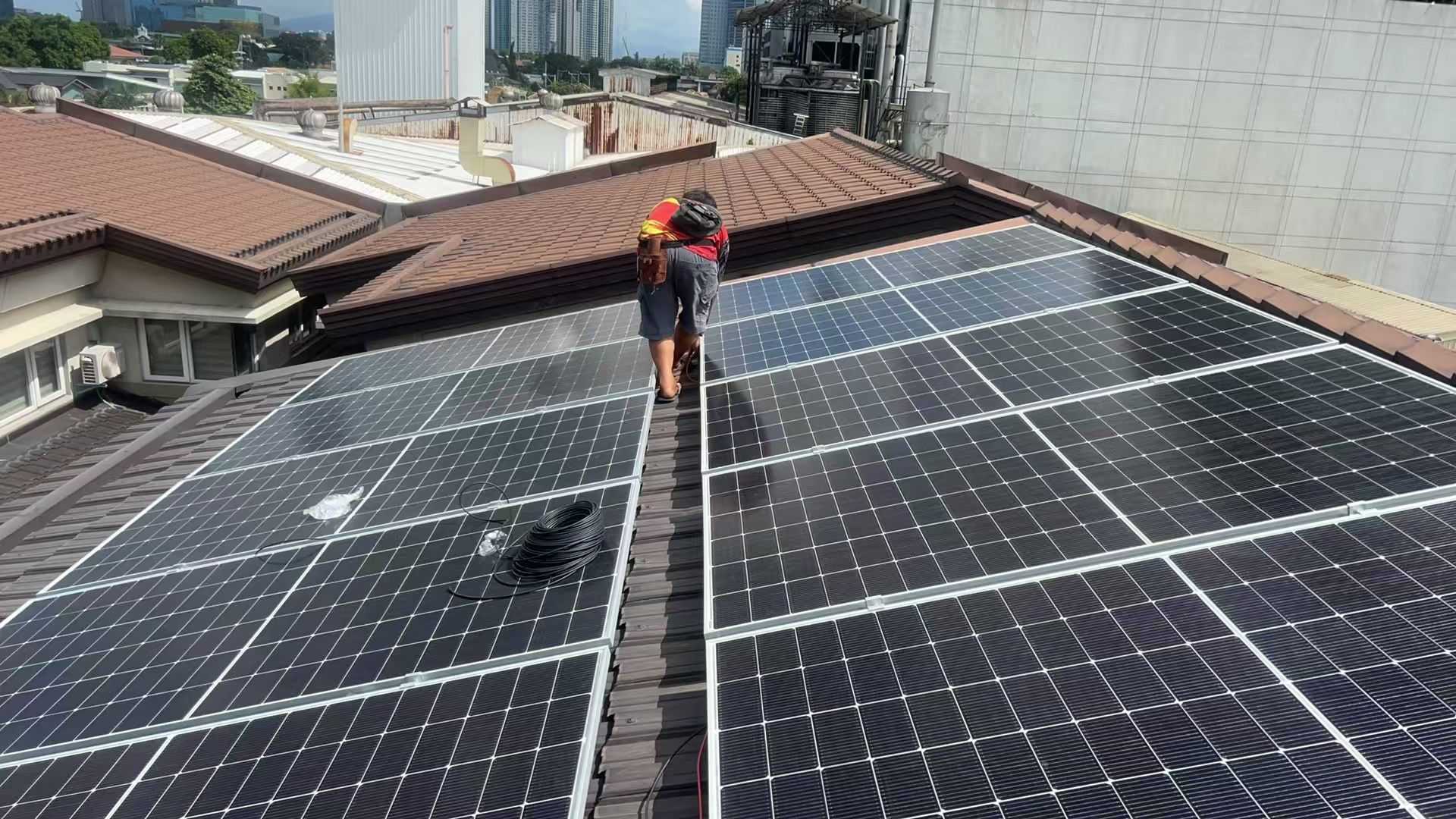
Os sistemas fotovoltaicos solares oferecem uma solução estrutural: uma vez instalados, produzem eletricidade a custo marginal zero durante 25 anos ou mais, eliminando completamente o ciclo de custos do diesel.
• Gastos mensais de energia
Antes: ₦3.000.000+ (diesel + rede elétrica)
Depois: ₦1.000.000 (apenas suplemento de rede)
Resultado: Economia de ₦2.000.000 por mês
• Interrupções na rede elétrica
Antes: 8 a 12 interrupções por dia
Depois: Nenhuma interrupção de serviço registrada.
Resultado: Tempo de atividade 100%
• Registro de tempo de atividade do sistema
Depois: Mais de 12 meses consecutivos sem falhas de equipamento.
• Economia mensal em USD
Depois: ~$1.460 por mês

• Investimento inicial de capital
Diesel: ₦5–8 milhões (gerador + instalação)
Solar: ₦15–20 milhões (sistema solar completo)
• Despesas mensais contínuas com combustível e manutenção
Diesel: ₦3–5 milhões por mês
Solar: ₦0 (a luz solar direta é gratuita)
• Custo energético acumulado em cinco anos
Diesel: ₦180–300 milhões
Solar: ₦15–20 milhões (investimento único)
• Período de retorno do investimento
Diesel: Nenhum — o custo continua indefinidamente
Solar: 8–12 meses (verificado em campo)
Entre em contato com nossa equipe de engenharia. Para uma avaliação gratuita do local e projeto de sistema personalizado.
UM solar system for hotels in Nigeria is one of the strongest commercial solar cases in West Africa. Nigerian commercial tariffs are high, diesel backup is expensive, and hotels run air-conditioning, laundry and kitchens during daylight — the exact window when generation peaks.
É essa combinação que faz com que um solar system for hotels in Nigeria Um projeto que vale a pena analisar: a carga é exigente, o custo do fracasso é elevado e a viabilidade económica tem de basear-se em resultados medidos e não nas estimativas de um fornecedor.
Todos os solar system for hotels in Nigeria O projeto começa com um registo de consumo de 7 a 14 dias. A carga de base é separada da carga de pico; a capacidade de produção é dimensionada com base no consumo diurno e a capacidade de armazenamento é dimensionada com base no consumo noturno. Os equipamentos acionados por motor acrescentam um requisito de pico de consumo que pode surpreender as cotações baseadas apenas no consumo médio.
Nos casos em que um local não pode, de forma alguma, ficar sem fornecimento de energia, dimensionamos o sistema a pensar na autonomia e não na poupança na conta de eletricidade — um cálculo diferente que, normalmente, implica um banco de baterias de maior capacidade e um inversor bidirecional com transferência automática.
A Mars Solar produz e exporta solar system for hotels in Nigeria Pacotes diretos da fábrica: módulos fotovoltaicos, sistemas de montagem, inversores híbridos ou bidirecionais, sistemas de armazenamento LiFePO4, dispositivos de proteção, cablagem e monitorização remota, todos testados em conjunto antes do envio e certificados segundo as normas CE, RoHS, TÜV e ISO.
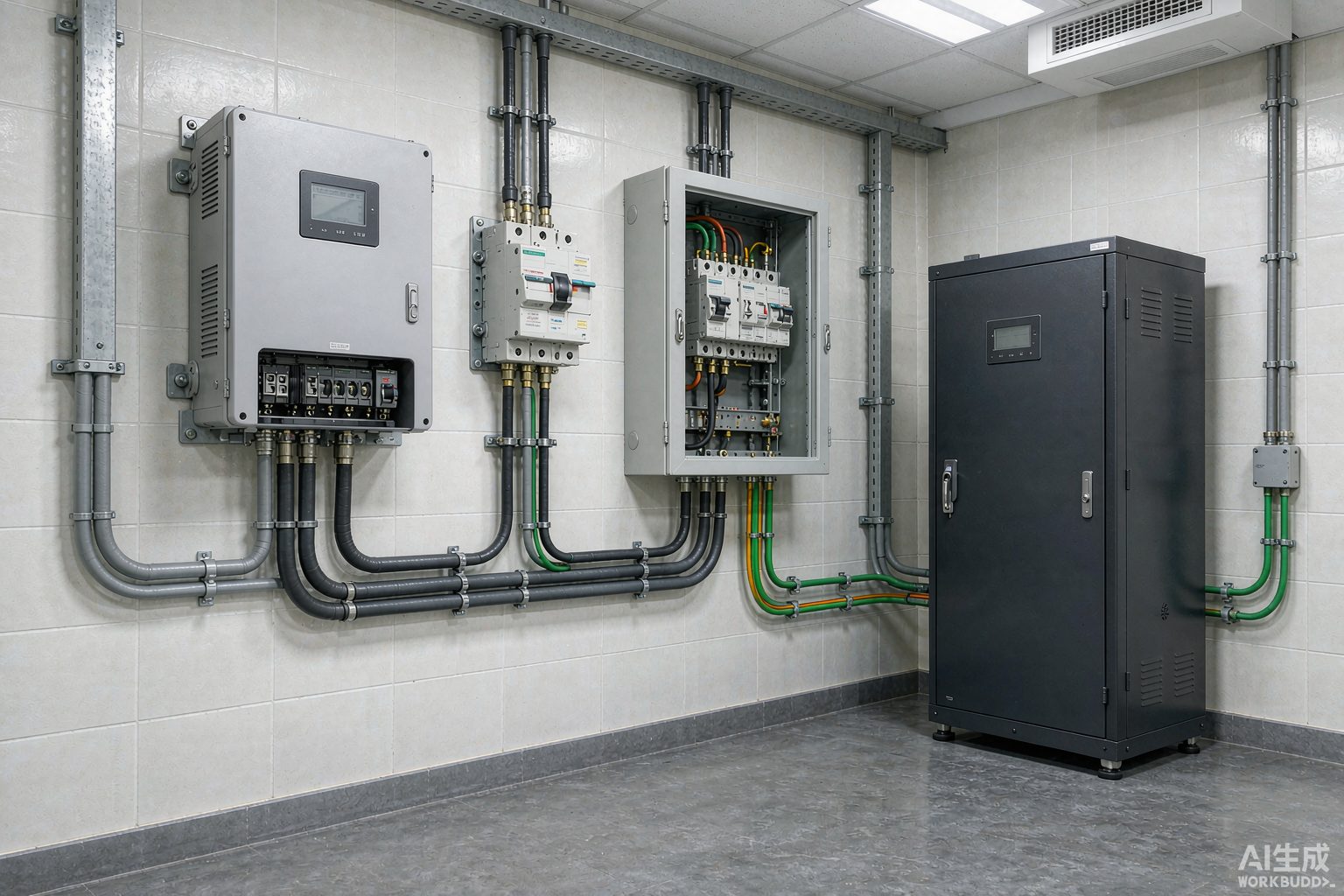
Veja hardware semelhante no nosso bateria de armazenamento de energia montada em rack página, e o Programa de energia do Banco Mundial para perceber como a fiabilidade do abastecimento afeta a produção nestes mercados.
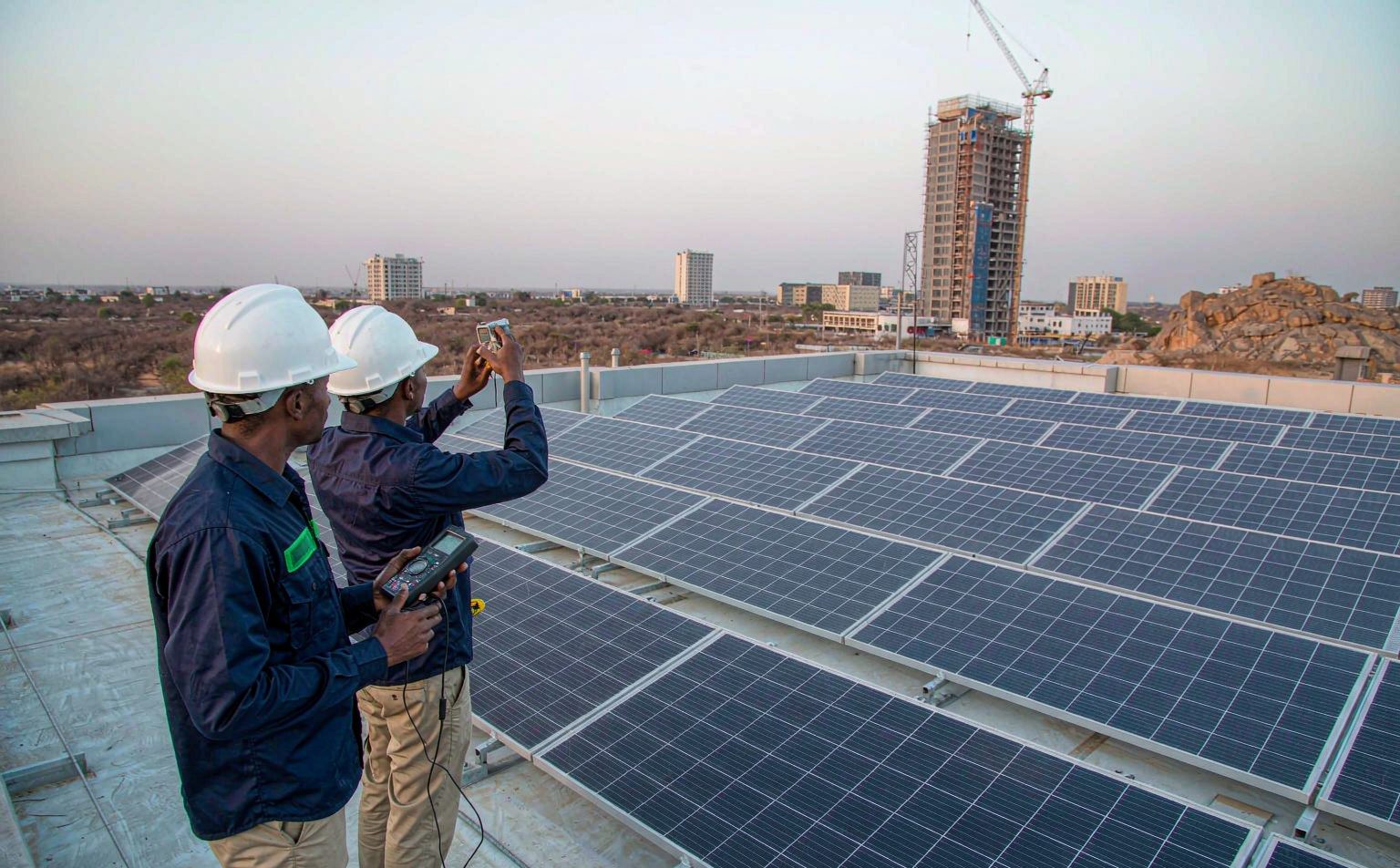
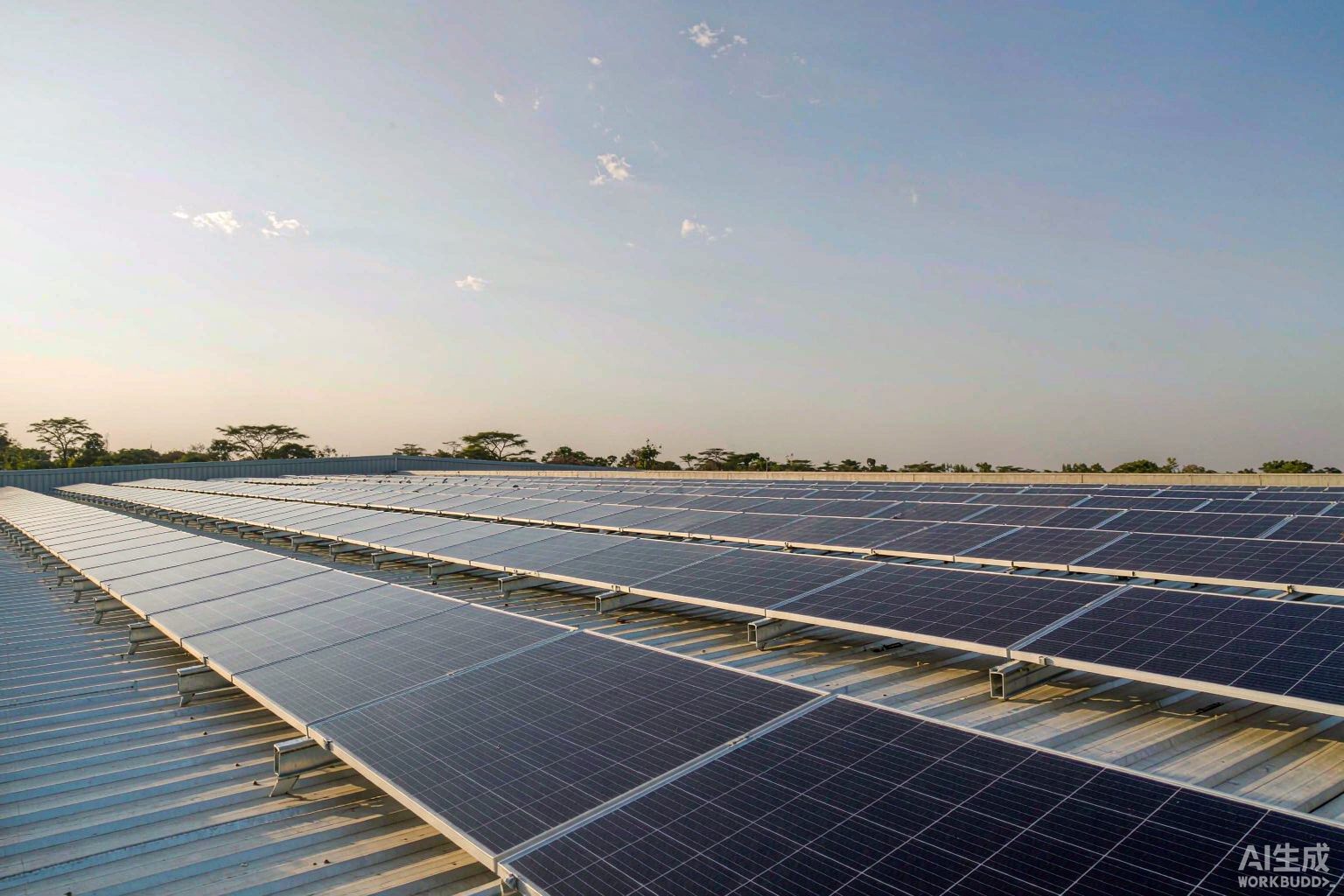
For the full project record behind this design — procurement, shipping and commissioning — see our 100 kW hotel solar project in Nigeria.
How much does a solar system for hotels in Nigeria cost per room?
Plan on the load, then divide by rooms as a cross-check. The 100 kW solar system for hotels in Nigeria behind the case study above serves 50-150 guest rooms, and the same solar system for hotels in Nigeria spread across 60 rooms costs materially more per room than across 150 because the front-of-house and kitchen load is fixed. Budget the solar system for hotels in Nigeria per kW of demand, not per key.
Will a solar system for hotels in Nigeria remove the diesel generator entirely?
For most city hotels, yes — as a running cost. The solar system for hotels in Nigeria installed here carries 70-80% of peak daytime demand and the full essential load overnight, so the generator becomes a rarely used reserve instead of a daily expense. A solar system for hotels in Nigeria that claims to eliminate diesel everywhere in Nigeria is overpromising on the rainy season.
What does a solar system for hotels in Nigeria save per month?
In the case study above, monthly energy spend fell from over N3,000,000 a month on diesel plus grid to a solar-backed figure, with diesel runtime all but eliminated. The saving on a solar system for hotels in Nigeria scales with how much diesel the hotel burns today: a property running the generator eight hours a day recovers the capital far faster than one running it for two.
How long does installation of a solar system for hotels in Nigeria take?
Allow four to eight weeks for a 100 kW solar system for hotels in Nigeria, including survey, civil works, roof or ground mounting, battery room preparation and commissioning. Staging matters: a solar system for hotels in Nigeria should be energised zone by zone so occupied floors are never without power during the work.
What certifications should a solar system for hotels in Nigeria use?
IEC 61215 and IEC 61730 for the modules, IEC 62109 for the inverter, IEC 62619 for the lithium cells, and SONCAP documentation for clearance into Nigeria. A solar system for hotels in Nigeria assembled from uncertified components is uninsurable and unsellable at resale, which matters more than the purchase price on a hotel asset.
Can a solar system for hotels in Nigeria be financed rather than bought outright?
Yes, and several routes are worth comparing. Vendor financing and lease-to-own are the most common for a hotel-scale solar system for hotels in Nigeria, with commercial bank facilities and green lending programmes alongside them. Because a solar system for hotels in Nigeria generates cash from month one, lenders usually treat the savings stream as the repayment source.

 English English
 Arabic
 Spanish
 French
 Dutch
 Portuguese