
Idioma
Solar panel price Kenya 2026 for a fully installed grid-tied or hybrid system runs from KSh 90 to KSh 160 per watt depending on system size, panel tier, battery depth, and roof complexity. For a typical 5 kW residential system, budget KSh 450,000–KSh 800,000; for a 100 kW commercial installation with lithium battery backup, plan KSh 13M–KSh 18M before any PPA open-access upside. The figures below are 2026 factory-direct CIF Mombasa pricing plus installation, drawn from publicly quoted distributor rates and recent project commissioning data across Nairobi, Mombasa, Kisumu, and the new EPRA-eligible industrial parks.
Solar panel price in Kenya has changed more in the last 18 months than in the previous five years combined, and not only because panel costs fell. Three forces reshaped the market in 2026: the EPRA Electricity Market, Bulk Supply and Open Access Regulations opened direct solar PPA contracting for large users, KPLC kept raising commercial tariffs (Band A now over KSh 23/kWh), and lithium battery pricing in Nairobi crossed below the gel-battery breakeven point for daily-cycling applications. This guide gives you the size-by-size 2026 numbers, the installed cost per watt, the typical payback against KPLC, and the new EPRA open-access angle that lets industrial buyers bypass KPLC for the first time.
All prices are in Kenyan Shillings (KSh) unless noted. Factory-direct CIF Mombasa pricing is roughly 15–20% below Nairobi distributor quotes; full turnkey installed pricing (including mounting, DC/AC cabling, protection, and commissioning) is 25–35% above the panel-only figure. Use the numbers below as a serious budgeting baseline, then send us your load profile for a sized quotation. Source: EPRA 2026 license register, GDITECH 2026 cost guide, distributor quotes from Sun King, Chloride Exide, and SolarShop Kenya, plus factory-direct rate sheets from Mars Solar / SunEnergyFactory 2026 Q2.
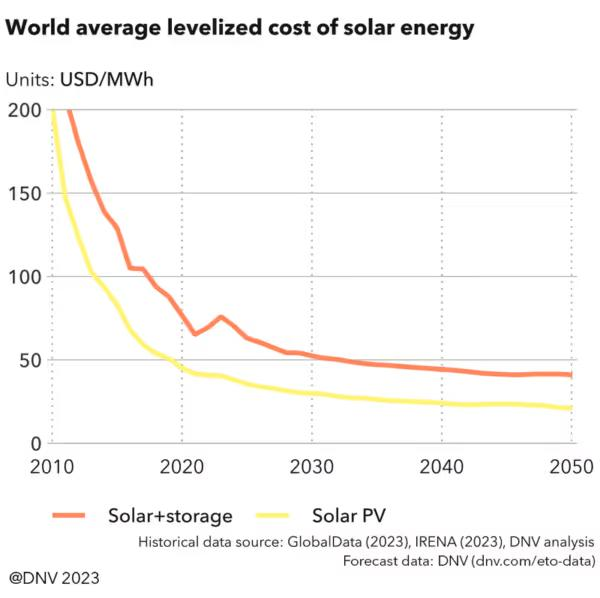
Solar panel price Kenya 2026 by system size: a fully installed grid-tied or hybrid solar system runs from KSh 90 to KSh 160 per watt depending on system size, panel tier, battery depth, and roof complexity. Below is the size-by-size breakdown for residential, commercial, and industrial buyers. Pricing assumes Tier-1 monocrystalline panels, a hybrid inverter, lithium battery storage where noted, professional mounting, surge protection, and grid synchronization. All-in pricing for the end customer; factory-direct pricing for installers and EPCs is available on request.
| System size | Typical use | Total installed cost (KSh) | Per watt | Payback vs KPLC |
|---|---|---|---|---|
| 1 kW | 1–2 bedroom home, lighting + phone + TV + fan | KSh 50,000 – KSh 120,000 | KSh 90–KSh 120 | 3–4 years |
| 3 kW | Small family home, fridge + TV + lighting + small pump | KSh 220,000 – KSh 380,000 | KSh 80–KSh 125 | 3–4 years |
| 5 kW | Medium family home, AC + fridge + laundry + lighting | KSh 450,000 – KSh 800,000 | KSh 90–KSh 160 | 3–5 years |
| 10 kW | Large home or small shop, AC ×2 + full kitchen | KSh 900,000 – KSh 1,800,000 | KSh 90–KSh 180 | 4–5 years |
| 20 kW | Hotel (20 rooms), school, restaurant | KSh 1,800,000 – KSh 3,200,000 | KSh 90–KSh 160 | 4–5 years |
| 50 kW | Mid-size commercial / cold store | KSh 4,500,000 – KSh 7,500,000 | KSh 90–KSh 150 | 4–6 years |
| 100 kW | Industrial, factory, large hotel, hospital | KSh 9,000,000 – KSh 15,000,000 | KSh 90–KSh 150 | 4–6 years |
| 250 kW + 500 kWh BESS | Resort, factory + farm + residences, EPRA PPA-eligible | KSh 38,000,000 – KSh 48,000,000 | KSh 95–KSh 130 + storage | 5–7 years (or 2–3 years under PPA) |
| 1 MW + 2 MWh BESS | Industrial park anchor load, EPRA PPA / wheeling eligible | KSh 145,000,000 – KSh 200,000,000 | KSh 90–KSh 120 + storage | 3–5 years under EPRA PPA |
Note: Per-watt figures include panels + inverter + mounting + BoS, but exclude batteries unless the system is specifically marked as a BESS configuration. For battery-inclusive systems, add KSh 35,000–KSh 70,000 per kWh of lithium storage above the per-watt figure. KPLC tariffs used in the payback calculation: residential DC KSh 21/kWh, commercial CI1 KSh 23/kWh, large industrial CI2 KSh 18.7/kWh (2026 average).
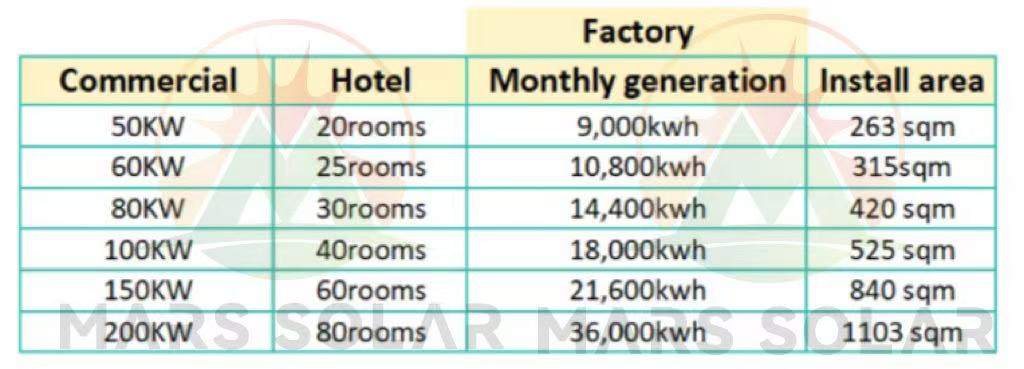
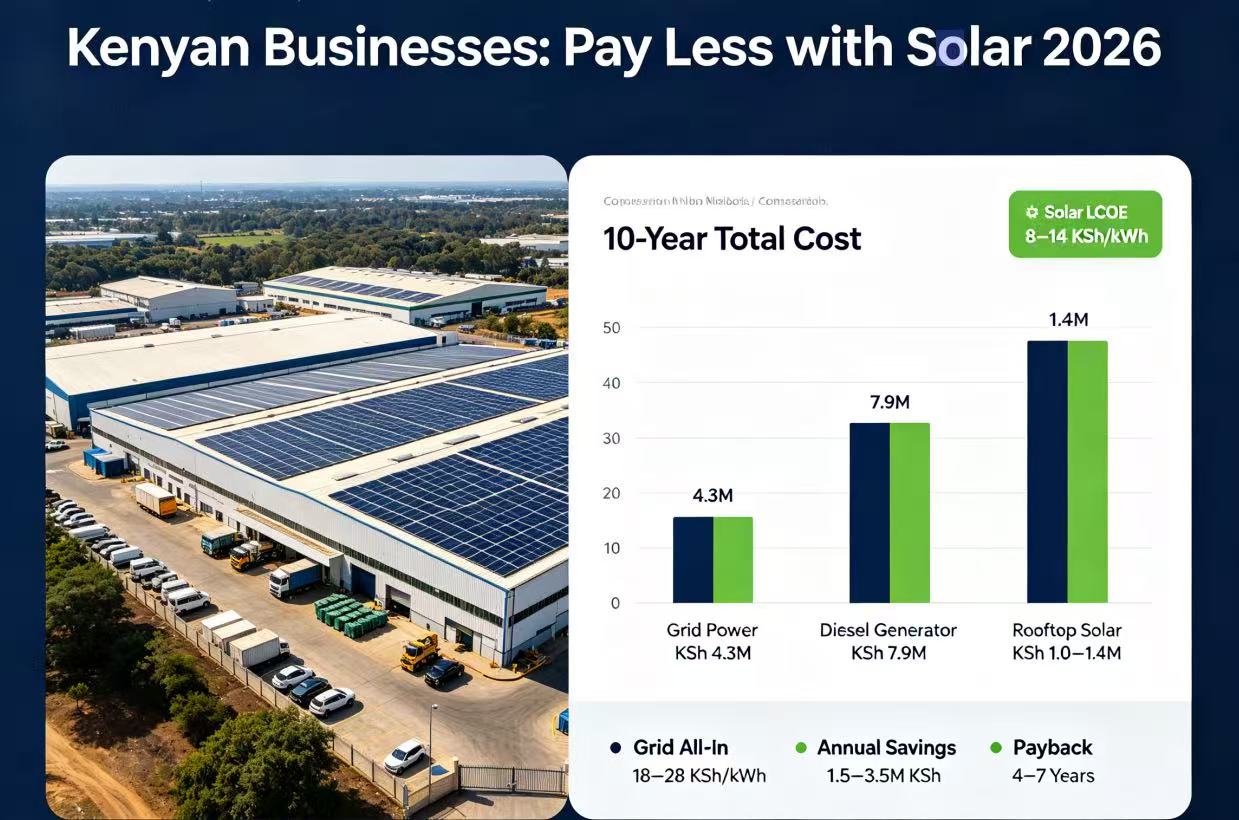
KPLC has raised commercial tariffs three times in the last 18 months. Band A (large industrial, CI2) now sits at KSh 18.70 per kWh blended, Band B (commercial, CI1) at KSh 23 per kWh, and the residential lifeline tariff at KSh 21 per kWh after the 2025 adjustment. These are headline rates; the all-in effective cost once demand charges, fuel-cost pass-throughs, fixed charges, and VAT are applied is materially higher — a typical Nairobi commercial site pays KSh 26–KSh 32 per kWh all-in.
Against that, the solar panel price in Kenya now delivers a levelized cost of electricity (LCOE) of KSh 8–KSh 14 per kWh over a 25-year asset life for grid-tied systems without storage, and KSh 14–KSh 22 per kWh for hybrid systems with lithium battery backup. The gap between KPLC tariff and solar LCOE is now wide enough that payback has compressed to 3–5 years for residential and commercial sites, and to under 3 years for industrial users who can sign a 10–20 year PPA under the new EPRA open-access framework.
KPLC tariff bands (2026, all-in effective cost per kWh)
The single most important driver of payback speed is the tariff band the buyer is on. Lifeline residential customers do not save much per kWh; CI1 and CI2 commercial and industrial customers save dramatically. If you are running a factory, hotel, school, cold store, or large commercial site, the math on solar panel price in Kenya is decisive in 2026. If you are a residential customer in lifeline tariff, the math still works — but the primary benefit is resilience against KPLC blackouts, not pure bill reduction.
Source: EPRA 2026 Approved Tariff Schedule, KPLC 2025–2026 tariff application, Kenya Gazette tariff notices.
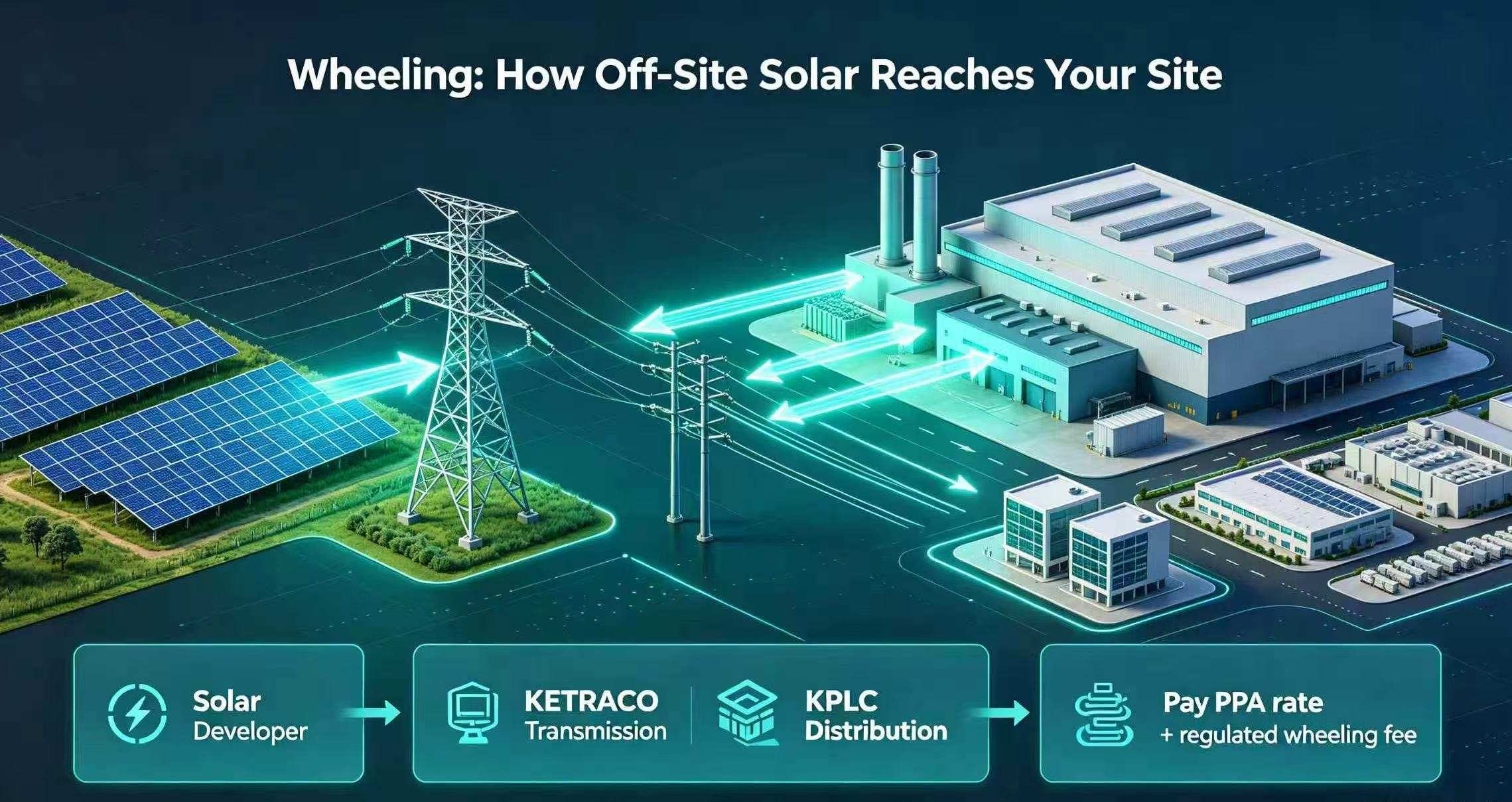
For decades, large Kenyan electricity users had one option for new generation: build a captive solar system. The EPRA Electricity Market, Bulk Supply and Open Access Regulations 2026 changed that. For the first time, factories, hotels, data centers, and large commercial sites can sign a 10–20 year power purchase agreement directly with a third-party solar developer and receive the energy through KPLC's wheeling network. The developer pays a wheeling charge to KPLC; the buyer pays a contracted per-kWh rate typically KSh 9–KSh 14 per kWh — well below the CI1 effective tariff of KSh 26–KSh 32 per kWh.
This matters for solar panel price in Kenya because the PPA option removes the upfront capex barrier. A 250 kW + 500 kWh system that would cost KSh 38–48M to install outright can be deployed under a PPA with zero upfront payment and a per-kWh rate locked for 15 years. The same project, paid in cash, takes 5–7 years to pay back at CI1 tariff rates. Under a PPA, the savings start on day one. See the full EPRA Solar PPA Kenya 2026 framework and eligibility requirements.
Solar panel price in Kenya for a 250 kW project under PPA vs cash purchase
| Métrico | Cash purchase | EPRA PPA 15-yr |
|---|---|---|
| Upfront payment | KSh 38–48M | Zero |
| Per-kWh rate | LCOE KSh 9–14 (over 25 yr) | KSh 10–13 contracted |
| Annual savings vs CI1 | KSh 6–8M (after year 5–7 payback) | KSh 7–9M (from month 1) |
| Payback period | 5–7 years | Immediate (no capex) |
| 5-year cumulative savings | KSh 5–15M | KSh 35–45M |
PPA eligibility under the EPRA framework: load above 1,000 kVA (typically CI1 or CI2 customer category), a contiguous site suitable for solar array installation, a willing solar developer with EPRA registration, and a wheeling agreement with KPLC. The wheeling application takes 8–14 weeks; the PPA itself is signed once the wheeling agreement is in hand. Send us your load profile for a PPA feasibility check.
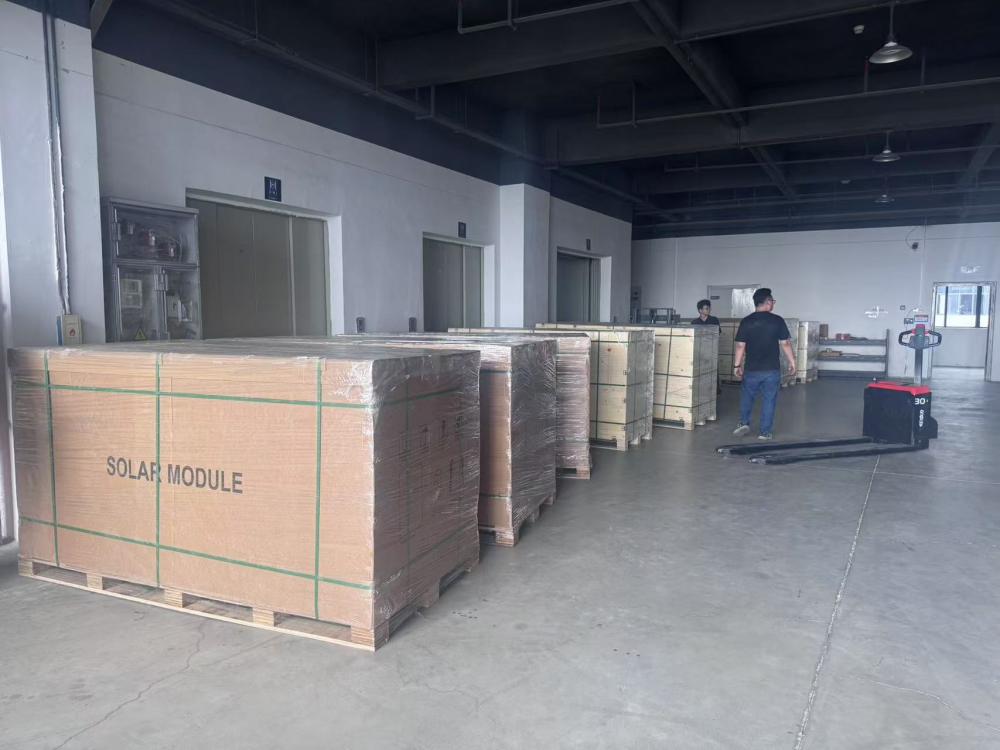
The size-by-size figures above include everything. To sanity-check a quote or build your own estimate, here is the 2026 solar panel price in Kenya for each major component, CIF Mombasa or Nairobi distributor pricing.
Solar panels (Tier-1 monocrystalline, 2026)
Inverters (hybrid, grid-tie, off-grid, 2026)
Lithium battery storage (LFP, 2026)
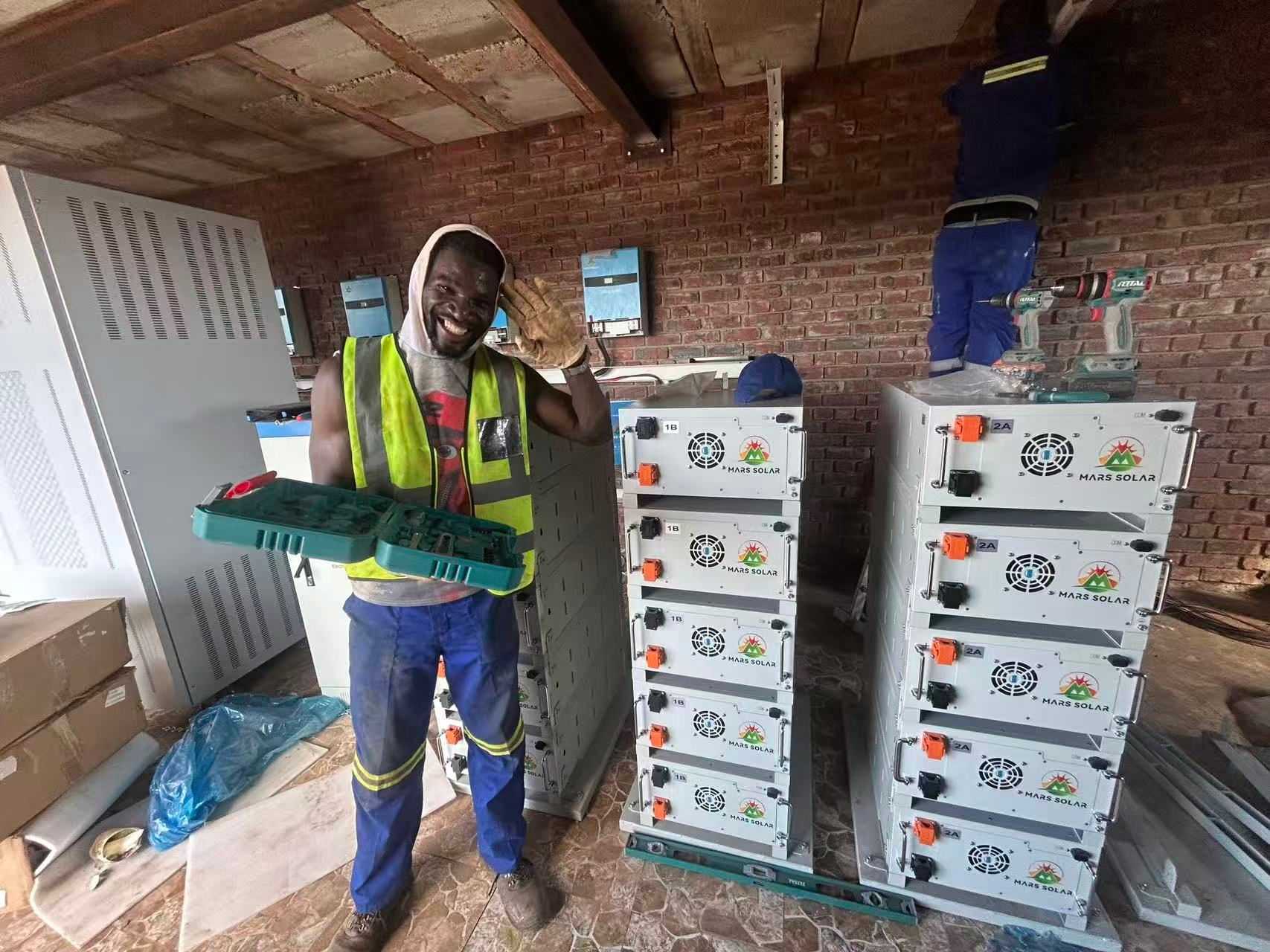
The 500 kWh figure lines up with the Ghana solar subsidy case study: a rack-mounted LFP installation in a dedicated electrical house, sized for a 250 kW solar array, comes in at KSh 14–22M for the storage block alone, or about KSh 28–KSh 44 per Wh. That is below the gel-battery breakeven for daily cycling and explains why LFP has crossed below gel pricing for any application that runs more than 60% depth of discharge daily.
Mounting structure + BoS (panels + cabling + protection + installation)
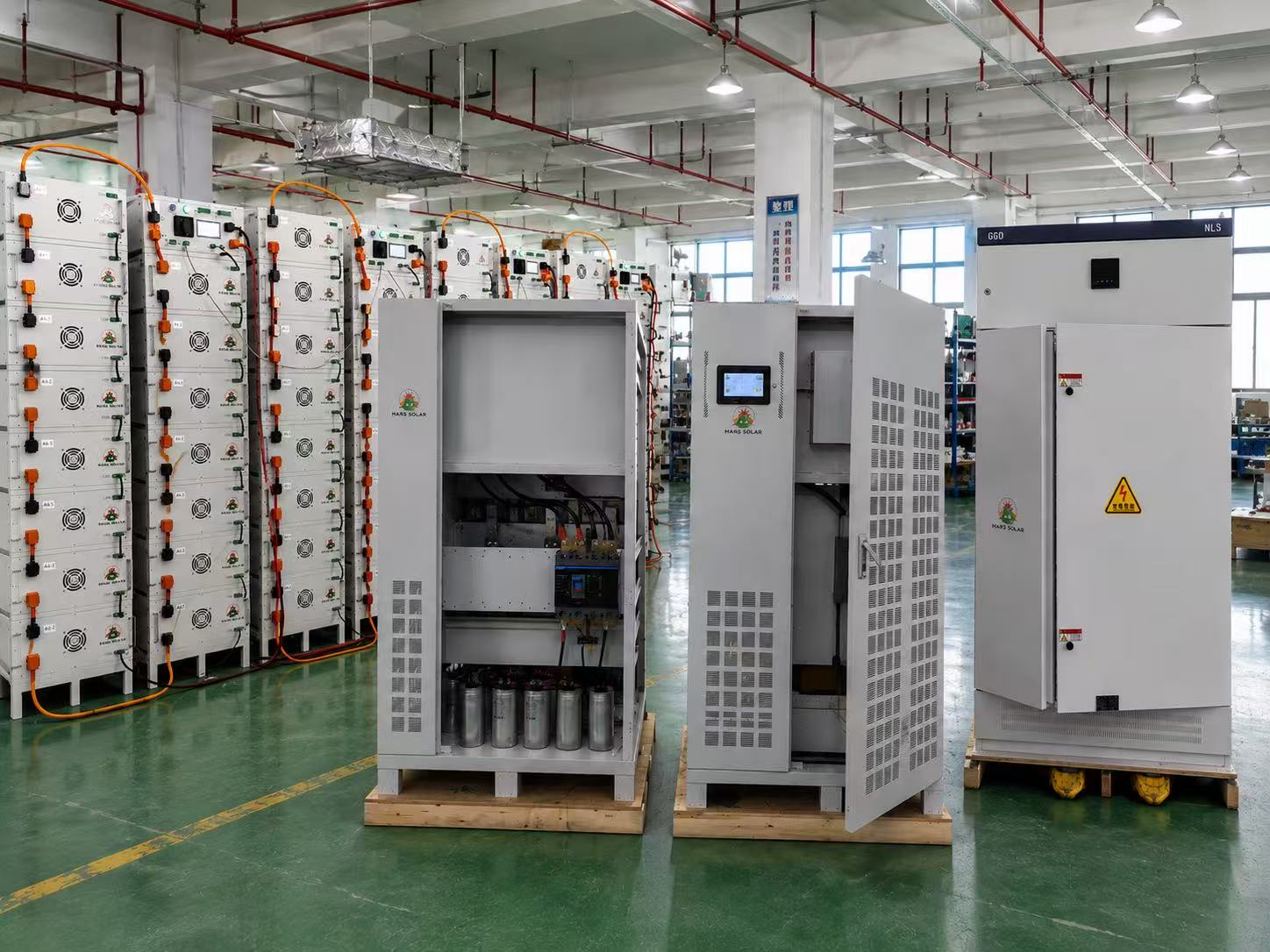
Add these to the panel + inverter + battery totals and you arrive at the per-watt figures in the main table. The component-level transparency is also why comparing solar panel price in Kenya across installers is now easier: ask for a BoM (bill of materials) breakdown rather than a single lump-sum number. See the full BESS product range for rack-mount and containerized systems.
How much does a 5kW solar system cost in Kenya in 2026?
A fully installed 5 kW grid-tied or hybrid solar system costs KSh 450,000 to KSh 800,000 in 2026, depending on panel tier (mono vs poly), inverter brand (Sunsynk, Growatt, Victron), battery inclusion (none, gel, or lithium), and roof complexity. The mid-point for a Tier-1 panel + hybrid inverter + 5–10 kWh lithium battery is around KSh 600,000.
What is the cheapest way to install solar in Kenya?
Factory-direct CIF Mombasa pricing from a Chinese OEM cuts solar panel price in Kenya by 15–20% compared with Nairobi distributor quotes. For a 5 kW system, factory-direct lands around KSh 380,000–KSh 500,000 before installation; add KSh 100,000–KSh 150,000 for installation and you are at KSh 480,000–KSh 650,000 installed. Request a factory-direct quotation for a Kenya delivery.
How long does it take for solar panels to pay for themselves in Kenya?
3–5 years for residential systems against the 2026 KPLC tariff of KSh 21–KSh 27 per kWh. 4–6 years for commercial sites (CI1 tariff, KSh 26–KSh 32 per kWh all-in). 3–5 years for industrial sites under the EPRA PPA framework, where the developer absorbs the upfront capex and the buyer pays only a contracted per-kWh rate.
Is solar worth it in Kenya in 2026?
Yes for almost every non-lifeline residential and commercial customer. The combination of high KPLC tariffs, falling solar panel price in Kenya, the EPRA open-access PPA option for industrial buyers, and the LFP battery price crossover makes 2026 the strongest year on record for solar adoption in Kenya. The main exception is residential lifeline customers whose primary motivation should be resilience (KPLC blackout protection) rather than bill savings.
How do I get a solar PPA in Kenya in 2026?
Three steps. First, confirm eligibility: CI1 or CI2 tariff category with load above 1,000 kVA. Second, sign a wheeling agreement with KPLC (8–14 weeks). Third, sign the PPA with an EPRA-registered solar developer. The developer finances, builds, and operates the system; you pay only for the electricity delivered. See the full Solar PPA Kenya 2026 framework.
What is the best solar panel brand for Kenya?
For Tier-1 panels, the brands with consistent 2026 Kenya availability are Longi, Jinko, JA Solar, Trina, and Canadian Solar. For premium N-type TopCon with best coastal humidity performance, look at Longi Hi-MO 7, Jinko Tiger Neo, and JA Solar DeepBlue 4.0. Avoid unbranded or relabeled panels — the 5-year degradation on cheap panels in coastal Kenya can be 3–5x the nameplate rate.

 English English
  Arabic
 Spanish
 French
 Dutch
Dutch
 Portuguese