
Γλώσσα
Metric | Value |
System Size | 250KW solar PV + 500KWh lithium battery storage |
Location | Ghana, West Africa |
Electricity Cost Reduction | 60% |
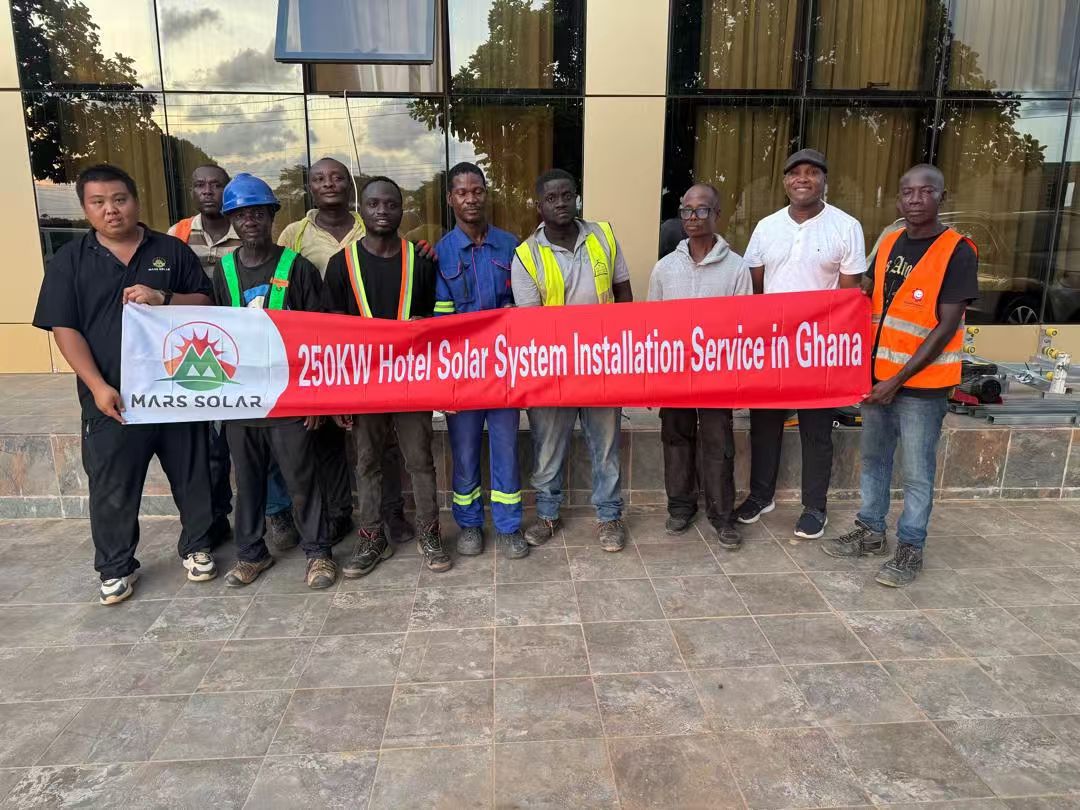
Installation | On-site by dispatched engineers |
Battery Chemistry | Lithium iron phosphate (LiFePO4) |
Project Type | Commercial hotel — full hybrid solar + storage |
Hotels in Ghana face a dual energy crisis:
For a mid-to-large hotel running 24/7 air conditioning, kitchen equipment, lighting, and guest amenities, the monthly electricity bill can easily exceed $15,000–$25,000. Diesel backup adds another 30–50% during outage hours.
This hotel was spending heavily on grid power and diesel, with no end in sight. They needed a solution that would:
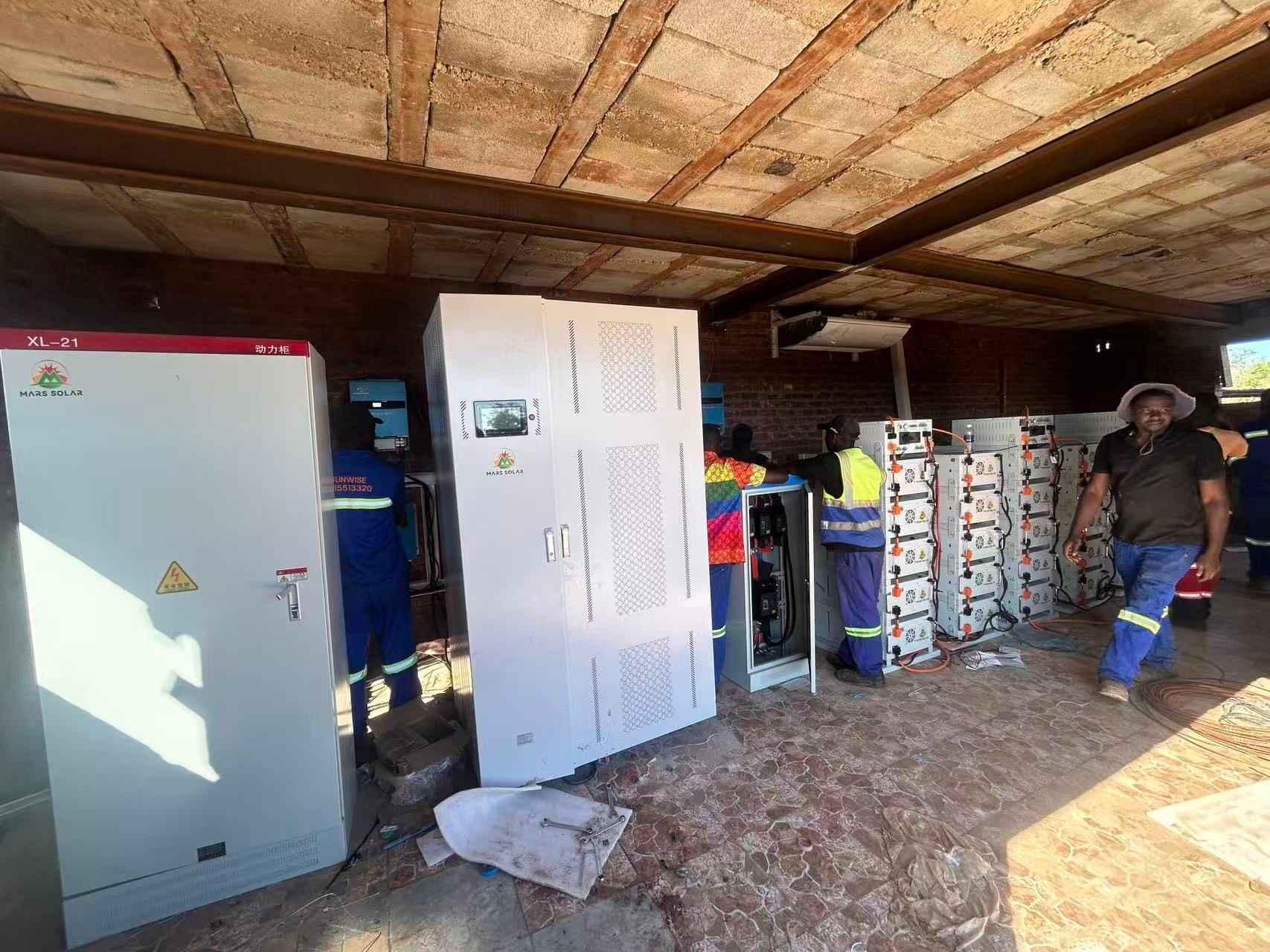
We designed and installed a hybrid solar + battery storage system tailored to the hotel's load profile:
Συστατικό | Specification |
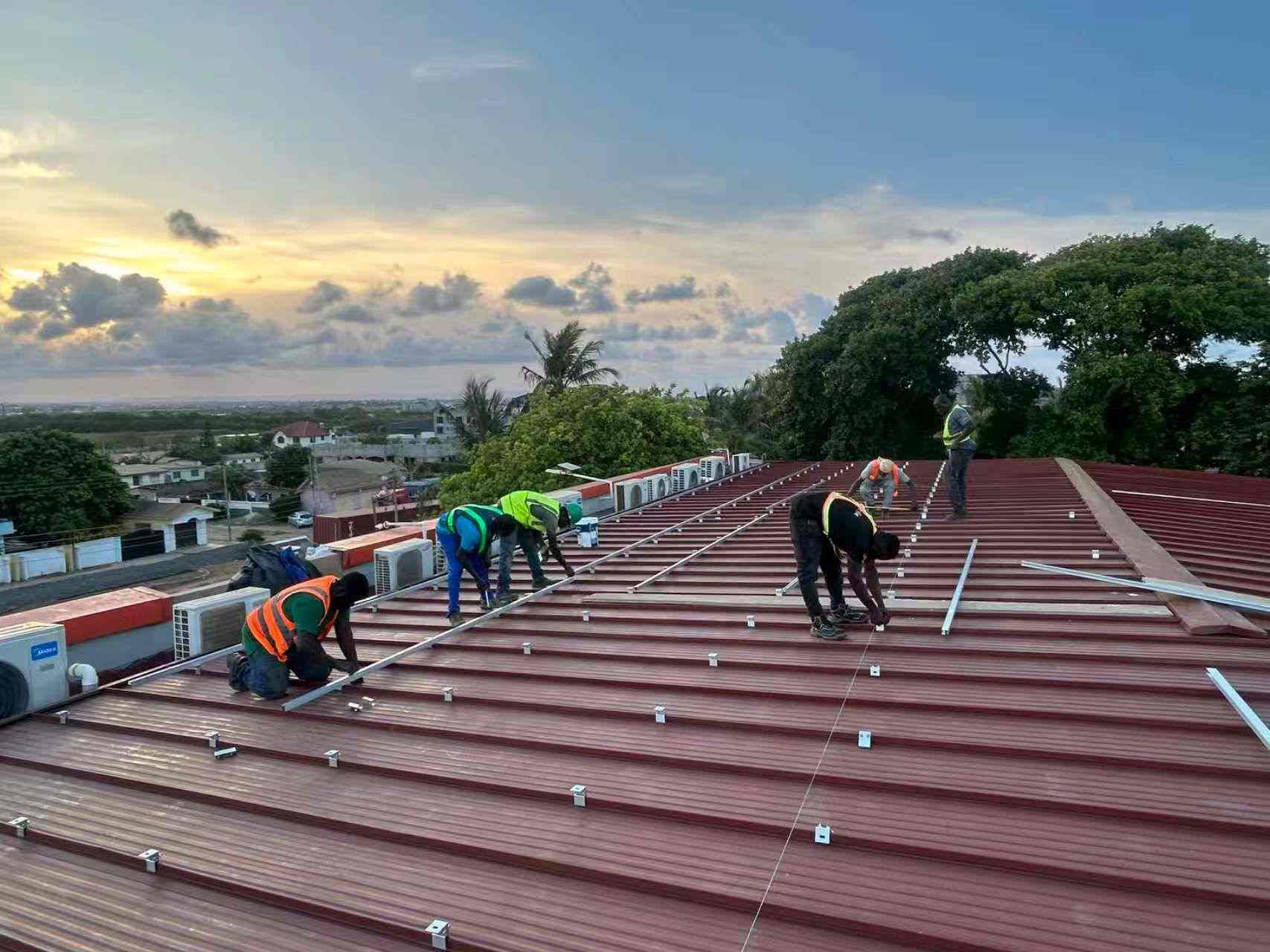
Solar PV Array | 250KW peak capacity |
Battery Energy Storage | 500KWh LiFePO4 |
Τύπος συστήματος | Hybrid (grid-tied with battery backup) |
Inverter | Hybrid inverter with grid-sync capability |
Operating Mode | Solar priority → Battery → Grid (automatic switchover) |
Backup Function | Seamless transition during grid outages |
The 2:1 battery-to-solar ratio was deliberate:
This ratio ensures maximum self-consumption of solar energy rather than exporting to the grid at low feed-in tariffs.
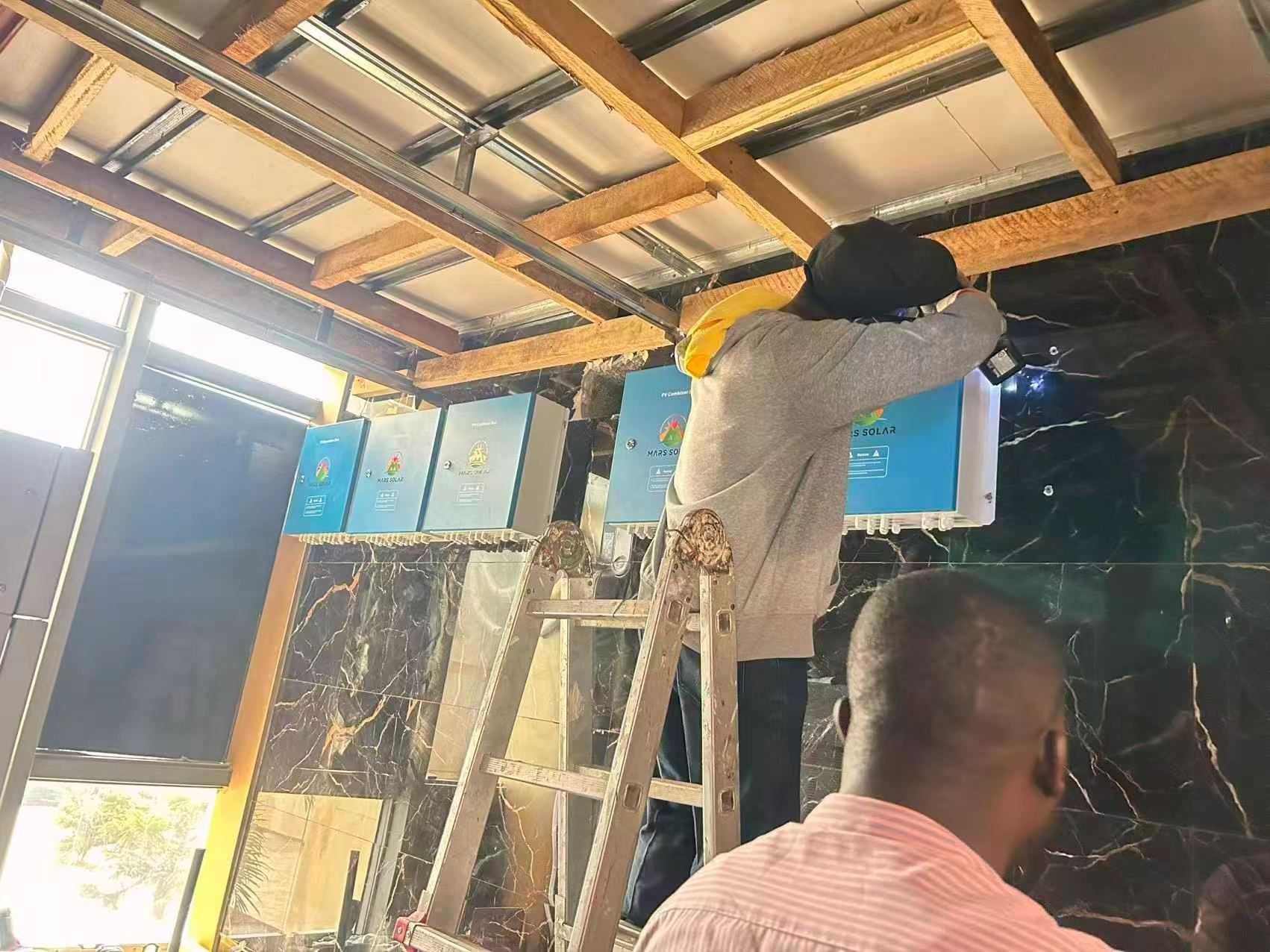
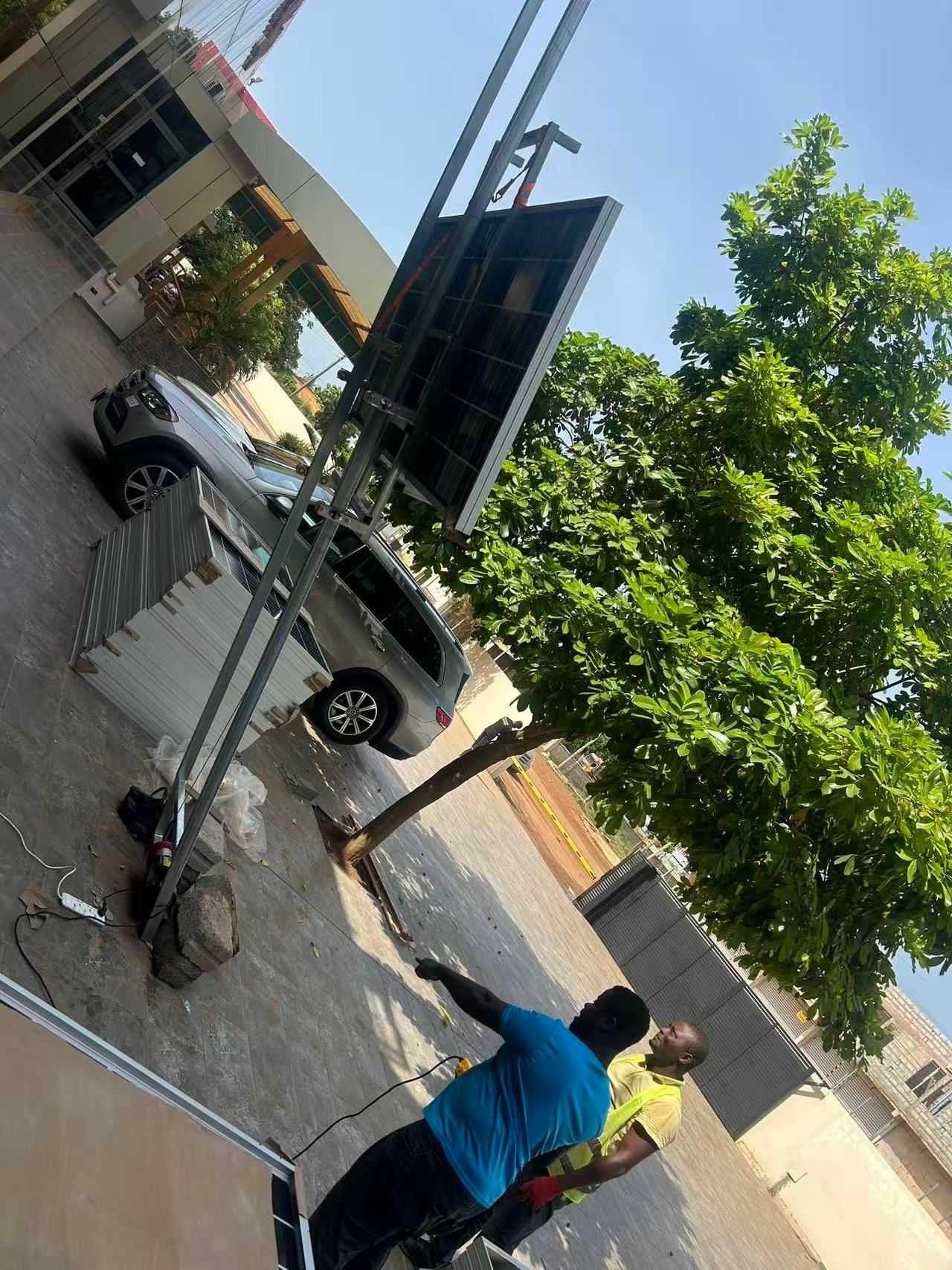
Unlike remote-supply arrangements, we dispatched our engineering team to Ghana for the full installation cycle:
On-site presence ensured zero compromise on installation quality and immediate troubleshooting capability.
Metric | Before Solar | After Solar | Change |
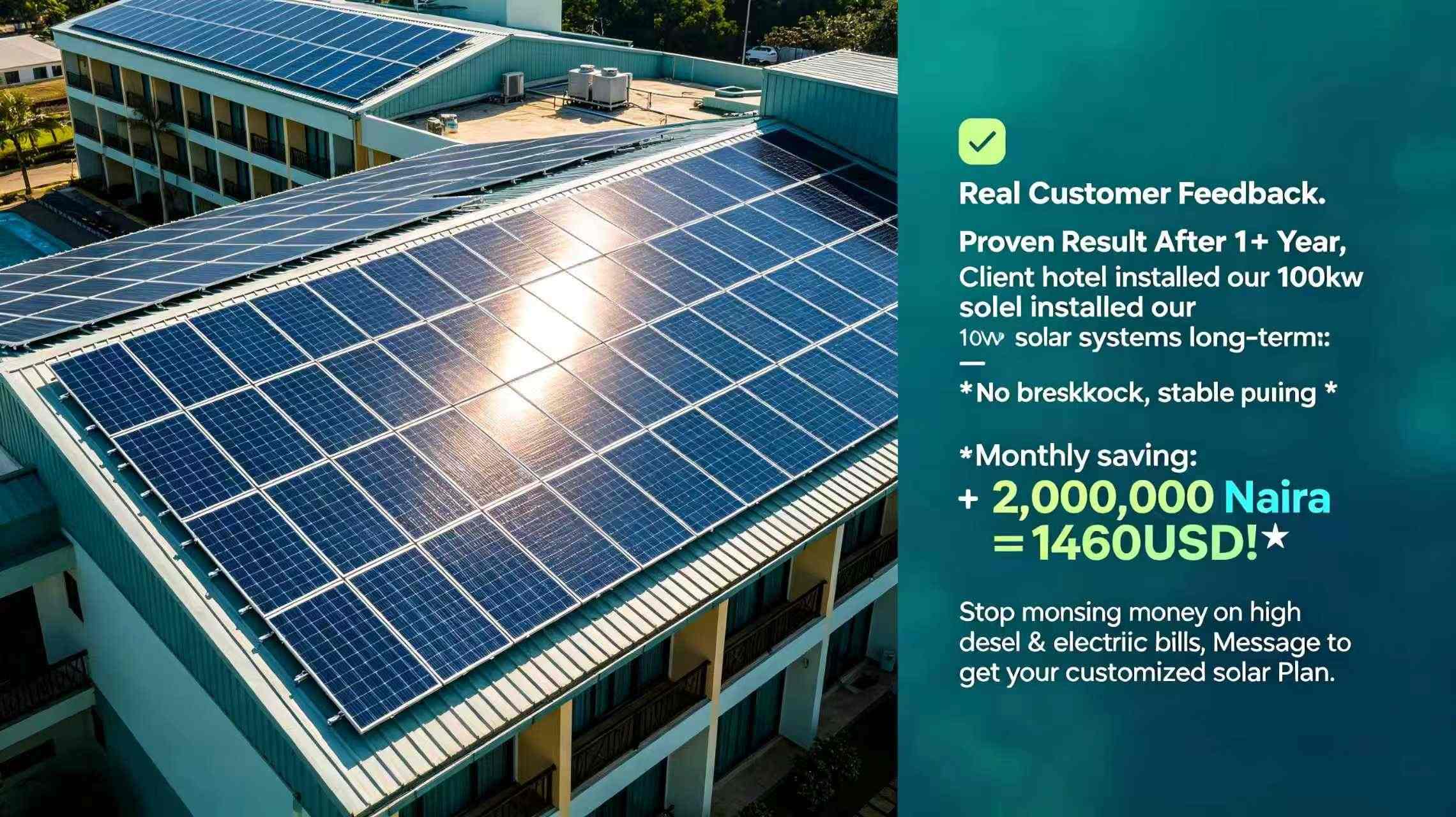
Monthly Electricity Bill | ~$12,500 | ~$7,500 | -60% |
Diesel Generator Runtime | 8–12 hrs/day | Near zero | -95% |
Grid Dependence | 100% | ~35% | -65% |
Solar Self-Consumption Rate | N/A | >85% | New |
CO₂ Reduction | — | ~180 tons/year | New |
Ghana is not unique. Hotels across West Africa — Nigeria, Senegal, Côte d'Ivoire, Cameroon — face the same combination of expensive grid power and unreliable supply. Solar + storage is no longer experimental; it's the economic baseline.
Condition | Threshold |
Grid tariff | >$0.12/kWh |
Outage frequency | >3 days/month |
Diesel backup cost | >$0.25/kWh |
Roof/ground space for panels | Available |
Payback expectation | <5 years |
If a hotel meets 3 or more of these conditions, a hybrid solar + storage system will almost certainly deliver positive ROI within 3–5 years.
Total installed cost for a 250KW solar + 500KWh LiFePO4 system in West Africa typically ranges from $150,000–$200,000 depending on site conditions, equipment brand, and logistics. With 60% electricity savings, payback is usually 3–4 years.
Yes, with proper sizing. A 500KWh battery can provide 2–4 hours of full-load backup, which covers most grid outages. For extended outages (>6 hours), a smaller backup generator can be kept as emergency reserve, but runtime drops by 90%+.
LiFePO4 batteries are rated for 6,000+ cycles at 25°C. In Ghana's average ambient temperature of 28–32°C, expect 5,000–5,500 cycles, which translates to 10–13 years of daily cycling — well within the system's payback period.
Yes. We dispatch engineers to the project site for survey, installation, commissioning, and handover. On-site installation ensures quality control and immediate support.
ΕΝΑ hybrid system connects to the grid and uses solar + battery as the primary source, with grid as backup. An off-grid system has no grid connection at all. For most Ghanaian hotels, hybrid is optimal — it retains grid access for rare high-demand periods while maximizing solar self-consumption.
Approximately 1,500–2,000 m² of usable area is needed for a 250KW array. This can be rooftop, ground-mount, or a combination. Carport mounting is also popular for hotels as it provides shaded parking.
Looking to reduce your hotel's electricity costs in Ghana or West Africa? Contact us for a free site assessment and custom system design.
https://sunenergyfactory.com/contact-us/


 Greek
Greek  English
  Chinese
  Cebuano
  Arabic
  Czech
Czech  Danish
  German
  Spanish (Spain)
  Spanish (Mexico)
  Persian
  French
  Indonesian
  Italian
  Japanese
  Korean
  Dutch
Dutch  Portuguese
  Russian
  Tagalog
  Turkish
  Vietnamese