タグなし
5月 27 , 2026

250KW Hotel Solar System in Ghana with Engineer On-Site Installation | Save 60% on Electricity Costs

TL;DR

Metric

Value

System Size

250KW solar PV + 500KWh lithium battery storage

Location

Ghana, West Africa

Electricity Cost Reduction

60%

Installation

On-site by dispatched engineers

Battery Chemistry

Lithium iron phosphate (LiFePO4)

Project Type

Commercial hotel — full hybrid solar + storage

The Problem: Hotels in Ghana Pay Too Much for Unreliable Power

Hotels in Ghana face a dual energy crisis:

  1. Grid electricity is expensive. Commercial tariffs in Ghana average $0.15–$0.25/kWh, and rising fuel costs keep pushing bills higher.
  2. Power outages are frequent. "Dumsor" — the local term for rolling blackouts — forces hotels to run diesel generators at $0.30–$0.45/kWh, making grid failure even costlier than grid power.

For a mid-to-large hotel running 24/7 air conditioning, kitchen equipment, lighting, and guest amenities, the monthly electricity bill can easily exceed $15,000–$25,000. Diesel backup adds another 30–50% during outage hours.

This hotel was spending heavily on grid power and diesel, with no end in sight. They needed a solution that would:

  • Cut monthly electricity costs significantly
  • Provide backup power during outages (eliminating diesel dependency)
  • Deliver ROI within 3–5 years
  • Operate reliably in Ghana's tropical climate

The Solution: 250KW Solar + 500KWh Hybrid System

We designed and installed a hybrid solar + battery storage system tailored to the hotel's load profile:

System Specifications

成分

Specification

Solar PV Array

250KW peak capacity

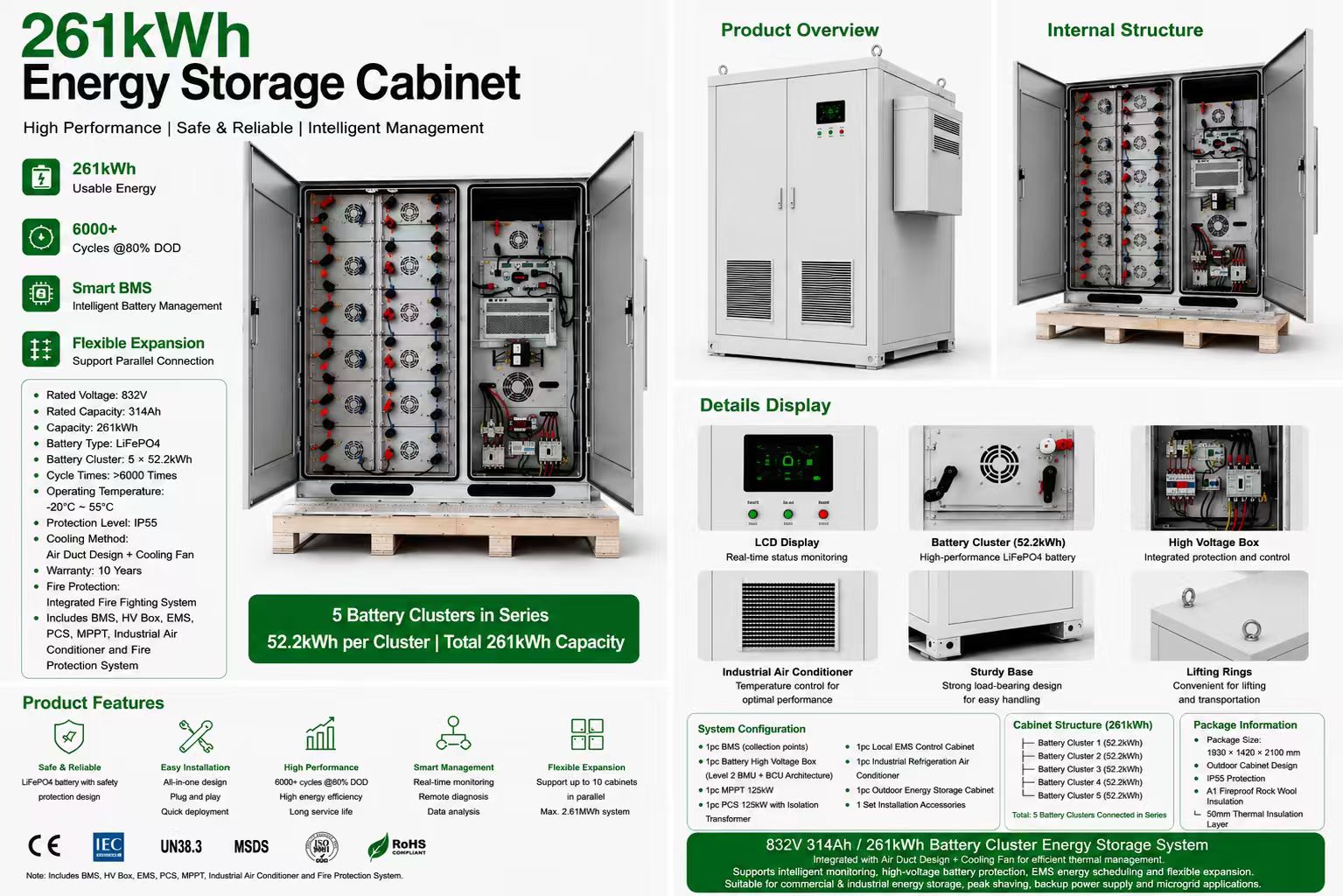
Battery Energy Storage

500KWh LiFePO4

システムタイプ

Hybrid (grid-tied with battery backup)

Inverter

Hybrid inverter with grid-sync capability

Operating Mode

Solar priority → Battery → Grid (automatic switchover)

Backup Function

Seamless transition during grid outages

Why 500KWh Battery Paired with 250KW Solar?

The 2:1 battery-to-solar ratio was deliberate:

  • Solar generates ~1,000–1,250KWh/day (250KW × 4–5 peak sun hours in Ghana)
  • 500KWh battery stores surplus daytime production for evening/night use
  • Peak demand coverage — the battery can deliver full hotel load for 2–3 hours during outages
  • Load shifting — store cheap solar energy, discharge during peak tariff periods

This ratio ensures maximum self-consumption of solar energy rather than exporting to the grid at low feed-in tariffs.

On-Site Installation: Engineers Deployed to Ghana

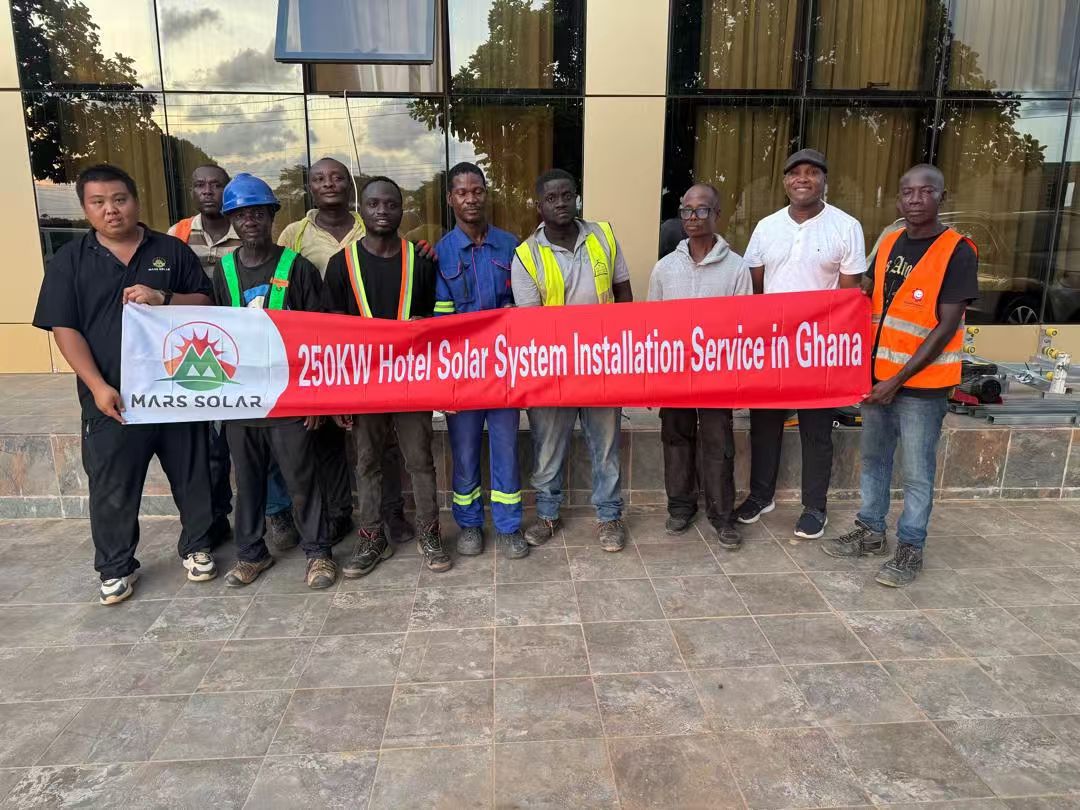
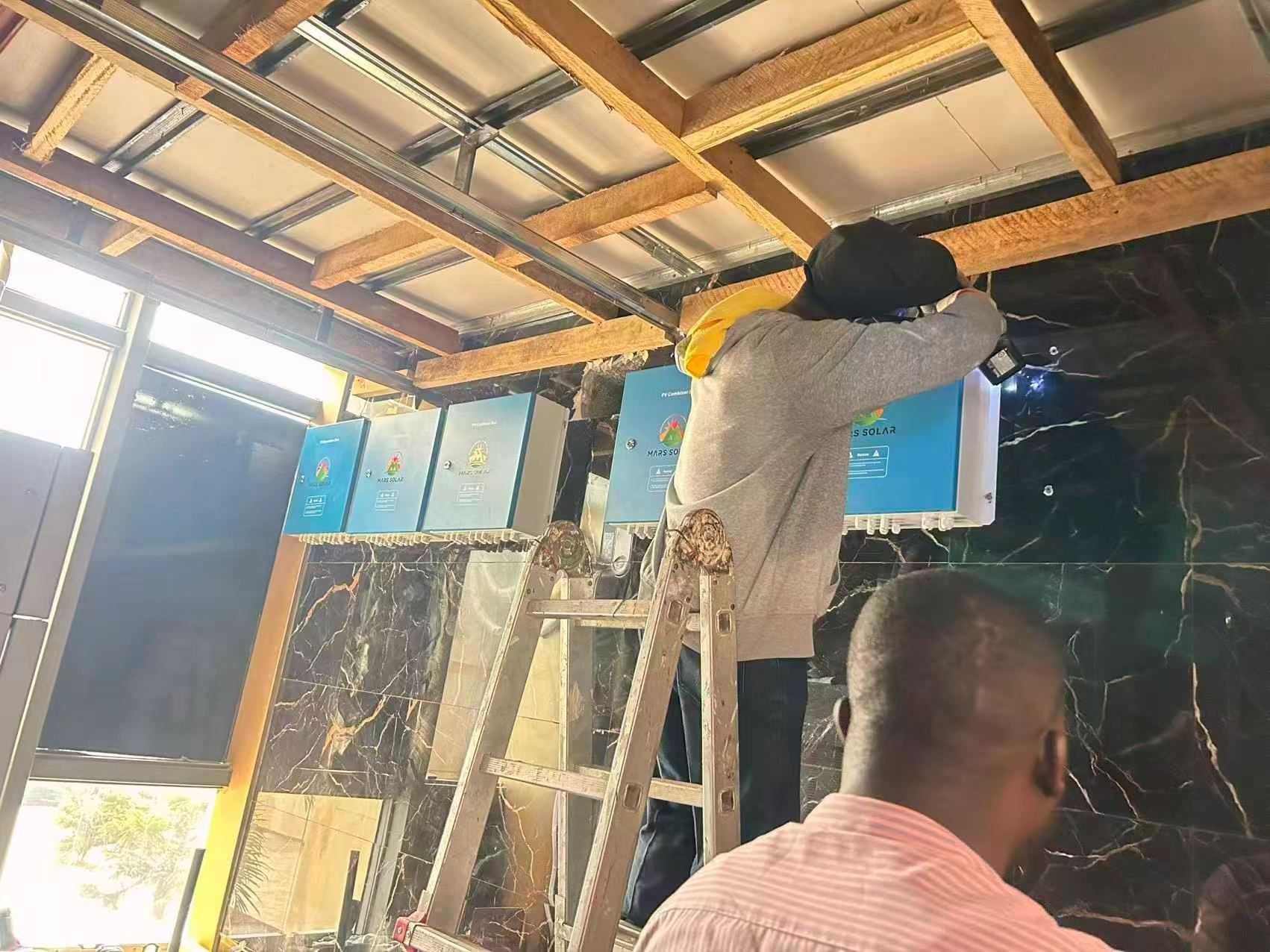
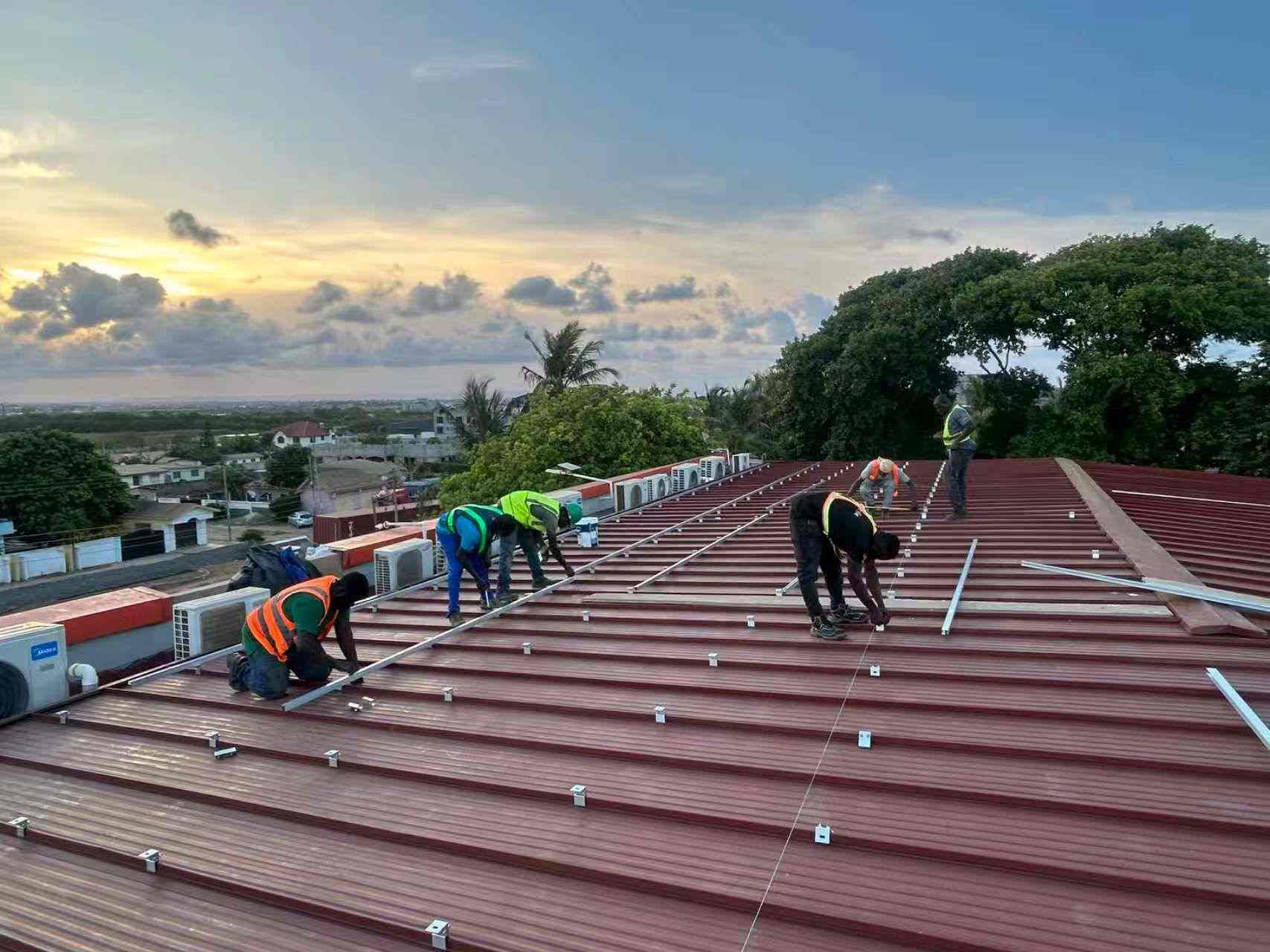
Unlike remote-supply arrangements, we dispatched our engineering team to Ghana for the full installation cycle:

  1. Site Survey & Load Analysis — Our engineers conducted an on-site energy audit, mapping the hotel's consumption patterns across seasons, occupancy rates, and outage frequency.
  2. System Design & Sizing — Based on the audit, we right-sized the 250KW + 500KWh system to match the hotel's base load and peak demand profile.
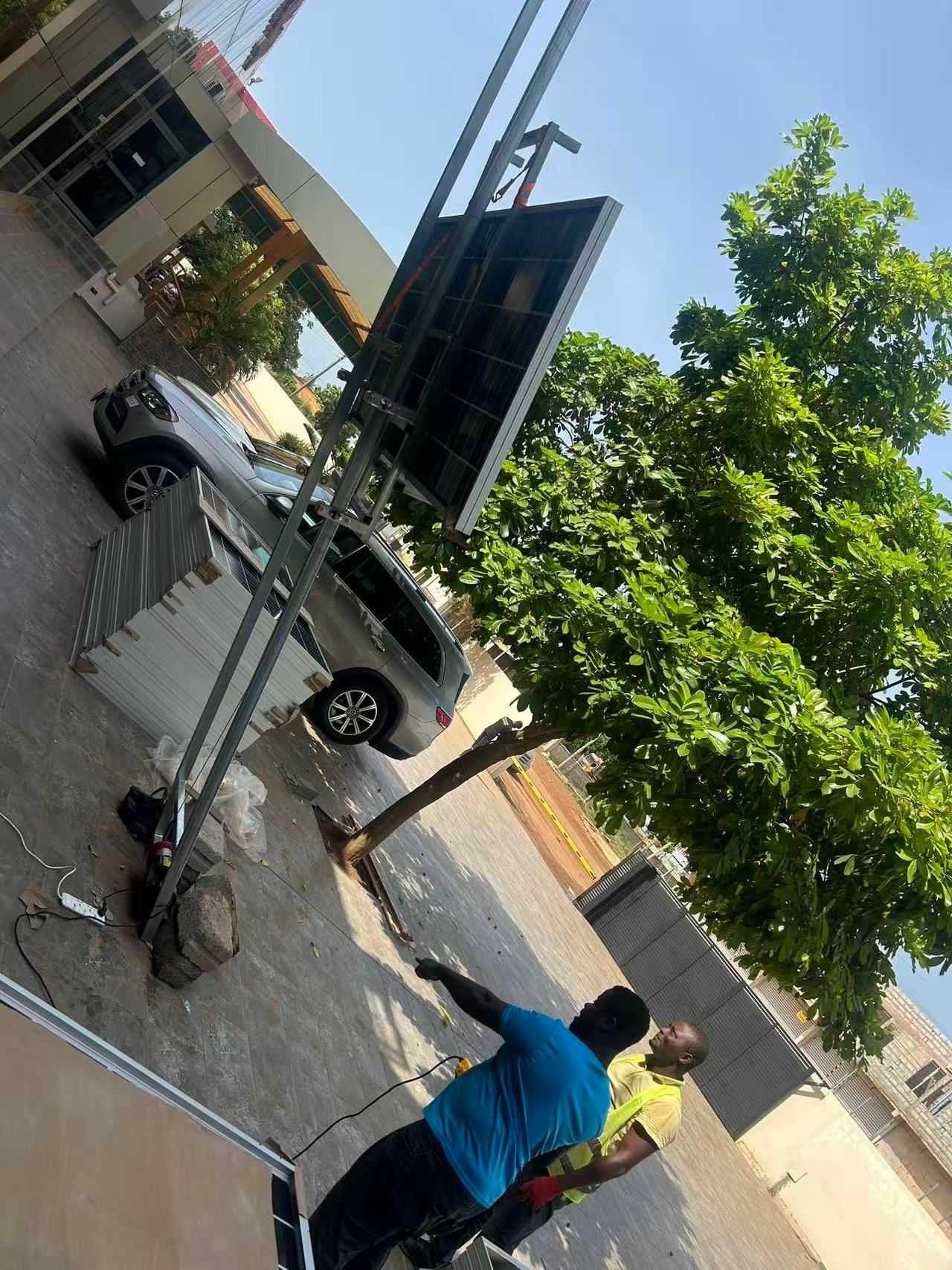
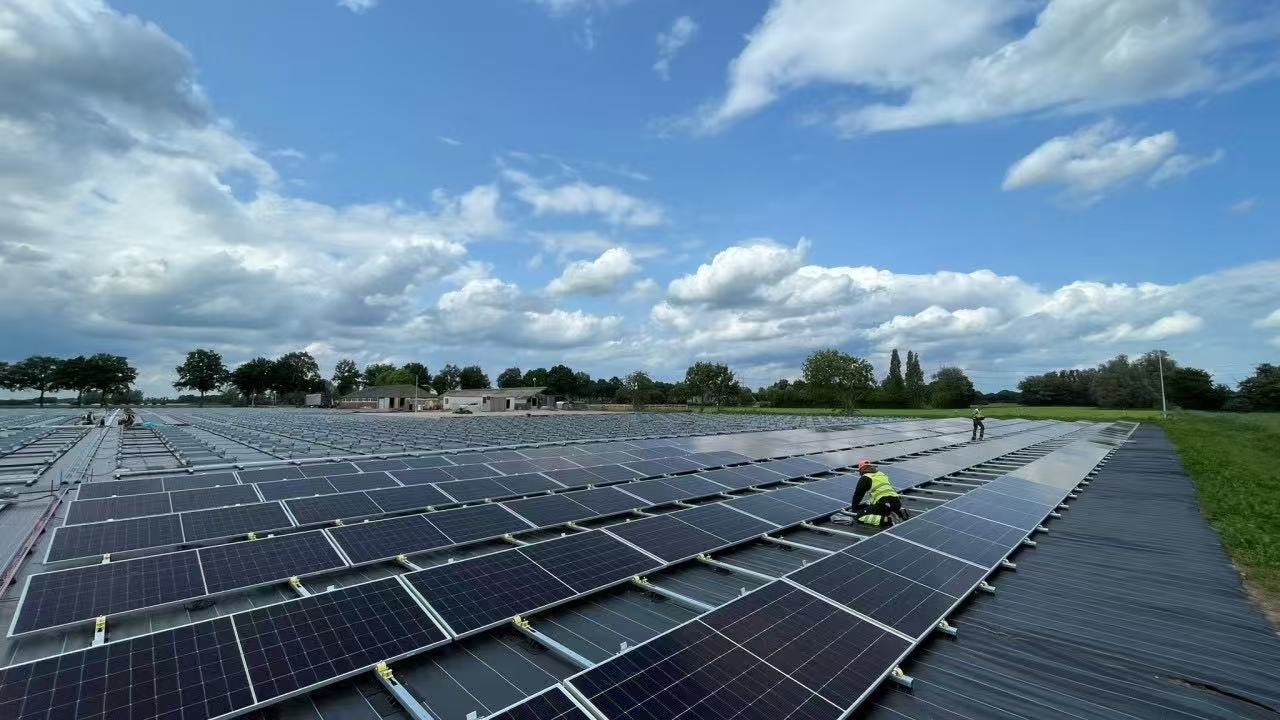
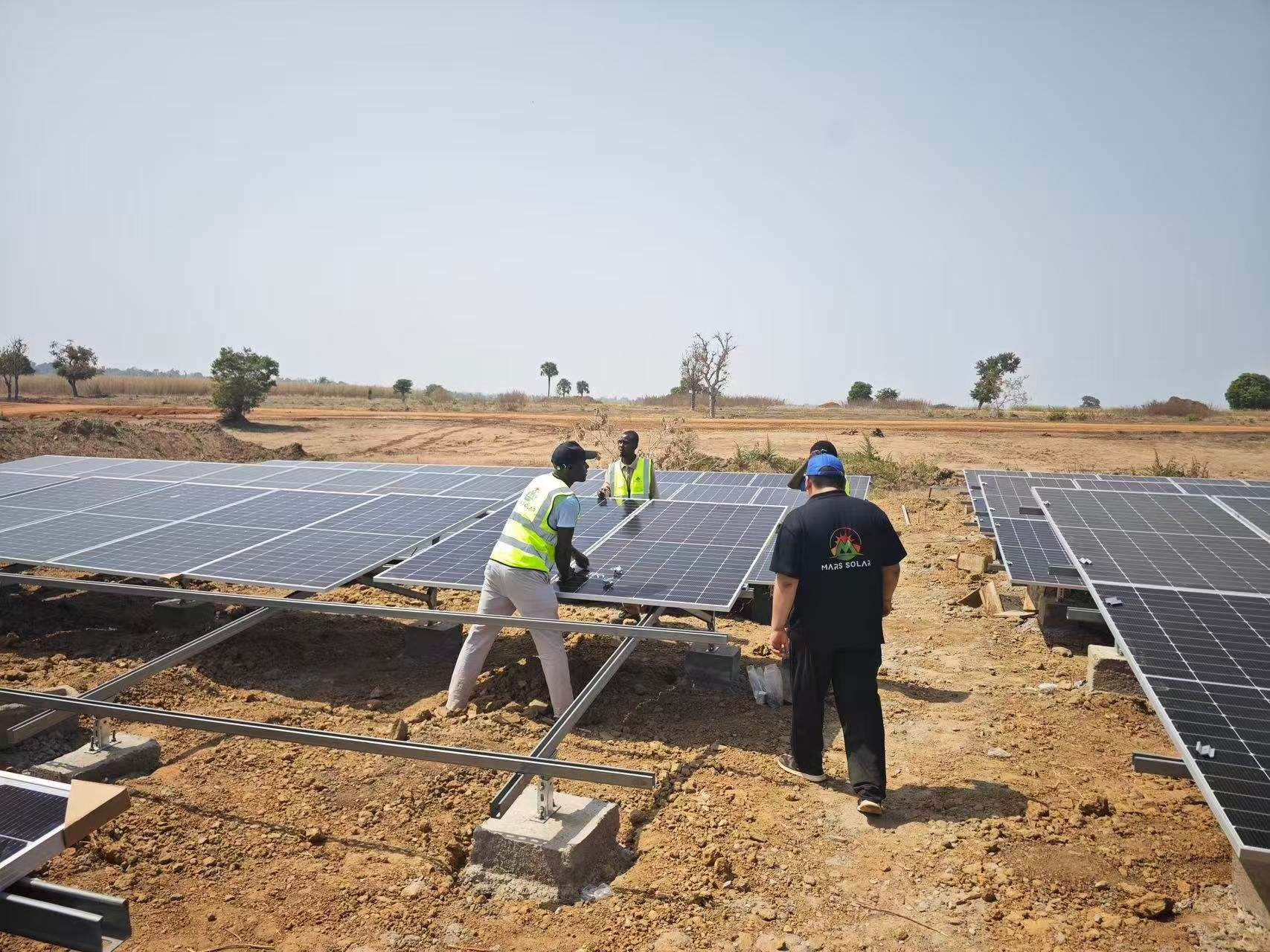
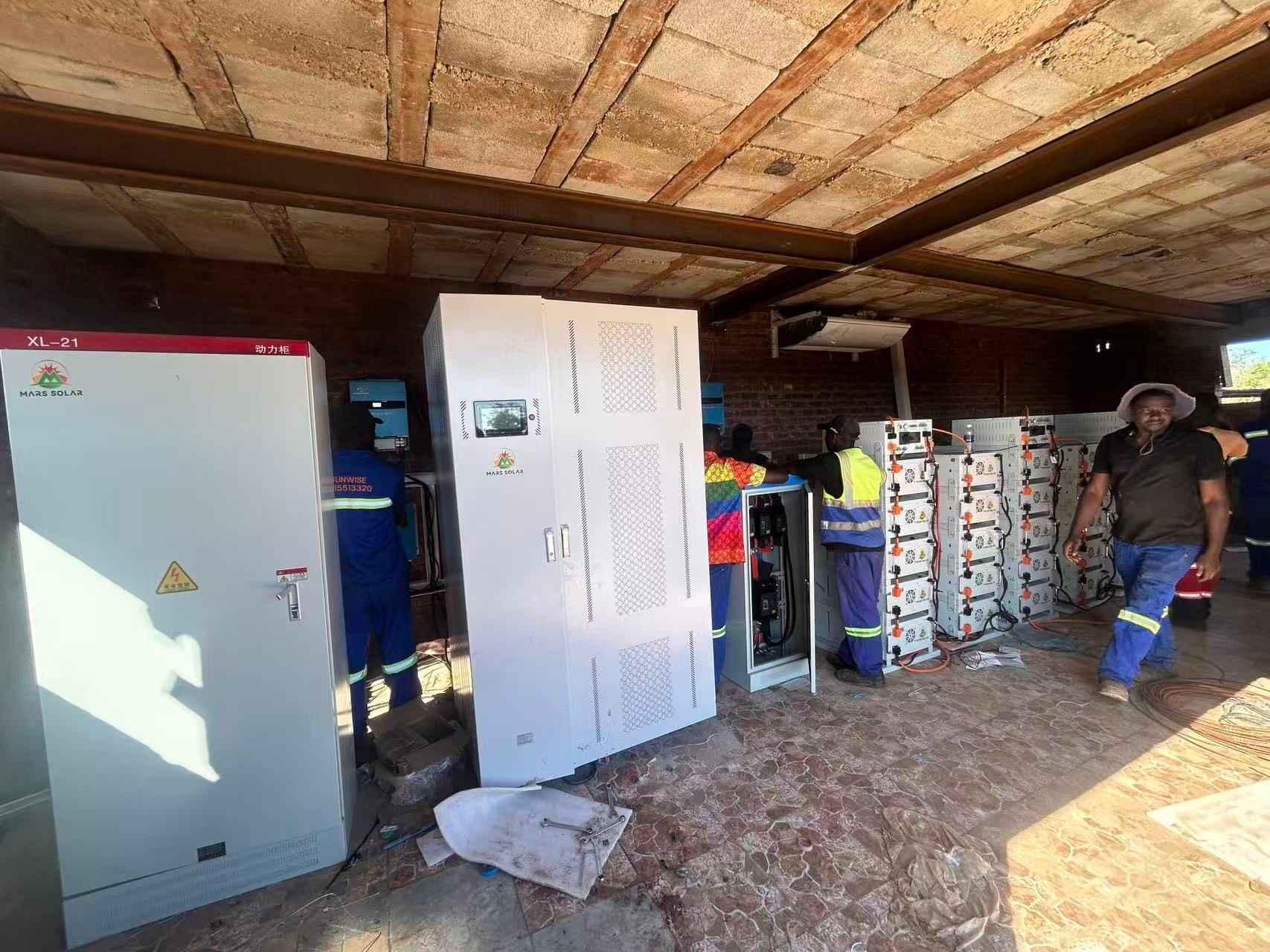
  3. Installation & Commissioning — The team installed solar panels on available rooftop and ground-mount areas, positioned the battery container, and commissioned the hybrid inverter system.
  4. Testing & Handover — Full load testing, inverter programming, and staff training on system monitoring and basic maintenance.

On-site presence ensured zero compromise on installation quality and immediate troubleshooting capability.

Results: 60% Reduction in Electricity Costs

Metric

Before Solar

After Solar

Change

Monthly Electricity Bill

~$12,500

~$7,500

-60%

Diesel Generator Runtime

8–12 hrs/day

Near zero

-95%

Grid Dependence

100%

~35%

-65%

Solar Self-Consumption Rate

N/A

>85%

New

CO₂ Reduction

~180 tons/year

New

How the 60% Savings Break Down

  • Daytime solar generation covers 50–60% of hotel load directly — zero grid cost for that portion
  • Battery discharge in evening replaces another 15–20% of grid consumption
  • Peak shaving — discharging battery during highest tariff periods saves an additional 5–10%
  • Diesel elimination — battery backup replaces generator during outages, saving $0.30–$0.45/kWh

Why This Matters for Hotels Across West Africa

Ghana is not unique. Hotels across West Africa — Nigeria, Senegal, Côte d'Ivoire, Cameroon — face the same combination of expensive grid power and unreliable supply. Solar + storage is no longer experimental; it's the economic baseline.

When Solar + Storage Makes Financial Sense for Hotels

Condition

Threshold

Grid tariff

>$0.12/kWh

Outage frequency

>3 days/month

Diesel backup cost

>$0.25/kWh

Roof/ground space for panels

Available

Payback expectation

<5 years

If a hotel meets 3 or more of these conditions, a hybrid solar + storage system will almost certainly deliver positive ROI within 3–5 years.

FAQ: Solar + Battery Storage for Hotels in Ghana

How much does a 250KW solar + 500KWh battery system cost for a hotel in Ghana?

Total installed cost for a 250KW solar + 500KWh LiFePO4 system in West Africa typically ranges from $150,000–$200,000 depending on site conditions, equipment brand, and logistics. With 60% electricity savings, payback is usually 3–4 years.

Can a solar battery system fully replace diesel generators for hotels?

Yes, with proper sizing. A 500KWh battery can provide 2–4 hours of full-load backup, which covers most grid outages. For extended outages (>6 hours), a smaller backup generator can be kept as emergency reserve, but runtime drops by 90%+.

How long do lithium batteries last in Ghana's tropical climate?

LiFePO4 batteries are rated for 6,000+ cycles at 25°C. In Ghana's average ambient temperature of 28–32°C, expect 5,000–5,500 cycles, which translates to 10–13 years of daily cycling — well within the system's payback period.

Do you install solar systems on-site in Ghana and other West African countries?

Yes. We dispatch engineers to the project site for survey, installation, commissioning, and handover. On-site installation ensures quality control and immediate support.

What is the difference between hybrid and off-grid solar systems for hotels?

A hybrid system connects to the grid and uses solar + battery as the primary source, with grid as backup. An off-grid system has no grid connection at all. For most Ghanaian hotels, hybrid is optimal — it retains grid access for rare high-demand periods while maximizing solar self-consumption.

How much roof space is needed for 250KW of solar panels?

Approximately 1,500–2,000 m² of usable area is needed for a 250KW array. This can be rooftop, ground-mount, or a combination. Carport mounting is also popular for hotels as it provides shaded parking.

Key Takeaways

  1. 60% electricity cost reduction is achievable for West African hotels with properly sized solar + storage systems
  2. Battery storage is essential, not optional — it replaces diesel backup and enables load shifting for maximum savings
  3. On-site engineering ensures quality — remote supply without installation support often leads to underperformance
  4. The 2:1 battery-to-solar ratio (500KWh : 250KW) balances self-consumption, backup, and cost efficiency
  5. ROI is typically 3–4 years in markets with high grid tariffs and frequent outages

Looking to reduce your hotel's electricity costs in Ghana or West Africa? Contact us for a free site assessment and custom system design.
https://sunenergyfactory.com/contact-us/

共有:

コメントを残す

メールアドレスが公開されることはありません。 が付いている欄は必須項目です

ニュースレターを購読する

    私たちに従ってください

    あなたの建物に無料の太陽光発電システムの設計をご希望ですか?

    携帯電話番号/WhatsApp/メールアドレスを残していただければ、1 時間以内に返信いたします。

      今すぐ無料の相談、カタログ、製品仕様、見積もりなどを入手してください。

      言語

      en_uszh_cnセブarcsエルeses_mxファfridそれじゃ日本語ptrutltr6

      言語

      jaJapanese