أنظمة الطاقة الشمسية خارج الشبكة لأفريقيا: دليل للمشترين من الشركات المستوردين ومقاولي الهندسة والمشتريات والإنشاءات [إصدار 2026]
لا يزال 600 مليون شخص في أفريقيا جنوب الصحراء الكبرى يفتقرون إلى الكهرباء. That's not just a statistic—it's a massive market opportunity for solar importers, distributors, and EPC contractors.
من المتوقع أن يصل حجم سوق الطاقة الشمسية خارج الشبكة في أفريقيا إلى $3.5 مليار بحلول عام 2030, بمعدلات نمو سنوية تتراوح بين 15 و201 تريليون دولار. وعلى عكس أسواق أوروبا المشبعة، تمثل أفريقيا إمكانات غير مستغلة مع طلب حقيقي.
بصفتك مشتريًا في مجال الأعمال بين الشركات (B2B)، إليك ما تحتاج إلى معرفته:
- الطلب حقيقي وليس مجرد تكهنات – تقوم الحكومات والمنظمات غير الحكومية والمستثمرون من القطاع الخاص بتمويل المشاريع الآن
- المنافسة أقل من الأسواق الراسخة – يحصل المبادرون الأوائل على شبكات توزيع
- هوامش الربح أفضل – انخفضت تكاليف سلسلة التوريد، وأعطى العملاء الأولوية للموثوقية على حساب الأسعار المنخفضة للغاية.
- نماذج الدفع مثبتة لقد أحدث نظام الدفع المسبق (PAYG) تحولاً جذرياً في القدرة على تحمل التكاليف
يغطي هذا الدليل كل ما تحتاجه للحصول على أنظمة الطاقة الشمسية خارج الشبكة وبيعها بنجاح في أفريقيا.
![أنظمة الطاقة الشمسية خارج الشبكة لأفريقيا: دليل للمشترين من الشركات المستوردين ومقاولي الهندسة والمشتريات والإنشاءات [إصدار 2026]](https://sunenergyfactory.com/wp-content/uploads/2026/03/8ed07258c9da0c4f690dad971c805471.jpg)
1. نظرة عامة على السوق: أين تكمن الفرص
الدول ذات النمو المرتفع في مجال الطاقة الشمسية خارج الشبكة
دولة | محركات السوق | أحجام الأنظمة النموذجية | الطلب السنوي المتوقع |
|---|---|---|---|
كينيا | مشروع KOSAP، انتشار الأموال عبر الهاتف المحمول | 50 واط - 500 واط (أنظمة الطاقة الشمسية المنزلية)، 5-50 كيلو واط (الشبكات المصغرة) | أكثر من 150,000 وحدة تعليمية ثانوية سنويًا |
نيجيريا | خطة لإنشاء 5000 شبكة كهربائية مصغرة، 60% غير مكهربة | 100 واط - 1 كيلو واط (أنظمة الطاقة الشمسية المنزلية)، 20-500 كيلو واط (الشبكات المصغرة) | أكثر من 200,000 وحدة تعليمية ثانوية سنويًا |
أوغندا | تمويل BGFA، مستوطنات اللاجئين | 50 واط - 300 واط (أنظمة الطاقة الشمسية المنزلية)، 5-20 كيلو واط (الشبكات المصغرة) | أكثر من 80,000 وحدة تعليمية ثانوية سنويًا |
أثيوبيا | البرنامج الوطني للكهرباء | 100 واط - 500 واط (أنظمة الطاقة الشمسية المنزلية)، 10-100 كيلو واط (شبكات الطاقة المصغرة) | أكثر من 100,000 وحدة تعليمية ثانوية سنويًا |
تنزانيا | قطاعا التعدين والاتصالات | 500 واط - 5 كيلو واط (تجاري)، 50-200 كيلو واط (شبكات صغيرة) | أكثر من 60,000 وحدة تعليمية ثانوية سنويًا |
جنوب أفريقيا | أزمة انقطاع التيار الكهربائي، والطلب التجاري | 5-50 كيلوواط (سكني/تجاري) | أنظمة موزعة بقدرة 50 ميجاوات أو أكثر سنويًا |
مصادر البيانات: تقرير GOGLA 2025 حول اتجاهات سوق الطاقة الشمسية خارج الشبكة العالمية، وتقرير البنك الدولي العالمي عن الإضاءة، وKOSAP، وBGFA
2. ما هي أنظمة الطاقة الشمسية خارج الشبكة الأكثر مبيعًا في أفريقيا؟
النوع الأول من الأنظمة: أنظمة الطاقة الشمسية المنزلية (SHS) – من 50 واط إلى 500 واط
العملاء المستهدفون: الأسر الريفية والشركات الصغيرة
أكثر التكوينات مبيعًا:
حجم النظام | عناصر | سعر التسليم على ظهر السفينة (بالدولار الأمريكي) | التطبيقات |
|---|---|---|---|
10 كيلوواط | 18 لوحة شمسية × 550 واط، بطارية ليثيوم فوسفات الحديد 15 كيلو واط ساعة، محول هجين 10 كيلو واط | $5,500 - $7,000 | منزل مزود بتلفزيون/راديو |
30 كيلوواط | 55 pcs × 550W solar panels, 60kWh LiFePO4 battery, 30kW hybrid inverter | $13,000 - $15,000 | المصانع الصغيرة، والعيادات، والمدارس، والمطاعم، وري المزارع |
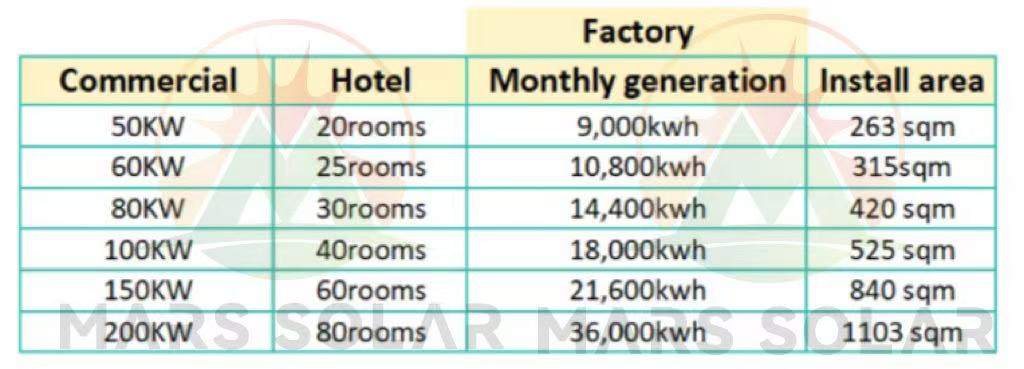
50 كيلوواط | 91 لوحة شمسية × 550 واط، بطارية ليثيوم فوسفات الحديد 50-100 كيلوواط ساعة، محول هجين 50 كيلوواط | $20,000 - $25,000 | المصانع متوسطة الحجم، والفنادق، ومصانع تجهيز المنتجات الزراعية، ومجموعات محطات الاتصالات الأساسية |
100 كيلوواط | 182 لوحة شمسية × 550 واط، وبطارية ليثيوم فوسفات الحديد 200 كيلوواط ساعة، ومحول هجين ثلاثي الأطوار 100 كيلوواط | $60,000 - $70,000 | المصانع الكبيرة، والمستشفيات، ومراكز التسوق، ومخيمات التعدين، وشبكات الطاقة الصغيرة المجتمعية |
300 كيلوواط | 545 لوحة شمسية × 550 واط، وبطارية ليثيوم فوسفات الحديد 600 كيلوواط ساعة، ومحول هجين ثلاثي الأطوار 300 كيلوواط + نظام مراقبة SCADA | $200,000 - $250,000 | ورش العمل الصناعية، ومجمعات الفنادق الكبيرة، وشبكات الطاقة الصغيرة في القرى، ومصانع معالجة الأرز، ومستودعات التبريد. |
أهم الميزات التي يطلبها المشترون الأفارقة:
- ✅ نوع البطارية: يحل الليثيوم LiFePO4 محل بطاريات الرصاص الحمضية (عمر أطول، وضمان لمدة 5 سنوات متوقع)
- ✅ تكامل نظام الدفع المسبق: وحدات تحكم قابلة للقفل مزودة بإمكانية الدفع عبر الهاتف المحمول
- ✅ متانة: مقاوم للغبار، يتحمل درجات حرارة عالية (45 درجة مئوية فأكثر في درجة حرارة محيطة)
- ✅ سهولة التركيب: موصلات سهلة التركيب والتشغيل (لا حاجة لفني كهربائي لنظام SHS)
- ✅ ضمان: سنتان كحد أدنى، وخمس سنوات للعلامات التجارية الفاخرة
النوع الثاني من الأنظمة: أنظمة تجارية خارج الشبكة - من 1 كيلوواط إلى 50 كيلوواط
العملاء المستهدفون: المحلات التجارية، والعيادات، والمدارس، والمطاعم، والمصانع الصغيرة، وأبراج الاتصالات
الحلول الموصى بها من شركة مارس سولار:
- نظام طاقة شمسية بقدرة 15 كيلوواط + 50 كيلوواط ساعة – مثالي للمصانع الصغيرة والمدارس والعيادات والمطاعم والفنادق
- نظام الطاقة الشمسية للمصنع – مصمم للمنشآت الصناعية متوسطة الحجم التي تتطلب طاقة على مدار الساعة طوال أيام الأسبوع
- نظام الطاقة الشمسية للمزرعة - مثالي للري الزراعي وتربية الماشية وتربية الأحياء المائية
الأسعار النموذجية:
- أنظمة خارج الشبكة بقدرة 1 كيلوواط - 5 كيلوواط: $1,000-$5,000 لكل كيلوواط (نظام كامل)
- أنظمة خارج الشبكة بقدرة 10 كيلوواط - 50 كيلوواط: $800-$1,200 لكل كيلوواط (نظام كامل)
النوع الثالث من الأنظمة: أنظمة الشبكات المصغرة – من 50 كيلوواط إلى 500 كيلوواط
العملاء المستهدفون: مقاولو الهندسة والمشتريات والإنشاء، ومطورو الشبكات المصغرة، وبرامج كهربة المناطق الريفية
التكوين النموذجي (مثال 100 كيلوواط):
- مجموعة الألواح الشمسية: 100 كيلوواط (180-200 لوحة × 550-600 واط)
- تخزين البطارية: بطارية ليثيوم فوسفات الحديد بسعة 200-300 كيلوواط ساعة (تعمل لمدة ساعتين إلى ثلاث ساعات كبطارية احتياطية)
- نظام العاكس: محول هجين ثلاثي الأطوار بقدرة 100 كيلوواط
- توزيع: شبكة توزيع الجهد المنخفض، عدادات ذكية
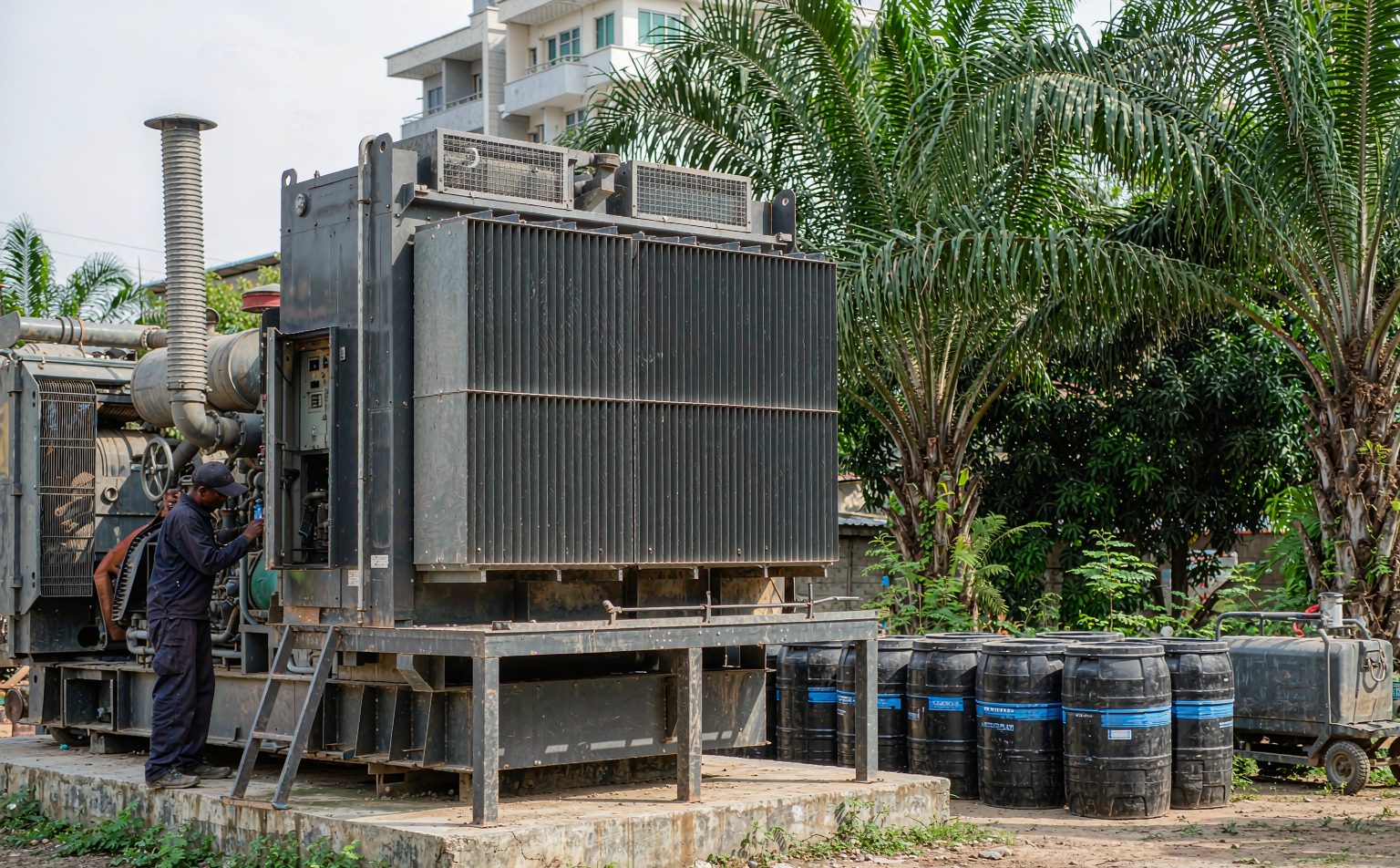
- مولد النسخ الاحتياطي: مولد ديزل بقدرة 50-100 كيلوواط (تشغيل تلقائي)
نطاق سعر التسليم على ظهر السفينة: $600-$900 لكل كيلوواط (المكونات فقط)
حلول واسعة النطاق مميزة:
- نظام شمسي بقدرة 100 كيلوواط – للمباني التجارية والشبكات المصغرة
- أنظمة بقدرة 300 كيلوواط - 500 كيلوواط – شبكات الطاقة المصغرة الصناعية والمجتمعية
- نظام شمسي بقدرة 1 ميغاواط (1000 كيلوواط) – مشاريع على نطاق المرافق
أمثلة لمشاريع حقيقية في أفريقيا:
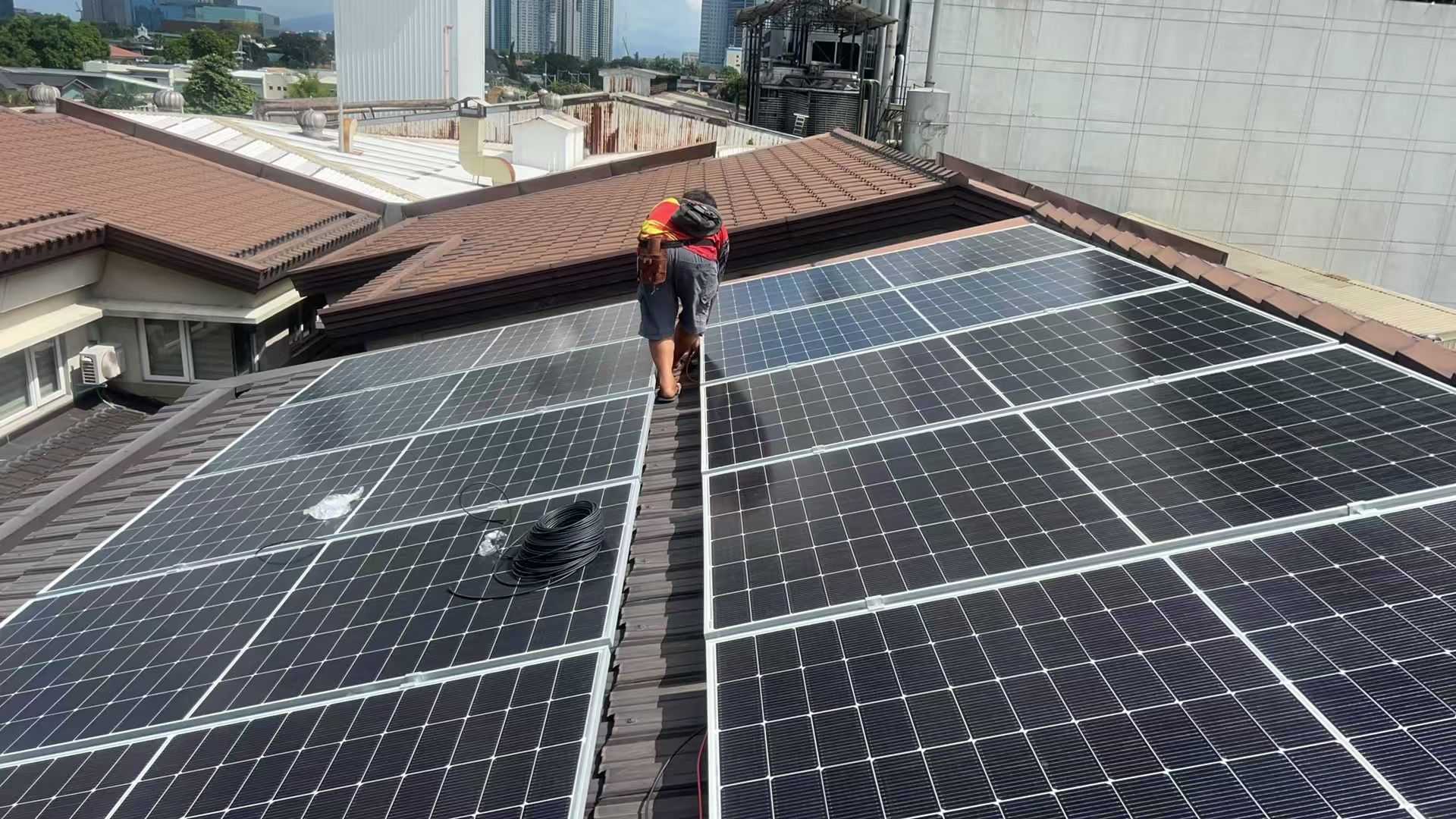
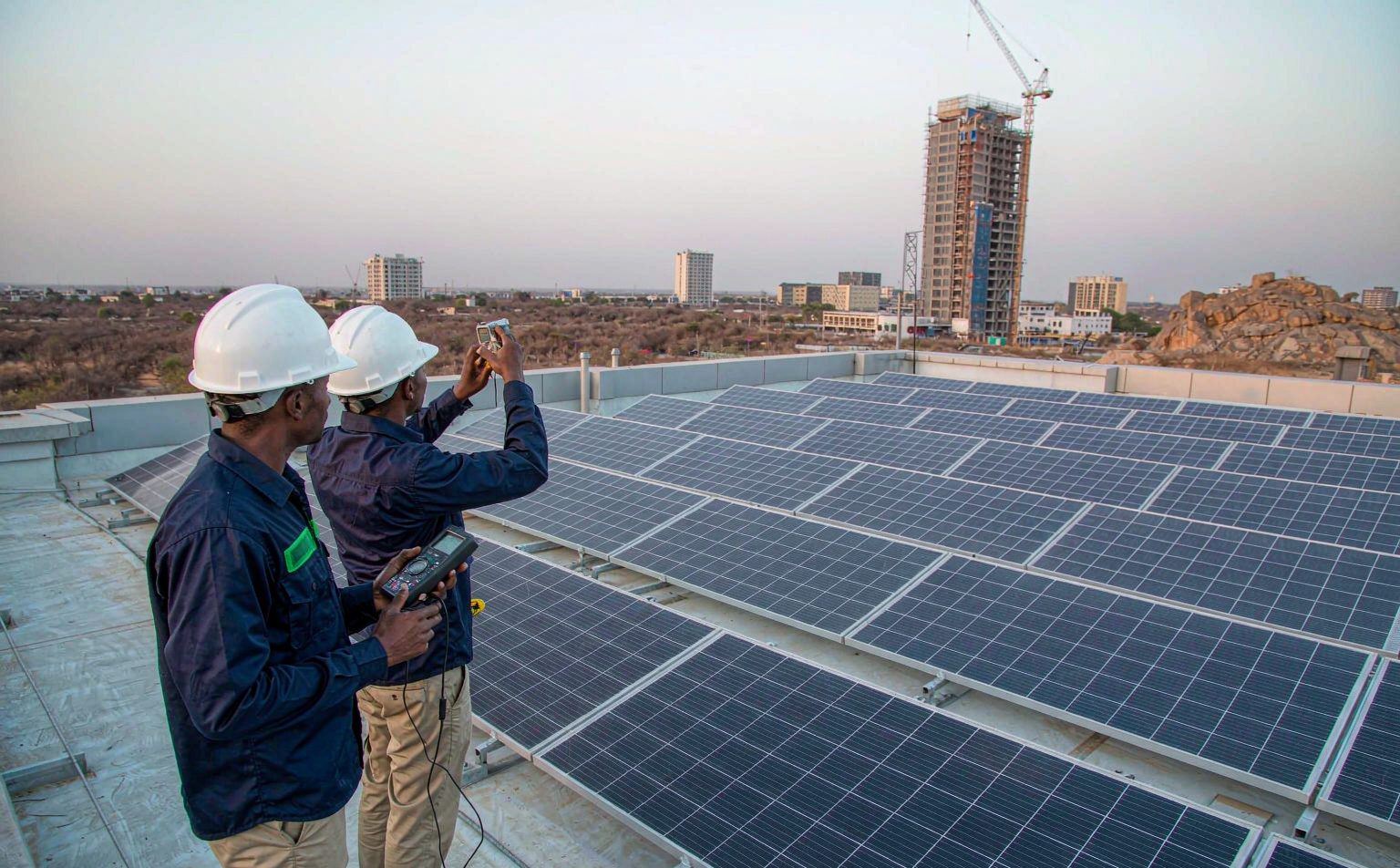
- ✅ نظام طاقة شمسية بقدرة 100 كيلوواط لمدرسة نائية في زيمبابوي – نظام الطاقة الشمسية الكهروضوئية + البطارية، 2024
- ✅ مشروع طاقة شمسية وبطاريات بقدرة 200 كيلوواط لمطحنة أرز في أبوجا، نيجيريا
- ✅ نظام طاقة شمسية بقدرة 100 كيلوواط لفندق في نيجيريا
![أنظمة الطاقة الشمسية خارج الشبكة لأفريقيا: دليل للمشترين من الشركات المستوردين ومقاولي الهندسة والمشتريات والإنشاءات [إصدار 2026]](https://sunenergyfactory.com/wp-content/uploads/2026/04/d7b4bced.jpg)
3. حلول تخزين الطاقة – ضرورية للأنظمة غير المتصلة بالشبكة
يُعد تخزين الطاقة بالبطاريات أمراً ضرورياً للتطبيقات التي لا تعتمد على الشبكة الكهربائية. يحتاج عملاؤك إلى طاقة موثوقة ليلاً وخلال الأيام الغائمة.
تقدم شركة مارس سولار حلولاً شاملة لتخزين الطاقة:
- تخزين الطاقة المثبت على الرف (45-500 كيلوواط ساعة) – تقنية LiFePO4 (أكثر من 2000 دورة). تصميم معياري لسهولة التوسع.
- بطارية 15 كيلو واط ساعة – تجاري/سكني صغير
- بطارية 30 كيلو واط ساعة – تجاري متوسط
لماذا تعتبر بطاريات LiFePO4 ضرورية لأفريقيا؟
- عمر أطول (أكثر من 2000 دورة مقابل 500-800 دورة للبطاريات الرصاصية الحمضية)
- أداء أفضل في درجات الحرارة المرتفعة
- انخفاض إجمالي تكلفة الملكية على مدى 10 سنوات
- وزن أخف، سهولة النقل
- لا يتطلب صيانة
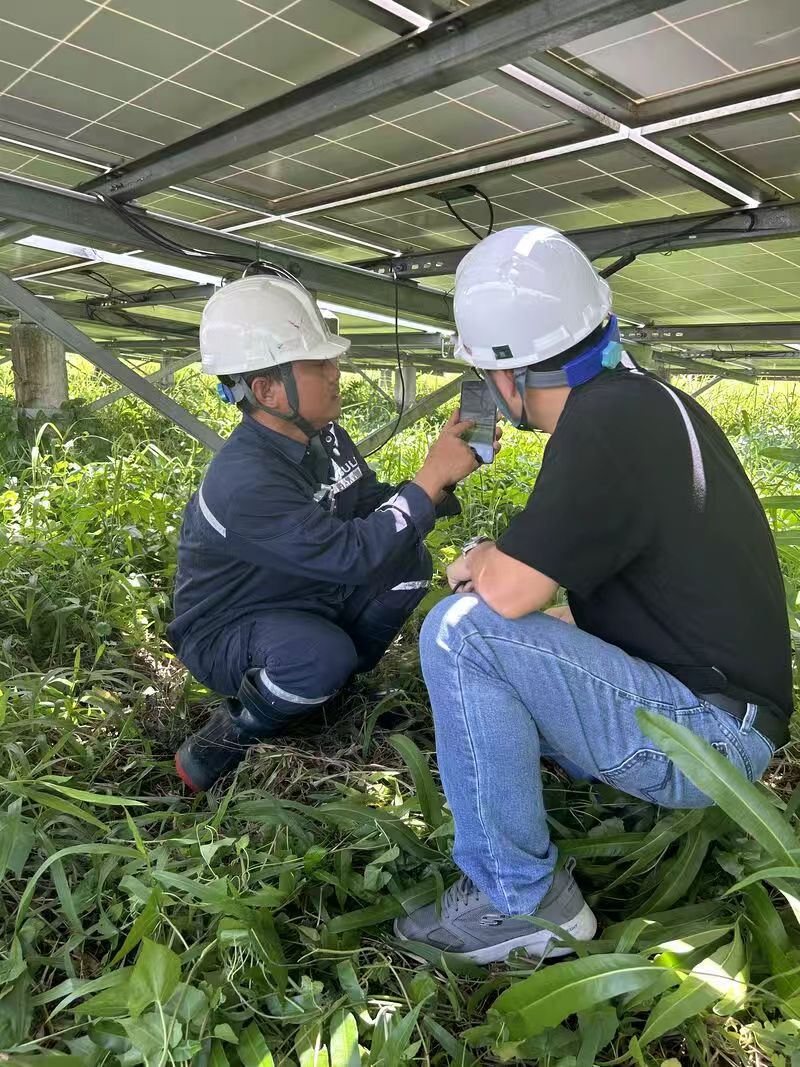
4. التوريد من الصين: ما الذي يجب البحث عنه في المورد؟
علامات تحذيرية يجب تجنبها
- ❌ أسعار غير واقعية: إذا كانت الأسعار أقل من متوسط السوق بمقدار 20% أو أكثر، فإن الجودة تتأثر سلباً.
- ❌ لا توجد سجلات تصدير إلى أفريقيا: أنت بحاجة إلى مورد يفهم الظروف الأفريقية
- ❌ شروط ضمان غامضة: ""ضمان لمدة 5 سنوات" بدون شروط واضحة للاستبدال/الإصلاح لا معنى له
- ❌ لا يوجد دعم فني: إذا لم يتمكنوا من تقديم المساعدة في تصميم النظام، فابحث عن شخص آخر.
- ❌ خط إنتاج واحد: أنت تريد موردًا قادرًا على توفير أنظمة متكاملة
علامات خضراء للبحث عنها
- ✅ سجل حافل بالإنجازات في أفريقيا – مراجع من مشترين من كينيا ونيجيريا وجنوب إفريقيا
- ✅ حلول النظام المتكامل مورد واحد للألواح، والمحولات، والبطاريات، ومستلزمات التركيب
- ✅ حد أدنى مرن للطلب – على استعداد لشحن الطلبات التجريبية
- ✅ الوثائق الفنية – مواصفات تفصيلية، أدلة التركيب، أدلة التشغيل
- ✅ مرونة في الدفع – دفعة مقدمة بقيمة 30% + دفعة مقدمة بقيمة 70% قبل الشحن (قياسي)، أو خطاب اعتماد للطلبات الكبيرة
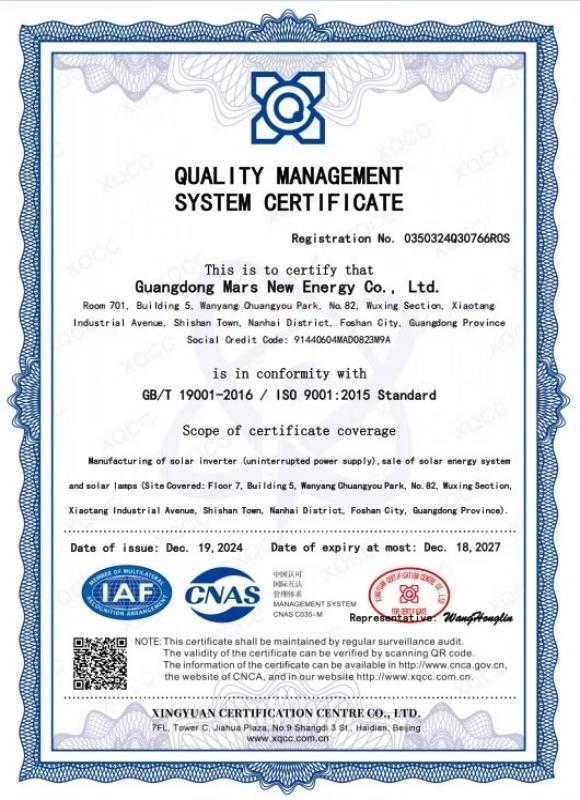
- ✅ شهادات الجودة – تتوفر تقارير اختبار من TÜV وSGS وIntertek
- ✅ دعم ما بعد البيع – مهندس متاح لتقديم الدعم الفني للتركيب
5. الشهادات والامتثال للأسواق الأفريقية
الشهادات الدولية (ضرورية)
منتج | الشهادات المطلوبة | لماذا يهم ذلك |
|---|---|---|
الألواح الشمسية | IEC 61215، IEC 61730، IEC 62716 (اختبار PID) | معايير الجودة والسلامة |
محولات التيار | IEC 62109-1، IEC 62109-2، IEC 61683 (الكفاءة) | السلامة والأداء |
بطاريات LiFePO4 | IEC 62619، UN38.3 (سلامة النقل)، IEC 62620 | السلامة والامتثال لقوانين النقل |
أجهزة التحكم بالشحن | IEC 62509 | أمان |
متطلبات خاصة بكل دولة
- كينيا: شهادة هيئة المواصفات الكينية (KEBS) – مطلوبة للاستيراد
- نيجيريا: برنامج تقييم المطابقة التابع لمنظمة المعايير النيجيرية (SONCAP)
- جنوب أفريقيا: خطاب اعتماد من الهيئة الوطنية للمواصفات الإلزامية (NRCS)
- مجموعة شرق أفريقيا (EAC): التحقق من المطابقة قبل التصدير (PVoC)
6. اعتبارات اللوجستيات والاستيراد
مسارات الشحن وأوقات النقل
البلد المقصود | الميناء الرئيسي | مدة النقل من الصين | تكلفة الشحن (حاوية 40 قدمًا عالية) |
|---|---|---|---|
كينيا | مومباسا | 25-30 يومًا | $3,500-$5,000 |
نيجيريا | لاغوس | 30-35 يومًا | $4,000-$6,000 |
جنوب أفريقيا | ديربان | 20-25 يومًا | $3,000-$4,500 |
تنزانيا | دار السلام | 25-30 يومًا | $3,500-$5,000 |
الرسوم والضرائب الجمركية (تقديرات عامة)
- لوحة شمسية: 0% رسوم الاستيراد (معفاة في معظم الدول الأفريقية)
- البطاريات: 5-25% رسوم الاستيراد (تختلف حسب البلد)
- محولات التيار: 5-25% رسوم الاستيراد (تختلف حسب البلد)
- ضريبة القيمة المضافة: 15-18% (يختلف حسب البلد)
هام: تعفي العديد من الدول الأفريقية الألواح الشمسية من رسوم الاستيراد تشجيعاً للطاقة المتجددة. مع ذلك، غالباً ما تخضع البطاريات والمحولات لرسوم جمركية. يُرجى مراجعة وسيط جمركي محلي.
7. أخطاء شائعة يجب تجنبها
الخطأ الأول: البحث عن أرخص المنتجات
المشكلة: تتدهور الألواح ذات الجودة المنخفضة بشكل أسرع، وتتعطل أجهزة العاكس في غضون 1-2 سنة، وتفقد البطاريات سعتها قبل الأوان.
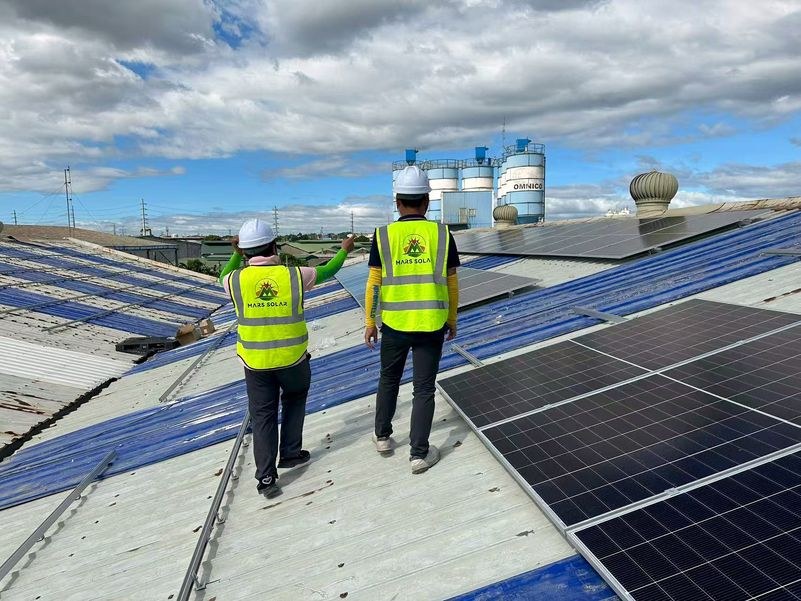
الحل: نستورد منتجاتنا من مصنّعين ذوي سمعة طيبة وسجل حافل بالإنجازات. تمتلك شركة مارس سولار خبرة تزيد عن 17 عامًا ولديها توصيات من مختلف أنحاء أفريقيا.
الخطأ الثاني: تجاهل خدمة ما بعد البيع
المشكلة: عندما يواجه العملاء مشاكل، لا يمكنك مساعدتهم لأن موردك لا يستجيب.
الحل: اختر الموردين الذين لديهم فرق دعم متخصصة. لدى شركة مارس سولار أكثر من 30 مهندسًا يقدمون الدعم الفني وخدمة ما بعد البيع وإرشادات التركيب.
الخطأ الثالث: عدم فهم المتطلبات المحلية
المشكلة: تقوم بشحن منتجات لا تستوفي الشهادات المحلية، وتقوم الجمارك باحتجاز حاويتك.
الحل: تأكد من مراجعة متطلبات الشهادات قبل الطلب. لدى شركة مارس سولار خبرة في شهادات هيئة المواصفات الكينية (KEBS) وبرنامج اعتماد الطاقة الشمسية في جنوب أفريقيا (SONCAP) وهيئة الحفاظ على الموارد الطبيعية (NRCS) وغيرها من الشهادات الأفريقية.
For a view of how orders are actually scheduled, see our Africa solar installation plan — it lists the markets, sizes and shipment windows we were working to in April.
ما هي أحجام أنظمة الطاقة الشمسية غير المرتبطة بالشبكة الأكثر مبيعًا في أفريقيا؟
تتوزع المبيعات على ثلاث فئات. تهيمن أنظمة الطاقة الشمسية المنزلية التي تتراوح قدرتها بين 50 واط و500 واط على عدد الوحدات المباعة عبر الموزعين ومشغلي خدمات الدفع حسب الاستهلاك (PAYG)؛ وتُستخدم حزم أنظمة الطاقة الشمسية التجارية غير المرتبطة بالشبكة التي تتراوح قدرتها بين 1 كيلوواط و50 كيلوواط في المزارع والعيادات والمدارس والمصانع الصغيرة؛ بينما تُستخدم أنظمة الطاقة الشمسية غير المرتبطة بالشبكة ذات الشبكات المصغرة التي تتراوح قدرتها بين 50 كيلوواط و500 كيلوواط لخدمة المجتمعات المحلية والمجمعات الصناعية. يتركز الحجم في النطاق الأصغر، لكن الهامش يتركز في نطاق الأنظمة الشمسية خارج الشبكة التي تتراوح قدرتها بين 10 و50 كيلوواط.
كيف يمكنني تحديد حجم نظام الطاقة الشمسية غير المرتبط بالشبكة لمشروع شبكة صغيرة؟
استنادًا إلى الاستهلاك المسجل، وليس أبدًا بناءً على قاعدة عامة. عادةً ما يتم بناء نظام طاقة شمسية خارج الشبكة بقدرة 100 كيلوواط من 180 إلى 200 وحدة بقدرة 550 إلى 600 واط لكل منها، ومجموعة بطاريات LiFePO₄ بسعة 200 إلى 300 كيلوواط ساعة توفر احتياطيًا لمدة ساعتين إلى ثلاث ساعات، ومحول هجين ثلاثي الأطوار، ومولد احتياطي يعمل بالبدء التلقائي. يتم تحديد حجم النظام الشمسي غير المرتبط بالشبكة بناءً على استهلاك الليل بالإضافة إلى الزيادة المفاجئة في الاستهلاك أثناء العمليات، لأن هذا هو المكان الذي يفشل فيه النظام الشمسي غير المرتبط بالشبكة ذو الحجم غير الكافي.
ما هي تكلفة النظام الشمسي غير المرتبط بالشبكة لكل كيلوواط من المصنع؟
تتراوح التكلفة تقريبًا بين 1,000 و5,000 دولار أمريكي لكل كيلوواط لنظام طاقة شمسية كامل خارج الشبكة بقدرة تتراوح بين 1 و5 كيلوواط، و800 إلى 1,200 دولار أمريكي لكل كيلوواط لنظام طاقة شمسية تجاري خارج الشبكة بسعة تتراوح بين 10 و50 كيلوواط، و600 إلى 900 دولار أمريكي لكل كيلوواط لمكونات نظام طاقة شمسية خارج الشبكة على شكل شبكة مصغرة بسعة تتراوح بين 50 و500 كيلوواط. ويعزى هذا التباين في الأسعار إلى نسبة التخزين أكثر من سعر الألواح، لذا اطلب دائمًا عرض أسعار لنظام الطاقة الشمسية خارج الشبكة مقسمًا بين التوليد والبطارية.
ما هي التركيبة الكيميائية للبطارية التي ينبغي أن يستخدمها نظام الطاقة الشمسية غير المرتبط بالشبكة في أفريقيا؟
LiFePO₄، دون جدال يذكر. يوفر نظام الطاقة الشمسية المستقل عن الشبكة الذي يعمل بالليثيوم 2,000 دورة أو أكثر، مقارنة بـ 500–800 دورة للبطاريات الحمضية الرصاصية، ويتحمل درجة حرارة محيطة تزيد عن 45 درجة مئوية عندما تكون غرفة البطاريات جيدة التهوية، ولا يحتاج إلى إضافة الماء، كما أنه أخف وزنًا بكثير عند الشحن. ويتم استرداد سعر الشراء الأعلى لنظام الطاقة الشمسية غير المتصل بالشبكة الذي يعمل بالليثيوم خلال دورة الاستبدال الأولى، وهذا هو السبب في أن بطاريات الرصاص الحمضية أصبحت الآن خيارًا محدود الاستخدام لأنظمة الطاقة الشمسية غير المتصلة بالشبكة في أفريقيا.
ما هي الشهادات التي يجب أن يحملها نظام الطاقة الشمسية غير المرتبط بالشبكة لكي يتوافق مع متطلبات الأسواق الأفريقية؟
على مستوى الوحدة، المعايير IEC 61215 وIEC 61730، بالإضافة إلى IEC 62716 إذا كان الموقع قريبًا من الساحل. تحتاج المحولات إلى المعيارين IEC 62109-1 و IEC 62109-2. تحتاج خلايا الليثيوم إلى المعيارين IEC 62619 و IEC 62620 مع تقرير نقل UN 38.3 لشركة الشحن. ثم تُطبق المتطلبات الإضافية الخاصة بكل دولة — SONCAP لنيجيريا، وPVoC لكينيا وتنزانيا، وبرنامج المطابقة المكافئ في أي مكان آخر. ولا يمكن اعتماد أي نظام طاقة شمسية خارج الشبكة بدون مجموعة الوثائق هذه.
What import duties apply to an off-grid solar system?
Treat it line by line, not as one shipment. Solar panels are exempt from customs duty in most African markets, batteries attract roughly 5–25% depending on country, and inverters fall in the same 5–25% band. Declaring a whole off-grid solar system under the module heading is the error that turns a duty saving into a penalty, so confirm the HS codes for your off-grid solar system with a clearing agent before the order is placed.
How long does shipping an off-grid solar system to Africa take?
Plan on 30–45 days of ocean transit from China to a major African port, plus 10–20 days of production and inland transport. The variable that ruins schedules is documentation rather than shipping: a certificate of conformity issued late will hold an off-grid solar system at the port long after the vessel has berthed. Book the inspection when the off-grid solar system enters final assembly, not after it is crated.
What are the red flags when sourcing an off-grid solar system from China?
Quoted prices 20% or more below the market with no explanation of what is missing; a “5-year warranty” with no replacement or repair terms; unbranded inverters described only by wattage; and refusal to publish test reports. Any one of these on an off-grid solar system order is worth a second look; two of them usually mean the supplier is reselling whatever is closest to hand that week.
What payment terms are normal for an off-grid solar system order?
30% deposit with 70% before shipment is the standard structure on an off-grid solar system order, and a letter of credit for larger contracts. Both are reasonable. What is not reasonable is a supplier demanding 100% upfront on an off-grid solar system with no factory visit, no test report and no shipping documents in the contract. Ask for the bill of lading to be issued in your name, and release the balance against it.
Does an off-grid solar system need a diesel backup?
For a mini-grid, usually yes as reserve; for a commercial off-grid solar system it depends on the design autonomy. A 50–100 kW automatic-start generator is the normal pairing on a 100 kW off-grid solar system, because the cost of a four-day outage is far above the cost of a standby unit. On a well-sized off-grid solar system the generator runs a few dozen hours a year instead of every evening.
How much autonomy should an off-grid solar system be designed for?
Two days is the common specification; three days is what bank, clinic and telecom clients ask for. Autonomy is the single biggest cost driver in an off-grid solar system, because every extra day of storage is battery capacity that generates nothing on a sunny day. Size the off-grid solar system to the longest realistic outage in that market, not to the worst imaginable one.
Which African countries have the strongest off-grid solar system demand?
Kenya, Nigeria, Uganda, Ethiopia and Tanzania carry the volume. Kenya combines mobile-money penetration with government rural electrification programmes; Nigeria has a large unelectrified population and an explicit mini-grid plan; Uganda and Ethiopia are absorbing international funding for refugee and rural settlement electrification. South Africa behaves differently, with an off-grid solar system market driven by load shedding.
How does PAYG change off-grid solar system sales?
It converts an off-grid solar system from a capital purchase into a service. Pay-as-you-go unlocks customers who cannot pay for a solar home system upfront, and it gives the distributor recurring revenue plus remote data on every unit. The trade-off is financing cost and the need to lock or disable an off-grid solar system remotely when payments lapse, so PAYG demands firmware capability rather than just hardware.
What warranty should an off-grid solar system carry?
Match warranty to component life rather than to a marketing number. For an off-grid solar system, panels should carry 10–12 years against defects and 25 years against performance, inverters 5 years, and lithium batteries 5–10 years or a stated cycle count. A 5-year panel warranty on an off-grid solar system is a warning sign; a 25-year statement with no issuer named is not much better.
How is an off-grid solar system commissioned and handed over?
Against measured output, not against a checklist. A proper handover records the array's open-circuit voltage and short-circuit current per string, the battery's state of health, the inverter's settings, and a full load test against the design load. Commissioning an off-grid solar system in the dry season and calling it finished is a common shortcut, so insist the off-grid solar system be load-tested to its stated rating before sign-off.
Can an off-grid solar system be expanded after installation?
Yes, if the AC architecture was chosen for it. Rack-mounted LFP cabinets and a bidirectional inverter let you add storage to an off-grid solar system without replacing the conversion equipment, and spare MPPT capacity on the inverter lets you add strings. Decide that path when you buy the first off-grid solar system, because retrofitting around a fully loaded inverter is the expensive version.
What technical support should come with an off-grid solar system?
Three things: a design review before the order, commissioning support on site or by video, and a spare-parts list held in the region. An off-grid solar system is usually the only power source at the site, so a supplier without an escalation path is a single point of failure. Ask how a fault is diagnosed on an off-grid solar system thousands of kilometres away — the answer should mention remote monitoring and named engineers.
How do I compare two off-grid solar system quotations fairly?
Normalise before you compare. Put both off-grid solar system quotes into the same table: module model and warranty, inverter model and MPPT count, battery chemistry and usable kWh, protection devices, mounting, shipping terms, and the document set. Then add the levelised cost of electricity view — lifetime cost divided by lifetime kWh. Two off-grid solar system quotes that look identical on price are rarely identical on the table.
هل أنت مستعد لتوفير أنظمة الطاقة الشمسية خارج الشبكة لأفريقيا؟
شركة Mars Solar هي شركة تصنيع صينية رائدة تتمتع بخبرة تزيد عن 17 عامًا في أنظمة الطاقة الشمسية خارج الشبكة.
نقاط قوتنا:
- ✅ حلول النظام المتكامل – الألواح الشمسية، والمحولات، والبطاريات، وأنظمة التركيب
- ✅ سجل حافل بالإنجازات في أفريقيا – مشاريع في نيجيريا، وزيمبابوي، وكينيا، وجنوب أفريقيا، وغيرها
- ✅ منتجات معتمدة من IEC و TÜV و SGS
- ✅ الدعم الفني – أكثر من 30 مهندسًا لتصميم الأنظمة وخدمات ما بعد البيع
- ✅ حد أدنى مرن للطلبات التجريبية
- ✅ ضمان لمدة 5 سنوات على الألواح الشمسية، وضمان لمدة 3 سنوات على أجهزة العاكس والبطاريات
الطاقة الإنتاجية:
- الألواح الشمسية: 2 ميغاواط/يوم
- محولات الطاقة الشمسية: 500 كيلوواط/يوم
- البطاريات: 5500 كيلوواط ساعة/يوم
المنتجات المميزة للأسواق الأفريقية:
- نظام طاقة شمسية بقدرة 15 كيلوواط + 50 كيلوواط ساعة – مثالي للمزارع والمدارس والعيادات
- نظام الطاقة الشمسية للمصنع – التطبيقات الصناعية
- نظام الطاقة الشمسية للمزرعة – حلول زراعية
- بطارية تخزين الطاقة المثبتة على الرف (45-500 كيلوواط ساعة)
اتصل بشركة مارس سولار اليوم:
- موقع إلكتروني: sunenergyfactory.com
- نموذج الاتصال: انقر هنا
- واتساب: +86-15302966051
- بريد إلكتروني: info@marssolargroup.com
تنزيل موارد مجانية:
- 📥 حاسبة حجم نظام الطاقة الشمسية خارج الشبكة (إكسل) – طلب عبر نموذج الاتصال
- 📥 قائمة التحقق من الاستيراد للأسواق الأفريقية (ملف PDF) – طلب عبر نموذج الاتصال
- 📥 متطلبات الحصول على الشهادة حسب البلد (ملف PDF) – طلب عبر نموذج الاتصال
استكشف منتجاتنا:
- أنظمة الطاقة الشمسية المتصلة بالشبكة والمنفصلة عنها
- أنظمة تخزين الطاقة
- بطاريات ذات سعة كبيرة
- أنظمة مضخات المياه الشمسية
- عرض جميع المنتجات
حول الطاقة الشمسية للمريخ
تقوم شركة مارس سولار (شركة فوشان مارس سولار للتكنولوجيا المحدودة) بتصنيع وتصميم أنظمة الطاقة الشمسية منذ عام 2008. خبرة تزيد عن 17 عامًا, أكثر من 30 مهندسًا, ، و أكثر من 3000 مشروع ناجح في أكثر من 130 دولة, نحن نساعد الموزعين ومقاولي الهندسة والمشتريات والإنشاءات على النجاح في أفريقيا وخارجها.
لماذا تختار مارس سولار؟
- خدمة مخصصة – دراسة ما قبل البيع، تصميم تخطيط الألواح الشمسية، مجموعة كاملة من المنتجات المخصصة
- تصميم النظام الشمسي الكامل – نقوم بتصميم النظام الشمسي بأكمله
- خدمة الاختبار - نقوم باختبار النظام بأكمله لمدة 72 ساعة قبل الشحن
- خدمة ما بعد البيع - نقدم خدمة التركيب وخدمة الفحص السنوي
تواصل معنا | معلومات عنا | اطلع على قضايا عملائنا | شاهد الفيديوهات
آخر تحديث: يونيو 2026
الكلمات المفتاحية: أنظمة الطاقة الشمسية خارج الشبكة في أفريقيا، استيراد أنظمة الطاقة الشمسية المنزلية، أنظمة الطاقة الشمسية المصغرة في أفريقيا، ألواح الطاقة الشمسية للشركات في الصين، أنظمة الطاقة الشمسية بنظام الدفع المسبق، موزع الطاقة الشمسية في أفريقيا، مقاول أنظمة الطاقة الشمسية بنظام EPC، مارس سولار

 English
  Arabic
  Spanish
  French
  Dutch
Dutch  Portuguese