
لغة

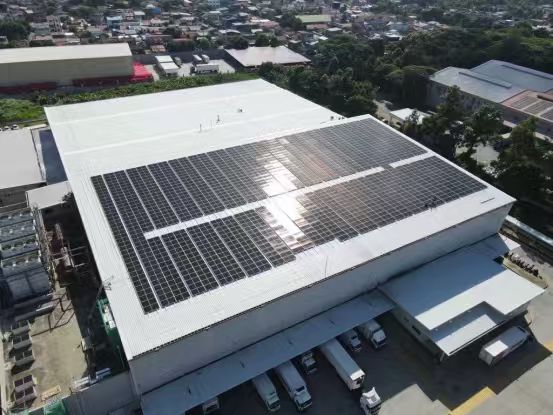
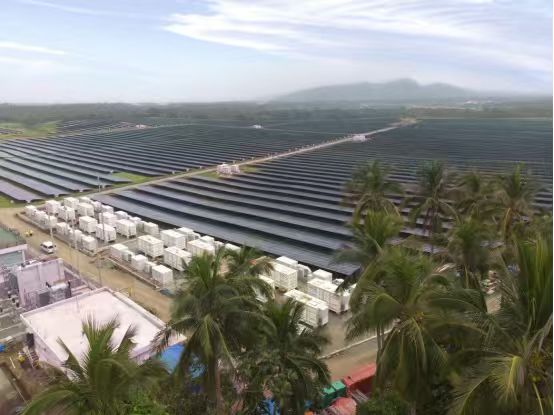
Solar power for factories in the Philippines is no longer an environmental decision — it is a cost decision, and the arithmetic has turned.
إذا كنت صاحب مصنع في فيلبيني، تركيب نظام الطاقة الشمسية إنها ليست مجرد مسؤولية بيئية فحسب، بل هي قرار تجاري مربح للغاية.
معظم المصانع لديها نمط واضح لاستهلاك الكهرباء:
يتوافق ملف تعريف الحمل هذا تمامًا مع توليد الطاقة الكهروضوئية الشمسيةوهذا يعني أن مصنعك يمكنه استهلاك الطاقة الشمسية التي تولدها مباشرةً، مما يقلل بشكل كبير من الاعتماد على الشبكة الكهربائية.
بالنسبة للمستخدمين الصناعيين، أ نظام الطاقة الشمسية المتصل بالشبكة (نظام الشبكة) هو الخيار الأفضل عادةً للأسباب التالية:
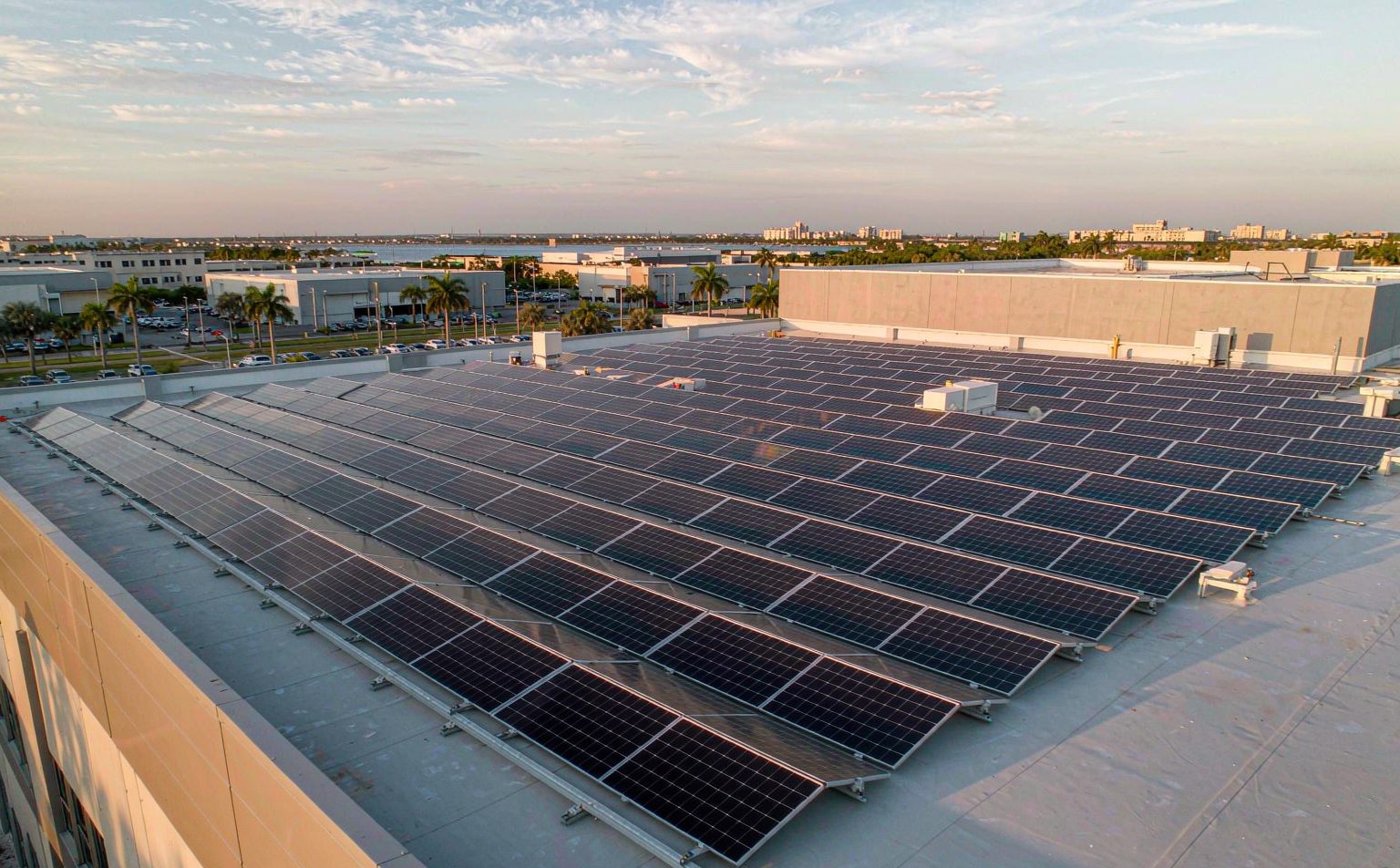
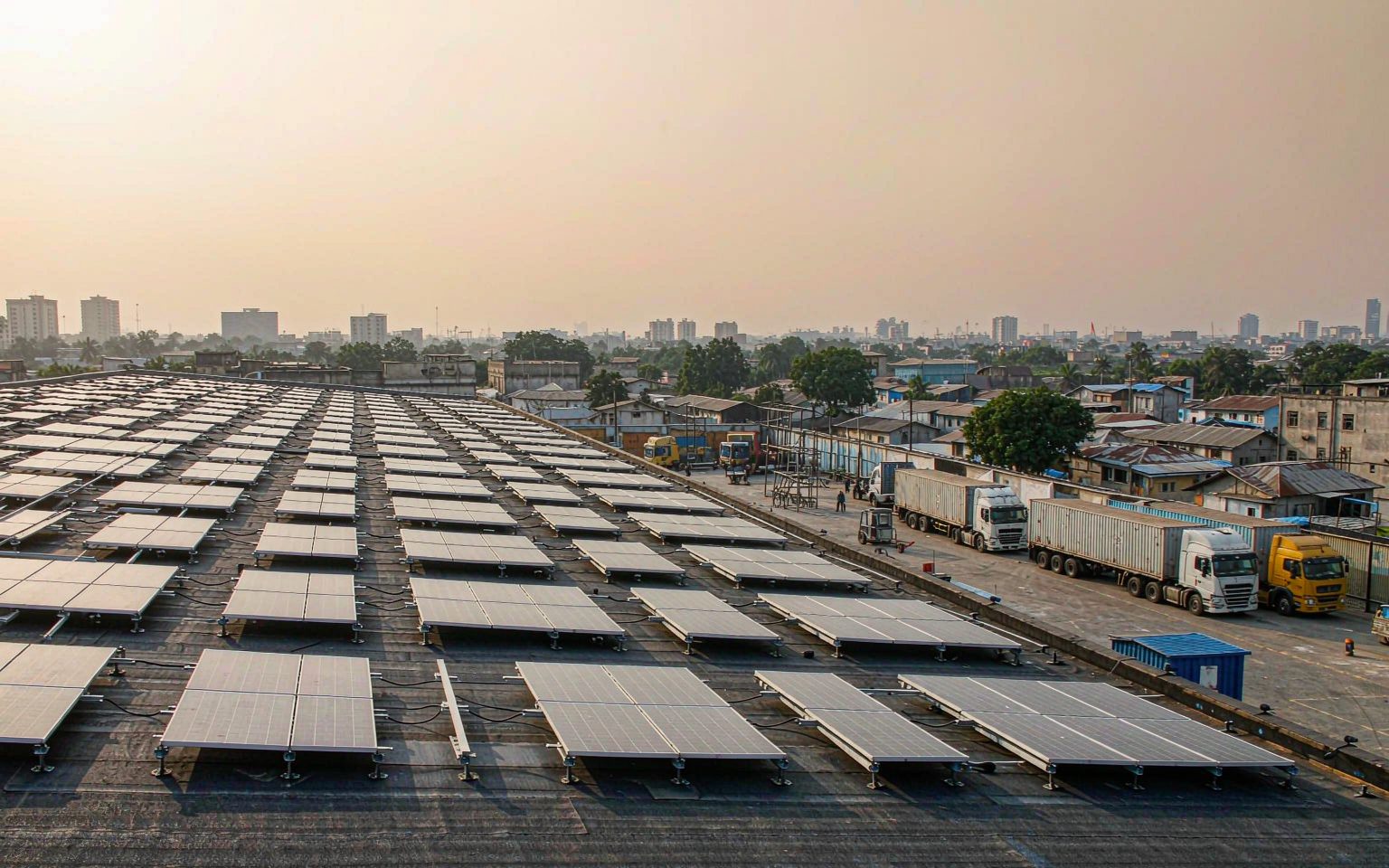
عن طريق تثبيت نظام الطاقة الشمسية التجاري في الفلبينيمكن لمصنعك استخدام الطاقة الشمسية لتعويض استهلاك الكهرباء خلال النهار - حيث تحدث معظم تكاليف الطاقة لديك.
تُعد أسعار الكهرباء في الفلبين من بين الأعلى في جنوب شرق آسيا:
هذا التعريفة الجمركية المرتفعة هو السبب تحديداً الاستثمار في الطاقة الشمسية في الفلبين إنه أمر جذاب للغاية. كل كيلوواط ساعة يتم توليده بواسطة نظام الطاقة الشمسية الخاص بك يحل محل الكهرباء المكلفة من الشبكة بشكل مباشر.
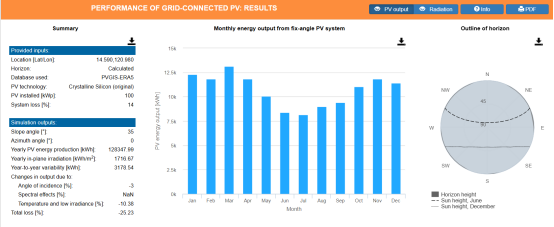
دعونا نحلل نموذجًا نموذجيًا نظام طاقة شمسية بقدرة 100 كيلوواط لمصنع في الفلبين:
مع هذه الوفورات:
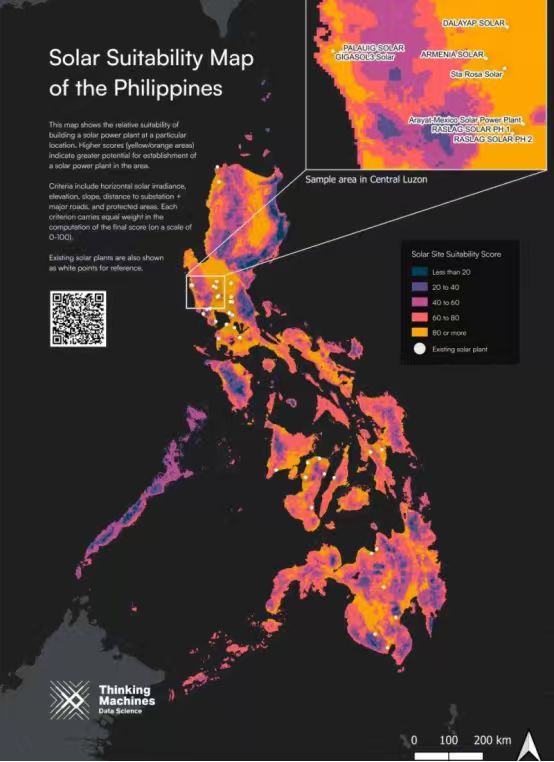
الطاقة الشمسية مناسبة بشكل خاص إذا كان مصنعك:
حتى المصانع التي عمليات متاحة على مدار الساعة طوال أيام الأسبوع يمكن الاستفادة من خلال تقليل استهلاك الشبكة الكهربائية خلال النهار.
أسعار محطة الطاقة الشمسية خارج الشبكة من مارس سولار بقدرة 100 كيلوواط
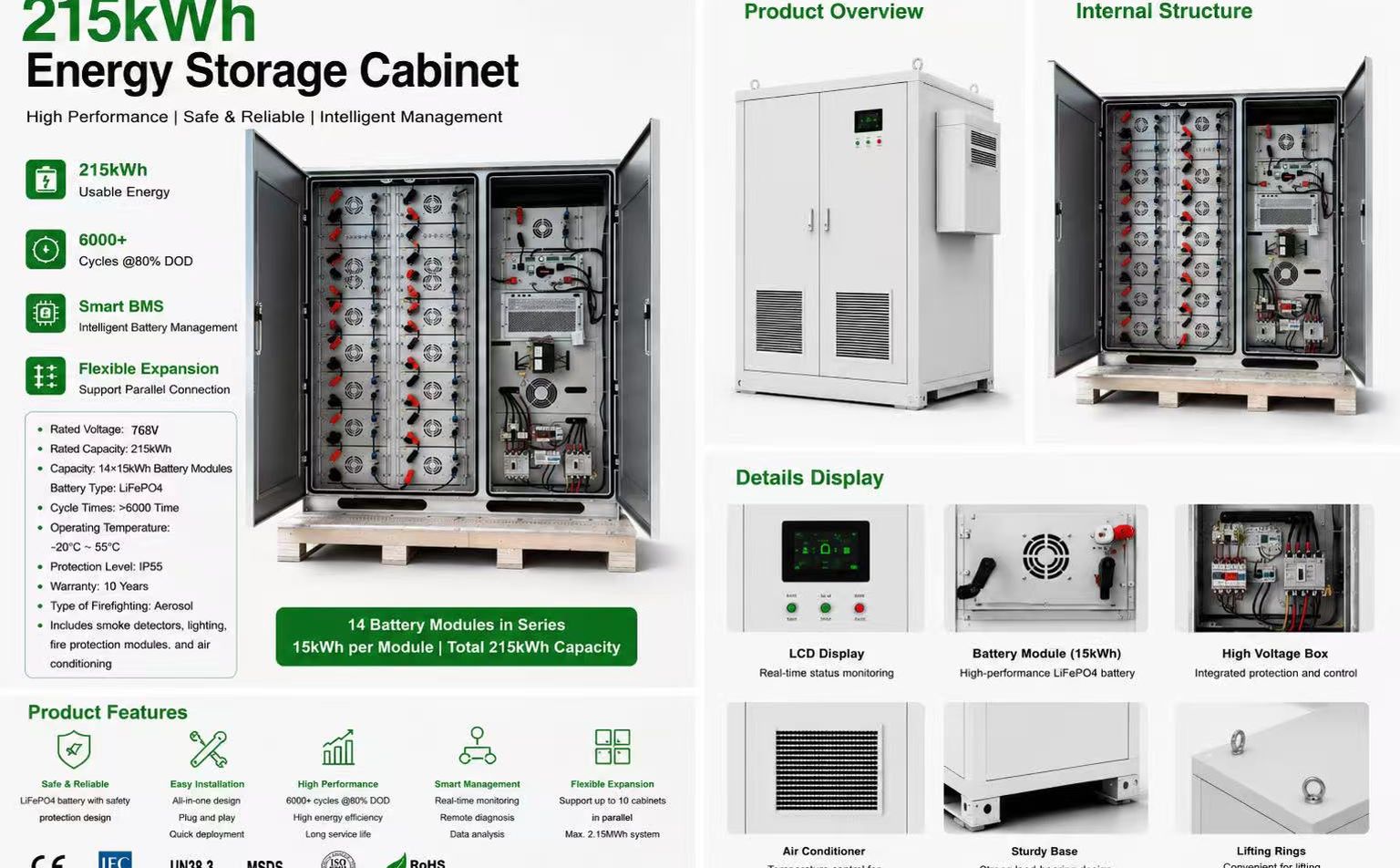
محطة الطاقة الشمسية التابعة لشركة مارس سولار بقدرة 100 كيلوواط مع 241كيلوواط ساعة / 261تخزين طاقة بطارية الليثيوم بالكيلوواط/ساعة نقدم عروض أسعار تنافسية ومخصصة لعملائنا حول العالم. للحصول على أحدث عرض سعر رسمي وتفاصيل الأسعار (بما في ذلك النقل والتركيب وخدمة ما بعد البيع)، يرجى التواصل مع فريق المبيعات عبر البريد الإلكتروني الرسمي.sunenergyfactory@163.com.
ملاحظة: العرض صالح لمدة 30 يومًا، وتتوفر خصومات حصرية للطلبات بالجملة ومشاريع التعاون طويلة الأجل.

Philippine industrial tariffs are among the highest in South-East Asia, so every kilowatt-hour a factory generates during its production window is a kilowatt-hour it does not buy at the commercial rate. That is the whole calculation for a single-shift factory running on daytime load, and it is why solar power for factories in the Philippines has moved from pilot projects to standard practice.
The second saving is the one most quotes miss: demand charges. A system that shaves the monthly peak reduces the demand component of the bill, not just the energy component. We size against the logged peak, which is why two factories with the same monthly consumption can need very different arrays when you plan solar power for factories in the Philippines.
Payback on the worked example below — a 100kW system — lands inside four years at current commercial tariffs, and faster if the factory runs a second shift. Adding storage extends the saving into the evening peak but roughly doubles the capital cost, so the honest answer is that storage pays when the factory runs at night or when outages cost more than the battery.
On the policy side, DOE-registered renewable developers can import photovoltaic equipment at zero duty and zero VAT, which is a material difference to the capital cost of solar power for factories in the Philippines. The mechanics are covered in our Philippines solar import guide. For the engineering and tariff background, the World Bank energy programme publishes comparable data across the region.
Is it worth it? For a single-shift factory with a stable roof and a daytime load profile, solar power for factories in the Philippines is one of the few capital projects that pays for itself on the bill rather than on a projection. Every factory we quote starts with a load log and a roof survey, because the answer depends on your peak, not on a national average.
Where the answer changes. Solar power for factories in the Philippines stops being straightforward when the roof cannot carry the array, when the load sits mostly at night, or when the factory rents rather than owns. In those three cases we quote ground-mount, storage-first or a lease structure instead of solar power for factories in the Philippines on the existing roof, and we say so before you spend money on a survey.
What to send us. A load log, your latest bill and a roof plan are enough to size solar power for factories in the Philippines accurately; without the log we can only give a range. Every quote we issue for solar power for factories in the Philippines lists the assumptions it was built on, so you can check them against your own meter before you sign.


 English English
  Arabic
 Spanish
 French
 Dutch
Dutch
 Portuguese