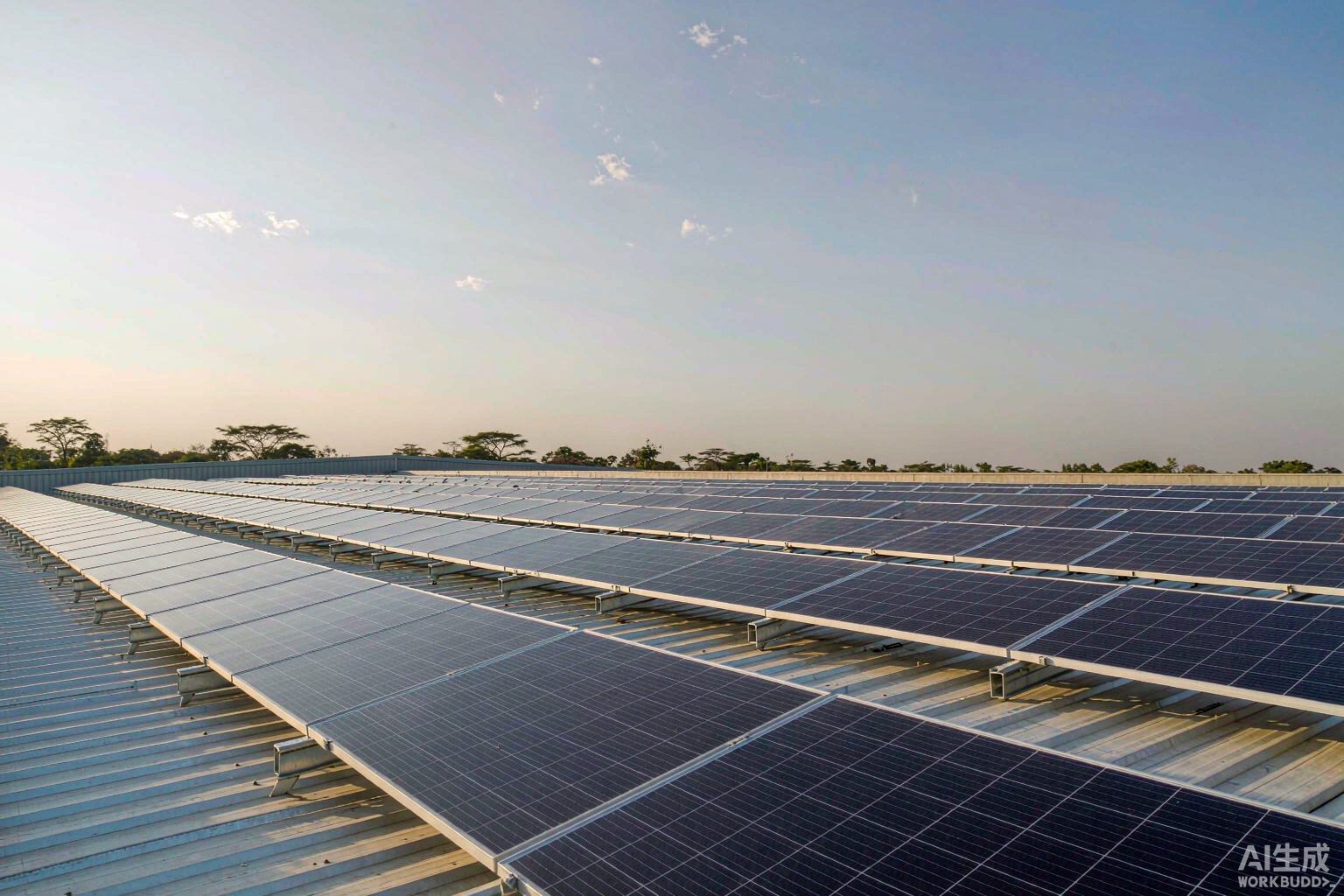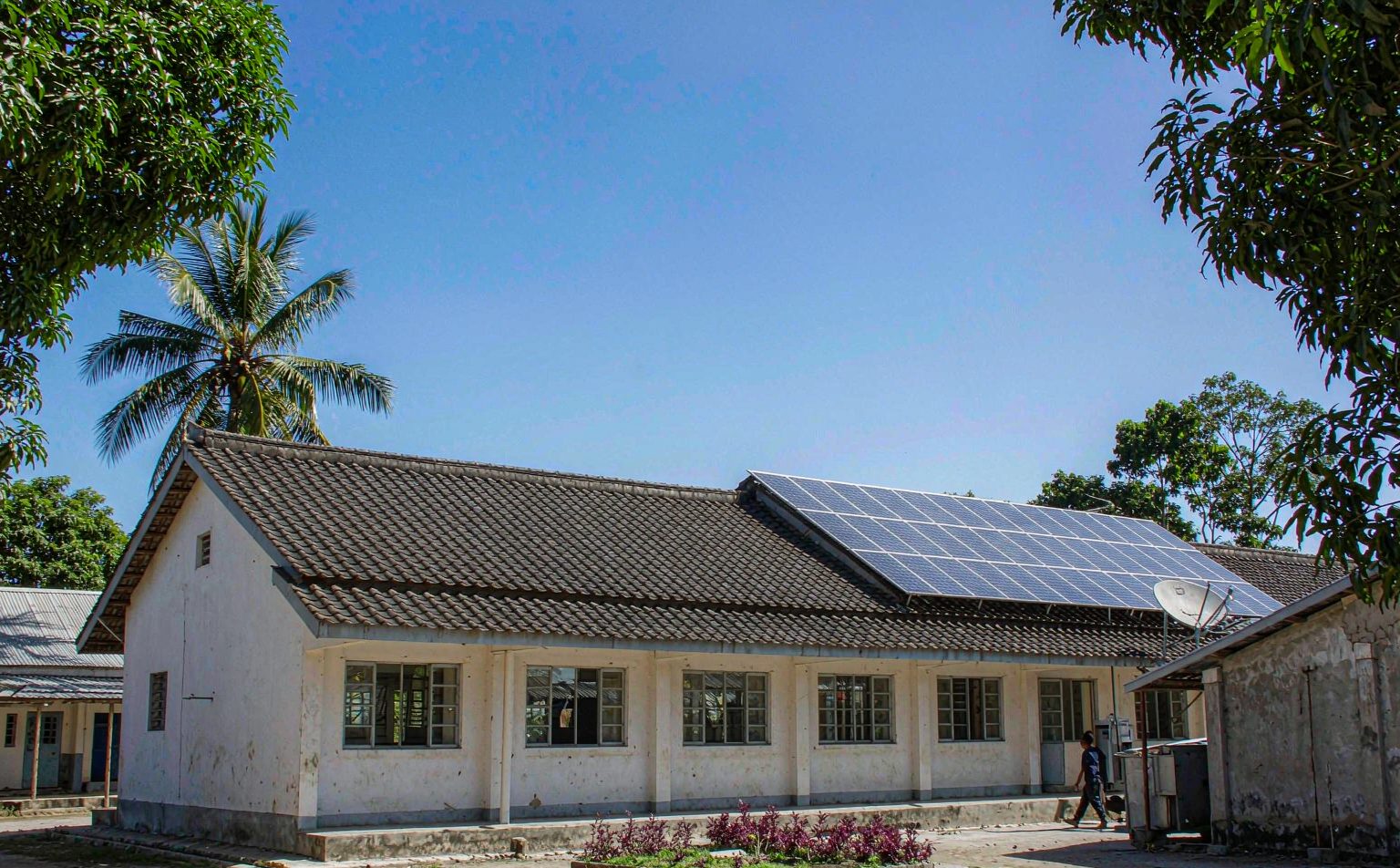
• Solar panels on the roof of a Mars Solar factory building in Foshan, China
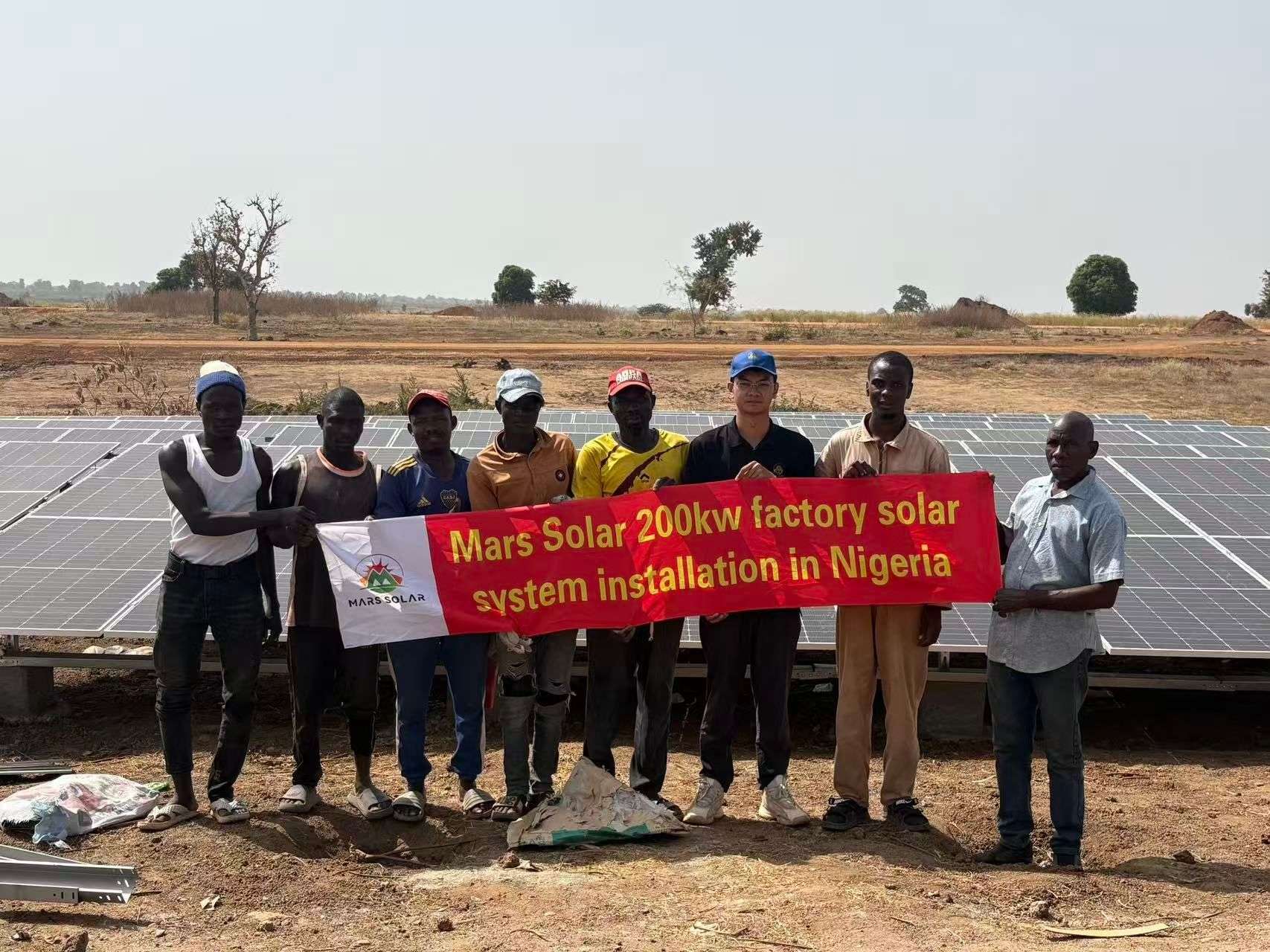
  • Proyecto de energía solar y almacenamiento de 200 kW para un molino de arroz en Abuja, Nigeria
  • Proyecto de energía solar y almacenamiento de 200 kW para un molino de arroz en Abuja, Nigeria

Sin etiquetas
9 de enero de 2026

Proyecto de energía solar y almacenamiento de 200 kW para un molino de arroz en Abuja, Nigeria

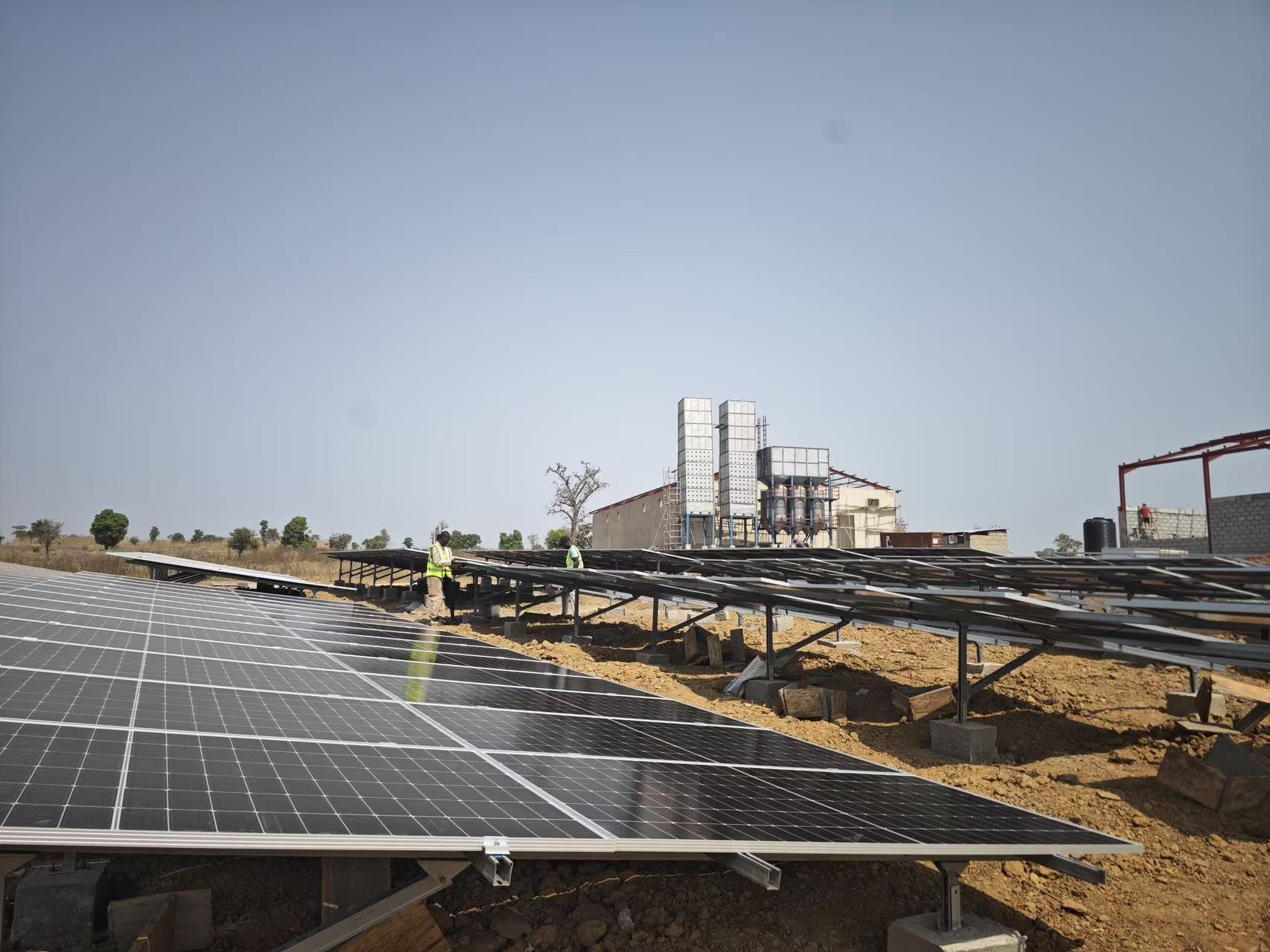
Project Background — this solar system for rice mill project replaced diesel for the bulk of the milling load.

A rice milling factory located in a remote area of Abuja, Nigeria, had long been affected by unstable public grid power. Due to frequent power outages, the factory could operate for less than two hours per day, severely limiting overall production capacity. At the same time, local electricity prices increased by more than 30% within the year, causing energy costs to rise continuously and making traditional grid power and diesel generator solutions unsustainable in the long term.

Proyecto de energía solar y almacenamiento de 200 kW para un molino de arroz en Abuja, Nigeria

Desafíos de los clientes

  • -- Suministro eléctrico inestable con frecuentes cortes de luz.
  •  
  • -- El continuo aumento de los precios de la electricidad hace que los costes operativos sean impredecibles.
  •  
  • --Alto consumo de combustible y elevados costes de mantenimiento de los generadores diésel
  •  
  • -- Equipos de producción que requieren un suministro eléctrico muy estable.
Solar panels on the roof of a Mars Solar factory building in Foshan, China

Solución

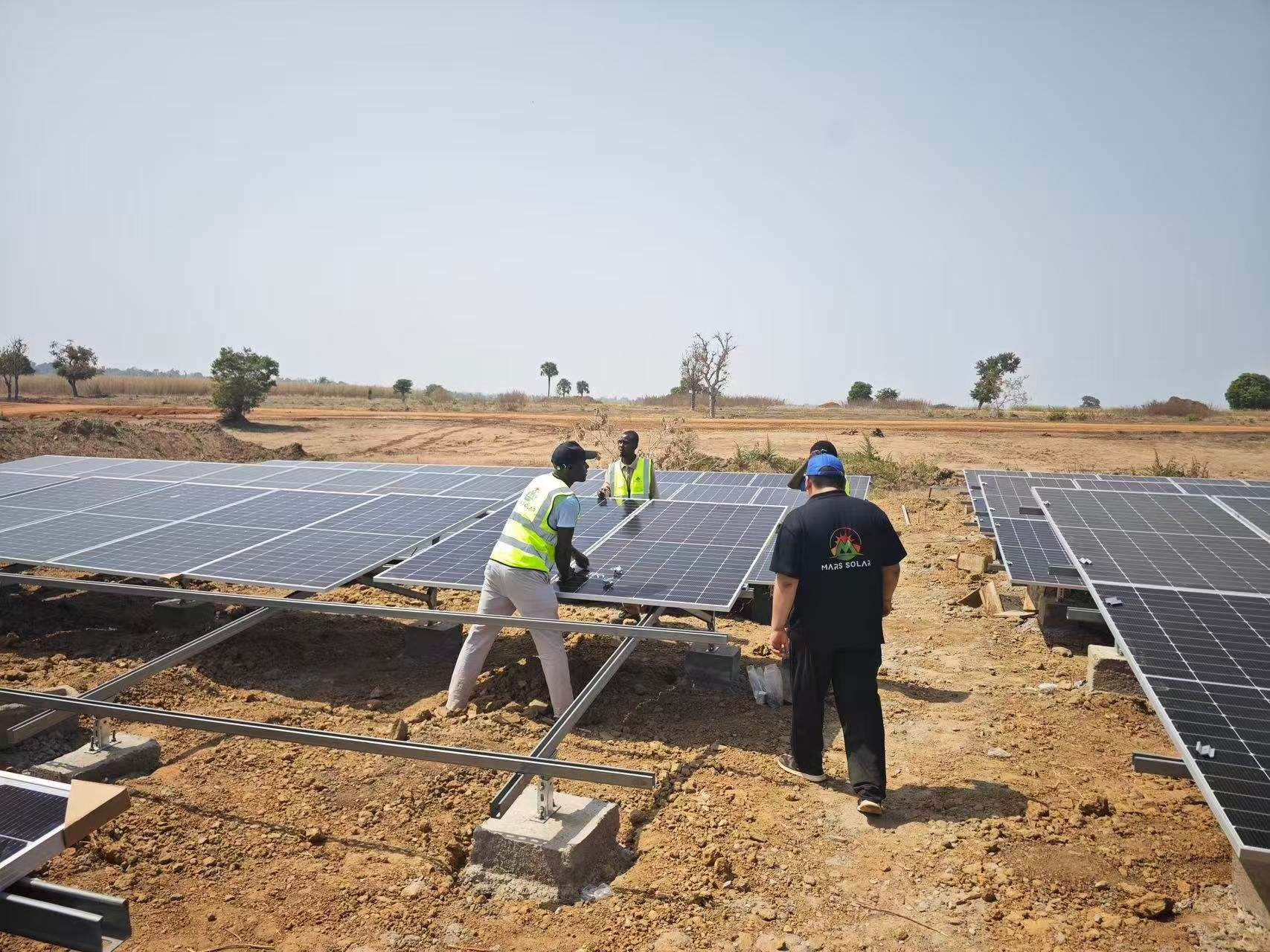
MARS SOLAR designed and delivered a customized 200kW solar power and energy storage integrated system for the customer:
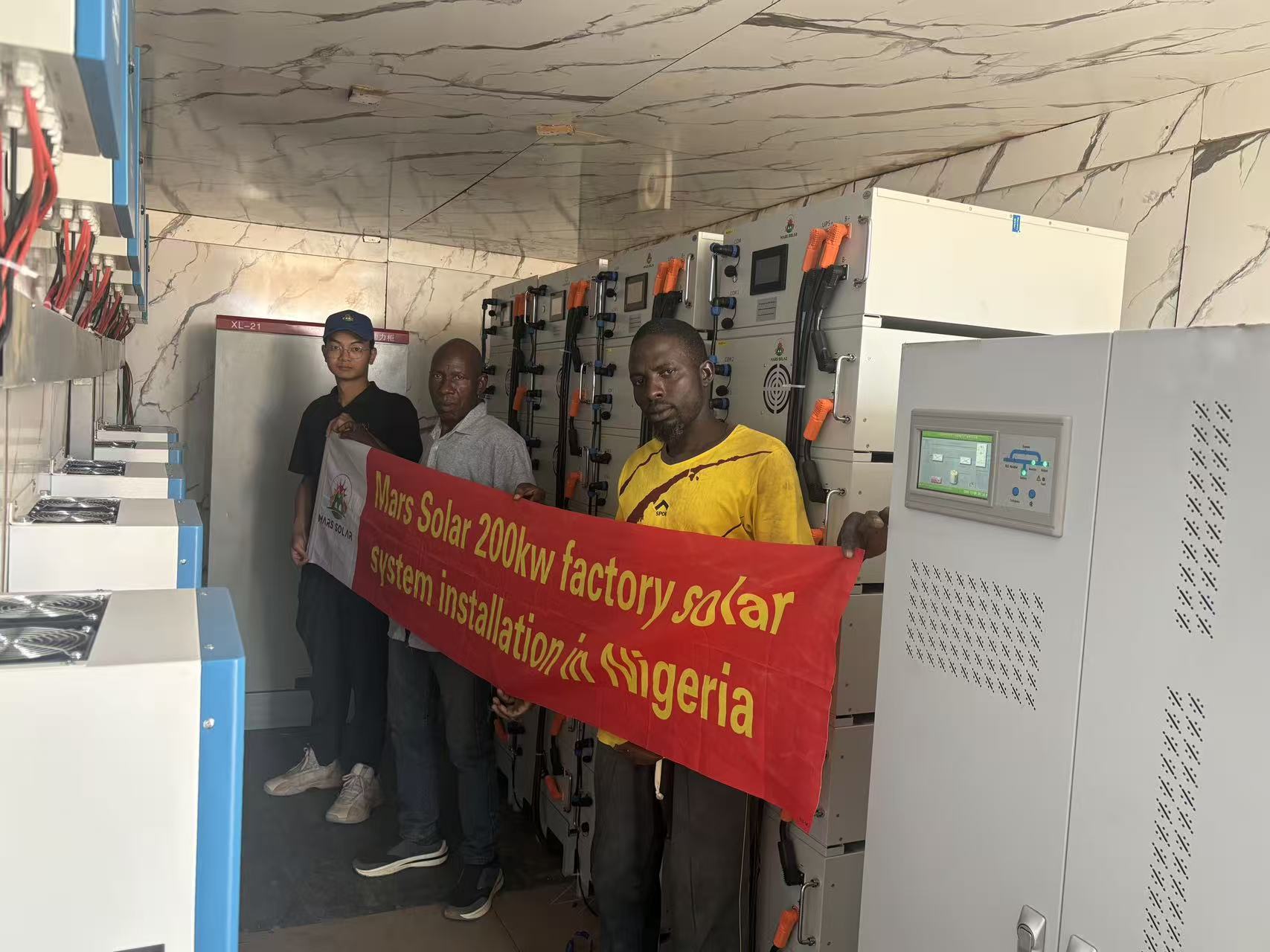
  • -- Los módulos fotovoltaicos de alta eficiencia de LONGi mejoran el rendimiento general de la generación de energía.
  •  
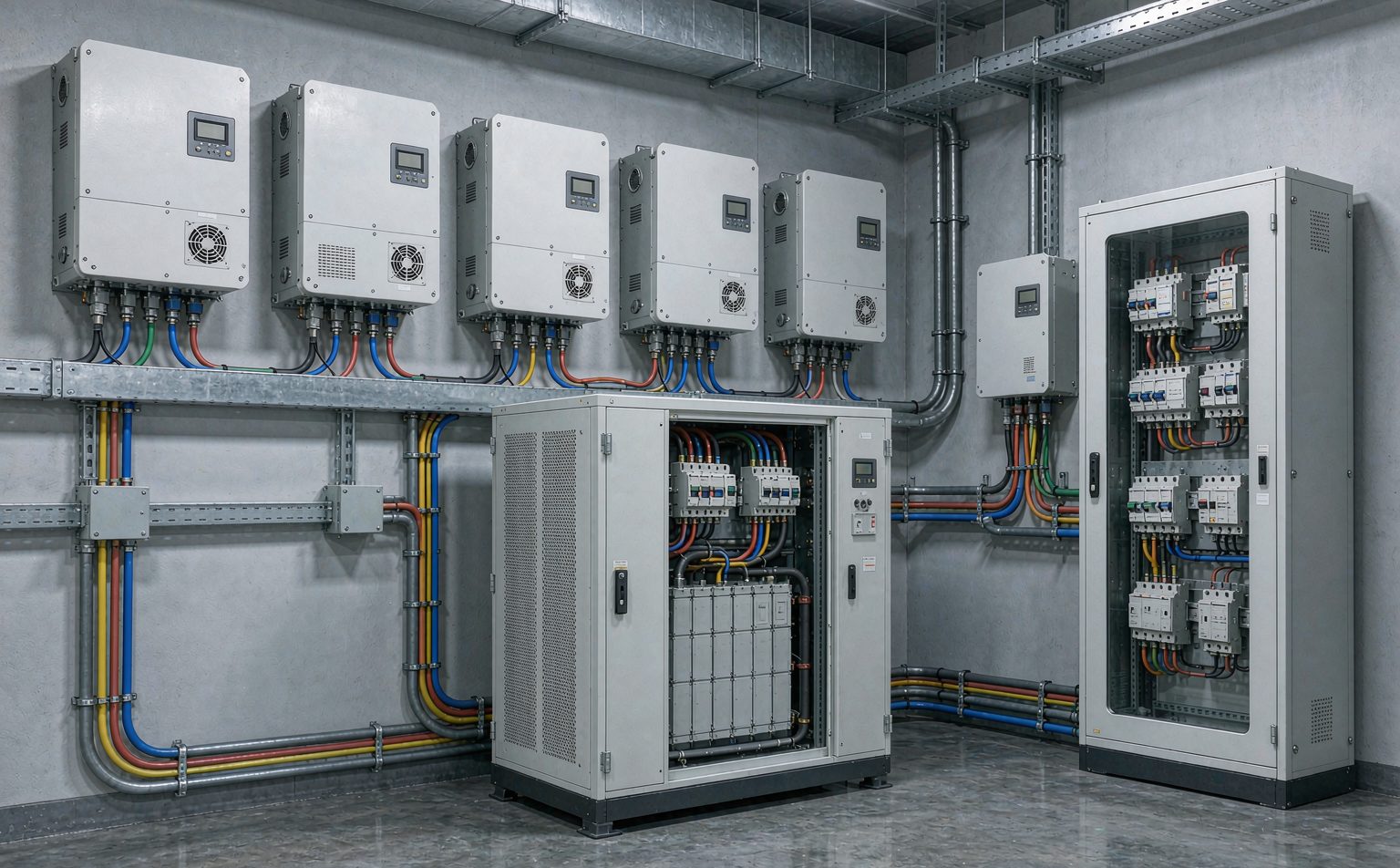
  • -- Sistema inversor IGBT de la marca Fuji para garantizar una tensión y potencia de salida estables.
  •  
  • -- Sistema inteligente de almacenamiento de energía con batería de litio y BMS avanzado, adecuado para un funcionamiento prolongado con cargas elevadas.
  •  
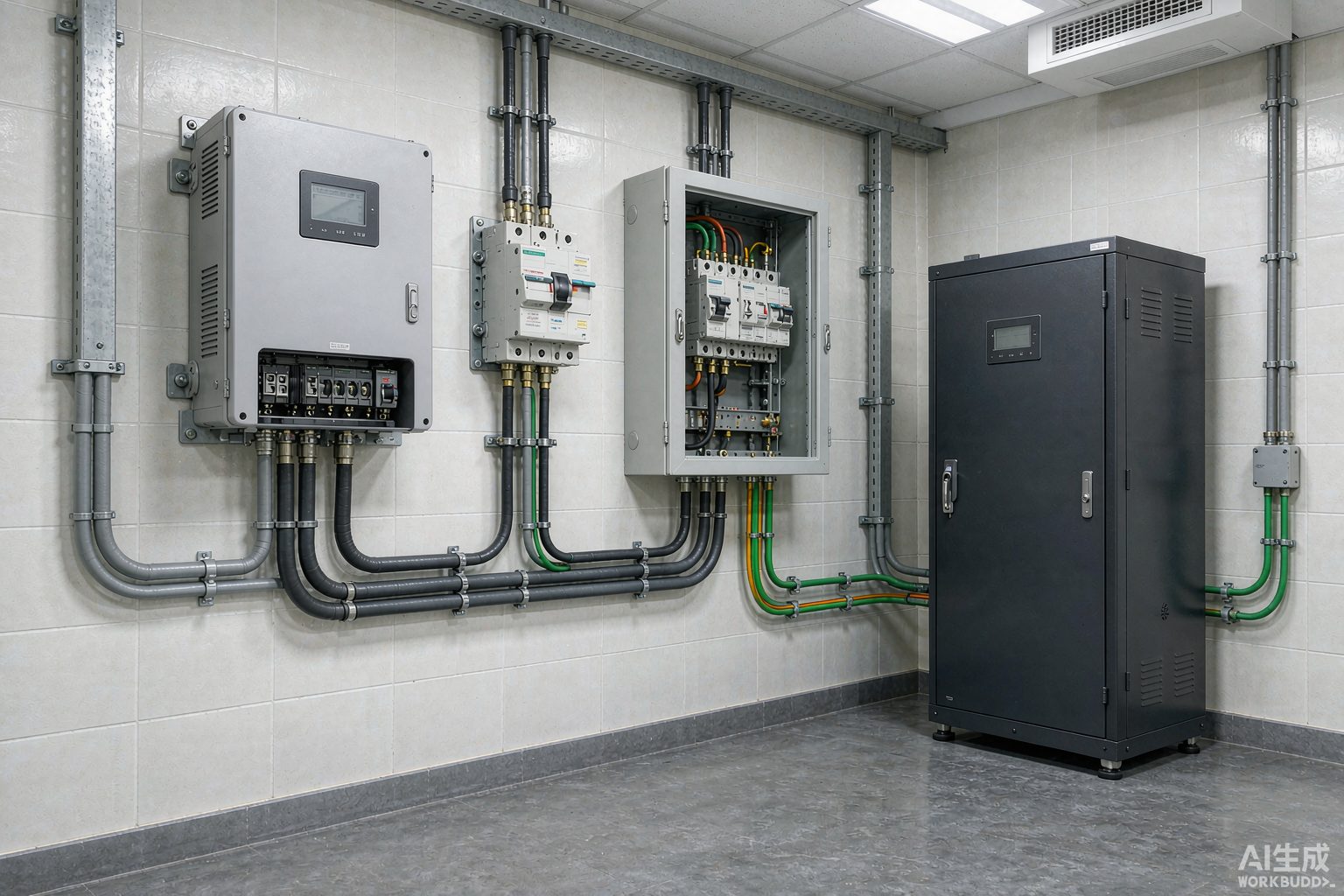
  • - -Diseño estructural de grado industrial combinado con conmutación automática ATS para lograr un suministro de energía ininterrumpido durante 24 horas
Proyecto de energía solar y almacenamiento de 200 kW para un molino de arroz en Abuja, Nigeria

Resultados del proyecto

  • 1. Se logró un suministro de energía estable las 24 horas del día, lo que garantiza una producción continua.
  •  
  • 2. Sustitución completa de los generadores diésel, lo que reduce significativamente los costes operativos.
  •  
  • 3. Período estimado de recuperación de la inversión de aproximadamente 2 años.
  •  
  • 4. Vida útil del sistema de más de 25 años.
Solar system for rice mill in Abuja — 200 kW PV and battery installation, Nigeria
Si tienes un proyecto de sistemas de generación de energía solar a punto de comenzar, ¡puedes contactarnos para obtener más ayuda con tu proyecto!

Why This Project Matters

A solar system for rice mill operation combines two demanding loads: heavy motor-driven milling equipment with large start surges, and continuous lighting, drying and storage. Both have to be designed for, and they pull the specification in different directions.

That combination is what makes a solar system for rice mill project worth studying: the load is unforgiving, the cost of failure is high, and the economics have to work on measured results rather than on a vendor's estimate.

Sizing and Engineering Decisions

Cada solar system for rice mill project starts with 7 to 14 days of logged consumption. Base load is separated from peak load, generation is sized on daytime consumption, and storage is sized on the overnight block. Motor-driven equipment adds a surge requirement that catches out quotations based on average draw alone.

Where a site must never lose supply, we size for autonomy rather than for bill savings — a different calculation that usually means a larger bank and a bidirectional inverter with automatic transfer.

Supplying This Kind of Project

Mars Solar realiza y exporta solar system for rice mill packages factory-direct: PV modules, mounting, hybrid or bidirectional inverters, LiFePO4 storage, protection, cabling and remote monitoring, all tested together before shipment and certified to CE, RoHS, TUV and ISO.

See comparable hardware on our batería de almacenamiento de energía montada en bastidor page, and the Programa de energía del Banco Mundial for how reliable supply affects output in these markets.

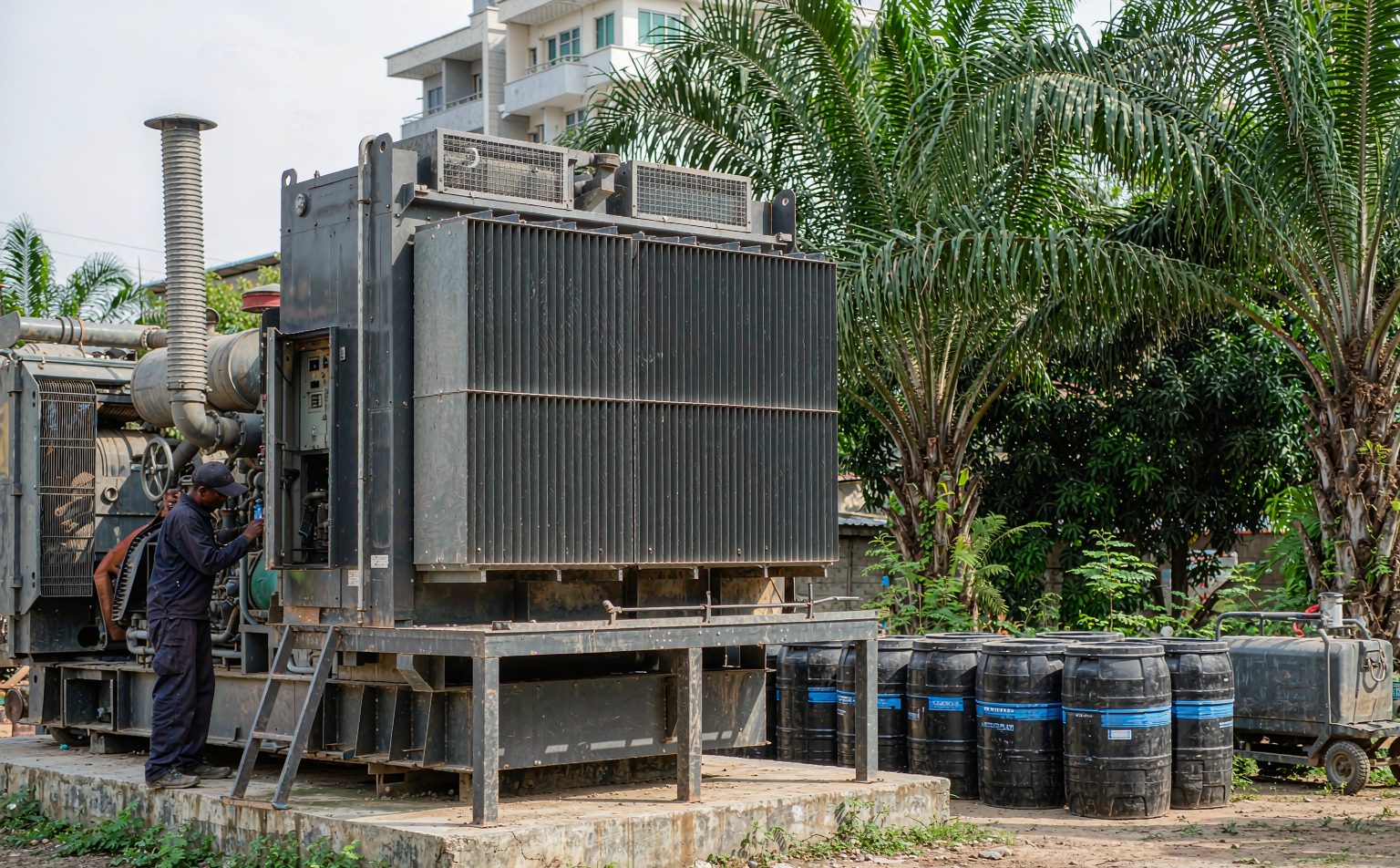
Budgeting a solar system for rice mill duty starts with the load log, not the roof area. Milling motors draw three to six times their running current on start-up, so the inverter is sized for the surge and the battery is sized for the overlap when two motors start together. Once that is fixed, the rest of the solar system for rice mill layout follows: array on the warehouse roof or a ground-mount beside it, storage close to the mill floor to keep DC runs short, and a generator that stays connected but stops carrying the base load. In Abuja the payback came less from the tariff than from the diesel that stopped being bought at all.
Preguntas frecuentes

What size solar system does a rice mill need?
It depends on milling capacity, running hours and motor ratings. A 200 kW PV array with battery storage suits a mill running day and night through harvest; smaller mills often need 50 to 100 kW.
Why does a rice mill need battery storage and not just PV?
Milling often runs into the evening and the motors draw high starting current. Storage covers the shoulder hours and the surge, and it keeps the mill running through grid outages during harvest.
How much can a rice mill save?
On our 200 kW rice mill project the verified saving is about USD 8,100 a month at a 0.35 USD per kWh tariff, with payback in 14 months.
Which motor loads matter most when sizing?
Huller, polisher and elevator motor ratings and their starting method. Simultaneous restart after an outage is the most common cause of inverter tripping, so we stagger restart by 30 to 90 seconds.
Is the system expandable if milling capacity grows?
Yes. Additional strings can be added on the DC side and a larger LFP cabinet on the AC side without replacing the original inverters.
What documentation comes with the system?
Single-line diagram, panel and inverter certificates, battery test reports, commissioning report and the net metering or utility application file.
COMPARTIR:

Suscríbete a nuestro boletín informativo

    Diseño y fabricación de sistemas de energía solar domésticos y comerciales

    Síganos

    ¿Quieres un diseño de sistema solar gratuito para tu edificio?

    ¡Deja tu número de móvil/whatsapp/correo electrónico y podremos responderte en una hora!

      Obtenga consultas gratuitas, catálogos, especificaciones de productos, cotizaciones y más ahora.

      Idioma

      es_usArkansasesdenles

      Idioma