Metrik | Değer |
Sistem Boyutu | 150kW güneş PV + 300kWh LiFePO₄ BESS |
Konum | Curaçao, Hollanda Karayipleri |
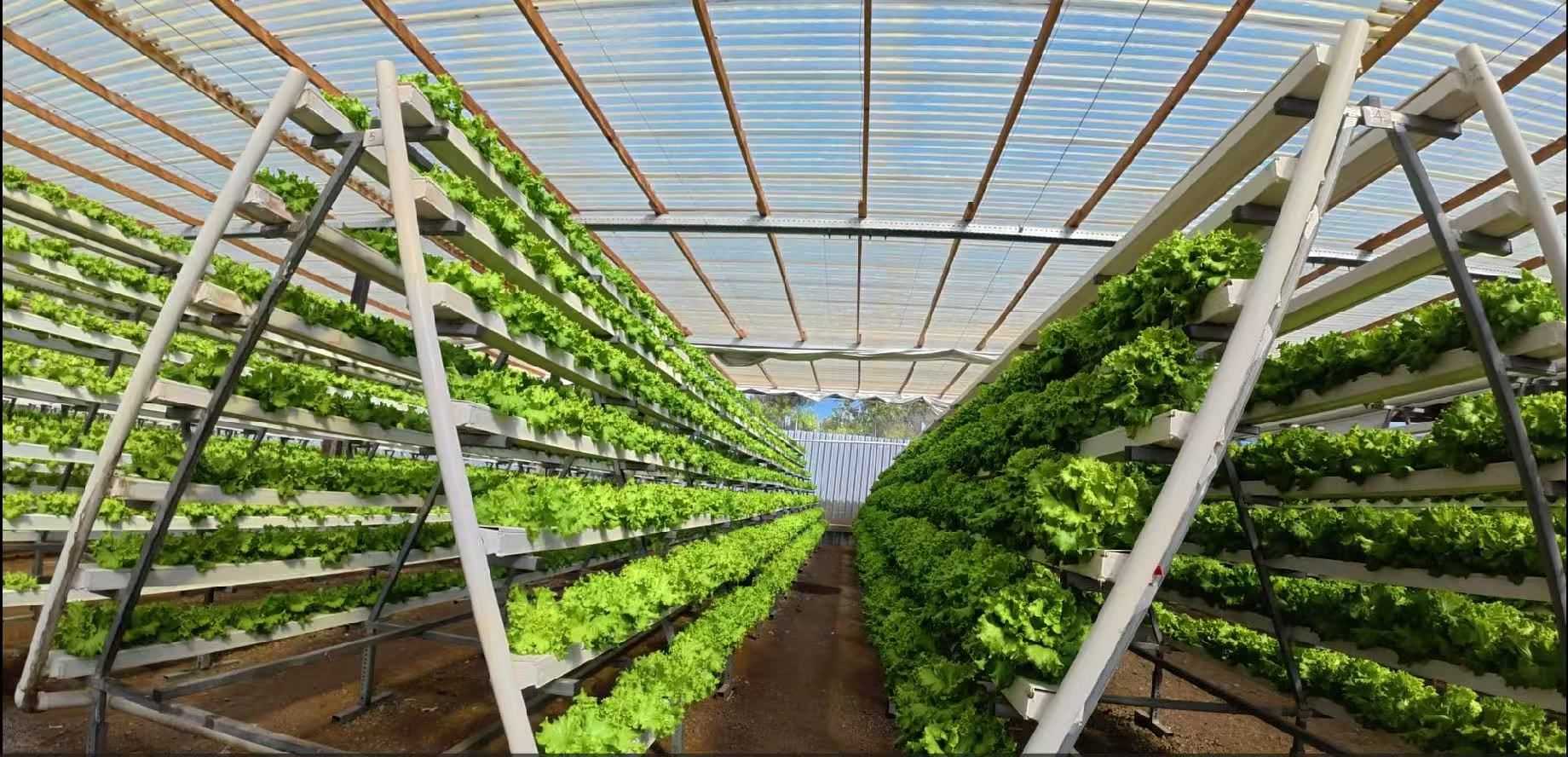
Başvuru | Sabit sıcaklıkta sera + güneş enerjili su pompasıyla sulama |
Temel Sorun | Dengesiz şebeke → sıcaklık dalgalanmaları + sulama kesintileri → ürün kaybı |
Tasarım Hedefi | 100% şebekeden bağımsız / kendi kendine tüketim — sıfır enerji bağımlılığı |
Sıcaklık Kararlılığı | ±1,5°C (önceki: ±4–6°C) |
Maliyet Azaltma | 85–95% elektrik maliyeti tasarrufu |
Verim İyileştirme | +25–40% |
Proje Türü | Tarımsal güneş enerjisi — şebekeye bağlı fotovoltaik sistemler + ada modunda çalışan depolama + güneş enerjili pompa |
Curaçao, yılda 3.000 saatten fazla güneş ışığı alan ve yıl boyunca 26-28°C sıcaklıklara sahip bir Hollanda Karayip adasıdır. Coğrafi ölçütlere göre, sebze yetiştiriciliği için ideal bir yer olmalıdır.
Ancak yıllarca yerel bitki çiftlikleri istikrarlı ve ölçeklenebilir bir üretim sağlayamadı. Sorun güneş ışığı, toprak veya su değildi. Sorun şuydu: elektrik.
Curaçao, elektriğinin 901.300 tondan fazlasını ithal fosil yakıtlardan üretiyor. Aqualectra tarafından işletilen şebeke, eskiyen altyapı ve değişken yakıt maliyetlerinden muzdarip. Elektrik fiyatları düşüş gösteriyor. $0.30–0.45/kWh — ABD ortalamasının 2-3 katı. Özellikle kasırga mevsiminde voltaj düşüşleri ve elektrik kesintileri rutin hale geldi.
Modern bir bitki çiftliği için gerekenler 7/24 iklim kontrollü seralar Ve güvenilir sulama pompası, Şebeke istikrarsızlığı bir rahatsızlık değil, mahsul katilidir. Her güç dalgalanması doğrudan sera içindeki sıcaklık değişimlerine yol açar ve sıcaklık değişimleri verim kaybına, tutarsız kaliteye ve boşa harcanan girdilere neden olur.
Sektör kıyaslamaları:
• Sera sıcaklığındaki ±3°C'nin üzerindeki sapma → yapraklı sebzelerde 15–25% verim kaybı
• Sulama kesintisi 24 saatten fazla sürerse → geri dönüşü olmayan ürün hasarı
• Karayipler'deki elektrik maliyetleri Batı Yarımküre'deki en yüksekler arasında yer alıyor.
Öğe | Özellikler |
Konum | Curaçao, Hollanda Karayipleri |
Sistem Boyutu | 150 kW + 300 kWh |
Başvuru | Sabit sıcaklıkta sera + güneş enerjili su pompasıyla sulama |
Temel Sorun | Dengesiz şebeke → sıcaklık kontrolü arızası + sulama kesintisi → düşük verim |
Tasarım Hedefi | 100% şebekeden bağımsız / kendi kendine tüketim, sıfır enerji bağımlılığı |
Sistem Tipi | Şebekeye bağlı, otomatik ada modu ve batarya yedeklemeli. |
Modern bir bitki çiftliği, enerjiye aşırı ihtiyaç duyan bir ekosistemdir:
Curaçao'daki elektrik şebekesinde, 4 saatlik tek bir elektrik kesintisi ve ardından gelen sıcaklık şoku, yaprak solmasına, kök stresine ve tüm hasat partisinin kalitesinin düşmesine neden olabilir.
Çiftlik sahibinin talebi açık ve netti: Sera sistemini şebeke arızalarından bağımsız hale getirin.
Mühendislik ekibi, üç paralel misyon etrafında 150kW+300kWh'lik bir fotovoltaik sistem tasarladı:
Akıllı telefon kontrol paneline sahip IoT özellikli enerji yönetim sistemi (EMS):
Bileşen | Özellikler |
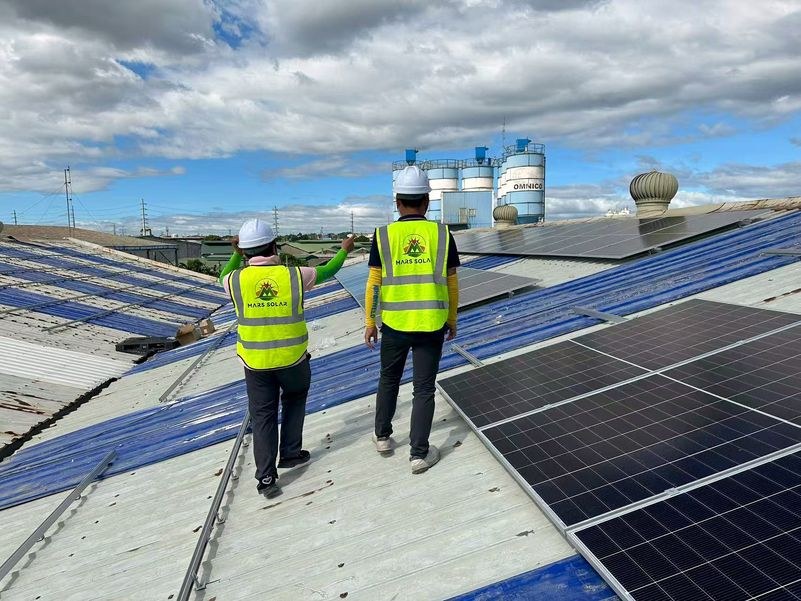
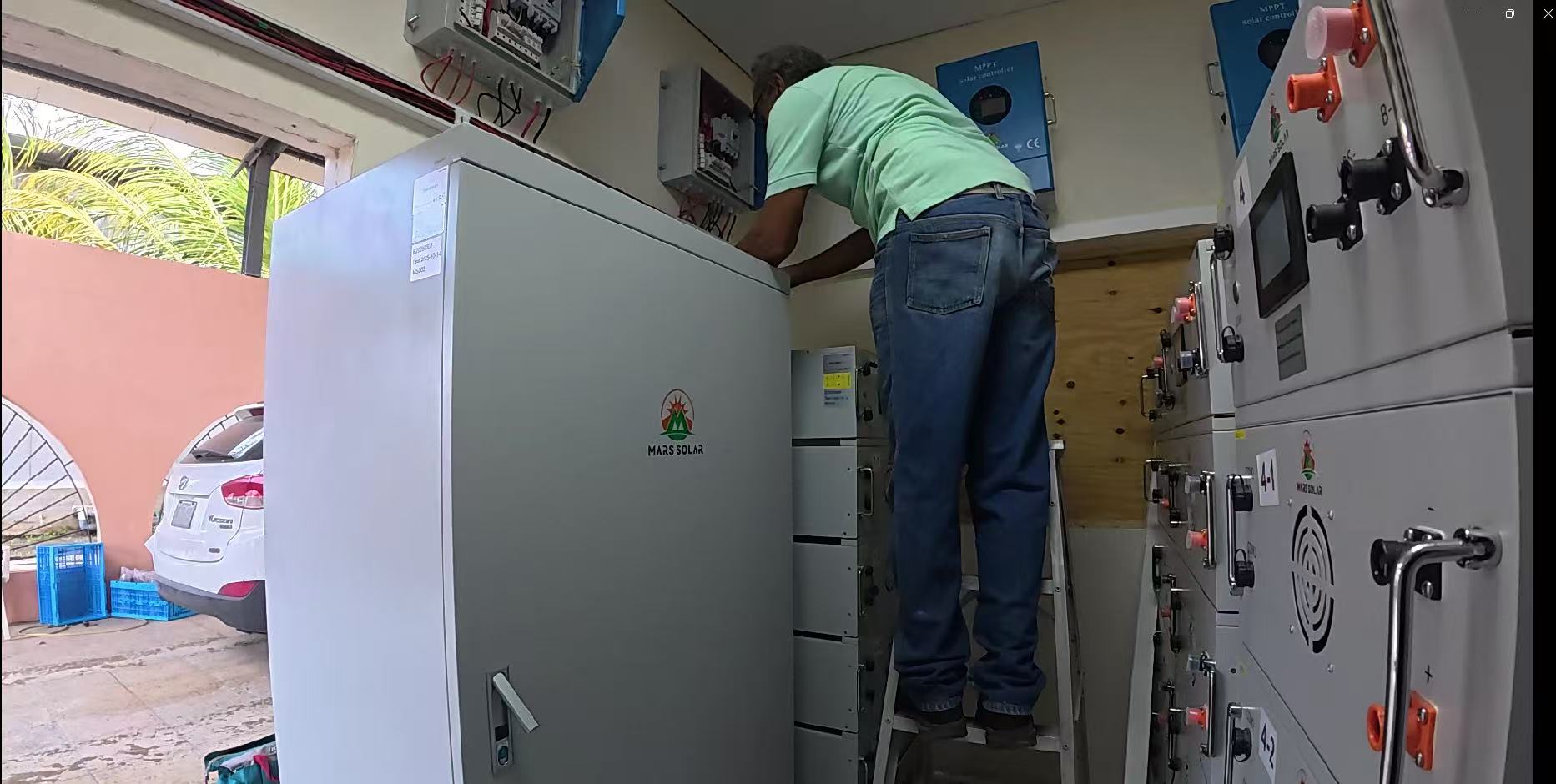
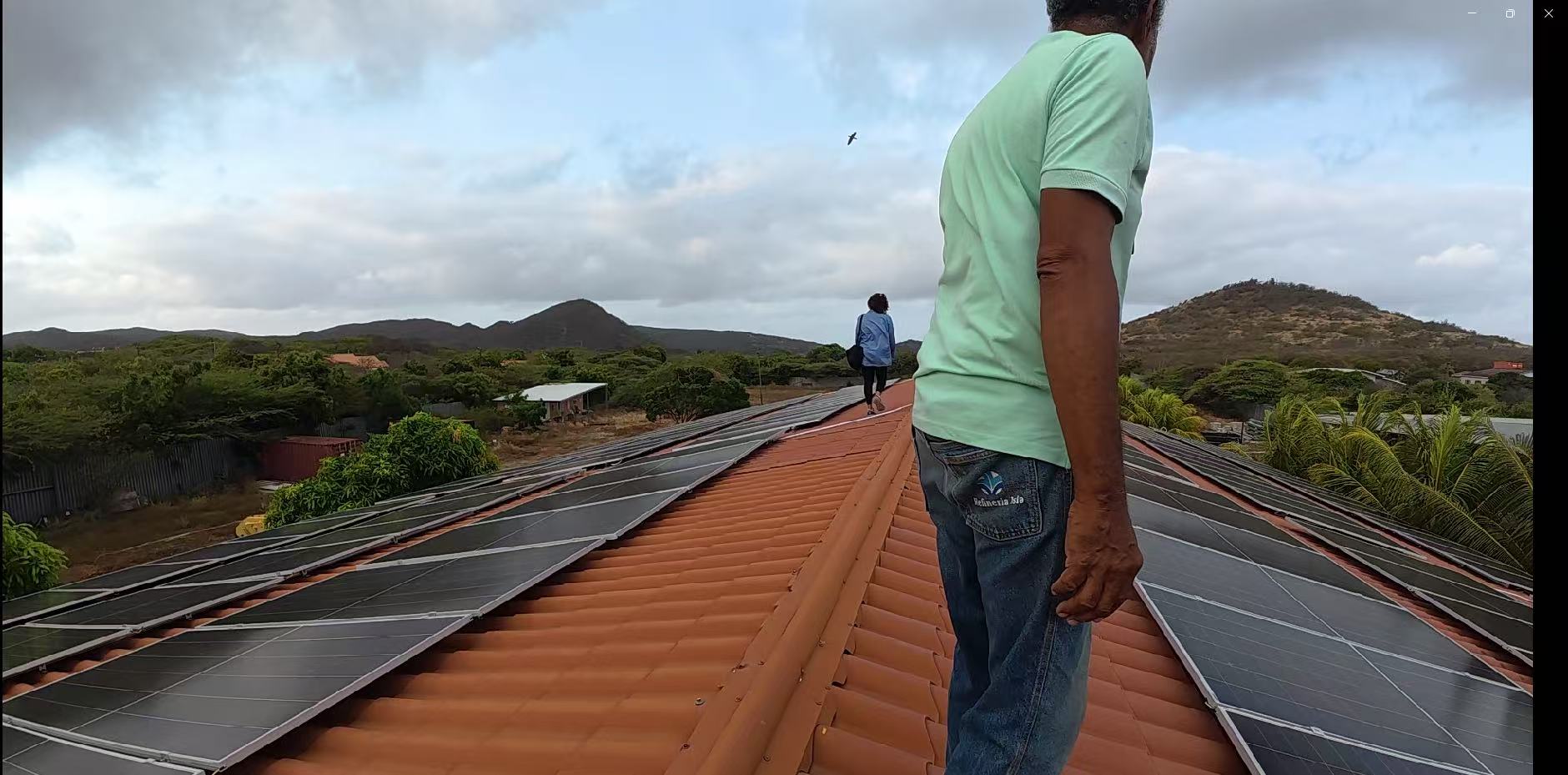
Güneş Panelleri | Monokristal 590W × 255 adet |
Toplam Kapasite | 150 kW + 300 kWh |
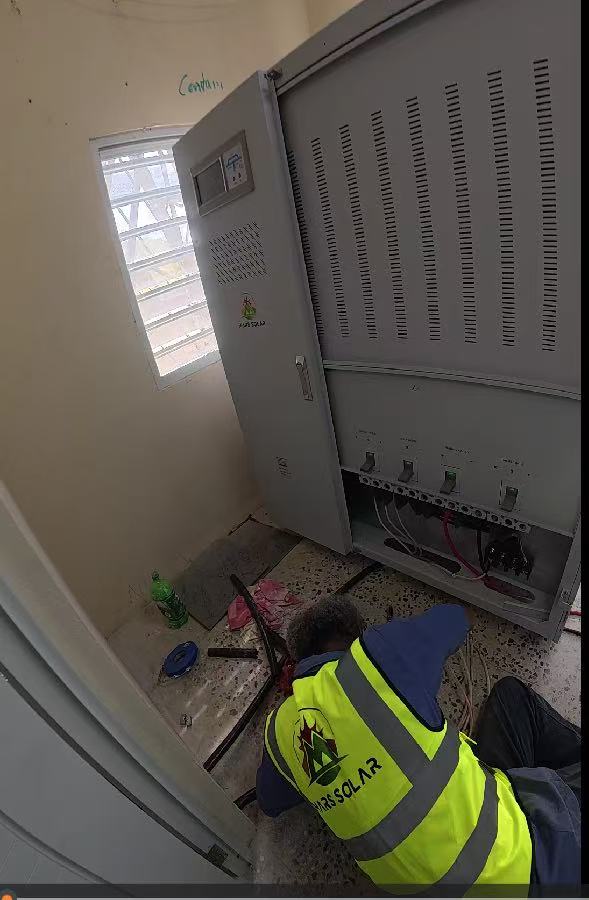
İnvertörler | Üç adet string invertör (her biri 50 kW) |
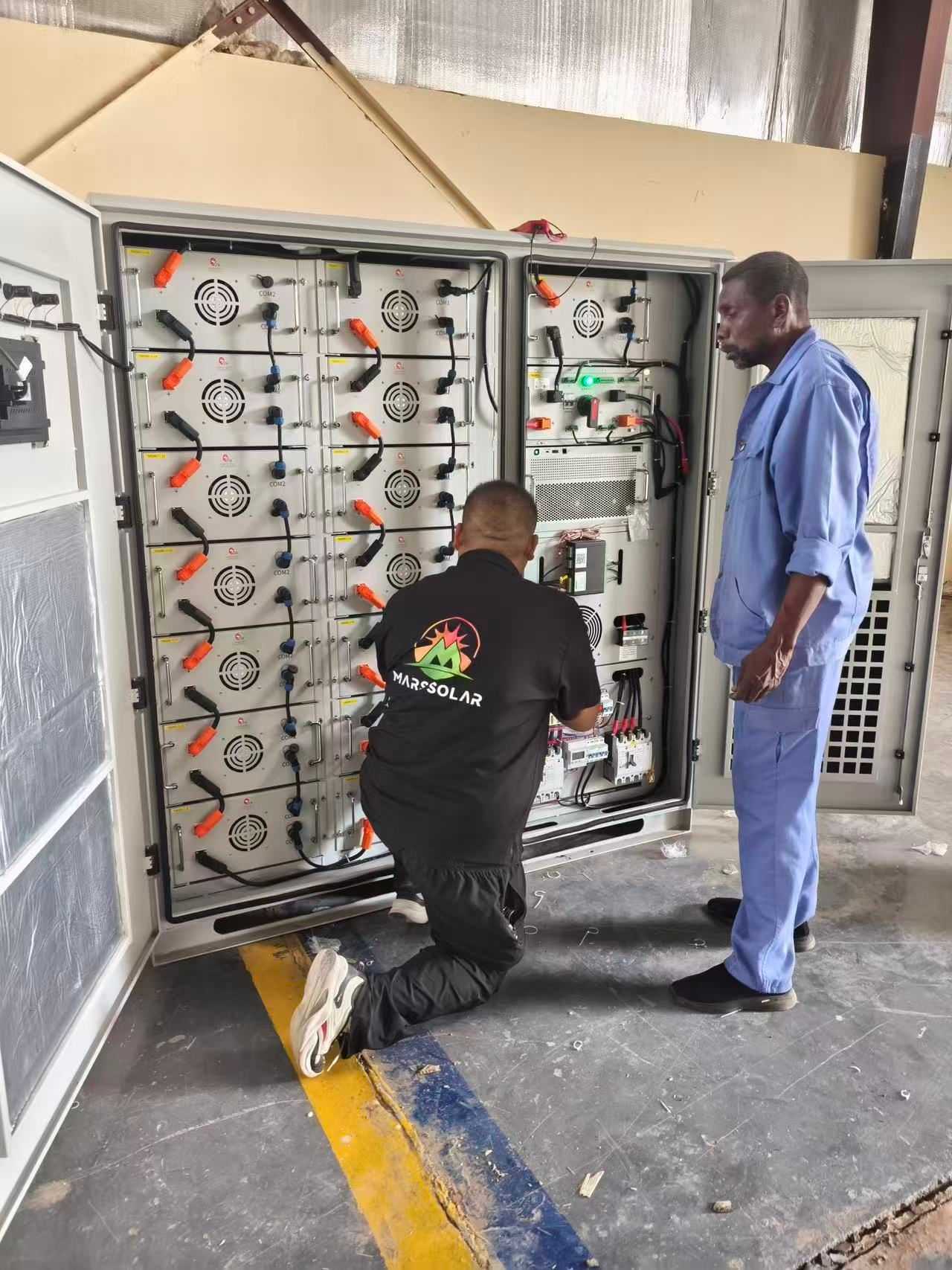
Pil Depolama | LiFePO₄, toplam 300 kWh |
Pompa Sistemi | VFD'li AC güneş enerjili su pompası |
Su Depolama | Yüksekte konumlandırılmış su deposu, yaklaşık 50–80 m³ kapasite. |
Kontrol | Otomatik transfer şalteri + EMS |
Tahmini Günlük Verim | ~550–650 kWh (mevsimsel değişim) |
Öz Tüketim | >95% |
Metrik | Önce | Sonrasında |
Sera sıcaklık stabilitesi | ±4–6°C | ±1,5°C (3 kat daha iyi) |
Sulama güvenilirliği | Elektrik kesintilerinde duraklar | 100% sürekli açık |
Elektrik maliyeti | $0.35+/kWh | ~$0.02–0.05/kWh |
Maliyet düşürme | — | 85–95% |
Çalışma günleri/yıl | ~300 | 365 (+22%) |
Metrekare başına verim | Temel | +25–40% |
Karbon emisyonları | Şebekeye bağlı | Sıfır karbon |
“Her yağmurlu mevsimde diken üstündeydik. Tek bir elektrik kesintisi vantilatörleri, klimayı veya sirkülasyon pompalarını bozabilir ve bazen bir haftalık hasadı mahvedebilirdi. Şimdi güneş enerjisi sistemi sorunsuz çalışıyor. Sera 26°C'de kalıyor, pompa her gün programa göre çalışıyor. Sonunda zamanımızı tamir etmekle değil, yetiştirmekle geçiriyoruz.”
— Curaçao Bitki Çiftliği Sahibi
A: Evet. Curaçao yılda 3.000 saatten fazla güneş ışığı alıyor. 150 kW'lık bir sistem günde ~550-650 kWh enerji üretiyor; bu da tam iklim kontrolü ve sulama sistemine sahip orta ölçekli bir bitki çiftliği (1-2 dönüm) için fazlasıyla yeterli. Tasarımda aşırı hava koşulları için 15-201 TP3T'lik bir yedek kapasite de bulunuyor.
A: 3 kademeli hibrit: (1) Gündüzleri yükseltilmiş bir depoyu doldurmak için PV ile doğrudan pompalama, (2) gece/bulutlu havalarda pompayı çalıştırmak için batarya tamponu, (3) yükseltilmiş depo düşük maliyetli yerçekimi depolaması görevi görür.
A: Saha ölçümleri, güneş enerjisi + batarya sistemiyle 26°C'lik ayar noktasının etrafında ±1,5°C'lik bir hassasiyet gösterirken, güvenilir olmayan şebekede bu hassasiyet ±4–6°C arasında değişmektedir.
A: Yaklaşık $0.35/kWh şebeke fiyatlarıyla, 150kW'lık bir sistem yılda yaklaşık $70.000 tasarruf sağlar. 25-40% verim artışıyla birlikte, tipik geri ödeme süresi 3-5 yıldır. Panel ömrü 25+ yıldır.
A: Kesinlikle. Karayipler'deki adaların ortak temel sorunları var: ithal yakıta bağımlılık, yüksek maliyetler, güvenilmez elektrik şebekeleri. Bu mimari, doğrudan kopyalanabilir bir şablondur.
Bu vaka çalışması şunu göstermektedir: kanıtlanmış, güvenilir performans Dünyanın en zorlu şebeke ortamlarından birinde. Kasırgalara yatkın bir Karayip adasında $0.45/kWh şebeke elektriğiyle güvenilir bir şekilde çalışıyorsa, her yerde çalışacaktır.
Uluslararası alıcılar için önemli çıkarımlar:
Bu 150 kW'lık bitki çiftliği projesini olağanüstü kılan şey, en son teknoloji değil. Onu olağanüstü kılan şey, İki kritik darboğazı tek bir entegre sistemle çözmenin zarif sadeliği — Sera enerjisi tedariği ve sulama suyu temini — elektrik şebekesinin her ikisini de güvenilir bir şekilde sağlayamadığı uzak bir adada.
Tarım sektörüne yönelik güneş enerjisi çözümlerini değerlendiren küresel alıcılar için bu vaka çalışması net bir mesaj veriyor: Bu iş modeli bugün de işe yarıyor.
Şebekenin yetersiz kaldığı yerde, güneş enerjisi devreye girer. Nokta.
Bu vaka çalışması, tamamlanmış bir proje teslimatına dayanmaktadır. Proje soruları, OEM ortaklığı veya distribütörlük fırsatları için ekibimizle iletişime geçin.
Çiftliğiniz için güneş enerjisi depolayan bir mikro şebeke mi arıyorsunuz?
Mühendislik ekibimizle iletişime geçin. Ücretsiz saha değerlendirmesi ve özel sistem tasarımı için.
![Off-Grid Solar Systems for Africa: A B2B Buyer’s Guide for Importers & EPC Contractors [2026 Edition]](https://sunenergyfactory.com/wp-content/uploads/2026/06/c47b6f3f67c92c2e259cac36aec08bad-tic.jpg)