Linguagem
Every Kenya solar import conversation starts with the same claim — solar equipment enters Kenya duty-free. The claim is true only for a narrow slice of products. Bare solar cells and modules clear Mombasa at 0% import duty and 0% VAT, but inverters, pre-assembled devices and most balance-of-system items attract standard EAC CET duty plus 16% VAT, and every consignment still needs a KEBS Certificate of Conformity issued before the vessel leaves the origin port.
This guide walks through what actually qualifies for the exemption, how the KEBS PVoC process works, what the Finance Act 2026 changed for lithium batteries, what a compliant document pack looks like, and the landed-cost maths for a typical 100kW commercial shipment. Figures reflect the rules as at September 2026 — confirm the current Finance Act position with your clearing agent before pricing a Kenya solar import, because the tax treatment of green equipment has been revisited in each of the last three Finance Bills.
Buyers still comparing suppliers should first shortlist fornecedores de sistemas solares de confiança and ask each one who takes responsibility for the KEBS certificate — the answer separates experienced Kenya solar import partners from traders.
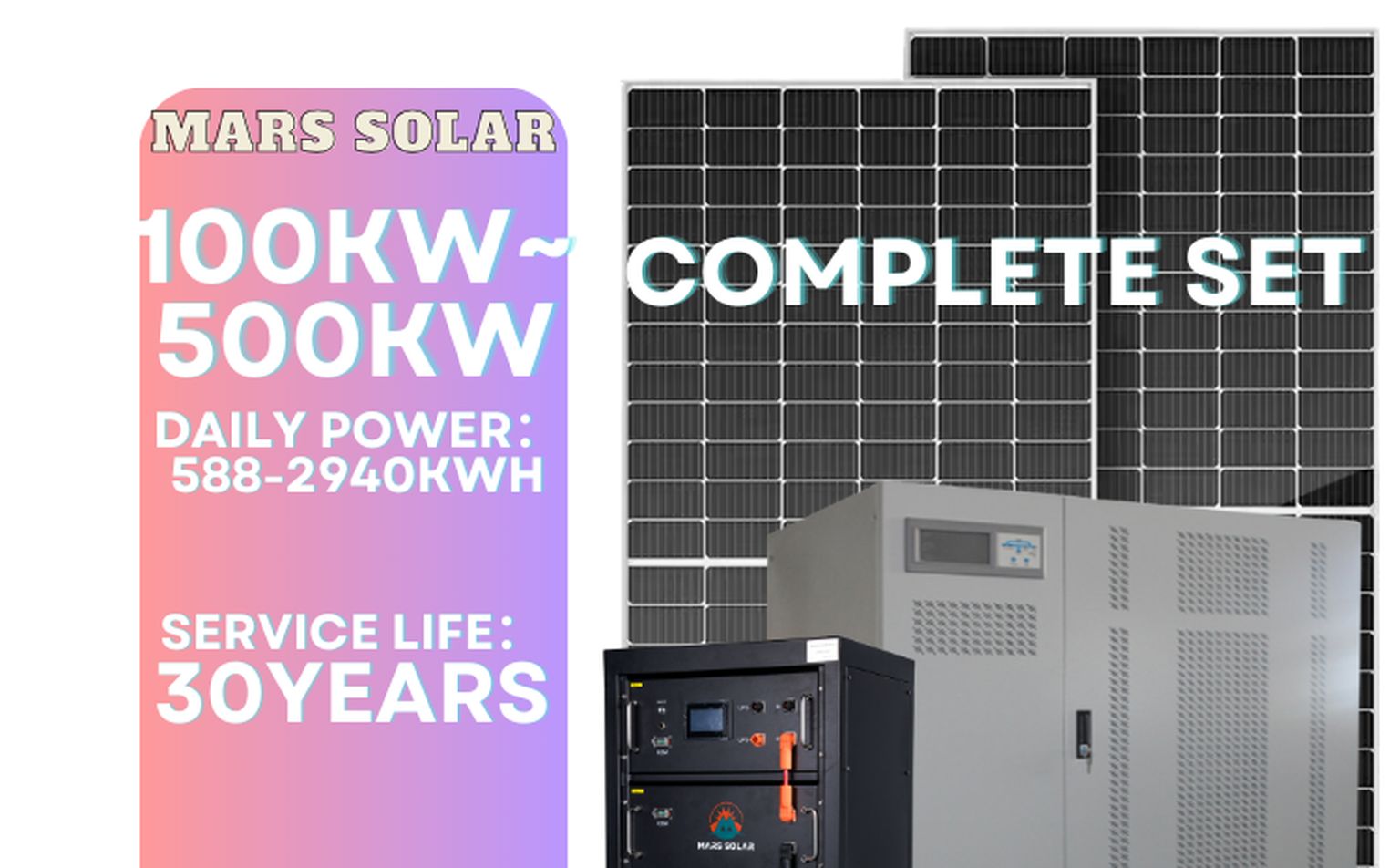
The exemption in the VAT Act 2013 (Section 14(1)(e) and 15(n)) covers solar cells and modules imported as bare generating equipment. The fine print matters: photovoltaic devices that arrive with integrated diodes, LEDs or wind generating sets pre-assembled fall outside the exemption and attract 5% import duty plus 16% VAT. A module with a factory-attached microinverter, for example, can be classified differently from the same module sold separately.
Inverters under HS 8504.40 carry no special exemption at all — they pay standard EAC Common External Tariff duty plus 16% VAT. Mounting structures, cables and DC protection are likewise standard-rated. In practice, the module line of a Kenya solar import declaration is often duty-free while the rest of the bill of materials is not, and the blended duty outcome for a complete system lands well above zero.
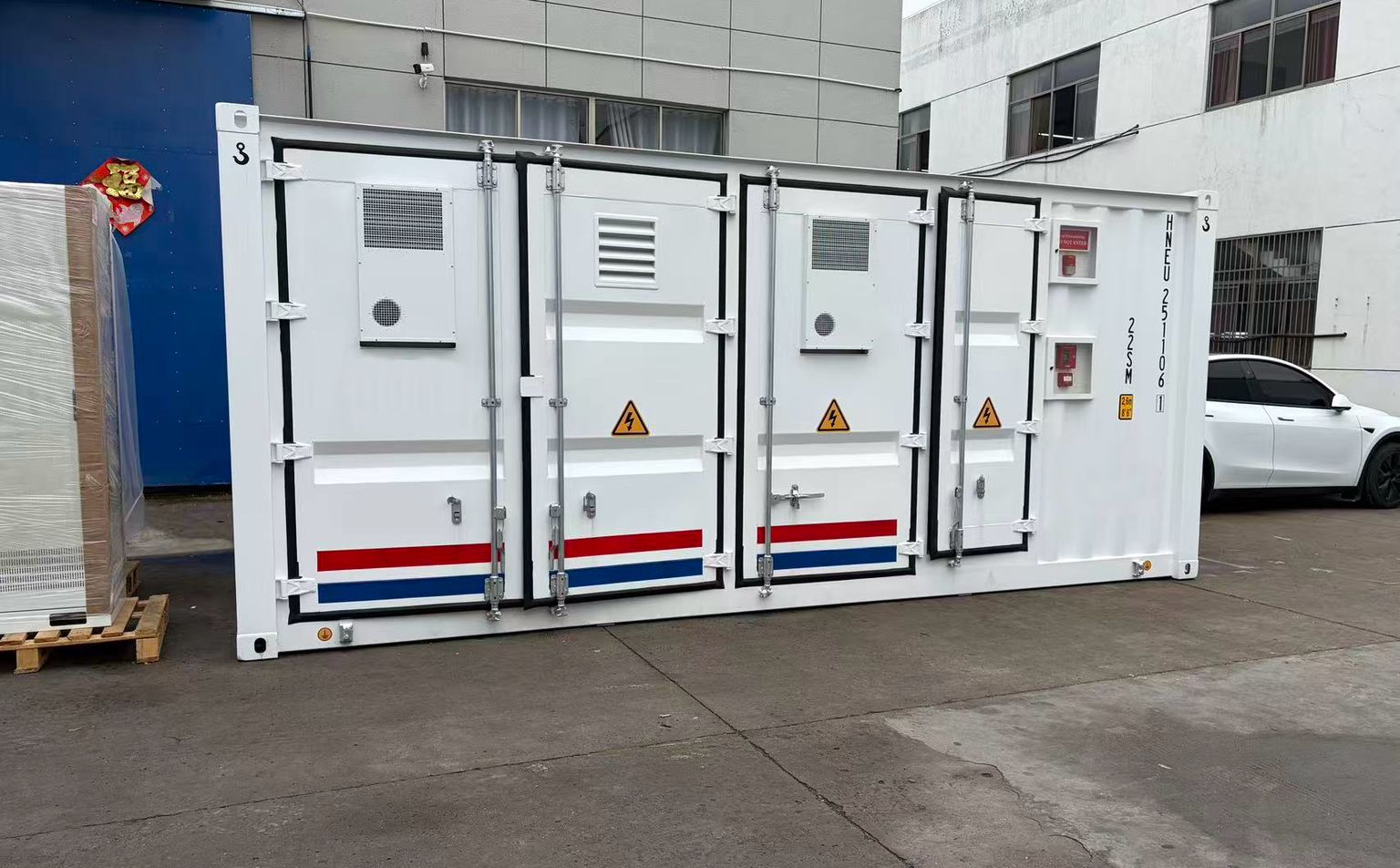
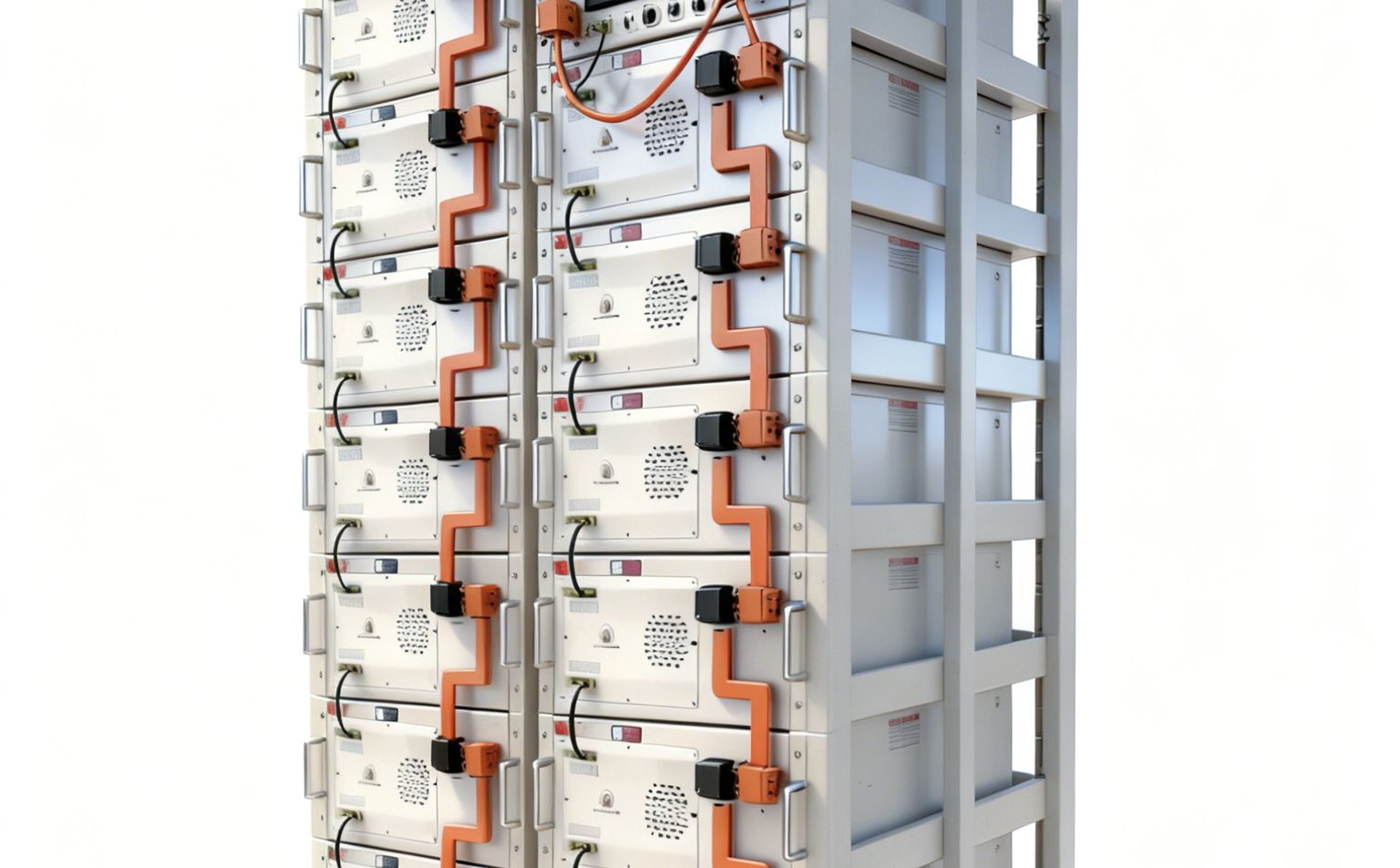
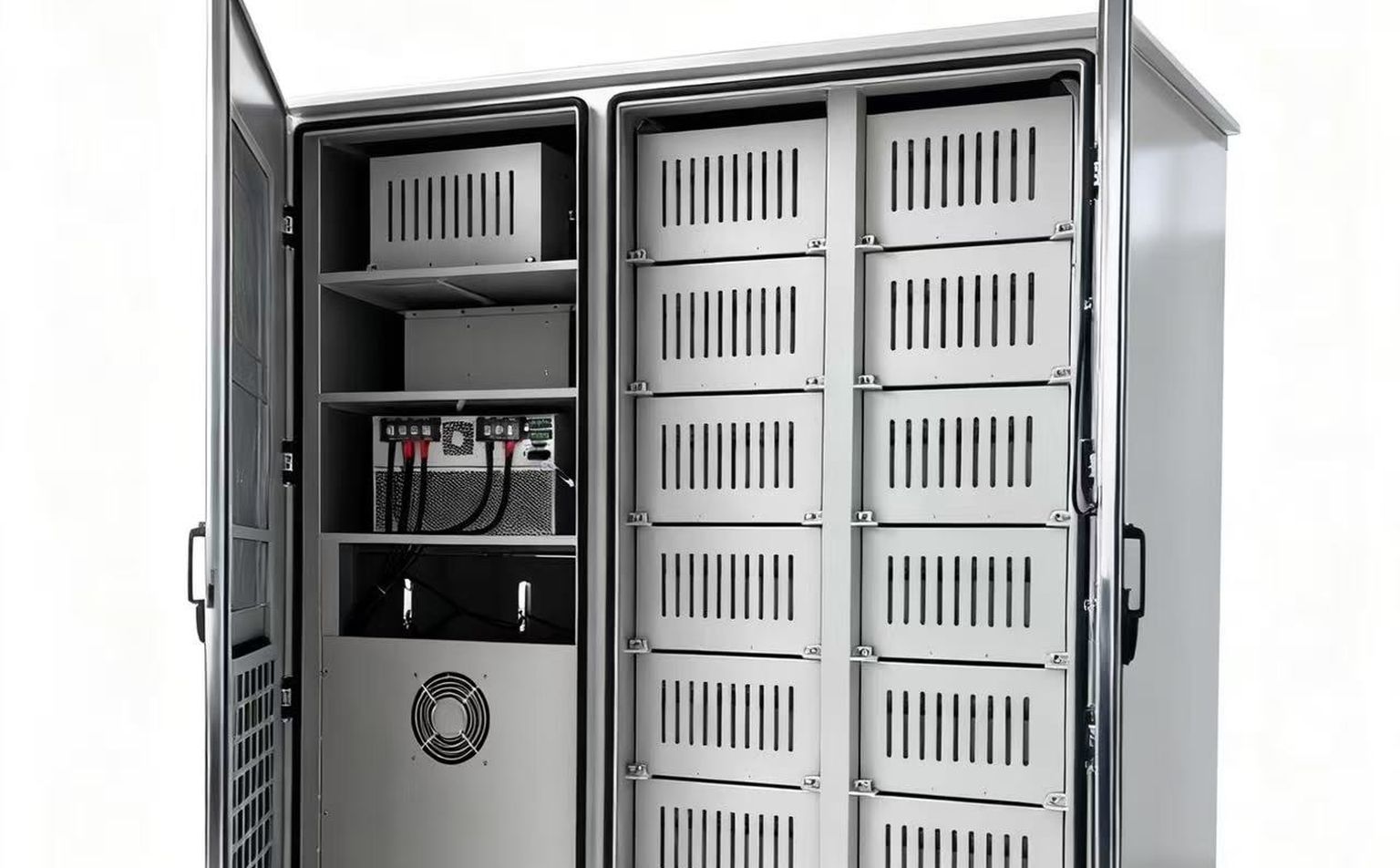
Lithium-ion batteries under HS 8507.60.00 kept two advantages in the Finance Act 2026 (assented 23 June 2026, effective 1 July 2026): 0% excise duty, and VAT zero-rating — not merely exemption. The distinction is worth money: a zero-rated importer reclaims input VAT, an exempt one cannot. A Finance Bill proposal to downgrade batteries to exempt status was dropped before assent, which kept the favourable position intact for now.
Two cautions remain. First, the zero-rating is now confined to that specific tariff heading, so classification of battery cabinets and integrated BESS units must be confirmed line by line. Second, lithium consignments may trigger a separate NEMA registration for hazardous-substances handling — outside KEBS and KRA, but assessed before release. Any Kenya solar import with a meaningful battery share should be priced only after both points are confirmed in writing.
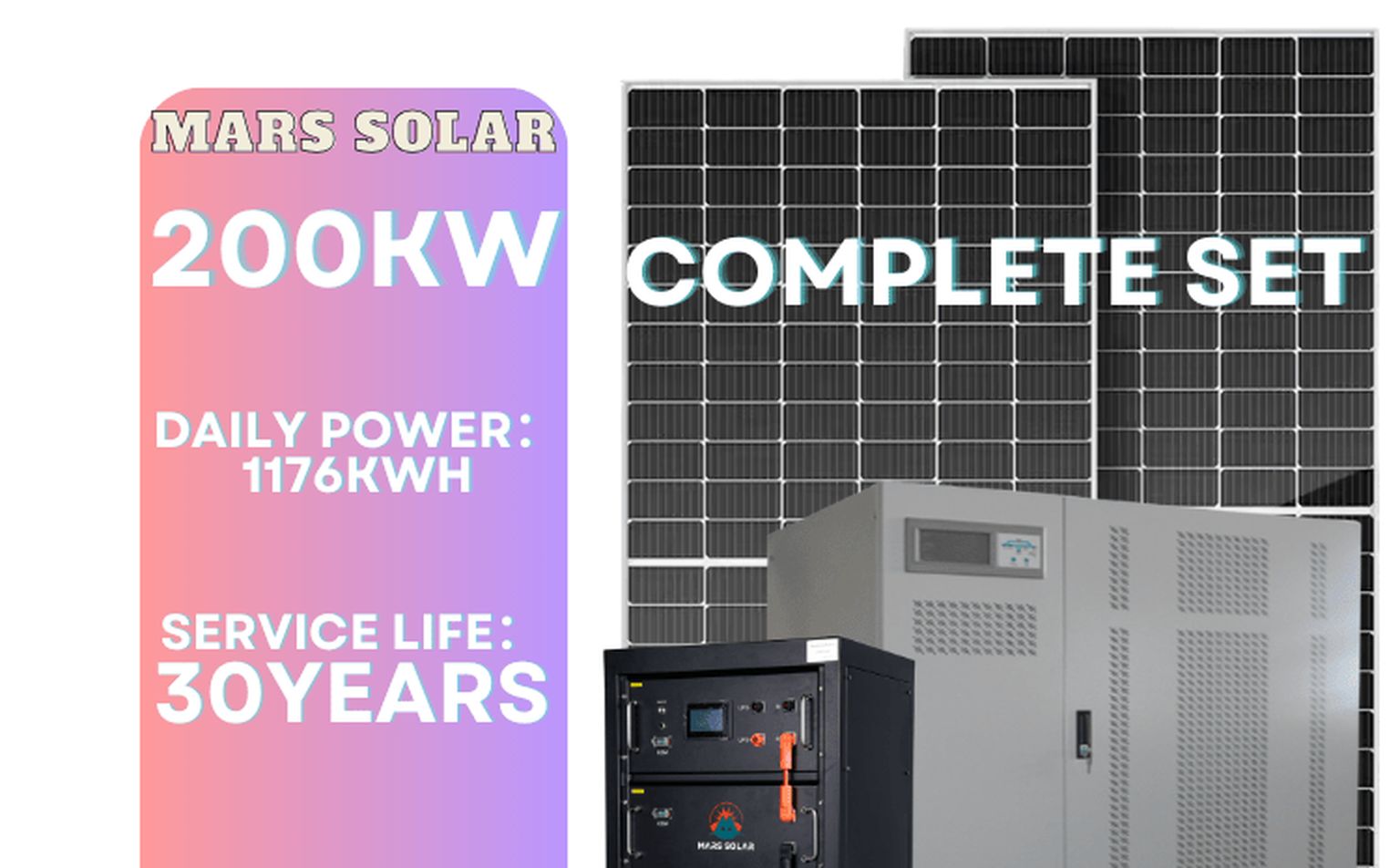
Kenya operates Pre-Export Verification of Conformity under Legal Notice No. 78 of 2020. A Certificate of Conformity (CoC) is issued by a KEBS-appointed inspection body in the country of export — before the goods ship, not on arrival. A container that reaches Mombasa without a CoC faces destination inspection at the importer's cost, possible penalty, and in the worst case re-export or destruction.
The appointed inspection body for a given country changes periodically, so the practical sequence for any Kenya solar import is: confirm the current appointee for China, book inspection when production is 80% complete, and hold the bill of lading until the CoC number is issued. Mars Solar builds this into the production schedule as standard — inspection is booked when the order enters final assembly, which keeps clearance at Mombasa to days rather than weeks.
Customs clearance runs through KRA's Integrated Customs Management System. An Import Declaration Form is filed at 2% of the customs value, and clearance itself is handled by a licensed clearing agent. This runs in parallel with — not instead of — the certification steps above.
One point many first-time importers miss: Kenya has no general import licence for solar products, but the Energy and Petroleum Regulatory Authority requires an EPRA Solar PV licence from businesses that import and sell solar equipment commercially. A business importing a single Kenya solar import consignment for its own factory roof does not need the EPRA licence; a distributor stocking for resale does. Confirm your position with EPRA before the first commercial shipment.
The CoC inspection tests or documents conformity against Kenyan standards, which for PV track the IEC series — module performance and safety, inverter grid codes, and battery safety standards. The practical implication for buyers: ask your supplier for the IEC test reports and certificates before the PVoC inspection is booked, because the inspection body will ask for exactly the same file.
Equipment that arrives with incomplete test documentation is the single most common cause of inspection failure we see in Kenya solar import shipments. A factory that maintains a standing certification file — as Mars Solar does for panels, hybrid inverters and LFP batteries — cuts the PVoC cycle from weeks to days.
Two 2026 proposals pulled in opposite directions. The Business Laws Amendment Bill 2026 proposes cutting import VAT on a broader range of green energy equipment from 16% to 8% — helpful, and still moving through Parliament at the time of writing. The Finance Bill 2026 floated moving lithium batteries from zero-rated to exempt VAT status — harmful — but that clause was dropped before assent.
The net position as at September 2026: modules remain duty-free and VAT-free, batteries remain zero-rated with 0% excise, and inverters remain standard-rated. The lesson from three consecutive Finance Bills is that Kenya solar import tax treatment is a live variable — lock quotations against the enacted Act, not against a bill.
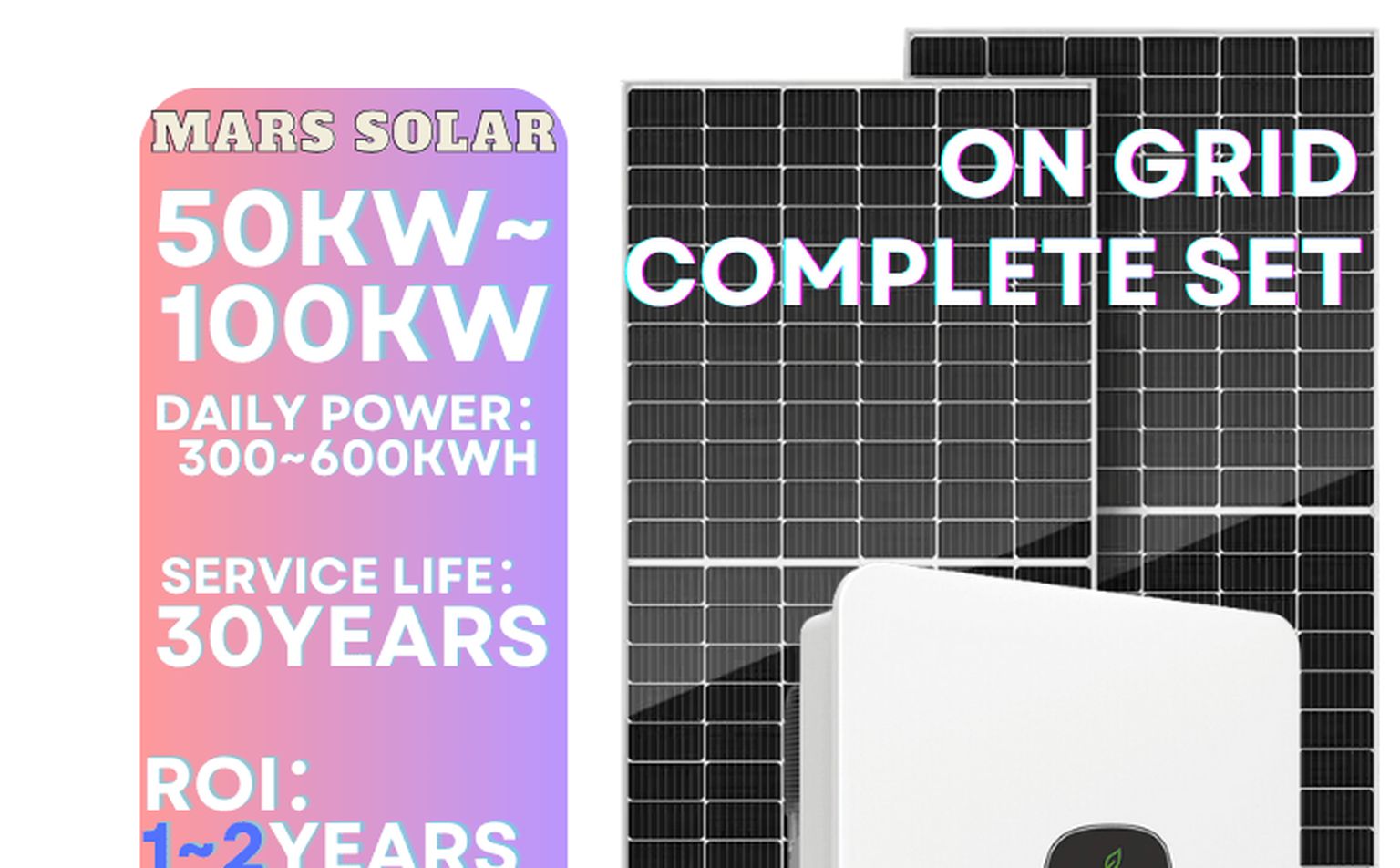
A worked example keeps the rules concrete. A 100kW grid-tied commercial set — modules, three string inverters, mounting, DC/AC protection — ships in one 40ft container. Indicative factory value: $58,000 to $72,000. Freight China to Mombasa adds $3,500 to $5,500. Duty: 0% on the module line, EAC CET rates on inverters and BOS. VAT: 0% on modules, 16% reclaimable on the standard-rated lines for a VAT-registered buyer. IDF: 2% of customs value. PVoC inspection: a few hundred dollars per consignment.
The same configuration is listed on our partner catalog as the 100kW solar system package, with the component split that shows exactly which lines attract duty. Buyers comparing against retail supply can also check solar panel price in Kenya for the local benchmark.
A clean Kenya solar import file has ten items: commercial invoice, packing list, bill of lading, certificate of origin, KEBS CoC with the consignment number, IEC test reports per product line, IDF entry, insurance certificate, the supplier's ISO and product certificates, and — for battery consignments — the UN38.3 test summary and MSDS. Batteries additionally ship as Class 9 dangerous goods with the corresponding marks and declarations.
Missing any one of these converts a four-day clearance into a four-week storage bill. Mars Solar issues the full pack from the shipping department with every order, and our clearing partners in Mombasa confirm the file before the vessel sails.
First: shipping before the CoC exists — the certificate is pre-export, and no letter of intent substitutes for it. Second: optimistic HS classification — declaring a hybrid inverter as a "solar device" to chase the exemption invites re-classification and penalty. Third: battery documentation gaps — UN38.3 and MSDS are checked for every lithium consignment. Fourth: assuming "solar is duty-free" covers the whole bill of materials, when only the module line qualifies.
All four are process failures, not bad luck, and all four are avoidable with a supplier that runs the Kenya solar import route regularly.
Three legitimate levers move the number. Consolidate — one 40ft container of complete systems clears once, with one CoC, one IDF and one inspection fee, instead of three partial shipments paying each charge three times. Classify correctly — the duty difference between a bare module and an integrated device is real money on a container. And buy factory-direct — every intermediary margin lands on the customs value and gets multiplied by IDF and VAT.
Buyers planning repeat Kenya solar import shipments should also register for VAT early, because the input-VAT reclaim on standard-rated lines is only available to registered businesses.
Kenya's market fundamentals keep strengthening. The 2026 Open Access Regulations ended KPLC's monopoly on large power deals — factories can now sign direct PPAs with solar developers, which pulls commercial demand forward. Grid electricity for SMEs runs KSh 18 to 28 per kWh all-in, against KSh 8 to 14 for commercial solar. The first renewable energy auction under the new framework is expected in late 2026.
For installers and distributors, the constraint is no longer demand — it is a reliable, documented Kenya solar import pipeline. That is the relationship Mars Solar builds: factory-direct supply with the certification file, PVoC scheduling and document pack handled as standard.
Os painéis solares serão realmente isentos de direitos aduaneiros no Quénia em 2026? Sim — as células solares e os módulos sem embalagem estão sujeitos a um direito aduaneiro de 0% e a um IVA de 0%, ao abrigo da isenção prevista na Lei do IVA de 2013. A isenção não abrange inversores, dispositivos pré-montados com díodos integrados, nem itens de montagem e do «balance-of-system», aos quais se aplica o direito aduaneiro normal da EAC CET, acrescido de 16% de IVA.
O que é o certificado PVoC da KEBS e quando é que o recebo? Um Certificado de Conformidade emitido por um organismo de inspeção designado pela KEBS no país de exportação, nos termos do Aviso Legal n.º 78 de 2020. Este certificado deve estar disponível antes do embarque das mercadorias — um contentor que chegue a Mombaça sem este certificado estará sujeito a inspeção no destino, sanções e eventual reexportação.
Como é que as baterias de lítio são tributadas ao abrigo da Lei das Finanças de 2026? As baterias abrangidas pela posição pautal HS 8507.60.00 mantêm o imposto especial de consumo 0% e a isenção de IVA — o regime favorável que permite aos importadores recuperar o IVA a montante. Uma proposta para rebaixar o seu estatuto para isenção foi retirada antes da aprovação da lei, mas o tratamento foi revisto em três projetos de lei financeiros consecutivos, pelo que se deve confirmar antes de cada remessa.
Preciso de uma licença da EPRA para importar equipamento solar? Apenas se importar para vender. Uma empresa que importe um sistema para as suas próprias instalações não necessita de uma licença EPRA; uma empresa que importe equipamento solar para revenda necessita da licença EPRA Solar PV. O Quénia não dispõe de uma licença geral de importação para produtos solares — a conformidade é assegurada através da certificação KEBS e da documentação aduaneira.
Quanto custa o formulário de declaração de importação? O IDF é apresentado no valor de 2% do valor aduaneiro e o desembaraço aduaneiro é efetuado através do sistema iCMS da KRA, por intermédio de um agente de desembaraço autorizado. Ao calcular o custo total de importação de painéis solares no Quénia, devem ser considerados o IDF orçamental, as taxas de inspeção PVoC e as taxas portuárias, para além dos direitos aduaneiros e do IVA.
A Mars Solar consegue tratar do processo de certificação no Quénia? Yes. We maintain the IEC test file for panels, inverters and batteries, book the PVoC inspection when production enters final assembly, and issue the full shipping document pack — CoC support, UN38.3, MSDS, certificates of origin — so clearance at Mombasa takes days, not weeks.
Which HS codes decide the duty on a Kenya solar import?
A Kenya solar import is classified line by line. Modules sit under 8541.43 and attract 0% duty and 0% VAT. Inverters under 8504.40 are standard-rated. Lithium batteries under 8507.60.00 keep 0% excise and VAT zero-rating after the Finance Act 2026. The error to avoid on a Kenya solar import is declaring the whole consignment under the module heading, because a re-classification costs more than the duty saved.
How long should a Kenya solar import take from order to Mombasa?
Production plus the PVoC inspection is the long leg. Inspection is booked when the order enters final assembly, so the CoC is normally in hand before the container is loaded. With the certificate issued pre-export and the document pack complete, a Kenya solar import clears in days at Mombasa. The delays we see on a Kenya solar import are almost always certificate timing, not shipping.
What most often stalls a Kenya solar import at the port?
Four things, and all four are process failures: shipping before the CoC exists, optimistic classification to chase the exemption, missing UN38.3 and MSDS papers on a battery line, and the assumption that duty-free panels mean a duty-free Kenya solar import. Every one of those turns a four-day clearance into a four-week storage bill.
Can the Kenya solar import exemption survive the next Finance Bill?
Nobody can promise that, which is why quotations should be locked against the enacted Act rather than against a bill. The tax treatment of green equipment has been revisited in each of the last three Finance Acts, and the position on a Kenya solar import today — modules free, batteries zero-rated, inverters standard-rated — should be confirmed with your clearing agent before you price a shipment.
One point that rarely reaches the buyer: the cost of getting a Kenya solar import wrong is not the duty, it is the delay and the re-export risk. Customs duty and VAT on a Kenya solar import are predictable line items that a good clearing agent will model in advance; a missing CoC is not. See the general treatment of customs duty on imported goods for the underlying mechanics, then hold every supplier to the same document standard on your next Kenya solar import.

 English English
  Arabic
 Spanish
 French
 Dutch
Dutch
 Portuguese