Linguagem
Diesel vs Solar Cost Nigeria in 2026 is no longer a debate — it is a math problem, and the answer is decisive. For a Nigerian business or home running a diesel generator, electricity costs ₦300–₦450 per kWh at 2026 fuel prices, while a solar system delivers the same kWh at a levelized cost of ₦55–₦150 per kWh over its 25-year life. That is a 50–70% saving per unit, and most commercial systems pay for themselves in 8 months to 4 years. After that, the sun costs nothing.
This guide breaks down the real numbers — fuel, maintenance, replacement, and the downtime losses that never appear on a generator invoice — so you can decide with a calculator, not a sales pitch.
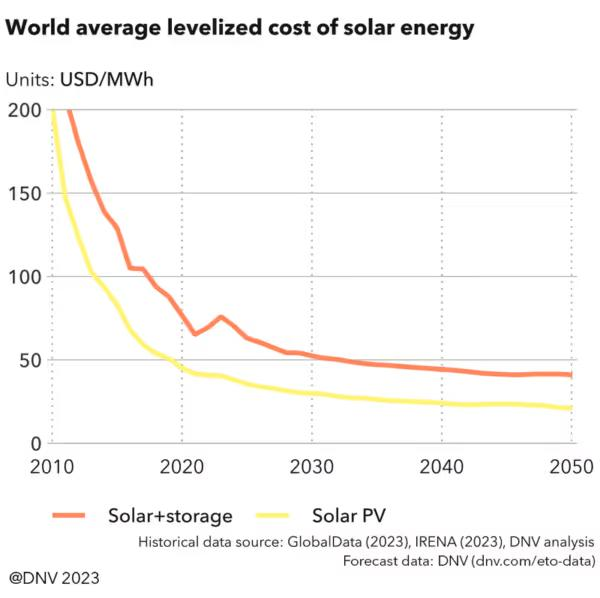
Two forces collided in 2023–2026. First, the removal of the fuel subsidy pushed diesel to ₦1,200–₦1,500 per litre (April 2026), making generator power the single most expensive electricity in Nigeria. Second, solar panel prices have fallen more than 80% over the last decade and battery costs dropped over 50% in three years — 2026 panel prices are the lowest ever recorded.
Meanwhile, the national grid still averages only 4–8 hours of supply per day in most commercial areas, with 8–12 outages a day. Every business that depends on the grid is already burning diesel to bridge the gap. The question is no longer whether to self-generate — it is whether to keep paying for fuel, or to own the power source.
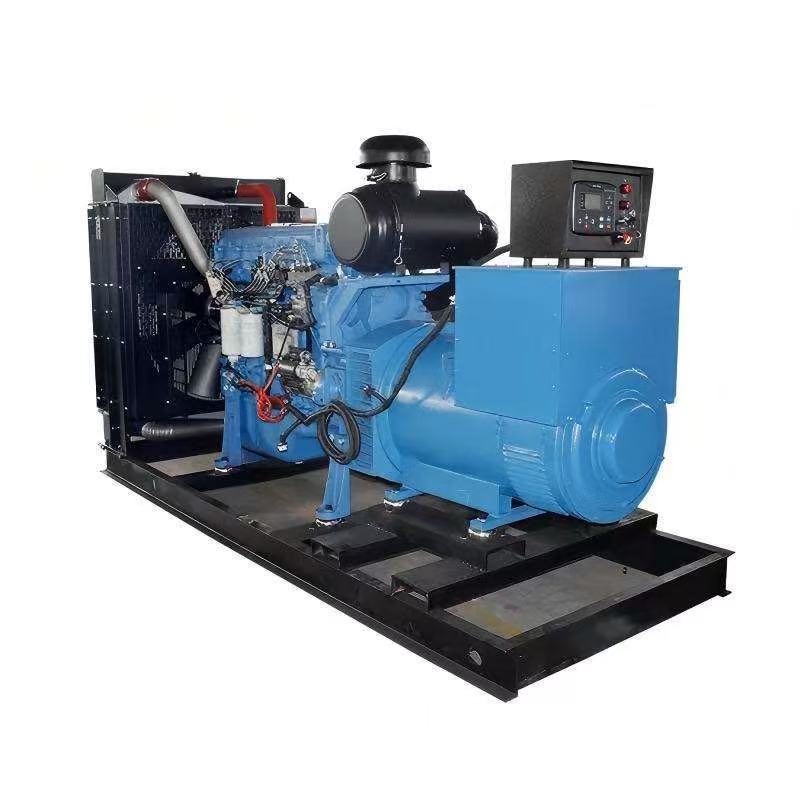
The sticker price of diesel is only the beginning. A typical generator burns 0.30–0.35 litres per kWh at rated load. At ₦1,200–₦1,500 per litre, that is ₦360–₦525 per kWh on fuel alone — before maintenance, depreciation, or the cost of a breakdown during business hours.
| Cost Component | ₦ per kWh |
|---|---|
| Fuel (0.30–0.35 L/kWh × ₦1,200–1,500/L) | ₦360 – ₦525 |
| Maintenance (oil, filters, servicing) | ₦30 – ₦50 |
| Generator depreciation & replacement | ₦40 – ₦60 |
| Total diesel generation cost | ₦300 – ₦650 |
Different sources give different midpoints because they count different things. The widely cited ₦300–₦450/kWh covers fuel, maintenance and depreciation; the ₦450–₦650/kWh figure adds engine wear and the real-world inefficiency of under-loaded generators. Either way, diesel is 3–8 times more expensive per kWh than solar over the system’s lifetime.
Solar has a high upfront cost and a near-zero running cost. The honest way to compare it with diesel is the Levelized Cost of Electricity (LCOE) — total system cost divided by total kWh produced over its lifetime.
In Nigeria, a complete system costs roughly ₦600,000–₦900,000 per kW installed in 2026, depending on battery type, component brand, and installation complexity. A well-sized system produces for 20–25 years with minimal maintenance, which pushes the LCOE down to ₦45–₦150 per kWh — ₦45 is the long-run residential figure, ₦150 the upper bound for a commercial system with battery storage. (See our full 2026 Nigeria pricing guide.)
| Tamanho do sistema | 2026 Price Range | Typical Payback (replacing diesel) | Ideal para |
|---|---|---|---|
| 5 kW hybrid | ₦4.5M – ₦6.5M | 18–28 months | 3-bedroom home, small shop |
| 10 kW hybrid | ₦8M – ₦12M | 10–18 months | Clinic, 15–25 staff office |
| 20 kW hybrid | ₦16M – ₦24M | 10–16 meses | Supermarket, guest house |
| 50 kW hybrid | ₦42M – ₦62M | 8–14 months | Hotel, mid-size factory |
| 100 kW hybrid | ₦85M – ₦125M | 8–12 months | 30–50 room hotel, factory |
| 250 kW hybrid | ₦210M – ₦310M | 14–22 months | 100+ room hotel, industrial |
The pattern is consistent: the more diesel you currently burn, the faster solar pays for itself. A factory running generators 500 kWh/day saves roughly ₦130,000 per day by switching — about ₦47.5 million a year.
The real comparison is not the sticker price — it is what each kWh costs over 5 years, and whether it is even there when you need it.
| Power Source | ₦ per kWh | Reliability | 5-Year Cost (100 kW site) |
|---|---|---|---|
| National grid (DisCo) | ₦90 – ₦110 | Very low (8–12 outages/day) | ₦180M – ₦220M (incl. diesel + downtime) |
| Diesel generator | ₦300 – ₦450 | High (fuel-dependent) | ₦420M – ₦540M |
| Hybrid solar + battery | ₦55 – ₦80 (levelized) | High (auto-switch) | ₦95M – ₦140M |
| Off-grid solar | ₦80 – ₦110 (levelized) | Mais alto | ₦125M – ₦185M |
Note: grid and diesel 5-year figures include estimated business losses from downtime — spoiled inventory, idle staff, lost production. That line is invisible on a quote but it is usually the most expensive part of staying on grid + diesel.
Even a modest 5 kVA business generator running 10 hours a day burns ~40 litres — about ₦1.5M–₦1.65M in fuel per month. A solar system that replaces it saves that amount every month, year after year, for 25 years.
A energia solar é mais barata do que um gerador na Nigéria?
Sim — ao longo do seu ciclo de vida, a energia solar custa entre ₦45 e ₦150/kWh, contra ₦300 e ₦650/kWh no caso do gasóleo, o que representa uma poupança de 50–70% por unidade.
E nos dias nublados e à noite?
Um sistema híbrido armazena energia em baterias de lítio e muda automaticamente para a rede elétrica ou para um gerador, como fonte de reserva. Um conjunto de baterias com a capacidade adequada cobre a sua carga noturna e em caso de falha de energia.
Quanto tempo duram as pilhas?
As baterias de lítio (LiFePO₄) têm uma duração superior a 10 anos e mais de 6 000 ciclos, em comparação com os 2 a 3 anos das baterias de chumbo-ácido. A bateria representa o principal custo de substituição ao longo de 25 anos.
Ainda preciso do meu gerador?
A maioria das empresas mantém um pequeno gerador como plano de contingência de último recurso, mas este funciona apenas durante uma fração das horas — reduzindo os custos com combustível em 60–80%.
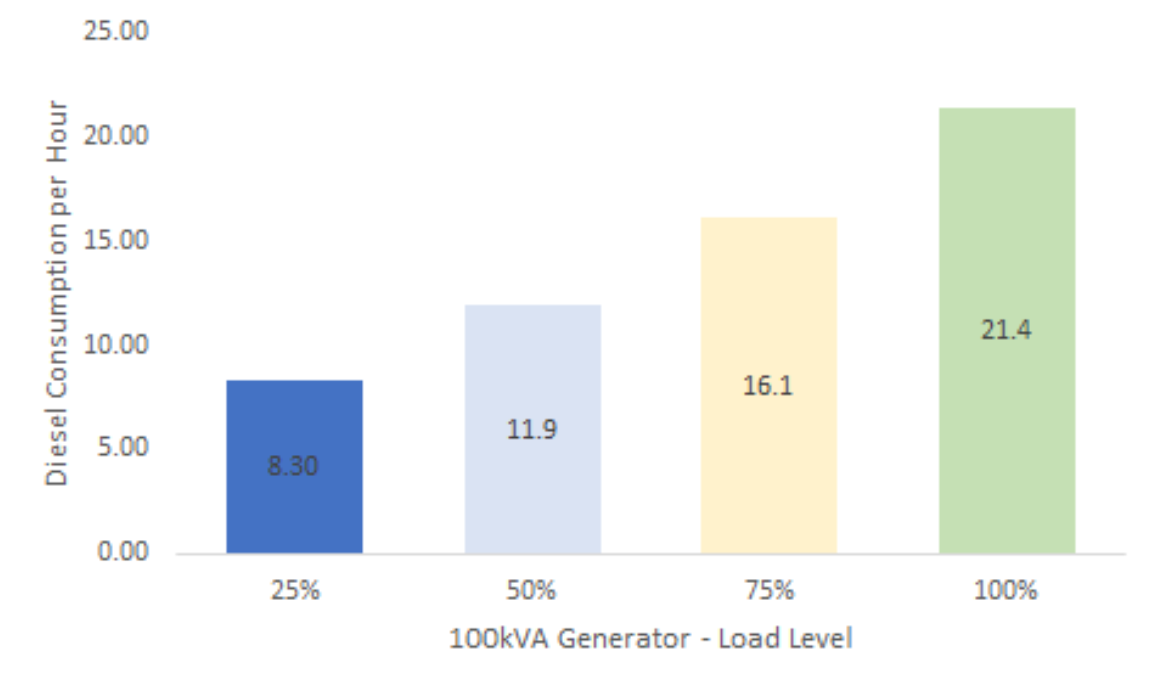
A situação agrava-se para o gasóleo, em vez de melhorar. O consumo de combustível por kWh aumenta acentuadamente abaixo de uma carga de cerca de 60%, pelo que uma unidade de 100 kVA a funcionar a 40 kVA pode consumir quase tanto combustível como consumiria a 70 kVA. É por isso que a comparação de custos entre o diesel e a energia solar na Nigéria deve basear-se no seu fator de carga real, em vez da potência nominal do gerador. Um gerador com carga reduzida é o argumento mais forte a favor da energia solar em todo o cálculo de custos entre o diesel e a energia solar na Nigéria.
Substantially. Lithium LiFePO₄ storage lasts 6,000 or more cycles and around ten years, against two to three years for lead-acid. Because the battery is the replacement cost that dominates a solar project over 25 years, lead-acid makes the diesel vs solar cost Nigeria comparison far less attractive. On a proper battery energy storage system sizing model, lithium is what makes the diesel vs solar cost Nigeria numbers hold.
It assumes the range Nigerian buyers actually pay, roughly ₦1,200–₦1,500 per litre in April 2026, with a generator consuming 0.30–0.35 litres per kWh at rated load. That puts fuel alone at ₦360–₦525 per kWh before maintenance. Because the fuel price is the moving part, the diesel vs solar cost Nigeria conclusion gets stronger every time diesel rises, not weaker.
No, and the difference is scale. A 5 kVA business generator running ten hours a day burns about 40 litres a day, which is roughly ₦1.5–₦1.65 million per month in fuel. A household running a smaller unit for four hours saves proportionally less. The diesel vs solar cost Nigeria arithmetic therefore rewards whoever burns the most diesel today, which is almost always a commercial or industrial site.
Most commercial systems modelled on Nigeria's 2026 numbers land between 8 months and 4 years, with a large factory and a small office at opposite ends of that range. The diesel vs solar cost Nigeria payback shortens as fuel spend rises, because the saving is measured against what you already pay. Anyone quoting a diesel vs solar cost Nigeria payback without asking for your monthly fuel spend is estimating, not calculating.
It should, and this is the line that is usually left out. Grid and diesel 5-year figures normally include estimated losses from downtime — spoiled inventory, idle staff, lost production — and that line is often the largest in the whole diesel vs solar cost Nigeria comparison. Once unserved energy is priced at your own margin per hour, the diesel vs solar cost Nigeria gap widens well beyond the fuel saving.
They move the capital side of the equation only. Solar equipment enters Nigeria at roughly 5–7% duty plus 7.5% VAT depending on HS classification, while diesel fuel carries no such one-off charge but repeats every month forever. Confirm the classification with your clearing agent before signing, because a re-classified shipment can shift the diesel vs solar cost Nigeria payback by several months.
Usually not at commercial scale. Self-generation below 1 MW needs no NERC licence under EPSRA 2005, which covers the overwhelming majority of factory and hotel projects. Equipment must still carry NEMSA type approval (IEC 62109, IEC 61215, IEC 62619). Where a project crosses 1 MW or exports to the grid, licensing applies and belongs in the diesel vs solar cost Nigeria model as a schedule risk.
There are two real exceptions. A site with fewer than about two hours of generator use a day saves little, because the fuel it displaces is small. A site with no daytime load profile and no storage has nowhere to put the generation. In both cases diesel vs solar cost Nigeria still favours solar over 25 years, but the payback stretches beyond the range most buyers will accept.
Two numbers from you, one from us. Send monthly generator fuel spend and average daily run-hours, and we return a sized system with a written payback calculation. That is a far better basis than a price list, because the diesel vs solar cost Nigeria answer depends on your load profile, your tariff and how long your generator actually runs — not on anything a catalogue can tell you.
Get your free system sizing and a written payback calculation for your site. Send your monthly generator fuel spend and daily run-hours, and our engineers will return a tailored diesel-vs-solar comparison within 24 hours.
WhatsApp: +86 133 6034 4720 | info@marssolargroup.com
Data sources: SurgePV C&I Solar Nigeria guide (Apr 2026); NERC MYTO 2024 tariffs; Kowatek Solar LCOE analysis (2026). Figures are indicative ranges; request a site-specific quotation for exact numbers.
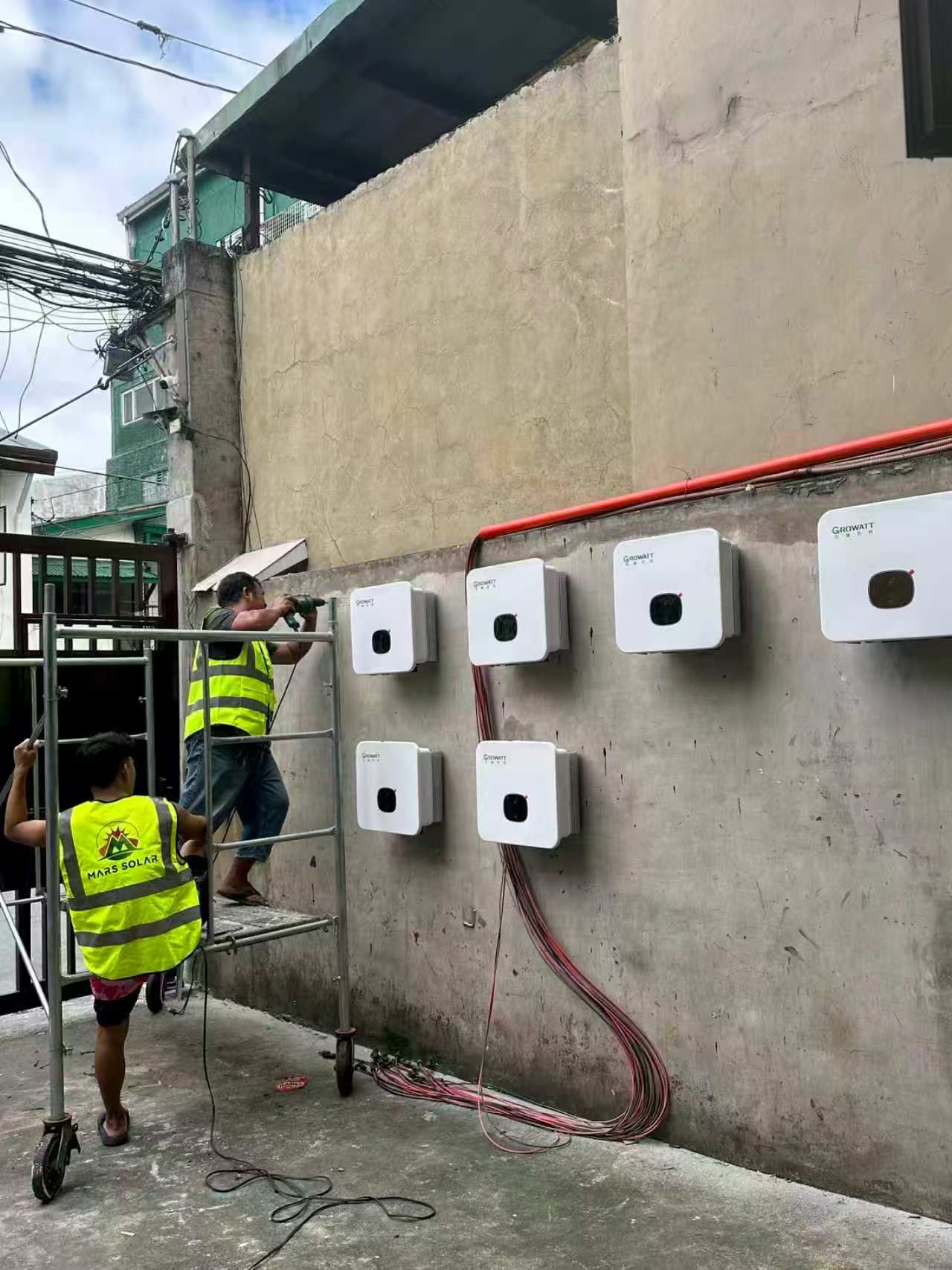
For a factory-direct quotation sized to your site, see our solar system Nigeria page: configurations, 2026 reference pricing to Lagos, and the SONCAP and Form M file set we prepare before the vessel sails.

 English English
  Arabic
 Spanish
 French
 Dutch
Dutch
 Portuguese