
Taal
Metrisch | Waarde |
Systeemgrootte | 250 kW zonne-energie + 500 kWh lithiumbatterijopslag |
Locatie | Ghana, West-Afrika |
Verlaging van de elektriciteitskosten | 60% |
Installatie | Ter plaatse door gestuurde technici |
Batterijchemie | Lithiumijzerfosfaat (LiFePO4) |
Projecttype | Commercieel hotel — volledig hybride zonne-energie + opslag |
Hotels in Ghana kampen met een dubbele energiecrisis:
Voor een middelgroot tot groot hotel met 24/7 airconditioning, keukenapparatuur, verlichting en gastenvoorzieningen kunnen de maandelijkse elektriciteitskosten gemakkelijk oplopen tot meer dan 15.000–25.000 roepies. Een dieselgenerator als back-up voegt daar tijdens stroomuitval nog eens 30–50 roepies aan toe.
Dit hotel gaf veel geld uit aan stroom en diesel, en daar leek geen einde aan te komen. Ze hadden een oplossing nodig die:
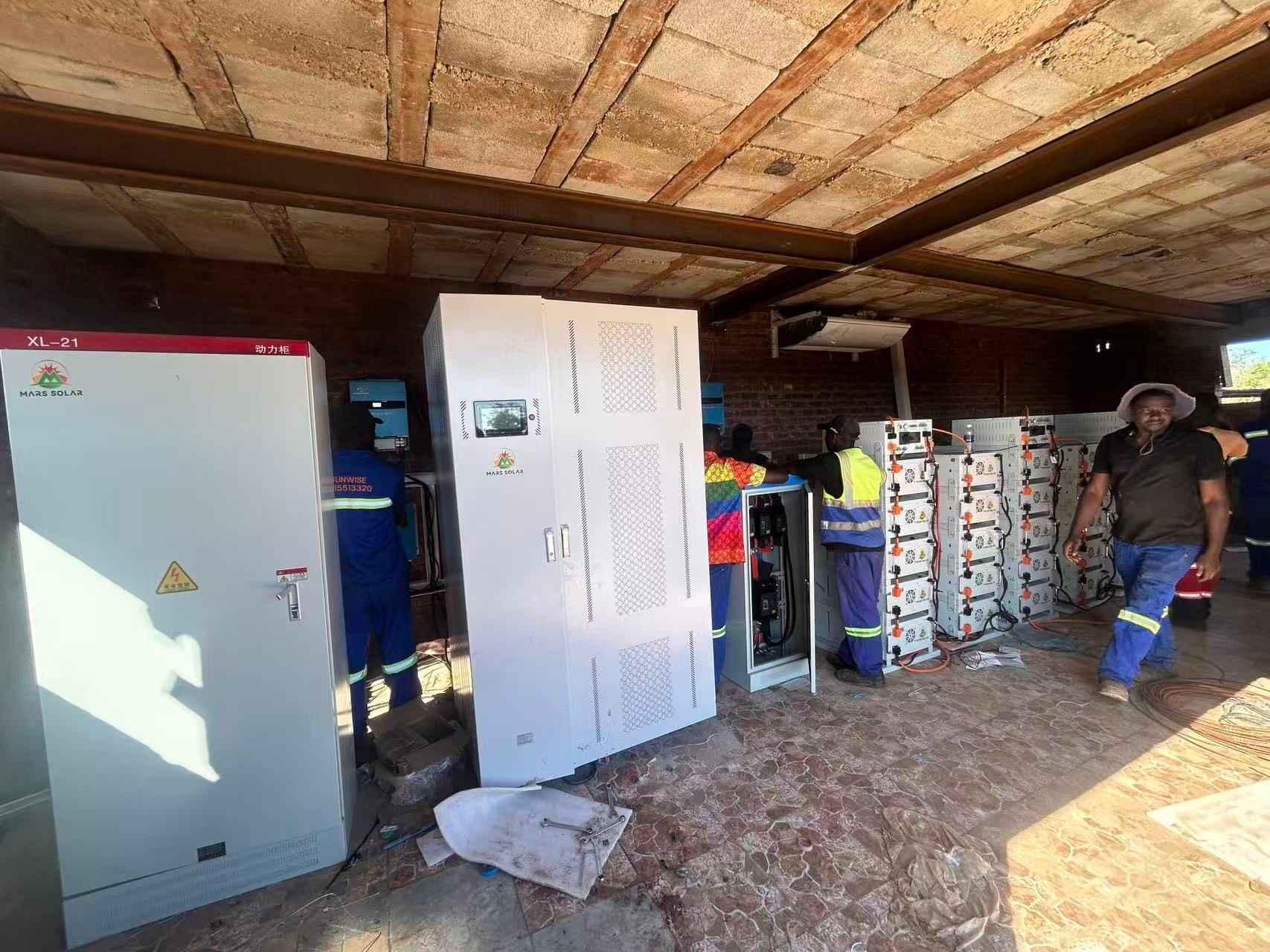
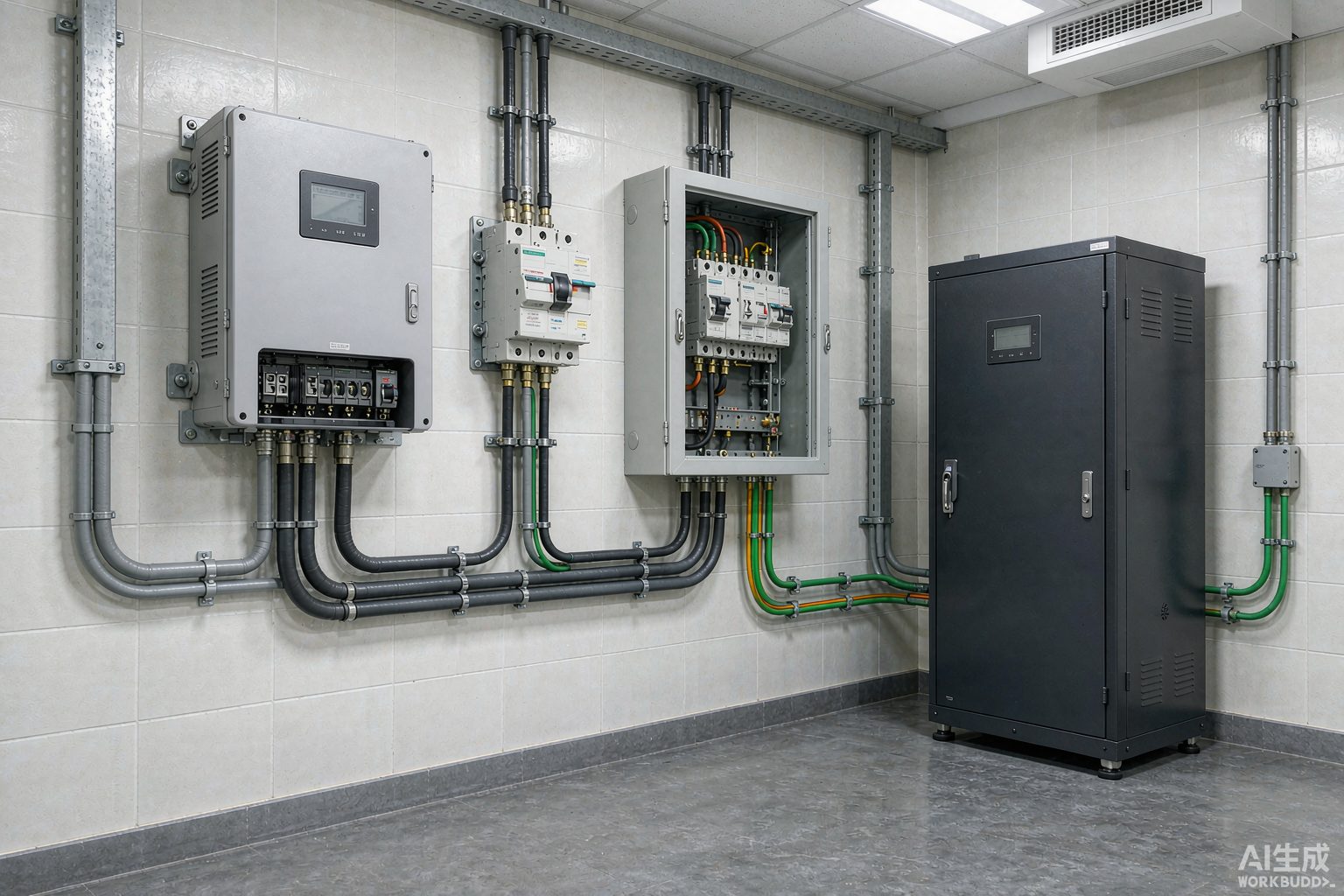
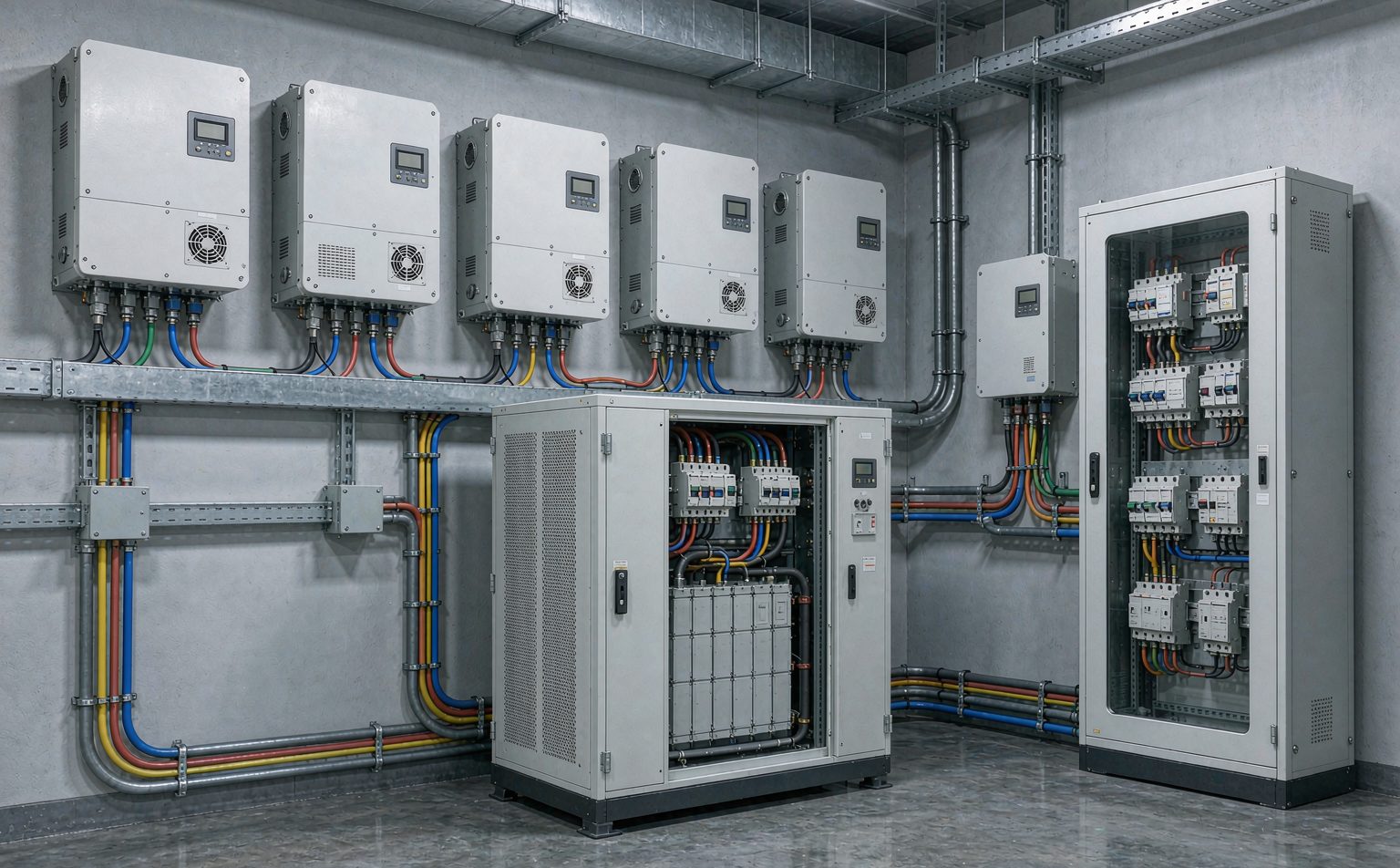
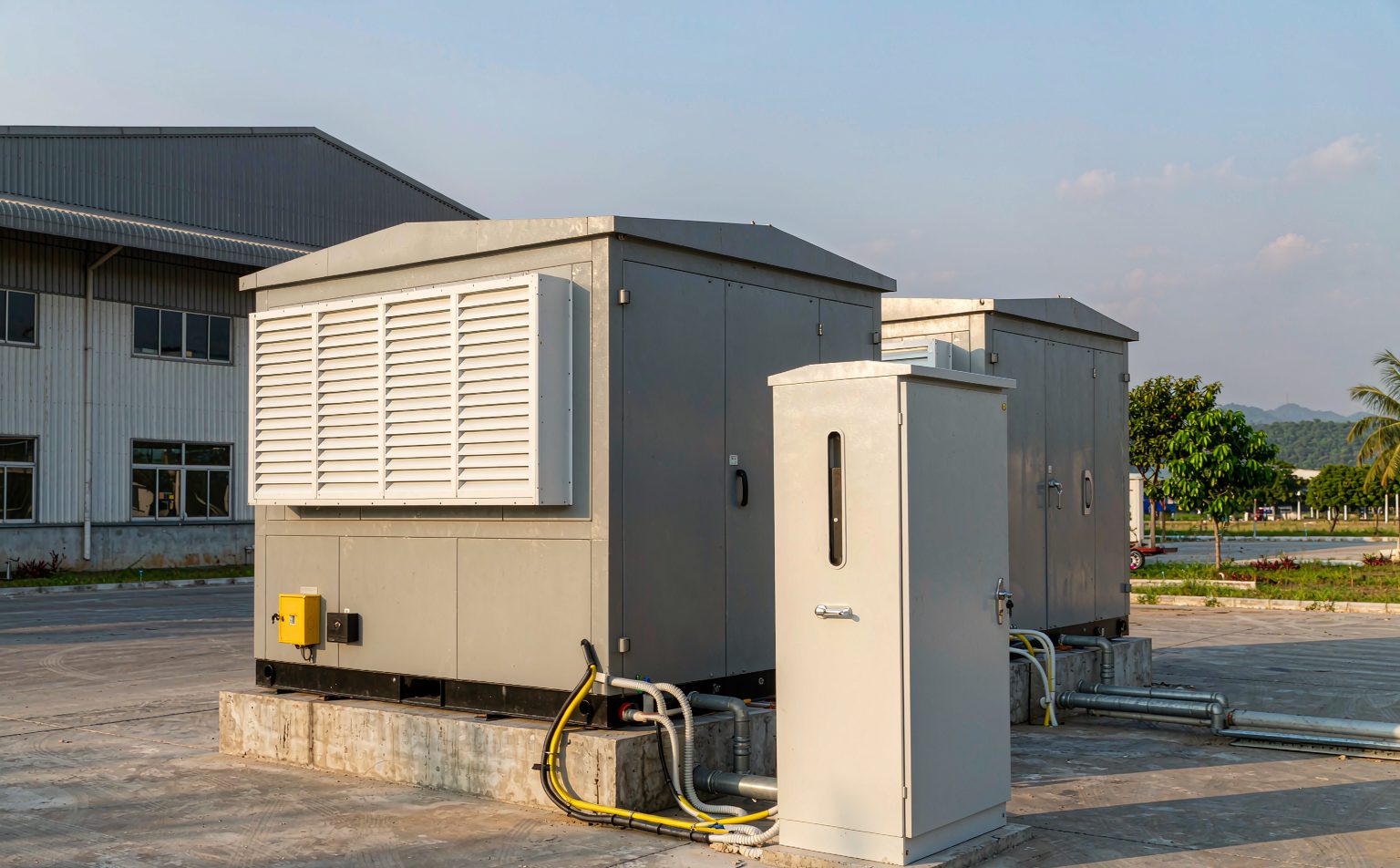
We hebben een hybride systeem met zonne-energie en batterijopslag ontworpen en geïnstalleerd, afgestemd op het energieverbruik van het hotel:
component | Specificatie |
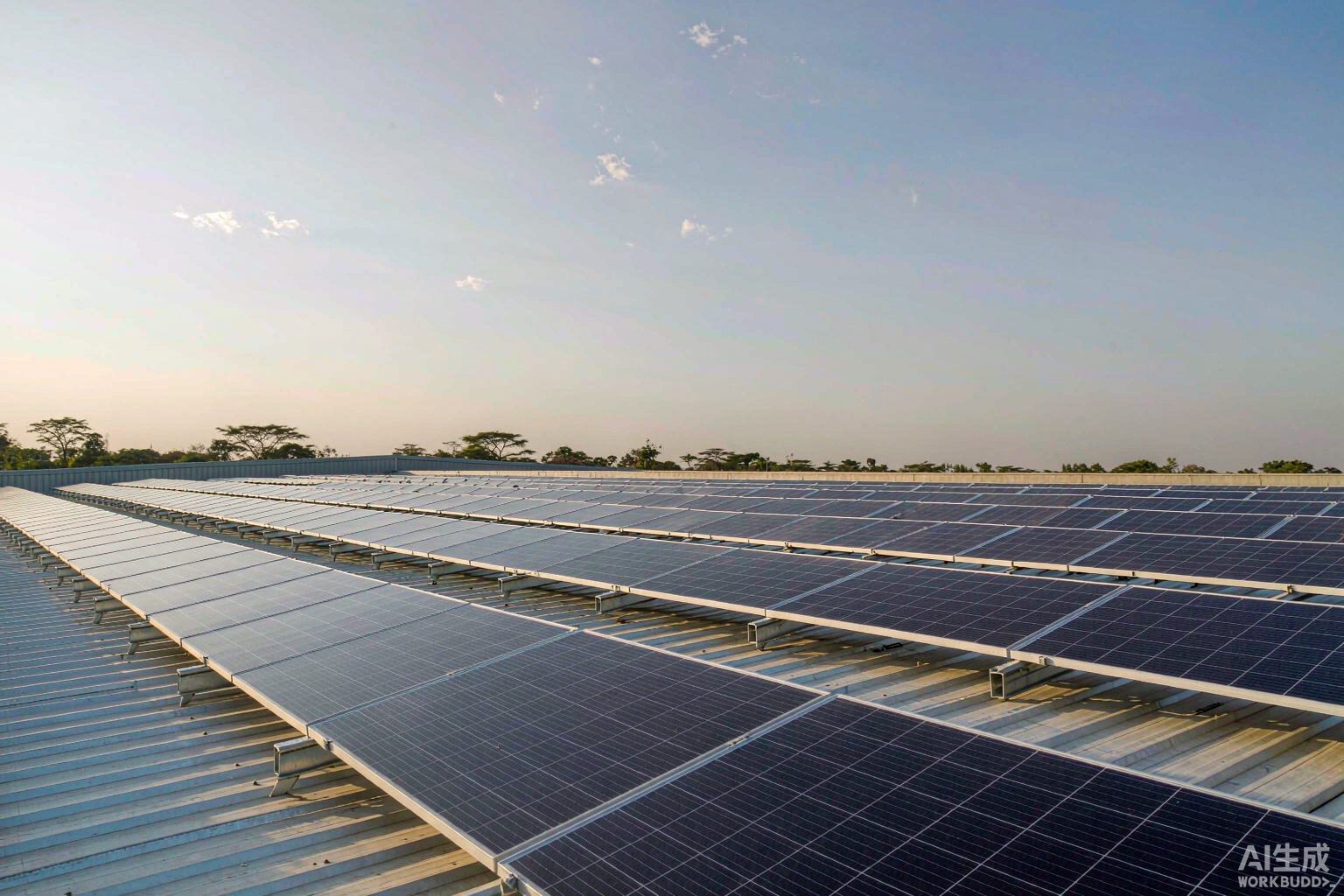
Zonnepanelen | 250 kW piekvermogen |
Batterij-energieopslag | 500 kWh LiFePO4 |
Systeemtype | Hybride (aangesloten op het elektriciteitsnet met batterijback-up) |
Omvormer | Hybride omvormer met netsynchronisatiemogelijkheid |
Bedrijfsmodus | Prioriteit zonne-energie → Batterij → Netstroom (automatische omschakeling) |
Back-upfunctie | Naadloze overgang tijdens stroomuitval. |
De verhouding van 2:1 tussen batterij en zonne-energie was bewust gekozen:
Deze verhouding zorgt voor maximaal zelfverbruik van zonne-energie in plaats van teruglevering aan het net tegen lage teruglevertarieven.
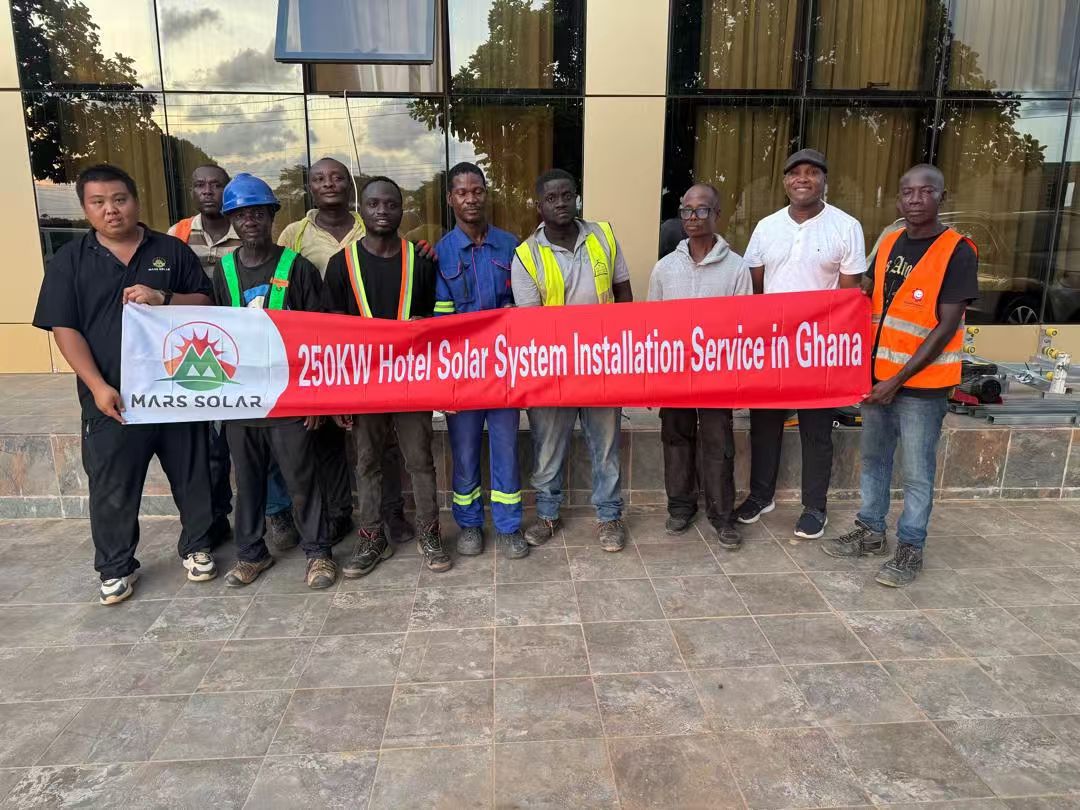
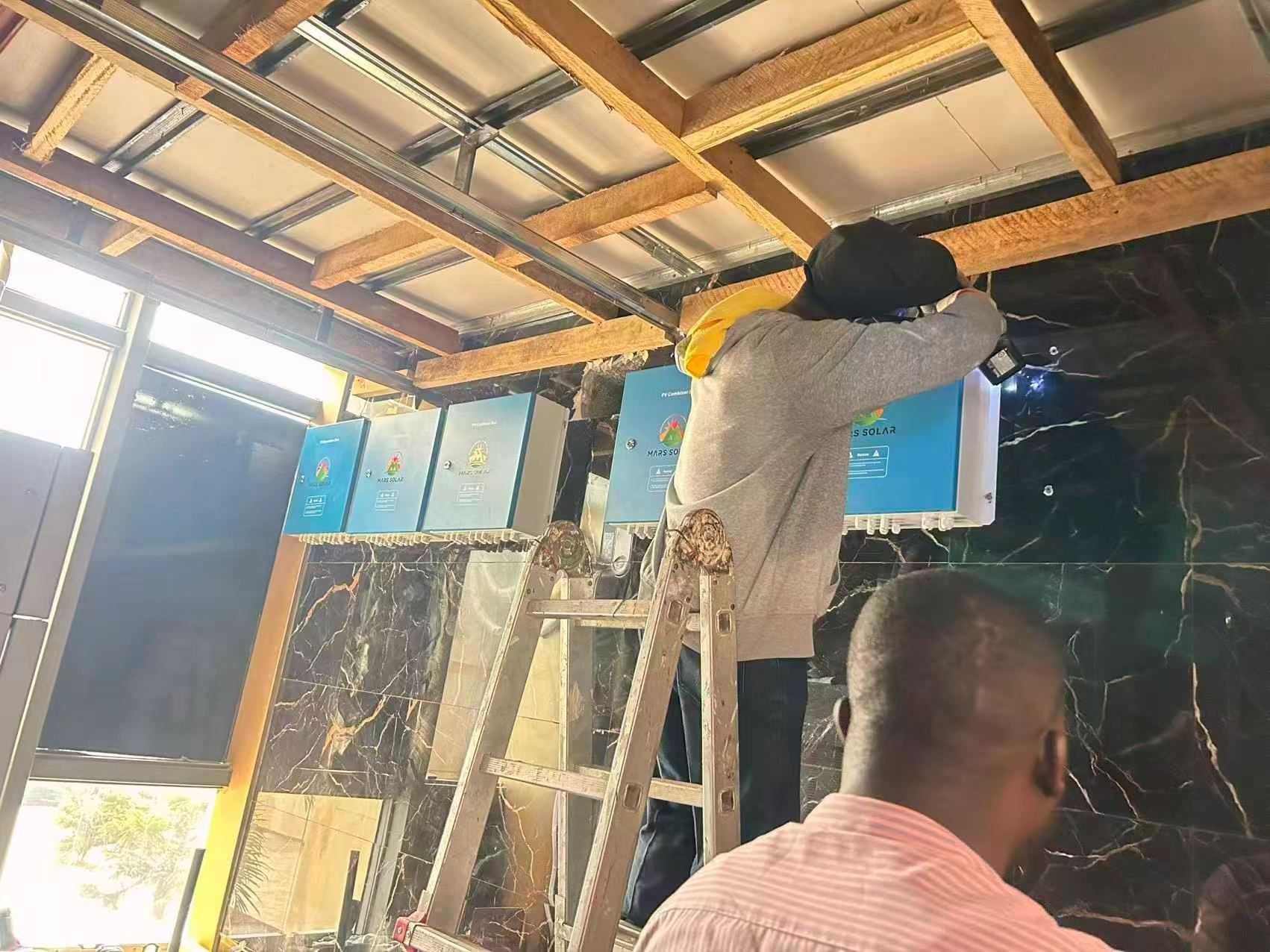
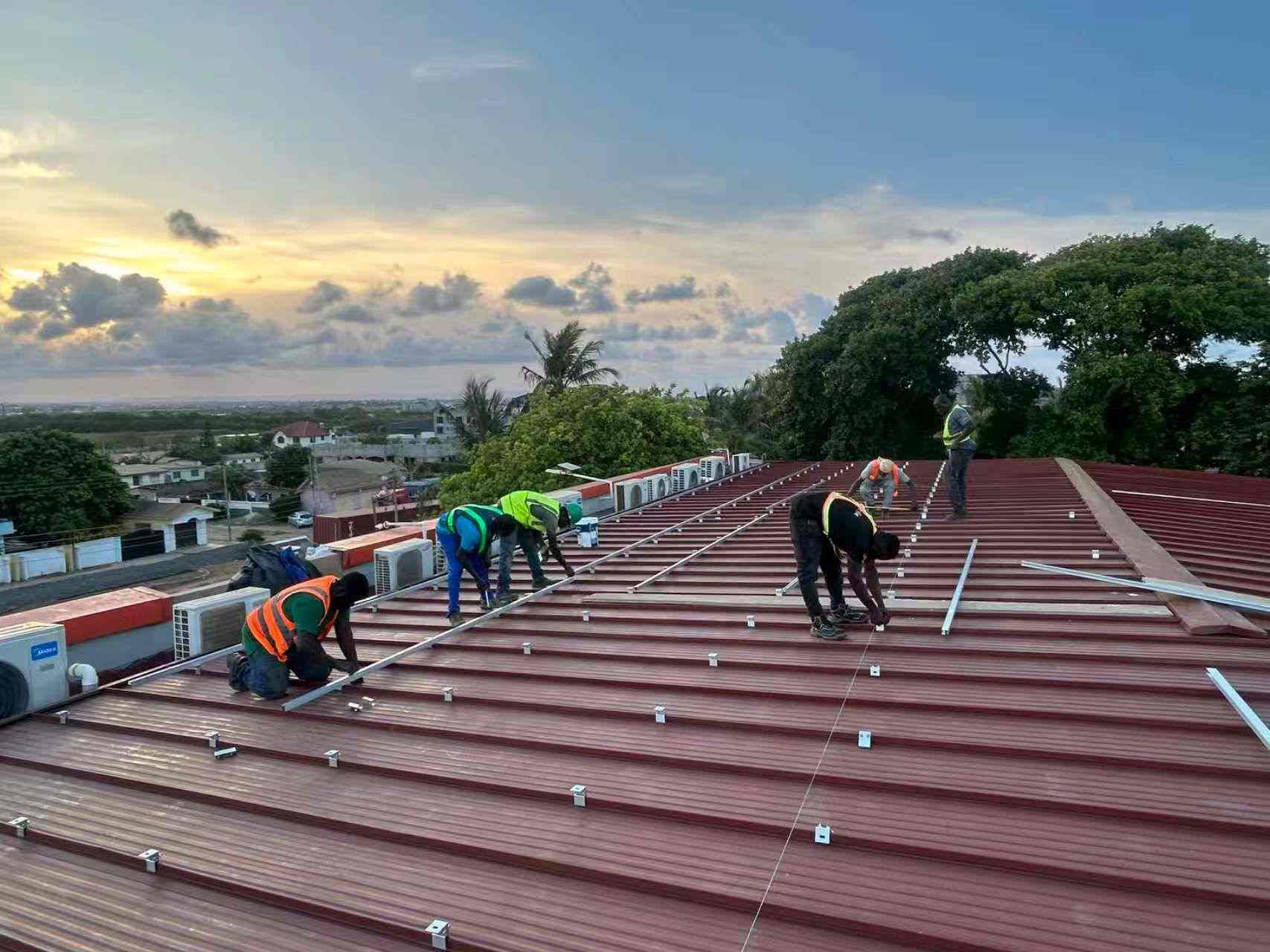
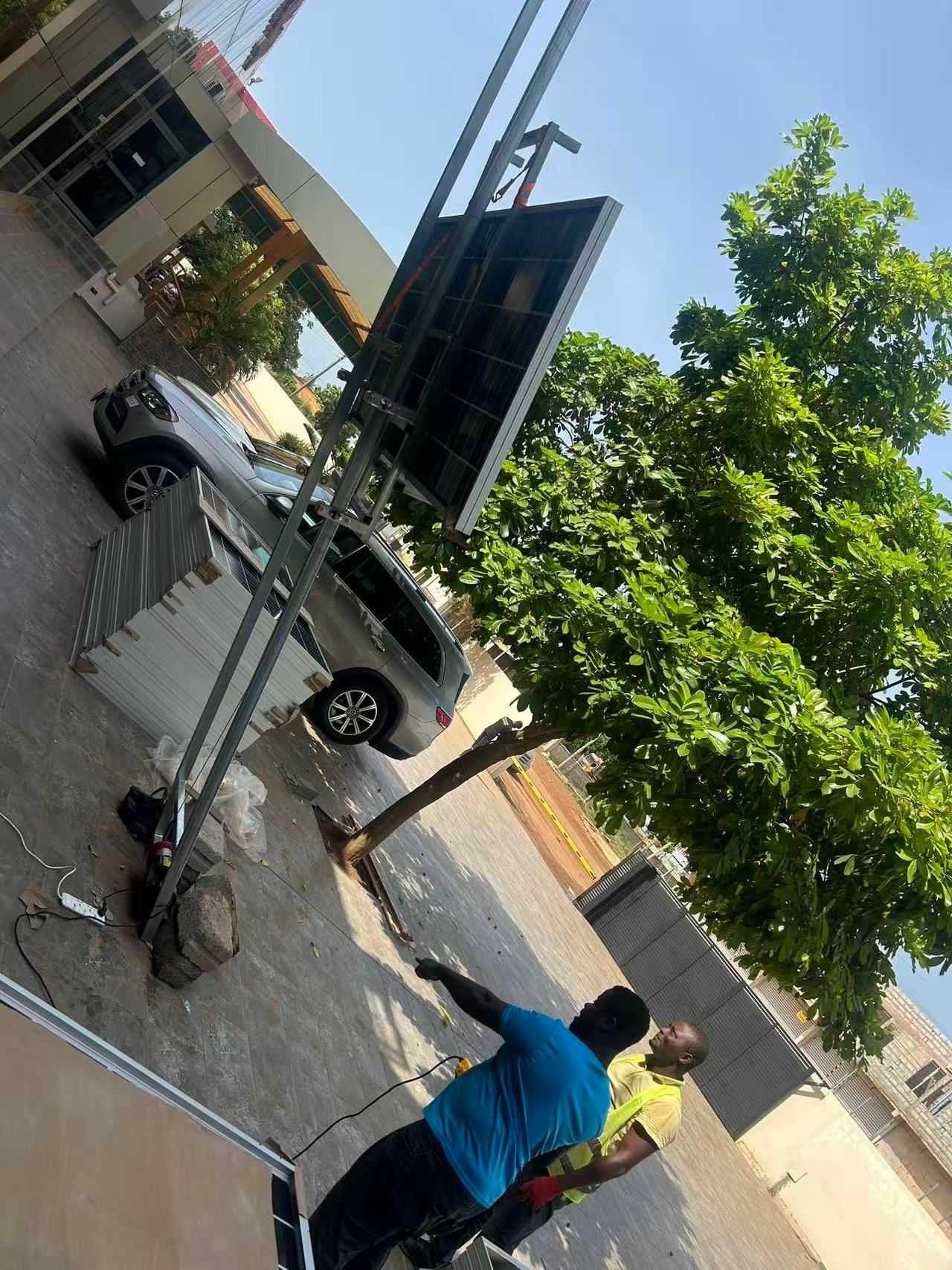
In tegenstelling tot leveringsafspraken op afstand, hebben we ons engineeringteam naar Ghana gestuurd. voor de volledige installatiecyclus:
De aanwezigheid ter plaatse garandeerde dat er geen concessies werden gedaan aan de installatiekwaliteit en dat er direct problemen konden worden opgelost.
Metrisch | Vóór de zonne-energie | Na de zonne-energie | Wijziging |
Maandelijkse elektriciteitsrekening | ~$12,500 | ~$7,500 | -60% |
Bedrijfstijd van de dieselgenerator | 8-12 uur per dag | Bijna nul | -95% |
Netafhankelijkheid | 100% | ~35% | -65% |
Percentage eigen zonne-energieverbruik | Niet van toepassing | >85% | Nieuw |
CO₂-reductie | — | ~180 ton/jaar | Nieuw |
Ghana is geen uitzondering. Hotels in heel West-Afrika – Nigeria, Senegal, Ivoire, Kameroen – kampen met dezelfde combinatie van dure netstroom en een onbetrouwbare levering. Zonne-energie in combinatie met opslag is niet langer experimenteel; het is de economische basis.
Voorwaarde | Drempelwaarde |
Nettarief | >$0.12/kWh |
Storingsfrequentie | >3 dagen/maand |
Kosten voor dieselreserve | >$0.25/kWh |
Dak-/grondruimte voor panelen | Beschikbaar |
Verwachte terugbetaling | <5 jaar |
Als een hotel aan 3 of meer van deze voorwaarden voldoet, zal een hybride systeem met zonne-energie en energieopslag vrijwel zeker binnen 3-5 jaar een positief rendement opleveren.
De totale installatiekosten voor een systeem met 250 kW zonnecellen en 500 kWh LiFePO4 in West-Afrika variëren doorgaans van 150.000 tot 200.000 roepies, afhankelijk van de locatie, het merk van de apparatuur en de logistiek. Met een elektriciteitsbesparing van 601 roepies is de terugverdientijd meestal 3 tot 4 jaar.
Ja, met de juiste dimensionering. Een batterij van 500 kWh kan 2 tot 4 uur vollaststroom leveren, wat de meeste stroomuitval dekt. Bij langere uitval (>6 uur) kan een kleinere noodgenerator als reserve worden aangehouden, maar de looptijd neemt dan met 90%+ af.
LiFePO4-batterijen zijn geschikt voor meer dan 6.000 laadcycli bij 25 °C. Bij de gemiddelde omgevingstemperatuur in Ghana van 28-32 °C kunt u rekenen op 5.000-5.500 laadcycli, wat neerkomt op 10-13 jaar dagelijks gebruik – ruim binnen de terugverdientijd van het systeem.
Ja. We sturen technici naar de projectlocatie voor inspectie, installatie, inbedrijfstelling en overdracht. Installatie op locatie garandeert kwaliteitscontrole en directe ondersteuning.
A hybride systeem Het apparaat is aangesloten op het elektriciteitsnet en gebruikt zonne-energie en een batterij als primaire energiebron, met het net als back-up. off-grid systeem Het hotel heeft helemaal geen netaansluiting. Voor de meeste hotels in Ghana is een hybride systeem optimaal: het behoudt de toegang tot het elektriciteitsnet voor zeldzame piekmomenten, terwijl het tegelijkertijd de eigen zonne-energieproductie maximaliseert.
Voor een zonnepaneleninstallatie van 250 kW is ongeveer 1.500 tot 2.000 m² bruikbare oppervlakte nodig. Deze kan op het dak, op de grond of een combinatie hiervan worden geplaatst. Montage onder een carport is ook populair bij hotels, omdat dit schaduwrijke parkeergelegenheid biedt.
Wilt u de elektriciteitskosten van uw hotel in Ghana of West-Afrika verlagen? Neem contact met ons op Voor een gratis locatiebeoordeling en een systeemontwerp op maat.
https://sunenergyfactory.com/contact-us/
A solar system for hotels in Ghana is one of the fastest-paying commercial solar investments in West Africa. Ghanaian commercial tariffs are high, diesel backup is expensive, and hotels run their heaviest loads — air conditioning, laundry, kitchens and water heating — during daylight hours. That alignment is what produces a 60 percent cost cut.
A solar system for hotels in Ghana also protects revenue directly: guests do not accept a power cut at 2am, and storage converts an outage into something nobody notices.
We size a solar system for hotels in Ghana from room count, air-conditioning load and occupancy. A 60 to 120 room hotel typically lands between 150kW and 300kW of PV with storage covering the evening and overnight block. Laundry and water heating are the two loads most often underestimated at the quotation stage.
Inverter capacity follows the simultaneous start of compressors and pumps, not the average draw. See the general approach on our solar power system for hotel page.
Mars Solar dispatches engineers for the full installation cycle rather than shipping a kit and leaving the hotel to find a contractor. For a solar system for hotels in Ghana that means site survey, structural check, mounting, electrical work, commissioning and handover with staff training.
Equipment carries CE, RoHS, TUV and ISO certification with a 10-year battery warranty. The World Bank energy programme documents how reliable supply supports the tourism sector across the region.
For a factory-direct quotation sized to your site, see our solar system Ghana page: configurations, indicative 2026 landed cost to Tema, and the clearance documents we prepare before the vessel sails.
How is a solar system for hotels in Ghana sized against room count?
From occupancy and air-conditioning load, not from rooms alone. We size a solar system for hotels in Ghana on the logged night block plus the daytime chiller load, then check the result against the guest-room count as a sanity test. A 60-room hotel and a 120-room hotel can need the same solar system for hotels in Ghana if one runs split units and the other runs a central chiller.
Does a solar system for hotels in Ghana need battery storage or is solar enough?
Storage is what makes the economics work. A solar system for hotels in Ghana without a battery delivers its output during the hours the hotel is least occupied, and exports the rest at a low feed-in rate. Adding the 500 kWh bank to this solar system for hotels in Ghana moved generation into the evening peak and took the self-consumption rate above 85%.
What does a solar system for hotels in Ghana cost and how fast does it pay back?
A commercial solar system for hotels in Ghana at the 250 kW scale in this project landed between USD 150,000 and USD 200,000 installed, depending on brand and logistics. Against Ghanaian commercial tariffs of USD 0.15-0.25 per kWh and diesel at USD 0.30-0.45, the solar system for hotels in Ghana paid back inside four years.
Can a solar system for hotels in Ghana run through dumsor without a generator?
Yes, within the designed autonomy. The solar system for hotels in Ghana installed here holds the full hotel load for two to three hours and the essential load — lifts, lighting, kitchen cold storage, front desk — far longer. Generator runtime fell by about 95%, and the remaining use is a deliberate reserve rather than the default response to an outage.
How much roof area does a solar system for hotels in Ghana need?
Roughly 1,500-2,000 m2 of usable area for 250 kW. A solar system for hotels in Ghana can also use ground mount or carport structures, and carports are popular because they shade guest parking while carrying the array. Shading surveys matter more than total area: a solar system for hotels in Ghana loses more to a water tank shadow than to a small roof.
Is a solar system for hotels in Ghana worth it outside Accra?
The economics improve away from the capital. Hotels in Kumasi, Takoradi and the Volta region see the same tariffs and the same dumsor pattern, while land and installation labour cost less. Any hotel where grid power exceeds USD 0.12 per kWh and outages run past three days a month is a candidate for a solar system for hotels in Ghana on financial grounds alone.

 English English
  Arabic
 Spanish
 French
 Dutch
Dutch
 Portuguese