
言語
メトリック | 価値 |
システムサイズ | 100kW太陽光発電システム + 215kWhリチウムイオン蓄電池 |
位置 | スーダン、北アフリカ |
試運転時間 | 7日間の現地滞在 |
エンジニアリングチーム | 3人編成のOEMチーム、全期間オンサイト |
島への移動時間 | 18ms(目標値:20ms) |
引き継ぎ時のシステム可用性 | 99.4% |
プロジェクトの種類 | 産業施設 ― 系統連系型太陽光発電+蓄電システム(独立運転機能付き) |
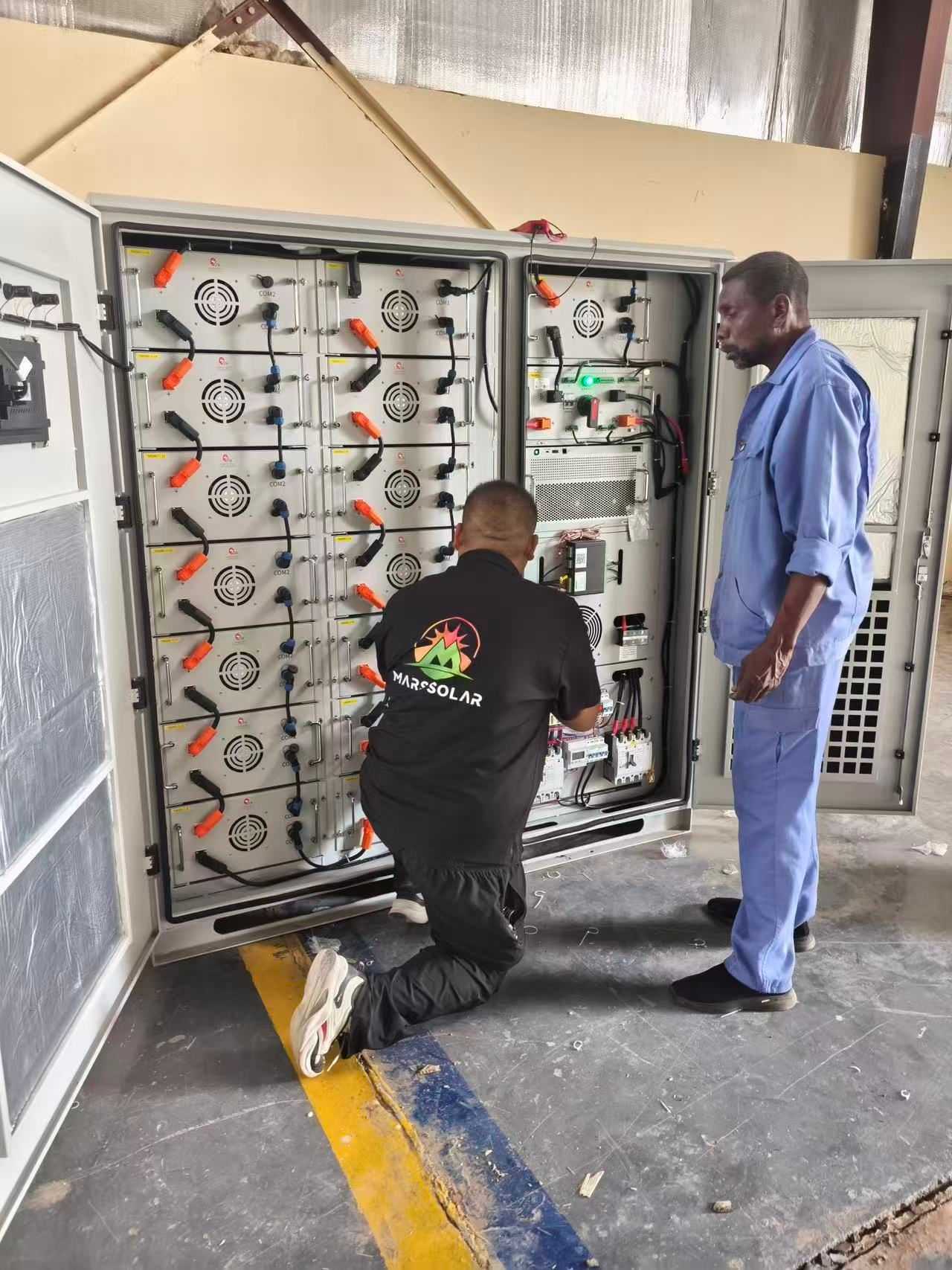
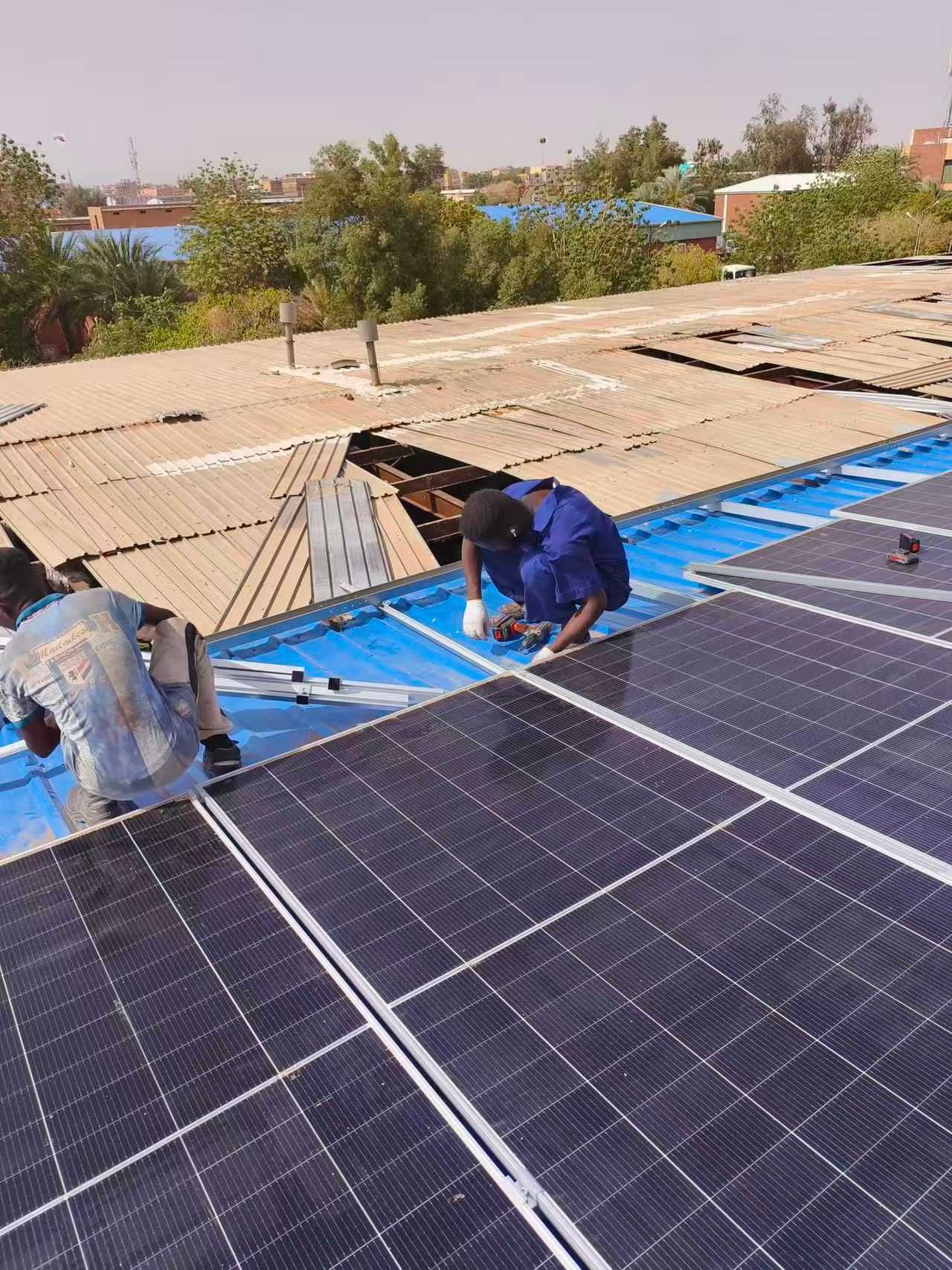
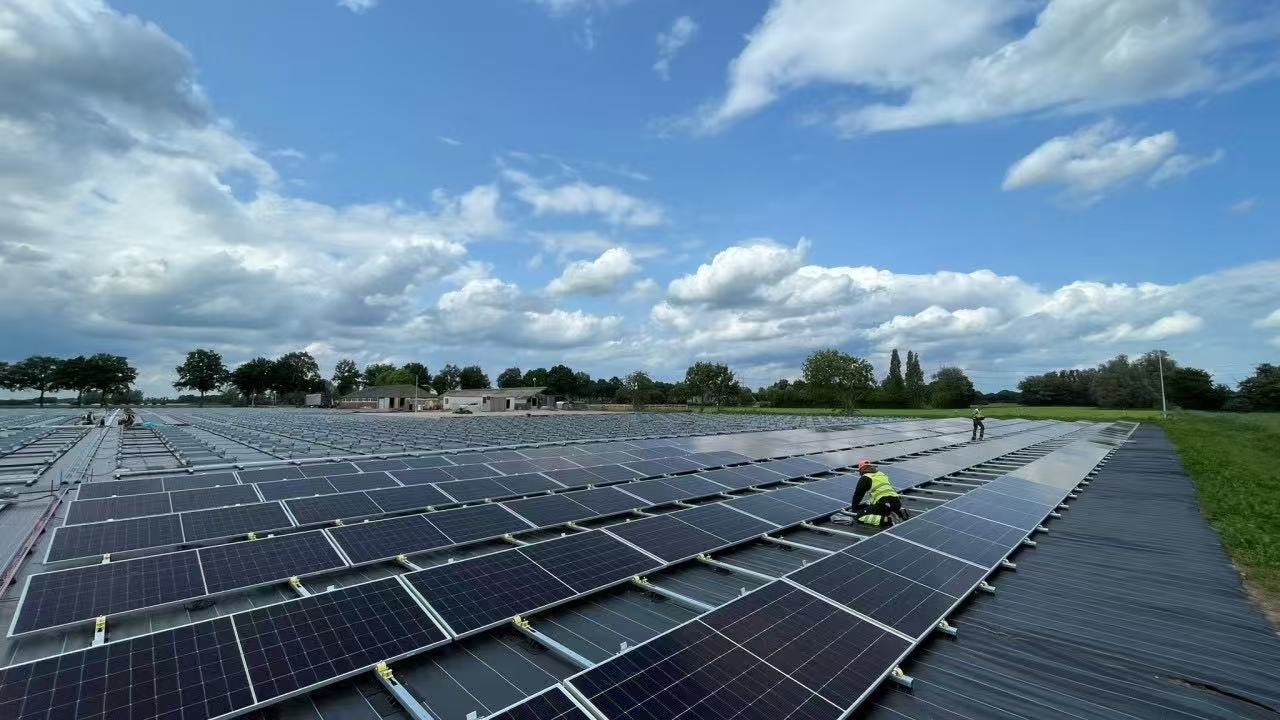
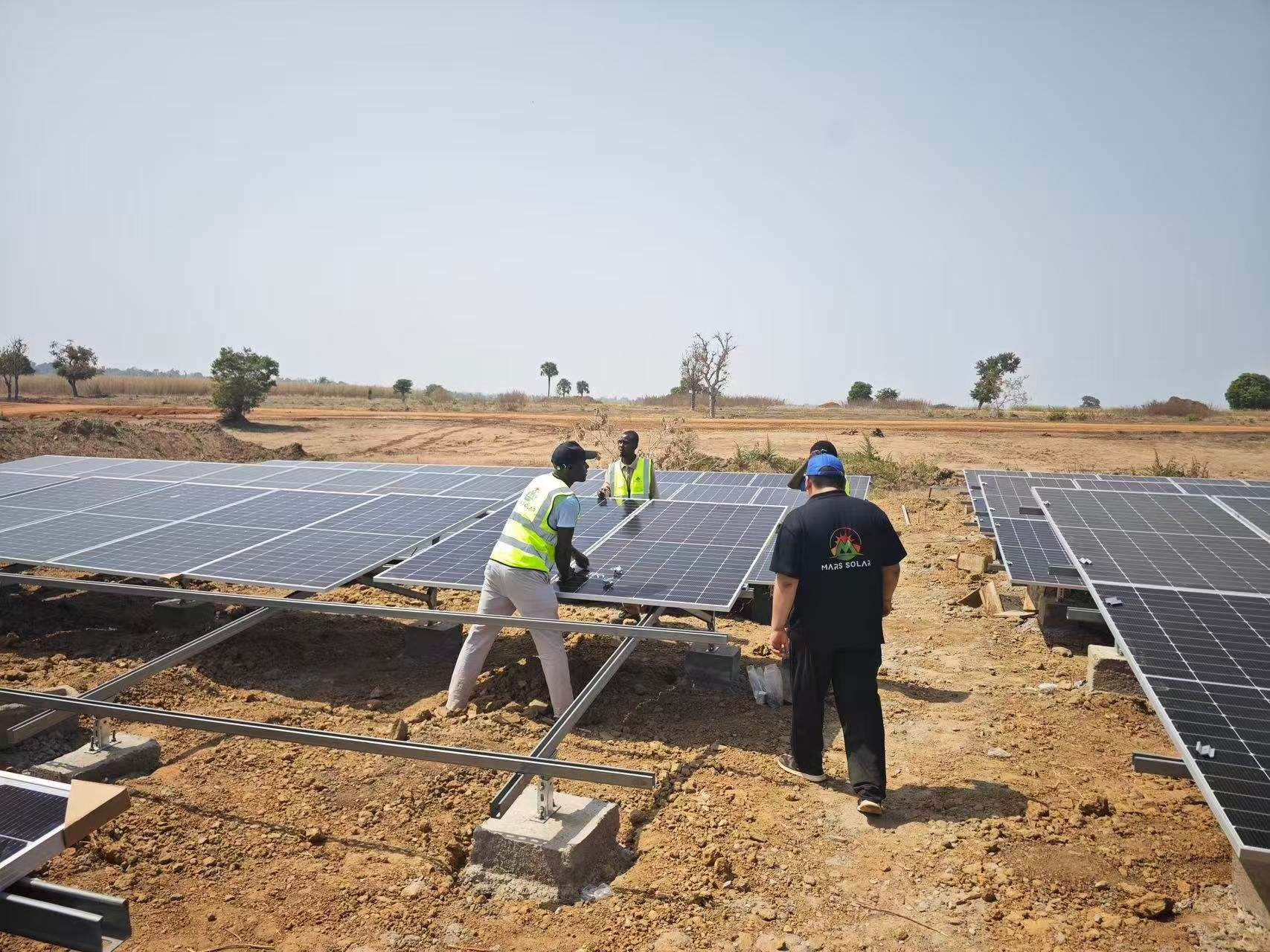
スーダンに拠点を置くある産業顧客が、信頼性の高い電力ソリューションを迅速に必要としていたとき、彼らは明確な要望を持って当社に依頼してきました。それは、100kWの太陽光発電、215kWhの蓄電池、そして絶対に延期できない納期でした。
7日間でお届けしました。
この記事は、その導入の背景にある技術的な決定事項、現場での課題、および試運転プロセスを記録したものです。これは販売促進のためのものではなく、同様のプロジェクトを評価するエンジニアや調達チームのための技術記録として作成されています。
スーダンの電力網では、電圧低下や周波数変動が頻繁に発生します。BESSインバーターを以下のように構成しました。 自動アイランド運転 ―システムは、障害発生から20ミリ秒以内に電力網から切り離され、シームレスにバッテリー電源に切り替わります。
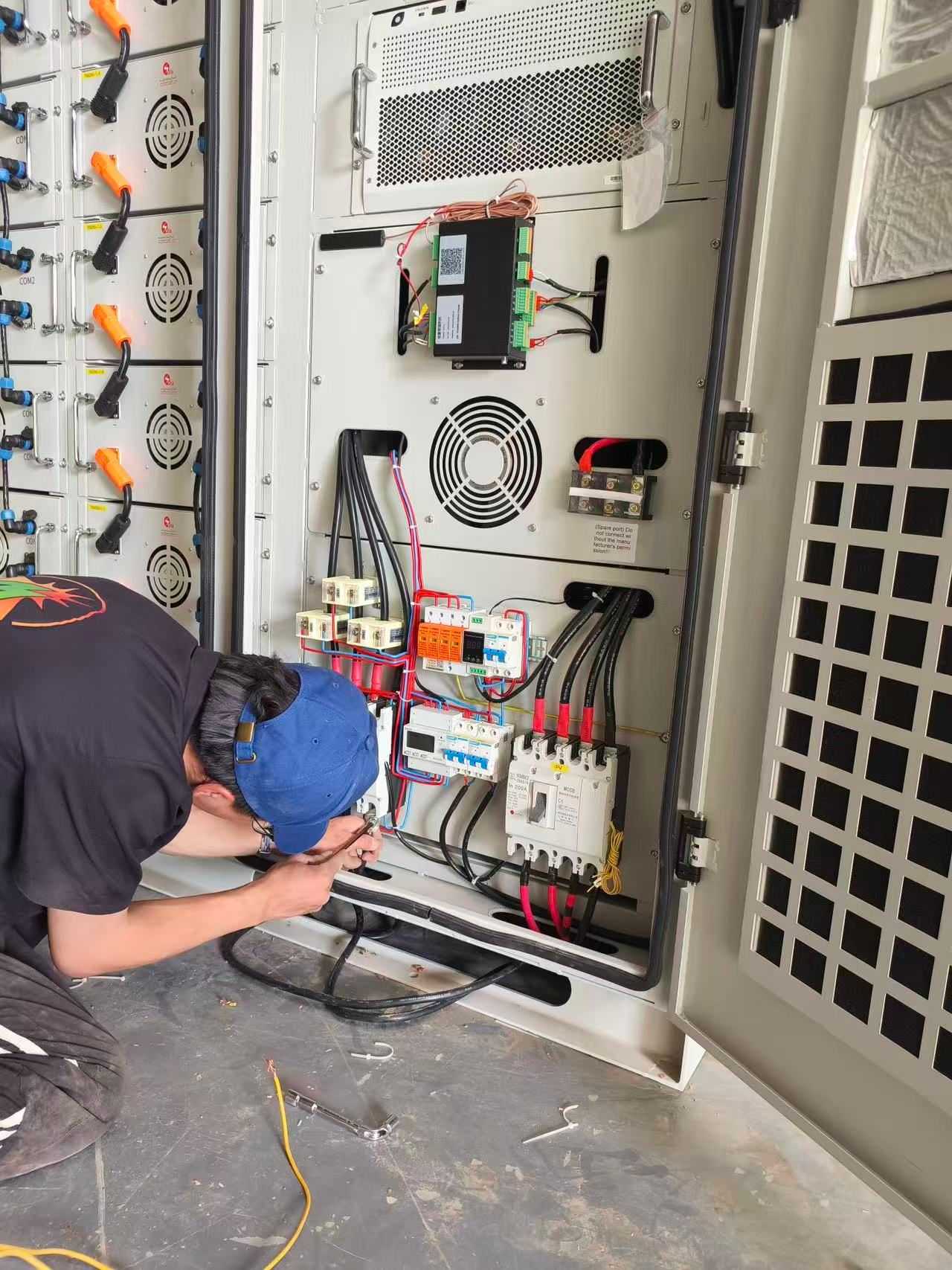
試運転中の周囲温度は42℃を超えました。 少なくとも15%の定格低下マージン そして、活性化後のすべての接合点の熱画像を確認した。
到着から完全稼働まで7日間という期間では、部品の納入遅延に対する余裕は全くなかった。 出荷前設定は工場で完了しました エンジニアリングチームが出発する前に。
層 | 成分 |
世代 | 100kW DC太陽光発電アレイ |
変換 | ハイブリッドインバーター(太陽光発電MPPT+蓄電池システムSoC管理) |
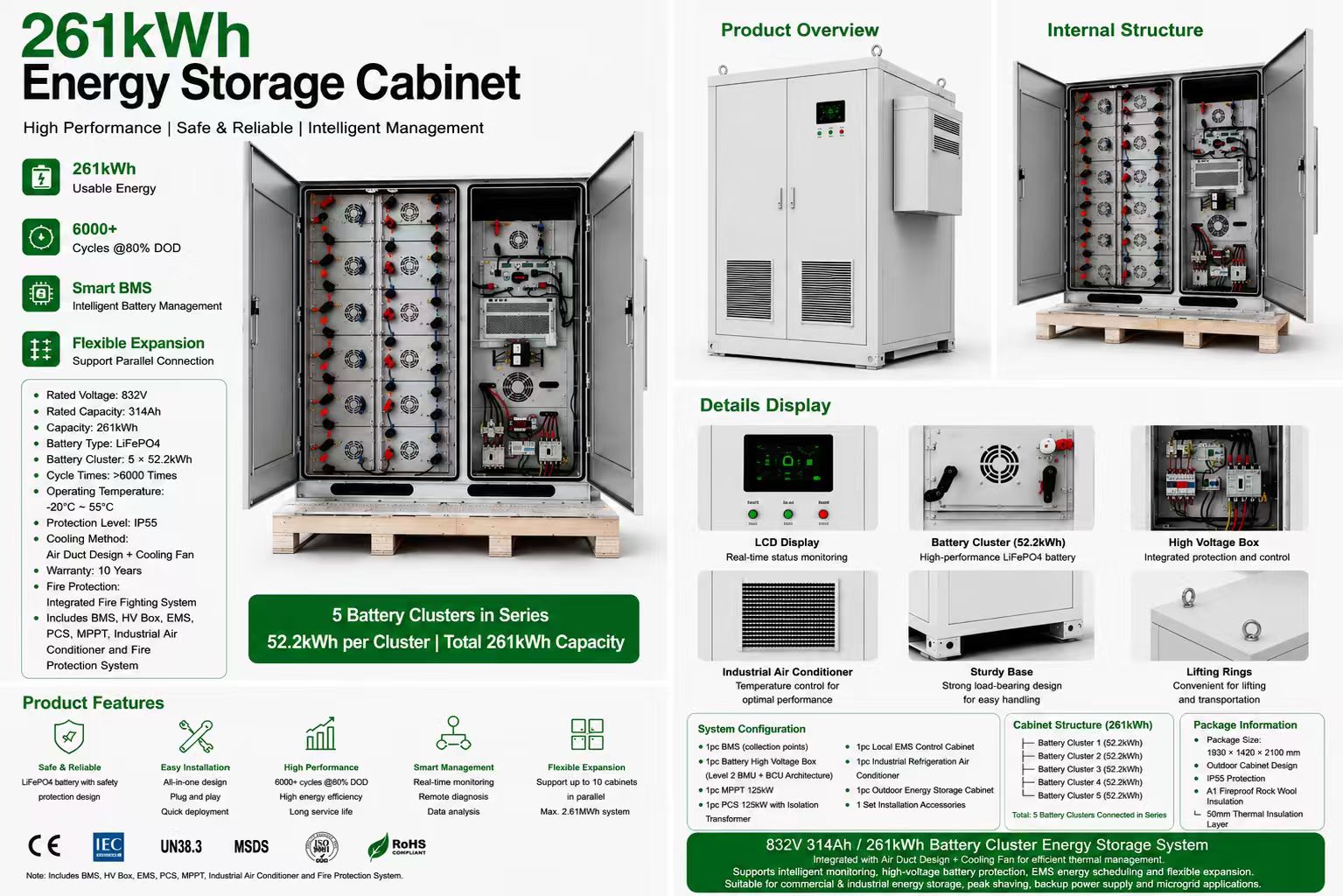
ストレージ | 215kWhリチウムイオン蓄電池システム |
分布 | 主配電盤(主バス+バックアップバス) |
グリッドインターフェース | 自動着陸機能を備えた共通連結点(PCC) |
重要な設計上の選択: ハイブリッドインバータは、太陽光発電のMPPT制御とBESSの充電状態サイクル制御を単一ユニットで処理するため、BOSの複雑さを軽減し、系統移行時の応答時間を改善します。
日 | 重点分野 |
1日目 | 現場検査、設置確認、配線導通チェック |
2日目 | アレイの通電、MPPT校正 |
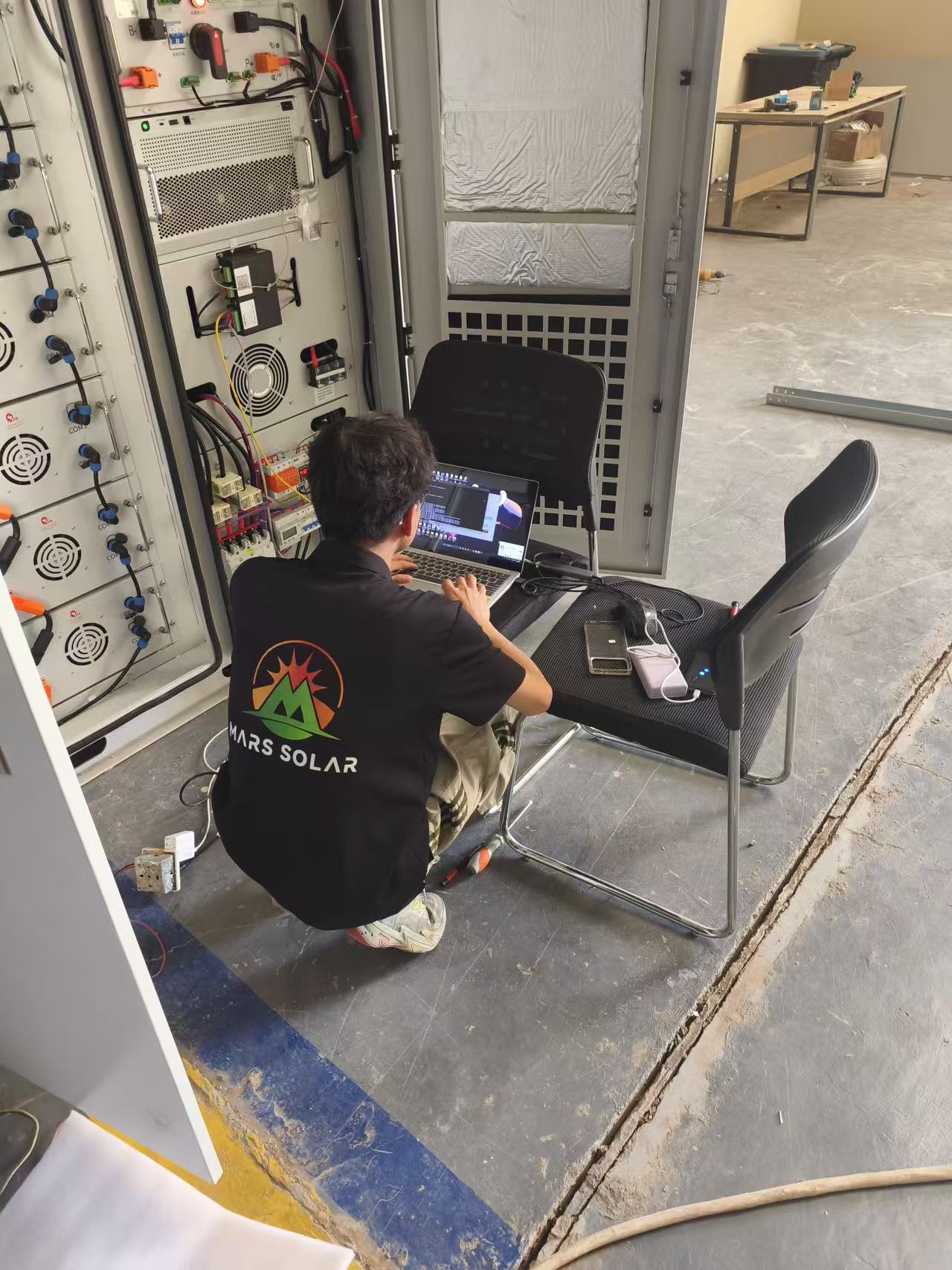
3日目 | BESSの設置、インバータとの通信設定 |
4日目 | 単独運転試験、転送時間測定 |
5日目 | 負荷試験、性能比の計算 |
6日目 | SCADA監視設定、リモート監視設定 |
7日目 | フルシステムバーンイン、クライアントへの引き渡しドキュメント |
各日の作業範囲は到着前に確定されていた。チームは事前に定義されたチェックリストに従って作業を進め、作業範囲の拡大や予期せぬ事態は一切発生しなかった。
パラメータ | 結果 |
引き継ぎ時のシステム可用性 | 99.4% (8時間のバーンインログに基づく) |
75%負荷時のインバータ効率 | 97.2% |
島への移動時間 | 18ミリ秒 (目標:20ms以下) |
クライアントの承認 | 出発前の7日目に受け取りました |
7日間という試運転期間は厳しいが、不可能ではない。エンジニアリングチームが既に設定済みのシステムを持って現場に到着すれば、現場での作業はトラブルシューティングではなく、実行作業となる。
同様の環境向けに太陽光発電と蓄電機能を備えたマイクログリッドを評価している組織にとって、スーダンでの導入事例は、 厳しいスケジュールと過酷な環境下でも、高い成果は両立し得る。.
はい、施設の負荷プロファイルに合わせて適切に設計すれば可能です。100kWの蓄電システムは日中の発電を担い、215kWhの蓄電池システムは停電時のバックアップ電源として、また料金の高い時間帯のピークカットに使用されます。このシステムにより、お客様の電力網への依存度を60%以上削減することができました。
この規模のシステム(100kW + 215kWh)であれば、十分な準備を整えたチームであれば、7~10日で試運転を完了できます。重要なのは出荷前の工場での構成です。システムが事前に構成された状態で到着すれば、現場での作業はデバッグではなく実行作業になります。
ハイブリッドインバータは、系統電圧と周波数を常時監視します。いずれかのパラメータが事前に設定された閾値を超えると、インバータは20ミリ秒以内に系統から切り離され、施設の負荷をバッテリー電源に切り替えます。系統の状態が安定すると、システムは自動的に再同期して系統に再接続します。
適切な定格低下マージン(15%+)、熱管理エンクロージャー、および早朝のSOCキャリブレーションにより、リチウムイオンBESSシステムは極度の高温下でも安定して動作します。スーダンプロジェクトは、稼働開始以来、熱関連の問題なく稼働しています。
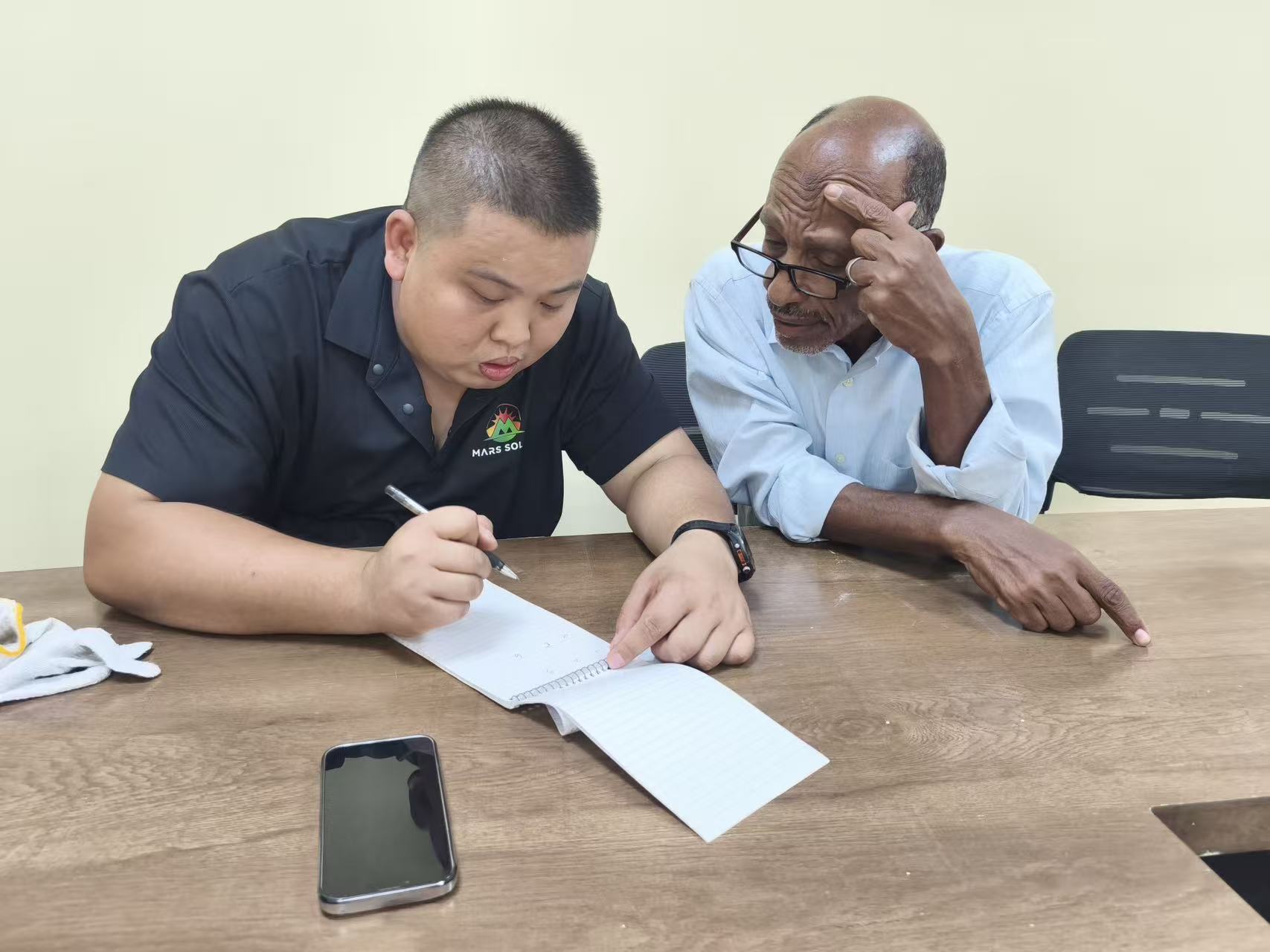
はい。弊社は、現地調査、設置、試運転、引き渡しのために、自社のOEMエンジニアリングチームを派遣します。現地に常駐することで、品質管理と迅速なトラブルシューティングが可能となり、スーダンでの7日間という納期を守る上で非常に重要でした。
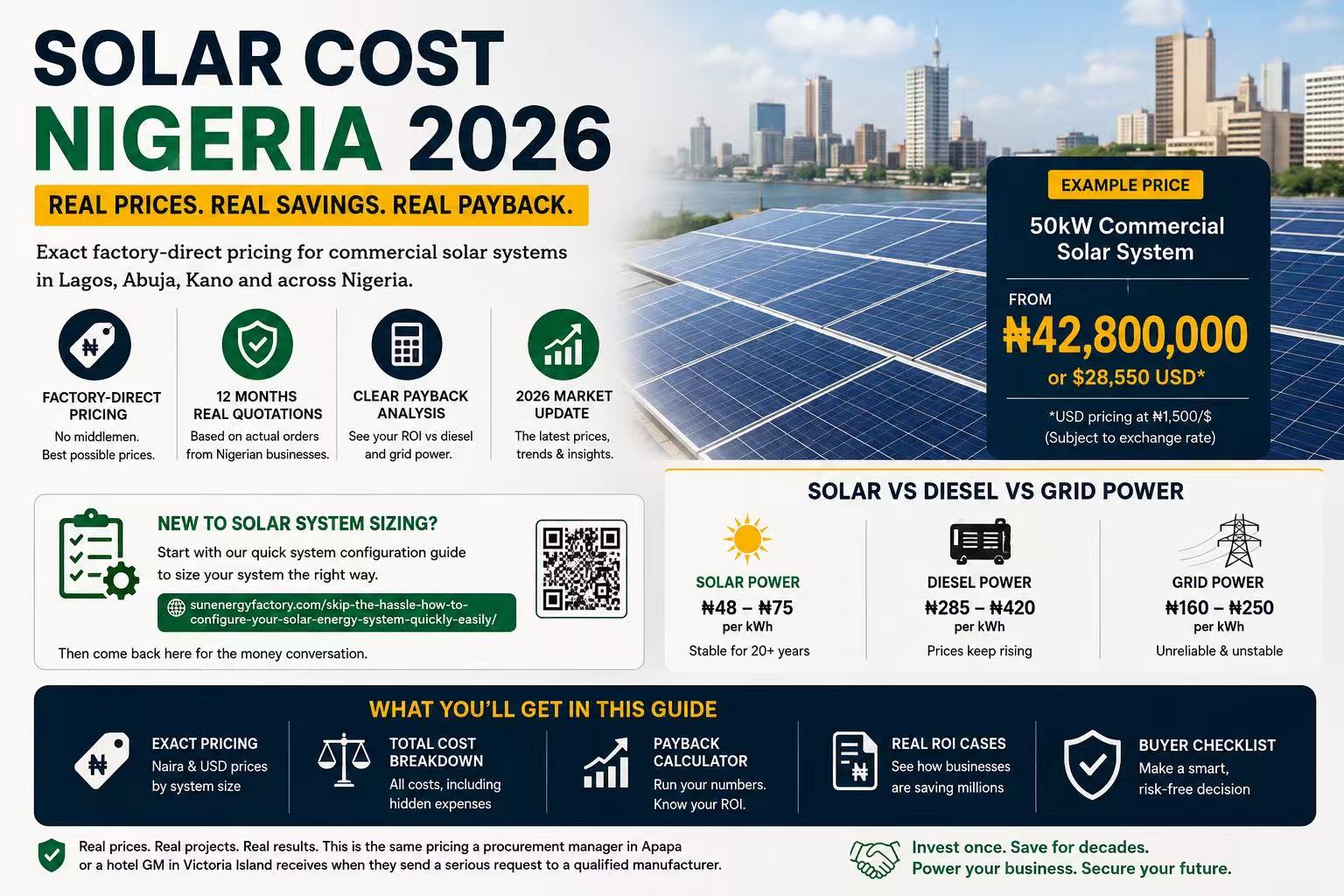
スーダンのような市場では、送電網料金が1kWhあたり$0.12~$0.18、ディーゼルバックアップのコストが1kWhあたり$0.35~$0.50となっており、投資回収期間は通常3~4年です。正確な期間は、施設の負荷プロファイル、停電頻度、利用可能な日射量によって異なります。
アフリカの産業施設向けに、太陽光発電と蓄電機能を備えたマイクログリッドをお探しですか?
当社のエンジニアリングチームにお問い合わせください 無料の現地調査とカスタムシステム設計については、お問い合わせください。
 English English
 Chinese
 Cebuano
 Arabic
 Czech
Czech Danish
 German
 Greek
Greek Spanish (Spain)
 Spanish (Mexico)
 Persian
 French
 Indonesian
 Italian
 Japanese
 Korean
 Dutch
Dutch Portuguese
 Russian
 Tagalog
 Turkish
 Vietnamese