
Metrik | Nilai |
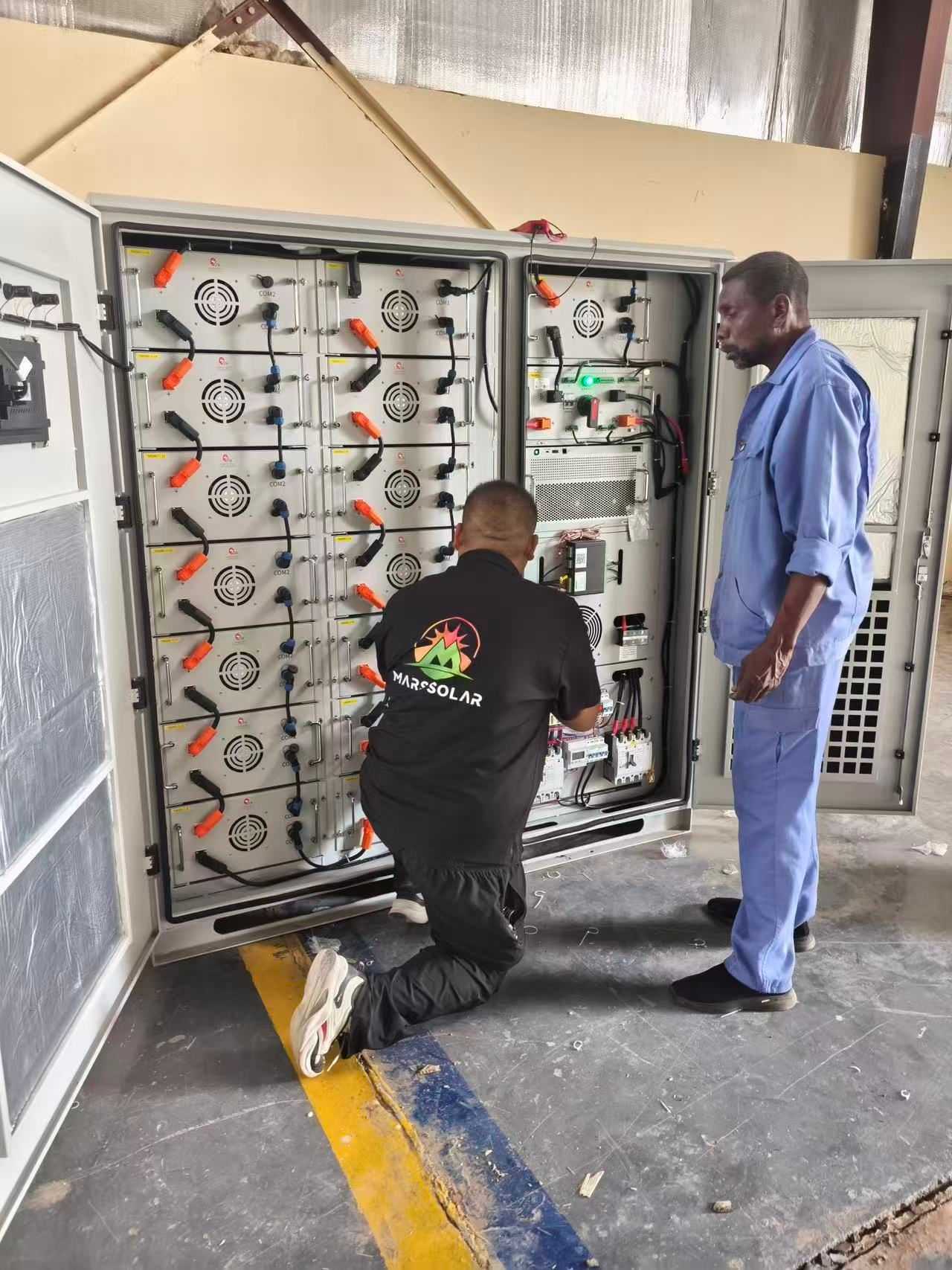
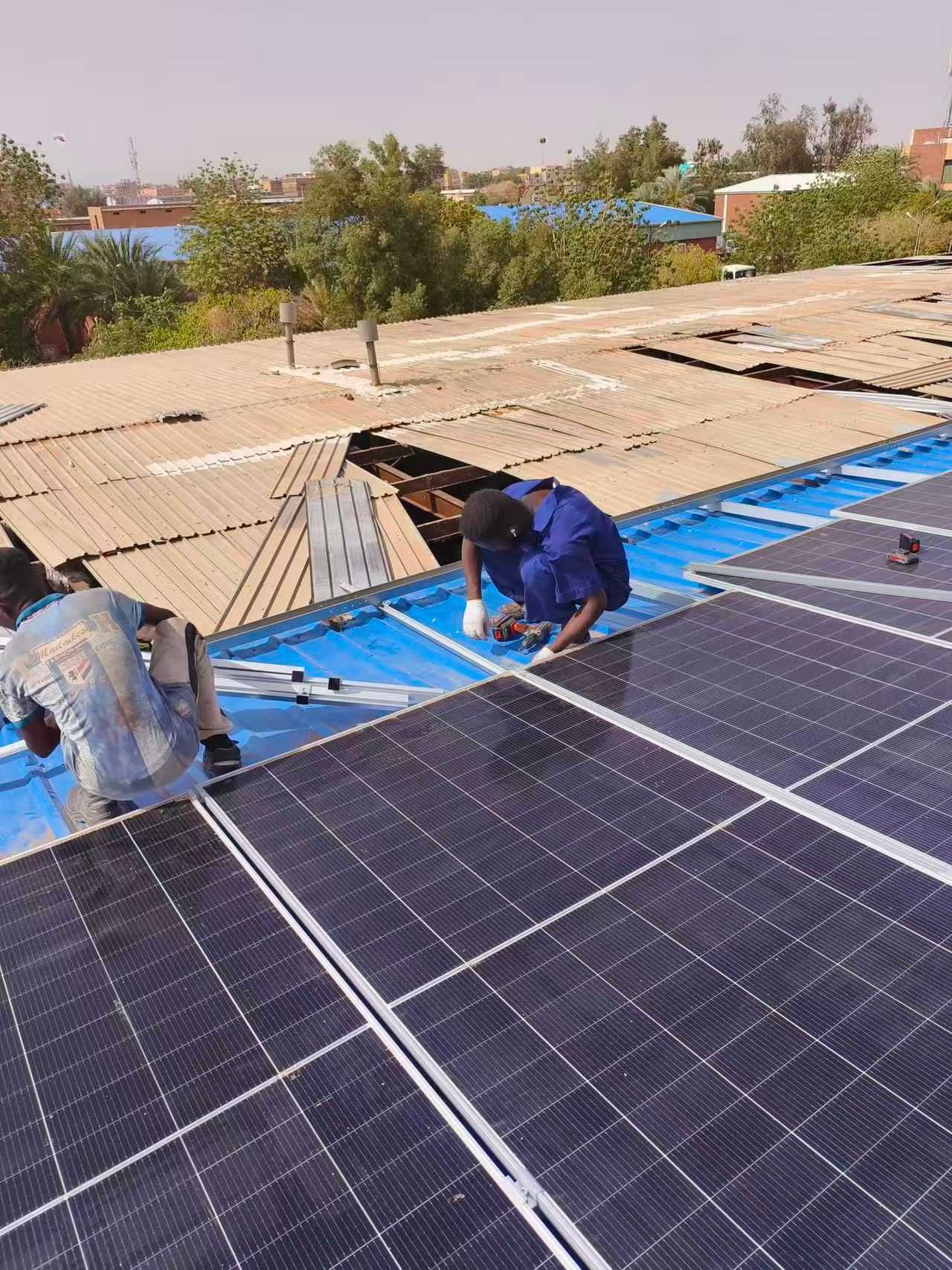
Ukuran Sistem | Panel surya 100kW + sistem penyimpanan energi baterai Li-ion 215kWh |
Lokasi | Sudan, Afrika Utara |
Waktu Penugasan | 7 hari di lokasi |
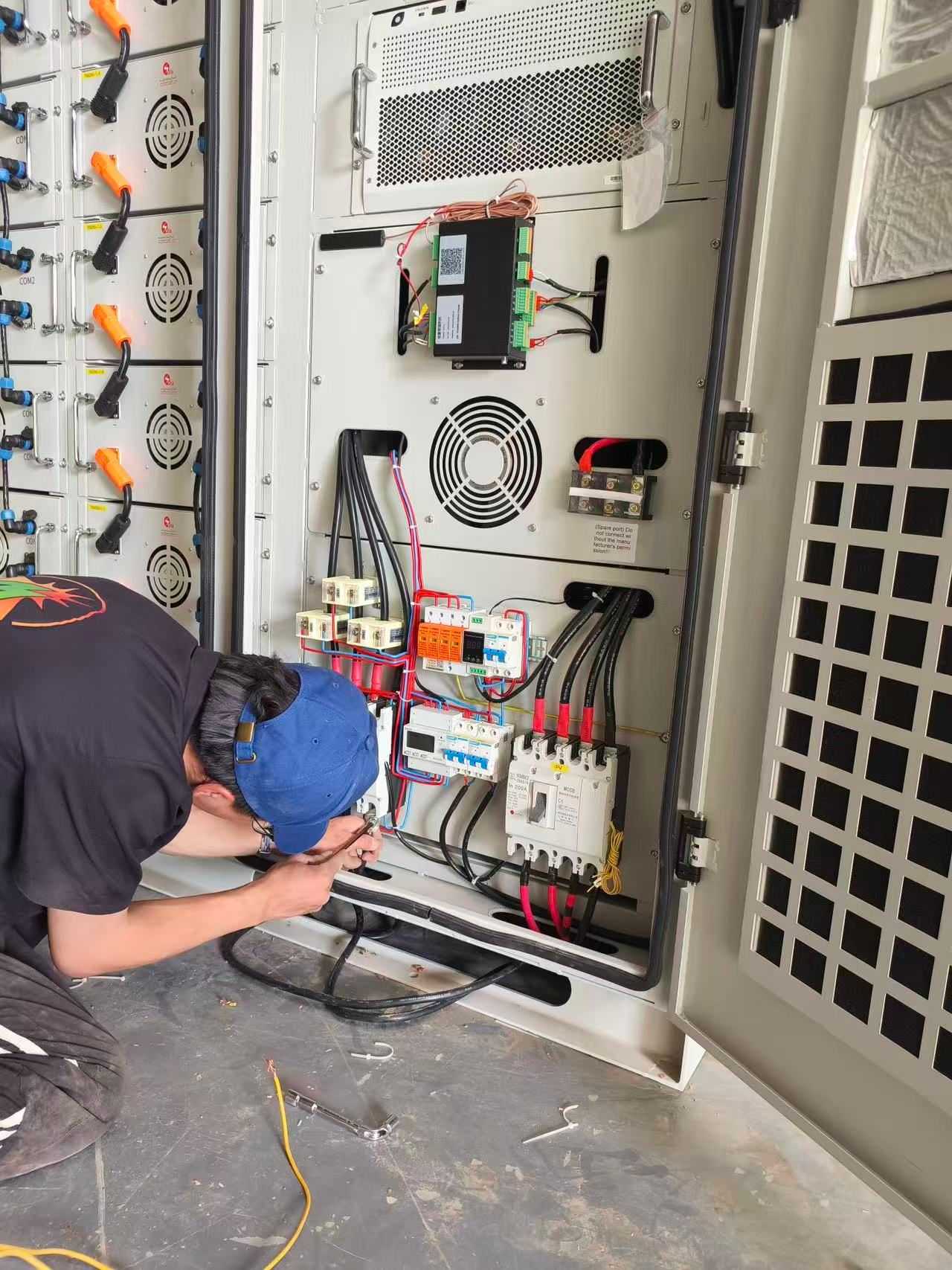
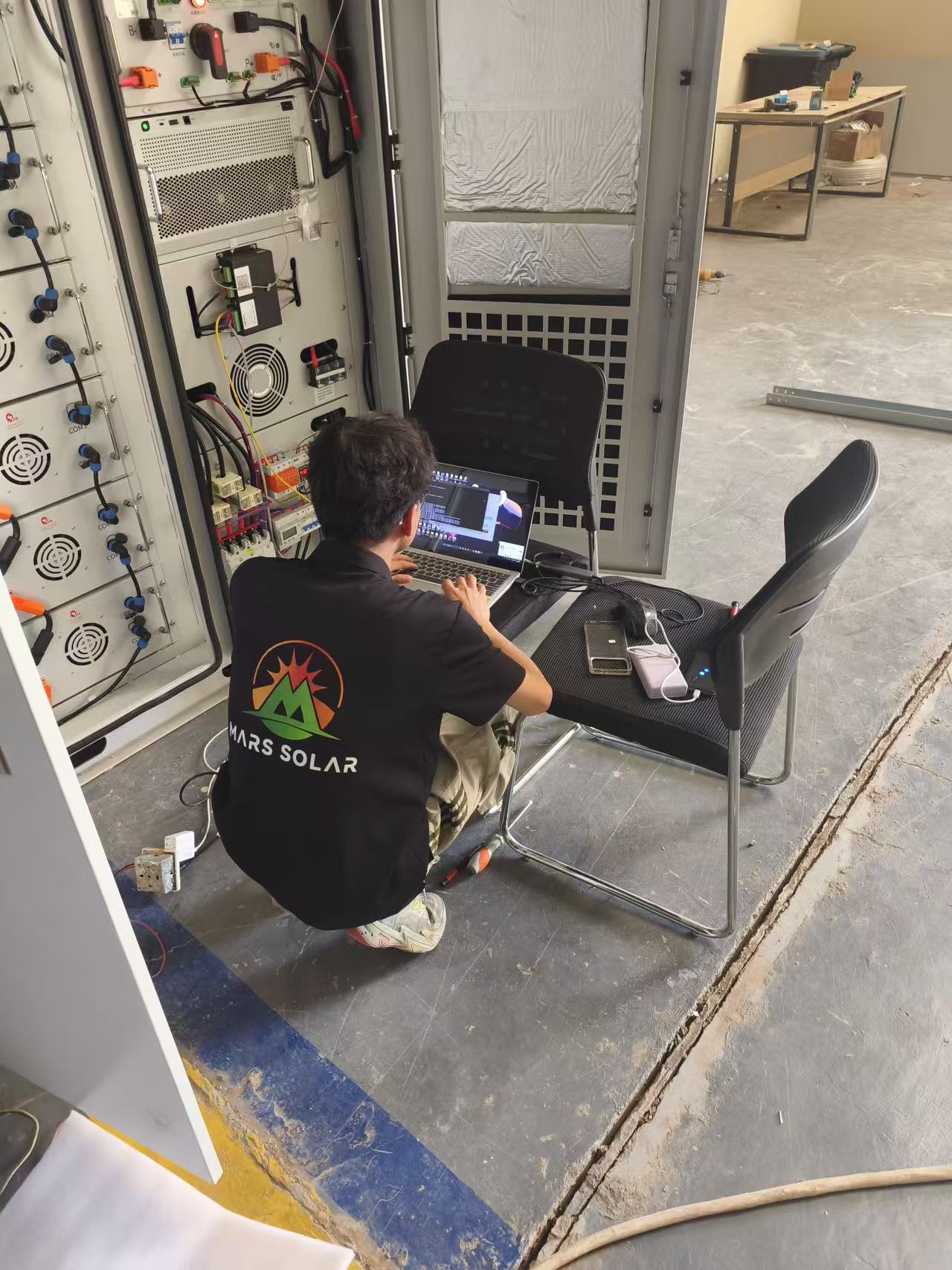
Tim Teknik | Tim OEM beranggotakan 3 orang, bertugas di lokasi selama durasi penuh. |
Waktu Transfer Antar Pulau | 18ms (target: 20ms) |
Ketersediaan Sistem pada Saat Serah Terima | 99.4% |
Jenis Proyek | Fasilitas industri — tenaga surya terhubung jaringan + penyimpanan dengan kemampuan pengoperasian terisolasi. |
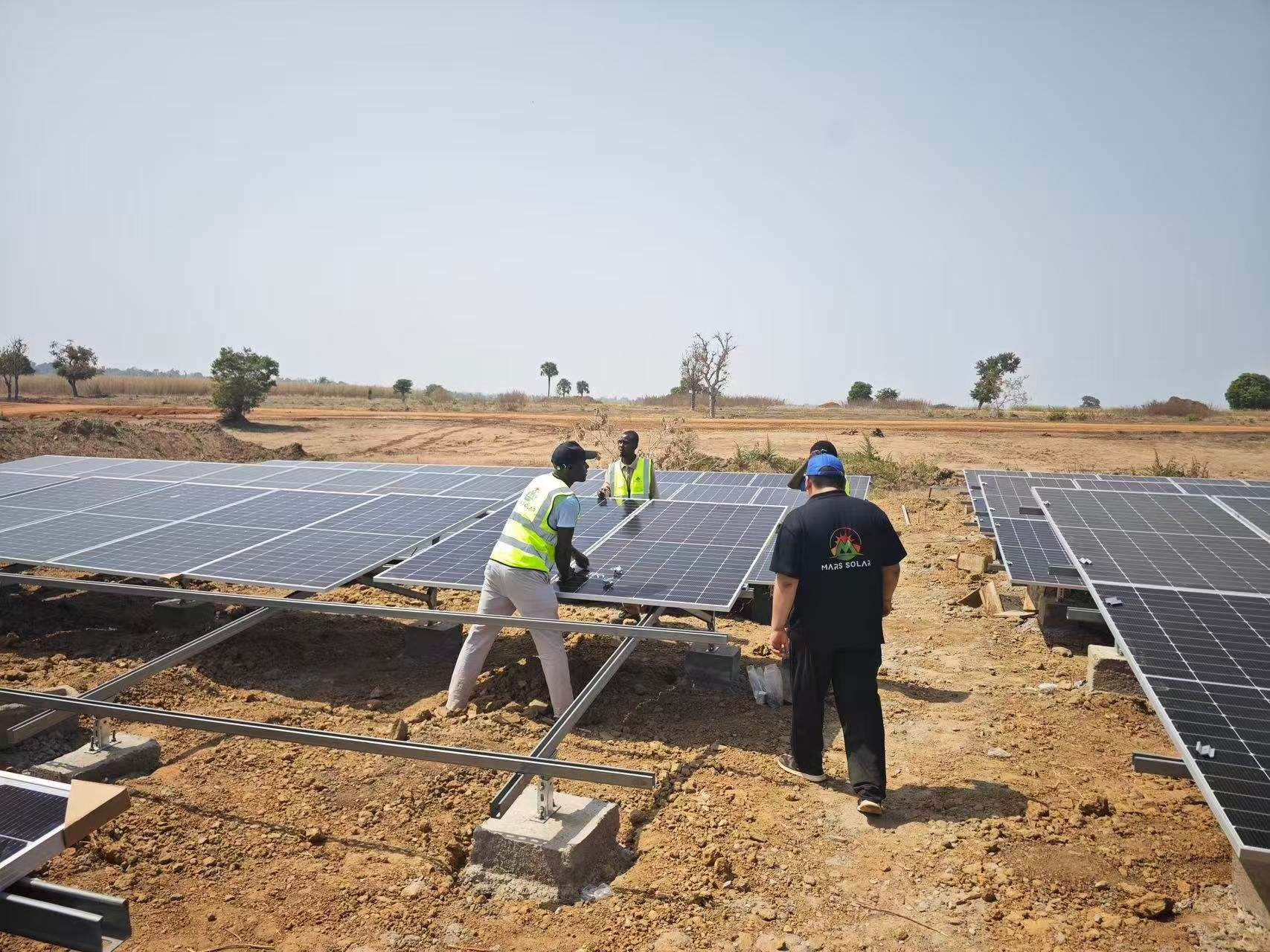
Ketika klien industri yang berbasis di Sudan membutuhkan solusi daya yang andal — dengan cepat — mereka datang kepada kami dengan mandat yang jelas: pembangkit tenaga surya 100kW, penyimpanan baterai 215kWh, dan tenggat waktu yang tidak boleh terlewat.
Kami mengirimkannya dalam 7 hari.
Artikel ini mendokumentasikan keputusan teknik, tantangan di lokasi, dan proses pengoperasian di balik implementasi tersebut — bukan sebagai materi penjualan, tetapi sebagai catatan teknis bagi para insinyur dan tim pengadaan yang mengevaluasi proyek serupa.
Jaringan listrik Sudan sering mengalami penurunan tegangan dan penyimpangan frekuensi. Kami mengkonfigurasi inverter BESS dengan pengisolasian otomatis — sistem terputus dari jaringan listrik dalam waktu 20ms setelah gangguan dan beralih secara mulus ke pasokan baterai.
Suhu lingkungan selama proses pemasangan melebihi 42°C. Kami memilih komponen dengan margin penurunan peringkat minimal 15% dan memverifikasi pencitraan termal dari semua titik persimpangan setelah aktivasi.
Jangka waktu 7 hari dari kedatangan hingga pengoperasian penuh tidak memberikan ruang untuk keterlambatan pengiriman komponen. Konfigurasi sebelum pengiriman diselesaikan di pabrik. sebelum keberangkatan tim teknik.
Lapisan | Komponen |
Generasi | Array surya DC 100kW |
Konversi | Inverter hibrida (MPPT surya + manajemen SoC BESS) |
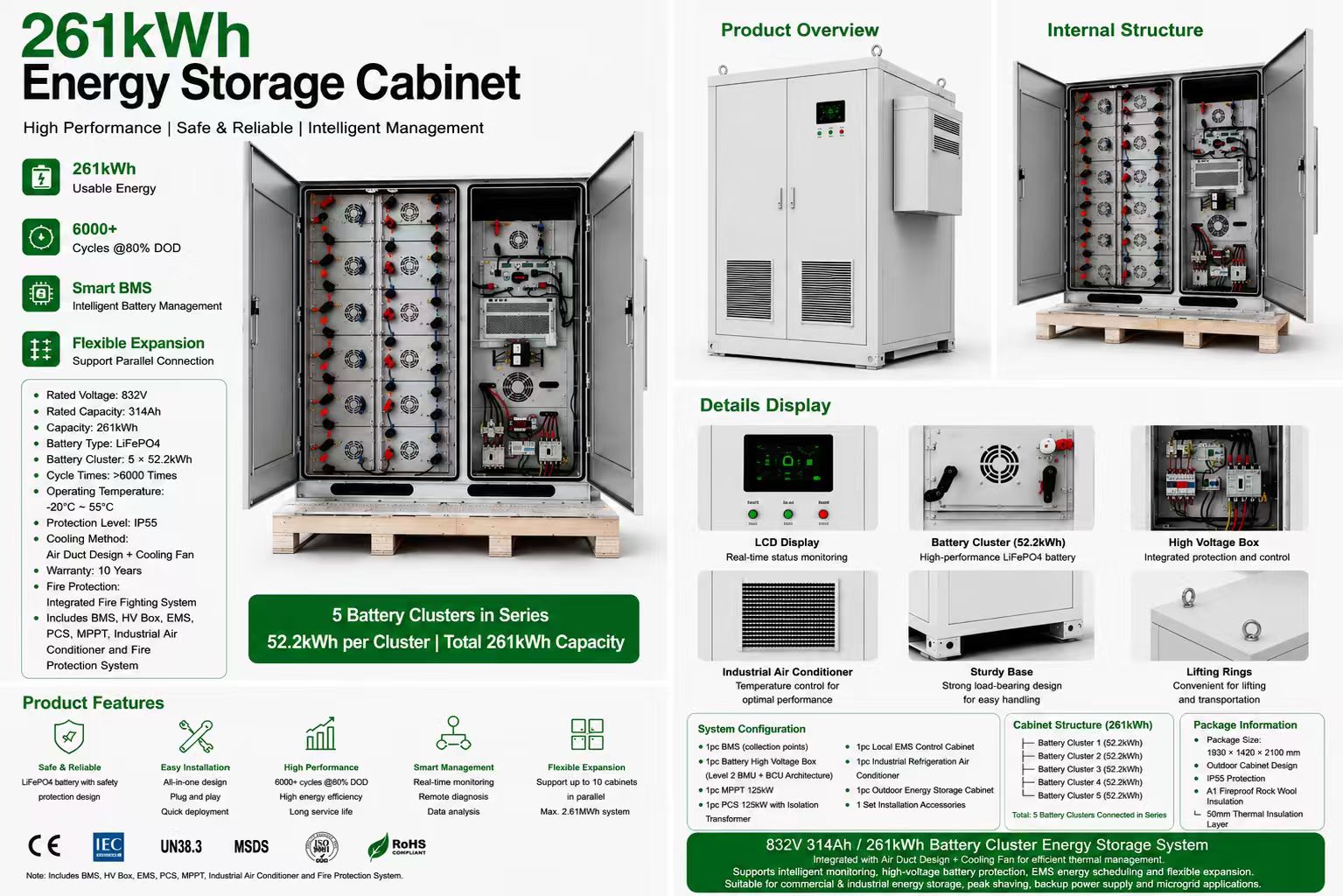
Penyimpanan | Sistem Penyimpanan Energi Baterai Li-ion 215kWh |
Distribusi | Panel distribusi utama (bus primer + bus cadangan) |
Antarmuka Jaringan | Titik Sambungan Umum (PCC) dengan auto-islanding |
Pilihan desain utama: Inverter hibrida ini menangani MPPT surya dan siklus status pengisian daya BESS dalam satu unit, mengurangi kompleksitas BOS dan meningkatkan waktu respons untuk peristiwa transisi jaringan.
Hari | Area Fokus |
Hari ke-1 | Inspeksi lokasi, verifikasi pemasangan, pengecekan kontinuitas senar |
Hari ke-2 | Pengaktifan array, kalibrasi MPPT |
Hari ke-3 | Instalasi BESS, pengaturan komunikasi dengan inverter |
Hari ke-4 | Uji isolasi, pengukuran waktu transfer |
Hari ke-5 | Pengujian beban bank, perhitungan rasio kinerja |
Hari ke-6 | Pengaturan pemantauan SCADA, konfigurasi pemantauan jarak jauh |
Hari ke-7 | Pengujian sistem secara menyeluruh, dokumentasi serah terima kepada klien. |
Lingkup pekerjaan setiap hari telah ditetapkan sebelum kedatangan. Tim bekerja sesuai dengan daftar periksa yang telah ditentukan — tidak ada perubahan lingkup pekerjaan yang tidak terduga, tidak ada kejutan.
Parameter | Hasil |
Ketersediaan sistem pada saat serah terima | 99.4% (berdasarkan catatan uji coba selama 8 jam) |
Efisiensi inverter pada beban 75% | 97.2% |
Waktu transfer antar pulau | 18ms (target: ≤20ms) |
Persetujuan klien | Diterima pada Hari ke-7, sebelum keberangkatan |
Jangka waktu pemasangan selama 7 hari memang ketat, tetapi bukan tidak mungkin — jika tim teknik tiba dengan sistem yang sudah dikonfigurasi, pekerjaan di lokasi menjadi eksekusi, bukan pemecahan masalah.
Bagi organisasi yang mengevaluasi mikrogrid penyimpanan energi surya untuk lingkungan serupa, implementasi di Sudan menunjukkan bahwa Batas waktu yang ketat dan kondisi yang sulit dapat berjalan beriringan dengan hasil kinerja yang tinggi..
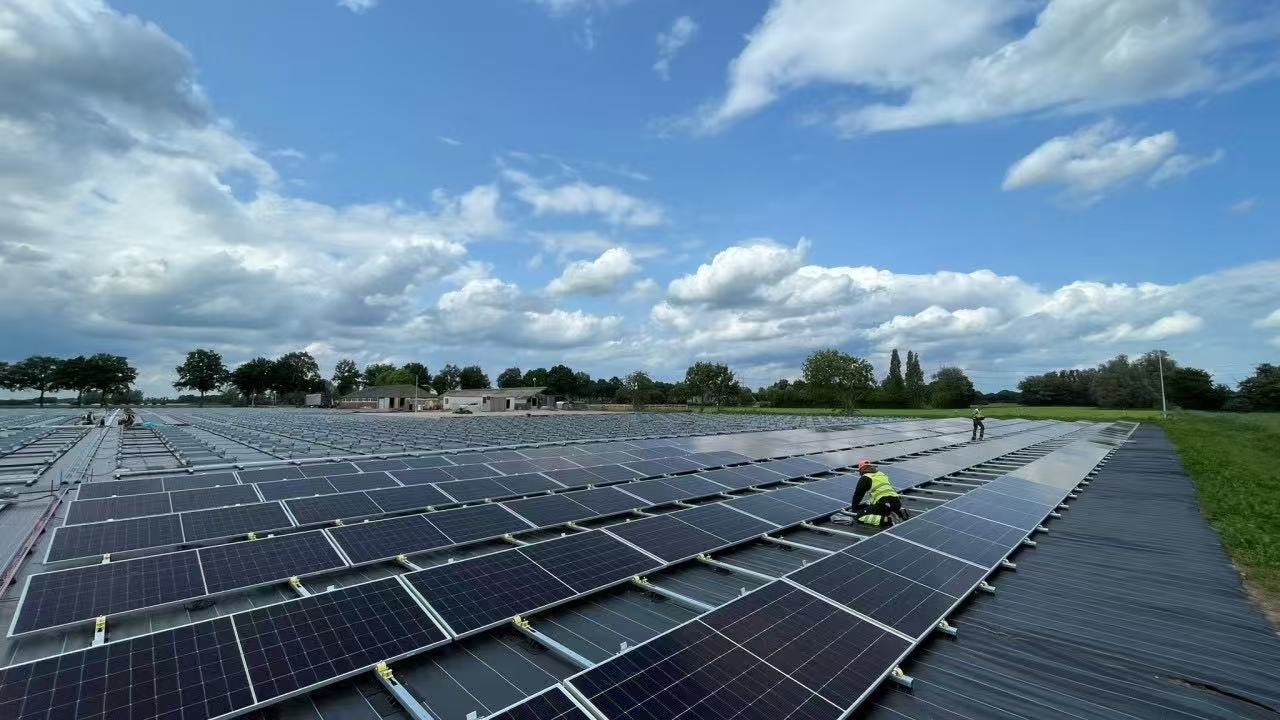
Ya, jika ukurannya sesuai dengan profil beban fasilitas. Array 100kW mencakup pembangkitan di siang hari, sementara BESS 215kWh menyediakan cadangan selama pemadaman dan pengurangan beban puncak selama periode tarif tinggi. Sistem ini mengurangi ketergantungan klien kami pada jaringan listrik hingga lebih dari 60%.
Untuk sistem sebesar ini (100kW + 215kWh), tim yang terlatih dengan baik dapat menyelesaikan pemasangan dalam 7–10 hari. Variabel kritisnya adalah konfigurasi pabrik sebelum pengiriman — jika sistem tiba dalam keadaan sudah dikonfigurasi, pekerjaan lapangan menjadi eksekusi daripada debugging.
Inverter hibrida terus memantau tegangan dan frekuensi jaringan listrik. Ketika salah satu parameter menyimpang di bawah ambang batas yang telah ditetapkan, inverter akan memutuskan sambungan dari jaringan listrik dalam waktu 20 ms dan mengalihkan beban fasilitas ke pasokan baterai. Ketika kondisi jaringan listrik stabil, sistem akan melakukan sinkronisasi ulang dan terhubung kembali secara otomatis.
Dengan margin penurunan daya yang tepat (15%+), penutup manajemen termal, dan kalibrasi SOC pagi hari, sistem BESS Li-ion berkinerja andal dalam suhu panas ekstrem. Proyek Sudan telah berjalan tanpa masalah terkait termal sejak pengoperasiannya.
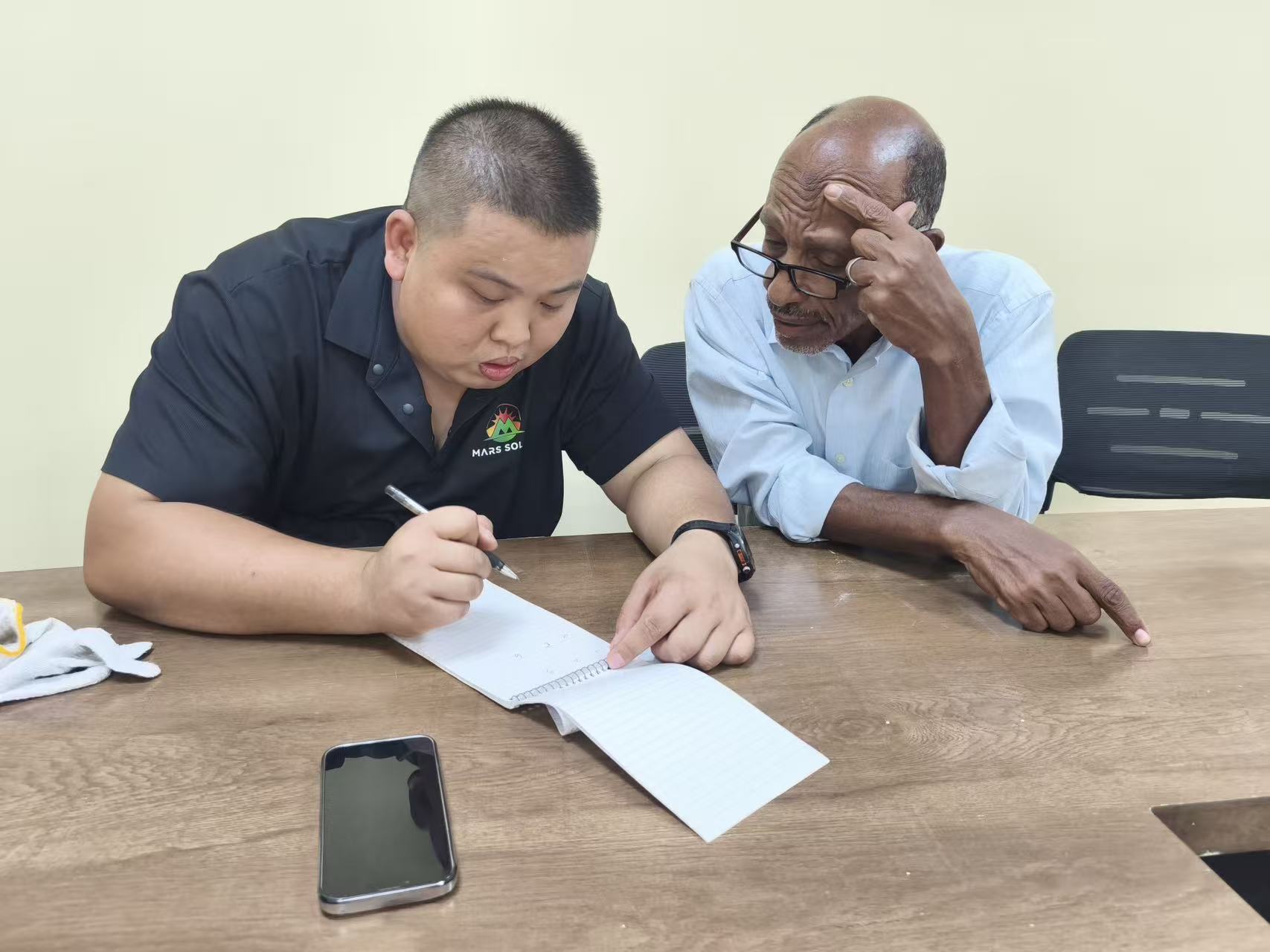
Ya. Kami mengirimkan tim teknik OEM kami sendiri untuk survei lokasi, instalasi, komisioning, dan serah terima. Kehadiran di lokasi memastikan kontrol kualitas dan kemampuan pemecahan masalah segera — yang sangat penting untuk memenuhi tenggat waktu 7 hari di Sudan.
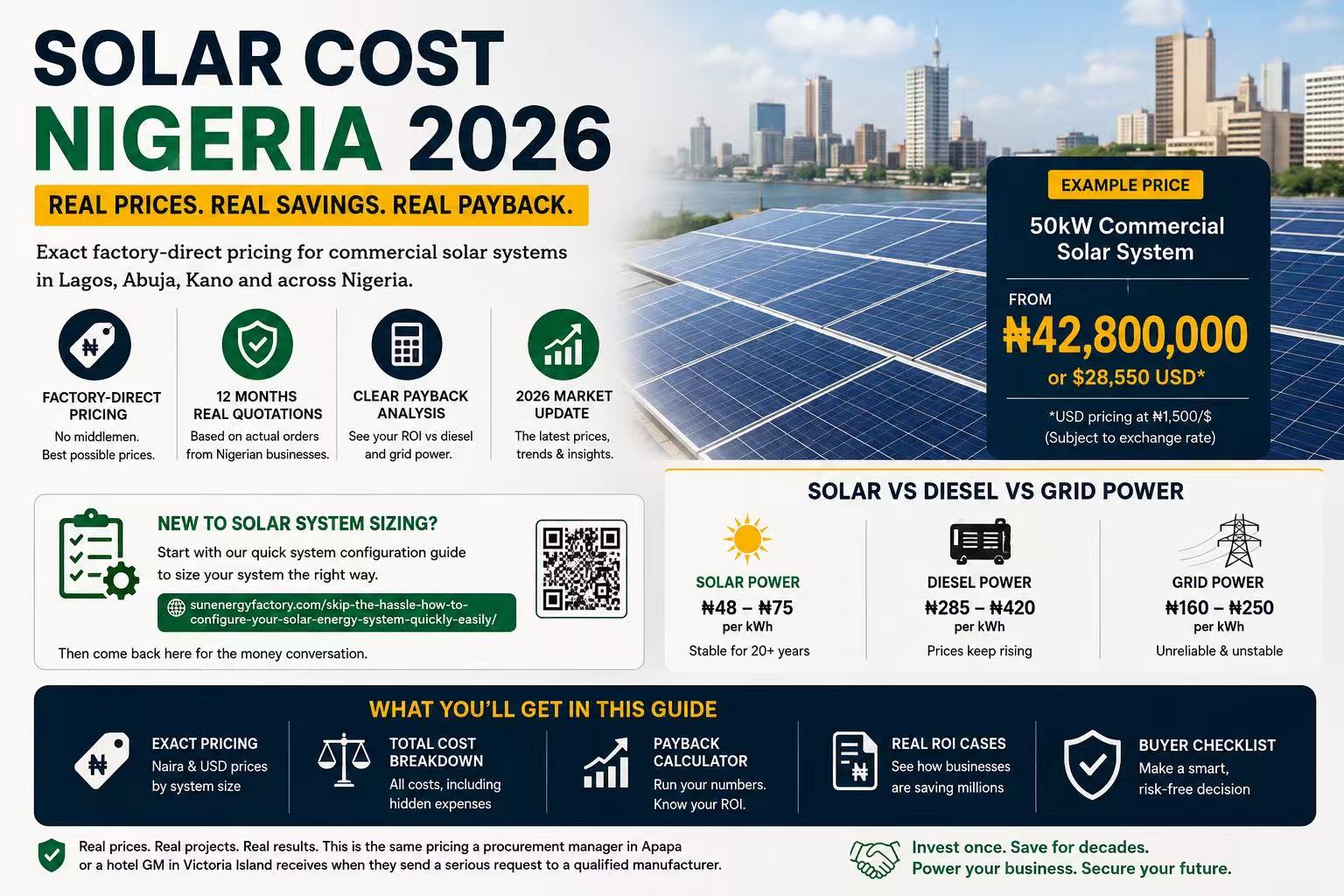
Di pasar seperti Sudan, di mana tarif listrik jaringan adalah $0.12–$0.18/kWh dan biaya cadangan diesel adalah $0.35–$0.50/kWh, pengembalian modal biasanya terjadi dalam 3–4 tahun. Angka pastinya bergantung pada profil beban fasilitas, frekuensi pemadaman, dan radiasi matahari yang tersedia.
Sedang mencari mikrogrid penyimpanan energi surya untuk fasilitas industri Anda di Afrika?
Hubungi tim teknik kami untuk penilaian lokasi gratis dan desain sistem khusus.

 English English
 Chinese
 Cebuano
 Arabic
 Czech
Czech Danish
 German
 Greek
Greek Spanish (Spain)
 Spanish (Mexico)
 Persian
 French
 Indonesian
 Italian
 Japanese
 Korean
 Dutch
Dutch Portuguese
 Russian
 Tagalog
 Turkish
 Vietnamese