
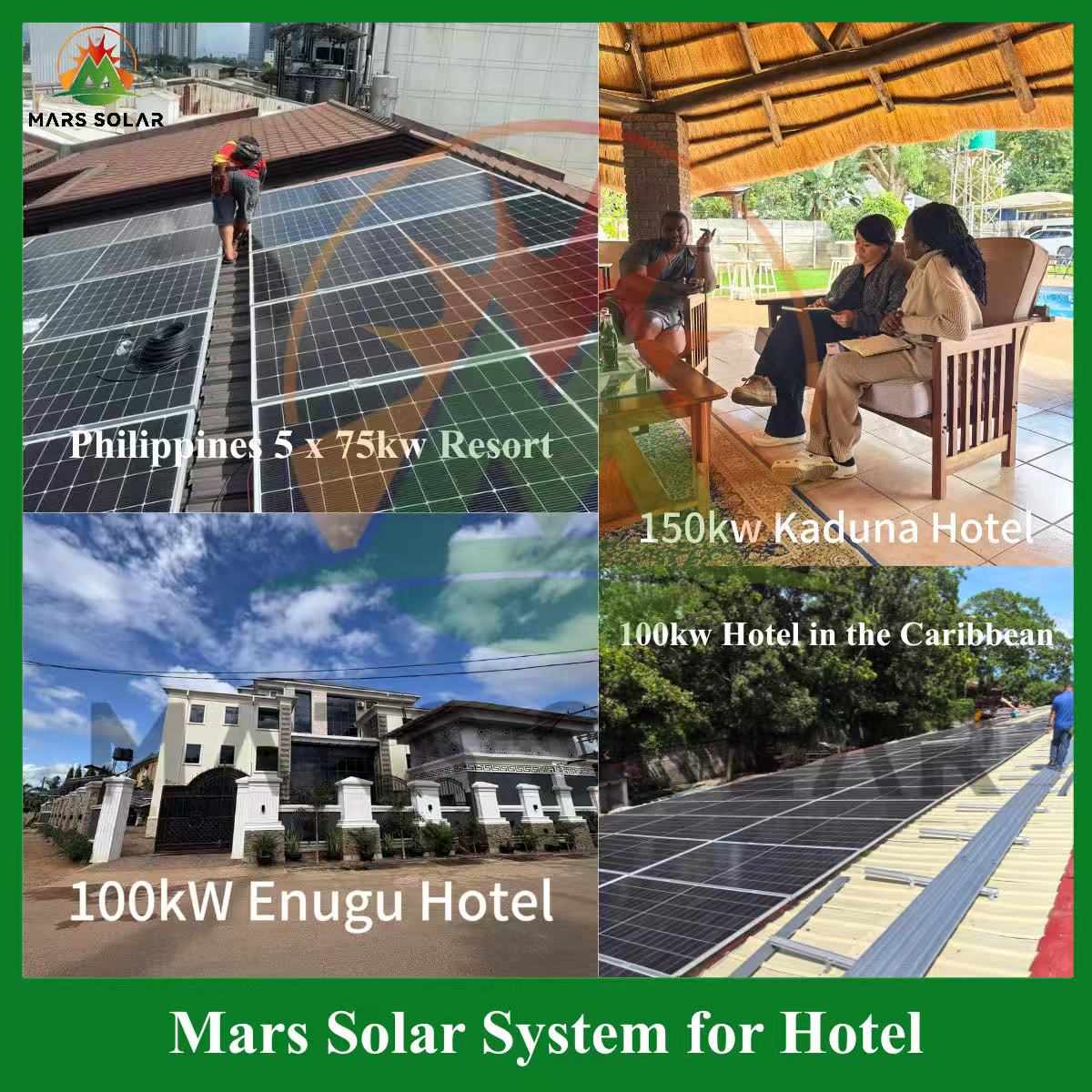
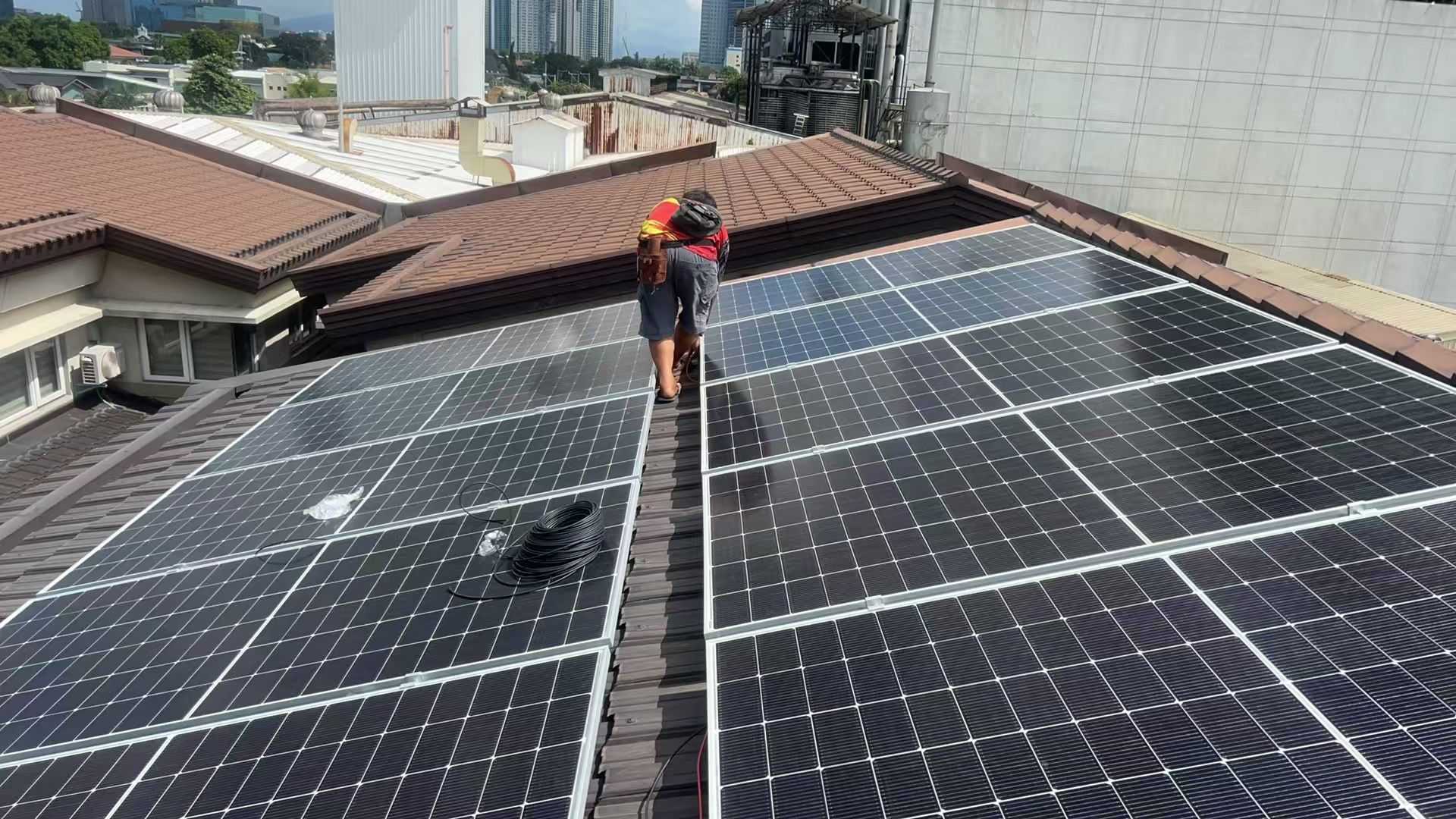


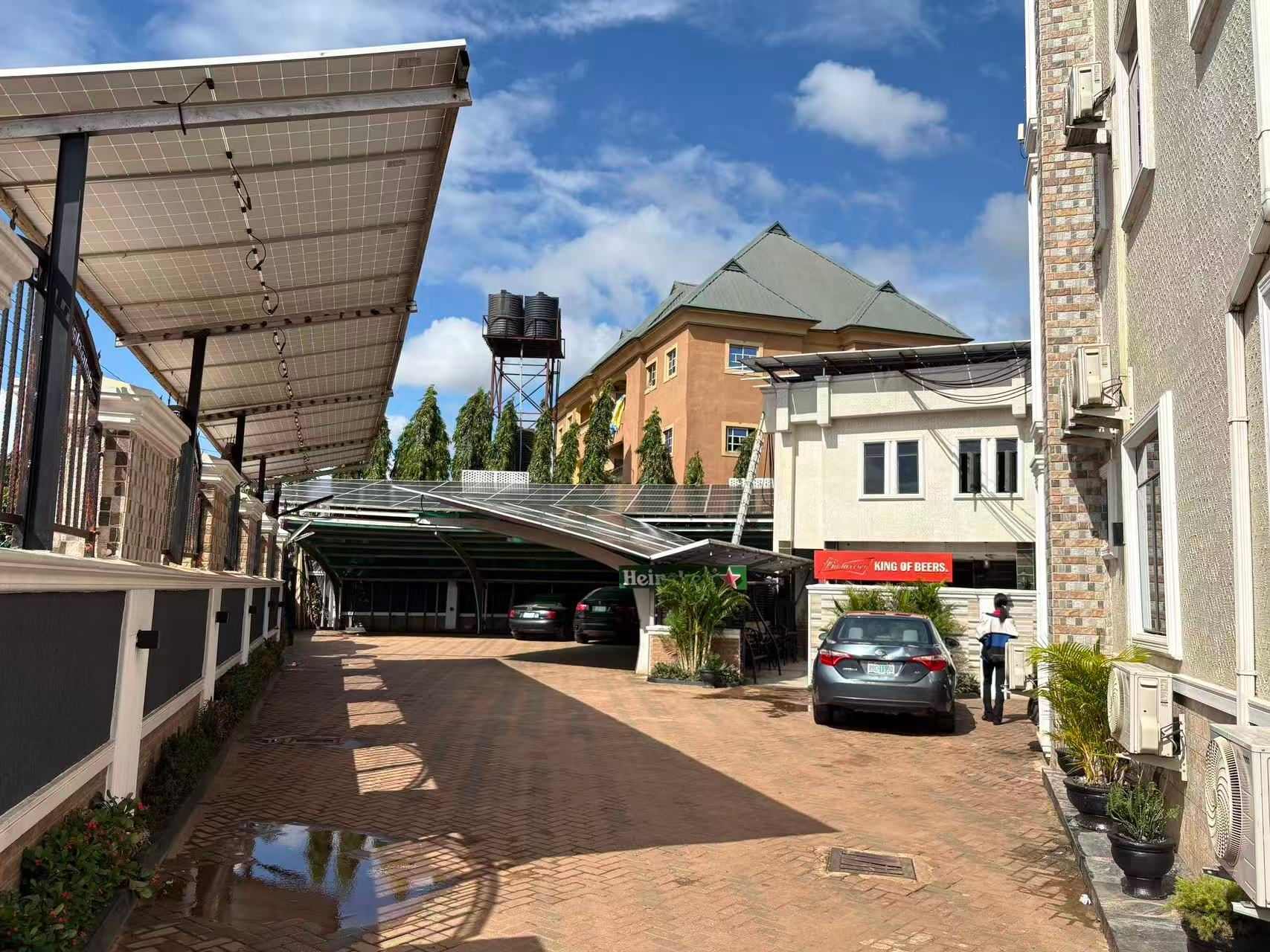
Système d'énergie solaire pour hôtel
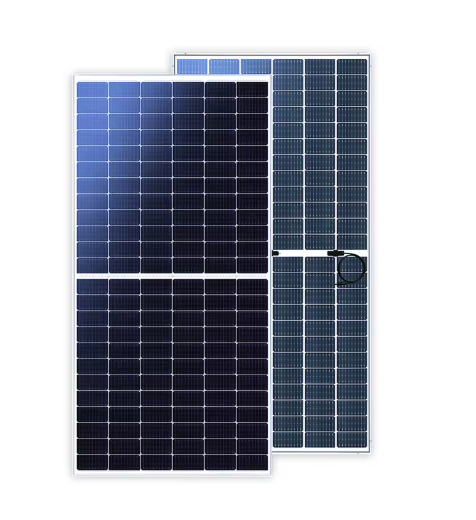
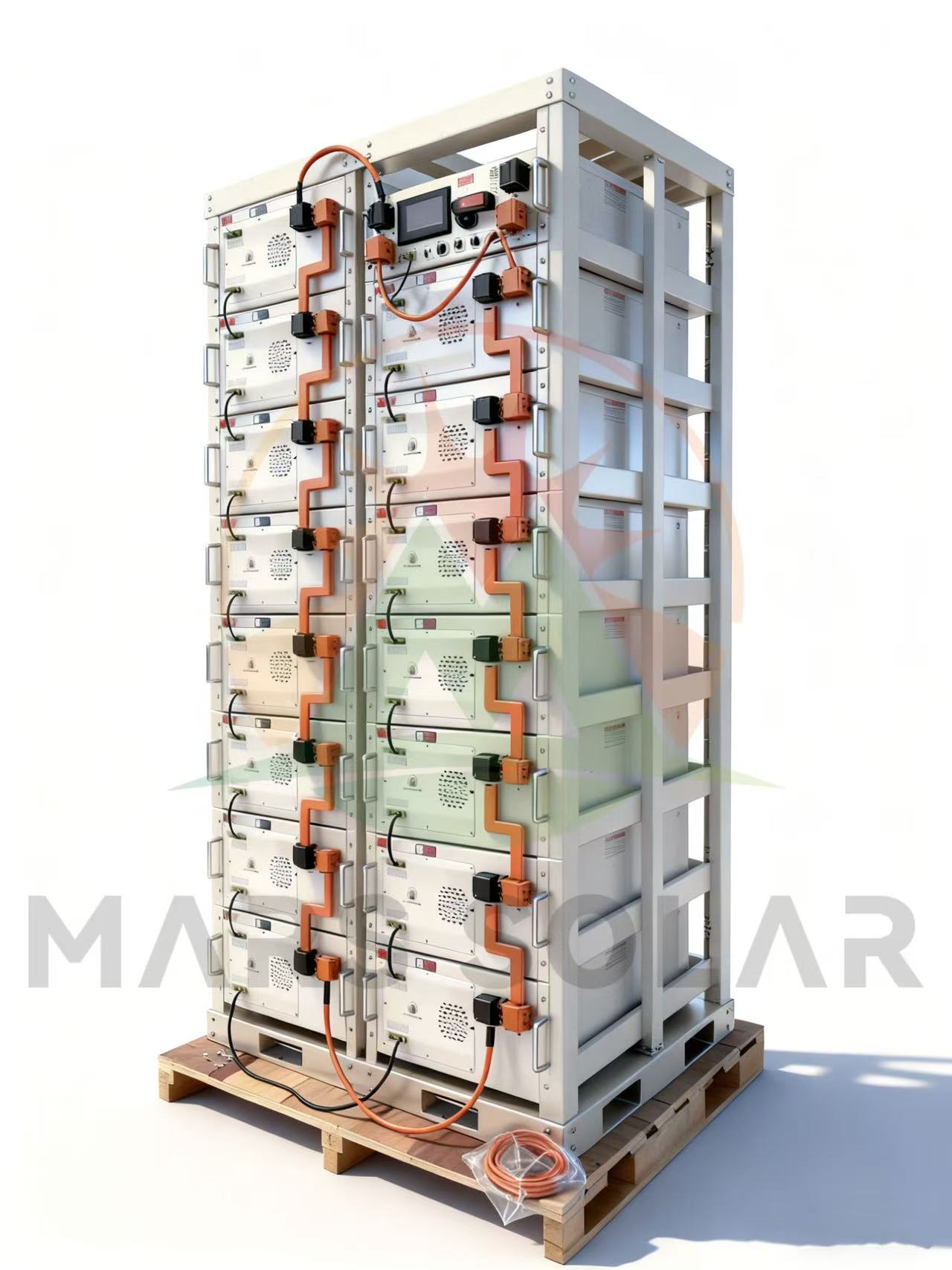
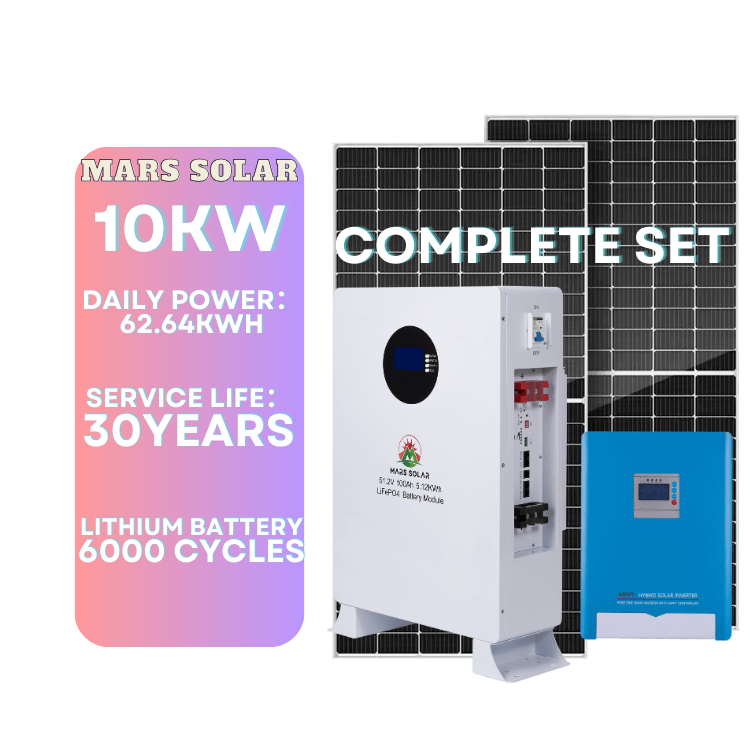
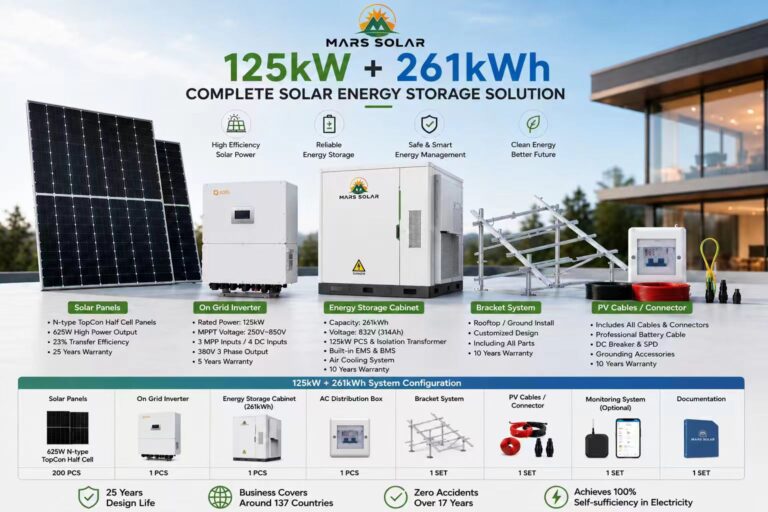
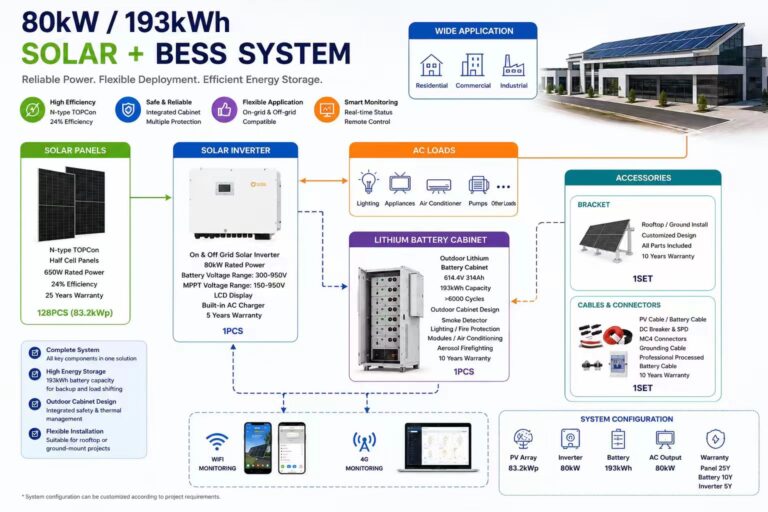
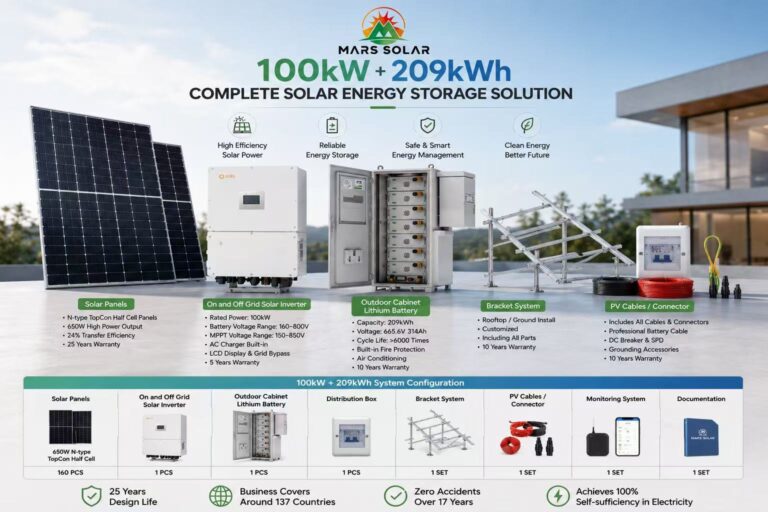
A complete système d'énergie solaire pour hôtel includes: high-efficiency solar panels, sturdy corrosion-resistant solar mounting brackets, long-cycle solar batteries supporting over 6,000 charge-discharge cycles at 80% DoD, a solar inverter integrated with MPPT controller (conversion efficiency ≥95%), high-temperature resistant solar cables and waterproof MC4 connectors. A solar power system for hotel also covers the mounting, protection and monitoring hardware needed to run guest rooms, laundry and air-conditioning without interruption.
Notre système d'énergie solaire pour hôtels, très apprécié, est disponible de 100 kW à 600 kW et prend en charge les alimentations monophasées et triphasées afin de répondre aux normes électriques hôtelières. Il couvre une large plage de tensions : CC 110 V/220 V/380 V et CA 110 V à 480 V, ce qui le rend idéal pour les hôtels de moyenne et grande taille, les complexes hôteliers et les établissements de villégiature.
Spécifications du produit
CA : 110 V ~ 480 V
Partager en tant que :
Présentation vidéo
Notes d'application monophasées et triphasées
- Alimentation monophasée (110 V/220 V) Il est principalement utilisé pour l'éclairage des hôtels, les petits appareils électriques, les climatiseurs de chambre et les charges électriques quotidiennes de faible puissance.
- Alimentation triphasée (380 V/480 V) Il est conçu pour les équipements à forte puissance tels que les systèmes de climatisation centrale, les chauffe-eau, les ascenseurs, les machines de cuisine et les systèmes d'alimentation de secours, assurant une alimentation électrique stable et équilibrée pour un fonctionnement continu de l'hôtel.
Le système est entièrement personnalisable en fonction des besoins énergétiques réels de votre hôtel, notamment en termes de capacité de puissance, de sélection de la tension, de configuration monophasée/triphasée et d'agencement de l'installation.
Avantages
Paramètres
Quantité minimale de commande : 1 ensemble. OEM et ODM acceptés.
Certifications : TUV, ETL, ISO, CE, RoHS
Paiement : virement bancaire, lettre de crédit, PayPal, Western Union
Liste des équipements du système

Why a Solar Power System for Hotel Pays Back Fastest
UN système d'énergie solaire pour hôtel has the most favourable load profile in commercial solar: air-conditioning peaks during the day when PV output is highest, and occupancy is stable year-round. That alignment means a high self-consumption rate with little export to the grid, which is what makes payback short.
UN système d'énergie solaire pour hôtel also protects revenue. Guests do not tolerate a power cut during the night, so the storage component converts a supply failure into something the guest never notices. Our 60kW resort storage case is a close analogue.
Sizing a Solar Power System for Hotel
Nous déterminons la taille d'un système d'énergie solaire pour hôtel from room count, air-conditioning load and occupancy pattern. A 60-room hotel with split-unit air-conditioning and a laundry typically consumes 700 to 1,100kWh a day, requiring 120 to 150kWp of PV plus storage for the evening and night block.
Water heating and laundry are the two loads that most often get underestimated. We separate them out at design stage so the inverter is not overloaded on a busy morning - the same method used on the Système hybride de 100 kW.
Chaque système d'énergie solaire pour hôtel we quote starts from measured load, so the payback figure you receive is one you can check against your own bills.
What a Solar Power System for Hotel Includes
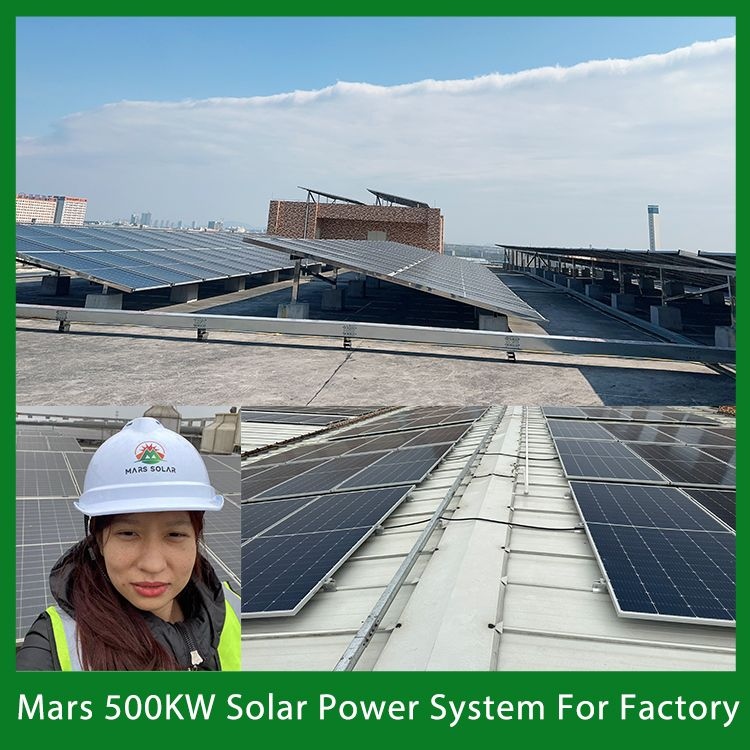
A complete système d'énergie solaire pour hôtel from Mars Solar includes PV modules, roof or ground mounting, hybrid inverters, LiFePO4 storage, protection and a monitoring gateway. Panels can be mounted on a flat roof with ballast or on a pitched roof with rail fixings.
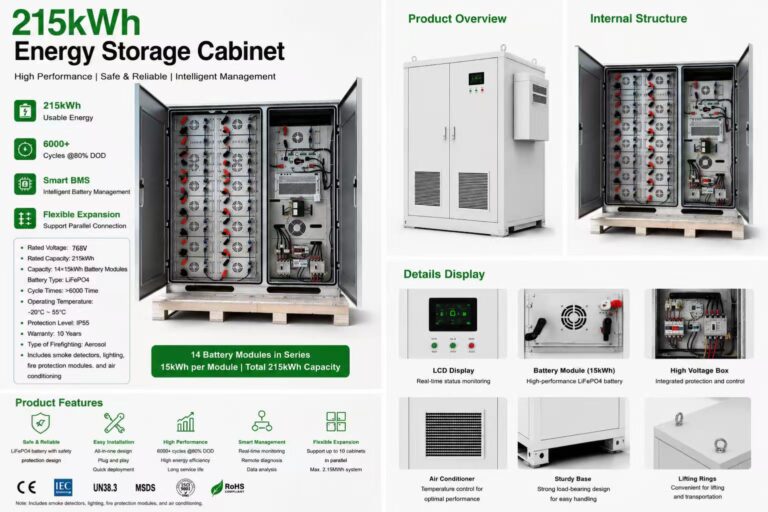
Because hotel roofs are often architecturally sensitive, we supply low-profile mounting. Storage sits in a plant room using our batterie de stockage d'énergie montée en rack.
That measurement-first approach is what a système d'énergie solaire pour hôtel needs before any equipment is discussed.
Buying a Solar Power System for Hotel from the Factory
Mars Solar supplies hotels directly from our factory with no distributor margin. A système d'énergie solaire pour hôtel is delivered as a matched kit with CE, RoHS, TUV and ISO certification, a 10-year battery warranty and 5-year inverter warranty.
Estimate the investment with our storage cost guide, and see how a comparable site performs in our 250kW supermarket storage case.
Energy is one of the largest controllable costs in hospitality. The U.S. Department of Energy's Bureau des technologies de l'énergie solaire documents the commercial case for on-site generation, which is what a solar power system for hotel is built on.
Foire aux questions
What is included in a solar power system for hotel?
Mars Solar supplies hotels directly from our factory with no distributor margin. A solar power system for hotel is delivered as a matched kit with CE, RoHS, TUV and ISO certification, a 10-year battery warranty and 5-year inverter warranty.
What should buyers check before ordering a solar power system for hotel?
A complete solar power system for hotel includes: high-efficiency solar panels, sturdy corrosion-resistant solar mounting brackets, long-cycle solar batteries supporting over 6,000 charge-discharge cycles at 80% DoD, a solar inverter integrated with MPPT controller (conversion efficiency ≥95%), high-temperature resistant solar cables and waterproof MC4 connectors.
A Day on Site: Hotel Load and System Operation
Worked example for sizing discussion, not a project measurement. A 60-room hotel with split-unit air conditioning and a laundry, drawing about 915 kWh a day, served by 130 kWp of PV — tropical yield taken as 4.5 kWh per kWp per day, about 585 kWh a day — and a battery sized on the guest-room night load.
| Time | Main loads | Average kW | kWh in block | Supply and battery |
|---|---|---|---|---|
| 00:00–06:00 | Guest-room AC, corridor and emergency lighting, hot-water holding | 20 | 120 | Battery, then grid — guest rooms never lose power |
| 06:00–09:00 | Water heating, breakfast kitchen, AC ramp-up | 40 | 120 | Battery plus PV; discharging stops as PV takes over |
| 09:00–12:00 | Housekeeping, laundry, kitchen prep, common-area AC | 45 | 135 | PV direct; surplus charges the battery |
| 12:00–16:00 | Full AC peak, laundry, kitchen service | 55 | 220 | PV direct; surplus charges the battery |
| 16:00–20:00 | Check-in peak, dinner service, pool pump | 50 | 200 | PV falls away and the battery covers the gap |
| 20:00–24:00 | Guest-room AC, restaurant close-down, lighting | 30 | 120 | Battery to its floor, grid covers the rest |
Reading the day: about 495 kWh of the 915 kWh is consumed at the moment it is generated, roughly 90 kWh is shifted through the battery into the evening, and the remaining 330 kWh is still bought from the grid. That split — not the panel rating — is what decides the bill.
kW, kWh and What the Battery Actually Covers
kW is power; kWh is energy. kW is the rate you draw at any instant. It sets the inverter size and decides whether the system can start the load at all. kWh is energy over time. It sets the battery size, how much of the bill you displace, and how long a backup lasts. A 55 kW hotel peak says the inverter must carry 55 kW at once; 915 kWh a day says how much energy has to come from somewhere across 24 hours. A quote that gives you one without the other is the most common reason a system underperforms.
Whole-site backup versus critical-load backup. Whole-site backup keeps every circuit alive — kitchen, laundry, pool plant and back of house — and needs a battery sized to the full evening peak, which typically multiplies storage cost by two to three. Critical-load backup keeps only what a guest notices: guest-room AC and lighting, corridor and emergency lighting, hot-water circulation, refrigeration, and the front desk or POS. Most hotels specify critical-load backup and let laundry and pool plant wait for the grid. Decide this before the battery is sized — it is the single largest cost lever in the quote.
What We Need From You to Size a Hotel System
- Room count and AC type — split units, central chilled water or VRF, and the kW per room.
- Hot water and kitchen load — the two loads most often underestimated; we separate them at design stage so the inverter is not overloaded on a busy morning.
- Occupancy pattern — annual average plus high and low season, because a resort at 40% occupancy draws a very different load from the same resort at 95%.
- Night backup scope — whole-site or only the guest-facing critical loads listed above.
- What a guest may notice — the acceptable limit on a power event: a flicker, a few minutes, or nothing at all.
- Roof or ground area and its condition — flat roof with ballast, pitched roof with rails or ground mount, plus any height or heritage limit.
Send 12 months of electricity bills plus 7–14 days of logged consumption and we return a sized system instead of a guess.

 English
 Arabic
 Spanish
 French
 Dutch
 Portuguese